Zinc-responsive dermatosis(ZRD)
Also known as: Zink-reaktive Dermatose · Zinc-responsive dermatopathy · Zinkmangeldermatose · Zinc-responsive skin disease
Overview
What it is
Zinc-responsive dermatosis is a skin disorder where a dog's body cannot properly absorb or use zinc from their food, even when eating a balanced diet. This nutritional deficiency weakens the skin's protective barrier, leading to irritation and abnormal skin cell development. Because there are no genetic tests for this condition, veterinarians diagnose it using breed history, skin biopsies, and how well the dog responds to zinc therapy.
How it presents
Owners typically notice symptoms around puberty, which include hair loss, redness, and thick, crusty skin around the eyes, muzzle, elbows, and paw pads. These affected areas are often very itchy, which can lead to constant scratching and secondary skin infections.
Treatment
While the condition is not curable, it can be successfully managed long-term with lifelong zinc supplementation and regular veterinary monitoring. Lifetime management costs typically range from 1,000 to 3,500 EUR.
How it's tested
Affected breeds





Treatment cost
Estimated range of typical treatment cost. Actual cost depends on severity, clinic and region.
Frequently asked
What is Zinc-responsive dermatosis?
Zinc-responsive dermatosis is a skin disorder where a dog's body cannot properly absorb or use zinc from their food, even when eating a balanced diet. This nutritional deficiency weakens the skin's protective barrier, leading to irritation and abnormal skin cell development. Because there are no genetic tests for this condition, veterinarians diagnose it using breed history, skin biopsies, and how well the dog responds to zinc therapy.
How is Zinc-responsive dermatosis tested?
Various clinical and genetic tests are used depending on the breed and presentation.
Which breeds are most affected?
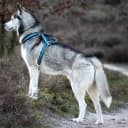
Most commonly affected: Alaskan Malamute, Dobermann, Samoyed, American Pit Bull Terrier, Great Dane, Siberian Husky.