Tricuspid valve dysplasia(TVD)
Overview
What it is
Tricuspid valve dysplasia is a congenital heart defect where the tricuspid valve, located on the right side of the heart, does not develop normally. This valve normally acts as a one-way gate, but its malformation prevents it from closing properly. As a result, blood leaks backward into the right atrium instead of flowing forward to the lungs, forcing the heart to work much harder.
How it presents
Symptoms typically appear within the first few months of life. Owners may notice their puppy tiring very quickly during play, having difficulty breathing, or developing a swollen, fluid-filled abdomen.
Treatment
While the underlying defect cannot be cured, the symptoms can be managed with lifelong heart medications. Treatment costs typically range from 1,500 to 8,000 EUR depending on the severity and the dog's response to therapy.
How it's tested
Herzultraschall (Echokardiographie)(Herz-Echo)
Primary testCardiac examEchokardiographie zur Beurteilung von Herzklappen, -wänden, -funktion. Pflicht z.B. bei Cavalier King Charles Spaniel (MMVD).
Issuing body: vet
Result scheme: Cardiac-OFA
Affected breeds









Treatment cost
Estimated range of typical treatment cost. Actual cost depends on severity, clinic and region.
Frequently asked
What is Tricuspid valve dysplasia?
Tricuspid valve dysplasia is a congenital heart defect where the tricuspid valve, located on the right side of the heart, does not develop normally. This valve normally acts as a one-way gate, but its malformation prevents it from closing properly. As a result, blood leaks backward into the right atrium instead of flowing forward to the lungs, forcing the heart to work much harder.
How is Tricuspid valve dysplasia tested?
Tests currently in our database: Herzultraschall (Echokardiographie).
Which breeds are most affected?
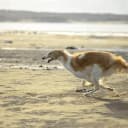
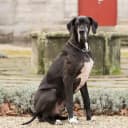
Most commonly affected: Borzoi, Great Pyrenees, Irish Red Setter, Newfoundland, Old English Sheepdog, Sheepadoodle, Short-haired Weimaraner, Weimaraner.