Sebaceous Adenitis(SA)
Also known as: Granulomatous Sebaceous Adenitis · Sebadenitis der Haut · Sebaceous Gland Disease · Granulomatöse Sebadenitis · Talgdrüsenadenitis
Overview
What it is
Sebaceous adenitis is an inflammatory skin disorder where the dog's immune system mistakenly attacks and destroys the sebaceous glands, which are the glands responsible for producing natural skin oils. Without these oils, the skin loses its protective moisture barrier, leading to severe dryness and damage to the hair follicles.
How it presents
Symptoms usually appear in young to middle-aged dogs and include progressive hair loss, thick silvery dandruff or scales, matted fur, and sometimes a strong, unpleasant skin odor.
Treatment
This is a lifelong condition that cannot be cured, but it can be managed with regular medicated baths, topical oils, and supportive medications. Lifetime treatment and management costs typically range from €3,000 to €10,000.
How it's tested
Histopathologische Hautbiopsie auf Sebadenitis(SA)
Primary testClinical examEine histopathologische Untersuchung von Hautstanzbiopsien dient dem Nachweis der Entzündung und Zerstörung der Talgdrüsen.
Issuing body: OFA
Result scheme: Clear/Carrier/Affected
Affected breeds
23 of 23 breeds
 RecommendedAkita
 RecommendedBernedoodle
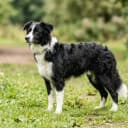 RecommendedBordoodle
 RecommendedCavapoo
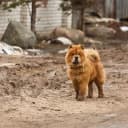 RecommendedChow Chow
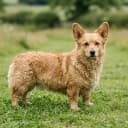 RecommendedCorgipoo
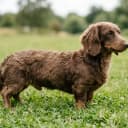 RecommendedDoxiepoo
 RecommendedHavapoo
 RecommendedHungarian Vizsla
 RecommendedJackapoo
 RecommendedPomapoo
 RecommendedPoodle
 RecommendedSamoyed
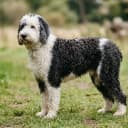 RecommendedSheepadoodle
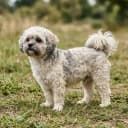 RecommendedShihpoo
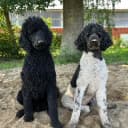 RecommendedStandard Poodle
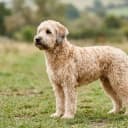 RecommendedWhoodle
 OptionalDachshund
 OptionalDalmatian
 OptionalDobermann
 OptionalMiniature Poodle
 OptionalShort-haired Weimaraner
 OptionalWeimaraner
Treatment cost
Estimated range of typical treatment cost. Actual cost depends on severity, clinic and region.
Frequently asked
What is Sebaceous Adenitis?
Sebaceous adenitis is an inflammatory skin disorder where the dog's immune system mistakenly attacks and destroys the sebaceous glands, which are the glands responsible for producing natural skin oils. Without these oils, the skin loses its protective moisture barrier, leading to severe dryness and damage to the hair follicles.
How is Sebaceous Adenitis tested?
Tests currently in our database: Histopathologische Hautbiopsie auf Sebadenitis.
Which breeds are most affected?
Most commonly affected: Akita, Bernedoodle, Bordoodle, Cavapoo, Chow Chow, Corgipoo, Doxiepoo, Havapoo.