Cutaneous mucinosis(SPCM)
Also known as: Shar-Pei Cutaneous Mucinosis · Kutane Muzinose · Haut-Muzinose · Cutaneous mucinosis of the Shar Pei
Overview
What it is
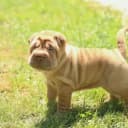
Cutaneous mucinosis is a skin disorder where an excessive amount of mucin, a jelly-like substance that normally supports skin structure, builds up in the deeper layers of the skin. This accumulation causes the skin to become unusually thick, heavy, and prone to extreme folding.
How it presents
Owners typically notice thick, puffy skin folds, bubbles, or fluid-filled bumps, with symptoms usually appearing during puppyhood. If the jelly-like material builds up in the throat, it can also cause snoring, noisy breathing, or difficulty swallowing.
Treatment
While often a cosmetic concern requiring no intervention, cases causing discomfort or breathing issues are treated with steroid medications. Management can be ongoing, with veterinary costs typically ranging from €150 to €1,500 depending on the severity and duration of treatment.
How it's tested
Klinische Untersuchung und Hautbiopsie(Hautbiopsie)
Primary testClinical examDie Diagnose der kutanen Muzinose erfolgt primär klinisch und wird durch eine histopathologische Untersuchung einer Hautbiopsie (Stanzbiopsie) gesichert.
Issuing body: vet
Result scheme: Clear/Carrier/Affected
Affected breeds
1 of 1 breeds
Treatment cost
Estimated range of typical treatment cost. Actual cost depends on severity, clinic and region.
Frequently asked
What is cutaneous mucinosis?
Cutaneous mucinosis is a skin disorder where an excessive amount of mucin, a jelly-like substance that normally supports skin structure, builds up in the deeper layers of the skin. This accumulation causes the skin to become unusually thick, heavy, and prone to extreme folding.
How is cutaneous mucinosis tested?
Tests currently in our database: Klinische Untersuchung und Hautbiopsie.
Which breeds are most affected?
Most commonly affected: Shar-Pei.