Spinocerebellar Ataxia(SCA)
Also known as: Hereditary Ataxia · Spinocerebellar Degeneration · Late-Onset Spinocerebellar Ataxia · SCA with Myokymia
Overview
What it is
Spinocerebellar ataxia is an inherited neurological disorder affecting the dog's nervous system, specifically the spinal cord and the cerebellum, which is the brain region responsible for coordinating movement. Over time, the nerve cells in these areas degenerate and fail to communicate properly. This results in a progressive loss of control over bodily movements.
How it presents
Symptoms usually become visible in puppies between 2 and 9 months of age, starting with a wobbly, uncoordinated gait and difficulty balancing. As the disease progresses, owners may also observe muscle tremors and seizures.
Treatment
There is no cure for this condition, and therapy is limited to supportive care to maintain quality of life. Lifetime costs for supportive care and diagnostics typically range from 500 to 2500 EUR, though humane euthanasia is often eventually required as the disease worsens.
How it's tested
Spinozerebellaere Ataxie (SCA) DNA-Test(SCA)
Primary testDNA testEin molekularbiologischer DNA-Test zum Nachweis der kausalen Mutation fuer die spinocerebellaere Ataxie beim Hund.
Issuing body: Labogen
Result scheme: Clear/Carrier/Affected
Affected breeds
8 of 8 breeds
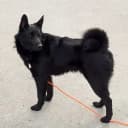 Mandatory testNorwegian Elkhound (Black)Mandated by NKK / NEKF
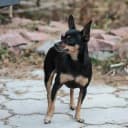 Mandatory testToy Fox Terrier
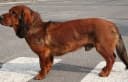 RecommendedAlpine Dachsbracke
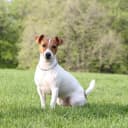 RecommendedJack Russell Terrier
 RecommendedJackapoo
 RecommendedRatonero Valenciano
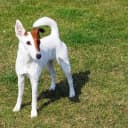 RecommendedSmooth Fox TerrierMandated by Deutscher Foxterrier-Verband e.V. (DFV)
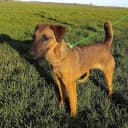 RecommendedWestphalian Terrier
Treatment cost
Estimated range of typical treatment cost. Actual cost depends on severity, clinic and region.
Frequently asked
What is Spinocerebellar Ataxia?
Spinocerebellar ataxia is an inherited neurological disorder affecting the dog's nervous system, specifically the spinal cord and the cerebellum, which is the brain region responsible for coordinating movement. Over time, the nerve cells in these areas degenerate and fail to communicate properly. This results in a progressive loss of control over bodily movements.
How is Spinocerebellar Ataxia tested?
Tests currently in our database: Spinozerebellaere Ataxie (SCA) DNA-Test.
Which breeds are most affected?
Most commonly affected: Norwegian Elkhound (Black), Toy Fox Terrier, Alpine Dachsbracke, Jack Russell Terrier, Jackapoo, Ratonero Valenciano, Smooth Fox Terrier, Westphalian Terrier.