Shaker dog syndrome(GTS)
Also known as: White dog shaker syndrome · Idiopathic cerebellitis · Little white shaker syndrome · Idiopathic tremor syndrome · Generalized tremor syndrome · …
Overview
What it is
Shaker dog syndrome is an inflammatory condition affecting the cerebellum, which is the part of the brain responsible for coordinating voluntary muscle movements. This inflammation, believed to be an immune-mediated response where the body's immune system mistakenly attacks its own nervous tissue, leads to uncontrollable full-body tremors. The exact underlying cause of this brain inflammation remains unknown.
How it presents
Symptoms typically appear suddenly between the ages of 6 months and 3 years, manifesting as severe full-body tremors that worsen with excitement or active movement. Owners may also notice rapid, involuntary eye movements in affected dogs.
Treatment
The condition is highly treatable with corticosteroids, though it often requires a tapering therapy over several months or a low-dose, lifelong maintenance regimen. Total costs, including initial neurological diagnostics like MRIs and spinal fluid analysis, generally range from 1,500 to 4,500 EUR.
How it's tested
Affected breeds





Treatment cost
Estimated range of typical treatment cost. Actual cost depends on severity, clinic and region.
Frequently asked
What is Shaker dog syndrome?
Shaker dog syndrome is an inflammatory condition affecting the cerebellum, which is the part of the brain responsible for coordinating voluntary muscle movements. This inflammation, believed to be an immune-mediated response where the body's immune system mistakenly attacks its own nervous tissue, leads to uncontrollable full-body tremors. The exact underlying cause of this brain inflammation remains unknown.
How is Shaker dog syndrome tested?
Various clinical and genetic tests are used depending on the breed and presentation.
Which breeds are most affected?
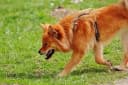
Most commonly affected: Maltese, Morkie, West Highland White Terrier, Beagle, Finnish Spitz, Yorkshire Terrier.