Third eyelid (nictitating membrane) abnormalities - "cherry eye"
Also known as: Cherry Eye · Nickhautdrüsenvorfall · Kirschauge · Prolapse of the gland of the third eyelid · Nictitating membrane prolapse · …
Overview
What it is
A prolapse of the nictitating membrane gland, commonly called 'cherry eye,' occurs when the tear gland of the third eyelid slips out of its normal position. This gland is responsible for producing a significant portion of the eye's protective tear film. When the connective tissue holding it in place weakens, the gland protrudes, appearing as a red, fleshy mass in the inner corner of the eye.
How it presents
Owners will typically notice a smooth, red or pink swelling resembling a small cherry in the inner corner of one or both eyes. This condition most commonly develops in young dogs, typically before they reach one year of age, and may be accompanied by watery eyes or mild squinting.
Treatment
The condition is highly treatable through a surgical procedure that repositions and secures the gland back into its proper place to preserve tear production. This is typically a one-time corrective surgery, with treatment and follow-up care generally costing between 500 and 2000 EUR.
How it's tested
ECVO Augenuntersuchung (DOK)(ECVO-DOK)
Primary testEye examAugenuntersuchung durch ECVO-zertifizierten Augentierarzt (Dortmunder Kreis). Erkennt PRA, Katarakt, Entropium, CEA, MPP, RD u.a.
Issuing body: ECVO
Result scheme: Eye-ECVO
Affected breeds
18 of 18 breeds
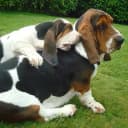 RecommendedBasset Hound
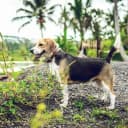 RecommendedBeagle
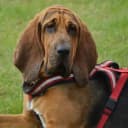 RecommendedBloodhound
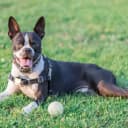 RecommendedBoston Terrier
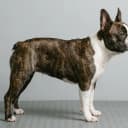 RecommendedFrenchton
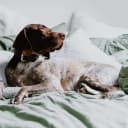 RecommendedGerman Shorthaired Pointer
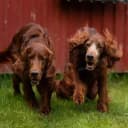 RecommendedIrish Red Setter
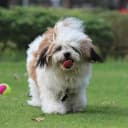 RecommendedLhasa Apso
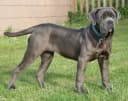 RecommendedNeapolitan Mastiff
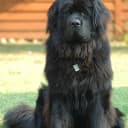 RecommendedNewfoundland
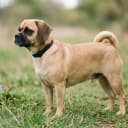 RecommendedPuggle
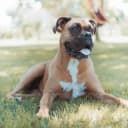 OptionalBoxer
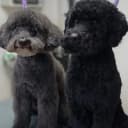 OptionalMiniature Poodle
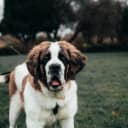 OptionalSaint Bernard
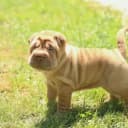 OptionalShar-Pei
 OptionalShih Tzu
 OptionalShort-haired Weimaraner
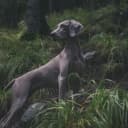 OptionalWeimaraner
Treatment cost
Estimated range of typical treatment cost. Actual cost depends on severity, clinic and region.
Frequently asked
What is Third eyelid (nictitating membrane) abnormalities - "cherry eye"?
A prolapse of the nictitating membrane gland, commonly called 'cherry eye,' occurs when the tear gland of the third eyelid slips out of its normal position. This gland is responsible for producing a significant portion of the eye's protective tear film. When the connective tissue holding it in place weakens, the gland protrudes, appearing as a red, fleshy mass in the inner corner of the eye.
How is Third eyelid (nictitating membrane) abnormalities - "cherry eye" tested?
Tests currently in our database: ECVO Augenuntersuchung (DOK).
Which breeds are most affected?
Most commonly affected: Basset Hound, Beagle, Bloodhound, Boston Terrier, Frenchton, German Shorthaired Pointer, Irish Red Setter, Lhasa Apso.