Recessive Hypotrichosis
Also known as: Congenital hypotrichosis · Rezessive Hypotrichose · Hereditary hypotrichosis · Rezessiver Haarausfall · Genetischer Haarausfall
Overview
What it is
Recessive hypotrichosis is an inherited skin disorder caused by a genetic mutation in the SGK3 gene that disrupts the normal development of hair follicles. Because these follicles do not mature properly, the dog is unable to produce or maintain a normal coat. This condition is limited to the skin and hair system and does not affect the dog's internal health or lifespan.
How it presents
Symptoms usually become visible in puppies within their first few weeks of life as sparse hair growth or progressive hair loss. Owners will notice patches of baldness or thinning hair, and the exposed skin may appear dry and be highly sensitive to cold temperatures and sunburn.
Treatment
There is no cure for this condition, but it can be managed throughout the dog's life with supportive care like skin moisturizers, sunscreen, and protective clothing. Lifelong management costs are generally low, typically ranging from 150 to 1000 EUR.
How it's tested
Hypotrichose DNA-Test(Hypotrichose)
Primary testDNA testEin DNA-Test identifiziert die ursächliche Mutation für die autosomal-rezessive Hypotrichose, um betroffene Hunde und Anlageträger frühzeitig zu erkennen.
Issuing body: Labogen
Result scheme: Clear/Carrier/Affected
Affected breeds
1 of 1 breeds
Treatment cost
Estimated range of typical treatment cost. Actual cost depends on severity, clinic and region.
Frequently asked
What is Recessive Hypotrichosis?
Recessive hypotrichosis is an inherited skin disorder caused by a genetic mutation in the SGK3 gene that disrupts the normal development of hair follicles. Because these follicles do not mature properly, the dog is unable to produce or maintain a normal coat. This condition is limited to the skin and hair system and does not affect the dog's internal health or lifespan.
How is Recessive Hypotrichosis tested?
Tests currently in our database: Hypotrichose DNA-Test.
Which breeds are most affected?
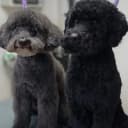
Most commonly affected: Miniature Poodle.