Histiocytoma
Also known as: Cutaneous histiocytoma · Canine cutaneous histiocytoma · Haut-Histiozytom · Gutartiges Histiozytom · Button tumor · …
Overview
What it is
A histiocytoma is a non-cancerous (benign) skin growth that originates from Langerhans cells, which are part of the dog's immune system. These cells normally help protect the skin, but they can sometimes overgrow to form a small, harmless lump. In the vast majority of cases, these tumors are completely benign and will shrink and disappear on their own.
How it presents
Owners typically notice a single, firm, hairless red lump on the dog's head, ears, or legs, most commonly in dogs under three years of age. These growths are usually painless, though they can become itchy or inflamed if the dog scratches at them.
Treatment
In most cases, no treatment is needed as the tumor resolves on its own. If the growth becomes irritated or fails to disappear, it can be removed in a simple, one-time procedure typically costing between €150 and €600.
How it's tested
Affected breeds


Treatment cost
Estimated range of typical treatment cost. Actual cost depends on severity, clinic and region.
Frequently asked
What is Histiocytoma?
A histiocytoma is a non-cancerous (benign) skin growth that originates from Langerhans cells, which are part of the dog's immune system. These cells normally help protect the skin, but they can sometimes overgrow to form a small, harmless lump. In the vast majority of cases, these tumors are completely benign and will shrink and disappear on their own.
How is Histiocytoma tested?
Various clinical and genetic tests are used depending on the breed and presentation.
Which breeds are most affected?
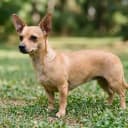
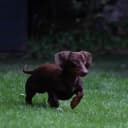
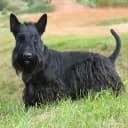
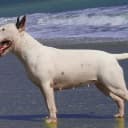
Most commonly affected: Chiweenie, Dachshund, Doxiepoo, Scottish Terrier, Boxer, Bull Terrier.