Dermoids
Also known as: Dermoidzyste · Corneal Dermoid · Ocular Dermoid · Epibulbares Dermoid · Choristom · …
Overview
What it is
A dermoid is a benign, congenital growth where normal skin tissue, which can include hair follicles and glands, mistakenly develops in abnormal locations on the eye. This typically affects the cornea, which is the clear outer surface of the eye, or the conjunctiva, the pink membrane lining the eyelids. Because this misplaced skin tissue often grows hair, it causes constant irritation to the eye's surface.
How it presents
Symptoms are usually noticed during puppyhood. Owners will typically see a visible, hairy patch on the eyeball, accompanied by persistent tearing, squinting, and redness from the hair rubbing against the eye.
Treatment
This condition is highly treatable with a one-time surgical removal of the tissue, often diagnosed using an ECVO eye exam. The surgery is curative, and treatment typically costs between €600 and €2,500.
How it's tested
ECVO Augenuntersuchung (DOK)(ECVO-DOK)
Primary testEye examAugenuntersuchung durch ECVO-zertifizierten Augentierarzt (Dortmunder Kreis). Erkennt PRA, Katarakt, Entropium, CEA, MPP, RD u.a.
Issuing body: ECVO
Result scheme: Eye-ECVO
Affected breeds
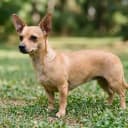
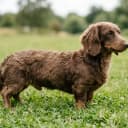

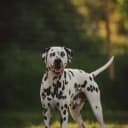
Treatment cost
Estimated range of typical treatment cost. Actual cost depends on severity, clinic and region.
Frequently asked
What is Dermoids?
A dermoid is a benign, congenital growth where normal skin tissue, which can include hair follicles and glands, mistakenly develops in abnormal locations on the eye. This typically affects the cornea, which is the clear outer surface of the eye, or the conjunctiva, the pink membrane lining the eyelids. Because this misplaced skin tissue often grows hair, it causes constant irritation to the eye's surface.
How is Dermoids tested?
Tests currently in our database: ECVO Augenuntersuchung (DOK).
Which breeds are most affected?
Most commonly affected: Chiweenie, Dachshund, Doxiepoo, Saint Bernard, Dalmatian, German Shepherd.