Dental abnormalities
Also known as: Zahnanomalien · Zahnfehlstellungen · Malocclusion · Oligodontia · Hypodontia · …
Overview
What it is
Dental abnormalities refer to congenital or acquired malformations of the teeth and jaw structure, affecting the skeletal and digestive systems of the mouth. This includes malocclusions, which are misalignments where the upper and lower teeth do not meet properly, as well as missing or extra teeth. These structural issues can interfere with normal chewing and cause teeth to rub painfully against the sensitive tissues of the mouth.
How it presents
Owners typically notice these issues during puppyhood or when permanent teeth emerge, usually between four and seven months of age. Common signs include visibly crooked teeth, difficulty chewing, dropping food, excessive drooling, or bleeding from gum injuries.
Treatment
The condition is highly treatable, ranging from simple tooth extractions to orthodontic corrections, which are typically one-time procedures, though some dogs require ongoing dental monitoring. Treatment costs generally range from 200 to 2500 EUR depending on the severity.
How it's tested
Zahnstatus- und Gebissuntersuchung(Gebisskontrolle)
Primary testClinical examEine klinische Untersuchung des Gebisses durch den Tierarzt zur Feststellung von Zahnfehlstellungen, Kieferanomalien sowie Fehlern in der Zahnanzahl.
Issuing body: vet
Result scheme: Clear/Carrier/Affected
Klinische Zahn- und Gebissuntersuchung(Zahnuntersuchung)
Primary testClinical examEine klinische Untersuchung der Mundhöhle durch einen Tierarzt zur Beurteilung der Zahnstellung und Identifikation von mesiovertierten Eckzähnen.
Issuing body: vet
Result scheme: Clear/Carrier/Affected
Affected breeds
24 of 43 breeds
 Mandatory testBasset Fauve de Bretagne
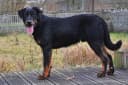 Mandatory testBeauceronMandated by Club für Französische Hirtenhunde e.V.
 Mandatory testBerger PicardMandated by Club für Französische Hirtenhunde e.V.
 Mandatory testBriard
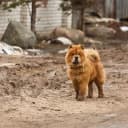 Mandatory testChow Chow
 Mandatory testContinental Bulldog
 Mandatory testDutch Shepherd (Longhair)
 Mandatory testDutch Shepherd (Wire-Haired)
 Mandatory testFox Terrier
 Mandatory testGerman Hound
 Mandatory testGerman Roughhaired Pointer
 Mandatory testGerman Shorthaired Pointer
 Mandatory testGriffon Fauve de Bretagne
 Mandatory testJagdterrier
 Mandatory testKorean Jindo
 Mandatory testLong-haired Dachshund
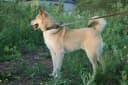 Mandatory testNorwegian Buhund
 Mandatory testNova Scotia Duck Tolling Retriever
 Mandatory testPeruvian Hairless Dog
 Mandatory testRottweiler
 Mandatory testSmooth Fox Terrier
 Mandatory testSmooth-haired Dachshund
 Mandatory testTibetan Spaniel
 Mandatory testWire Fox Terrier
Treatment cost
Estimated range of typical treatment cost. Actual cost depends on severity, clinic and region.
Frequently asked
What is Dental abnormalities?
Dental abnormalities refer to congenital or acquired malformations of the teeth and jaw structure, affecting the skeletal and digestive systems of the mouth. This includes malocclusions, which are misalignments where the upper and lower teeth do not meet properly, as well as missing or extra teeth. These structural issues can interfere with normal chewing and cause teeth to rub painfully against the sensitive tissues of the mouth.
How is Dental abnormalities tested?
Tests currently in our database: Zahnstatus- und Gebissuntersuchung, Klinische Zahn- und Gebissuntersuchung.
Which breeds are most affected?
Most commonly affected: Basset Fauve de Bretagne, Beauceron, Berger Picard, Briard, Chow Chow, Continental Bulldog, Dutch Shepherd (Longhair), Dutch Shepherd (Wire-Haired).