Symmetrical Lupoid Onychodystrophy(SLO)
Also known as: Symmetrical Lupoid Onychitis · Lupoid Onychodystrophy · Symmetrische lupoide Onychitis · Symmetrische Lupoid-Onychodystrophie · Symmetrischer Krallenausfall
Overview
What it is
Symmetrical Lupoid Onychodystrophy (SLO) is an immune-mediated disease where the dog's immune system mistakenly attacks the claw beds. This localized immune reaction leads to the progressive damage and shedding of the claws. To confirm the diagnosis, a veterinarian typically performs a claw biopsy, which involves the surgical removal and laboratory analysis of an affected claw.
How it presents
The condition typically appears in dogs between two and six years of age, starting with a single loose or shed claw that quickly spreads to multiple paws. Owners will notice their dog splitting or losing claws, limping, and constantly licking at their painful paws.
Treatment
SLO is not curable and requires lifelong management with anti-inflammatory medications, fatty acids, and dietary adjustments. Lifetime treatment and diagnostic costs generally range from 1,500 to 6,000 EUR.
How it's tested
Klinische und histopathologische Untersuchung der Kralle(Krallenbiopsie)
Primary testClinical examDie Diagnose wird durch eine klinische Untersuchung und die histopathologische Analyse einer Krallenbiopsie (meist einer amputierten Afterkralle) gestellt, um andere Ursachen auszuschließen.
Issuing body: vet
Result scheme: Clear/Carrier/Affected
Affected breeds
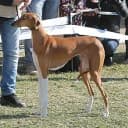
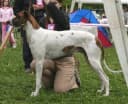
2 of 2 breeds
Treatment cost
Estimated range of typical treatment cost. Actual cost depends on severity, clinic and region.
Frequently asked
What is Symmetrical Lupoid Onychodystrophy?
Symmetrical Lupoid Onychodystrophy (SLO) is an immune-mediated disease where the dog's immune system mistakenly attacks the claw beds. This localized immune reaction leads to the progressive damage and shedding of the claws. To confirm the diagnosis, a veterinarian typically performs a claw biopsy, which involves the surgical removal and laboratory analysis of an affected claw.
How is Symmetrical Lupoid Onychodystrophy tested?
Tests currently in our database: Klinische und histopathologische Untersuchung der Kralle.
Which breeds are most affected?
Most commonly affected: Azawakh, Magyar Agar.