Pemphigus(PF)
Also known as: Pemphigus foliaceus · Pemphigus erythematosus · Autoimmunbedingte Krustenbildung · Canine pemphigus · Pemphigus vulgaris
Overview
What it is
Pemphigus is a group of serious autoimmune skin diseases, including a severe deep form called pemphigus vulgaris, where the dog's immune system mistakenly attacks the proteins holding skin cells together. This attack disrupts the skin's outer layers, causing the cells to separate from one another. As a result, painful blisters, open sores, and crusts develop across the skin and mucous membranes.
How it presents
Owners typically first notice pustules, scabs, and crusts on the face, ears, and paw pads, often starting around four years of age. Affected dogs may also show signs of pain, itching, fever, and a general loss of energy or appetite.
Treatment
This is a lifelong condition that requires ongoing management with immunosuppressive medications to control the immune system. Regular veterinary monitoring and lifelong therapy typically cost between €2,500 and €9,000.
How it's tested
Hautbiopsie und histopathologische Untersuchung(Biopsie)
Primary testClinical examEine Hautbiopsie mit anschließender histopathologischer Untersuchung der Haarfollikel dient dem Nachweis von dysplastischen Follikeln und abnormalen Pigmentansammlungen.
Issuing body: vet
Result scheme: Clear/Carrier/Affected
Affected breeds





Treatment cost
Estimated range of typical treatment cost. Actual cost depends on severity, clinic and region.
Frequently asked
What is Pemphigus?
Pemphigus is a group of serious autoimmune skin diseases, including a severe deep form called pemphigus vulgaris, where the dog's immune system mistakenly attacks the proteins holding skin cells together. This attack disrupts the skin's outer layers, causing the cells to separate from one another. As a result, painful blisters, open sores, and crusts develop across the skin and mucous membranes.
How is Pemphigus tested?
Tests currently in our database: Hautbiopsie und histopathologische Untersuchung.
Which breeds are most affected?
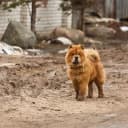
Most commonly affected: Akita, Bearded Collie, Dobermann, Newfoundland, Chow Chow, German Shepherd.