Multiple system degeneration, SERAC1-related(CMSD)
Also known as: SERAC1-related multiple system degeneration · SERAC1-MSD · Multiple System Degeneration · SERAC1-associated neurodegeneration · Multisystemdegeneration beim Hund · …
Overview
What it is
This is a severe, inherited disorder of the nervous system caused by a genetic mutation in the SERAC1 gene. The mutation disrupts cellular lipid metabolism, which is the process cells use to break down and use fats. This disruption leads to progressive damage to nerve cells in both the brain and the spinal cord.
How it presents
Affected dogs typically begin showing symptoms during puppyhood. Owners will notice rapidly worsening neurological signs, including coordination issues, tremors, balance problems, and changes in behavior.
Treatment
There is no cure for this fatal condition, and treatment is limited to supportive care to keep the dog comfortable. Managing the symptoms and providing palliative care typically costs between 250 and 1000 EUR, though early euthanasia is often necessary to prevent suffering.
How it's tested
Multiple Systemdegeneration (SERAC1) Gentest(MSD)
Primary testDNA testDer Gentest identifiziert die kausale Mutation im SERAC1-Gen, welche für die multiple Systemdegeneration verantwortlich ist, und ermöglicht den Nachweis von Trägern und betroffenen Hunden.
Issuing body: other
Result scheme: Clear/Carrier/Affected
Affected breeds
1 of 1 breeds
Treatment cost
Estimated range of typical treatment cost. Actual cost depends on severity, clinic and region.
Frequently asked
What is Multiple system degeneration, SERAC1-related?
This is a severe, inherited disorder of the nervous system caused by a genetic mutation in the SERAC1 gene. The mutation disrupts cellular lipid metabolism, which is the process cells use to break down and use fats. This disruption leads to progressive damage to nerve cells in both the brain and the spinal cord.
How is Multiple system degeneration, SERAC1-related tested?
Tests currently in our database: Multiple Systemdegeneration (SERAC1) Gentest.
Which breeds are most affected?
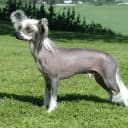
Most commonly affected: Chinese Crested Dog.