Pituitary hormone deficiency, POU1F1-related(CPHD)
Also known as: Combined Pituitary Hormone Deficiency · POU1F1 pituitary dwarfism · Pituitary Dwarfism POU1F1-related
Overview
What it is
This is an inherited disorder affecting the pituitary gland, which is a small hormone-producing organ at the base of the brain. Due to a genetic mutation, this gland fails to produce essential hormones, specifically growth hormone and thyroid-stimulating hormone. This deficiency severely disrupts the dog's normal growth, metabolism, and physical development.
How it presents
Owners typically notice symptoms in puppies around 3 to 4 weeks of age. Signs include severely stunted growth, a lack of normal adult coat development leading to hair loss, and extreme lethargy or sluggishness.
Treatment
The condition is not curable and requires lifelong hormone replacement therapy alongside regular veterinary monitoring. This intensive treatment is estimated to cost between 4,000 and 12,000 EUR over the dog's lifetime.
How it's tested
POU1F1-assoziierter hypophysärer Zwergwuchs DNA-Test(CPHD (POU1F1))
Primary testDNA testEin DNA-Test zum Nachweis der Mutation im POU1F1-Gen, die für den kombinierten hypophysären Hormonmangel (Zwergwuchs) verantwortlich ist.
Issuing body: other
Result scheme: Clear/Carrier/Affected
Affected breeds
Treatment cost
Estimated range of typical treatment cost. Actual cost depends on severity, clinic and region.
Frequently asked
What is Pituitary hormone deficiency, POU1F1-related?
This is an inherited disorder affecting the pituitary gland, which is a small hormone-producing organ at the base of the brain. Due to a genetic mutation, this gland fails to produce essential hormones, specifically growth hormone and thyroid-stimulating hormone. This deficiency severely disrupts the dog's normal growth, metabolism, and physical development.
How is Pituitary hormone deficiency, POU1F1-related tested?
Tests currently in our database: POU1F1-assoziierter hypophysärer Zwergwuchs DNA-Test.
Which breeds are most affected?
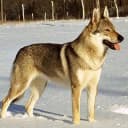
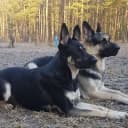
Most commonly affected: Czechoslovakian Wolfdog, East European Shepherd.