Pituitary hormone deficiency, LHX3-related(CPHD)
Also known as: Pituitary Dwarfism · Combined Pituitary Hormone Deficiency · Hypophysärer Zwergwuchs · LHX3 dwarfism
Overview
What it is
This condition is an inherited underdevelopment of the pituitary gland, which is a small hormone-producing organ at the base of the brain. Due to a genetic mutation, the gland cannot produce enough growth hormone and other vital regulatory hormones. This deficiency severely impacts the dog's overall development and the function of other organs like the thyroid.
How it presents
Symptoms usually become noticeable in puppies between three and four weeks of age, starting with severely stunted growth. Owners will also observe that the puppy retains its soft, fluffy baby coat, which eventually falls out, alongside a gradual decrease in energy.
Treatment
This condition is incurable and requires lifelong hormone replacement therapy alongside regular veterinary monitoring. The lifetime cost of this supportive treatment typically ranges from 5,000 to 15,000 EUR.
How it's tested
LHX3-Zwergwuchs DNA-Test(CPHD)
Primary testDNA testDer DNA-Test identifiziert die ursächliche Mutation im LHX3-Gen, die für den kombinierten hypophysären Hormonmangel (hypophysären Zwergwuchs) verantwortlich ist.
Issuing body: Labogen
Result scheme: Clear/Carrier/Affected
Affected breeds

Treatment cost
Estimated range of typical treatment cost. Actual cost depends on severity, clinic and region.
Frequently asked
What is Pituitary hormone deficiency, LHX3-related?
This condition is an inherited underdevelopment of the pituitary gland, which is a small hormone-producing organ at the base of the brain. Due to a genetic mutation, the gland cannot produce enough growth hormone and other vital regulatory hormones. This deficiency severely impacts the dog's overall development and the function of other organs like the thyroid.
How is Pituitary hormone deficiency, LHX3-related tested?
Tests currently in our database: LHX3-Zwergwuchs DNA-Test.
Which breeds are most affected?
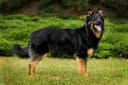
Most commonly affected: Bohemian Shepherd, German Shepherd.