Familial goitre(CHG)
Also known as: Familial goiter · Congenital hypothyroidism with goiter · Thyroid dyshormonogenesis · Familiärer Kropf · Angeborene Schilddrüsenunterfunktion mit Kropf · …
Overview
What it is
Familial goitre is an inherited disorder of the endocrine system where the thyroid gland is unable to produce essential thyroid hormones. This genetic defect causes the thyroid gland in the neck to enlarge significantly as it tries to compensate for the hormone deficiency. Without immediate treatment, this lack of hormones severely disrupts normal growth and body functions.
How it presents
Symptoms become noticeable in early puppyhood and typically include a visible swelling in the neck, severely stunted growth, lethargy, and a coarse coat. Affected puppies may also show mental dullness and fail to thrive.
Treatment
This severe condition is lethal without immediate intervention, but it can be managed with lifelong daily thyroid hormone replacement therapy. Regular veterinary blood tests are required to monitor hormone levels, with lifetime treatment costs ranging from 2,000 to 5,000 EUR.
How it's tested
Kongenitale Hypothyreose (CHG) DNA-Test(CHG)
Primary testDNA testDer DNA-Test identifiziert die ursächliche Mutation im TPO-Gen, die für die kongenitale Hypothyreose mit Kropfbildung bei der Französischen Bulldogge verantwortlich ist.
Issuing body: Labogen
Result scheme: Clear/Carrier/Affected
Affected breeds
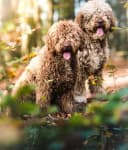
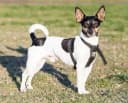
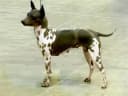
Treatment cost
Estimated range of typical treatment cost. Actual cost depends on severity, clinic and region.
Frequently asked
What is Familial goitre?
Familial goitre is an inherited disorder of the endocrine system where the thyroid gland is unable to produce essential thyroid hormones. This genetic defect causes the thyroid gland in the neck to enlarge significantly as it tries to compensate for the hormone deficiency. Without immediate treatment, this lack of hormones severely disrupts normal growth and body functions.
How is Familial goitre tested?
Tests currently in our database: Kongenitale Hypothyreose (CHG) DNA-Test.
Which breeds are most affected?
Most commonly affected: Spanish Water Dog, Teddy Roosevelt Terrier, Toy Fox Terrier, American Hairless Terrier, Rat Terrier.