Hereditary Cataract(HC)
Also known as: Grauer Star · HSF4-Katarakt · Juvenile Cataract · Familial Cataract
Overview
What it is
Hereditary cataract is an inherited eye disorder characterized by the progressive clouding of the eye's natural lens. This clouding prevents light from passing through to the retina, which gradually impairs the dog's vision and can lead to complete blindness. The condition is primarily inherited in an autosomal-recessive manner, meaning a puppy must inherit the mutated gene from both parents to be affected.
How it presents
Owners typically notice a cloudy, milky-blue, or white discoloration in one or both of the dog's pupils, often starting in puppyhood or young adulthood. Affected dogs may also show signs of vision loss, such as bumping into furniture or hesitating in low-light conditions.
Treatment
While there is no medical cure, the condition can be treated with surgical removal of the cloudy lens, which requires lifelong follow-up eye drops. This specialized veterinary surgery typically costs between €2,500 and €6,000.
How it's tested
Hereditaere Katarakt (HC) DNA-Test(HC)
Primary testDNA testEin DNA-Test zum Nachweis der Mutation im HSF4-Gen, die fuer die erbliche Katarakt bei verschiedenen Hunderassen verantwortlich ist.
Issuing body: Labogen
Result scheme: Clear/Carrier/Affected
Affected breeds
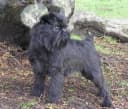
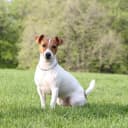

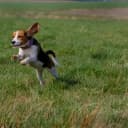
Treatment cost
Estimated range of typical treatment cost. Actual cost depends on severity, clinic and region.
Frequently asked
What is Hereditary Cataract?
Hereditary cataract is an inherited eye disorder characterized by the progressive clouding of the eye's natural lens. This clouding prevents light from passing through to the retina, which gradually impairs the dog's vision and can lead to complete blindness. The condition is primarily inherited in an autosomal-recessive manner, meaning a puppy must inherit the mutated gene from both parents to be affected.
How is Hereditary Cataract tested?
Tests currently in our database: Hereditaere Katarakt (HC) DNA-Test.
Which breeds are most affected?
Most commonly affected: Belgian Griffon, Jack Russell Terrier, Jackapoo, Treeing Walker Coonhound.