Primary ciliary dyskinesia (PCD), CCDC39-related(PCD)
Also known as: Primary Ciliary Dyskinesia · Immotile Cilia Syndrome · Kartagener-Syndrom · CCDC39-related PCD · Primäre ciliäre Dyskinesie
Overview
What it is
This is an inherited respiratory disorder where the microscopic, hair-like structures called cilia lining the airways fail to move properly. These cilia normally sweep mucus, dust, and bacteria out of the lungs to keep them clean. Because the cilia do not work, the respiratory system cannot clear itself, leading to persistent fluid buildup and chronic infections.
How it presents
Symptoms typically appear during puppyhood and include a chronic cough, thick nasal discharge, and recurrent pneumonia. Affected dogs often show difficulty breathing and have a very low tolerance for physical exercise.
Treatment
The condition is incurable and requires lifelong, intensive medical management, including daily inhalation therapy and frequent antibiotics to control infections. The estimated lifetime cost of this supportive care ranges from €4,000 to €15,000.
How it's tested
Primäre Ziliäre Dyskinesie (PCD) DNA-Test(PCD (CCDC39))
Primary testDNA testEin DNA-Test zum Nachweis der Mutation im CCDC39-Gen, die zu funktionsunfähigen Flimmerhärchen in den Atemwegen führt.
Issuing body: Labogen
Result scheme: Clear/Carrier/Affected
Affected breeds
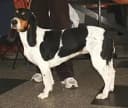
2 of 2 breeds
Treatment cost
Estimated range of typical treatment cost. Actual cost depends on severity, clinic and region.
Frequently asked
What is Primary ciliary dyskinesia (PCD), CCDC39-related?
This is an inherited respiratory disorder where the microscopic, hair-like structures called cilia lining the airways fail to move properly. These cilia normally sweep mucus, dust, and bacteria out of the lungs to keep them clean. Because the cilia do not work, the respiratory system cannot clear itself, leading to persistent fluid buildup and chronic infections.
How is Primary ciliary dyskinesia (PCD), CCDC39-related tested?
Tests currently in our database: Primäre Ziliäre Dyskinesie (PCD) DNA-Test.
Which breeds are most affected?
Most commonly affected: Bernese Hound, Swiss Hound.