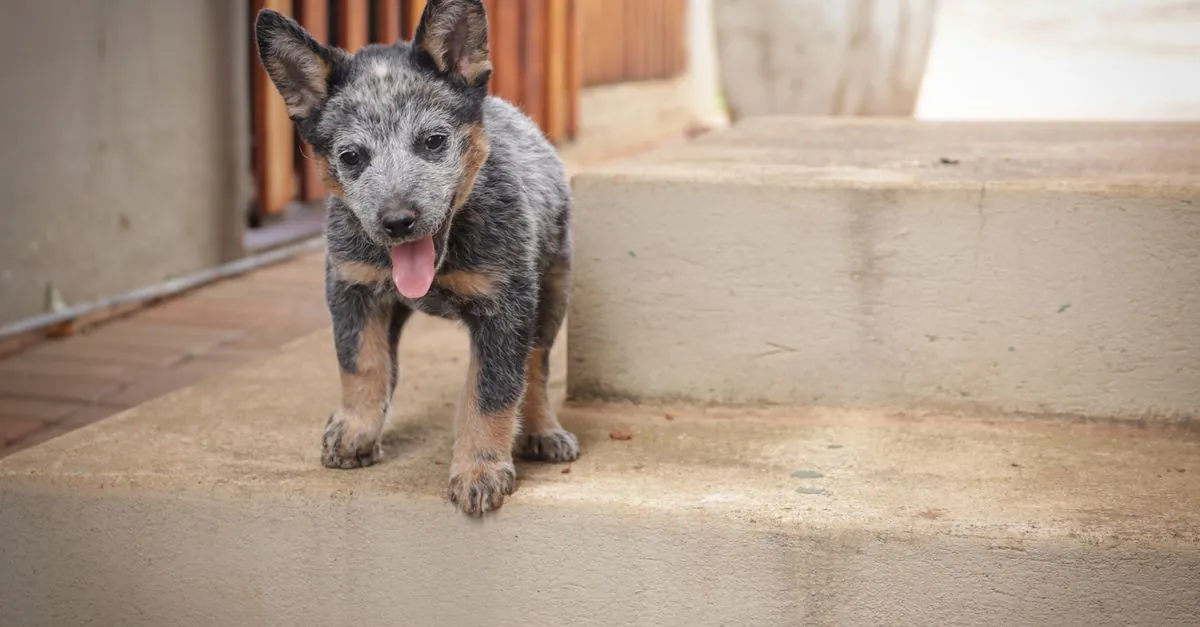
The illegal puppy trade continues to flourish unchecked in 2026. Despite stricter controls and awareness campaigns, unsuspecting buyers fall for the devious tactics of criminal networks every day. The latest evaluations from animal welfare organizations paint a grim picture: thousands of sick and underage dogs are transported across Europe to satisfy the constant demand for certain trending breeds. As a dog lover, you are called upon more than ever to look closely. We have summarized the latest developments, affected regions, and the most important protective measures for you.
The Alarming Balance Sheet: Current Figures for 2025 and 2026
When we look at the cold, hard numbers, the scale of the crime becomes immediately apparent. In May 2026, the German Animal Welfare Federation (Deutscher Tierschutzbund) published its analysis for the past year and sounded the alarm: in 2025 alone, 257 cases of illegal pet trafficking were officially recorded in Germany. At least 2,250 animals were affected—the majority of them dogs. Tragically, in over 75 percent of cases, the animals were in critical health and required immediate veterinary care.
The animal welfare foundation Four Paws confirms this trend in their current report. For 2025, the organization documented 81 cases involving 737 rescued animals, including 631 dogs. And 2026 shows no signs of relief: in the first quarter (January to March 2026) alone, 171 illegally traded animals were discovered in 21 cases. The youngest puppies were just four weeks old, having been separated from their mothers far too early. Experts repeatedly emphasize: these figures only reflect the discovered cases. The actual number of unreported cases on the European black market is likely significantly higher.
Bavaria as the Sad Frontrunner: Hotspots and Routes
The illegal puppy trade is a major logistical operation heavily dependent on geography. A look at the map of seizures reveals a clear distribution. Bavaria remains the undisputed hotspot in Germany as of June 2026. According to the latest data from Four Paws, about 41 percent of all seizures (33 cases with 183 animals in 2025) took place in the Free State. In the first quarter of 2026, 45 percent of rescued animals were found on Bavarian highways and border crossings.
The reason for this lies in the geographical location. Bavaria borders the Czech Republic and Austria directly and is the main gateway for the heavily used transport routes from Eastern Europe. Most of the confiscated puppies come from so-called puppy mills in Romania, Moldova, and Poland. There, the parent animals are abused as mere breeding machines under catastrophic, unhygienic conditions. North Rhine-Westphalia (10 cases) and Baden-Württemberg (9 cases) follow in second and third place, showing that traffickers often drive animals across the entire country to hand them over to end customers.
Trending Breeds in the Crosshairs
Criminals produce exactly what the market demands. The illegal puppy trade is strongly oriented toward current trends. Small companion dog breeds are particularly favored by dealers, as they are easy to transport and fetch high prices.
At the top of the list of the most frequently smuggled breeds are Pomeranians, Maltese, French Bulldogs, and Dachshunds. Poodles and popular Poodle mixes are also illegally imported in mass quantities. If you are interested in one of these breeds, you should thoroughly research their typical characteristics and the requirements for responsible breeding beforehand. A great resource for this is our comprehensive breed directory on HonestDog. There, you will learn what really matters for each breed and which health aspects are crucial.
The Dealer's Scheme: How the Online Business Works
The distribution of sick puppies now takes place almost exclusively online. Perpetrators use classified ad portals and social media to sell their animals anonymously and quickly. The ads are often highly professional: cute photos of puppies in baskets, garnished with texts suggesting a loving hobby breeder or family environment.
The prices for these dogs are often just slightly below those of reputable breeders, sometimes even costing several thousand euros. This pricing is a deliberate trick to avoid suspicion—since extremely cheap puppies now make many buyers wary. As soon as contact is made, sellers push for a quick handover. Often, emotional stories are fabricated as to why the mother dog supposedly cannot be present. The handover often takes place in parking lots, at gas stations, or directly from the trunk of a car.
Buyer Protection: How to Protect Yourself and the Animals
To pull the rug out from under the illegal puppy trade, education is the most important tool. Every buyer bears shared responsibility. If you are looking for a new family member, you should take these warning signs very seriously:
- Missing Mother Dog: A reputable breeder will always show you the puppies' mother. If she is not there or acts apathetic and uninterested (beware: strange dogs are often presented as alibi-mothers), you should walk away immediately.
- Age of the Puppies: By law, puppies may not be separated from their mother before the age of eight weeks. When importing from other EU countries, strict rabies regulations also apply, meaning these animals cannot enter Germany before they are 15 weeks old.
- Meeting Place: Never buy a dog on the street, at a train station, or out of a car. A real breeder will invite you to their home, often multiple times, before the puppy moves in.
- Missing or Faked Documents: A foreign pet passport (often blue) for an allegedly German puppy is a massive red flag. Vaccination certificates are also frequently forged by criminal rings.
In our education-center on HonestDog, you will find more detailed guides that prepare you step-by-step for a safe puppy purchase and show you how to identify reputable breeders without a doubt.
Conclusion: Together Against the Illegal Puppy Trade
The latest figures from June 2026 sadly prove that the illegal puppy trade remains a flourishing, multi-million-euro business at the expense of animals. As long as there is a demand for fast and easy puppy purchases on the internet, criminals will maintain this system. The best protection for you and the animals is patience, education, and choosing the right platform.
This is exactly where HonestDog comes in. As a trustworthy platform, we have made it our mission to bring transparency and safety to dog adoption. With us, you will find only verified, reputable breeders who put the well-being of their animals first. Choosing a dog means taking responsibility for a whole lifetime—and that responsibility begins with the careful selection of the breeder.
FAQ: Frequently Asked Questions About the Illegal Puppy Trade
How do I recognize an illegally traded puppy?
Often, the puppies are far too young, appear apathetic, frightened, or have a bloated belly (a sign of severe worm infestation). The absence of the mother during the visit, incomplete papers, and a pushy handover at neutral locations like parking lots are the clearest indicators of illegal activity.
What should I do if I suspect an illegal dealer?
End contact immediately and do not buy the animal under any circumstances—not even out of pity. If you buy the puppy, you are financing the criminal system and immediately making room for the next suffering animal. Instead, report the incident immediately to the responsible veterinary office, the local police, or use the anonymous reporting tools of animal welfare organizations.
Why are puppies from abroad only allowed to enter Germany at 15 weeks?
This is due to strict EU entry regulations to protect against rabies. The mandatory rabies vaccination can only be medically administered at 12 weeks of age. Afterward, it takes another 21 days for the vaccination protection to be fully established and legally recognized. Only then, at exactly 15 weeks, is crossing the border legal.