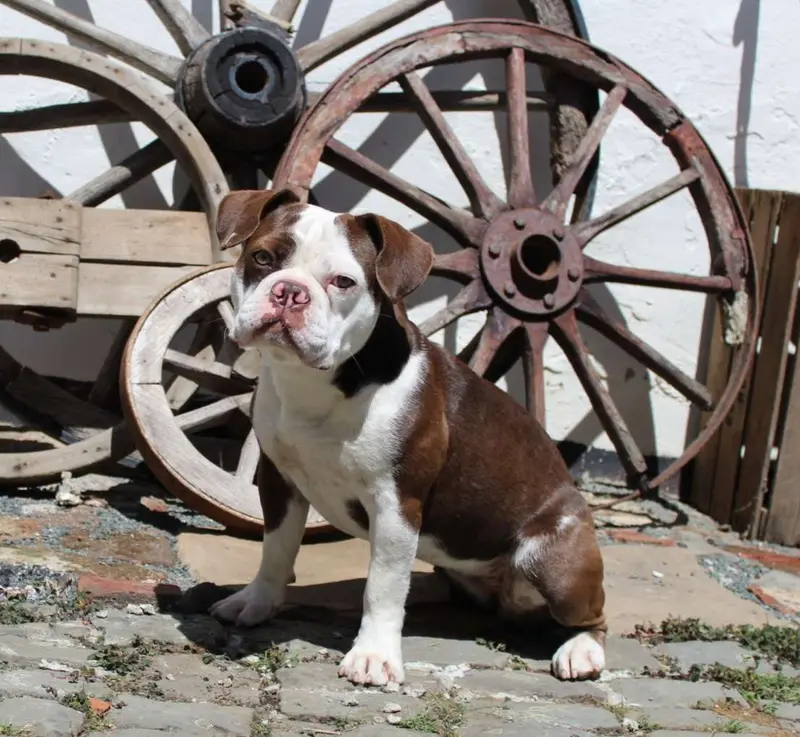
The Path to a Relaxed Companion: Why Training Is Essential
If you share your life with one of these charming, bat-eared clowns, you already know: they steal your heart in an instant. Their adaptable and playful nature wraps everyone around their little finger. But that’s exactly where the trap lies. French Bulldog training is often underestimated by new dog owners. Because they are small and cute, we let things slide that we would immediately correct in a large dog.
However, a French Bulldog (often affectionately called a "Bully" or "Frenchie") is a real dog with needs, a sharp mind, and a stubborn streak. A well-trained Frenchie is an easygoing everyday companion. An untrained one, on the other hand, can quickly become an oblivious leash-puller or a tyrannical couch-hog. This guide is for everyone living with a Frenchie; it shows you how to raise your dog into a reliable partner using love, patience, and the right tactics.
French Bulldog Training: The Bully as a Student
Before we dive into the practice of training, we have to understand who we’re dealing with. The French Bulldog belongs to the companion dog group. Originally from France, they were bred for exactly that purpose: to be close to humans. They are extremely people-oriented and build a deep emotional bond with their family.
If we look at the breed's trainability, it often scores 2 out of 5 points. That by no means signifies that these dogs are stupid – quite the opposite. They are remarkably smart. They simply weigh whether cooperation is currently "worth it" for them. The French Bulldog breed profile is often described as stubborn. A more accurate term is "selective cooperation": a Frenchie always asks, "What's in it for me?"
Your key to success in French Bulldog training is therefore motivation. Harshness, yelling, or physical pressure will cause this sensitive breed to immediately "shut down." The dog will act stubborn or react with fear. Positive reinforcement, high-value treats, exciting toys, and your genuine enthusiasm are the tools you must work with. You can find more about breed-typical behavior and standards at the Verband für das Deutsche Hundewesen (VDH).
French Bulldog Puppy Training: The First 16 Weeks
The most important phase in your dog's life is the first few months. French Bulldog puppy training lays the foundation for their future. How long that future is depends heavily on health, and it's important to be honest here: studies indicate that this breed often has a shorter life expectancy compared to many other dogs, frequently averaging around 10 years. All the more reason to support your puppy gently and with a health-conscious approach from the start. As soon as the little one moves in, training begins – softly, but consistently.
House-training: Patience Is a Virtue
Frenchies aren't always the fastest when it comes to house-training. Their bladder is small, and sometimes they simply find the wet, cold grass outside uncomfortable. Here’s how you handle it:
- Rhythm: Take your puppy outside after every nap, meal, and play session, and generally every two hours.
- Designated Spot: Always carry them to the same spot. The familiar scent encourages them to do their business.
- Party Time: When they go outside, praise them exuberantly and give them a treat. Make a little party out of it.
- No Scolding for Accidents: If a mishap happens inside, wipe it up without comment. If you catch them in the act, calmly pick them up (this usually stops the flow) and take them outside.
Training Bite Inhibition
Like all puppies, Frenchies explore the world with their mouths. Their sharp puppy teeth can be painful during play. It is your job to teach them bite inhibition. If they bite too hard while playing, let out a short, high-pitched "Ouch!" and pause the game for a few seconds. Afterward, offer them an alternative, such as a chew toy, which they can bite to their heart's content. They will quickly learn: human skin is off-limits, toys are allowed.
Socialization: Discovering the World
French Bulldogs have a 5/5 rating for urban adaptability and a 4/5 for compatibility with other dogs. To keep it that way, your puppy needs to experience the world. In the first 16 weeks (the sensitive phase), show them everything that will be part of their everyday life: cars, bicycles, the vacuum, the sound of children, and different surfaces. Be careful not to overwhelm them. A 15-minute walk through a busy street is more exhausting for a tiny puppy brain than an hour of romping around.
Basic Obedience: Essential French Bulldog Commands
Functional basic obedience gives your dog security and gives you the peace of mind that you can control them in any situation. Good French Bulldog training focuses on essential signals first. Build these French Bulldog commands in small, manageable steps.
1. Sit and Down
These two commands are the basics of impulse control. Since Frenchies are very food-motivated, "luring" works perfectly here. Hold a treat close to your dog's nose and move it slightly back over their head. To follow the treat with their eyes, their rear end will almost automatically lower to the ground. As soon as their bottom touches the ground, say "Sit" and give the treat. For "Down," move the treat from the "Sit" position straight down between their front paws and pull it slowly along the floor toward you. When they lie down, give the command "Down" and the reward.
2. Stay (Impulse Control)
Frenchies are playful and restless. A reliable "Stay" can be life-saving in everyday situations (e.g., at the front door or getting out of the car). Start by putting your dog in a "Sit." Say "Stay," take just one tiny step back, and immediately return to them. Reward them if they stayed put. Increase the distance and duration over many weeks in tiny steps.
3. The Reliable Recall
The most important command of all. The recall must be positively reinforced. Never call your Frenchie to you to punish them or do something unpleasant (like cleaning their ears). Use an absolute "super treat" for the recall (e.g., a piece of cheese or cooked chicken) that is given only for this command. Make yourself interesting! Squat down, call their name joyfully, and use the command "Come." When they arrive, celebrate them as if they just won a Nobel Prize.
Breed-Specific Challenges in French Bulldog Training
Every breed comes with its own set of characteristics. Knowing these allows you to tailor your training optimally and avoid frustration on both sides.
Physical Limitations, Breathing, and Heat Sensitivity
Here, honesty is more important than training ambition: many French Bulldogs are affected by Brachycephalic Obstructive Airway Syndrome (BOAS). Due to their shortened skull, narrowed nostrils, an often overly long soft palate, and restricted airways make breathing difficult. Consequently, the dogs quickly reach their limits during exertion or heat and can hardly cool themselves down effectively through panting. This is not a matter of fitness or willpower, but a physical limitation you must respect during training. Always adjust intensity, duration, and pace to your dog's breathing, never the other way around. Specifically, this means:
- No Training in Midday Heat: Move walks and training sessions to the early morning or late evening in the summer. Frenchies overheat extremely quickly.
- Watch the Breathing: If your dog is panting heavily, wheezing, or if their tongue is turning dark red or bluish, stop the training immediately and let them rest in a cool place.
- The Right Equipment: Never train a Frenchie using a collar. The pressure on the sensitive larynx worsens breathing problems. Always use a well-fitted Y-harness.
You can find further important information regarding the health of flat-faced breeds on the informational pages of the Bundestierärztekammer.
Separation Anxiety: Practicing Being Alone
As mentioned earlier, these dogs bond extremely closely with their owners. This makes them wonderful family dogs (5/5 for family-friendliness), but it also means they often find being alone incredibly difficult. An unprepared Frenchie will suffer in silence or, in the worst case, redecorate your apartment out of frustration and stress.
Start separation training when the dog is relaxed and tired. Leave the room for just a few seconds and come back immediately, before the dog starts whining or scratching. Don't make a big deal out of leaving or arriving. Slowly increase the time from seconds to minutes, and only later to hours.
Advanced Training: Clever Stimulation for Smart Minds
Because your Frenchie shouldn't be doing hours of jogging alongside a bicycle, you need to find other ways to tire them out. Physical care doesn't mean the dog doesn't need stimulation. Mental work often makes dogs much more tired and satisfied than purely physical exercise.
Trick Dogging and Target Training
French Bulldogs love to be the center of attention and make their humans laugh. Teach them tricks! Whether it's "roll over," "shake paw," "sit pretty," or "high five" – working on tricks together strengthens your bond immensely. Target training (teaching the dog to touch an object like your palm with their nose or paw) is also an excellent mental challenge.
Nose Work: Sniffing Games for the Frenchie
Nose work is the most natural and species-appropriate form of stimulation. Scatter a handful of dry food over a large area in the grass or hide treats in a snuffle mat. Object searches (e.g., hiding their favorite ball in the living room) also require intense concentration. The advantage: this type of stimulation doesn't raise the heart rate and is extremely gentle on the breathing of your flat-nosed companion.
Typical Training Mistakes (and How to Avoid Them)
Even the best dog owners sometimes fall into traps. With French Bulldogs, these are the mistakes that most often sabotage training success:
- Inconsistency: The loyal, almost human-like gaze of a Frenchie is hard to ignore. But if they are allowed to beg at the table on Sunday, they won't understand why they're suddenly shooed away on Monday. From the dog's perspective, you are unpredictable. Set clear rules and stick to them 365 days a year.
- Poor Timing: Dogs only associate a reward or correction with the action they are performing at that exact second (the window of opportunity is about 1-2 seconds). If you reward too late, you might be praising them for turning away instead of for the "Sit."
- Confusing Stubbornness with Overwhelm: If your Frenchie absolutely won't perform a command they usually know, don't scold them immediately. Consider: Is it too hot? Are they struggling to breathe? Is the distraction (other dogs, loud streets) too high for their current training level? Take a step back and make it easier for them.
- "Humanizing" the Dog: Yes, they love to sleep under the duvet and sometimes look like little goblins. But they are dogs. They need clear structure, canine-appropriate communication, and leadership to feel secure.
Frequently Asked Questions (FAQ)
Are French Bulldogs hard to train?
No, they aren't inherently hard to train, but they require a specific approach. Due to their intelligence and a certain sense of independence, they like to question commands. However, with positive reinforcement, consistency, and good treats, they are excellent students. Physical coercion does not work with this breed at all.
How long does it take for a Frenchie puppy to be house-trained?
That varies from dog to dog. While some puppies grasp the concept after 2-3 weeks, other French Bulldogs take up to 6 months to be completely reliable. The most important thing is not to take setbacks personally and to consistently take the puppy outside after every nap, meal, and play session.
How much exercise and training can a French Bulldog handle?
Significantly less than many think. Because of their brachycephalic anatomy and tendency toward breathing problems (BOAS), you should focus on short, calm sessions and consistently avoid heat. Short walks, sniffing games, and mental work tire out a Frenchie more gently than long or fast runs. Always prioritize their breathing first.
What equipment do I need for Frenchie training?
The most important thing is a well-fitted, softly padded Y-harness. Because of their anatomy and susceptibility to breathing issues, French Bulldogs should never be trained with a collar that presses on the larynx. You will also need a light, adjustable leash (no retractable Flexi-leashes for training) and a pouch with high-value reward treats.
Can you stop a French Bulldog from barking?
French Bulldogs are not typically chronic barkers (like some terrier breeds). When they bark, there is usually a reason: excitement, frustration, or territorial behavior. You can stop it by not shouting back (the dog interprets this as you barking along), but instead projecting calmness, managing the situation, and rewarding desired, quiet behavior.
Conclusion: A Relaxed Companion Through Consistency and Fairness
French Bulldog training is a rewarding shared journey. These dogs bring a lot of humor and closeness into everyday life and will reward fair, step-by-step training with great devotion. Always remember that your training must be adapted to the physical characteristics of this breed: short sessions, no heat, no pressure on the throat, and plenty of mental rather than purely physical exercise. This will turn your Frenchie into a relaxed companion who happily accompanies you everywhere.
If you want to delve deeper into breathing and health, and understand what life with a brachycephalic dog really entails, read our honest French Bulldog breed profile. And if you are looking to give a Frenchie a home: many animal shelters have French Bulldogs waiting for a second chance. Through the HonestDog adoption page, you can find rescue dogs looking for a patient home.