Loading breed
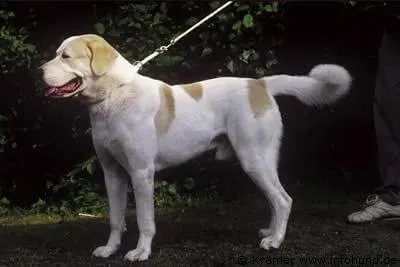
Central Asian Shepherd Dog
Health grade BThe Mittelasiatischer Schäferhund is an uncompromising, territorial giant—an autonomous Herdenschutzhund (livestock guardian dog) bred to defend herds in harsh steppes against predators entirely on its own.
- Height65–90 cm
- Weight40–80 kg
- Life expectancy12–15 yrs
- Puppy price2,000–4,000 €
- Energy4/5
The Essentials at a Glance
The Mittelasiatischer Schäferhund is an uncompromising, territorial giant—an autonomous Herdenschutzhund (livestock guardian dog) bred to defend herds in harsh steppes against predators entirely on its own.
- Health grade B: As a very large and heavy breed, the Central Asian Shepherd Dog is primarily prone to joint issues, making hip dysplasia (HD) and elbow dysplasia (ED) the critical areas of concern.
- You live in a rural area, own a vast, completely escape-proof fenced property, and ideally have no immediate neighbors.
- You are not looking for an everyday companion, but rather want to give a serious guardian the genuine life purpose of independently securing your homestead.
- You expect them to friendly accept visitors or strange dogs on the property—they were selected to classify anything foreign as an uncompromising threat.
Is the Central Asian Shepherd Dog right for you?
At a glance
Central Asian Shepherd Dog overview
The essentials — key facts, traits, and health priorities — before you dive deeper.
Health grade
Relative to other breeds
S
A
B
C
D
E
Very healthyHigher risk
Solid — a handful of items a good breeder watches.
See full health info & tests →
Note: This health overview is AI-assisted and editorially reviewed. It is for orientation only and does not replace veterinary advice.
Lifespan
12–15 yrs
Height
65–90 cm
Weight
40–80 kg
Practical
- Puppy price: 2,000 – 4,000 €
- Coat: Dense, rough, double layer
- Origin: Central Asia
Temperament
Energy
Trainability
Family fit
With kids
Daily life
Care effort
Shedding
Barking
City-friendly
Guard instinct
What matters most
Especially with a Central Asian Shepherd Dog, choosing the right breeder is the single most important decision you'll make. Serious breeders consistently test the parents for inherited conditions, prioritize healthy early socialization, and stay accountable long after handover. A cheap puppy without health screening tends to become the most expensive dog later on.
See HonestDog breeder standards →Colors & coat
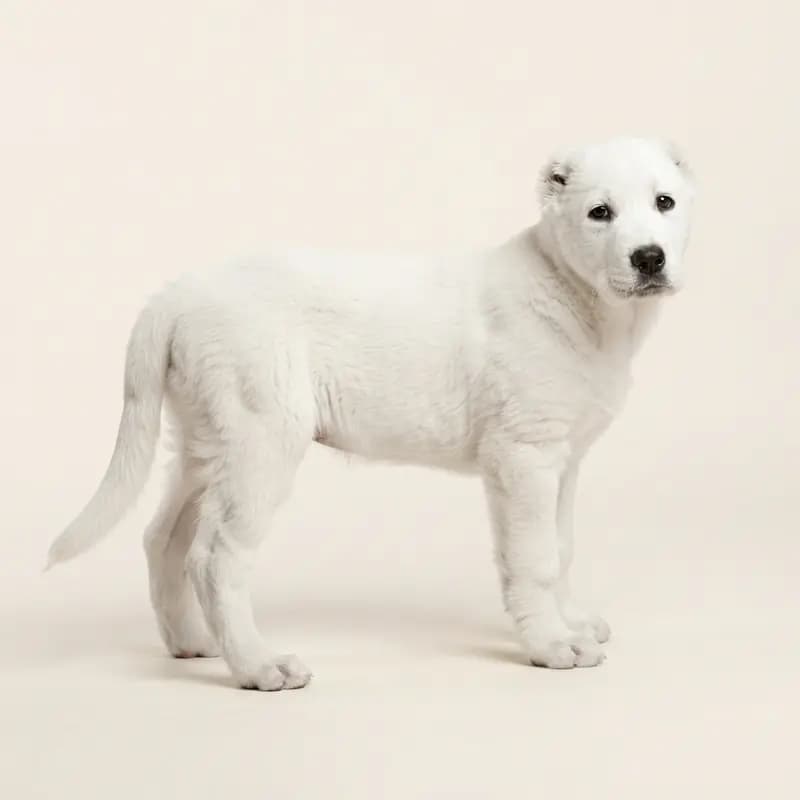
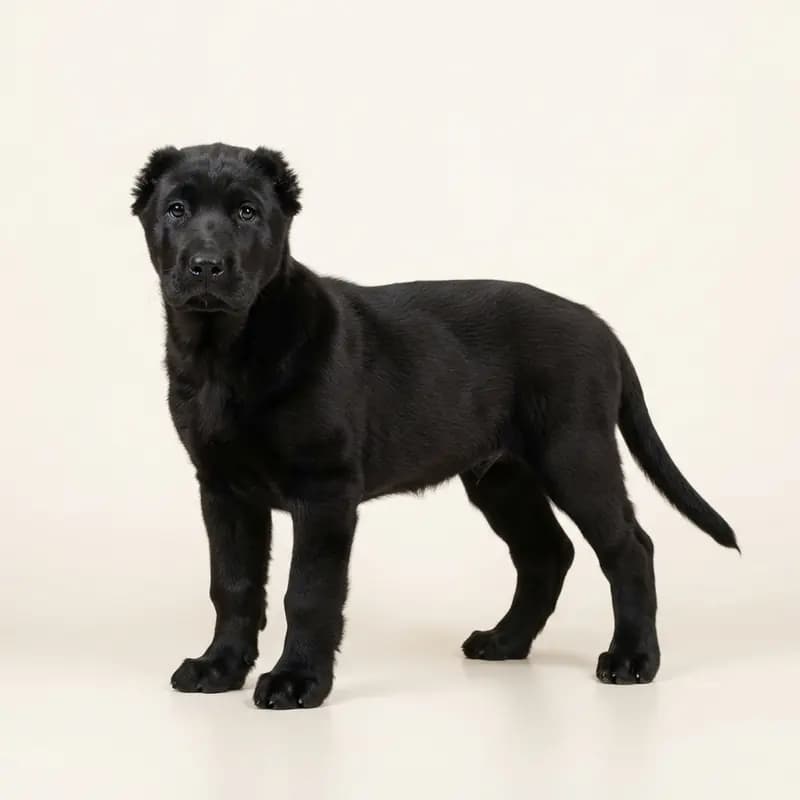
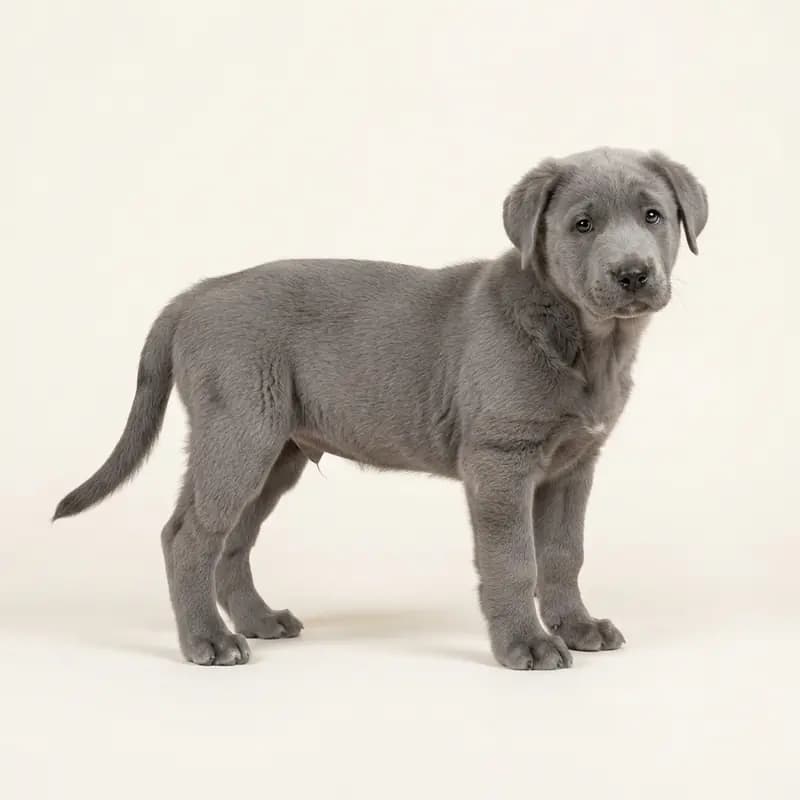
What colors does the Central Asian Shepherd Dog come in?
The coat colors you will see in Central Asian Shepherd Dog litters — including which ones fall outside the breed standard and which carry genetic risk.
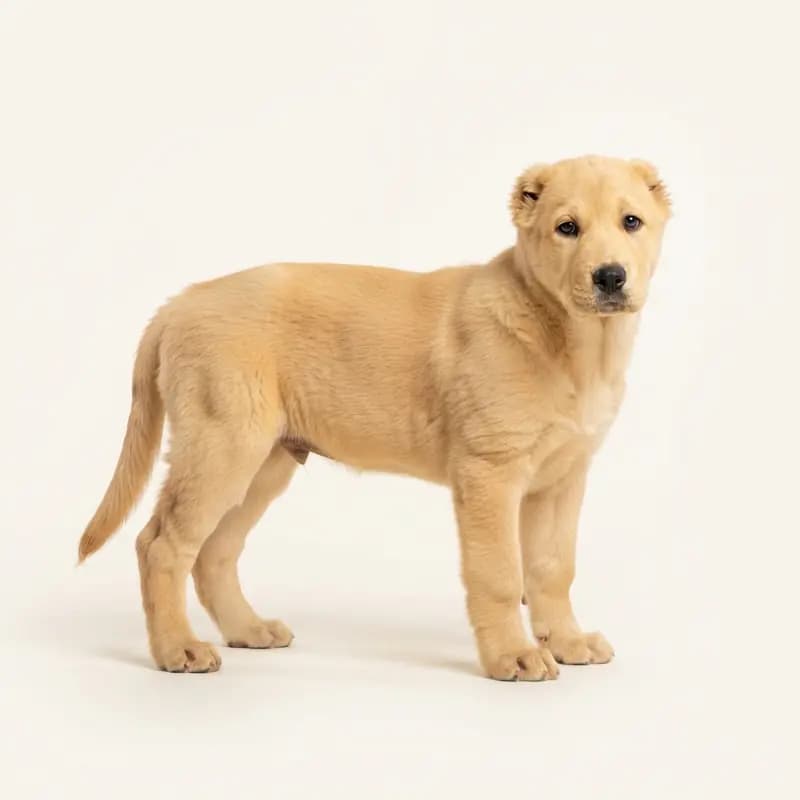
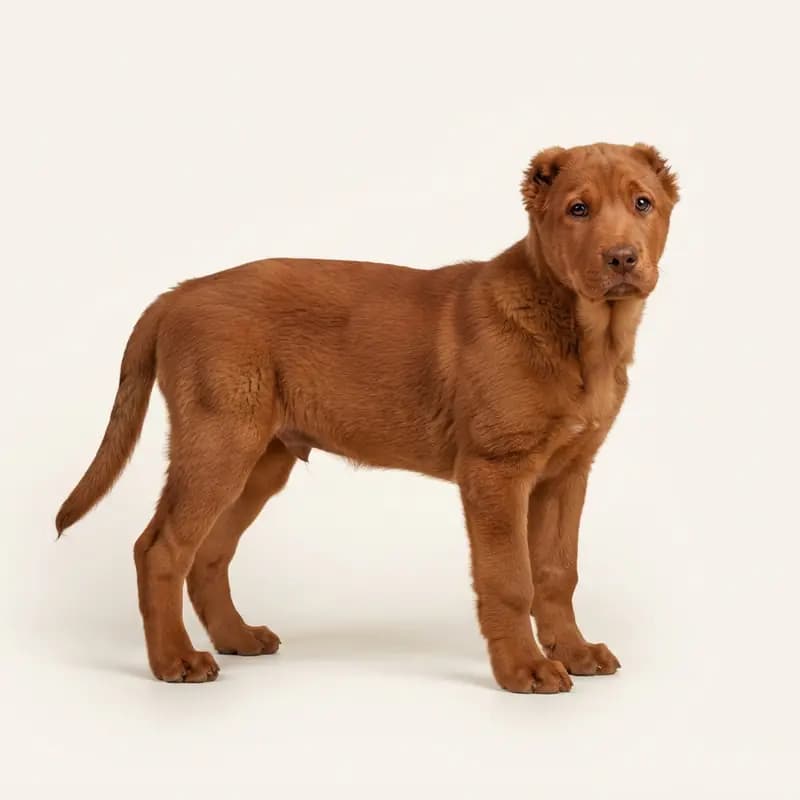
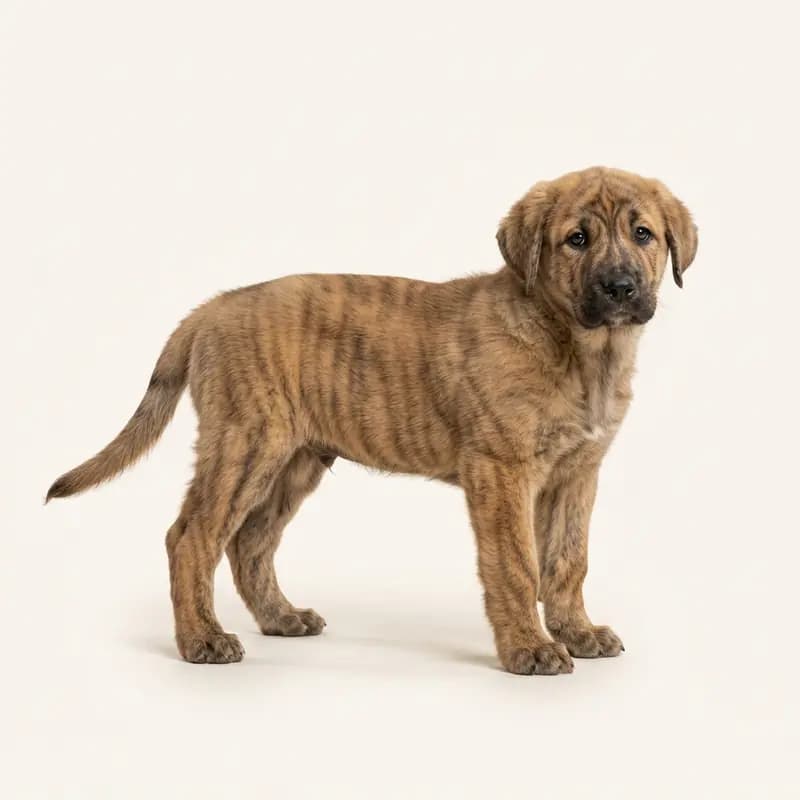
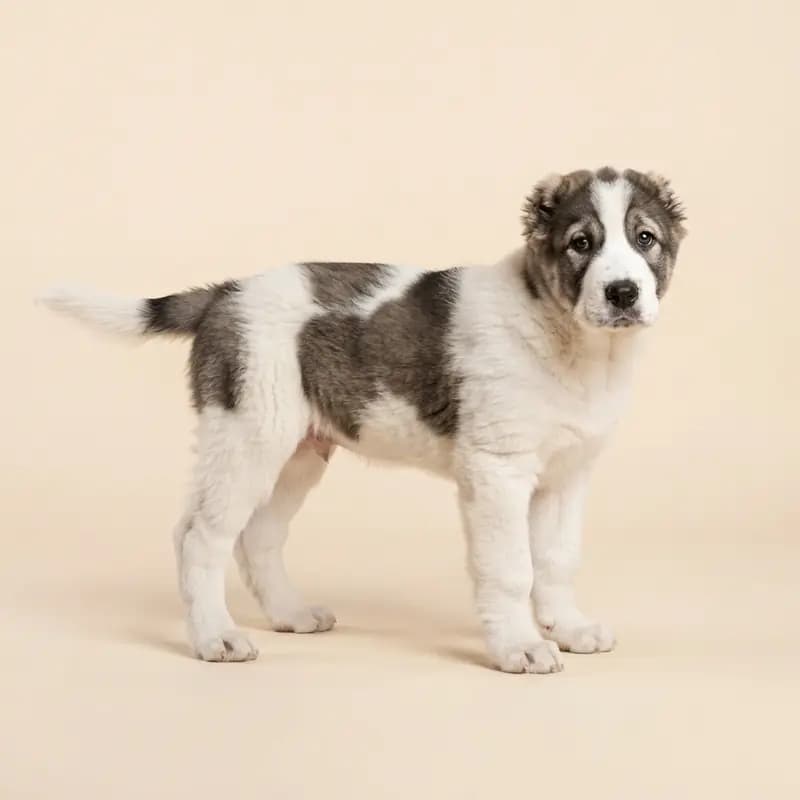
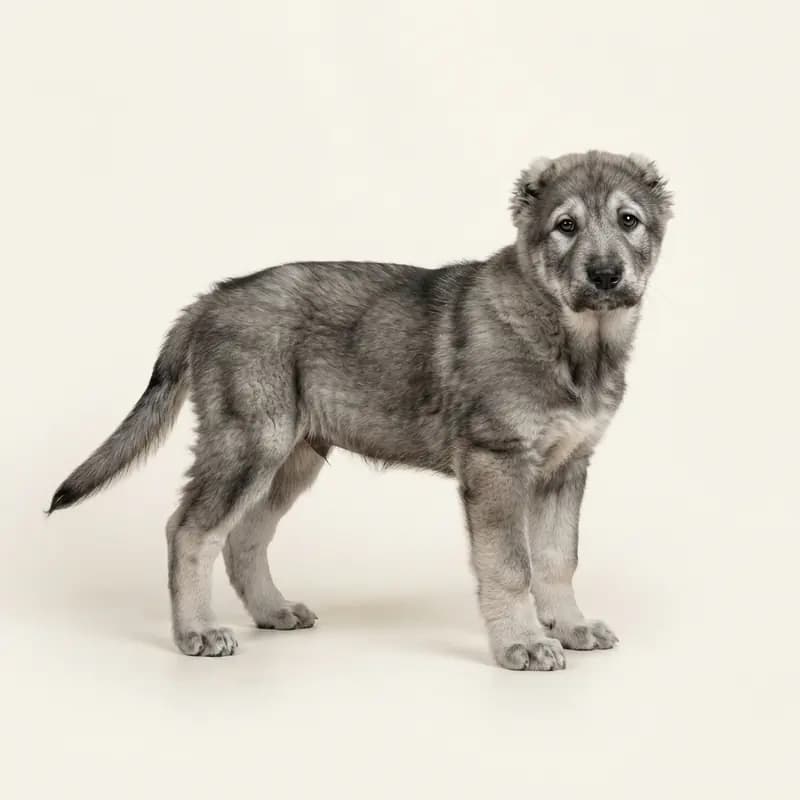
Eye colors
 Brown
Brown
Coat type
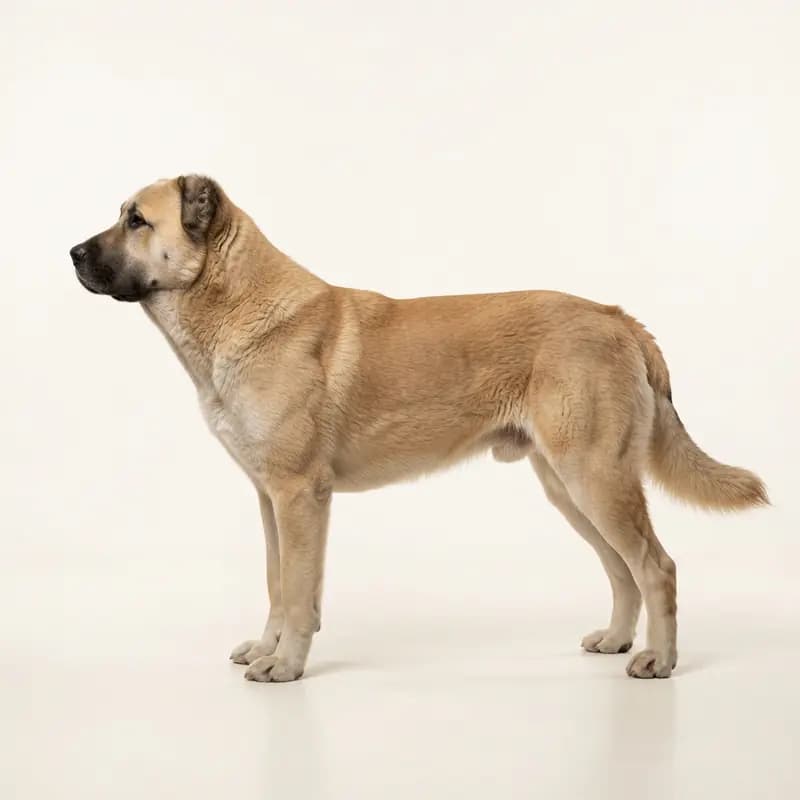 Illustrative image
Short
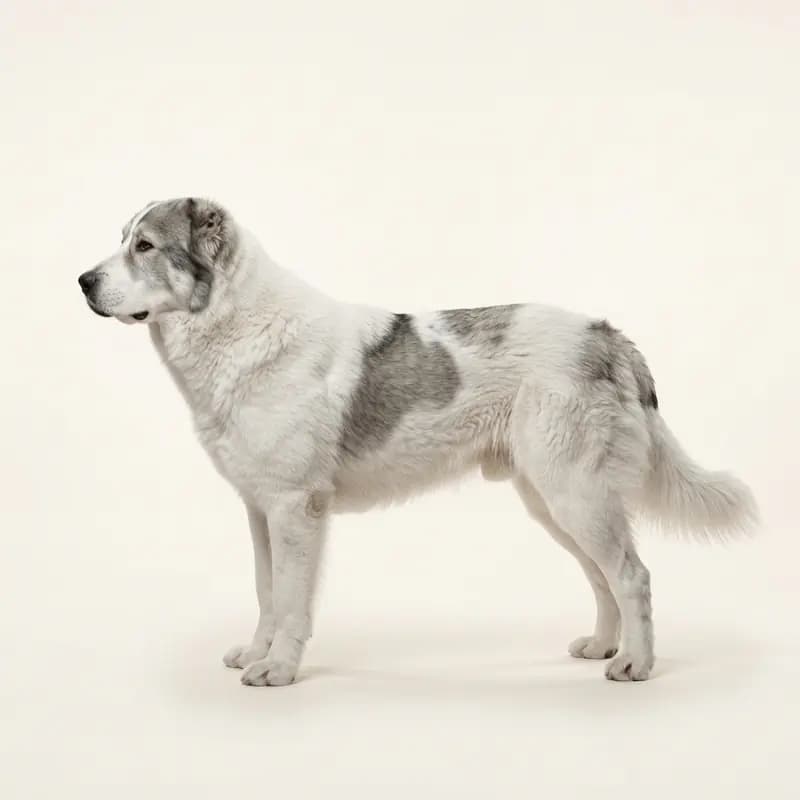 Illustrative image
Medium
 Double coat
Is the Central Asian Shepherd Dog right for you?
The Mittelasiatischer Schäferhund is an uncompromising, territorial giant—an autonomous Herdenschutzhund (livestock guardian dog) bred to defend herds in harsh steppes against predators entirely on its own.
Perfect for you if:
- You live in a rural area, own a vast, completely escape-proof fenced property, and ideally have no immediate neighbors.
- You are not looking for an everyday companion, but rather want to give a serious guardian the genuine life purpose of independently securing your homestead.
- You lead with absolute confidence and inner calm, without expecting blind obedience.
- You already have deep experience with Herdenschutzhunde and can read their subtle but unmistakable levels of escalation.
Less ideal if:
- You expect them to friendly accept visitors or strange dogs on the property—they were selected to classify anything foreign as an uncompromising threat.
- You live in a suburb, an apartment, or a busy environment with a lot of foot traffic by your garden fence.
- You insist on the immediate execution of obedience commands—this breed weighs for itself whether a command makes sense in the moment.
- You want an athletic partner for agility, dog sports, or dynamic bike rides.
The real vibes check
A Mittelasiatischer Schäferhund often seems like a sleeping rock in the garden—until they register a threat and intervene with the explosiveness of a predator. They are not a pet that wants to please you, but an autonomous security expert on four legs. You aren't getting a companion for Sunday outings, but sharing your life with an archaic guardian.
Self-check
Would the Central Asian Shepherd Dog really fit your life?
Answer 6 quick questions about your everyday life and see how well the Central Asian Shepherd Dog fits you — including an honest cost estimate per month, per year, and across the dog's lifetime.
Fit checkCost estimateRisk dice
Takes about 1 minute · free & anonymous
Breed Profile
The Central Asian Shepherd Dog, also known as the Central Asian Ovcharka, is an impressively large and robust dog. He belongs to FCI Group 2 and is a typical protection dog. His powerful build, coupled with his exceptional strength and endurance, makes him an unsurpassed protector and working dog. With his thick, weatherproof fur, which can come in a variety of colors, and his distinct, dark eyes, he exudes an aura of majesty and power. In contrast to some other breeds, the Central Asian Shepherd Dog does not differentiate between performance and show lines. This is largely due to the fact that these dogs have always been bred for their ability to work and not for their looks. Their origins lie in the harsh landscapes of Central Asia, where they are still used today as shepherd and protection dogs.
All measurements in detail
- Height
- 65 - 78 cm (Female), 70 - 90 cm (Male)
- Weight
- 40 - 65 kg (Female), 50 - 80 kg (Male)
- Life Expectancy
- 12 - 15 yrs
- Character
- Brave, confident, loyal
- Coat
- Dense, rough, double layer
- Coat Color
- Diverse, including white, black, gray, red and brindle
- Price
- 2000 - 4000 €
Character & Temperament
The nature of the Central Asian Shepherd Dog is shaped by its centuries-long work as a protector of herds. They are courageous and fearless when it comes to defending their territory and family, and at the same time they are calm and balanced as long as there is no threat of danger. Thanks to their history as working dogs, Central Asian Shepherd Dogs are very independent animals. They are able to make decisions and act based on situations, making them excellent guardians. They tend not to be as playful or people-oriented as some other breeds, but that doesn't mean they aren't loyal and loving to their family. On the contrary, they are known for their deep bonds with the people they trust. A Central Asian Shepherd Dog can learn to stay alone, but it is important to remember that, like any dog, he needs social interaction and mental and physical stimulation. They do not tend to exhibit strong hunting or prey-catching behavior as their focus is traditionally on protection, and they are very alert. Although they can be calm and even-tempered, Central Asian Shepherds tend to be territorial and can be wary of strangers. Therefore, it is important that they are managed by an owner who has experience with large, independent breeds and can provide them with the leadership and socialization they need.
| Trainability Bred to make decisions without human direction. | Very independent |
| Watchfulness Strong territorial instinct — may actively confront intruders. | Very high |
| Openness to Strangers Careful around unfamiliar people — thaws slowly. | Cautious |
| Hunting or Herding Drive Noticeable drive — needs attention around small animals. | Moderate |
Fun Fact!
Central Asian Shepherd Dogs are so strong and resilient that in their homeland they are often used to defend flocks of sheep against predators such as wolves and bears.
What Awaits You
The Central Asian Shepherd Dog is a strong and confident livestock guardian dog. It is characterized by its vigilance and willingness to protect. These dogs require consistent training and sufficient activity. Due to their strong protective instinct, they are especially suitable as guard dogs but can also be loyal family companions if well socialized.
Housing & Care
Due to their size and need for exercise, Central Asian Shepherd Dogs are generally not suited to urban living unless they have regular access to large, open areas. They get along well with children but should always be supervised due to their size and strength. They can also get along with other pets, including cats, if they are used to it from an early age.
- Family Friendly
Gets on well with different people and varying routines.
Family-friendly - Child Friendly
Fine with calm, respectful children — not small tornadoes.
Better with older children - Dog Friendly
Usually gets on fine with other dogs.
Generally tolerant - City Friendly
Suffers in tight urban conditions.
Needs the countryside
Owning a dog is a privilege, but it's also a real responsibility. Before you bring one into your life, be honest with yourself about the commitment it takes.
Training & Education
Central Asian Shepherd Dogs are intelligent and independent dogs that require consistent and patient training. They are suitable for various dog sports such as agility or obedience and require a lot of mental and physical activity. Since they were originally bred to be working dogs, they should not be over-employed as this can lead to stress and behavioral problems. It is important to teach them to practice frustration tolerance and impulse control to ensure harmonious coexistence. The hunting instincts are not strong in this breed, but they have a strong protective instinct that should be controlled through training.
Nutrition & Care
Central Asian Shepherd Dogs have a thick coat with an undercoat that protects them from extreme weather conditions. This coat needs regular care to prevent skin problems and to keep the coat clean and healthy. In Germany, this breed copes well with the climate, but you should make sure that it does not overheat in summer or become too cold in winter. They shed moderately, but this can increase during the shedding phases in spring and autumn. When it comes to nutrition, these large, active dogs require a high-quality diet that contains enough proteins and fats to meet their energy needs. It is important to monitor their weight to avoid becoming overweight, which can lead to health problems.
| Care Level Regular brushing and occasional professional grooming. | Moderate |
| Exercise Needs Needs several hours of serious exercise every day. | Very active |
| Shedding Regular shedding — dog hair on clothes is now normal. | Moderate |
| Trainability Bred to make decisions without human direction. | Very independent |
Our experts are still reviewing this information. Spotted something wrong? Email us at info@honestdog.de.
Health & hereditary diseases
Health
B
Solid
Health grade
As a very large and heavy breed, the Central Asian Shepherd Dog is primarily prone to joint issues, making hip dysplasia (HD) and elbow dysplasia (ED) the critical areas of concern. Fortunately, mandatory health tests for these two main risks are already well-established in breeding programs, which significantly reduces the risk for puppy buyers. Those who choose a dog from a controlled breeding program will gain a robust companion, though it is important to strictly manage joint strain during the dog's growth phase.
Grade is relative to other breeds — AI-assisted and editorially reviewed.
In daily life this can mean
Without conscious weight management and good preventative care—such as regular check-ups—health problems and veterinary costs can rise significantly later on.
The breeder's role
Reputable breeders have hips, elbows, and the heart checked to minimize known risks in this primitive breed as much as possible and to keep the dogs resilient for a long time.
Note: This health overview is AI-assisted and editorially reviewed. It is for orientation only and does not replace veterinary advice.
No Health Tests Available
No specific health tests are currently available for this breed.
Costs & where to find one
How much does a Central Asian Shepherd Dog cost?
A Central Asian Shepherd Dog costs around ~€240 per month (€120 – €470, depending on your setup). The first year adds up to roughly ~€6,690 including purchase, equipment and puppy school; across the dog's life (13.5 years) it comes to about ~€42,460.
With surgery cover, running costs come to about ~€250 per month — in return, your share of a major operation drops from several thousand euros to around 20 percent.
Per month
~€240
In the first year
~€6,690
Across the dog's life
~€42,460
Purchase from a breeder: €2,000 – €4,000
Estimate at a mid-range setup (suburban, dry food, 1–2 hours of daily exercise), average German prices, as of July 2026.
Calculate your personal costs1-minute self-check with your own answers
Looking for a Central Asian Shepherd Dog?
HonestDog Concierge
No verified Central Asian Shepherd Dog breeders on HonestDog yet
We currently have no breeders for this breed who have passed our verification. Create your short buyer profile: we'll set up your search alert, review a possible source and email you within 28 days.
Appearance, variants & origin
History
The full history
The origins of the Central Asian Shepherd Dog go back several thousand years. They were bred in the vast steppes and mountainous regions of Central Asia by nomadic tribes as indispensable helpers in sheep and goat herding. Their primary job was to protect the herds from predators, and they were specifically chosen for this task based on their strength, endurance, and strong protective instincts. Although the Central Asian Shepherd Dog has existed for centuries, it was not officially recognized as a breed until the 20th century. The F"d"ration Cynologique Internationale (FCI) recognized the breed in 1989.
Original Use
The Central Asian Shepherd Dog was bred as a livestock guard dog to protect livestock from predators and thieves.
Origin
Central Asia
Date
Antike
Owner experiences
What owners say about the Central Asian Shepherd Dog
Nadine S., Halterin aus Bayern (Rüde, seit 2013)
Ich halte seit vielen Jahren Herdenschutzhunde und mein CAO (Centralasiatischer Owtscharka) ist für mich der Inbegriff eines loyalen Partners. Man darf sich aber keinen Illusionen hingeben: Diese Rasse hat absolut keinen Kadavergehorsam und wird niemals ein 'Trickdog' werden, der für ein Leckerli Männchen macht. Wer einen Hund sucht, der stur Befehle befolgt, ist hier völlig falsch. Ein Mittelasiatischer Schäferhund steht treu zu seiner Familie, agiert aber als eigenständiger Partner auf Augenhöhe.
Was ihn von anderen Herdenschutzhunden unterscheidet, ist sein Reaktionsmuster: Er lässt vermeintliche Eindringlinge oder Gefahren oft deutlich näher an sich herankommen als beispielsweise ein Kaukase. Seine Individualdistanz ist geringer, aber wenn er reagiert, dann blitzschnell. Er ist extrem robust gegenüber Hitze und Kälte und für seine enorme Größe erstaunlich beweglich – er kann problemlos hoch springen. Für die Haltung in der Stadt oder ohne ein sicher eingezäuntes Grundstück ist er absolut ungeeignet. Fremden gegenüber ist er von Natur aus misstrauisch und lehnt alles ab, was ihm nicht geheuer ist.
Sabrina M., Halterin aus Hessen (Rüde, seit 2022)
Mein Rüde Capo ist jetzt fast ein Jahr alt und steckt mitten in der Pubertät. Man merkt jetzt schon extrem, wie sich sein Charakter festigt. Er ist ein absolutes Goldstück und unglaublich schlau, aber die rassetypische Sturheit rockt bei ihm wie Sau! Man braucht unendlich viel Geduld und eine sehr konsequente, aber absolut gewaltfreie Führung.
Er lernt unheimlich schnell, schaut sich extrem viel von anderen Hunden ab und ist im Grunde sehr neugierig. Gleichzeitig ist er aber auch misstrauisch gegenüber Neuem. Ich muss ihm im Alltag viel Sicherheit vermitteln, damit er merkt, dass er sich in brenzligen Situationen auf mich verlassen kann und nicht selbst entscheiden muss. Für uns ist der regelmäßige Kontakt zu gut sozialisierten, souveränen Hunden extrem wichtig, damit er trotz seines Wachtriebs ein umgänglicher Begleiter bleibt.
Dieter K., Halter aus Niedersachsen (Hündin, seit 2018)
Wer sich einen Alabai anschafft, muss wissen, dass diese Hunde absolute Spätentwickler sind. Erst im Alter von etwa drei Jahren schälen sich der echte Charakter und die vollen Schutzqualitäten so richtig heraus. Bis dahin hat man einen verspielten Riesen, doch danach erwacht der Ernst des Lebens. Man braucht als Halter eine enorme eigene Charakterfestigkeit. Wenn man zu weichherzig ist, lassen einen diese willensstarken Hunde links liegen und treffen alle Entscheidungen selbst.
Eine der größten Herausforderungen ist die Sozialisierung, für die man jahrelang extrem viel Zeit investieren muss. Sie sind extrem territorial. Ohne einen absolut ausbruchssicheren, hohen Zaun geht die Haltung zu 90 Prozent schief. Ein Leben in einer Wohnung oder als reiner 'Sofa- und Familienhund' in einer engen Siedlung wird dieser Rasse einfach nicht gerecht – sie brauchen Platz, frische Luft und eine Aufgabe, die ihrer Natur als Wächter entspricht.
Paraphrased from real owner reports
Loading owner stories
FAQ & more
Frequently asked questions about the Central Asian Shepherd Dog
Is a Central Asian Shepherd Dog the right dog for me?
The Central Asian Shepherd Dog is an active dog that needs plenty of exercise and mental stimulation. Research the temperament, grooming needs, and space requirements before deciding.
How long does a Central Asian Shepherd Dog live?
The average life expectancy of a Central Asian Shepherd Dog is 12-15 years. With proper care and regular vet visits, your dog can live a long, healthy life.
How much grooming does a Central Asian Shepherd Dog need?
Central Asian Shepherd Dog grooming requirements include regular brushing, nail trimming, and dental care. HonestDog provides detailed grooming tips for every breed.
Is a Central Asian Shepherd Dog good for families with children?
The Central Asian Shepherd Dog can be a great family dog. Proper training and socialization are key. HonestDog provides family suitability information for every breed.
What colors does the Central Asian Shepherd Dog come in?
The Central Asian Shepherd Dog comes in these colors: White, Black, Grey, Fawn, Yellow, Red, Brindle, Piebald, Wolf grey, Brown, Blue. Colors that fall outside the breed standard are marked as such on the breed page.
Loading related articles
Are you a Central Asian Shepherd Dog breeder?
Showcase your kennel on HonestDog and reach families searching for a responsibly bred Central Asian Shepherd Dog.
Why HonestDog?
What makes HonestDog different from other platforms
Full transparency
We lay out what we have: who the breeder is, how they work, and any health records they've uploaded. So you can judge for yourself.
Responsible breeding, assured
Every breeder on HonestDog has their identity and documents checked before their profile goes live. Health records they upload are shown on the profile, so you can see exactly what has been tested.
Trust and verification
We verify breeders and buyers alike, so every conversation happens on solid ground. It's a new standard of trust in dog breeding.
Less hassle, more time
We've already checked the breeders' documents and gathered the details, so you can skip the endless research and focus on finding the right puppy for your family.
Our Mission

We connect dog lovers with responsible breeders and shelters to ensure every dog finds the perfect home.
Founded by dog enthusiasts, our platform focuses on ethical dog breeding and adoption.
Why HonestDog?
We connect you with vetted breeders and shelters so you can find your — your new companion — with confidence.
Vetted Partners
Only verified breeders and shelters — for a safe start.
Highest Standards
Every animal's health and wellbeing is our top priority.
Guides & Resources
Guides, checklists, and breed profiles — so you can make a well-informed decision.