Loading breed
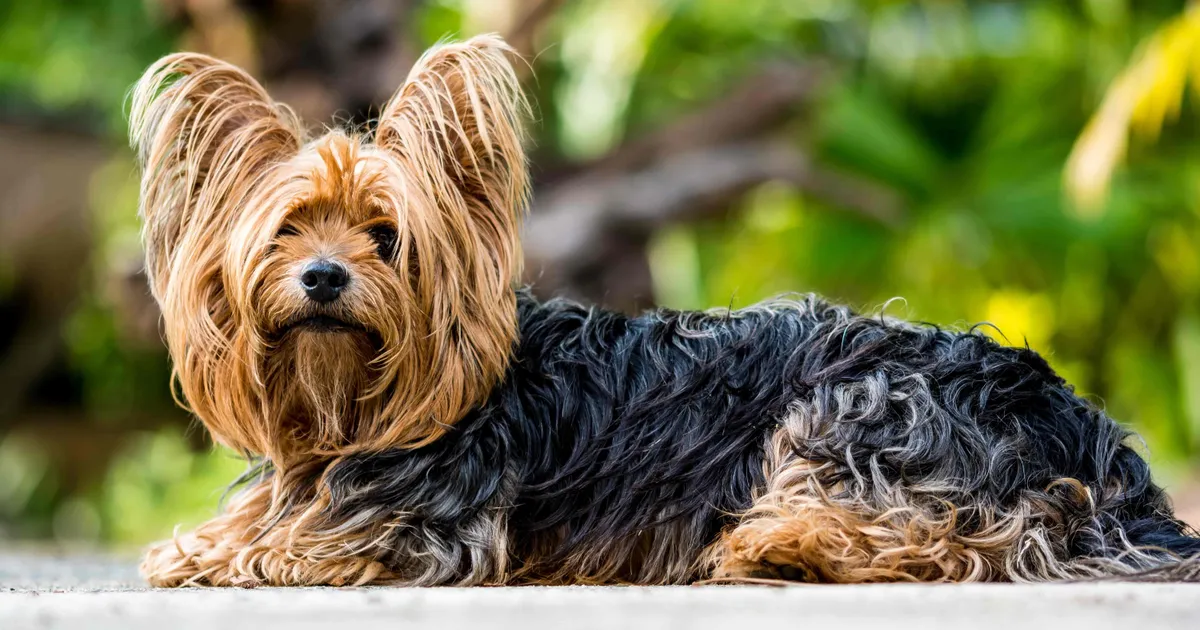
Yorkshire Terrier
Health grade CThe Yorkshire Terrier is a brave, highly intelligent little Erdhund (earth dog) — originally bred to fearlessly hunt rats in the narrow confines of English textile mills. Beneath that silky coat beats the dauntless heart of a true terrier who firmly believes they are a large guard dog.
- Height15–18 cm
- Weight2–3 kg
- Life expectancy13–16 yrs
- Puppy price1,500–3,000 €
- Energy3/5
The Essentials at a Glance
The Yorkshire Terrier is a brave, highly intelligent little Erdhund (earth dog) — originally bred to fearlessly hunt rats in the narrow confines of English textile mills. Beneath that silky coat beats the dauntless heart of a true terrier who firmly believes they are a large guard dog.
- Health grade C: While the Yorkshire Terrier is often long-lived, it struggles with typical toy breed issues such as patellar luxation and tracheal collapse.
- You are looking for a tiny dog who is still a tough character and loves prey-drive or scent games just as much as a big dog.
- You live in the city, want to take your dog everywhere, and appreciate a companion in a practical, compact size.
- You are expecting a quiet, decorative lap dog — they were bred as fearless ratters and will emphatically announce every sound.
Is the Yorkshire Terrier right for you?
At a glance
Yorkshire Terrier overview
The essentials — key facts, traits, and health priorities — before you dive deeper.
Health grade
Relative to other breeds
S
A
B
C
D
E
Very healthyHigher risk
Average — several important tests are expected.
See full health info & tests →
Note: This health overview is AI-assisted and editorially reviewed. It is for orientation only and does not replace veterinary advice.
Lifespan
13–16 yrs
Height
15–18 cm
Weight
2–3 kg
Practical
- Puppy price: 1,500 – 3,000 €
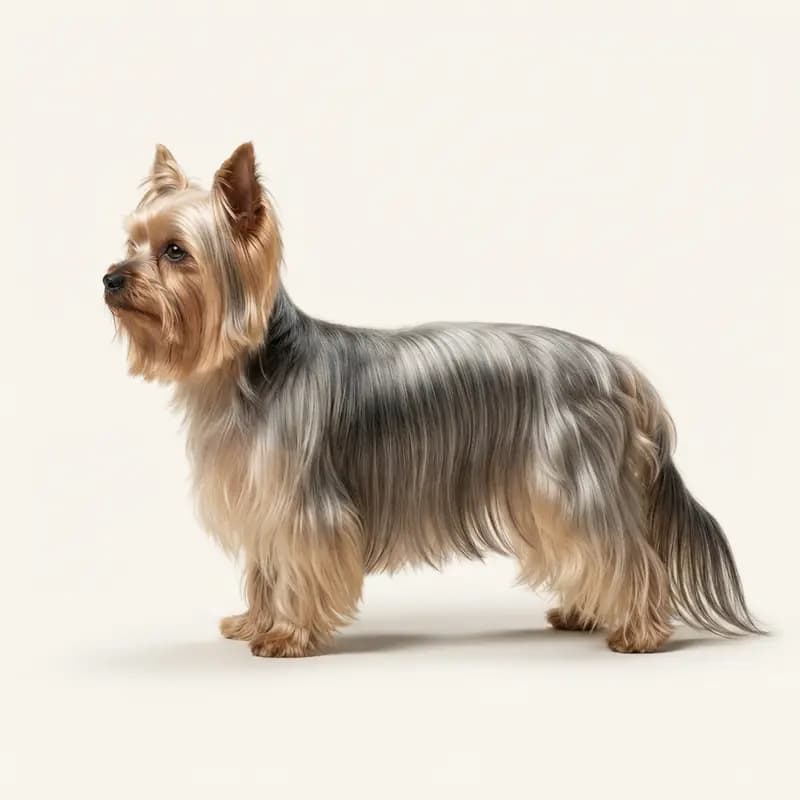
- Coat: Silky, smooth, long without an undercoat
- Origin: England
Temperament
Energy
Trainability
Family fit
With kids
Daily life
Care effort
Shedding
Barking
City-friendly
Guard instinct
What matters most
Especially with a Yorkshire Terrier, choosing the right breeder is the single most important decision you'll make. Serious breeders consistently test the parents for inherited conditions, prioritize healthy early socialization, and stay accountable long after handover. A cheap puppy without health screening tends to become the most expensive dog later on.
See HonestDog breeder standards →Colors & coat
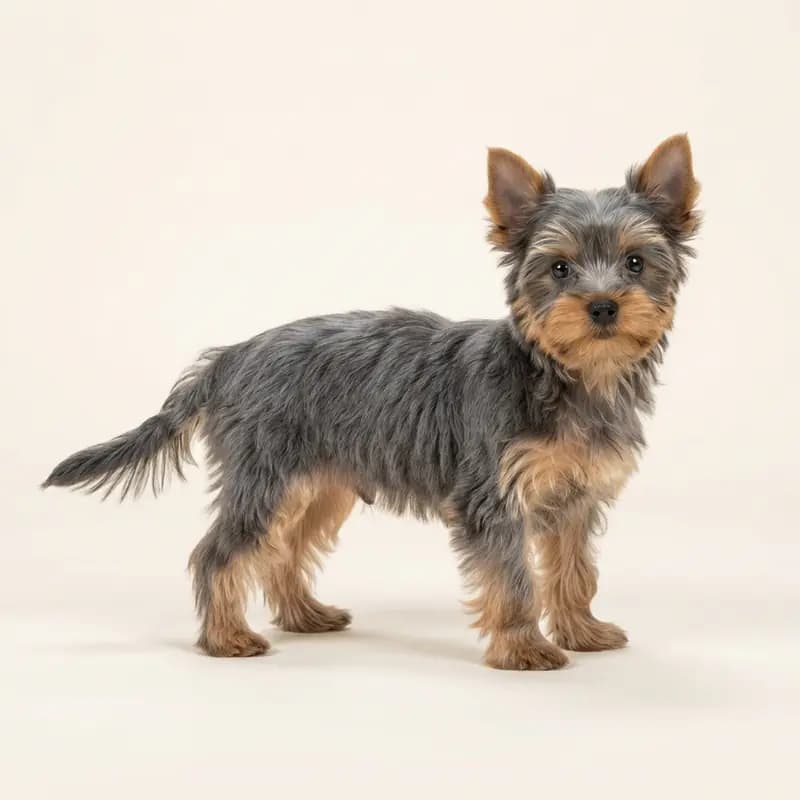
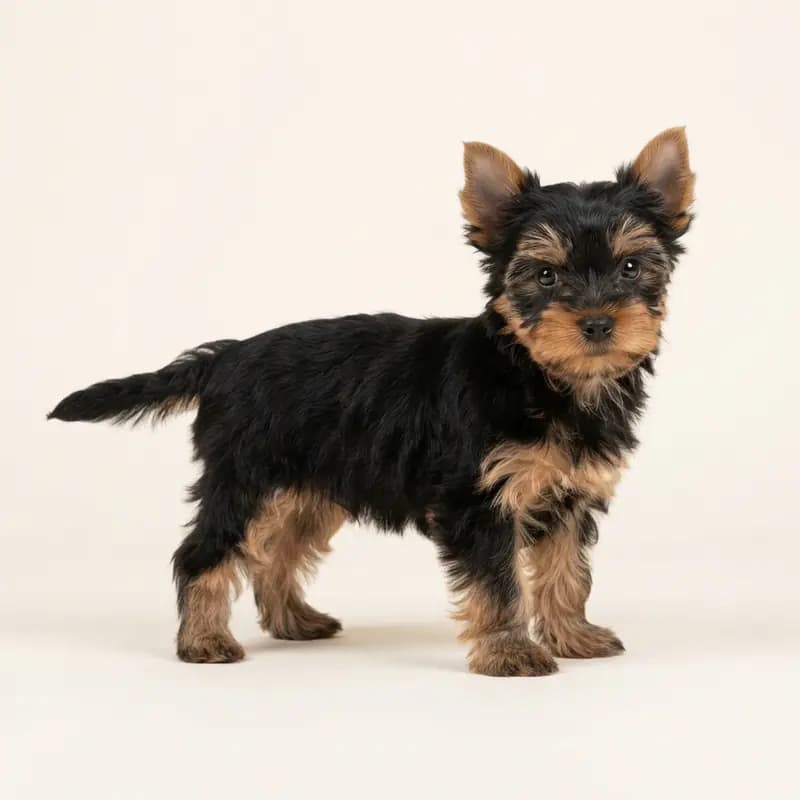
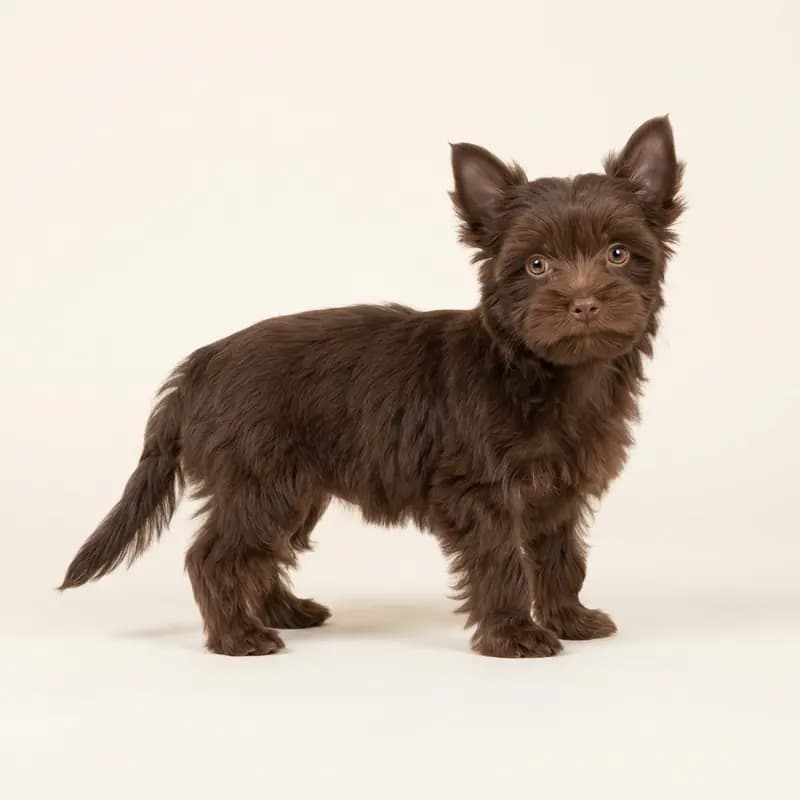
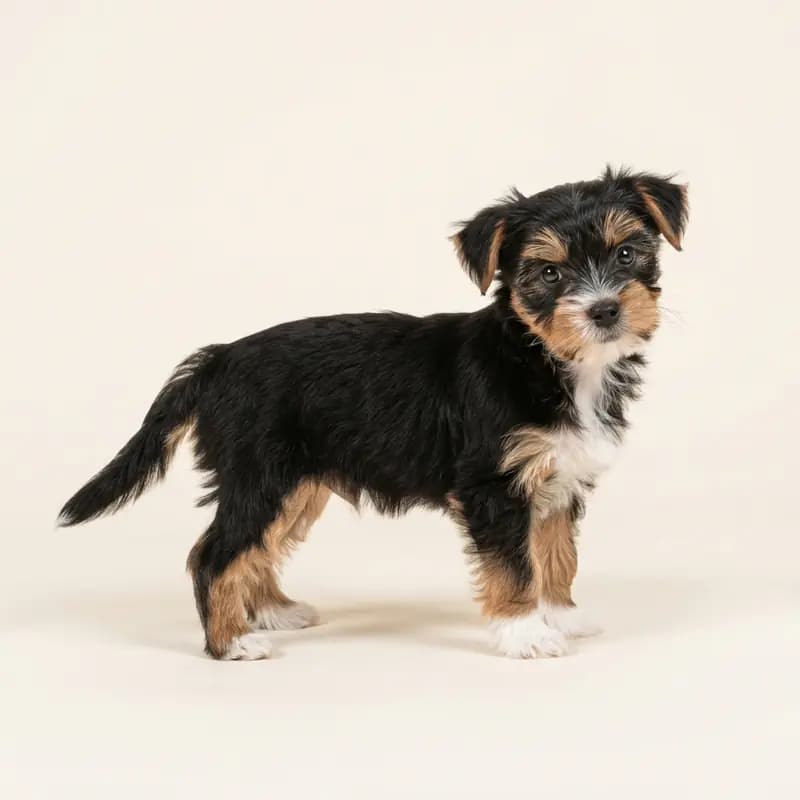
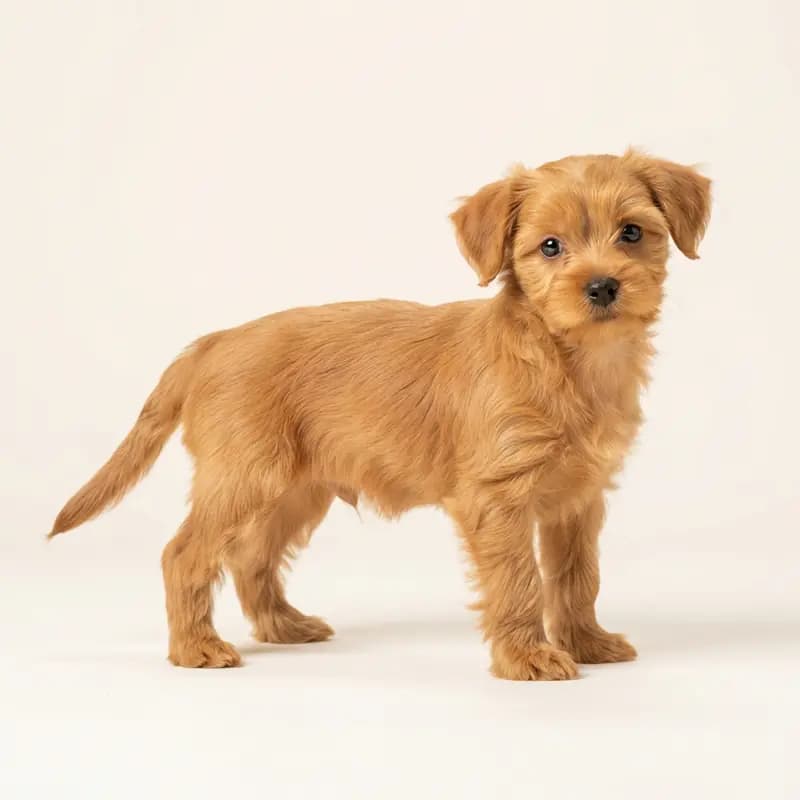
What colors does the Yorkshire Terrier come in?
The coat colors you will see in Yorkshire Terrier litters — including which ones fall outside the breed standard and which carry genetic risk.
Eye colors
 Brown
Brown
Coat type
 Illustrative image
Long
 Silky
Silky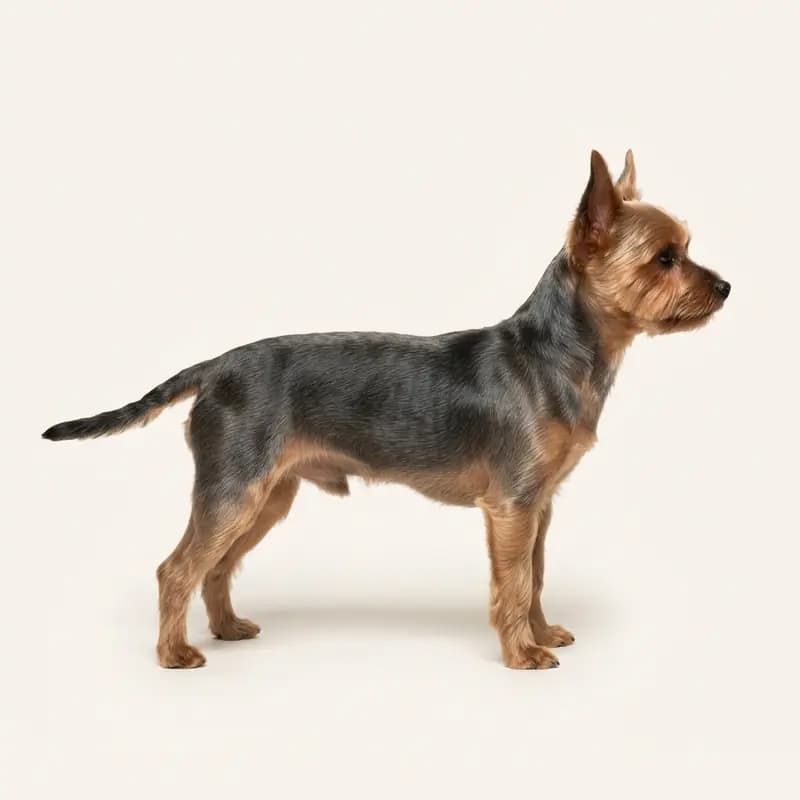 Illustrative image
Smooth
Is the Yorkshire Terrier right for you?
The Yorkshire Terrier is a brave, highly intelligent little Erdhund (earth dog) — originally bred to fearlessly hunt rats in the narrow confines of English textile mills. Beneath that silky coat beats the dauntless heart of a true terrier who firmly believes they are a large guard dog.
Perfect for you if:
- You are looking for a tiny dog who is still a tough character and loves prey-drive or scent games just as much as a big dog.
- You live in the city, want to take your dog everywhere, and appreciate a companion in a practical, compact size.
- You have the time and patience for the demanding grooming that this fine hair, which lacks an undercoat, requires every day.
- You are capable of raising a three-kilo dog with loving consistency instead of letting them get away with being disrespectful just because they are cute.
Less ideal if:
- You are expecting a quiet, decorative lap dog — they were bred as fearless ratters and will emphatically announce every sound.
- You have very small, boisterous children in the household who could accidentally injure the delicate bone structure of this terrier in the heat of play.
- You are looking for an extremely peaceful dog for the dog park — Yorkies often tend to show excessive self-confidence when facing large, strange dogs.
The real vibes check
A Yorkshire Terrier doesn't know they are small — they see a full-grown lion in the mirror. If you treat them like a fragile accessory in a handbag, they will quickly become a frustrated yapper. However, if you take them seriously as a genuine, eager-to-work terrier, you will gain a fearless and highly intelligent companion who will stick with you through thick and thin.
Self-check
Would the Yorkshire Terrier really fit your life?
Answer 6 quick questions about your everyday life and see how well the Yorkshire Terrier fits you — including an honest cost estimate per month, per year, and across the dog's lifetime.
Fit checkCost estimateRisk dice
Takes about 1 minute · free & anonymous
Breed Profile
The Yorkshire Terrier, affectionately often called “Yorkie”, is a small breed of dog with an elegant and striking appearance. He belongs to FCI group 3, the terriers, and is a toy terrier. Its long, silky fur that reaches to the ground and its proud posture give it a noble appearance. The lack of undercoat makes its fur particularly fine and silky. His large, dark eyes, which are a warm brown tone and have a clingy charisma, are also striking. The ears are small, V-shaped and stand erect.
All measurements in detail
- Height
- 15 - 18 cm (Female), 15 - 18 cm (Male)
- Weight
- 2 - 3 kg (Female), 2 - 3 kg (Male)
- Life Expectancy
- 13 - 16 yrs
- Character
- Lively, affectionate, self-confident
- Coat
- Silky, smooth, long without an undercoat
- Coat Color
- Blue and Tan (dark steel blue with golden brown markings)
- Price
- 1500 - 3000 €
Character & Temperament
The Yorkshire Terrier may be small, but his personality is anything but! He is lively, energetic and often has the confidence of a much larger dog. One of the most beautiful characteristics of the Yorkie is his affection. He loves being close to his people and often develops a particularly close bond with one person. The Yorkie has a natural curiosity and reacts quickly to anything that moves. He is intelligent and learns quickly, but sometimes he can be a bit stubborn. Although very affectionate, the Yorkie can learn to stay alone for short periods of time if properly prepared. However, he can be prone to separation anxiety if left alone for too long. As a terrier, the Yorkie tends to exhibit hunting behavior, especially when it sees small animals such as birds or squirrels. He is also territorial and alert and will bark if he hears or sees anything unusual, making him a good watchdog, although his size means he is not intimidating.
| Trainability Willing to learn with clear rules and regular training. | Balanced |
| Watchfulness Reports unusual activity but stays controlled. | Moderate |
| Openness to Strangers Neither pushily friendly nor suspicious. | Neutral |
| Hunting or Herding Drive Powerful instinct that can override recall when triggered. | Strong |
Fun Fact!
Despite its cute appearance, one should not forget that the Yorkshire Terrier is a real terrier, fearless and headstrong.
What Awaits You
Yorkshire Terriers are active dogs that need something to do. It is important to make sure that you choose the largest possible representative of this breed and one with the longest possible nose, as both the small size and the short nose are considered breeding traits that can cause a lot of suffering for the dogs.
Housing & Care
Yorkshire Terriers are very adaptable and make good city dogs. Their small size makes them ideal for apartment living. However, they are also very affectionate and should not be left alone for too long. They generally get along well with older children, but due to their small size, caution should be exercised around very young children. When it comes to other pets, Yorkies can sometimes be territorial, but they can also get along well with cats and other dogs if properly socialized.
- Family Friendly
Loves family life and thrives in a group.
Family-oriented - Child Friendly
Fine with calm, respectful children — not small tornadoes.
Better with older children - Dog Friendly
Usually gets on fine with other dogs.
Generally tolerant - City Friendly
Small space, noise, lots of people — no problem at all.
Ideal city dog
Owning a dog is a privilege, but it's also a real responsibility. Before you bring one into your life, be honest with yourself about the commitment it takes.
Training & Education
The Yorkshire Terrier is an intelligent dog with a lot of energy. He is curious by nature and loves learning new things. However, his strong character can sometimes pose a challenge in parenting. It is important to start training from the beginning and be consistent but loving. Sports like agility can be a great way to develop your urge to move and your intelligence. The passionate hunter can also be kept busy with search and retrieval games. However, it is important to make sure that you do not “over-busy” the dog and that you also allow him periods of rest. Frustration tolerance and impulse control are important, and it may be useful to incorporate this into training, especially if the dog tends to draw attention to itself through unwanted behavior such as constant barking. By setting clear rules and deliberately ignoring undesirable behavior, you can counteract the small dog's high energy and ensure more peace in everyday life. If you treat it like a "real" If the dog is treated and trained and exercised accordingly, it proves to be an active and pleasant companion.
Nutrition & Care
In terms of nutrition, Yorkshire Terriers benefit from a balanced, high-quality diet. They can be prone to low blood sugar, so it is important that they receive regular meals. Small breeds like the Yorkie often benefit from food specifically formulated for small dogs. The Yorkshire Terrier's coat is long, silky hair without an undercoat. This makes them relatively well suited to the climate in Germany, although in cold weather you should make sure to put a small coat on them. Long hair requires regular care to prevent tangles.
| Care Level Daily care is non-negotiable — neglect affects health. | Very high-maintenance |
| Exercise Needs Needs 1–2 hours of real exercise daily. | Active |
| Shedding No or minimal hair loss — suitable for allergy sufferers. | No shedding |
| Trainability Willing to learn with clear rules and regular training. | Balanced |
Our experts are still reviewing this information. Spotted something wrong? Email us at info@honestdog.de.
Health & hereditary diseases
Health
C
Solid, watch carefully
Health grade
While the Yorkshire Terrier is often long-lived, it struggles with typical toy breed issues such as patellar luxation and tracheal collapse. Since there are no mandatory genetic tests for these conditions or for the dangerous portosystemic shunt, breeding selection is often insufficiently controlled. Buyers should be aware that joints and airways remain vulnerable without strict selection of the parent animals.
Grade is relative to other breeds — AI-assisted and editorially reviewed.
In daily life this can mean
You should focus on maintaining a healthy body weight and regular dental care; in return, many of these dogs can remain active for a long time, though they often require more attention as they age.
The breeder's role
Responsible breeders have the kneecaps checked and use DNA tests for metabolic issues to limit risks within the bloodline as much as possible.
Note: This health overview is AI-assisted and editorially reviewed. It is for orientation only and does not replace veterinary advice.
No Health Tests Available
No specific health tests are currently available for this breed.
Costs & where to find one
How much does a Yorkshire Terrier cost?
A Yorkshire Terrier costs around ~€190 per month (€100 – €350, depending on your setup). The first year adds up to roughly ~€5,330 including purchase, equipment and puppy school; across the dog's life (14.5 years) it comes to about ~€35,770.
With surgery cover, running costs come to about ~€180 per month — in return, your share of a major operation drops from several thousand euros to around 20 percent.
Per month
~€190
In the first year
~€5,330
Across the dog's life
~€35,770
Purchase from a breeder: €1,500 – €3,000
Estimate at a mid-range setup (suburban, dry food, 1–2 hours of daily exercise), average German prices, as of July 2026.
Calculate your personal costs1-minute self-check with your own answers
Looking for a Yorkshire Terrier?
Appearance, variants & origin
History
The full history
The Yorkshire Terrier's roots lie in England, specifically the county of Yorkshire after which it is named. In the 19th century, the Yorkie was developed by Scottish workers who moved to the industrial areas of Yorkshire. Yorkshire Terriers were originally used as rat catchers to keep textile factories and mines free of pests. Over time, their elegant appearance was recognized and they became increasingly popular as lap dogs of polite society. The Yorkshire Terrier was recognized as a separate breed in the 1870s and has since won many hearts around the world.
Original Use
The Yorkshire Terrier was originally bred to combat rats in textile factories and mines, but later developed into a popular companion dog.
Origin
England
Date
1800
Owner experiences
What owners say about the Yorkshire Terrier
Valerie S., Halterin aus Sachsen (Rüde, 1 Jahr alt)
Mein junger Yorkie-Rüde ist ein echtes Energiebündel und absolut unerschrocken. Er läuft ohne Sinn und Verstand mitten in eine Gruppe von 30-Kilo-Hunden rein und will einfach nur spielen. Diese soziale, furchtlose Art ist wunderschön anzusehen, bringt mich im Alltag aber auch oft an meine Grenzen.
Die größte Herausforderung ist seine Sturheit und die Konzentration. Er hört gefühlt nur dann, wenn er gerade Lust dazu hat. Wenn er draußen einen anderen Hund sieht oder eine interessante Fährte riecht, blendet er mich komplett aus und ist kaum noch abrufbar. Wir sind täglich viel unterwegs und machen Spieleinheiten, aber seine unbändige Energie und der Drang, jedem Reiz hinterherzujagen, erfordern extrem viel Geduld und konsequentes Training.
Kerstin M., Halterin aus Bayern (Hündin, 5 Jahre alt)
Wer sich einen Yorkshire Terrier anschafft, muss sich im Klaren darüber sein, dass die Fellpflege ein tägliches Thema ist. Da sie keine Unterwolle haben, haaren sie zwar kaum, aber im langen, seidigen Fell verfängt sich beim Gassigehen gefühlt der halbe Wald. Wir haben ein festes tägliches Ritual entwickelt, bei dem Blätter und kleine Kletten direkt vor der Tür ausgebürstet werden, sonst verfilzt das Haar sofort.
Leider ist die Rasse auch gesundheitlich nicht ganz ohne. Bei vielen Yorkies im Bekanntenkreis ist Patella-Luxation (Probleme mit der Kniescheibe) ein Thema, weshalb man beim Welpenkauf unbedingt auf seriöse Züchter achten sollte. Auch die Zähne machen oft Ärger: Bei unserer Hündin mussten die Milchzähne damals vom Tierarzt gezogen werden, weil sie nicht von alleine ausfallen wollten, als die bleibenden Zähne schon nachkamen. Wenn man das aber im Blick behält, hat man einen wunderbaren, treuen Begleiter.
Paraphrased from real owner reports
Loading owner stories
Community Posts
FAQ & more
Frequently asked questions about the Yorkshire Terrier
Is a Yorkshire Terrier the right dog for me?
The Yorkshire Terrier is an adaptable dog that adjusts well to various lifestyles. Research the temperament, grooming needs, and space requirements before deciding.
How long does a Yorkshire Terrier live?
The average life expectancy of a Yorkshire Terrier is 13-16 years. With proper care and regular vet visits, your dog can live a long, healthy life.
How much grooming does a Yorkshire Terrier need?
Yorkshire Terrier grooming requirements include regular brushing, nail trimming, and dental care. HonestDog provides detailed grooming tips for every breed.
Is a Yorkshire Terrier good for families with children?
The Yorkshire Terrier can be a great family dog. Proper training and socialization are key. HonestDog provides family suitability information for every breed.
What colors does the Yorkshire Terrier come in?
The Yorkshire Terrier comes in these colors: Blue and tan, Black and tan, Chocolate, Tricolor, Gold. Colors that fall outside the breed standard are marked as such on the breed page.
Loading related articles
Are you a Yorkshire Terrier breeder?
Showcase your kennel on HonestDog and reach families searching for a responsibly bred Yorkshire Terrier.
Why HonestDog?
What makes HonestDog different from other platforms
Full transparency
We lay out what we have: who the breeder is, how they work, and any health records they've uploaded. So you can judge for yourself.
Responsible breeding, assured
Every breeder on HonestDog has their identity and documents checked before their profile goes live. Health records they upload are shown on the profile, so you can see exactly what has been tested.
Trust and verification
We verify breeders and buyers alike, so every conversation happens on solid ground. It's a new standard of trust in dog breeding.
Less hassle, more time
We've already checked the breeders' documents and gathered the details, so you can skip the endless research and focus on finding the right puppy for your family.
Our Mission

We connect dog lovers with responsible breeders and shelters to ensure every dog finds the perfect home.
Founded by dog enthusiasts, our platform focuses on ethical dog breeding and adoption.
Why HonestDog?
We connect you with vetted breeders and shelters so you can find your — your new companion — with confidence.
Vetted Partners
Only verified breeders and shelters — for a safe start.
Highest Standards
Every animal's health and wellbeing is our top priority.
Guides & Resources
Guides, checklists, and breed profiles — so you can make a well-informed decision.