Loading breed
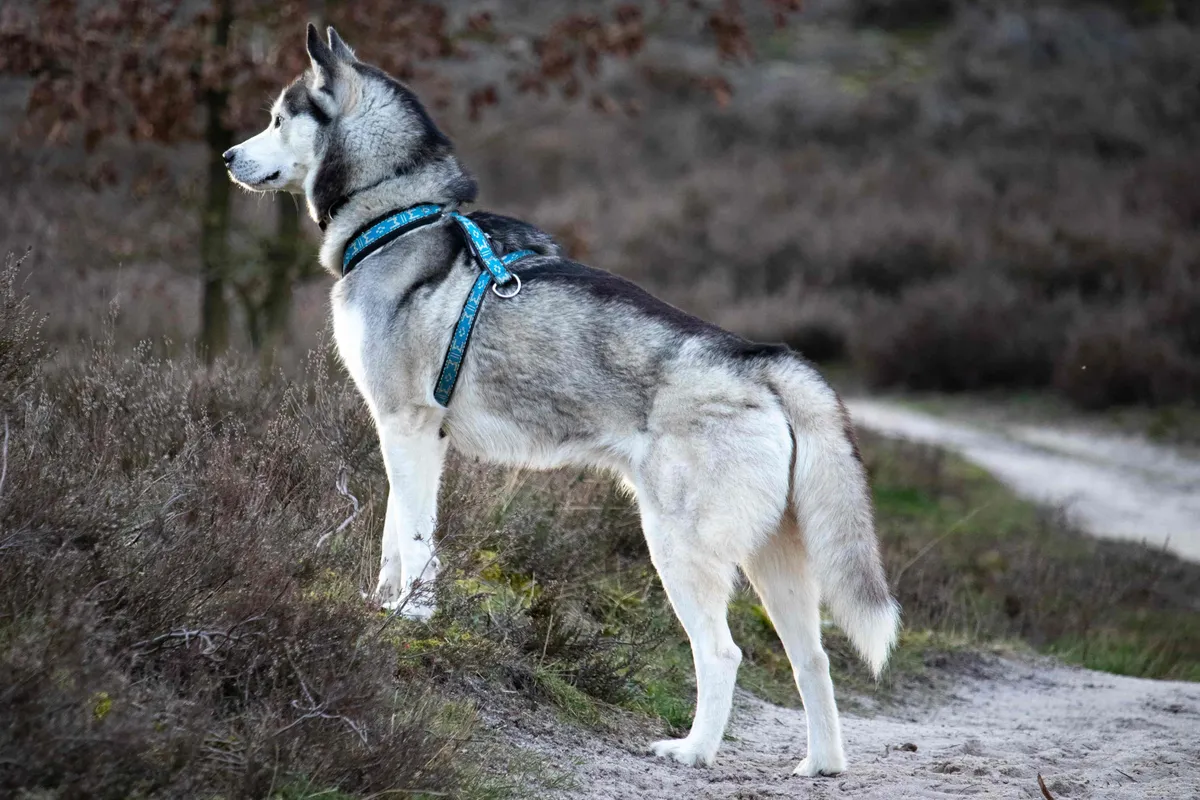
Siberian Husky
Health grade CThe Siberian Husky is a friendly, extremely resilient sled dog—bred to pull light loads over vast distances in freezing cold. This irrepressible urge to run makes them high-performance athletes who quickly get bored with suburban life.
- Height50–60 cm
- Weight16–27 kg
- Life expectancy12–15 yrs
- Puppy price1,200–2,500 €
- Energy5/5
The Essentials at a Glance
The Siberian Husky is a friendly, extremely resilient sled dog—bred to pull light loads over vast distances in freezing cold. This irrepressible urge to run makes them high-performance athletes who quickly get bored with suburban life.
- Health grade C: While the Siberian Husky is considered a robust working dog, it carries a genetically higher-than-average number of documented health risks.
- You are looking for a partner for serious sled dog sports (canicross, bikejoring) – simple walks will never be enough for this running dog.
- Ideally, you already have a confident second dog, as they are classic pack animals that often wither when kept alone.
- You expect to be able to let them off-leash during forest walks without any issues – their huge radius and hunting instinct make this almost impossible.
Is the Siberian Husky right for you?
At a glance
Siberian Husky overview
The essentials — key facts, traits, and health priorities — before you dive deeper.
Health grade
Relative to other breeds
S
A
B
C
D
E
Very healthyHigher risk
Average — several important tests are expected.
See full health info & tests →
Note: This health overview is AI-assisted and editorially reviewed. It is for orientation only and does not replace veterinary advice.
Lifespan
12–15 yrs
Height
50–60 cm
Weight
16–27 kg
Practical
- Puppy price: 1,200 – 2,500 €
- Coat: Dense, medium length, double undercoat
- Origin: Russia
Temperament
Energy
Trainability
Family fit
With kids
Daily life
Care effort
Shedding
Barking
City-friendly
Guard instinct
What matters most
Especially with a Siberian Husky, choosing the right breeder is the single most important decision you'll make. Serious breeders consistently test the parents for inherited conditions, prioritize healthy early socialization, and stay accountable long after handover. A cheap puppy without health screening tends to become the most expensive dog later on.
See HonestDog breeder standards →Colors & coat
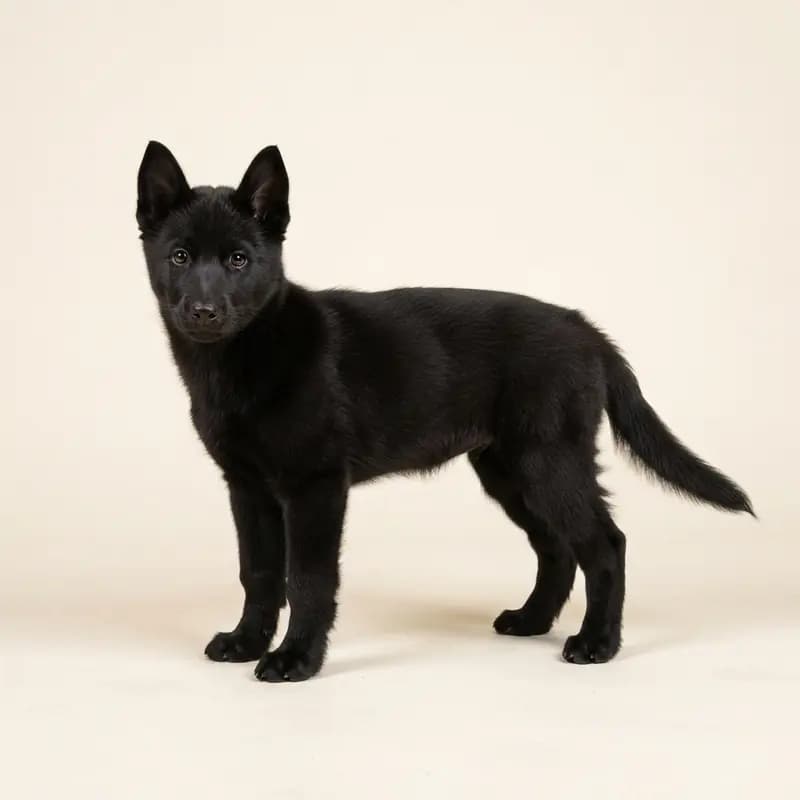
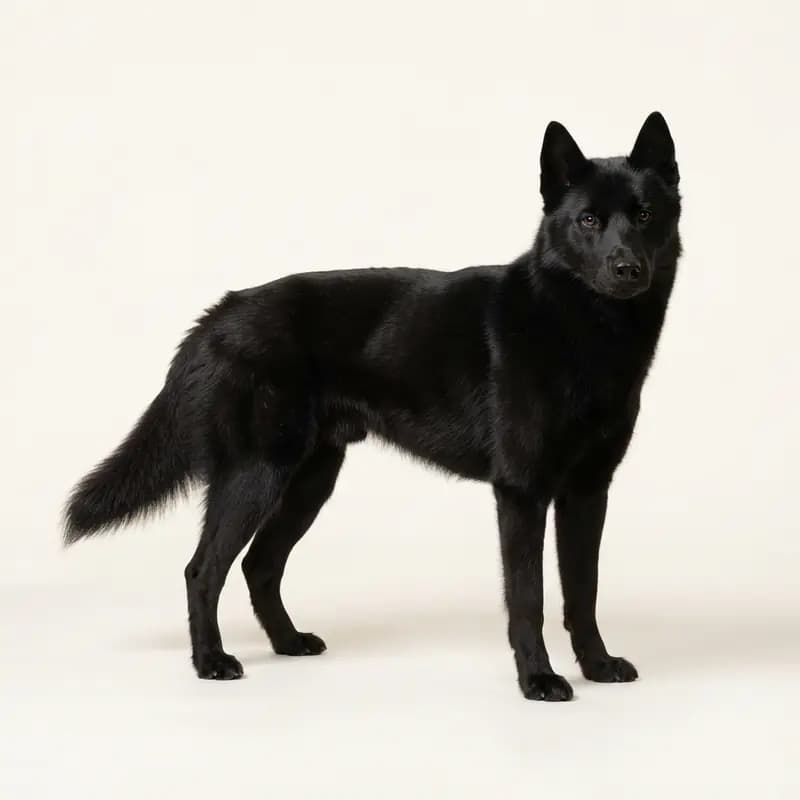
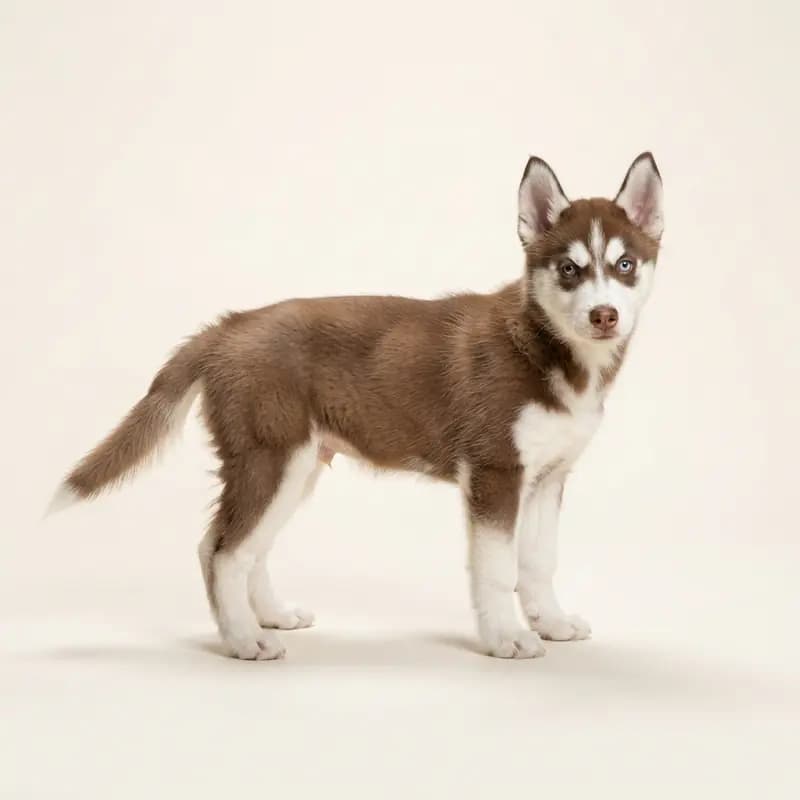
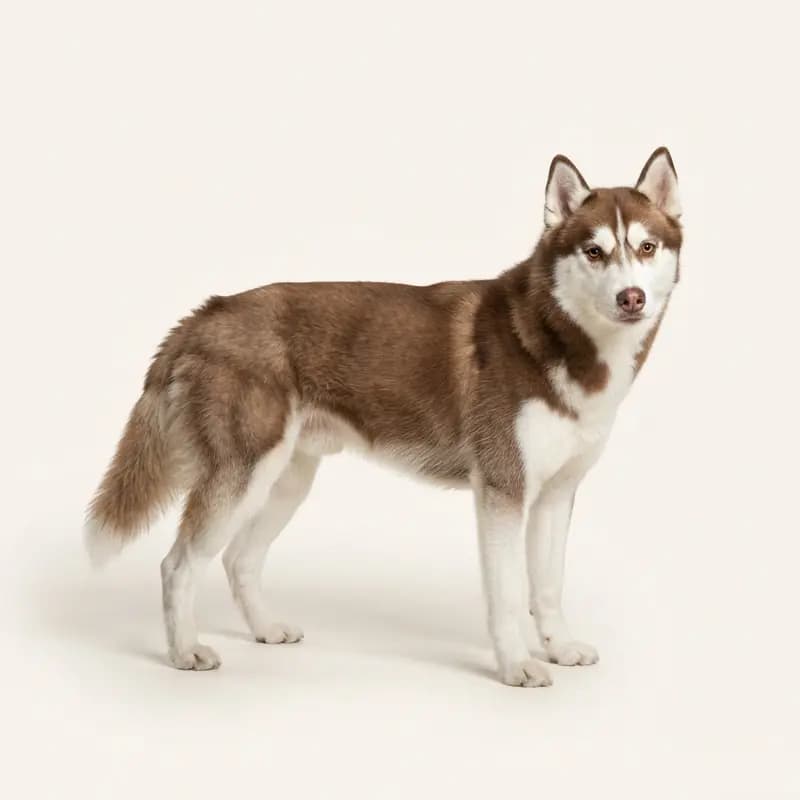
What colors does the Siberian Husky come in?
The coat colors you will see in Siberian Husky litters — including which ones fall outside the breed standard and which carry genetic risk.
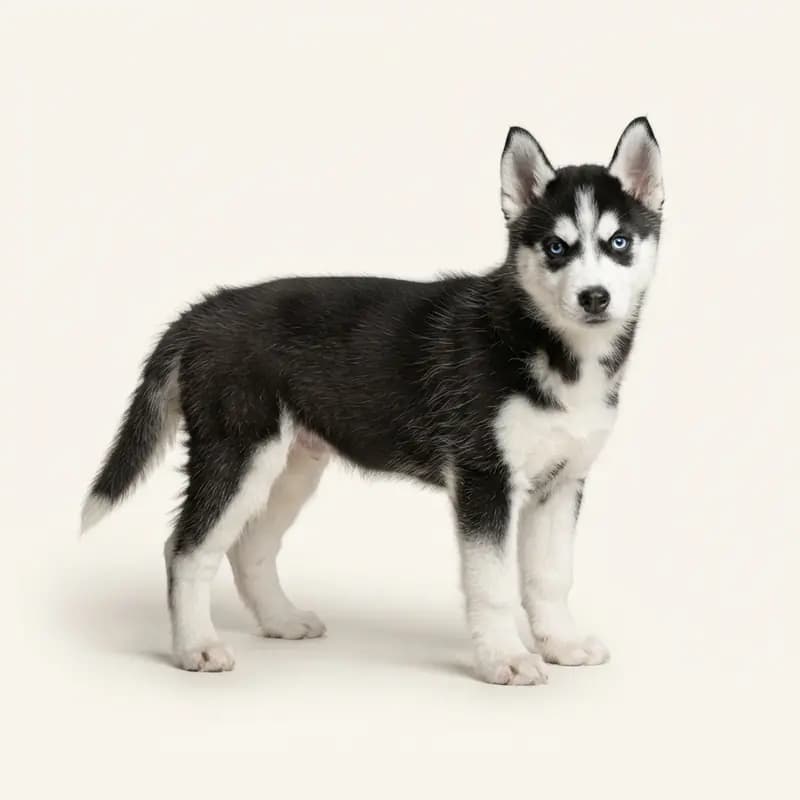
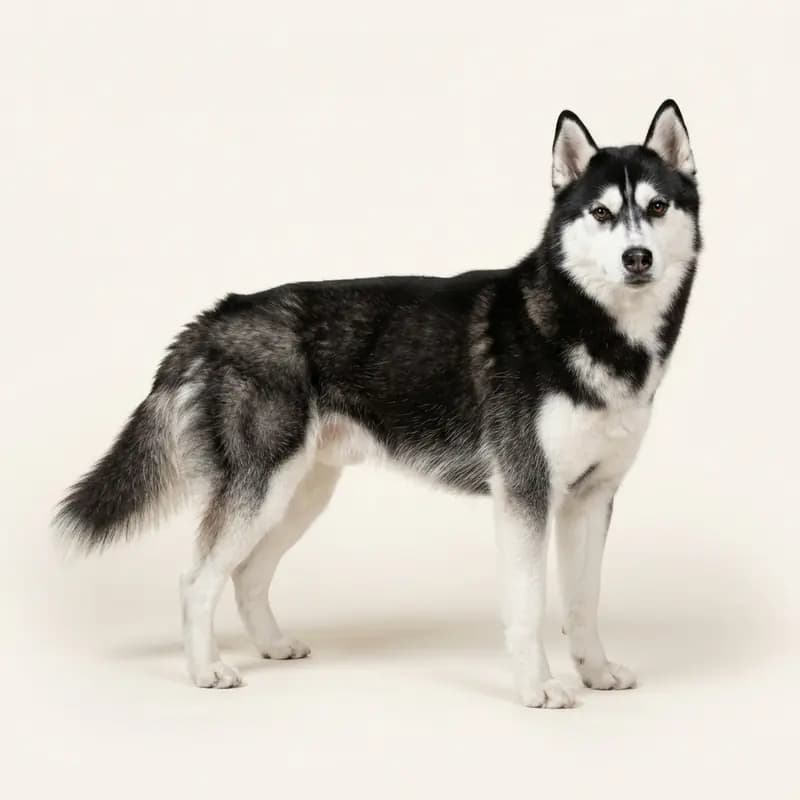
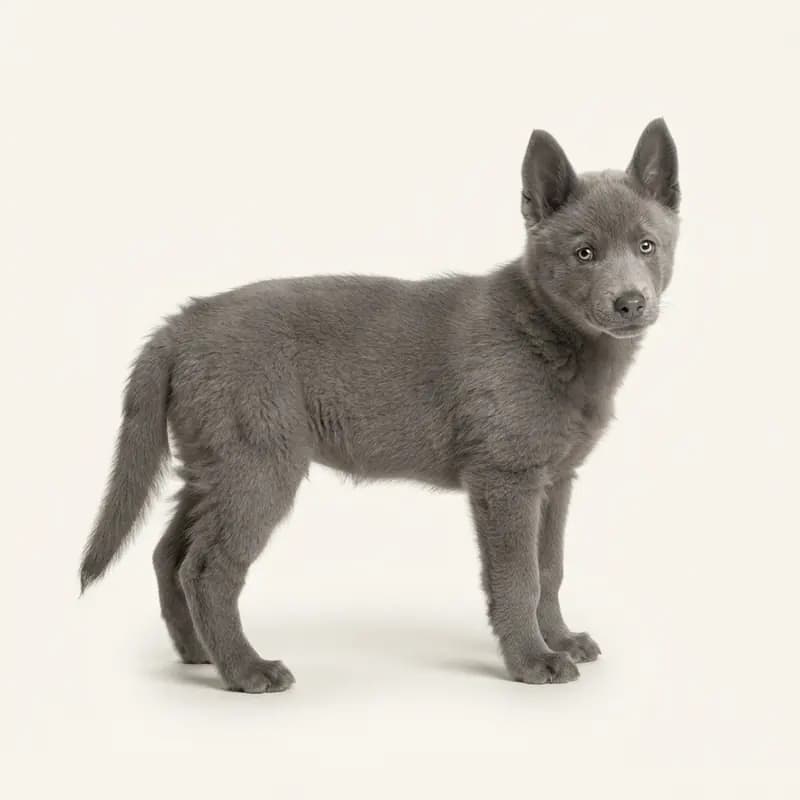
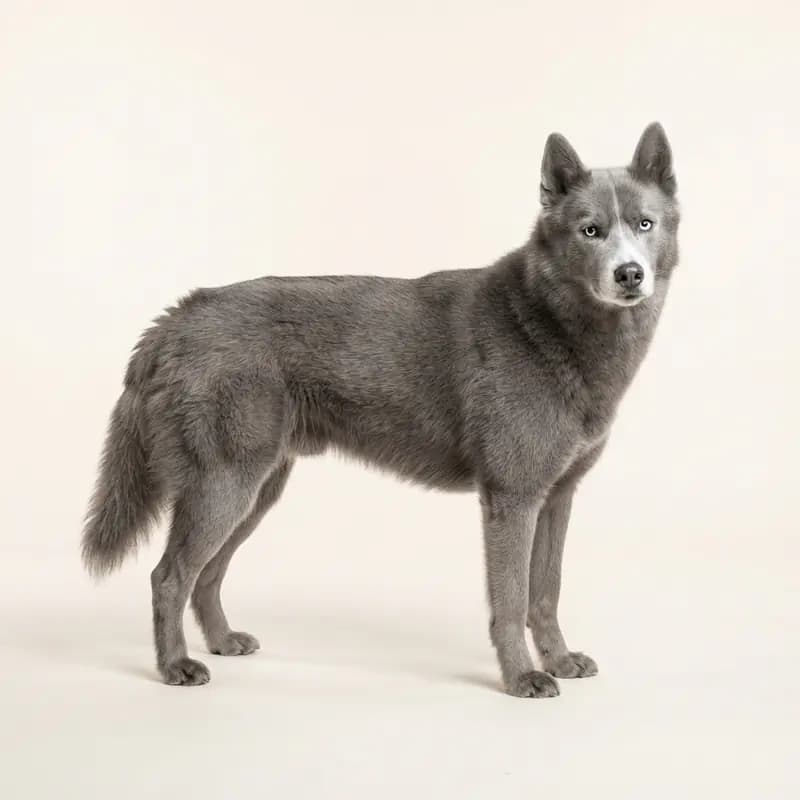
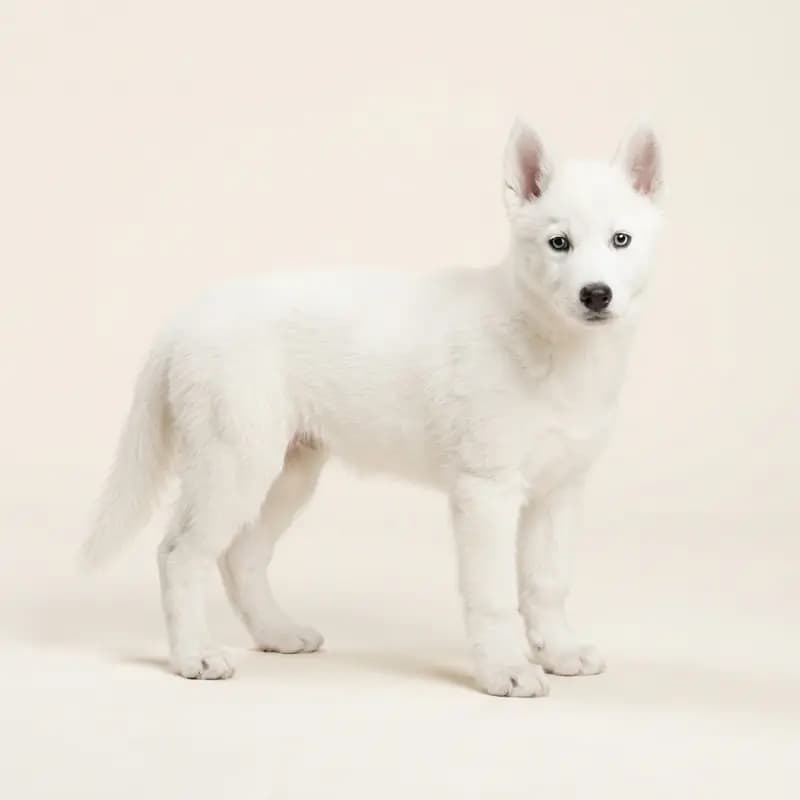
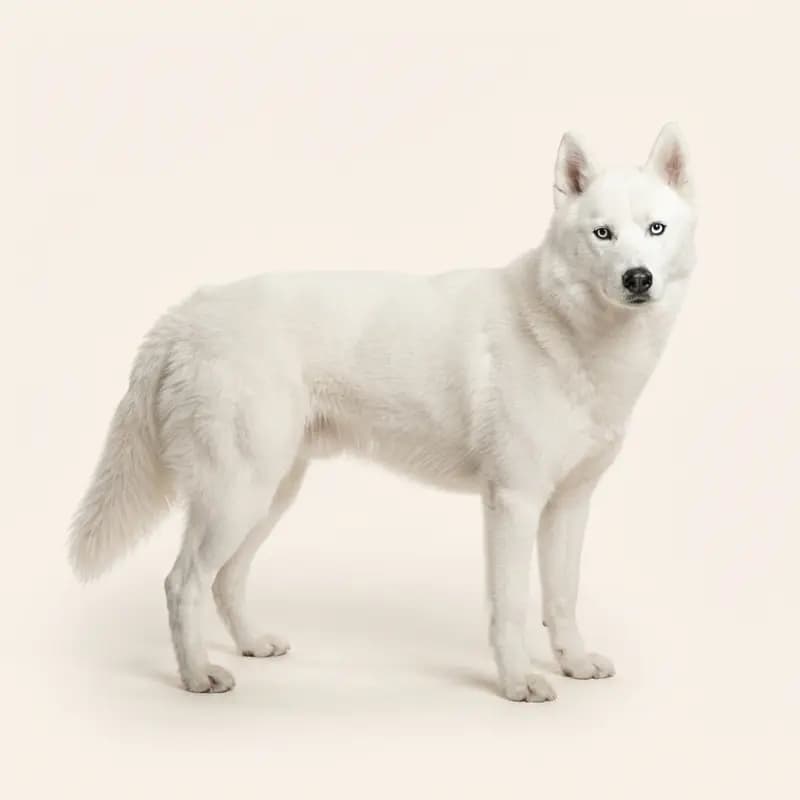
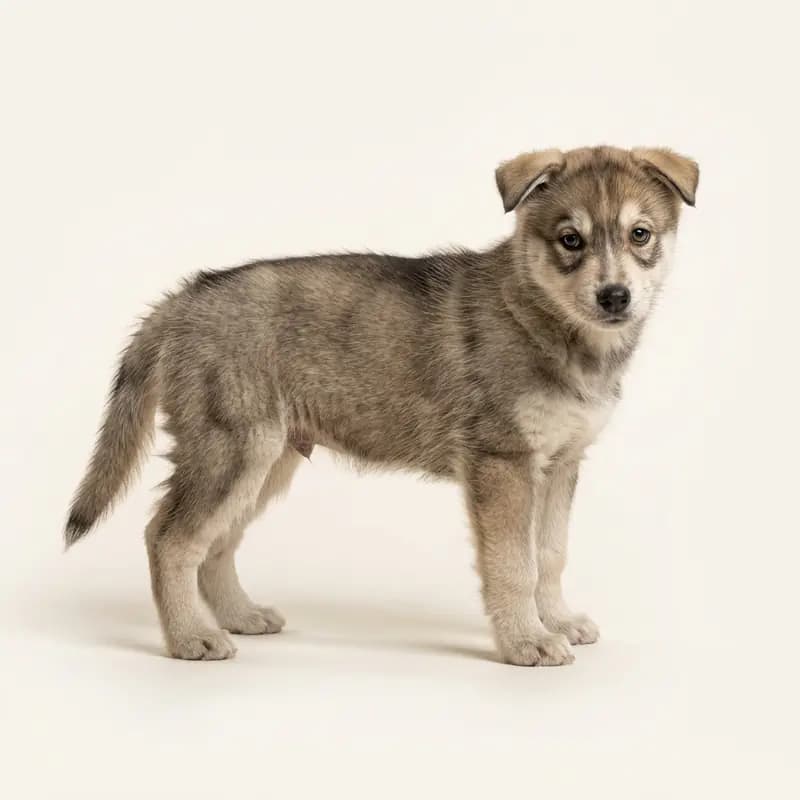
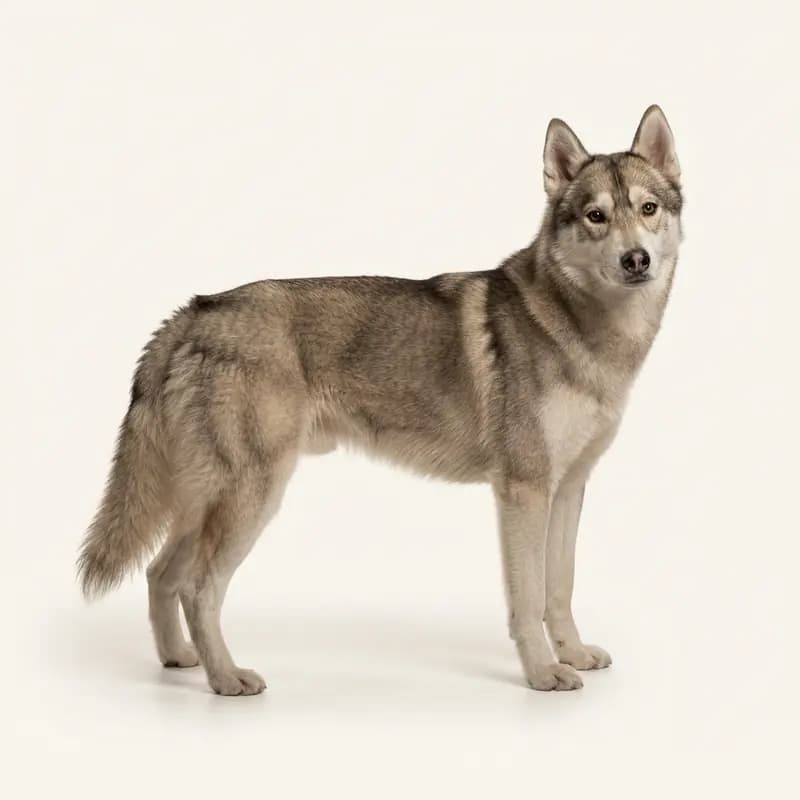
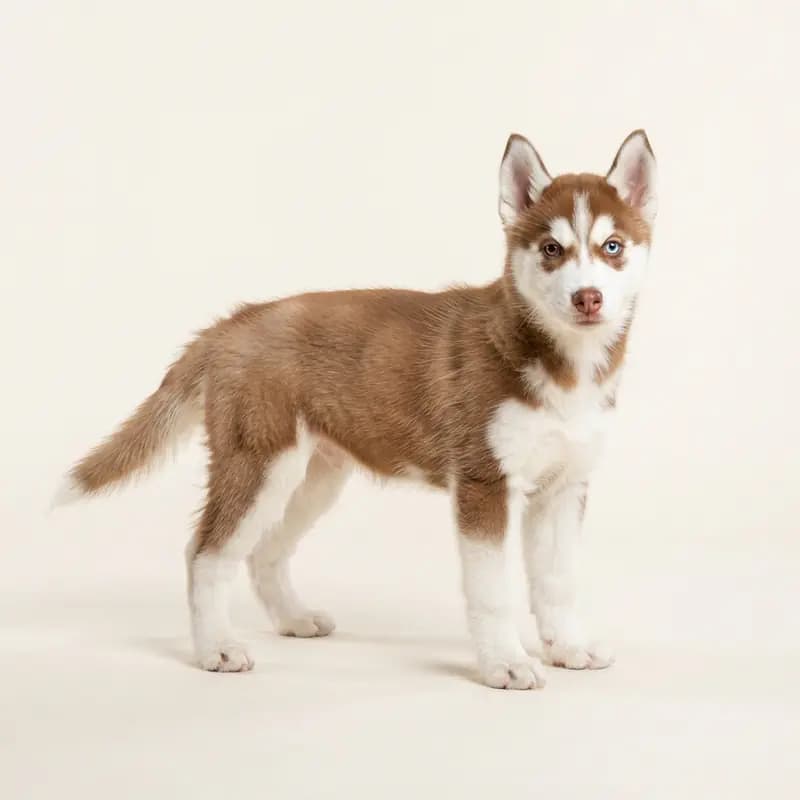
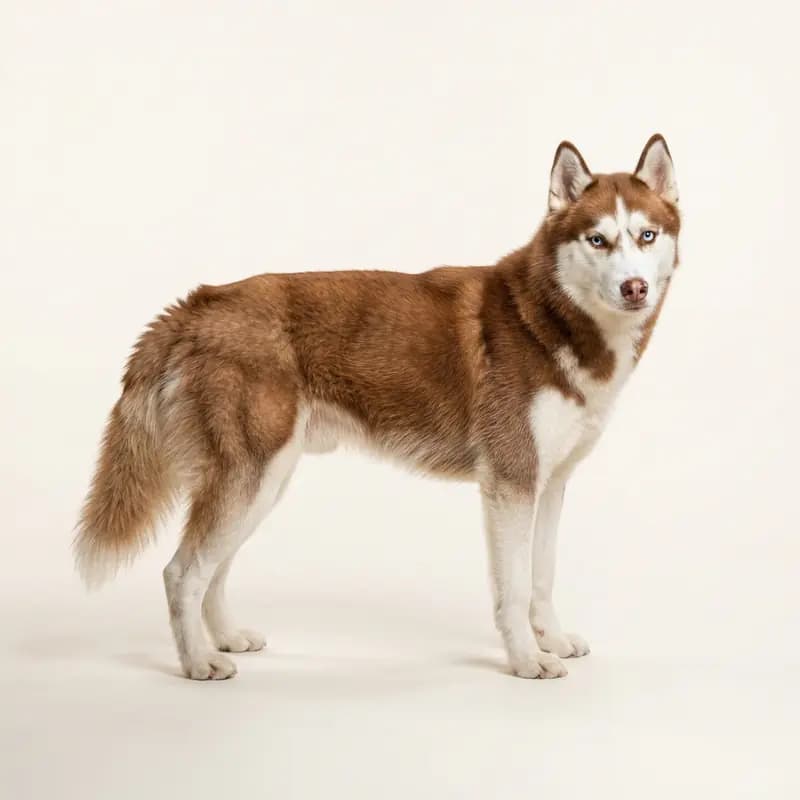
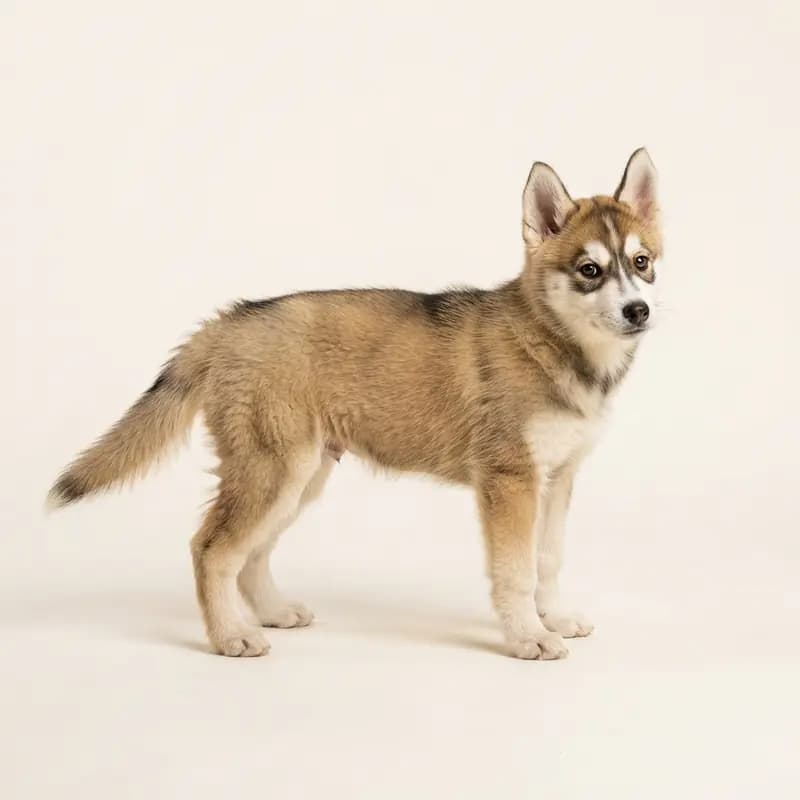
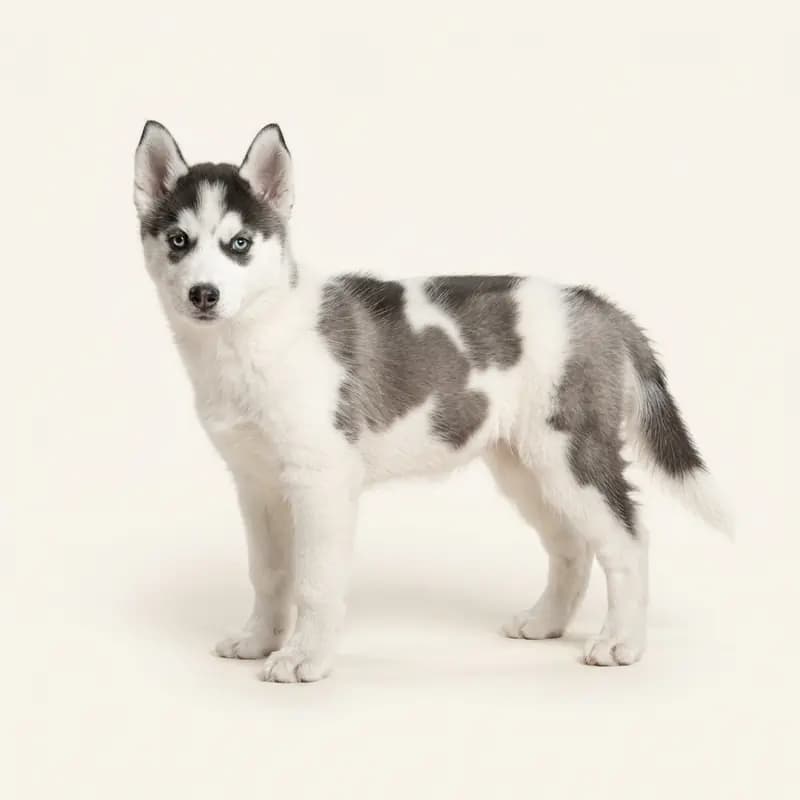
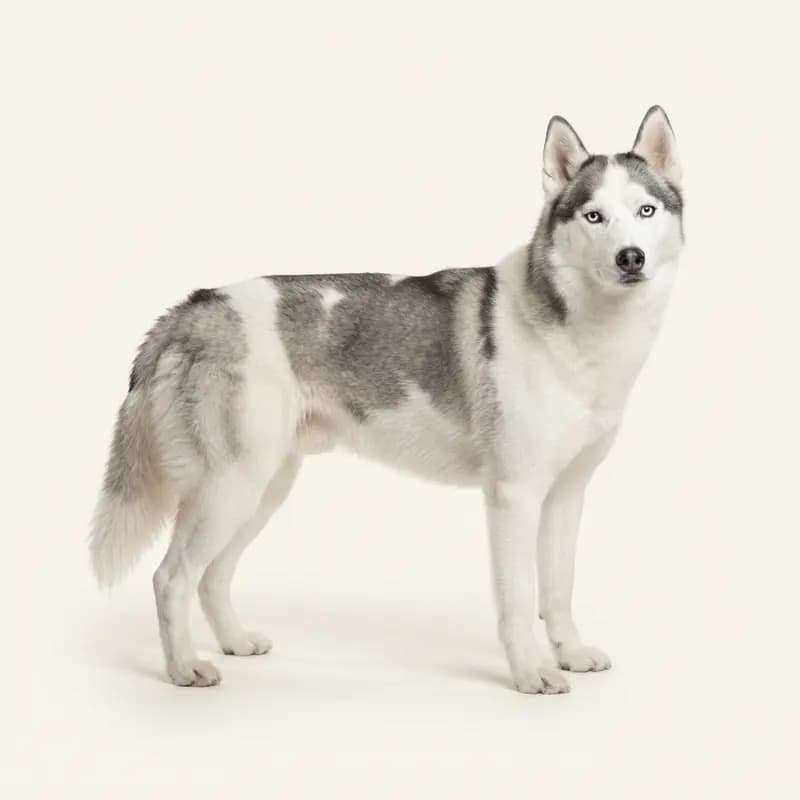
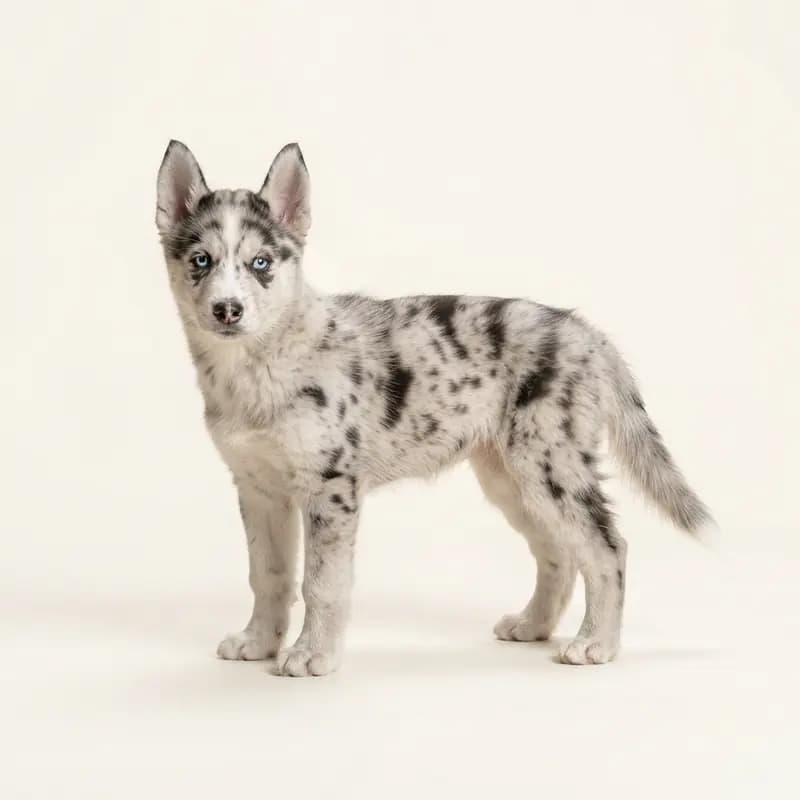
Eye colors
 Brown
Brown Blue
Blue Odd-eyed
 Partial (split eye)
Coat type
 Medium
 Double coat
Is the Siberian Husky right for you?
The Siberian Husky is a friendly, extremely resilient sled dog—bred to pull light loads over vast distances in freezing cold. This irrepressible urge to run makes them high-performance athletes who quickly get bored with suburban life.
Perfect for you if:
- You are looking for a partner for serious sled dog sports (canicross, bikejoring) – simple walks will never be enough for this running dog.
- Ideally, you already have a confident second dog, as they are classic pack animals that often wither when kept alone.
- You have the patience to handle the fact that they often view commands as non-binding suggestions.
- You can provide an absolutely escape-proof garden with a high fence – Huskies are notorious climbing artists.
Less ideal if:
- You expect to be able to let them off-leash during forest walks without any issues – their huge radius and hunting instinct make this almost impossible.
- You have to leave them alone for hours on a regular basis and live in an apartment with thin walls – a frustrated Husky will howl loudly like a wolf.
- You are looking for an imposing guard dog – they usually greet burglars with a wagging tail and are happy for the company.
The real vibes check
A Siberian Husky is like an extreme marathon runner forced to sit in a waiting room all day—they will inevitably start tearing the furniture apart. You aren't getting an obedient companion who hangs on your every look, but an independent pack animal that needs to run. If you don't adapt your life to their urge to run, they will find their own entertainment—and you definitely won't like it.
Self-check
Would the Siberian Husky really fit your life?
Answer 6 quick questions about your everyday life and see how well the Siberian Husky fits you — including an honest cost estimate per month, per year, and across the dog's lifetime.
Fit checkCost estimateRisk dice
Takes about 1 minute · free & anonymous
Breed Profile
The Siberian Husky is an impressive appearance that stands out not only because of its lively, often blue eyes. With a medium-sized, very athletic build, this dog is categorized as part of FCI Group 5 of the top and "primitive type dogs". Its coat is dense and medium length with a double undercoat that protects it from extreme weather conditions. The ears are medium sized and erect, while the tail is bushy and often carried over the back. Although many people know the Siberian Husky in its classic black and white coloring, it comes in a variety of colors and patterns. Huskies continue to be traditionally bred as working dogs.
All measurements in detail
- Height
- 50 - 56 cm (Female), 53 - 60 cm (Male)
- Weight
- 16 - 23 kg (Female), 20 - 27 kg (Male)
- Life Expectancy
- 12 - 15 yrs
- Character
- Energetic, friendly, independent
- Coat
- Dense, medium length, double undercoat
- Coat Color
- Varied including black, gray, red, and agouti
- Price
- 1200 - 2500 €
Character & Temperament
The personality of the Siberian Husky is truly fascinating due to its originality, but it does present some difficulties in training. You will notice that the Husky is full of energy. It is important to note that this breed was originally bred to run long distances, and this energy needs to be channeled through regular exercise. Their independence can sometimes be interpreted as stubbornness, but they are simply dogs who make their own decisions and - unlike other dog breeds - behave less child-like. This means that you will need patience and consistency in your upbringing. In contrast to other, specialized breeds, all of the Husky's motivations (hunting, social, territorial and sexual) are approximately equally strong. Huskies are friendly and usually not suspicious of strangers, making them less suitable guard dogs. They enjoy the company of people and other dogs. Huskies can learn to stay alone, but prefer to be in a pack and should not be left unoccupied for long periods of time.
| Trainability Has its own ideas and will test limits. | Strong-willed |
| Watchfulness Occasionally alerts but is fundamentally open. | Low |
| Openness to Strangers Warms up quickly and is generally welcoming. | Friendly |
| Hunting or Herding Drive Powerful instinct that can override recall when triggered. | Strong |
Fun Fact!
Did you know that the Husky can easily spend the night under a blanket of snow? Its furry coat protects it from the cold and the bushy tail under which it tucks its nose serves to keep it warm and as an air filter.
What Awaits You
Siberian Huskies have a great passion for hunting and are very independent. Therefore, freewheeling is often only possible to a limited extent. They love to move and need experienced owners who can train and exercise them.
Housing & Care
Siberian Huskies are active dogs and require plenty of space to run. They are not suitable as city dogs and do not belong in the hands of beginners. Due to their independence and adult behavior, they are less likely to meet the requirements of a family dog. You also need a lot of time and patience to train and properly utilize this high-performance athlete. They are generally good-natured around children, but as with any dog, it is important to monitor interactions. They can get along well with cats and other pets if they are properly socialized. The warm summer months in Germany can be a real stress for the dogs due to their thick fur and you have to be careful that they don't overheat. They feel most comfortable in cool temperatures.
- Family Friendly
Gets on well with different people and varying routines.
Family-friendly - Child Friendly
Too sensitive, dominant, or unpredictable for households with small children.
Not for children - Dog Friendly
Actively enjoys the company of other dogs.
Dog-friendly - City Friendly
Suffers in tight urban conditions.
Needs the countryside
Owning a dog is a privilege, but it's also a real responsibility. Before you bring one into your life, be honest with yourself about the commitment it takes.
Training & Education
Siberian Huskies are intelligent but independent and very mature dogs. It is important that training starts early and remains consistent. As sled dogs, they love to run and can make great jogging or cycling partners. There are also dog sports like canicross, where you can run with your husky. They have a lot of energy, but it is important to be careful not to "over-busy" the dog as this can lead to stress. Learning frustration tolerance and impulse control is especially important because Huskies tend to be impulsive and may not handle frustration well. Positive reinforcement and rewards are key elements in training this breed. Their penchant for hunting also requires reliable recall training, as Huskies' independent behavior means they tend to hunt on their own. This also makes training more difficult because it is difficult to get them excited about cooperative and alternative hunting games, such as retrieving a food dummy. For the robust working dog, pulling dog sport is still one of the best physical activities in which he can pursue his original task. Depending on your disposition, tracking training, for example, is a good way to keep your mind occupied.
Nutrition & Care
Siberian Huskies require a balanced diet with high-quality proteins, fats and carbohydrates. They are very active, so it is important to make sure they get enough energy from their food. When it comes to grooming, the Husky has a dense undercoat. This coat requires regular brushing and sheds especially during shedding, which usually occurs twice a year.
| Care Level Regular brushing and occasional professional grooming. | Moderate |
| Exercise Needs Working-dog energy that needs burning off every single day. | High-drive |
| Shedding Hair everywhere, always — no white clothing survives. | Very heavy |
| Trainability Has its own ideas and will test limits. | Strong-willed |
Our experts are still reviewing this information. Spotted something wrong? Email us at info@honestdog.de.
Health & hereditary diseases
Health
C
Solid, watch carefully
Health grade
While the Siberian Husky is considered a robust working dog, it carries a genetically higher-than-average number of documented health risks. Eye conditions such as cataracts and glaucoma, as well as hip dysplasia (HD), are particularly common in the breed and require consistent health testing. Prospective buyers should only purchase from breeders who can provide complete and transparent health screening results.
Grade is relative to other breeds — AI-assisted and editorially reviewed.
In daily life this can mean
You should keep an eye on their weight and eye health—in return, you will often have an athletic companion with relatively moderate veterinary needs.
The breeder's role
Responsible breeders have the parents' eyes checked and ensure proper joint movement so that Huskies can run pain-free for a long time.
Note: This health overview is AI-assisted and editorially reviewed. It is for orientation only and does not replace veterinary advice.
No Health Tests Available
No specific health tests are currently available for this breed.
Costs & where to find one
How much does a Siberian Husky cost?
A Siberian Husky costs around ~€180 per month (€100 – €340, depending on your setup). The first year adds up to roughly ~€4,880 including purchase, equipment and puppy school; across the dog's life (13.5 years) it comes to about ~€32,310.
With surgery cover, running costs come to about ~€180 per month — in return, your share of a major operation drops from several thousand euros to around 20 percent.
Per month
~€180
In the first year
~€4,880
Across the dog's life
~€32,310
Purchase from a breeder: €1,200 – €2,500
Estimate at a mid-range setup (suburban, dry food, 1–2 hours of daily exercise), average German prices, as of July 2026.
Calculate your personal costs1-minute self-check with your own answers
Looking for a Siberian Husky?
Appearance, variants & origin
History
The full history
The Siberian Husky's roots lie in Siberia, Russia, where the Chukchi, an indigenous people, developed the breed over 3,000 years ago. The dogs were originally bred as sled dogs and played a crucial role in Chukchi culture. They assisted in hunting and transporting goods over long distances in the extreme climatic conditions of Siberia. In the early 20th century, the dogs were introduced to Alaska, where they quickly became popular, particularly in sled dog sports. They became known for their endurance and speed. One of the most famous events in Siberian Husky history was the "Serum Run." in 1925, when a team of sled dogs, including Siberian Huskies, transported a life-saving serum 674 miles in Alaska to avert a diphtheria epidemic. This event contributed significantly to the popularity of the husky. The Norwegian Leonard Seppala began officially breeding the Siberian Husky in Alaska in 1910. That's why the USA is often considered the husky's country of origin. The American Kennel Club recognized the Siberian Husky as a separate breed in 1930.
Original Use
The Siberian Husky was bred by the Chukchi people of Siberia as a sled dog for long-distance transportation, known for its endurance and friendly nature.
Origin
Russia
Date
Antike
Owner experiences
What owners say about the Siberian Husky
Michael S., Halter aus Oberbayern (Rüde, seit 2018)
Als wir uns damals für unseren Rüden entschieden haben, wollten wir einen sportlichen Begleiter für lange Wanderungen. Die Realität hat uns schnell eingeholt: Ein Husky geht nicht einfach nur gemütlich spazieren, er will arbeiten und rennen! Ohne Zuggeschirr und Zughundesport am Fahrrad oder beim Joggen wäre er absolut nicht ausgelastet. Er hat eine unglaubliche Kraft und zieht mich mit einer Energie durch die Gegend, die man erst einmal bändigen können muss.
Die größte Herausforderung im Alltag ist aber definitiv der extreme Jagdtrieb. Ableinen ist bei uns absolut unmöglich. Sobald er Wild oder auch nur eine Katze erspäht, schaltet sein Gehirn komplett ab. Er läuft dann einfach kilometerweit weg, ohne nach links oder rechts zu schauen, und wir mussten ihn schon aus Nachbarortschaften abholen. Seitdem bleibt die Schleppleine unser ständiger Begleiter.
Trotzdem lieben wir seine ursprüngliche Art. Er ist kein Hund, der sich bedingungslos unterwirft, sondern er behält immer seinen eigenen, stolzen Kopf. Man muss sich auf diese Unabhängigkeit einlassen, sonst verzweifelt man an der Erziehung.
Sabine R., Halterin aus dem Harz (Hündin, seit 2021)
Unsere Hündin ist eine Seele von Hund und unglaublich freundlich zu jedem Menschen. Aber die Erziehung erfordert Nerven aus Stahl. Wer einen Hund sucht, der brav aufs Wort hört, ist beim Husky völlig falsch. Sie ist extrem stur und hinterfragt jedes Kommando. Wenn sie keinen Sinn darin sieht, Sitz zu machen, dann macht sie es eben nicht – da nützen auch die besten Leckerlis manchmal nichts.
Ein riesiges Problem, das uns anfangs fast in den Wahnsinn getrieben hat, ist das Alleinebleiben. Schon als Welpe hat sie die ganze Nachbarschaft zusammengeschrien. Dieses rassetypische 'Singen aus der Seele' klingt zwar faszinierend, bedeutet aber puren Stress, wenn man mal kurz weg muss. Sie hat uns in ihrer Frustration auch schon die Tapete im Flur von den Wänden gekratzt und die Wohnungstür völlig demoliert.
Man muss unglaublich viel Geduld mitbringen und das Alleinebleiben in extrem kleinen Schritten trainieren. Wer sich einen Husky anschafft, muss wissen, dass diese Hunde am liebsten rund um die Uhr bei ihrem Rudel sein wollen und Frust nur schwer ertragen.
Jan T., Halter aus Schleswig-Holstein (Rüde, seit 2020)
Was man vor dem Kauf eines Huskys definitiv unterschätzt, ist der Fellwechsel. Zweimal im Jahr explodiert die Unterwolle regelrecht. Wir bürsten bergeweise Haare aus ihm heraus, und trotzdem fliegt das Fell einfach überall in der Wohnung herum. Wer penibel auf Sauberkeit achtet, wird mit dieser Rasse nicht glücklich.
Ein Wachhund ist er absolut nicht. Wenn Fremde unser Grundstück betreten, freut er sich einen Ast ab und würde wahrscheinlich auch Einbrechern noch den Weg zeigen. Er liebt Menschen und andere Hunde über alles, was die Sozialisierung sehr einfach gemacht hat. Allerdings ist er im Umgang mit anderen Rassen manchmal sehr direkt und stürmisch, was aufgrund der nordischen Körpersprache nicht jeder andere Hund sofort richtig versteht.
Er braucht täglich mehrere Stunden Beschäftigung und Bewegung. Wenn er die nicht bekommt, merkt man sofort, wie er unruhig wird. Ein Husky ist eben kein 'Nebenbei-Hund', sondern ein echter Lebensstil.
Paraphrased from real owner reports
Loading owner stories
Community Posts
FAQ & more
Frequently asked questions about the Siberian Husky
Is a Husky the right dog for me?
The Husky is an active dog that needs plenty of exercise and mental stimulation. Research the temperament, grooming needs, and space requirements before deciding.
How long does a Husky live?
The average life expectancy of a Husky is 12-15 years. With proper care and regular vet visits, your dog can live a long, healthy life.
How much grooming does a Husky need?
Husky grooming requirements include regular brushing, nail trimming, and dental care. HonestDog provides detailed grooming tips for every breed.
Is a Husky good for families with children?
The Husky can be a great family dog. Proper training and socialization are key. HonestDog provides family suitability information for every breed.
What colors does the Husky come in?
The Husky comes in these colors: Black and white, Grey, White, Agouti, Red and white, Sable, Black, Brown and white, Piebald, Merle. Colors that fall outside the breed standard are marked as such on the breed page.
Loading related articles
Are you a Siberian Husky breeder?
Showcase your kennel on HonestDog and reach families searching for a responsibly bred Siberian Husky.
Why HonestDog?
What makes HonestDog different from other platforms
Full transparency
We lay out what we have: who the breeder is, how they work, and any health records they've uploaded. So you can judge for yourself.
Responsible breeding, assured
Every breeder on HonestDog has their identity and documents checked before their profile goes live. Health records they upload are shown on the profile, so you can see exactly what has been tested.
Trust and verification
We verify breeders and buyers alike, so every conversation happens on solid ground. It's a new standard of trust in dog breeding.
Less hassle, more time
We've already checked the breeders' documents and gathered the details, so you can skip the endless research and focus on finding the right puppy for your family.
Our Mission

We connect dog lovers with responsible breeders and shelters to ensure every dog finds the perfect home.
Founded by dog enthusiasts, our platform focuses on ethical dog breeding and adoption.
Why HonestDog?
We connect you with vetted breeders and shelters so you can find your — your new companion — with confidence.
Vetted Partners
Only verified breeders and shelters — for a safe start.
Highest Standards
Every animal's health and wellbeing is our top priority.
Guides & Resources
Guides, checklists, and breed profiles — so you can make a well-informed decision.