Loading breed
Shih Tzu
Health grade DThe Shih Tzu is a charming, strong-willed companion dog—bred as an Asian temple dog whose sole job for centuries has been to warm palaces and provide company.
- Height25–27 cm
- Weight4–7 kg
- Life expectancy10–16 yrs
- Puppy price1,200–2,500 €
- Energy2/5
The Essentials at a Glance
The Shih Tzu is a charming, strong-willed companion dog—bred as an Asian temple dog whose sole job for centuries has been to warm palaces and provide company.
- Health grade D: The Shih Tzu is chondrodystrophic and therefore carries an increased risk of intervertebral disc disease (IVDD); its short muzzle also leads to respiratory and eye problems.
- You are looking for exactly what they were bred for: a pure companion dog whose greatest talent is simply resting by your side for hours on end.
- You live in an apartment or in the middle of the city and are perfectly happy with moderate walks.
- You expect snappy obedience—they were bred as palace dogs to be self-confident, not to follow commands blindly.
Is the Shih Tzu right for you?
At a glance
Shih Tzu overview
The essentials — key facts, traits, and health priorities — before you dive deeper.
Health grade
Relative to other breeds
S
A
B
C
D
E
Very healthyHigher risk
Elevated risk — responsible breeding really matters.
See full health info & tests →
Note: This health overview is AI-assisted and editorially reviewed. It is for orientation only and does not replace veterinary advice.
Lifespan
10–16 yrs
Height
25–27 cm
Weight
4–7 kg
Practical
- Puppy price: 1,200 – 2,500 €
- Coat: Dense, smooth and long top coat without an undercoat
- Origin: China
Temperament
Energy
Trainability
Family fit
With kids
Daily life
Care effort
Shedding
Barking
City-friendly
Guard instinct
What matters most
Especially with a Shih Tzu, choosing the right breeder is the single most important decision you'll make. Serious breeders consistently test the parents for inherited conditions, prioritize healthy early socialization, and stay accountable long after handover. A cheap puppy without health screening tends to become the most expensive dog later on.
See HonestDog breeder standards →Colors & coat
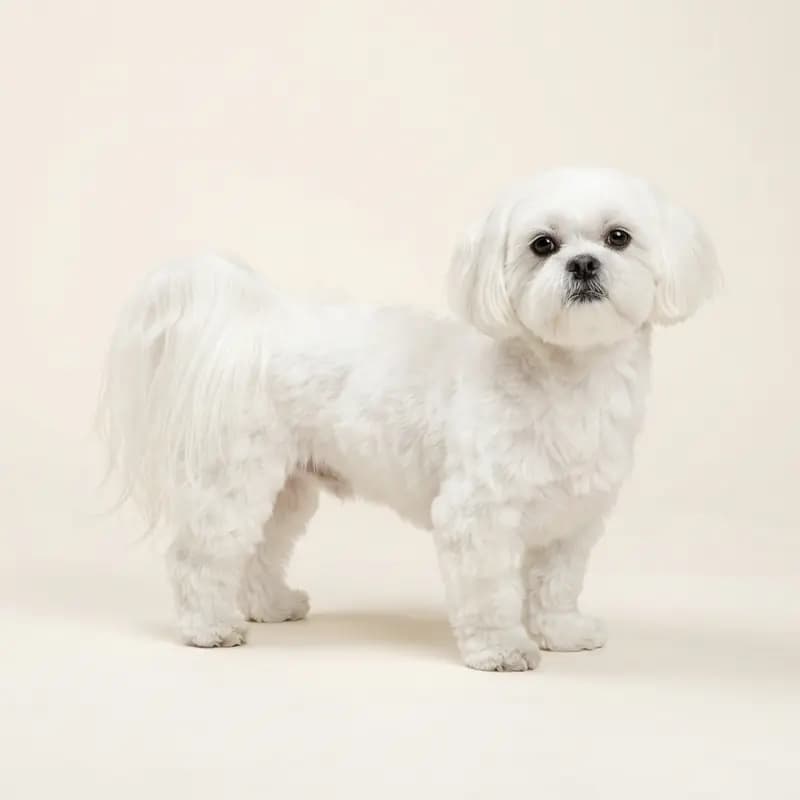
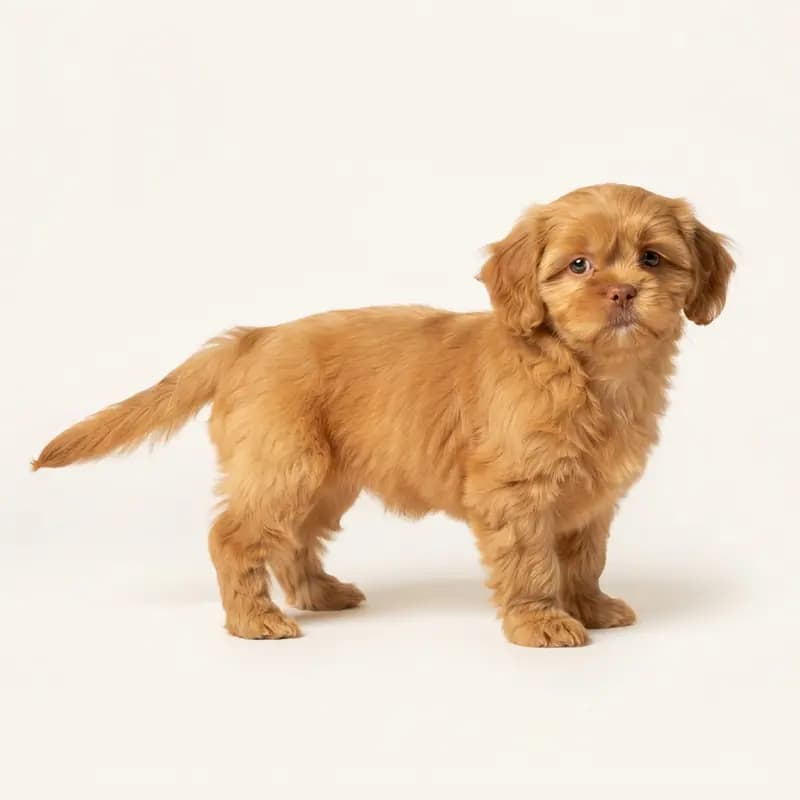
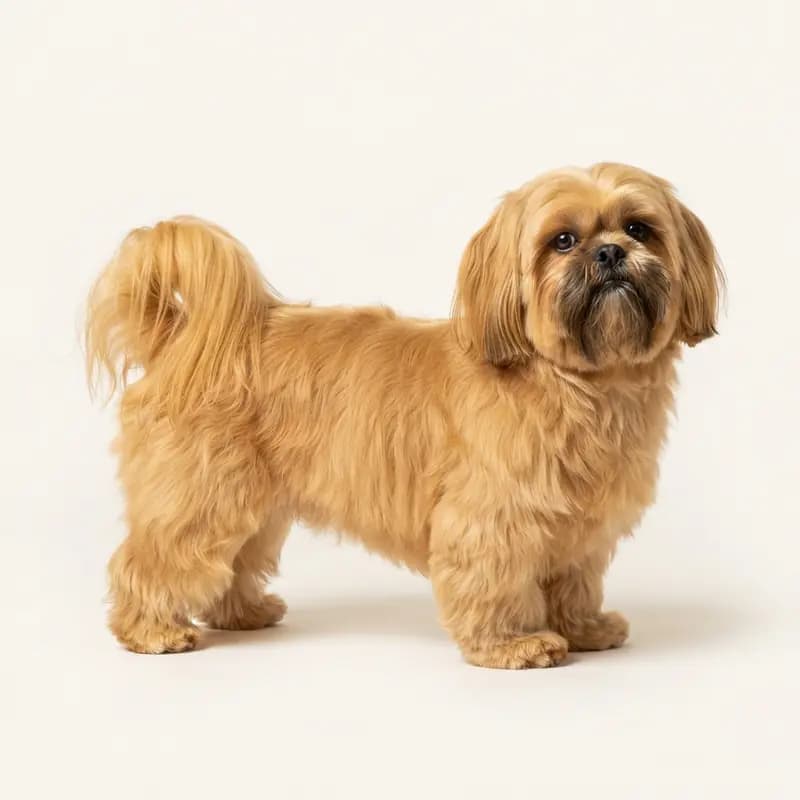
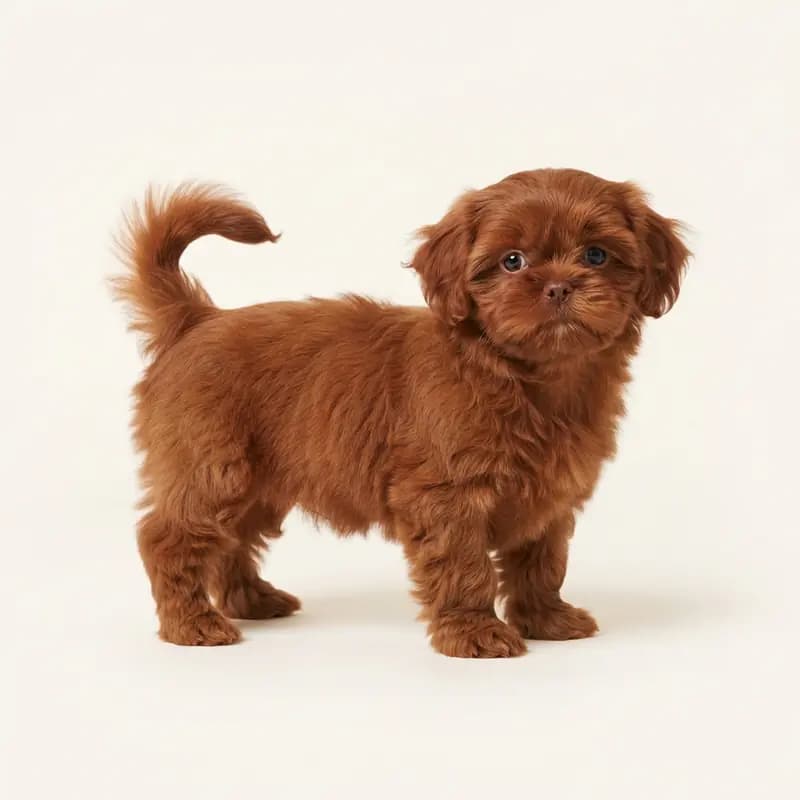
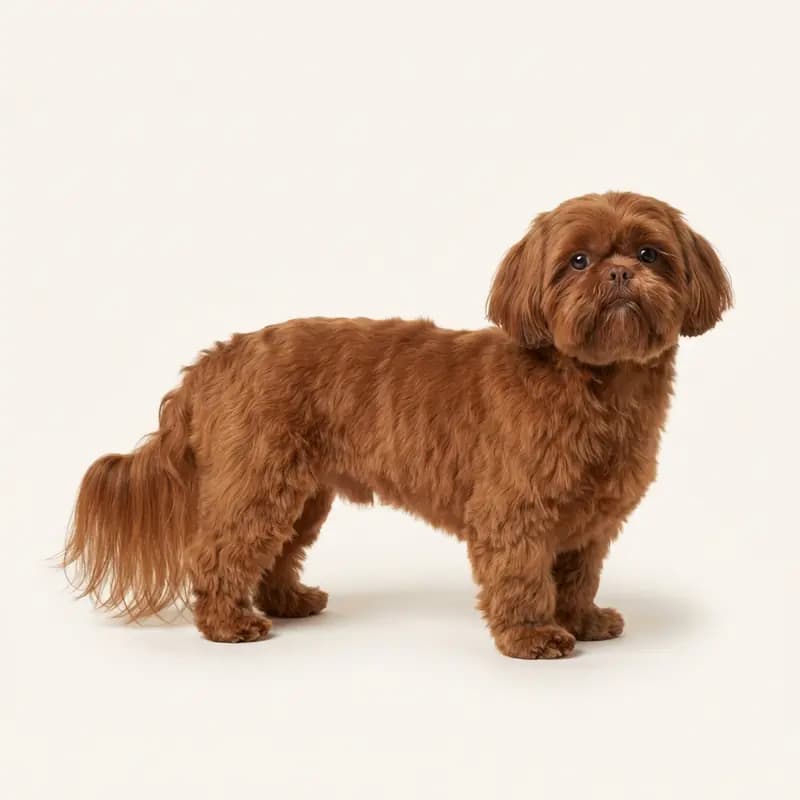
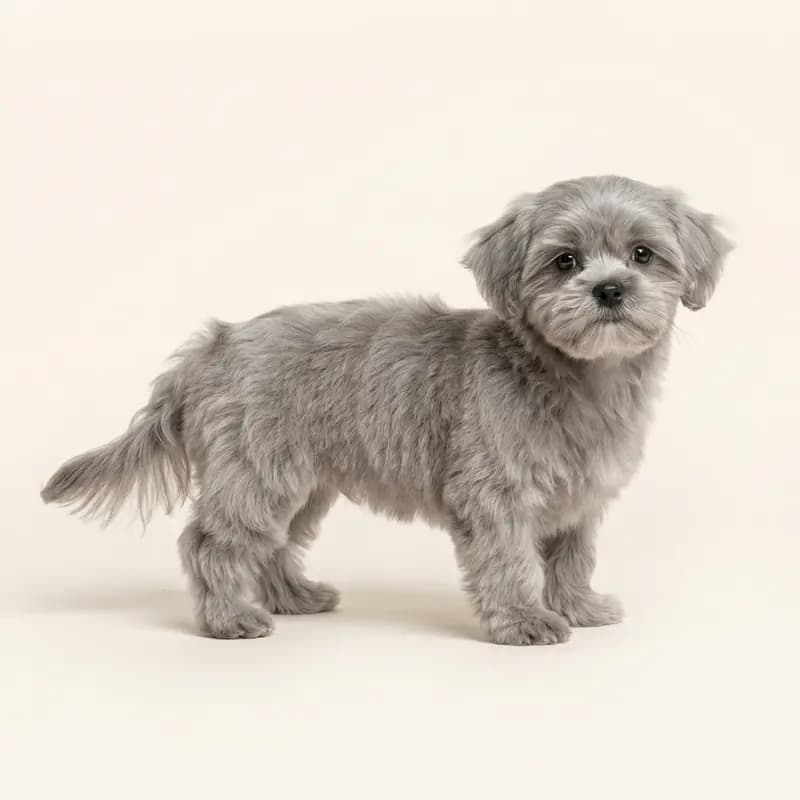
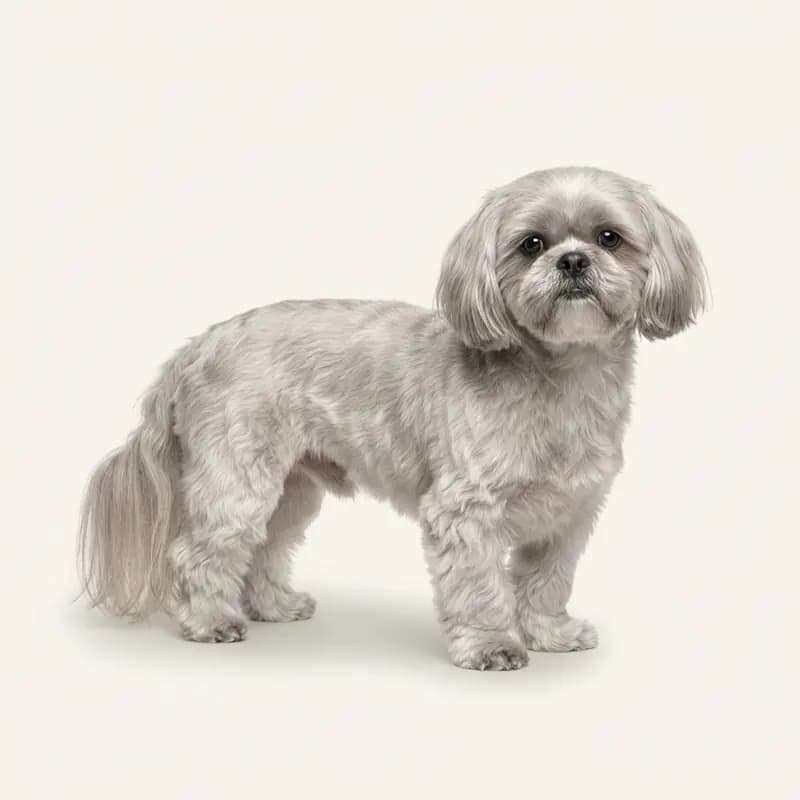
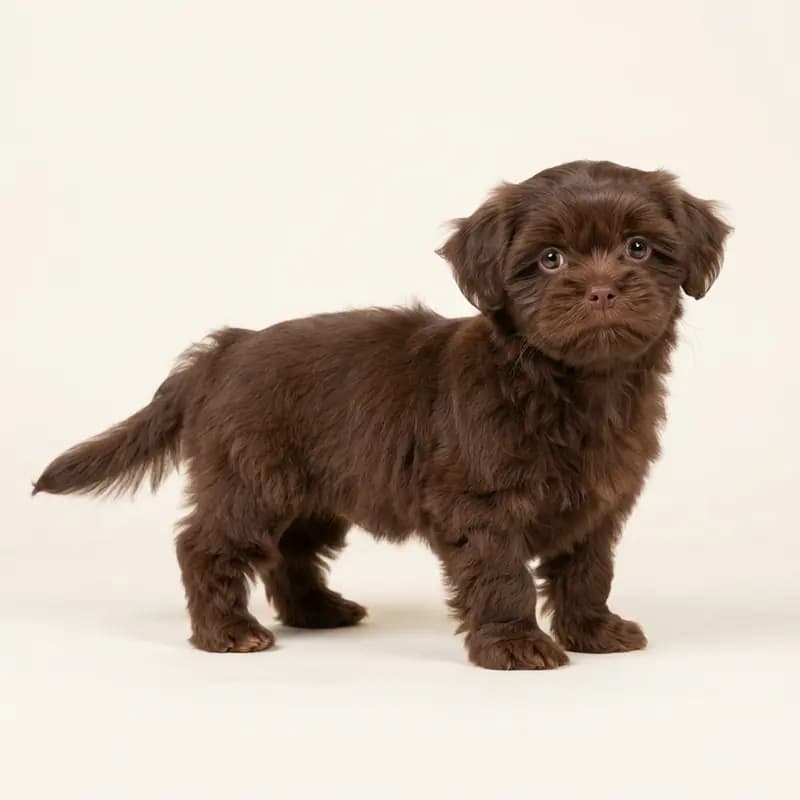
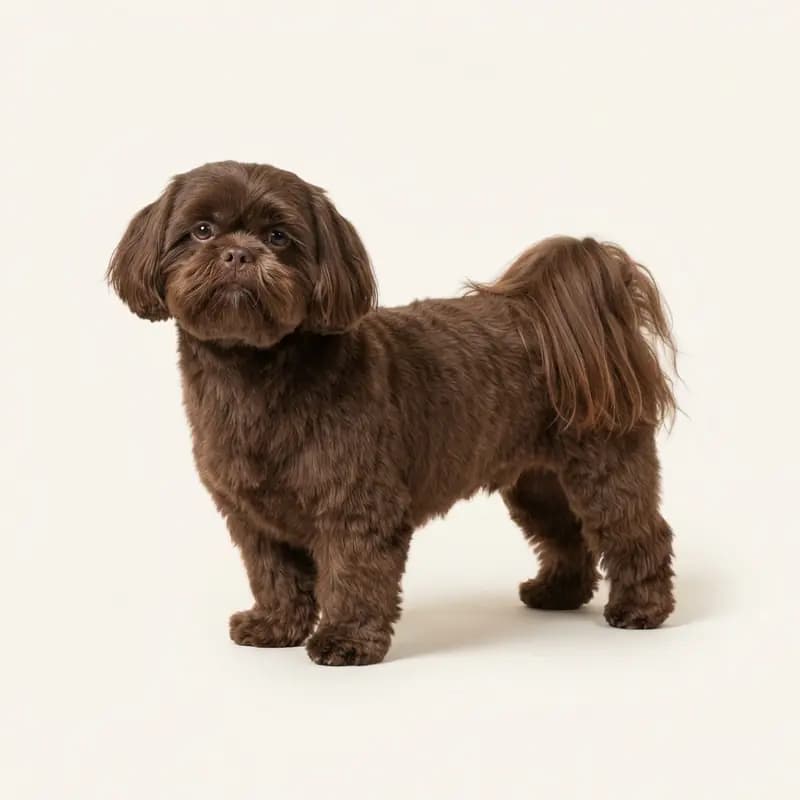
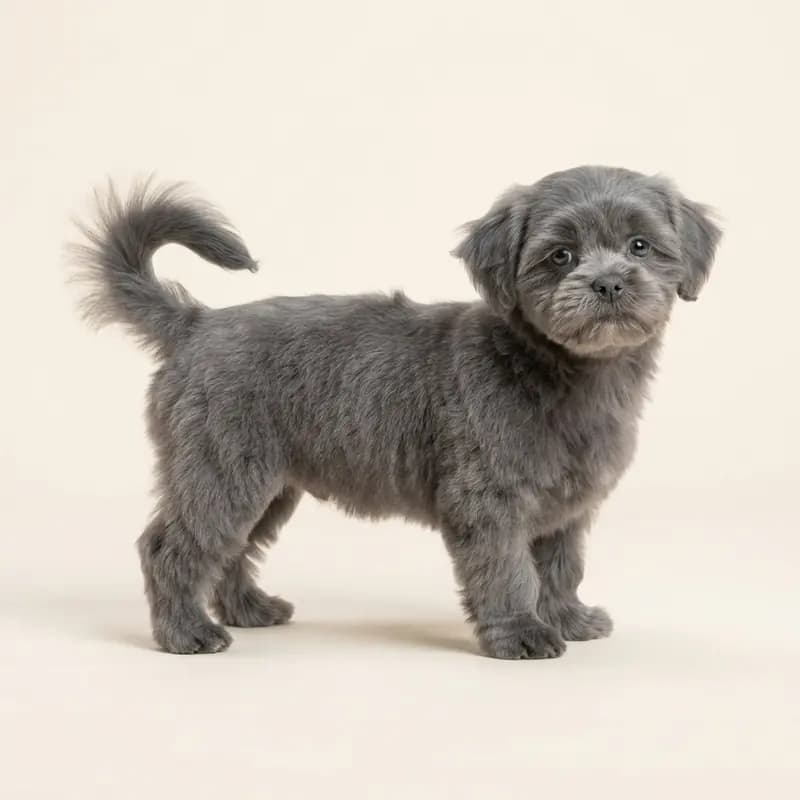
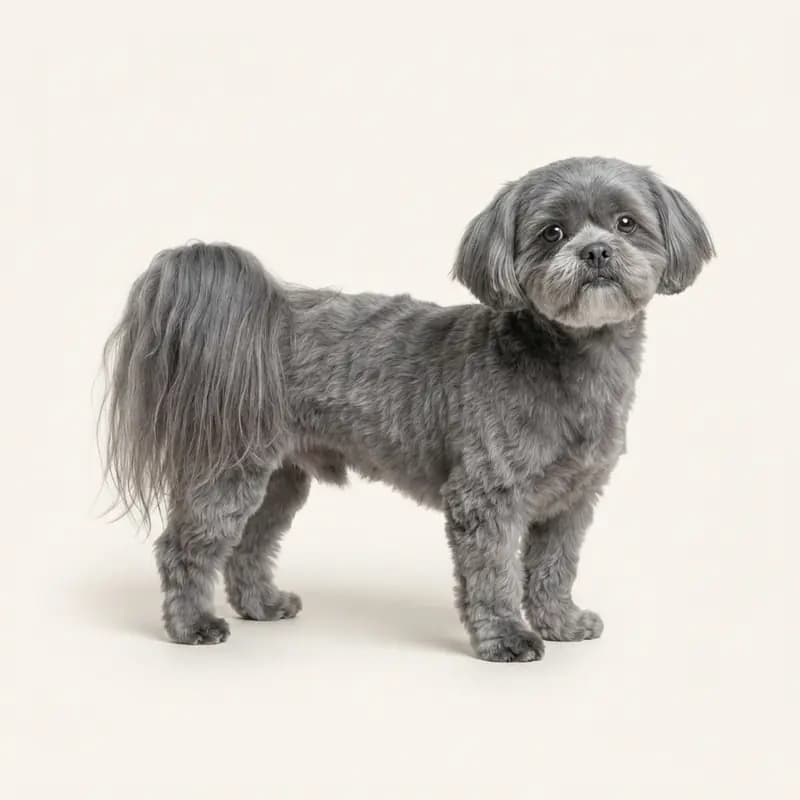
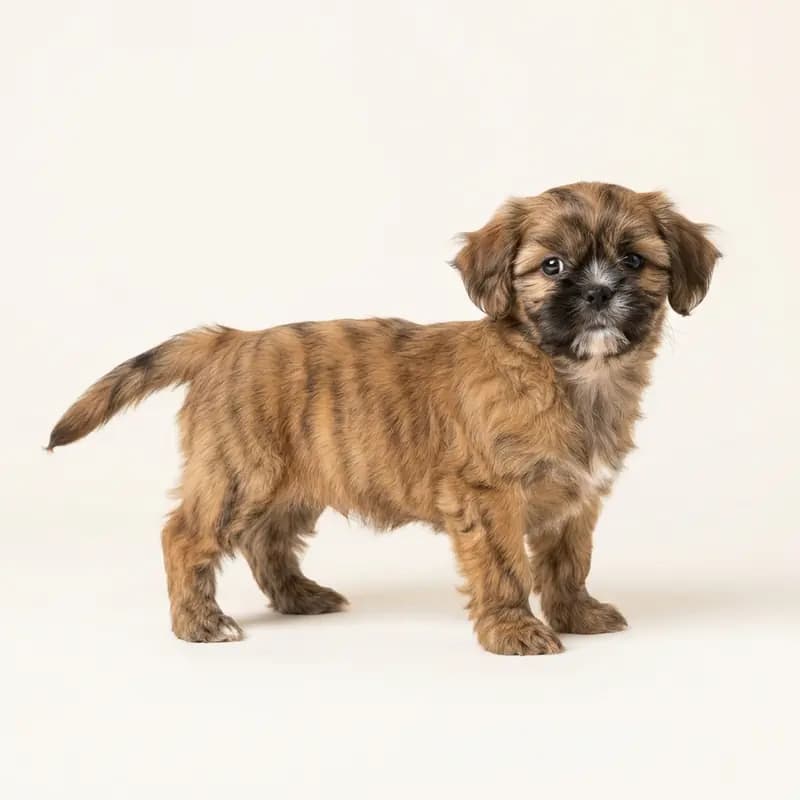
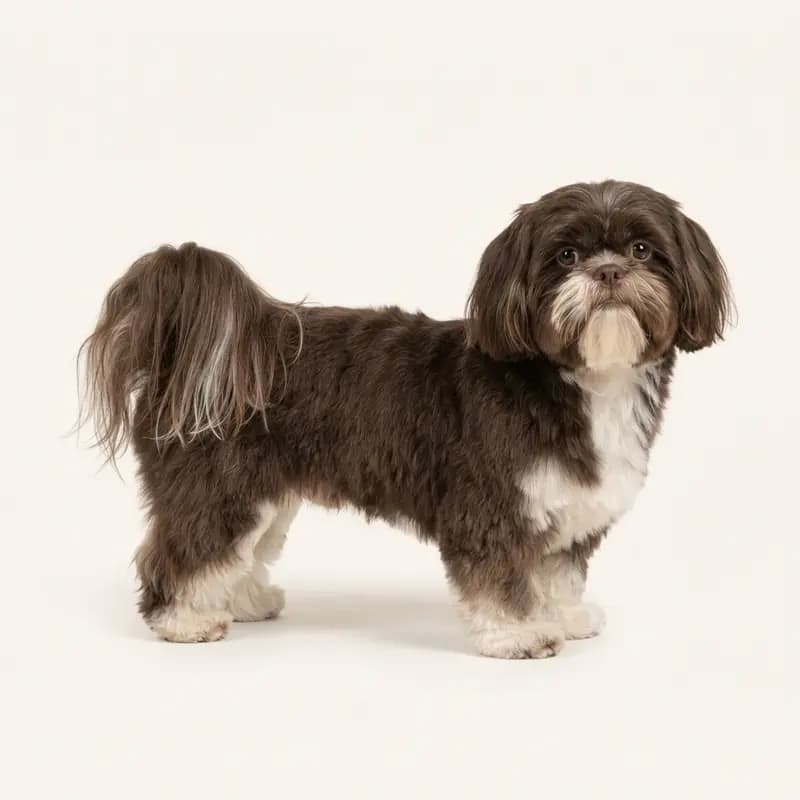
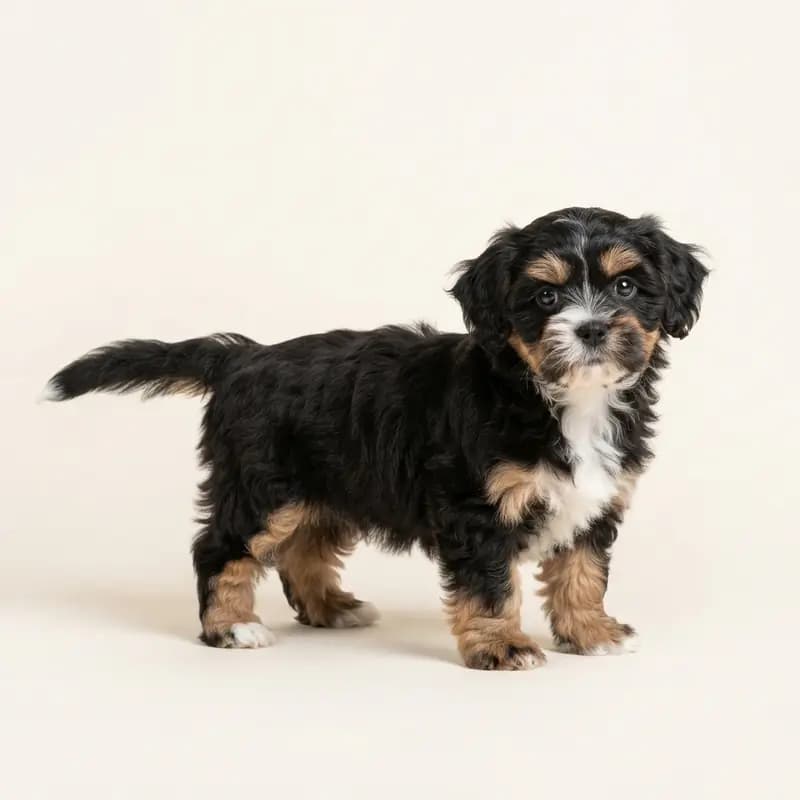
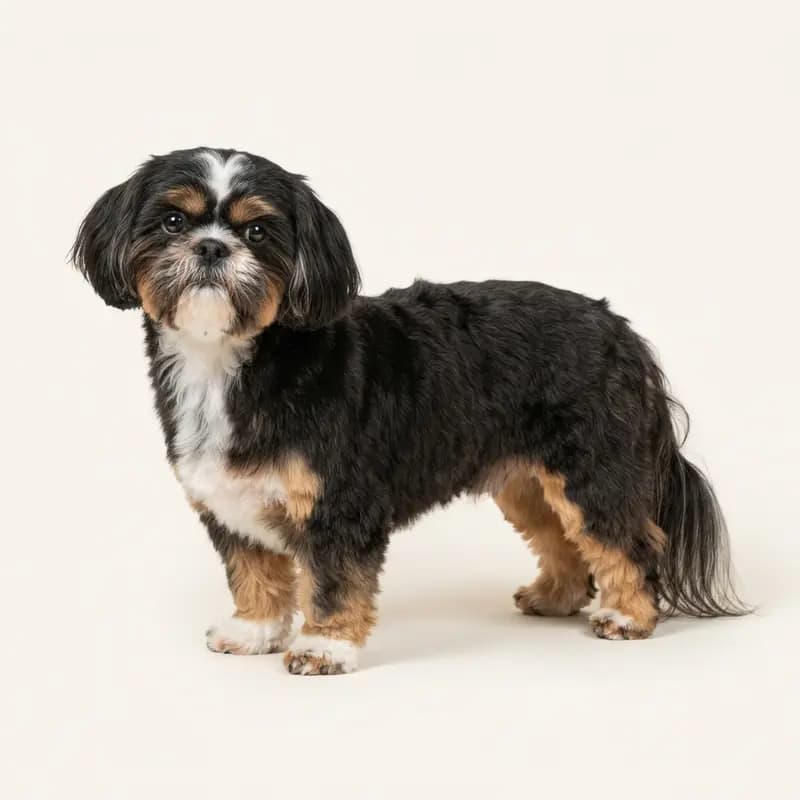
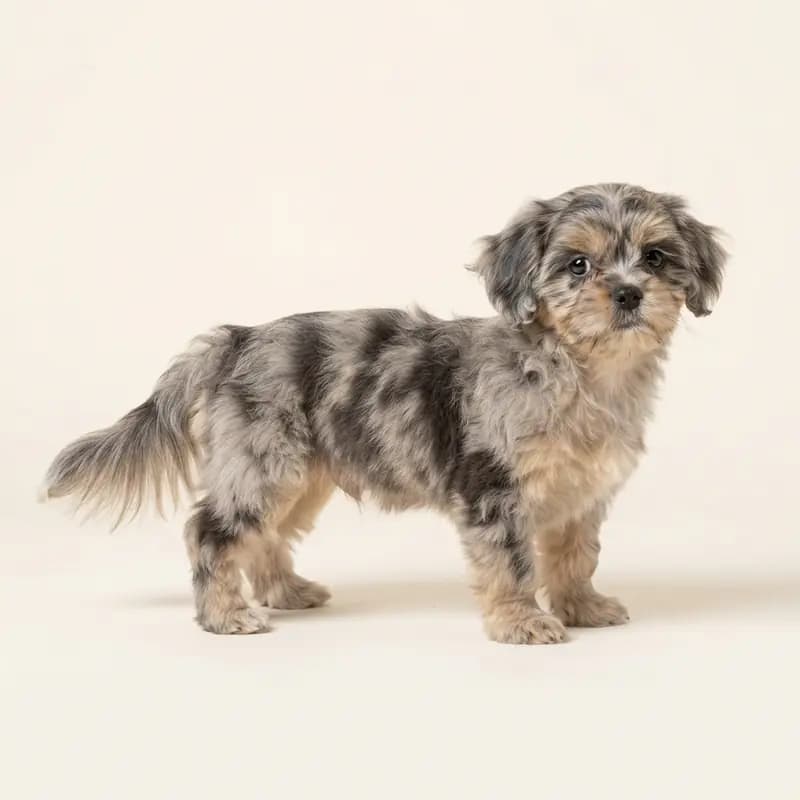
What colors does the Shih Tzu come in?
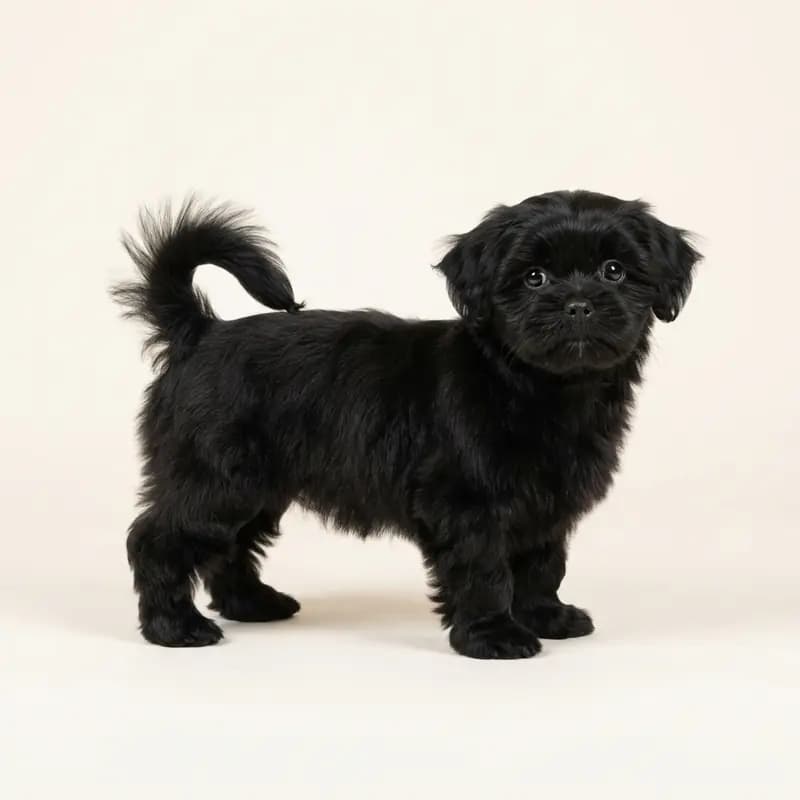
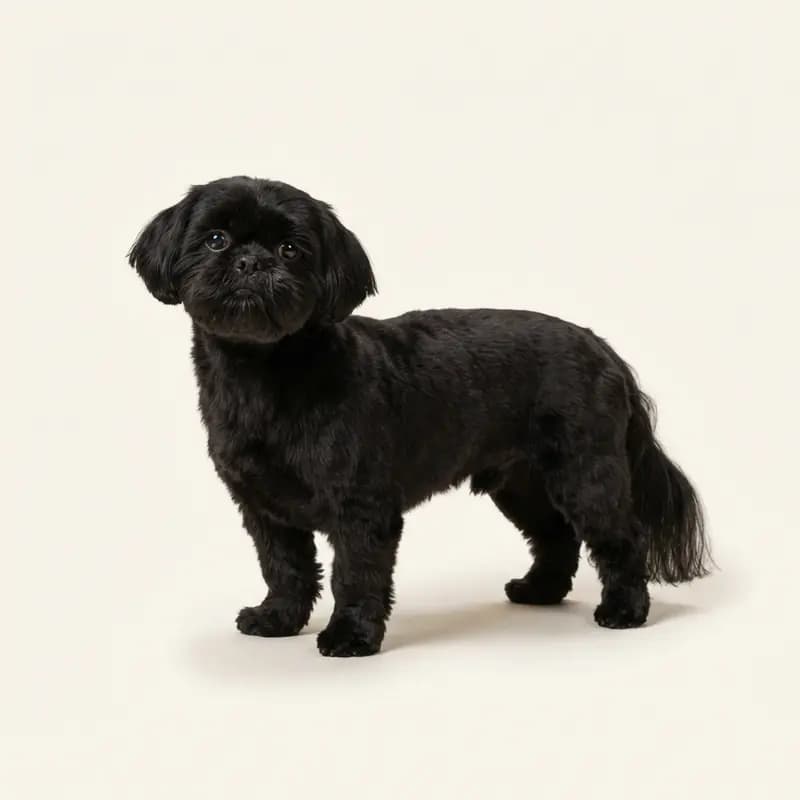
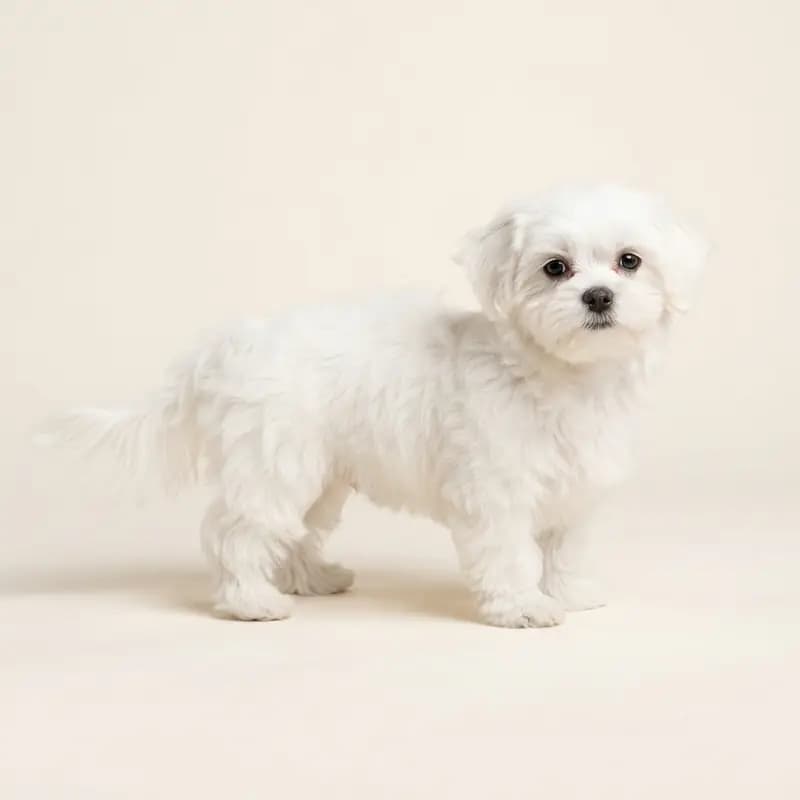
The coat colors you will see in Shih Tzu litters — including which ones fall outside the breed standard and which carry genetic risk.
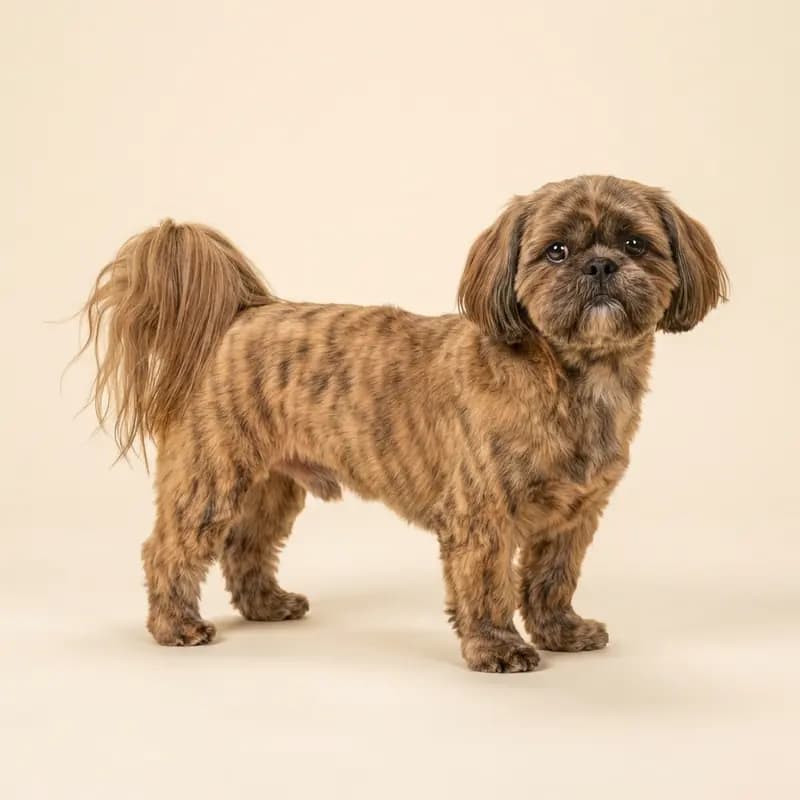
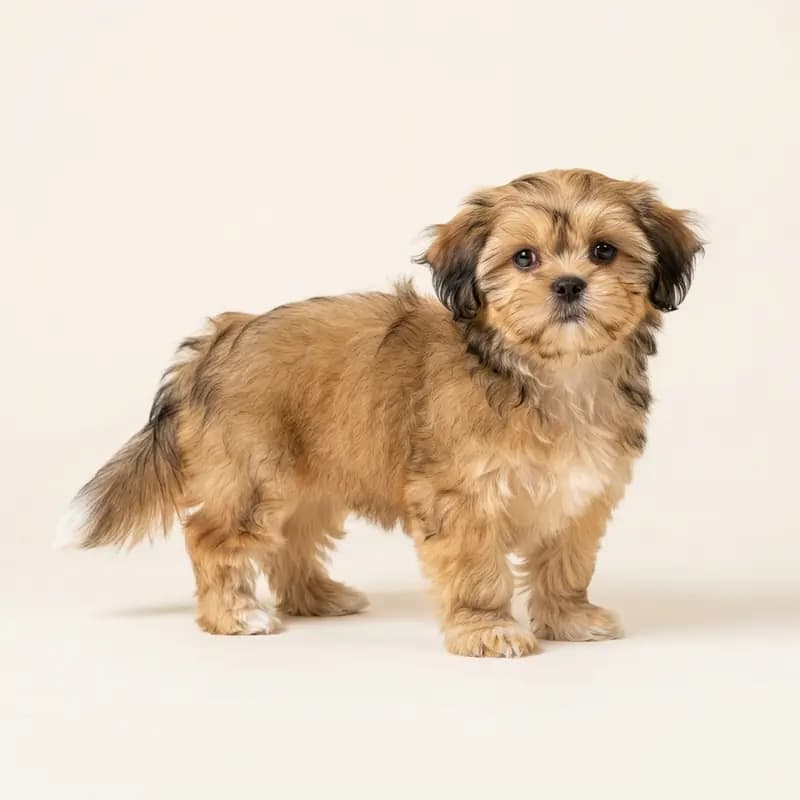
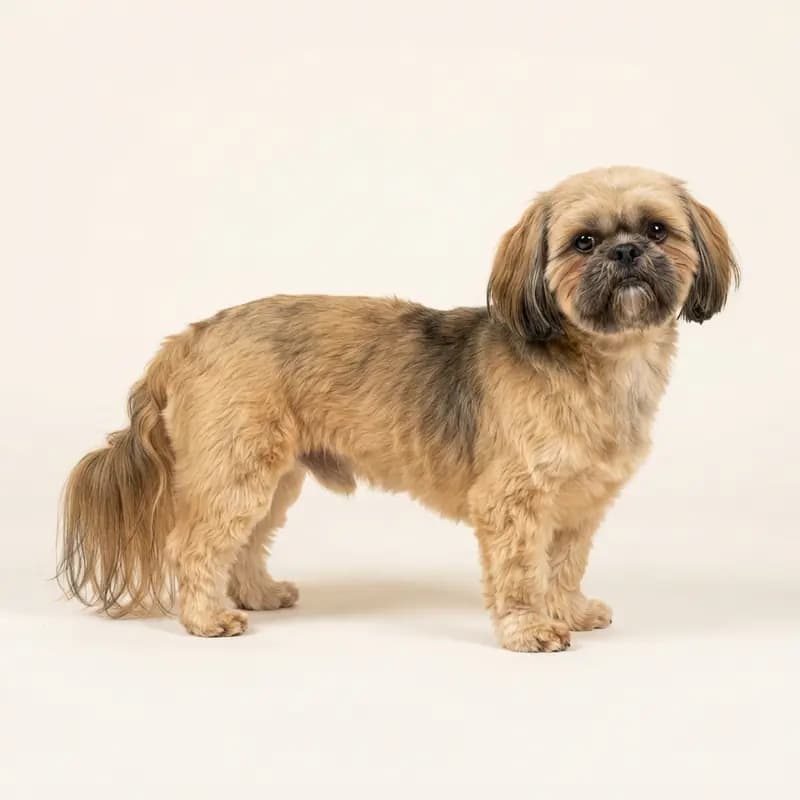
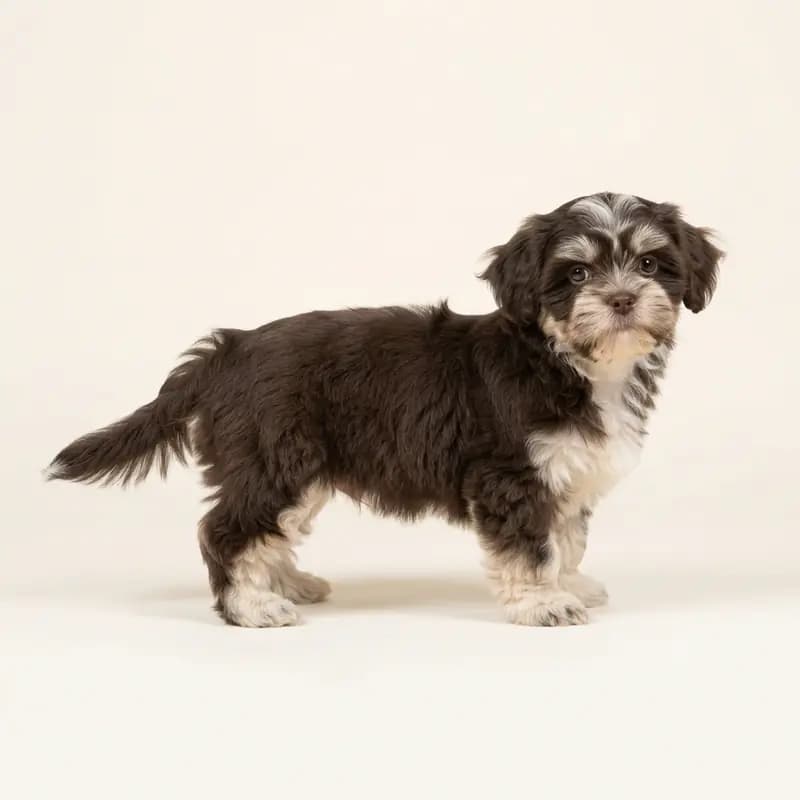
Eye colors
 Brown
Brown Amber
Amber
Coat type
 Illustrative image
Long
 Double coat
 Smooth
Is the Shih Tzu right for you?
The Shih Tzu is a charming, strong-willed companion dog—bred as an Asian temple dog whose sole job for centuries has been to warm palaces and provide company.
Perfect for you if:
- You are looking for exactly what they were bred for: a pure companion dog whose greatest talent is simply resting by your side for hours on end.
- You live in an apartment or in the middle of the city and are perfectly happy with moderate walks.
- You appreciate a dog with a mind of its own and can smile at their charming, Tibetan stubbornness in everyday life.
- You enjoy intensive daily grooming as a shared ritual or have a set budget planned for a professional dog groomer.
Less ideal if:
- You expect snappy obedience—they were bred as palace dogs to be self-confident, not to follow commands blindly.
- You are looking for an enduring companion for long jogging sessions, bike rides, or intensive dog sports.
- You have a demanding job and would need to leave them alone for many hours at a time on a regular basis.
- You have very small, boisterous children who are expecting a robust playmate for rough-and-tumble games.
The real vibes check
A Shih Tzu is not a dog you give orders to—they are a little emperor who grants you an audience. If you accept that this dog prefers to sit regally on a cushion rather than march through the woods in the rain, you will gain an incredibly loyal shadow. You trade the 'will-to-please' of a working dog for a deeply relaxed companion with real character.
Self-check
Would the Shih Tzu really fit your life?
Answer 6 quick questions about your everyday life and see how well the Shih Tzu fits you — including an honest cost estimate per month, per year, and across the dog's lifetime.
Fit checkCost estimateRisk dice
Takes about 1 minute · free & anonymous
Breed Profile
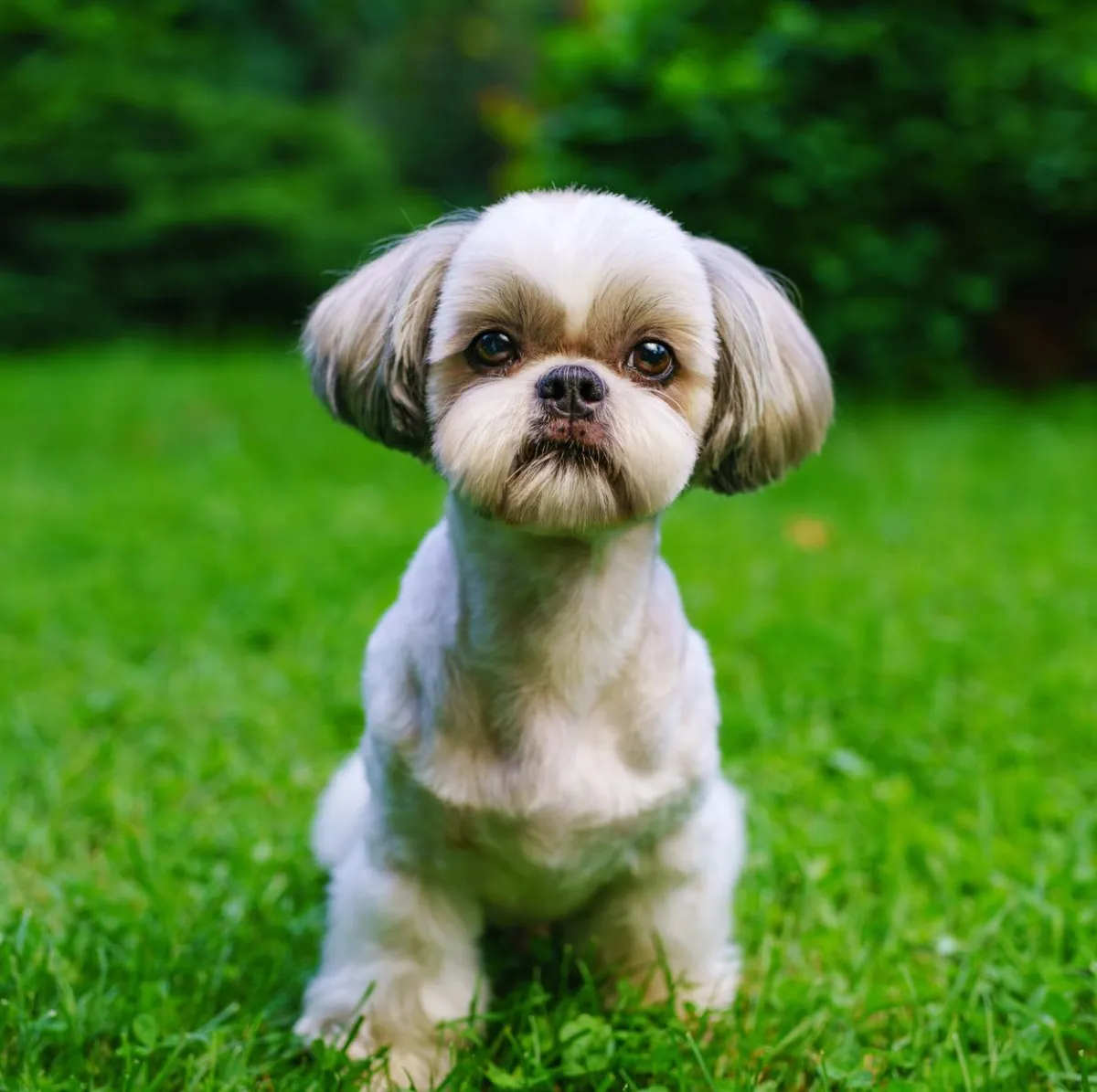
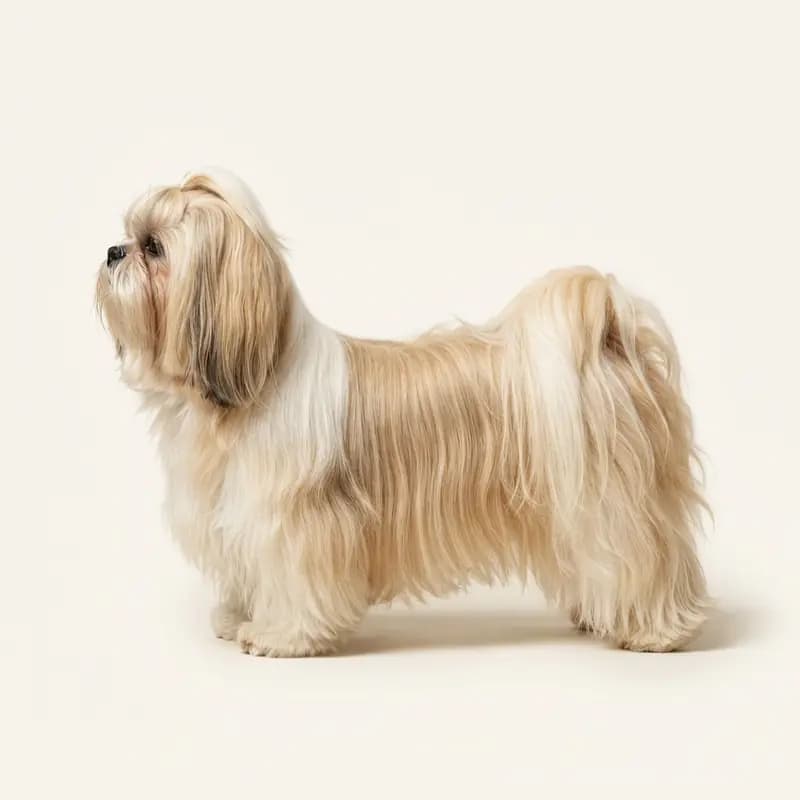
The Shih Tzu is a small but proud dog with a luxurious, long coat and a distinctive flat muzzle. This breed belongs to FCI Group 9 of companion and companion dogs. Their body structure is compact and slightly longer than it is tall. Their ears are large and droop, often hidden beneath their long hair. A special feature of the Shih Tzu is its coat, which often grows so long that it touches the ground. Its tail is feathered and is happily carried over its back. The Shih Tzu is bred in a single line, so there is no distinction between show and performance lines.
All measurements in detail
- Height
- 25 - 27 cm (Female), 25 - 27 cm (Male)
- Weight
- 4 - 7 kg (Female), 4 - 7 kg (Male)
- Life Expectancy
- 10 - 16 yrs
- Character
- Affectionate, happy, proud
- Coat
- Dense, smooth and long top coat without an undercoat
- Coat Color
- All colors allowed
- Price
- 1200 - 2500 €
Character & Temperament
The Shih Tzu is a true king among small dogs and is often described as loving, cheerful and somewhat stubborn. His royal heritage is reflected in his proud demeanor, but beneath that regal demeanor lies a warm heart and an unbridled affection for his family. As far as use goes, the Shih Tzu is primarily a companion dog. He is not there to till fields or herd livestock, but his main purpose is to provide companionship and joy. Accordingly, he loves being around people and is often referred to as a "shadow" because he likes to follow his owner everywhere. The Shih Tzu is a relatively calm dog, but that doesn't mean he isn't playful. In fact, Shih Tzus are often very playful and enjoy interacting with toys and family members. Their temperament is generally even-tempered, and although they can be alert to strange noises or people, they are not known to be aggressive or fearful dogs. Another aspect of the Shih Tzu's character is his attachment to his family. He bonds closely with his owners and can be very people-oriented. This means that the Shih Tzu may have difficulty staying alone and it is important to teach him that it is okay to be alone sometimes. Through slow training and patience, a Shih Tzu can learn to stay alone without feeling too much stress. The Shih Tzu does not typically exhibit strong hunting or prey-catching behavior, but it can be curious and adventurous. That's why it's important to keep him on a leash when you're in an area with a lot of traffic or distractions. In terms of alertness, the Shih Tzu is quite alert to his surroundings. He will often bark to alert you to someone at the door or an unfamiliar noise. This makes him a good guard dog, but it is important to be careful that the barking does not become excessive. Finally, it is important to mention that the Shih Tzu can have a certain stubbornness in its character. This can make training a little more challenging, but with patience, consistency, and positive reinforcement, the Shih Tzu can be a well-behaved companion.
| Trainability Willing to learn with clear rules and regular training. | Balanced |
| Watchfulness Occasionally alerts but is fundamentally open. | Low |
| Openness to Strangers Loves every new person immediately and without reserve. | Very open |
| Hunting or Herding Drive Barely any prey drive — small animals trigger nothing. | Very low |
Fun Fact!
Did you know that the name "Shih Tzu" comes from Chinese and means "lion dog" means? These adorable dogs were bred to resemble the mythological Chinese lions and were once the preferred companion dogs of the Chinese royal family!
What Awaits You
Shih Tzus are small, lively and friendly dogs. Unfortunately, the noses of this type of dog are also being bred to be shorter and shorter, so that they are increasingly appearing on lists of breeds affected by breeding traits.
Housing & Care
Shih Tzus are well suited as city dogs due to their small size and adaptable temperament. They get along just as well in apartments as in houses with a garden. Shih Tzus are generally child-friendly, but it is important that interactions be supervised, especially with very young children. They also get along well with cats and other pets as long as they are properly socialized.
- Family Friendly
Lives for its family — the born family companion.
Ideal family dog - Child Friendly
Extraordinarily patient and loving — a true family dog.
Excellent with children - Dog Friendly
Actively enjoys the company of other dogs.
Dog-friendly - City Friendly
Small space, noise, lots of people — no problem at all.
Ideal city dog
Owning a dog is a privilege, but it's also a real responsibility. Before you bring one into your life, be honest with yourself about the commitment it takes.
Training & Education
Shih Tzus are intelligent and eager to learn, but sometimes they can be a bit stubborn. It's important to start training early and stay consistent. Positive reinforcement works particularly well with this breed. Shih Tzus enjoy mental stimulation and may benefit from agility training or tricks. It is important to note that this breed can be sensitive to overstimulation, so it is advisable to keep training sessions short and ensure a balance of activity and relaxation. Shih Tzus don't tend to be "ball junkies." but it's always good to bring diversity into your activities. Frustration tolerance and impulse control are important skills that should be encouraged through training in this breed.
Nutrition & Care
A balanced diet is crucial for your Shih Tzu's health and well-being. Choose high-quality food that is tailored to the needs of small breeds. Be careful not to let your Shih Tzu become overweight, as this can put additional stress on his joints. In terms of grooming, the Shih Tzu has a long, dense coat with no undercoat. The coat requires regular care to prevent matting. It is advisable to brush the Shih Tzu daily. The climate in Germany is generally well tolerated by Shih Tzus, but they should be kept warm in extremely cold weather.
| Care Level Daily care is non-negotiable — neglect affects health. | Very high-maintenance |
| Exercise Needs Enjoys daily movement but isn't a sports dog. | Moderate |
| Shedding No or minimal hair loss — suitable for allergy sufferers. | No shedding |
| Trainability Willing to learn with clear rules and regular training. | Balanced |
Our experts are still reviewing this information. Spotted something wrong? Email us at info@honestdog.de.
Health & hereditary diseases
Health
D
Elevated risks
Health grade
The Shih Tzu is chondrodystrophic and therefore carries an increased risk of intervertebral disc disease (IVDD); its short muzzle also leads to respiratory and eye problems. Due to these anatomical characteristics, the breed is classified with a D rating, which is why you must look very closely when buying. A responsible breeder has their breeding dogs comprehensively tested to minimize the risk of Brachycephalic Obstructive Airway Syndrome (BOAS), cataracts, keratoconjunctivitis sicca (KCS), progressive retinal atrophy, generic, cleft palate, dermoid sinus, familial nephropathy (FN), hydrocephalus, and intervertebral disc disease (IVDD). Before buying a puppy, ask to see the official test results of the parent animals, which must prove a Grade A result for intervertebral disc disease (IVDD) and hydrocephalus, and a free status for dermoid sinus, familial nephropathy (FN), and keratoconjunctivitis sicca (KCS). For Brachycephalic Obstructive Airway Syndrome (BOAS) and cleft palate, carriers may only be used in breeding if the respective breeding partner is proven to be free of these genetic mutations.
Grade is relative to other breeds — AI-assisted and editorially reviewed.
In daily life this can mean
You should strictly limit heat and exertion, ensure exercise is gentle on the joints, and plan for regular eye and veterinary check-ups.
The breeder's role
Responsible breeders have the parents' knees, eyes, and kidneys tested and prioritize clear airways—though the fundamental risks of this breed cannot be completely eliminated even then.
Note: This health overview is AI-assisted and editorially reviewed. It is for orientation only and does not replace veterinary advice.
No Health Tests Available
No specific health tests are currently available for this breed.
Costs & where to find one
How much does a Shih Tzu cost?
A Shih Tzu costs around ~€200 per month (€100 – €360, depending on your setup). The first year adds up to roughly ~€5,030 including purchase, equipment and puppy school; across the dog's life (13 years) it comes to about ~€33,190.
With surgery cover, running costs come to about ~€190 per month — in return, your share of a major operation drops from several thousand euros to around 20 percent.
Per month
~€200
In the first year
~€5,030
Across the dog's life
~€33,190
Purchase from a breeder: €1,200 – €2,500
Estimate at a mid-range setup (suburban, dry food, 1–2 hours of daily exercise), average German prices, as of July 2026.
Calculate your personal costs1-minute self-check with your own answers
Looking for a Shih Tzu?
Appearance, variants & origin
History
The full history
The Shih Tzu's roots lie in ancient China, where it was valued as a palace dog. The Shih Tzu is believed to have originated from crossing the Pekingese with the Lhasa Apso and was known as the "lion dog". because it was bred to resemble the mythological Chinese lion. In Imperial China, Shih Tzus were popular pets of the royal family and could only be kept by the royal family. It is said that Empress Dowager Cixi was particularly fond of these dogs. After her death in 1908, breeding in China became less strict, and Shih Tzus began to become known outside the country. The breed was introduced to England in the 1930s and recognized as a separate breed by the FCI in 1954.
Original Use
The Shih Tzu was bred as a companion dog for Chinese nobility, valued for its friendly nature and luxurious coat.
Origin
China
Date
Antike
Owner experiences
What owners say about the Shih Tzu
Sabine M., Halterin aus Hessen (Hündin, seit 2011)
Als wir uns vor über einem Jahr entschieden haben, einen Hund aufzunehmen, fiel unsere Wahl auf die Shih-Tzu-Hündin Luna. Sie kam im Alter von zweieinhalb Jahren zu uns, nachdem sie zuvor nur bei einer Züchterin auf einem großen Grundstück gelebt hatte. Was uns sofort an ihr faszinierte, war ihr unheimlich verschmuster, anhänglicher und treuer Charakter. Ein riesiger Pluspunkt für uns als Anfänger war auch, dass sie absolut keinen Jagd- oder Hütetrieb zeigt. Sie möchte einfach nur überall dabei sein.
Allerdings brachte ihre Vergangenheit auch Herausforderungen mit sich. Luna hatte anfangs vor fast allem in der großen, weiten Welt Angst – egal ob fremde Menschen, Autofahren oder neue Geräusche. Bei Fremden zittert sie manchmal und knurrt vor Unsicherheit, auch wenn sie nie aggressiv reagieren würde.
Das Laufen an der Leine und das Tragen eines Geschirrs musste sie erst mühsam lernen, was sie aber mittlerweile wie ein Profi meistert. Selbst Spaziergänge von über einer Stunde schafft sie heute, auch wenn man merkt, dass ihr die Kondition anfangs schwerfiel. Man braucht bei dieser Rasse einfach viel Geduld und Einfühlungsvermögen, um ihnen die nötige Sicherheit zu geben.
Familie K., Halter aus Bayern (Rüde, seit 2015)
Wir haben unseren Shih-Tzu-Welpen nun seit einigen Monaten und sind absolut begeistert von seinem Wesen. Er ist unglaublich lieb, verspielt, ruhig und ausgeglichen. Was uns besonders freut: Er ist überhaupt kein Kläffer und versteht sich wunderbar mit unserer Tochter. Wir hatten uns das Leben mit Hund ehrlich gesagt viel stressiger vorgestellt, aber er bereichert unseren Alltag einfach nur.
Allerdings haben wir schnell gemerkt, wie wichtig ihm das sogenannte 'Kontaktliegen' ist. Nachts fängt er nach einigen Stunden in seinem Körbchen lautstark an zu fiepen, läuft am Bett entlang und versucht mit allen Mitteln, zu uns ins Bett zu kommen. Wenn man ihn lässt, robbt er sofort ganz nah heran, um den direkten Körperkontakt zu suchen.
Man muss sich also darauf einstellen, dass diese Hunde extrem anhänglich sind und die Nähe zu ihren Menschen regelrecht einfordern. Wer einen distanzierteren Hund sucht, ist hier definitiv falsch. Uns stört es nicht, da es die Bindung ungemein stärkt, aber man muss von Anfang an konsequent Grenzen setzen, wenn man das nicht möchte.
Anja S., Halterin aus Nordrhein-Westfalen (zwei Hündinnen, seit 2020)
Ich halte mittlerweile zwei Shih-Tzu-Hündinnen und bin immer wieder erstaunt, wie unterschiedlich und doch rassetypisch die beiden sind. Die eine ist extrem neugierig, lernbegierig und liebt Beschäftigungen wie Agility und Trickdogging. Die andere ist die Ruhe selbst, lässt alles gelassen auf sich zukommen und ist eine absolute Kuschelmaus. Beide sind extrem menschenbezogen und kinderlieb.
Vor dem Kauf hatte ich oft gehört, dass Shih Tzus schwer stubenrein zu bekommen seien und eine gewisse Sturheit an den Tag legen. Das mit der Sturheit kann ich bestätigen – sie haben ihren eigenen Kopf! Aber mit viel Lob und Leckerlis ist die Erziehung eigentlich sehr spielerisch und einfach gelaufen. Auch das Thema Stubenreinheit war bei uns überhaupt kein Problem.
Was viele unterschätzen, ist das Energielevel. Sie liegen keineswegs nur faul auf dem Kissen. Meine beiden lieben es, im Garten herumzuflitzen und Ball zu spielen. Sie sind überraschend agil und sportlich, können danach aber auch wieder stundenlang völlig entspannt auf der Couch relaxen. Für mich die absolut perfekte Mischung.
Paraphrased from real owner reports
Loading owner stories
Community Posts
FAQ & more
Frequently asked questions about the Shih Tzu
Is a Shih Tzu the right dog for me?
The Shih Tzu is an adaptable dog that adjusts well to various lifestyles. Research the temperament, grooming needs, and space requirements before deciding.
How long does a Shih Tzu live?
The average life expectancy of a Shih Tzu is 10-16 years. With proper care and regular vet visits, your dog can live a long, healthy life.
How much grooming does a Shih Tzu need?
Shih Tzu grooming requirements include regular brushing, nail trimming, and dental care. HonestDog provides detailed grooming tips for every breed.
Is a Shih Tzu good for families with children?
The Shih Tzu can be a great family dog. Proper training and socialization are key. HonestDog provides family suitability information for every breed.
What colors does the Shih Tzu come in?
The Shih Tzu comes in these colors: Black, White, Gold, Red, Silver, Liver, Blue, Brindle, Sable, Bicolor, Tricolor, Merle. Colors that fall outside the breed standard are marked as such on the breed page.
Loading related articles
Are you a Shih Tzu breeder?
Showcase your kennel on HonestDog and reach families searching for a responsibly bred Shih Tzu.
Why HonestDog?
What makes HonestDog different from other platforms
Full transparency
We lay out what we have: who the breeder is, how they work, and any health records they've uploaded. So you can judge for yourself.
Responsible breeding, assured
Every breeder on HonestDog has their identity and documents checked before their profile goes live. Health records they upload are shown on the profile, so you can see exactly what has been tested.
Trust and verification
We verify breeders and buyers alike, so every conversation happens on solid ground. It's a new standard of trust in dog breeding.
Less hassle, more time
We've already checked the breeders' documents and gathered the details, so you can skip the endless research and focus on finding the right puppy for your family.
Our Mission

We connect dog lovers with responsible breeders and shelters to ensure every dog finds the perfect home.
Founded by dog enthusiasts, our platform focuses on ethical dog breeding and adoption.
Why HonestDog?
We connect you with vetted breeders and shelters so you can find your — your new companion — with confidence.
Vetted Partners
Only verified breeders and shelters — for a safe start.
Highest Standards
Every animal's health and wellbeing is our top priority.
Guides & Resources
Guides, checklists, and breed profiles — so you can make a well-informed decision.