Loading breed
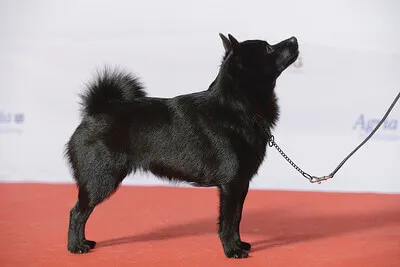
Schipperke
Health grade AThe Schipperke is a curious, high-energy miniature shepherd—bred as a tireless guardian and ratter on Belgian canal boats, possessing the stamina of a large dog despite its small size.
- Height25–33 cm
- Weight5–7 kg
- Life expectancy12–15 yrs
- Puppy price1,200–2,500 €
- Energy4/5
The Essentials at a Glance
The Schipperke is a curious, high-energy miniature shepherd—bred as a tireless guardian and ratter on Belgian canal boats, possessing the stamina of a large dog despite its small size.
- Health grade A: The Schipperke is an exceptionally robust and long-lived small dog with very few genetic health concerns.
- You are looking for the energy, eagerness to learn, and endurance of a large shepherd in an extremely compact, everyday-ready package.
- You want to get actively involved in dog sports (like agility or obedience)—this former working dog will wither away without a real job to do.
- You live in an apartment with thin walls—loudly reporting every unfamiliar sound is his genetic core competency, not just a bad habit.
Is the Schipperke right for you?
At a glance
Schipperke overview
The essentials — key facts, traits, and health priorities — before you dive deeper.
Health grade
Relative to other breeds
S
A
B
C
D
E
Very healthyHigher risk
Very healthy — limited common concerns.
See full health info & tests →
Note: This health overview is AI-assisted and editorially reviewed. It is for orientation only and does not replace veterinary advice.
Lifespan
12–15 yrs
Height
25–33 cm
Weight
5–7 kg
Practical
- Puppy price: 1,200 – 2,500 €
- Coat: Short, dense, with undercoat
- Origin: Belgium
Temperament
Energy
Trainability
Family fit
With kids
Daily life
Care effort
Shedding
Barking
City-friendly
Guard instinct
What matters most
Especially with a Schipperke, choosing the right breeder is the single most important decision you'll make. Serious breeders consistently test the parents for inherited conditions, prioritize healthy early socialization, and stay accountable long after handover. A cheap puppy without health screening tends to become the most expensive dog later on.
See HonestDog breeder standards →Colors & coat
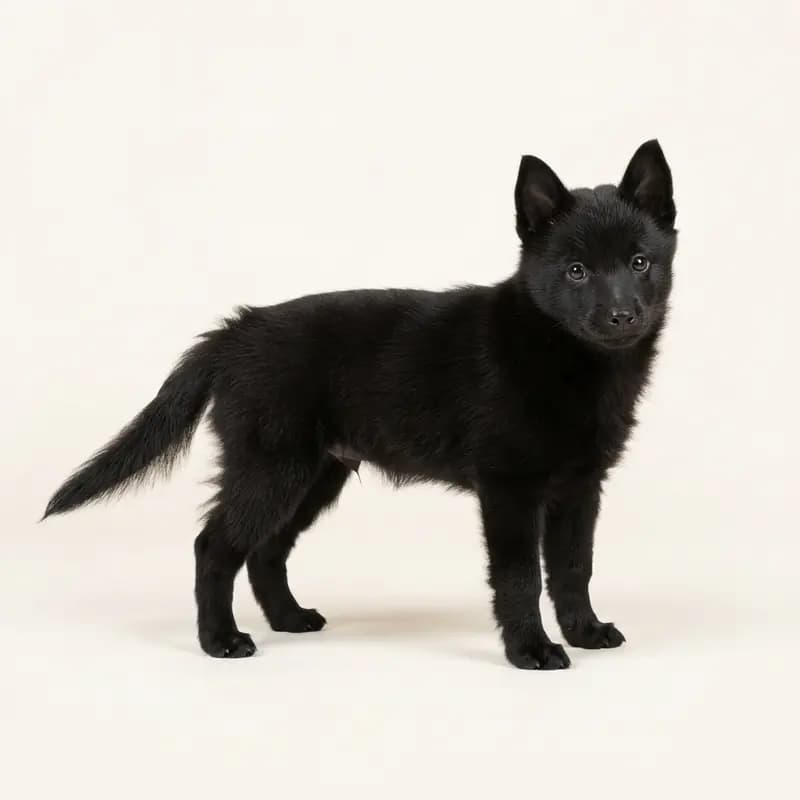
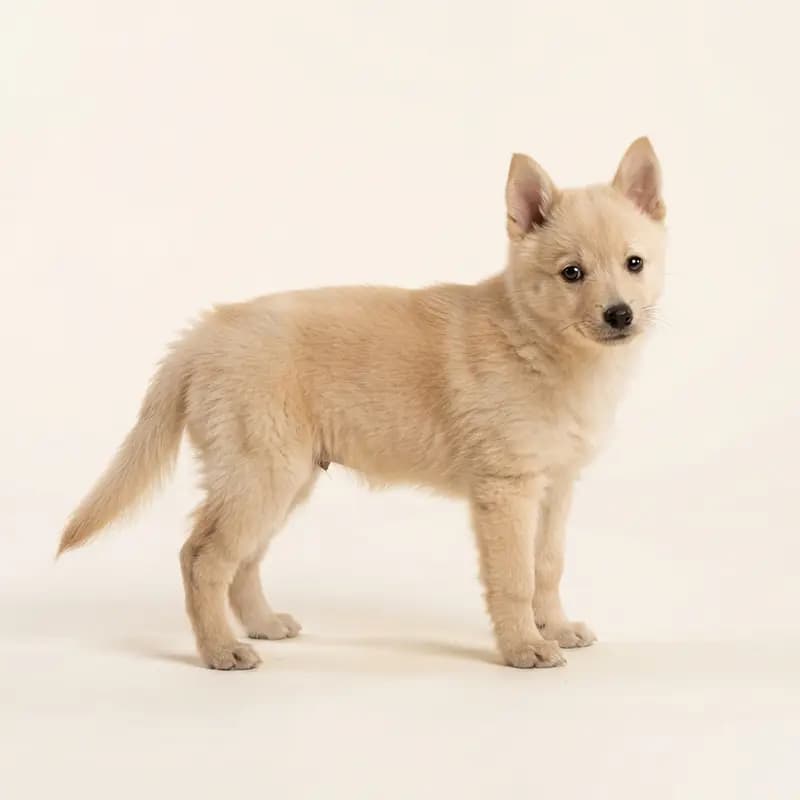
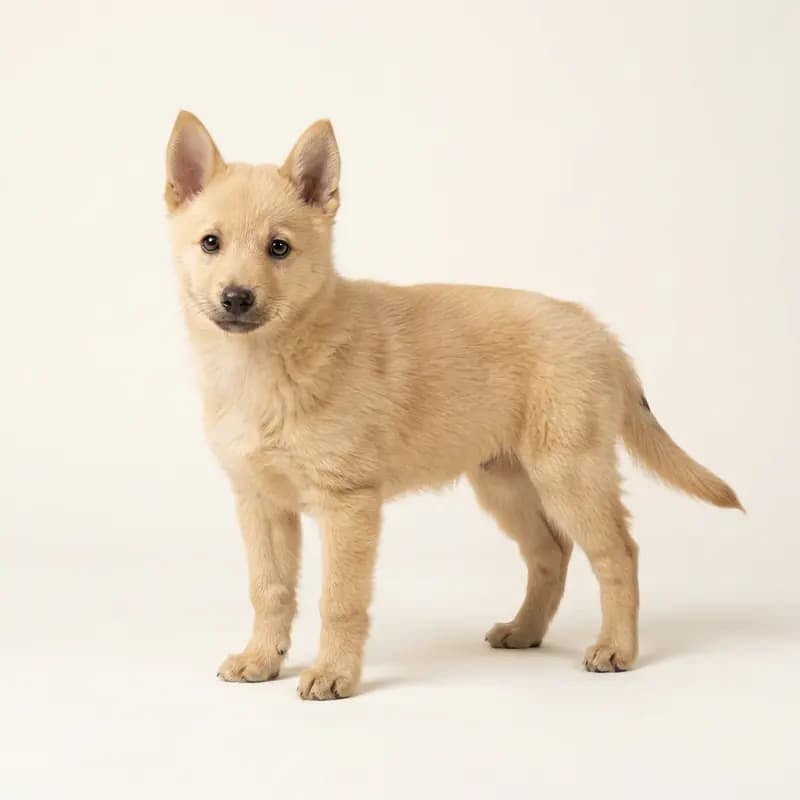
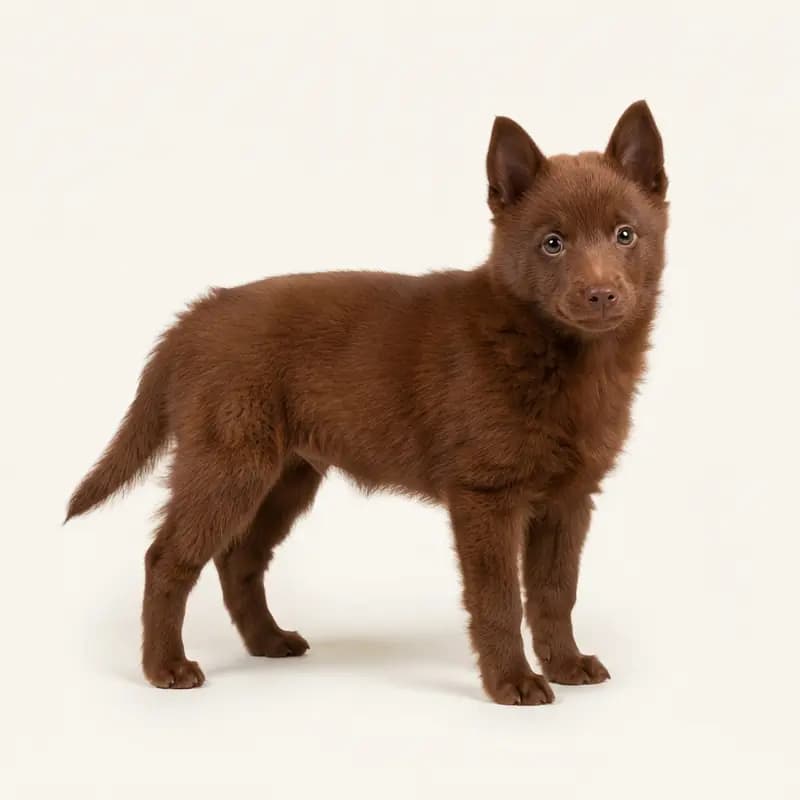
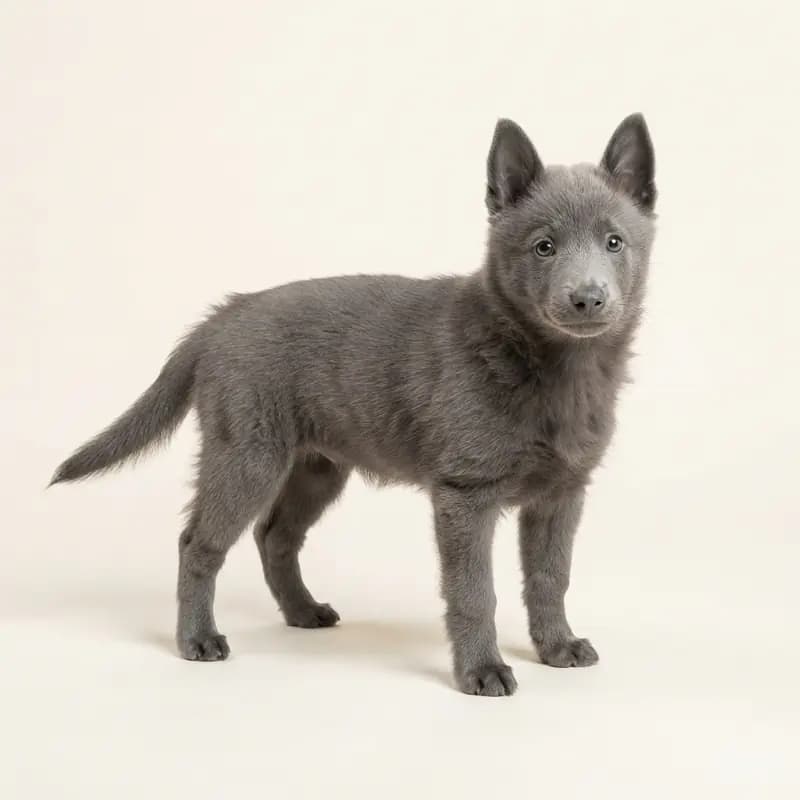
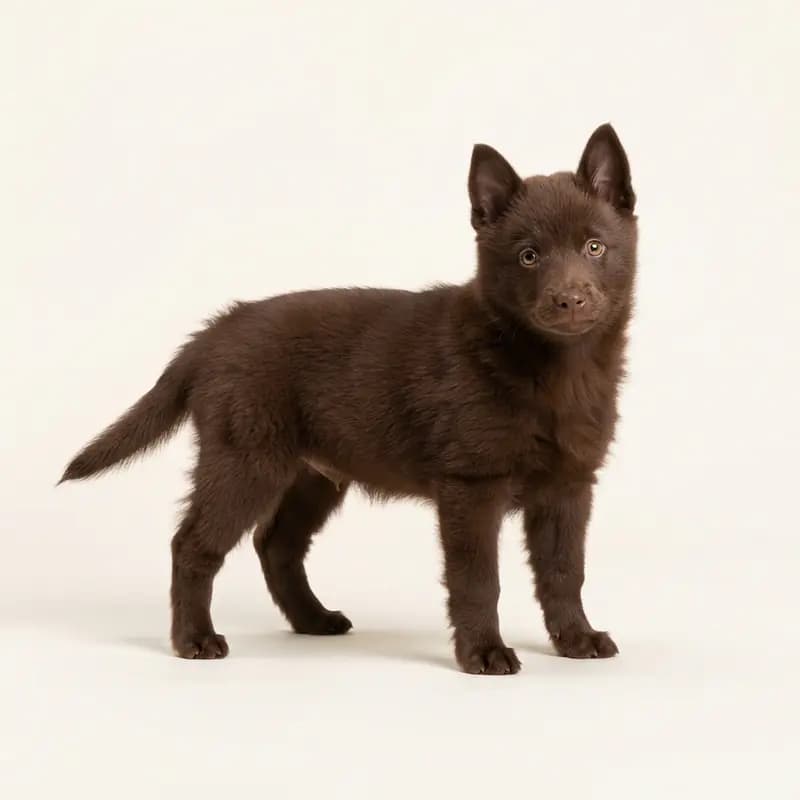
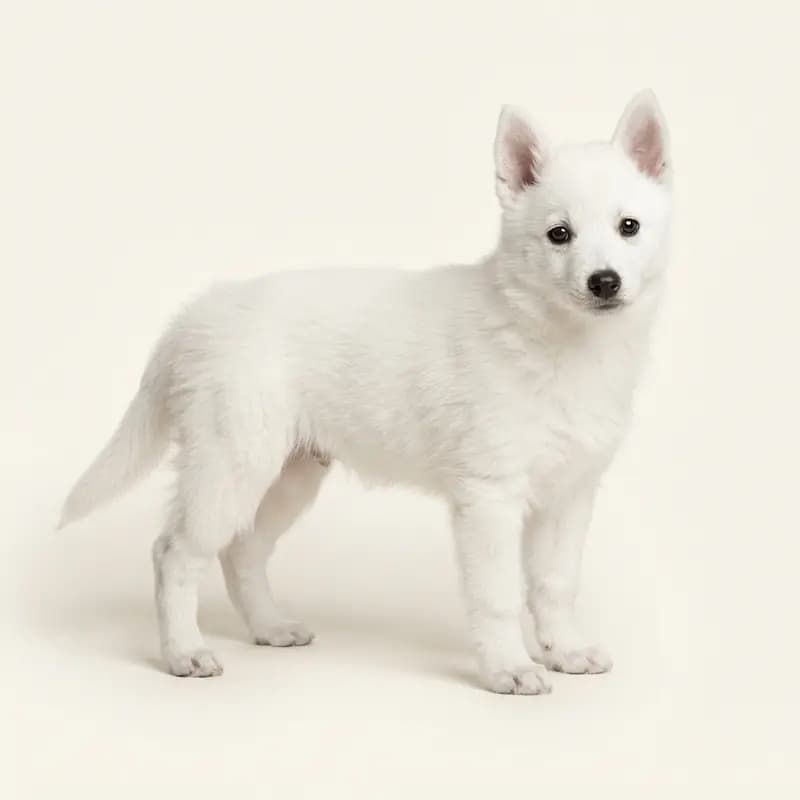
What colors does the Schipperke come in?
The coat colors you will see in Schipperke litters — including which ones fall outside the breed standard and which carry genetic risk.
Eye colors
 Brown
Brown
Coat type
 Short
Short Double coat
Is the Schipperke right for you?
The Schipperke is a curious, high-energy miniature shepherd—bred as a tireless guardian and ratter on Belgian canal boats, possessing the stamina of a large dog despite its small size.
Perfect for you if:
- You are looking for the energy, eagerness to learn, and endurance of a large shepherd in an extremely compact, everyday-ready package.
- You want to get actively involved in dog sports (like agility or obedience)—this former working dog will wither away without a real job to do.
- You appreciate a very attentive companion who keeps a reliable eye on its territory and lets you know when something is amiss.
- You have the necessary consistency to set clear, fair boundaries from the start for a lightning-smart, sometimes headstrong little guy.
Less ideal if:
- You live in an apartment with thin walls—loudly reporting every unfamiliar sound is his genetic core competency, not just a bad habit.
- You are actually looking for a quiet lap dog who is content with leisurely strolls around the block in the afternoon.
- You keep small animals like rabbits or guinea pigs free-roaming in your home—his historical legacy as a ruthless ratter is still very much alive.
The real vibes check
A Schipperke simply doesn't know he's small—he patrols your house and garden like a strict captain on his cargo boat. You aren't buying a cute dwarf, but a full-fledged, lightning-fast shepherd in pocket format that wants to be taken seriously. If you channel his vigilant, work-oriented spirit into productive paths, you will have the most loyal shadow by your side.
Self-check
Would the Schipperke really fit your life?
Answer 6 quick questions about your everyday life and see how well the Schipperke fits you — including an honest cost estimate per month, per year, and across the dog's lifetime.
Fit checkCost estimateRisk dice
Takes about 1 minute · free & anonymous
Breed Profile
The Schipperke is a small but strong and robust breed of dog. They are known for their distinctive black fur, pointed ears, and bushy, backwards-swept tail that is often carried over their back. The Schipperke's body is compact but well proportioned, with a proud and confident expression. They are members of FCI Group 1: Herding and Cattle Dogs, although today they are mostly kept as companion dogs. There is no distinction between performance and show lines in Schipperkes as they were traditionally kept as working dogs and these characteristics are still present in the breed today.
All measurements in detail
- Height
- 25 - 30 cm (Female), 28 - 33 cm (Male)
- Weight
- 5 - 7 kg (Female), 5 - 7 kg (Male)
- Life Expectancy
- 12 - 15 yrs
- Character
- Alert, independent, energetic
- Coat
- Short, dense, with undercoat
- Coat Color
- Black
- Price
- 1200 - 2500 €
Character & Temperament
Despite their small size, the Schipperke is a highly energetic and alert dog with a strong personality. They are very people-oriented and build a strong bond with their family. Their original role as guard dogs is still visible in their behavior today: they are very attentive and will often react by barking to unusual noises or movements. This makes them excellent guard dogs, although of course they do not pose a physical threat due to their size. Schipperkes are also known for being very playful and active. They enjoy physical activities and games and need regular exercise to stay happy and healthy. Despite their energy, they can also easily learn to stay alone as long as they get enough mental and physical stimulation. In terms of hunting and prey catching behavior, Schipperkes tend to have a fairly strong prey drive. This is likely a holdover from their past as ship guards, where they were often used to catch rats and other pests. Therefore, it is important to ensure that they are kept in a safe environment and that they are kept on a leash when walking to prevent them from chasing after small animals. When it comes to their independence, Schipperkes are known to be quite stubborn. They have a strong will of their own and can be a little stubborn at times. However, this does not mean that they are not capable of learning or trainable, but rather that they require a patient and consistent hand in training. They respond well to positive reinforcement and enjoy completing tasks and challenges.
| Trainability Bred to work closely alongside humans. | Highly trainable |
| Watchfulness A natural watchdog with real protective instinct. | High |
| Openness to Strangers Neither pushily friendly nor suspicious. | Neutral |
| Hunting or Herding Drive Mild interest in movement and small animals — easily managed. | Low |
Fun Fact!
Although they are small, Schipperkes have the heart of a big dog and were affectionately known as "little black devils" in their native Belgium. called!
What Awaits You
Schipperkens were often kept as guard dogs in the past and are therefore very fond of barking. They are very intelligent and therefore a challenge to raise. Although they can function well in families, it should be kept in mind that this breed has a tendency to behave unfriendly towards strangers and dogs.
Housing & Care
Although they are small, Schipperkes are energetic dogs that require plenty of exercise and mental stimulation. They are therefore suitable for both city life and country life as long as their needs are met. They get along well with children but can sometimes be a bit territorial, so early socialization is important. Although they can tolerate other pets if properly socialized, their high prey-hunting tendencies can be a problem, especially with smaller pets such as cats.
- Family Friendly
Loves family life and thrives in a group.
Family-oriented - Child Friendly
Gets on well with children — with adult supervision.
With supervision - Dog Friendly
Usually gets on fine with other dogs.
Generally tolerant - City Friendly
Adapts well to city living and urban environments.
Well-suited to city life
Owning a dog is a privilege, but it's also a real responsibility. Before you bring one into your life, be honest with yourself about the commitment it takes.
Training & Education
Schipperkes are intelligent, independent dogs that are well suited to various types of training, including obedience training, agility, and even dog sports. They have a natural tendency to guard and can therefore also be trained to be good guard dogs. Because of their active and energetic temperament, it is important that they are exercised both physically and mentally to prevent them from becoming bored and potentially developing destructive behavior. It is also important to note that Schipperkes can sometimes be challenging to raise due to their independence and strong will. They respond best to consistent but loving parenting with lots of positive reinforcement. It may be necessary to specifically train frustration tolerance and impulse control to ensure harmonious coexistence. A Schipperke that is well socialized and properly trained can be a wonderful family dog and a loyal companion.
Nutrition & Care
Schipperkes are small dogs with a good appetite. It is important to monitor their diet and ensure they do not become overweight as this can lead to health problems. A balanced diet with high-quality dog food tailored to their size, age and activity level is ideal. In terms of care, Schipperkes are relatively easy to care for. They have a dense, short coat with an undercoat that requires minimal grooming. A weekly brushing is usually enough to keep their coat healthy and clean. However, during the shedding phases in spring and autumn, they may shed more and therefore need to be brushed frequently. The climate in Germany is generally suitable for Schipperkes. Their thick undercoat offers them protection from colder temperatures, while their short fur doesn't weigh them down too much in the warmer months.
| Care Level Regular brushing and occasional professional grooming. | Moderate |
| Exercise Needs Needs several hours of serious exercise every day. | Very active |
| Shedding Hair everywhere, always — no white clothing survives. | Very heavy |
| Trainability Bred to work closely alongside humans. | Highly trainable |
Our experts are still reviewing this information. Spotted something wrong? Email us at info@honestdog.de.
Health & hereditary diseases
Health
A
Robust
Health grade
The Schipperke is an exceptionally robust and long-lived small dog with very few genetic health concerns. Brachyury (congenital short tail) is the only formal issue recorded; additionally, buyers should ensure that parents have been tested for Mucopolysaccharidosis type IIIB (MPS IIIB) and Progressive Retinal Atrophy (PRA). If you are looking for a fit, primitive companion, this breed is an excellent choice in terms of health.
Grade is relative to other breeds — AI-assisted and editorially reviewed.
In daily life this can mean
With joint-friendly exercise and a healthy weight, you can take the strain off their knees, while regular vet visits help to detect changes in the eyes or nervous system early on.
The breeder's role
Reputable breeders have the parents' knees, hips, and eyes tested and use genetic screening to consistently rule out serious metabolic diseases in the bloodline.
Note: This health overview is AI-assisted and editorially reviewed. It is for orientation only and does not replace veterinary advice.
No Health Tests Available
No specific health tests are currently available for this breed.
Costs & where to find one
How much does a Schipperke cost?
A Schipperke costs around ~€160 per month (€90 – €300, depending on your setup). The first year adds up to roughly ~€4,620 including purchase, equipment and puppy school; across the dog's life (13.5 years) it comes to about ~€28,880.
With surgery cover, running costs come to about ~€150 per month — in return, your share of a major operation drops from several thousand euros to around 20 percent.
Per month
~€160
In the first year
~€4,620
Across the dog's life
~€28,880
Purchase from a breeder: €1,200 – €2,500
Estimate at a mid-range setup (suburban, dry food, 1–2 hours of daily exercise), average German prices, as of July 2026.
Calculate your personal costs1-minute self-check with your own answers
Looking for a Schipperke?
Appearance, variants & origin
History
The full history
Schipperkes come from Belgium and have been recognized as an independent breed since the 16th century. They were originally bred by Flemish craftsmen and sailors as guard dogs for their houses and ships. Hence their name: "Schipperke" is Flemish and means “little boatman”. Despite their small size, they were known to be very effective at repelling intruders and were often referred to as "little black devils." The breed became more popular in the 19th century and spread to other parts of Europe and eventually the United States.
Original Use
The Schipperke was used as a guard dog on inland waterways and in households, valued for its alertness and energy.
Origin
Belgium
Date
1600
Owner experiences
What owners say about the Schipperke
Sabine T., Halterin aus Hessen (Rüde, verstorben)
Mein erster Schipperke war ein absoluter Traumhund, aber man darf diese Rasse wirklich nicht unterschätzen. Er war unglaublich lieb zu unseren Kindern, extrem verschmust und im Haus total verfressen. Gleichzeitig hatte er aber auch eine unerschöpfliche Energie. Selbst nach 15 Kilometern Spaziergang und stundenlangem Apportieren im Park war er zu Hause kaum zur Ruhe zu bringen. Ein echter Wirbelwind, der gefühlt nie müde wurde.
Leider hatten wir gesundheitlich etwas Pech. Unser Rüde hatte zeitlebens einen sehr empfindlichen Magen und litt häufig unter Bauchschmerzen und Durchfall. Er ist dann leider auch schon mit 7 Jahren an Nierenversagen gestorben, während ein anderer Schipperke desselben Züchters mit 10 Jahren an Krebs verstarb. Ich weiß aber von vielen anderen Haltern, dass die Rasse eigentlich extrem robust ist und locker über 15 Jahre alt werden kann. Trotz der Sorgen überwiegen für mich die schönen Erinnerungen an diesen sturen, aber unfassbar treuen Begleiter.
Annett K., Halterin aus Bayern (Rüde & Hündin, seit 2020)
Ich habe zwei Schipperkes zu Hause und sie könnten charakterlich wirklich nicht unterschiedlicher sein! Während mein einer Rüde genau das typische, energiegeladene Energiebündel ist, das man überall beschreibt, ist meine Hündin eine absolute Couchpotato. Sie ist am allerglücklichsten, wenn sie einfach nur gemütlich auf dem Sofa liegen und dösen darf.
Was jedoch beide gemeinsam haben, ist die rassetypische Sturheit und der eigene Wille. Sie sind zwar klein, aber im Herzen eben doch echte Schäferhunde und keine reinen Schoßhunde. Man braucht bei der Erziehung eine sehr konsequente, aber liebevolle Hand. Wer einen absolut unterwürfigen Hund sucht, ist hier falsch, aber wer einen schelmischen, lustigen und charakterstarken Partner sucht, wird diese Rasse lieben.
Dieter L., Halter aus Niedersachsen (Hündin, seit 2013)
Wir haben eine mittlerweile 13 Jahre alte Schipperke-Hündin in der Familie. Was man vor dem Kauf unbedingt wissen muss: Diese Hunde sind extrem wachsam und sehr meldefreudig. Wenn es an der Tür klingelt oder draußen ein ungewohntes Geräusch ertönt, wird das sofort lautstark kommentiert. Das liegt ihnen einfach im Blut, da sie früher als Wächter auf den Schiffen gearbeitet haben.
Fremden Menschen gegenüber ist unsere Hündin eher reserviert und misstrauisch, aber ihrer Familie gegenüber ist sie absolut loyal. Was uns über all die Jahre begeistert hat, ist ihre extreme Robustheit. Sie ist sehr wetterfest, pflegeleicht und war eigentlich nie ernsthaft krank. Trotz ihres Alters ist sie immer noch fit. Man muss sich nur im Klaren darüber sein, dass man sich einen kleinen, bellfreudigen Charakterkopf ins Haus holt, der eine klare Führung braucht.
Paraphrased from real owner reports
Loading owner stories
Community Posts
FAQ & more
Frequently asked questions about the Schipperke
Is a Schipperke the right dog for me?
The Schipperke is an active dog that needs plenty of exercise and mental stimulation. Research the temperament, grooming needs, and space requirements before deciding.
How long does a Schipperke live?
The average life expectancy of a Schipperke is 12-15 years. With proper care and regular vet visits, your dog can live a long, healthy life.
How much grooming does a Schipperke need?
Schipperke grooming requirements include regular brushing, nail trimming, and dental care. HonestDog provides detailed grooming tips for every breed.
Is a Schipperke good for families with children?
The Schipperke can be a great family dog. Proper training and socialization are key. HonestDog provides family suitability information for every breed.
What colors does the Schipperke come in?
The Schipperke comes in these colors: Black, Cream, Fawn, Red, Blue, Chocolate, White. Colors that fall outside the breed standard are marked as such on the breed page.
Loading related articles
Are you a Schipperke breeder?
Showcase your kennel on HonestDog and reach families searching for a responsibly bred Schipperke.
Why HonestDog?
What makes HonestDog different from other platforms
Full transparency
We lay out what we have: who the breeder is, how they work, and any health records they've uploaded. So you can judge for yourself.
Responsible breeding, assured
Every breeder on HonestDog has their identity and documents checked before their profile goes live. Health records they upload are shown on the profile, so you can see exactly what has been tested.
Trust and verification
We verify breeders and buyers alike, so every conversation happens on solid ground. It's a new standard of trust in dog breeding.
Less hassle, more time
We've already checked the breeders' documents and gathered the details, so you can skip the endless research and focus on finding the right puppy for your family.
Our Mission

We connect dog lovers with responsible breeders and shelters to ensure every dog finds the perfect home.
Founded by dog enthusiasts, our platform focuses on ethical dog breeding and adoption.
Why HonestDog?
We connect you with vetted breeders and shelters so you can find your — your new companion — with confidence.
Vetted Partners
Only verified breeders and shelters — for a safe start.
Highest Standards
Every animal's health and wellbeing is our top priority.
Guides & Resources
Guides, checklists, and breed profiles — so you can make a well-informed decision.