Loading breed
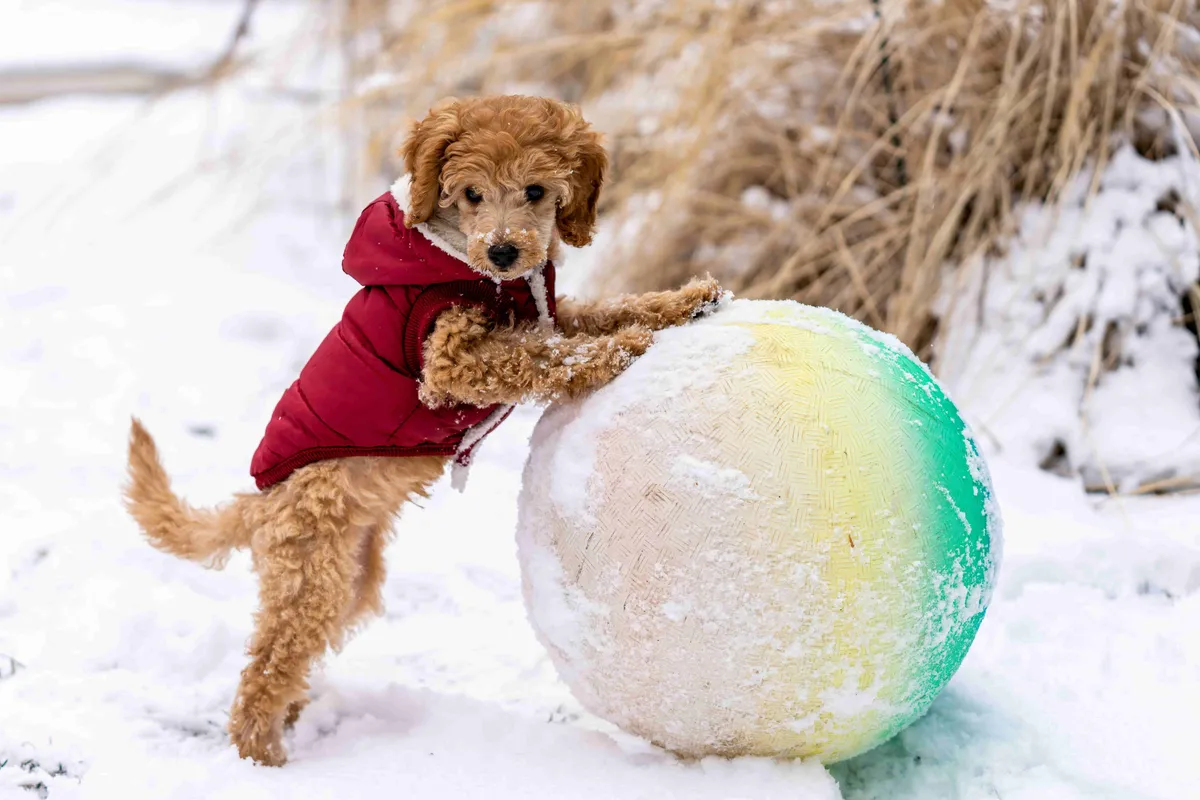
Toy Poodle
Health grade BThe Toy Poodle is a brilliant, people-oriented companion dog—an Apportierhund (retrieving dog) shrunk down to miniature size that has retained the full intelligence, alertness, and energy of its working ancestors.
- Height24–28 cm
- Weight2–4 kg
- Life expectancy14–16 yrs
- Puppy price1,500–2,800 €
- Energy3/5
The Essentials at a Glance
The Toy Poodle is a brilliant, people-oriented companion dog—an Apportierhund (retrieving dog) shrunk down to miniature size that has retained the full intelligence, alertness, and energy of its working ancestors.
- Health grade B: The Toy Poodle is a very long-lived breed, but it does have breed-specific vulnerabilities that require attention.
- You aren't looking for a mere lapdog, but want to train tricks, scent work, or dog dancing daily—its Apportierhund heritage absolutely demands mental stimulation.
- You live in an apartment or in the middle of the city and are looking for an extremely adaptable companion that can be easily taken anywhere in everyday life.
- You expect a low-maintenance stuffed animal that just sits on the sofa—otherwise, its working brain will find itself a job, often as a noisy monitor of the apartment.
Is the Toy Poodle right for you?
At a glance
Toy Poodle overview
The essentials — key facts, traits, and health priorities — before you dive deeper.
Health grade
Relative to other breeds
S
A
B
C
D
E
Very healthyHigher risk
Solid — a handful of items a good breeder watches.
See full health info & tests →
Note: This health overview is AI-assisted and editorially reviewed. It is for orientation only and does not replace veterinary advice.
Lifespan
14–16 yrs
Height
24–28 cm
Weight
2–4 kg
Practical
- Puppy price: 1,500 – 2,800 €
- Coat: Curly, fine, dense, without undercoat
- Origin: France
Temperament
Energy
Trainability
Family fit
With kids
Daily life
Care effort
Shedding
Barking
City-friendly
Guard instinct
What matters most
Especially with a Toy Poodle, choosing the right breeder is the single most important decision you'll make. Serious breeders consistently test the parents for inherited conditions, prioritize healthy early socialization, and stay accountable long after handover. A cheap puppy without health screening tends to become the most expensive dog later on.
See HonestDog breeder standards →Colors & coat
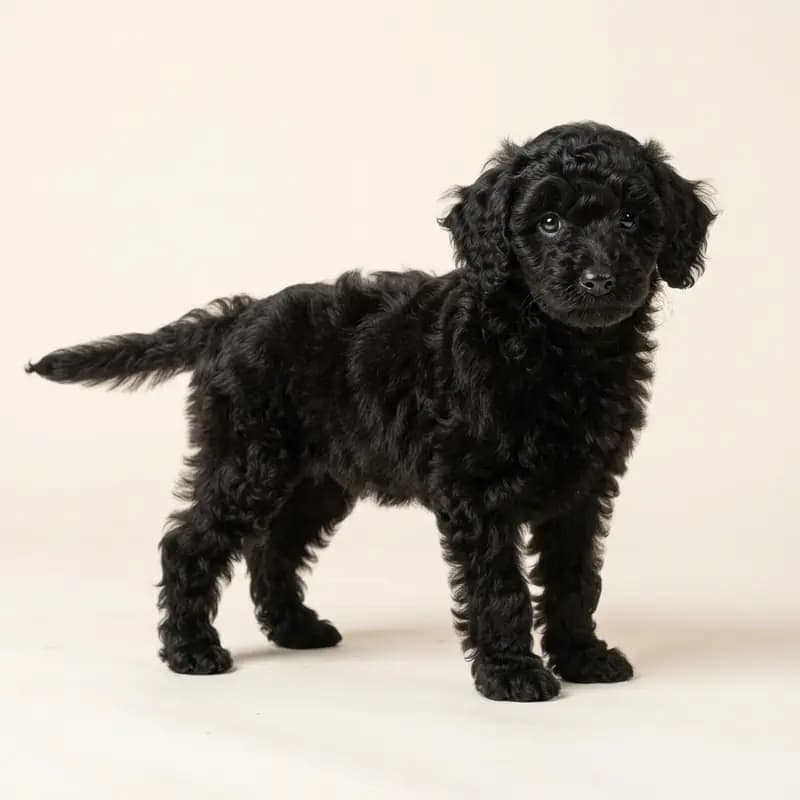
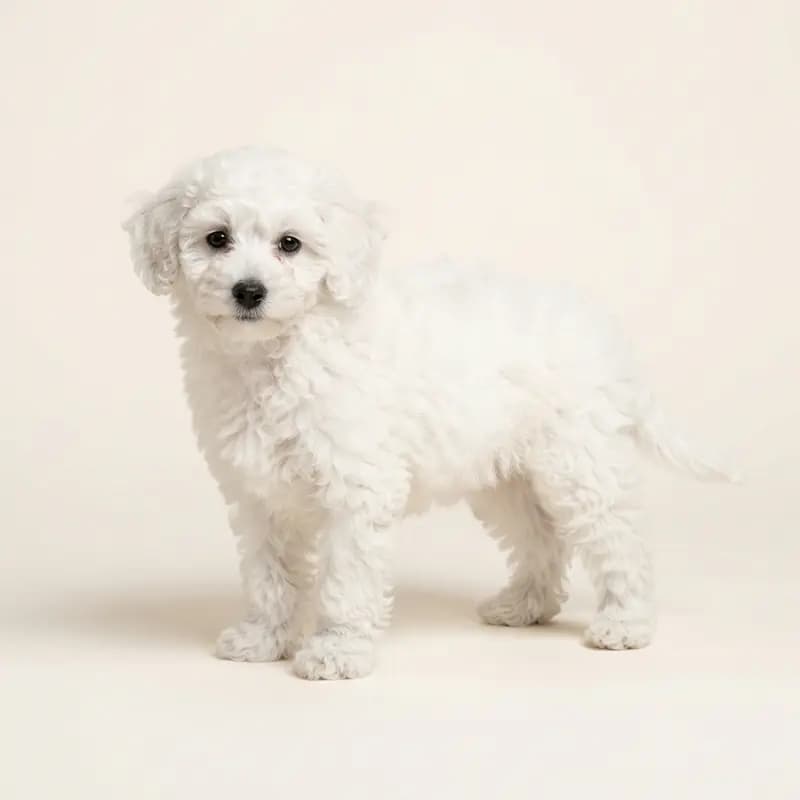
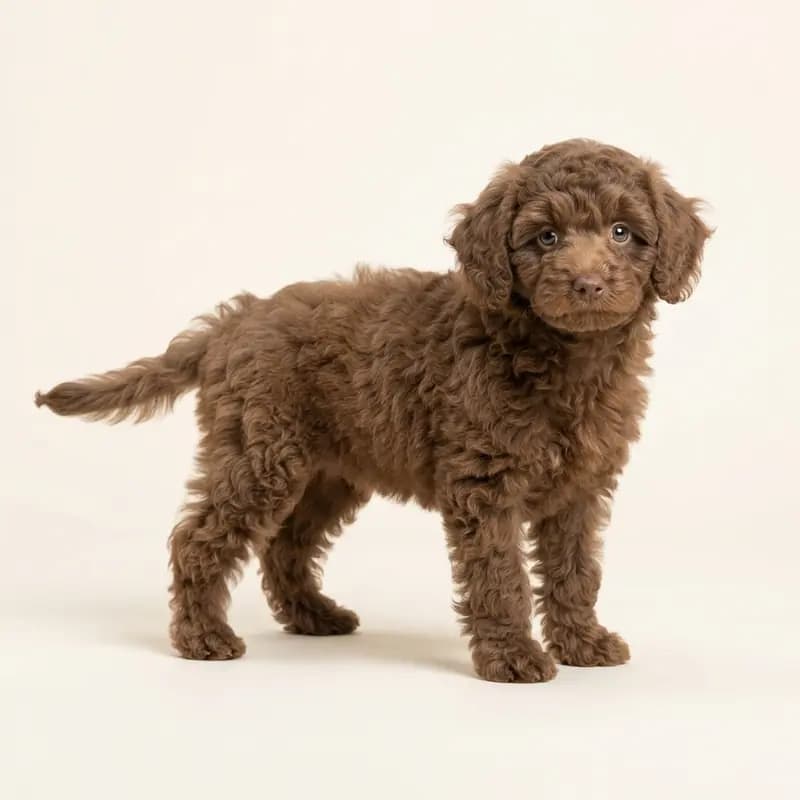
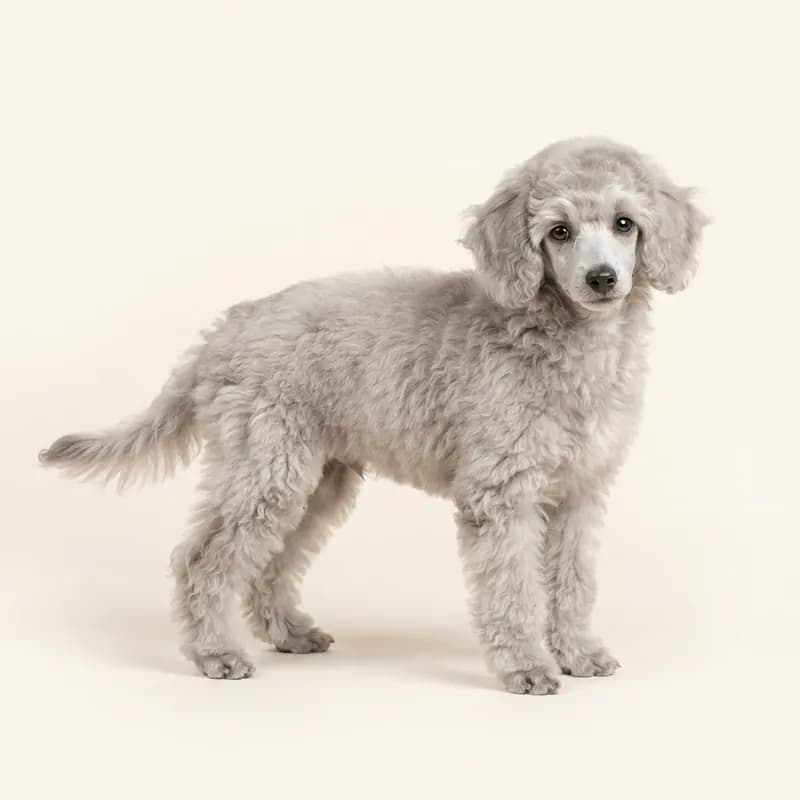
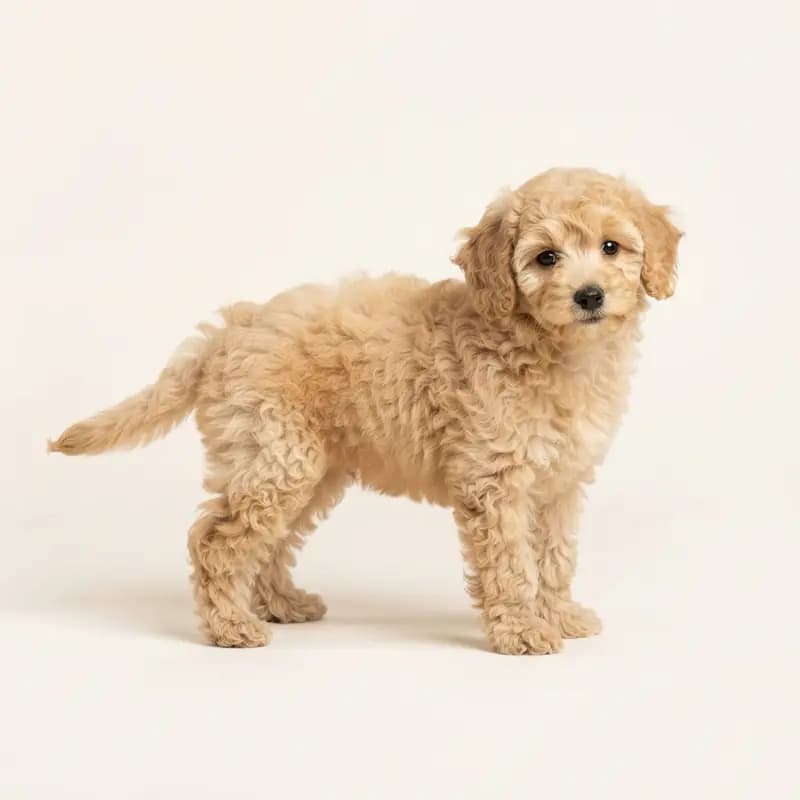
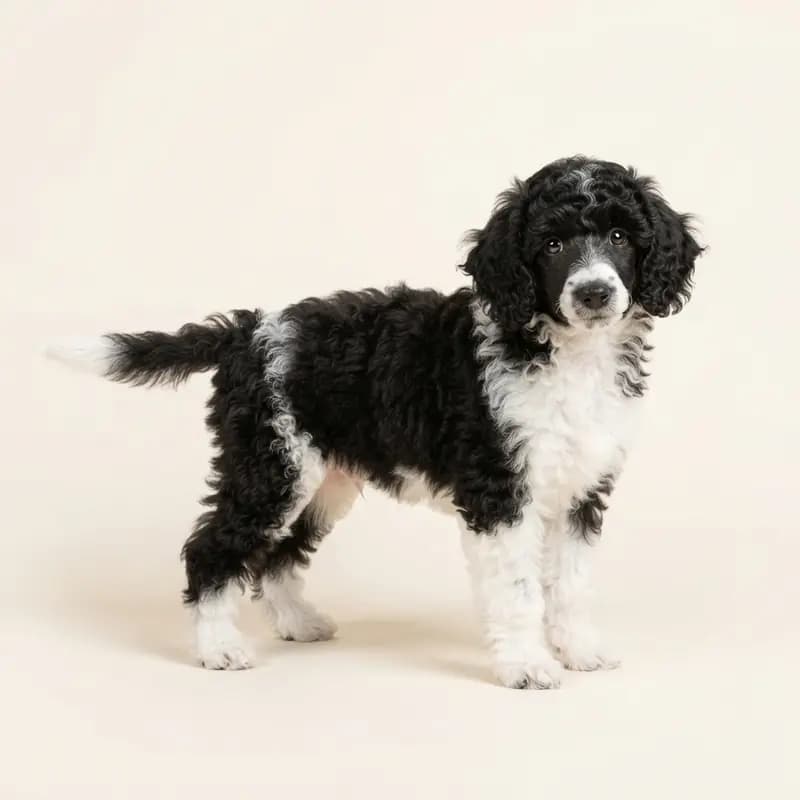
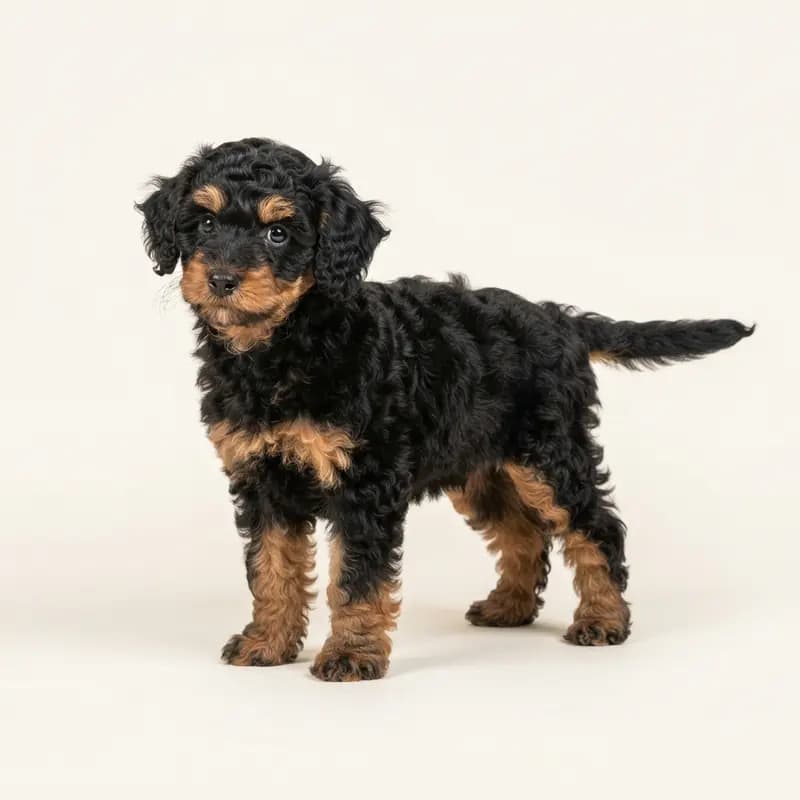
What colors does the Toy Poodle come in?
The coat colors you will see in Toy Poodle litters — including which ones fall outside the breed standard and which carry genetic risk.
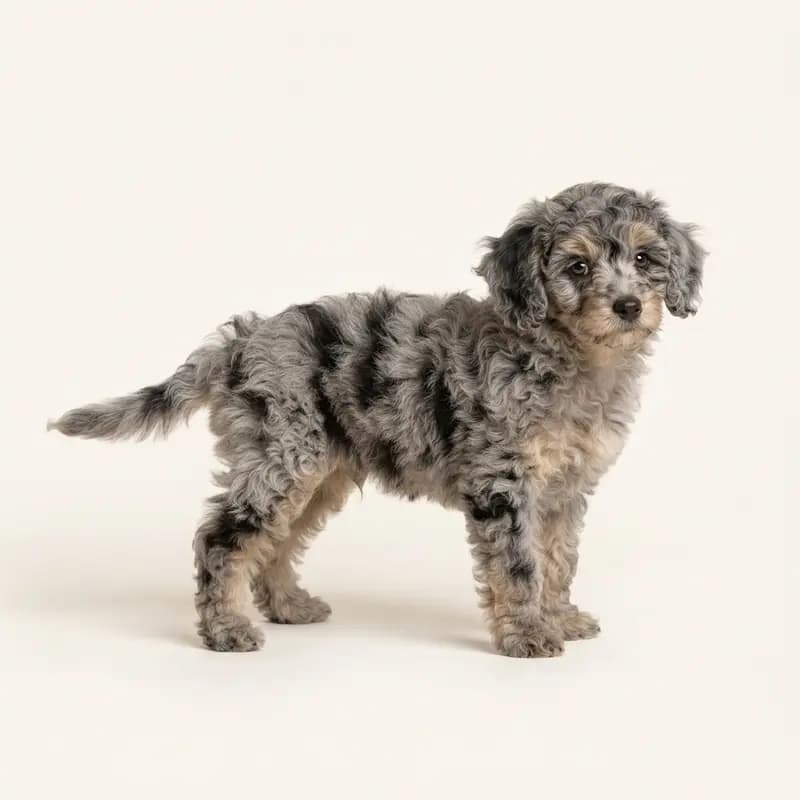
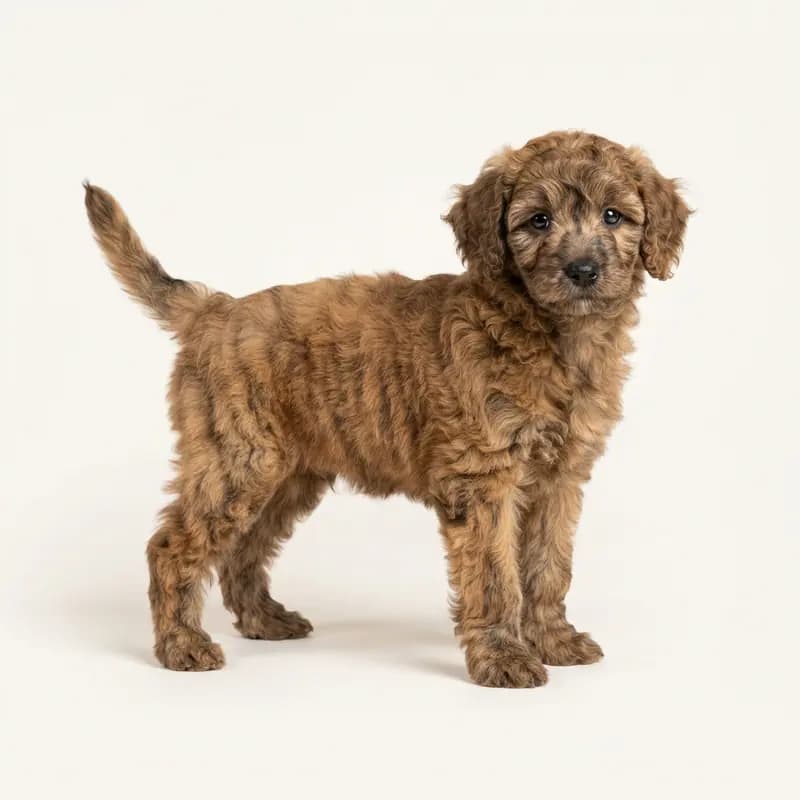
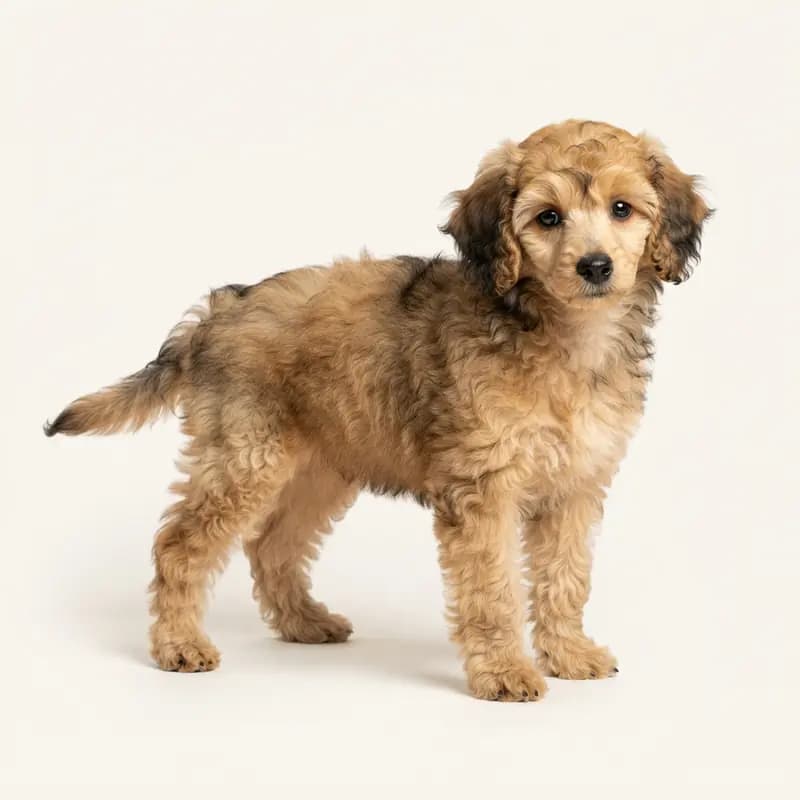
Eye colors
 Brown
Brown Amber
Amber
Coat type
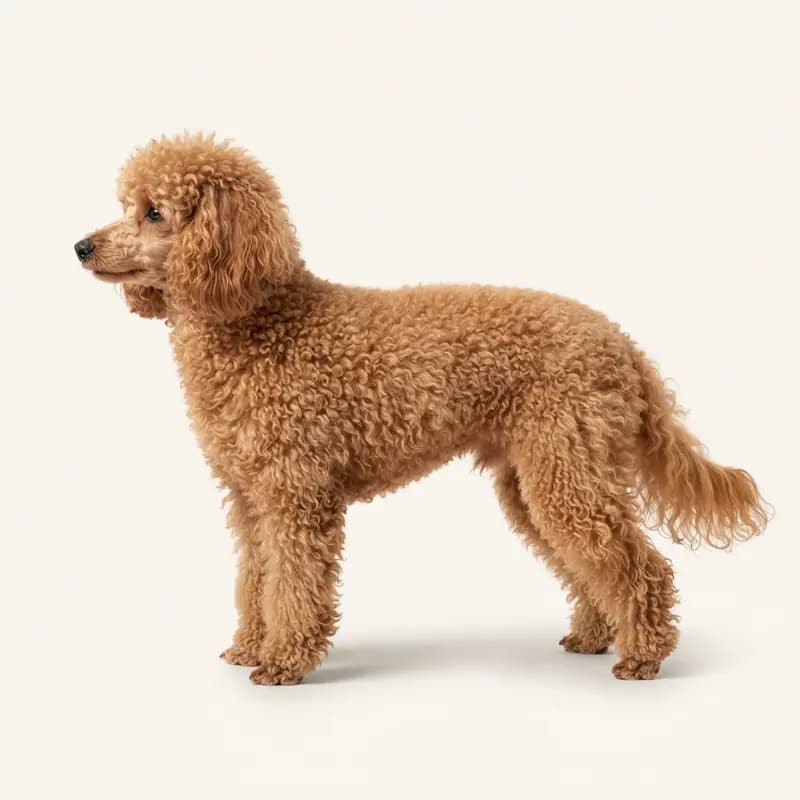 Illustrative image
Curly
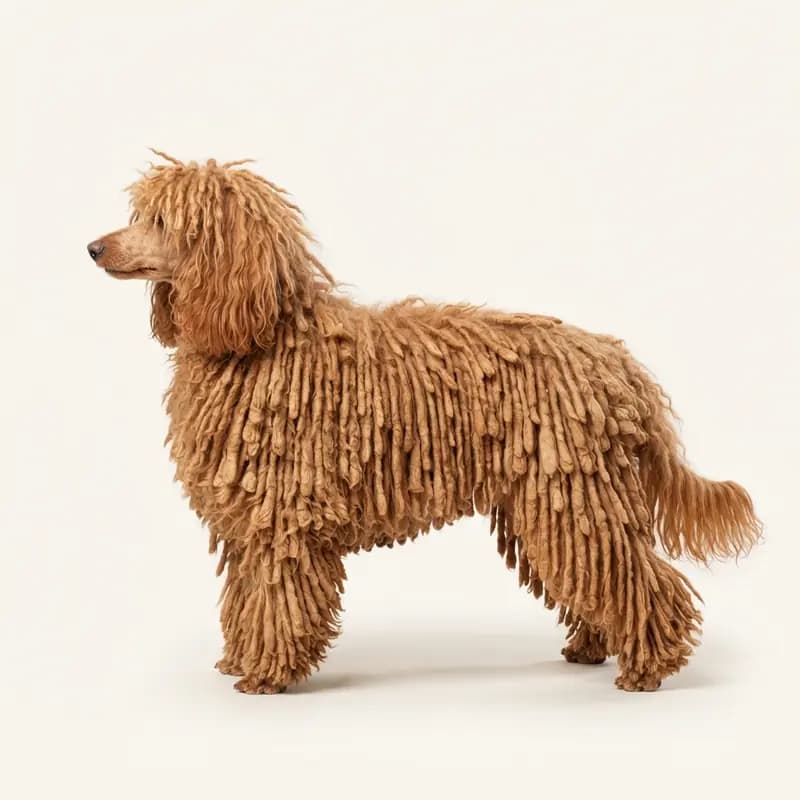 Illustrative image
Corded
Is the Toy Poodle right for you?
The Toy Poodle is a brilliant, people-oriented companion dog—an Apportierhund (retrieving dog) shrunk down to miniature size that has retained the full intelligence, alertness, and energy of its working ancestors.
Perfect for you if:
- You aren't looking for a mere lapdog, but want to train tricks, scent work, or dog dancing daily—its Apportierhund heritage absolutely demands mental stimulation.
- You live in an apartment or in the middle of the city and are looking for an extremely adaptable companion that can be easily taken anywhere in everyday life.
- You are prepared to invest time and money into intensive, regular grooming, as this breed does not shed but will quickly mat without proper care.
- You have a relatively quiet household without boisterous small children, where its delicate stature is respected.
Less ideal if:
- You expect a low-maintenance stuffed animal that just sits on the sofa—otherwise, its working brain will find itself a job, often as a noisy monitor of the apartment.
- You are inconsistent with training and let mistakes slide just because it looks small and cute—it will see right through that and exploit it mercilessly.
- You are a rustic outdoor fan who wants to trudge through rough undergrowth for hours in pouring rain and cold—it is simply built too delicately for that.
The real vibes check
A Toy Poodle is like a high-performance sports car in the body of a toy car. It learns in minutes, sees through your weaknesses in seconds, and needs real mental tasks to avoid turning into a nervous barker. If you treat it mentally like a big dog, you will get a brilliant, charming partner for life.
Self-check
Would the Toy Poodle really fit your life?
Answer 6 quick questions about your everyday life and see how well the Toy Poodle fits you — including an honest cost estimate per month, per year, and across the dog's lifetime.
Fit checkCost estimateRisk dice
Takes about 1 minute · free & anonymous
Breed Profile
The Toy Poodle is the smallest variant of the Poodle family and belongs to FCI Group 9, the group of companion and companion dogs. This small but fine dog is characterized by its elegant appearance. The ears are long and droopy, and the eyes are dark and expressive. Toy Poodles have a gorgeous, curly coat that requires regular grooming.
All measurements in detail
- Height
- 24 - 28 cm (Female), 24 - 28 cm (Male)
- Weight
- 2 - 3 kg (Female), 2 - 4 kg (Male)
- Life Expectancy
- 14 - 16 yrs
- Character
- Intelligent, loving, lively
- Coat
- Curly, fine, dense, without undercoat
- Coat Color
- Diverse (including white, black, apricot, brown, silver)
- Price
- 1500 - 2800 €
Character & Temperament
The Toy Poodle is a wonderful companion dog that is characterized by its intelligence, loving nature and liveliness. Despite their small size, Toy Poodles are active and playful dogs who enjoy exploring their surroundings and making friends with people and other dogs. The Toy Poodle's intelligence means they quickly pick up new commands and tricks. They love intellectual stimulation and need daily activity to be happy. However, it is important to find a balance as too much stimulation can cause the Toy Poodle to become hyperactive. Their size makes them easy to manage and adapt well to various living conditions, including city apartments. The Toy Poodle is very people-oriented and loves being near his family. He can learn to stay alone, but this should be done gradually and with positive reinforcement to avoid separation anxiety. They are often very affectionate and love to be cuddled. When it comes to prey catching behavior, toy poodles often have a strong hunting instinct. It is therefore advisable to start training early to ensure that they behave appropriately around small animals and birds. Toy Poodles are often alert and can make good watchdogs as they tend to bark at noises and movements.
| Trainability Bred to work closely alongside humans. | Highly trainable |
| Watchfulness Reports unusual activity but stays controlled. | Moderate |
| Openness to Strangers Neither pushily friendly nor suspicious. | Neutral |
| Hunting or Herding Drive Noticeable drive — needs attention around small animals. | Moderate |
Fun Fact!
Although the Toy Poodle is the smallest version of the Poodle family, it shares the remarkable intelligence of its larger relatives.
What Awaits You
Poodles are lively, very intelligent dogs that want to work. They enjoy working with people and need a lot of activity and exercise. They come in different sizes: Standard Poodle or Royal Poodle, Small Poodle (often called Standard Poodle), Toy Poodle and Toy Poodle. Teacup Poodles are so small that they suffer from many torturous breeding traits.
Housing & Care
The Toy Poodle makes an excellent city dog because it adapts well to apartment life. He also gets along well with children, but they should be old enough to treat the dog with respect. Toy Poodles are also generally friendly with cats and other pets as long as they are properly socialized.
- Family Friendly
Loves family life and thrives in a group.
Family-oriented - Child Friendly
Gets on well with children — with adult supervision.
With supervision - Dog Friendly
Actively enjoys the company of other dogs.
Dog-friendly - City Friendly
Small space, noise, lots of people — no problem at all.
Ideal city dog
Owning a dog is a privilege, but it's also a real responsibility. Before you bring one into your life, be honest with yourself about the commitment it takes.
Training & Education
The Toy Poodle is very intelligent and capable of learning and is therefore well suited for dog sports such as agility and obedience as well as trick training. He also has a natural ability to fetch and can enjoy games where he retrieves balls or frisbees. However, since he has a high ability to learn, he may become bored if he repeats the same game too much. It is therefore important to incorporate variety into the training and also give him mentally demanding tasks. In terms of training, it is important that the Poodle learns frustration tolerance and impulse control at an early age. Through positive reinforcement, consistency and patience, the Toy Poodle can become a well-behaved and balanced family member and is also suitable as a beginner dog. As with all dogs, it is important to begin socialization early to ensure the puppy has positive experiences with new people, places and situations.
Nutrition & Care
A balanced diet is essential for the toy poodle's health. Since Toy Poodles are prone to dental problems, a combination of dry and wet food can help reduce tartar buildup. It is advisable to choose high-quality food that meets the dog's nutritional needs. The Poodle's special trademark is its curly, dense coat. It is constantly growing, so the Poodle will need to be sheared every 2 to 6 weeks depending on the desired coat length. Long-haired poodles should be brushed several times a week to prevent the fur from becoming matted. The poodle hardly sheds and has no seasonal coat change. This makes him a good dog for allergy sufferers. Poodles do not have an undercoat, so it is advisable to use a dog coat in cold weather.
| Care Level Daily care is non-negotiable — neglect affects health. | Very high-maintenance |
| Exercise Needs Needs 1–2 hours of real exercise daily. | Active |
| Shedding No or minimal hair loss — suitable for allergy sufferers. | No shedding |
| Trainability Bred to work closely alongside humans. | Highly trainable |
Our experts are still reviewing this information. Spotted something wrong? Email us at info@honestdog.de.
Health & hereditary diseases
Health
B
Solid
Health grade
The Toy Poodle is a very long-lived breed, but it does have breed-specific vulnerabilities that require attention. Patellar luxation and Progressive Retinal Atrophy (PRA), an eye disease, are particularly common in this toy breed. Buyers should insist on seeing the corresponding health test results for the parents to minimize these risks.
Grade is relative to other breeds — AI-assisted and editorially reviewed.
In daily life this can mean
You should ensure a healthy weight and joint-friendly upbringing, and keep blood clotting in mind for any veterinary procedures.
The breeder's role
Reputable breeders have the parents' knees, eyes, and blood clotting tested and avoid extreme dwarfing to protect the bone structure and health of the line.
Note: This health overview is AI-assisted and editorially reviewed. It is for orientation only and does not replace veterinary advice.
No Health Tests Available
No specific health tests are currently available for this breed.
Costs & where to find one
How much does a Toy Poodle cost?
A Toy Poodle costs around ~€190 per month (€100 – €350, depending on your setup). The first year adds up to roughly ~€5,250 including purchase, equipment and puppy school; across the dog's life (15 years) it comes to about ~€37,050.
With surgery cover, running costs come to about ~€180 per month — in return, your share of a major operation drops from several thousand euros to around 20 percent.
Per month
~€190
In the first year
~€5,250
Across the dog's life
~€37,050
Purchase from a breeder: €1,500 – €2,800
Estimate at a mid-range setup (suburban, dry food, 1–2 hours of daily exercise), average German prices, as of July 2026.
Calculate your personal costs1-minute self-check with your own answers
Looking for a Toy Poodle?
Appearance, variants & origin
History
The full history
The poodle's exact origins are uncertain, but it is believed to have originated in Germany or France. The Poodle was originally a water dog used for retrieving waterfowl, which may be where its name derives from. The Toy Poodle was created in the 20th century by crossing smaller Poodles with each other to create a miniature version. The breeders aimed to create a companion dog that was easy to keep in the apartment and had a loving nature. In 1990, the FCI officially recognized the toy poodle as a separate poodle breed.
Original Use
The Toy Poodle was bred to be a small companion dog characterized by intelligence and adaptability.
Origin
France
Date
1900
Owner experiences
What owners say about the Toy Poodle
Sarah M., Halterin aus Hamburg (Hündin, seit 2010)
Unsere kleine Hündin ist ein absolutes Energiebündel. Viele denken ja, so ein winziger Toypudel mit gerade einmal etwas über zwei Kilo sei nur ein Schoßhund, aber das Gegenteil ist der Fall! Sie braucht unglaublich viel Bewegung, flitzt beim Spazierengehen im Zickzack wie ein kleines Karnickel durch die Gegend und liebt es, sich richtig auszupowern. Nach fast jedem Spaziergang ist sie bis zum Bauch komplett verdreckt, sodass wir sie erst mal warm abbrausen und trockenföhnen müssen – zum Glück genießt sie das Föhnen total.
Die Pflege ist allerdings nicht ohne. Ihr feines, weiches Fell wächst unaufhörlich, weshalb regelmäßige Friseurtermine Pflicht sind, um zumindest die Pfoten, die Augenpartie und den Intimbereich freizuschneiden. Auch das Thema Ohrenzupfen ist ein ständiger Diskussionspunkt zwischen Züchter und Tierarzt, da manche sagen, es beuge Entzündungen vor, während andere meinen, das Zupfen reize die Ohren erst recht. Ein weiteres kleines Manko ist ihre Fressunlust: Sie ist extrem mäkelig, was ihr Trockenfutter angeht, und rührt es oft kaum an.
Christian B., Halter aus Köln (Rüde, seit 2019)
Mein Toypudel-Rüde ist ein aufgeweckter, unfassbar schlauer Kerl, der neue Tricks im Handumdrehen lernt. Sitz, Platz und Bleib waren schon nach kürzester Zeit überhaupt kein Problem mehr. Man darf die Kleinen aber charakterlich echt nicht unterschätzen: Sie sind oft ein ganzes Stück sensibler als größere Hunde und können Fremden gegenüber anfangs recht skeptisch reagieren. Wenn Kinder ungefragt auf ihn zustürzen, weicht er lieber erst mal zurück, taut aber beim zweiten Treffen schnell auf.
Eine echte Herausforderung bei den Toys ist das Kläffen. Sie neigen leider sehr dazu, Geräusche zu kommentieren oder aus Unsicherheit zu bellen. Da muss man von Anfang an konsequent gegensteuern und ihnen Sicherheit vermitteln. Auch wenn sie klein sind: Sie sind vollwertige Hunde, die geistige Beschäftigung und ausgiebige, freie Spaziergänge ohne Leine brauchen, um ausgeglichen zu sein. Wer nur ein ruhiges Schoßhündchen sucht, wird mit dieser aktiven Rasse nicht glücklich.
Tanja S., Halterin aus München (Rüde, seit 2025)
Wir haben unseren Toypudel-Rüden vor einiger Zeit bekommen, und er hat sich extrem eng an meine Frau gebunden. Er läuft ihr wirklich auf Schritt und Tritt hinterher – wehe, sie geht nur kurz in die Küche oder ins Bad. Bei mir war er anfangs total skeptisch, lief weg, wenn ich ihn streicheln oder mit ihm Gassi gehen wollte. Es braucht unglaublich viel Geduld und Einfühlungsvermögen, um das Vertrauen dieser sensiblen Hunde zu gewinnen, besonders wenn sie anfangs sehr schüchtern und dünn waren.
Das Alleinebleiben ist ebenfalls ein großes Thema. Er wimmelt und bellt schnell, wenn wir den Raum verlassen, was in einer Mietwohnung echt stressig sein kann. Wir trainieren das jetzt in winzigen Schritten, begrenzen seinen Bereich mit einem Welpengitter und lassen im Hintergrund leise das Radio laufen, damit er sich entspannt. Man unterschätzt leicht, wie anhänglich diese Rasse ist und wie intensiv man an der Trennungsangst arbeiten muss.
Paraphrased from real owner reports
Loading owner stories
Community Posts
FAQ & more
Frequently asked questions about the Toy Poodle
Is a Toy Poodle the right dog for me?
The Toy Poodle is an adaptable dog that adjusts well to various lifestyles. Research the temperament, grooming needs, and space requirements before deciding.
How long does a Toy Poodle live?
The average life expectancy of a Toy Poodle is 14-16 years. With proper care and regular vet visits, your dog can live a long, healthy life.
How much grooming does a Toy Poodle need?
Toy Poodle grooming requirements include regular brushing, nail trimming, and dental care. HonestDog provides detailed grooming tips for every breed.
Is a Toy Poodle good for families with children?
The Toy Poodle can be a great family dog. Proper training and socialization are key. HonestDog provides family suitability information for every breed.
What colors does the Toy Poodle come in?
The Toy Poodle comes in these colors: Black, White, Brown, Silver, Fawn, Black and white, Black and tan, Merle, Brindle, Sable. Colors that fall outside the breed standard are marked as such on the breed page.
Loading related articles
Are you a Toy Poodle breeder?
Showcase your kennel on HonestDog and reach families searching for a responsibly bred Toy Poodle.
Why HonestDog?
What makes HonestDog different from other platforms
Full transparency
We lay out what we have: who the breeder is, how they work, and any health records they've uploaded. So you can judge for yourself.
Responsible breeding, assured
Every breeder on HonestDog has their identity and documents checked before their profile goes live. Health records they upload are shown on the profile, so you can see exactly what has been tested.
Trust and verification
We verify breeders and buyers alike, so every conversation happens on solid ground. It's a new standard of trust in dog breeding.
Less hassle, more time
We've already checked the breeders' documents and gathered the details, so you can skip the endless research and focus on finding the right puppy for your family.
Our Mission

We connect dog lovers with responsible breeders and shelters to ensure every dog finds the perfect home.
Founded by dog enthusiasts, our platform focuses on ethical dog breeding and adoption.
Why HonestDog?
We connect you with vetted breeders and shelters so you can find your — your new companion — with confidence.
Vetted Partners
Only verified breeders and shelters — for a safe start.
Highest Standards
Every animal's health and wellbeing is our top priority.
Guides & Resources
Guides, checklists, and breed profiles — so you can make a well-informed decision.