Loading breed
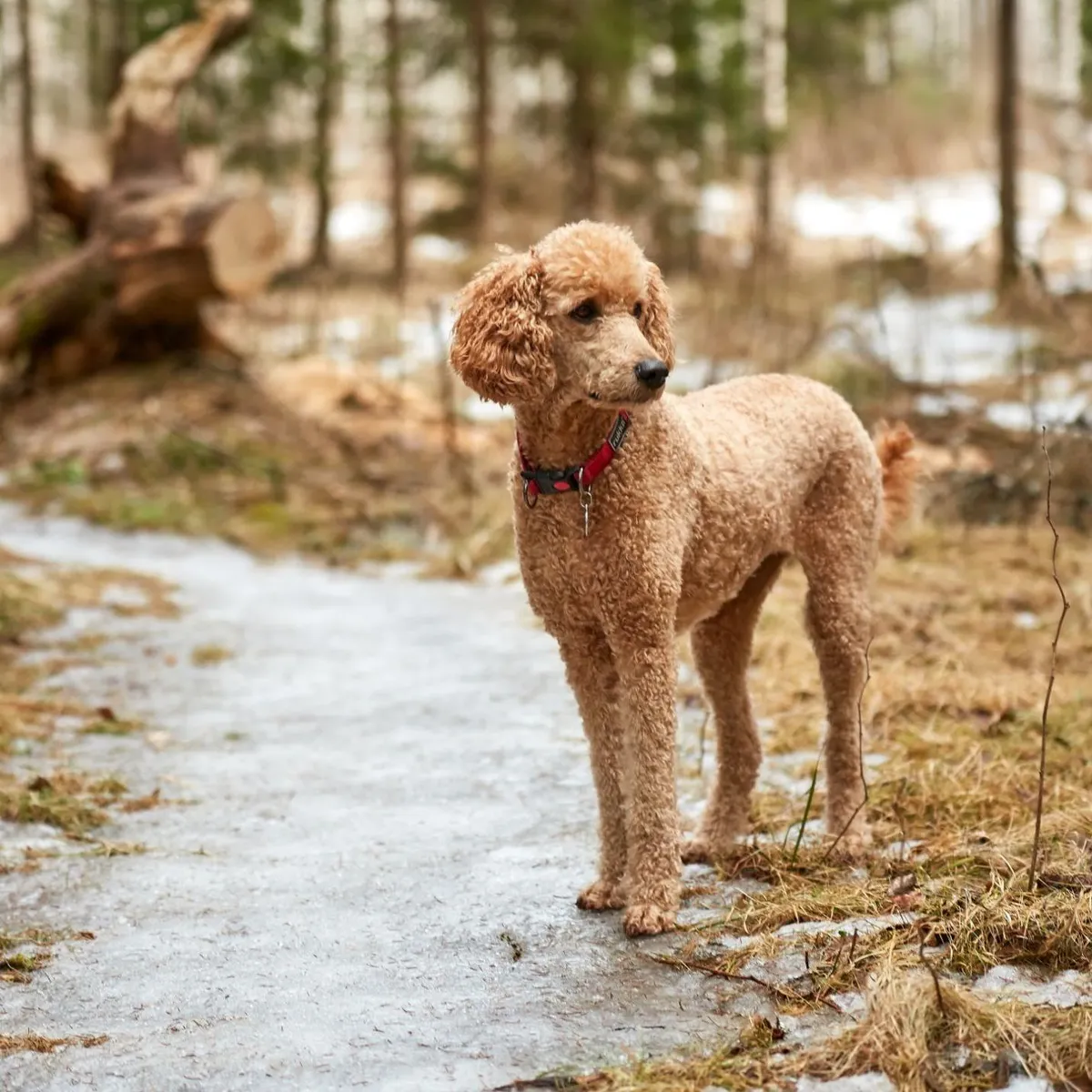
Poodle
Health grade BThe Poodle is a highly intelligent, extremely cooperative athlete—bred as a tireless Wasser-Apportierhund (water retriever), whose sharp mind often demands even more real tasks today than his legs do.
- Height24–60 cm
- Weight2–30 kg
- Life expectancy12–15 yrs
- Puppy price1,500–2,800 €
- Energy4/5
The Essentials at a Glance
The Poodle is a highly intelligent, extremely cooperative athlete—bred as a tireless Wasser-Apportierhund (water retriever), whose sharp mind often demands even more real tasks today than his legs do.
- Health grade B: Poodles are generally considered a long-lived breed, but they do have a few typical health vulnerabilities that must be managed through consistent selective breeding.
- You want to incorporate daily mental stimulation, trick training, or scent games—his intelligent retrieving heritage will wither away with just simple walks around the block.
- You are prepared to invest time and money into professional grooming every six to eight weeks, but in return, you appreciate a dog that doesn't shed.
- You expect a dog that just tags along and keeps itself busy—his cooperative retrieving hardware demands constant collaboration.
Is the Poodle right for you?
At a glance
Poodle overview
The essentials — key facts, traits, and health priorities — before you dive deeper.
Health grade
Relative to other breeds
S
A
B
C
D
E
Very healthyHigher risk
Solid — a handful of items a good breeder watches.
See full health info & tests →
Note: This health overview is AI-assisted and editorially reviewed. It is for orientation only and does not replace veterinary advice.
Lifespan
12–15 yrs
Height
24–60 cm
Weight
2–30 kg
Practical
- Puppy price: 1,500 – 2,800 €
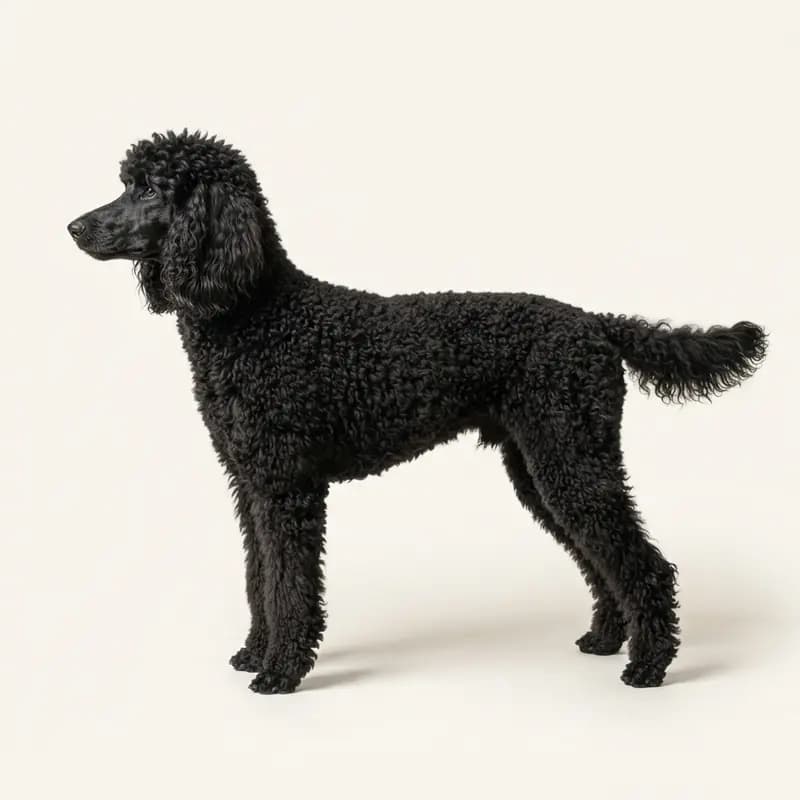
- Coat: Curly, dense, fine texture; no undercoat
- Origin: Germany/France
Temperament
Energy
Trainability
Family fit
With kids
Daily life
Care effort
Shedding
Barking
City-friendly
Guard instinct
What matters most
Especially with a Poodle, choosing the right breeder is the single most important decision you'll make. Serious breeders consistently test the parents for inherited conditions, prioritize healthy early socialization, and stay accountable long after handover. A cheap puppy without health screening tends to become the most expensive dog later on.
See HonestDog breeder standards →Colors & coat
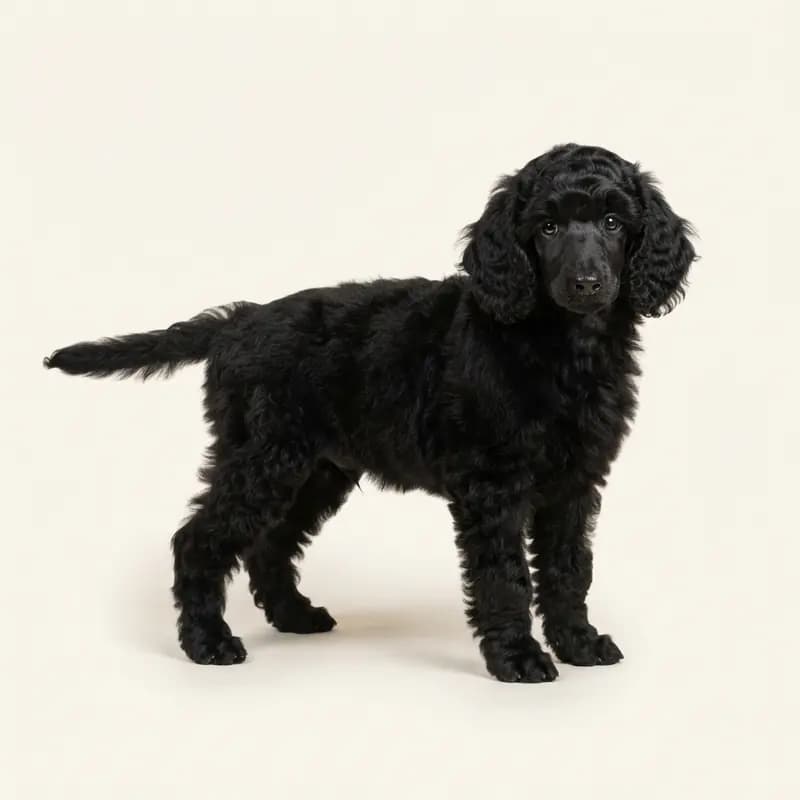
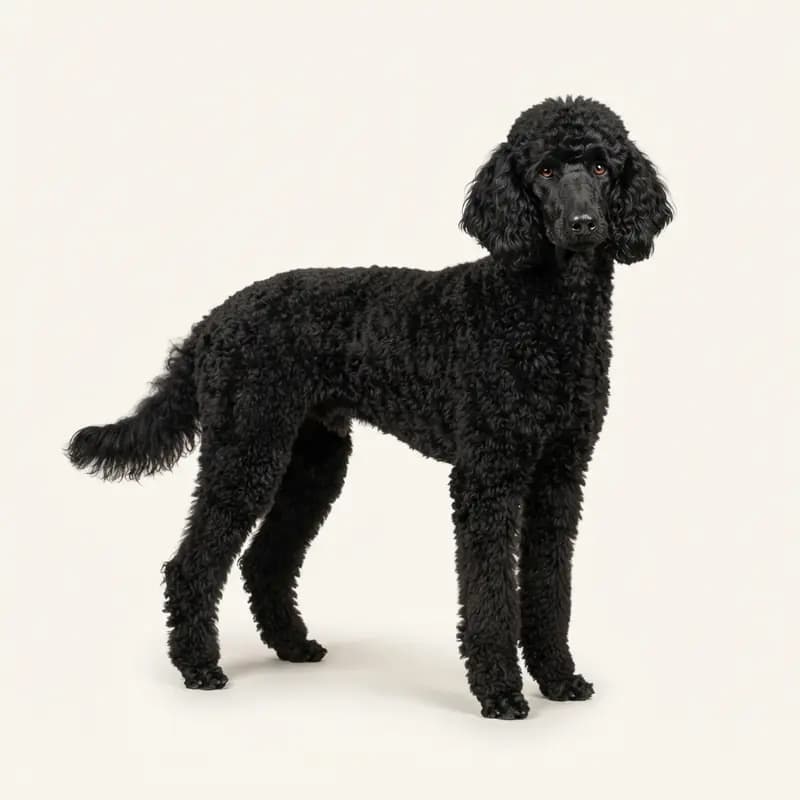
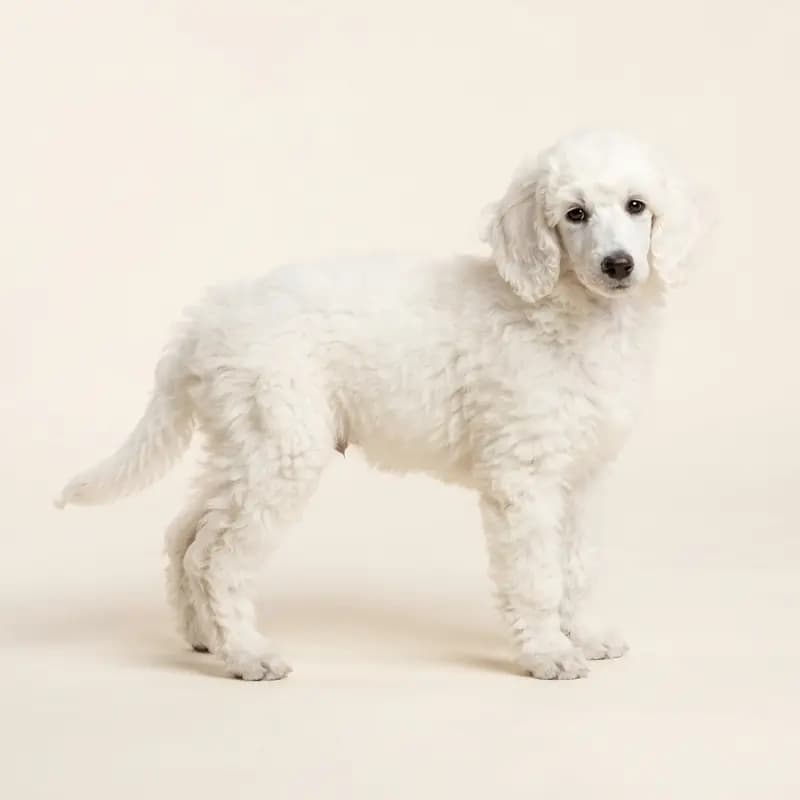
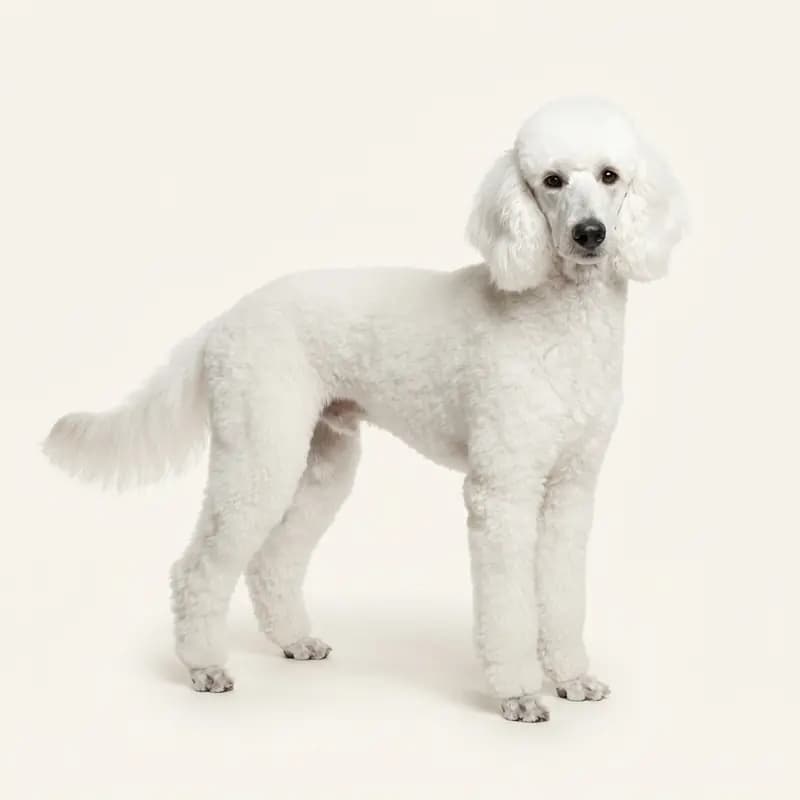
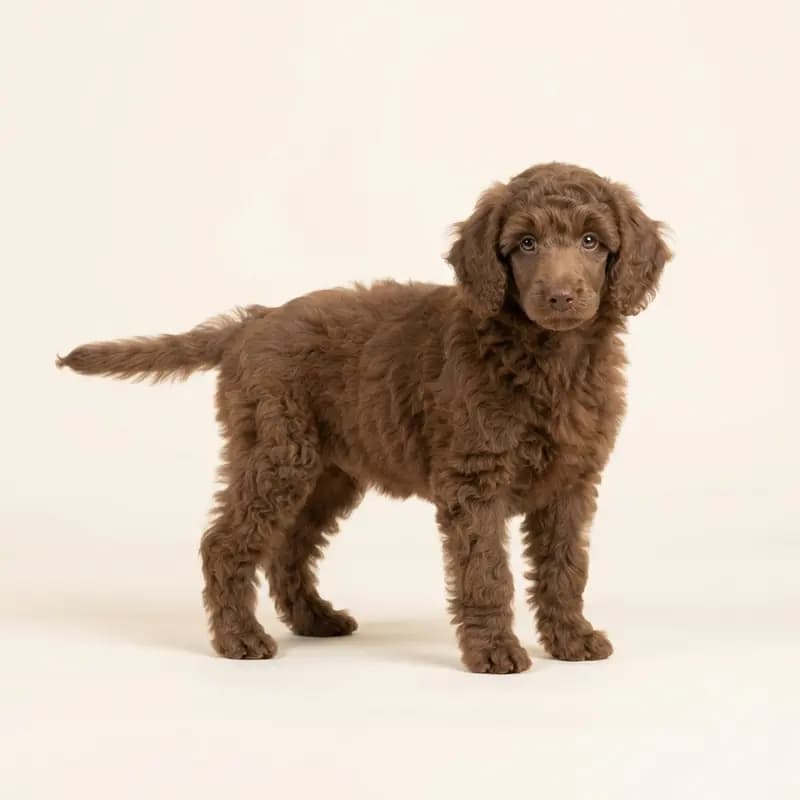
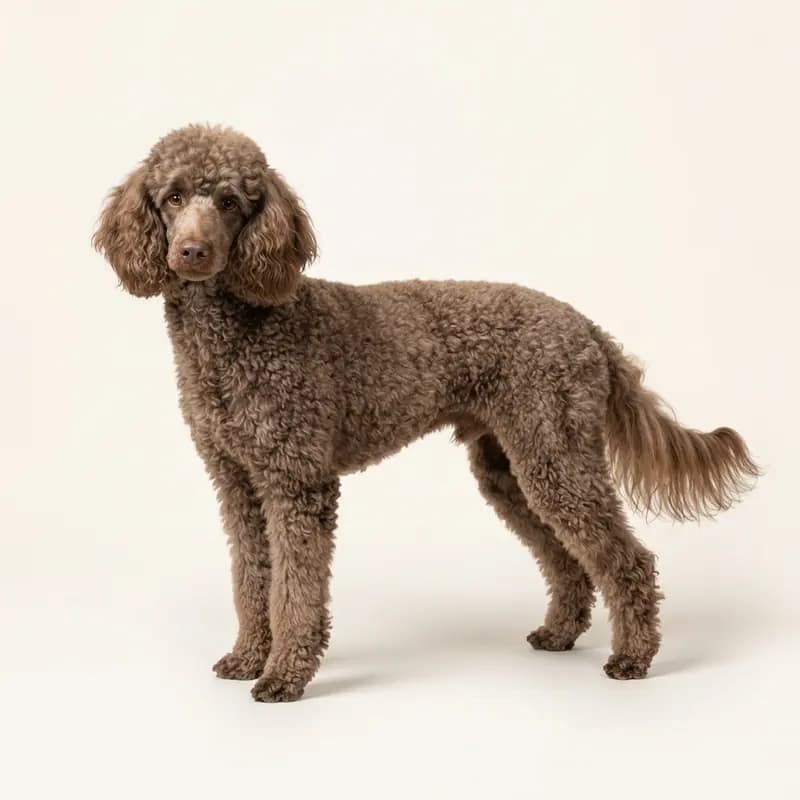
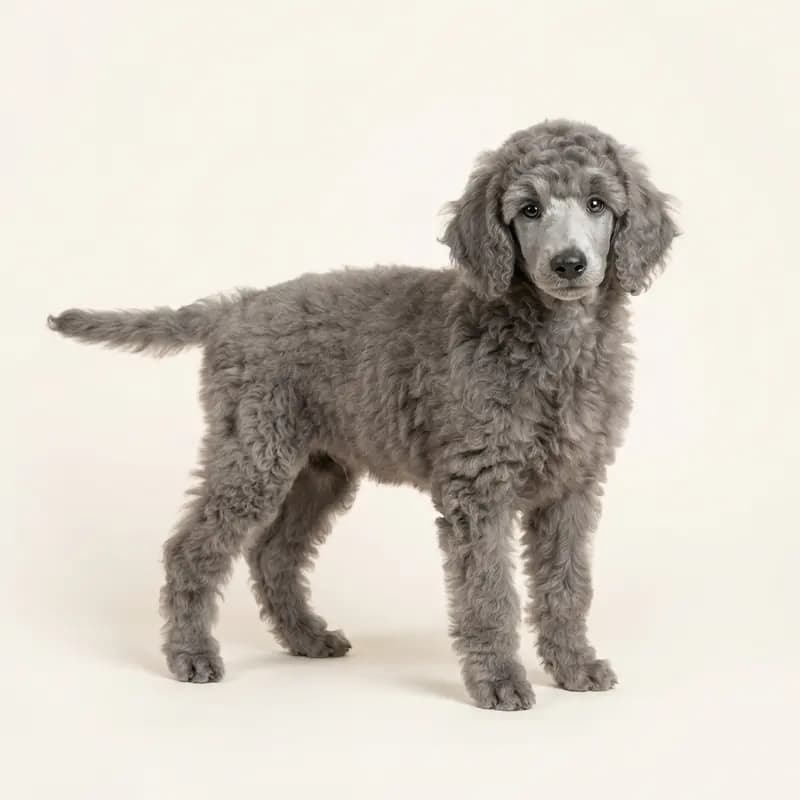
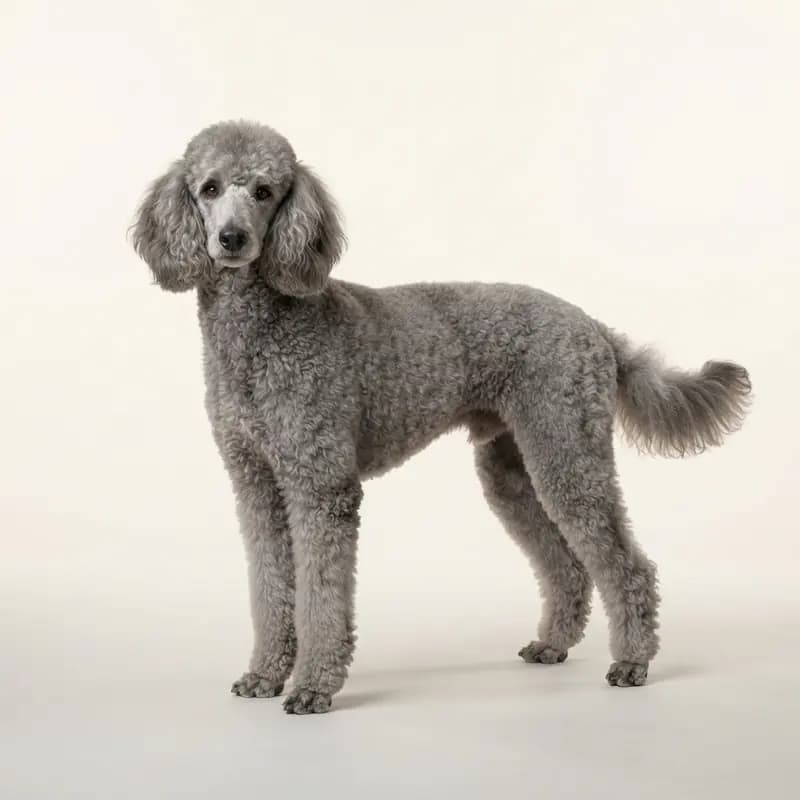
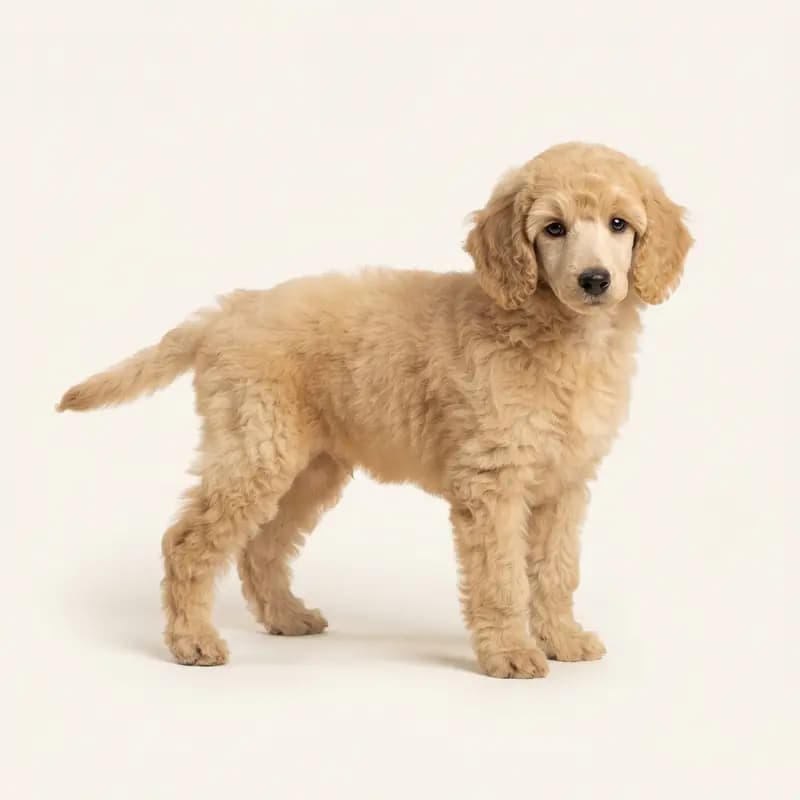
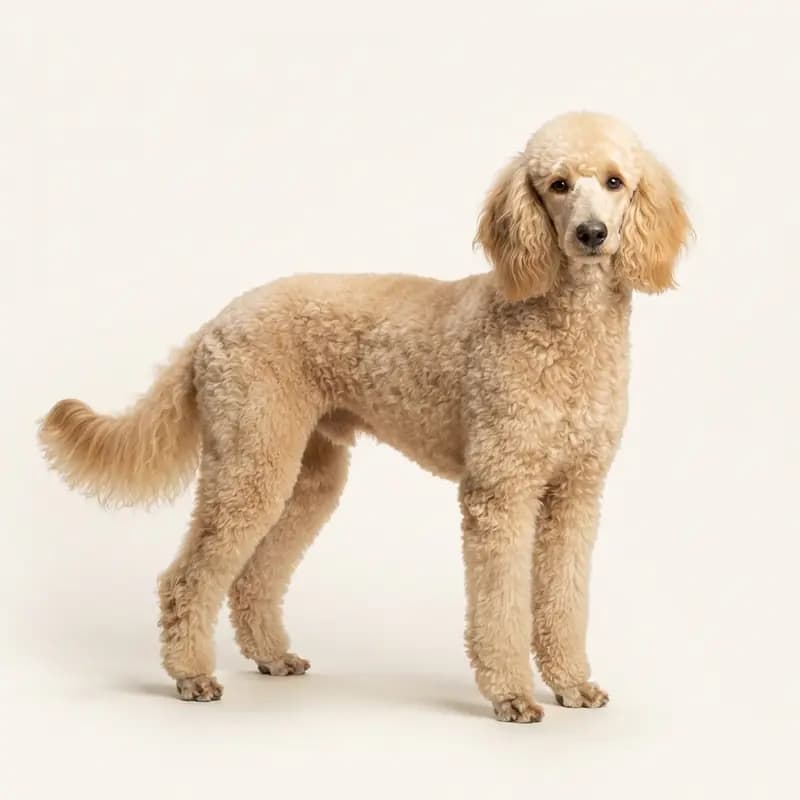
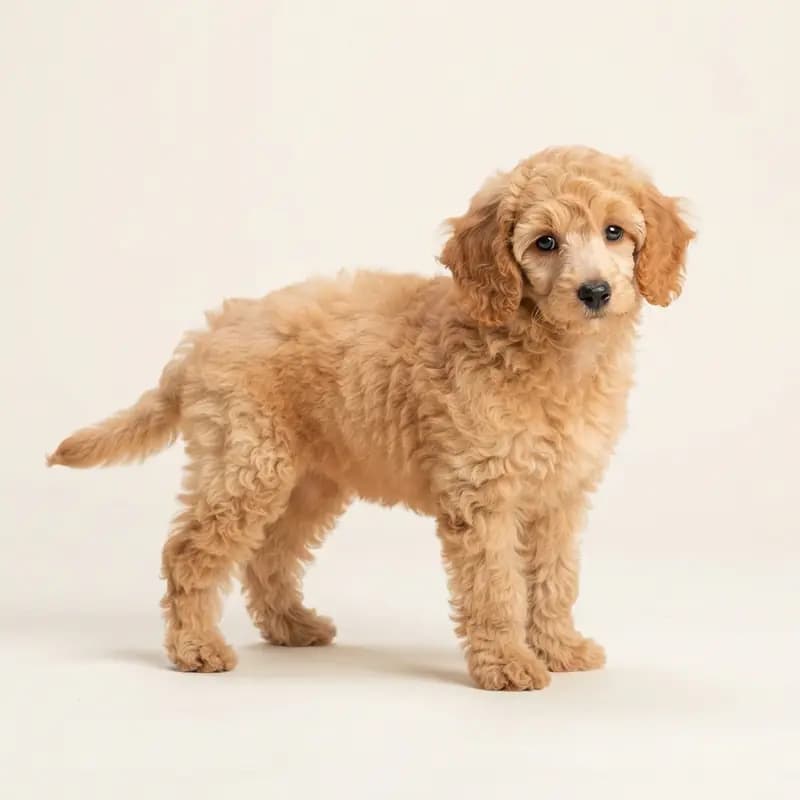
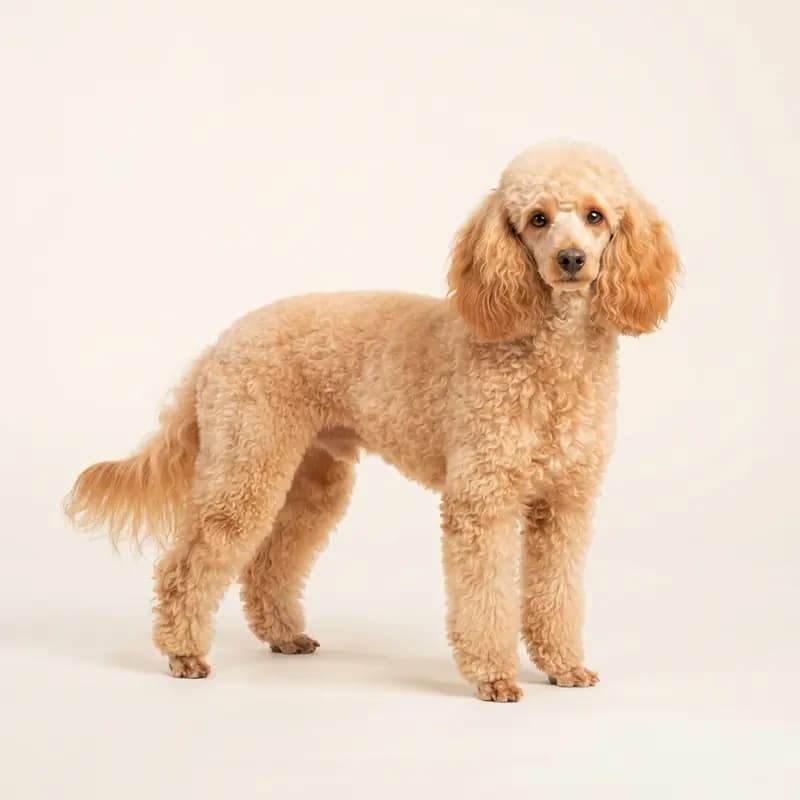
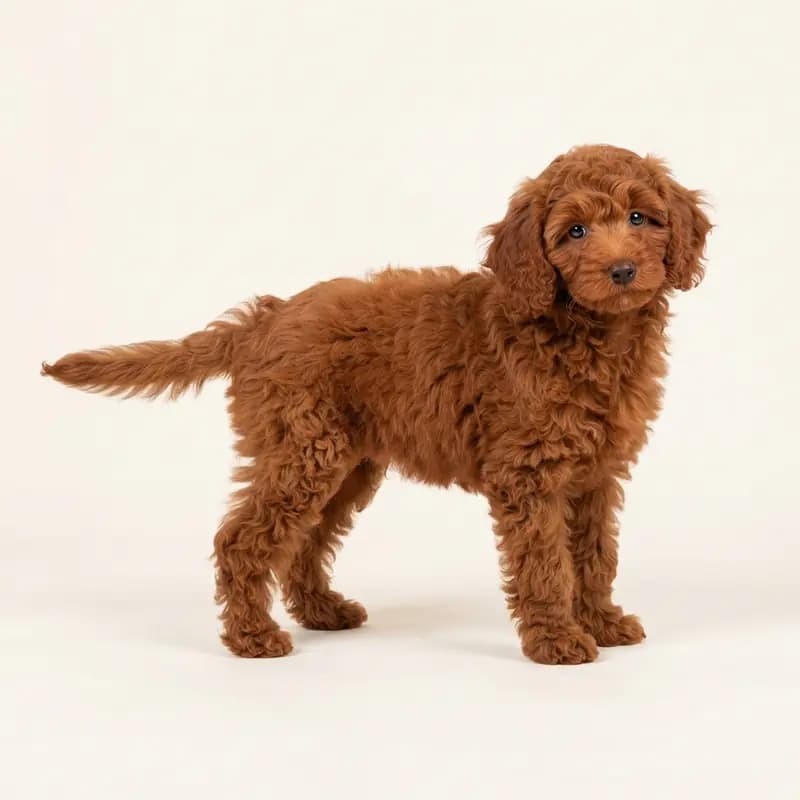
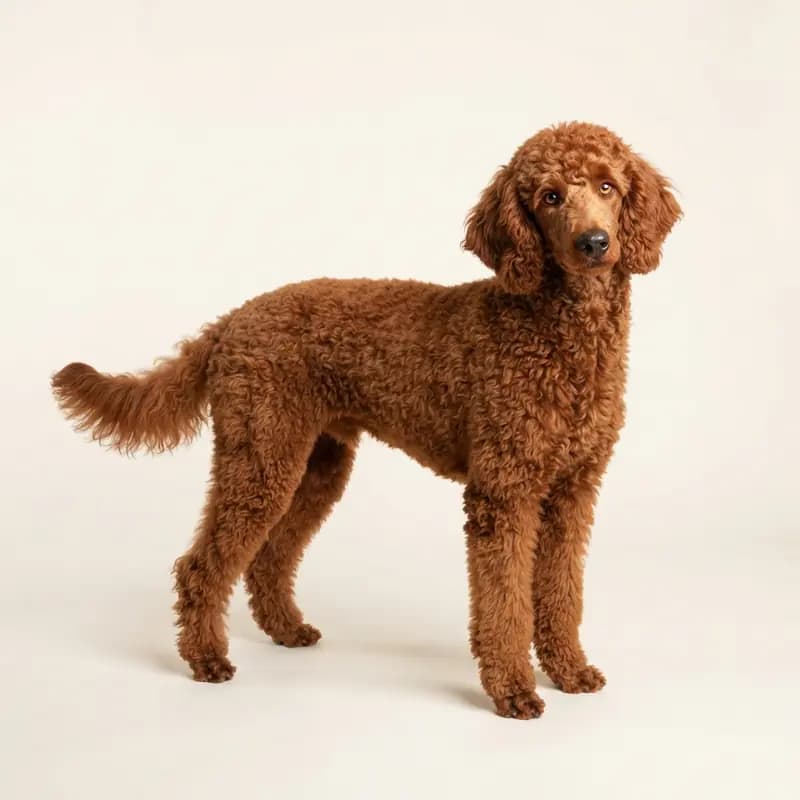
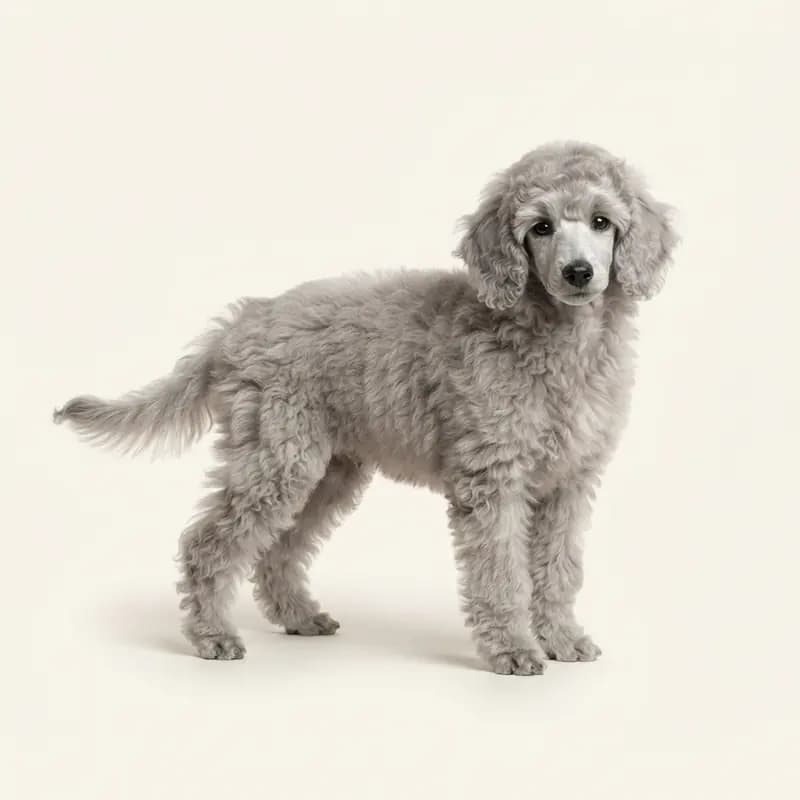
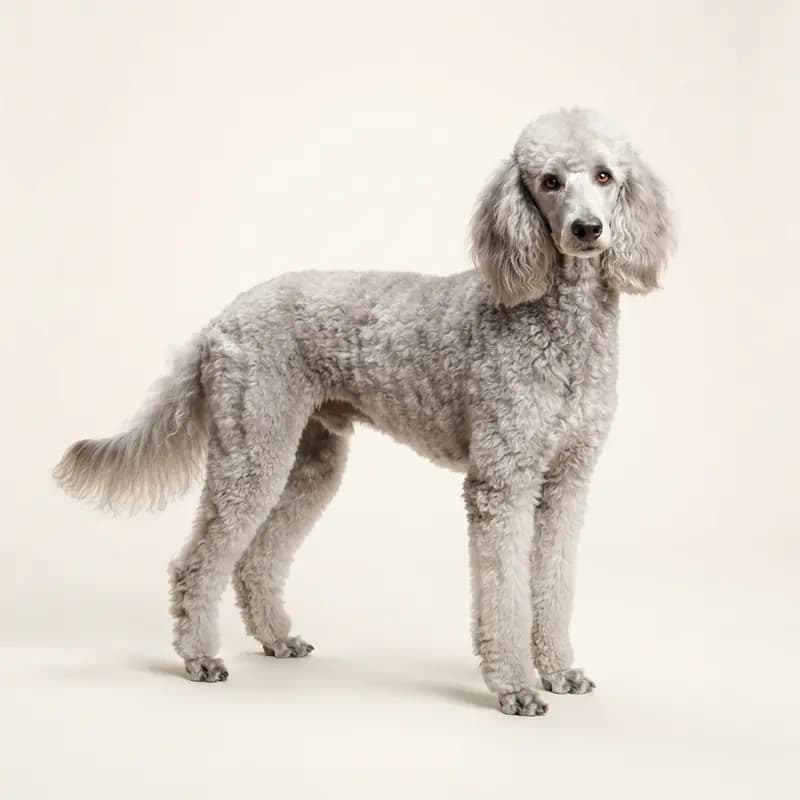
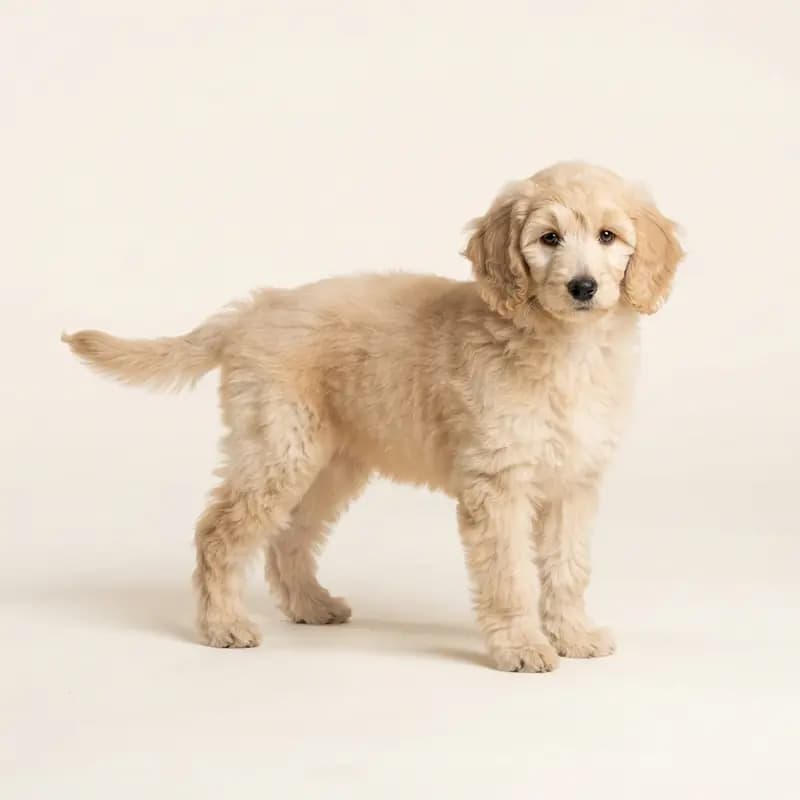
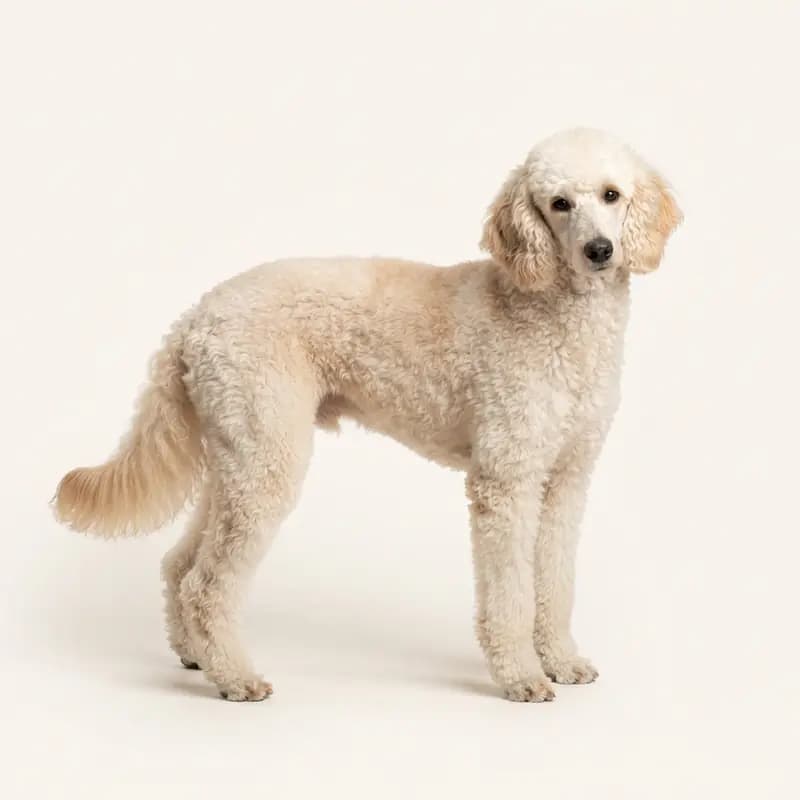
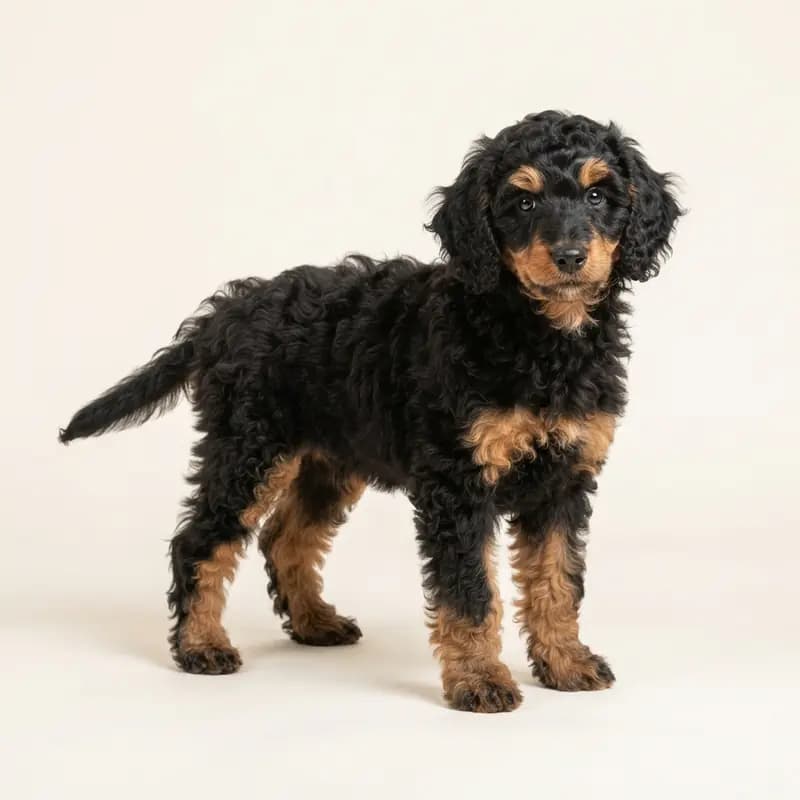
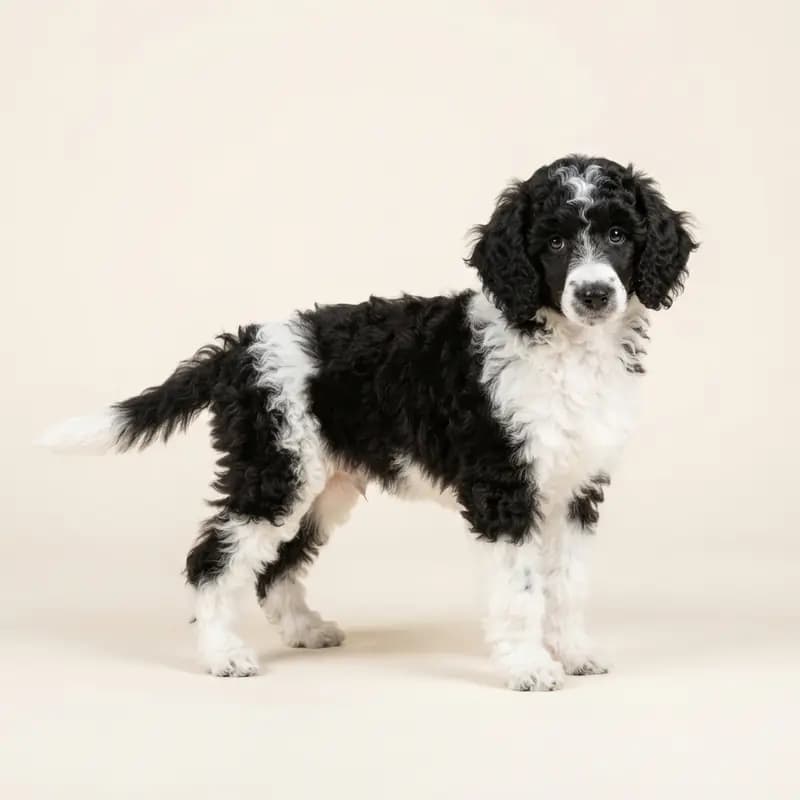
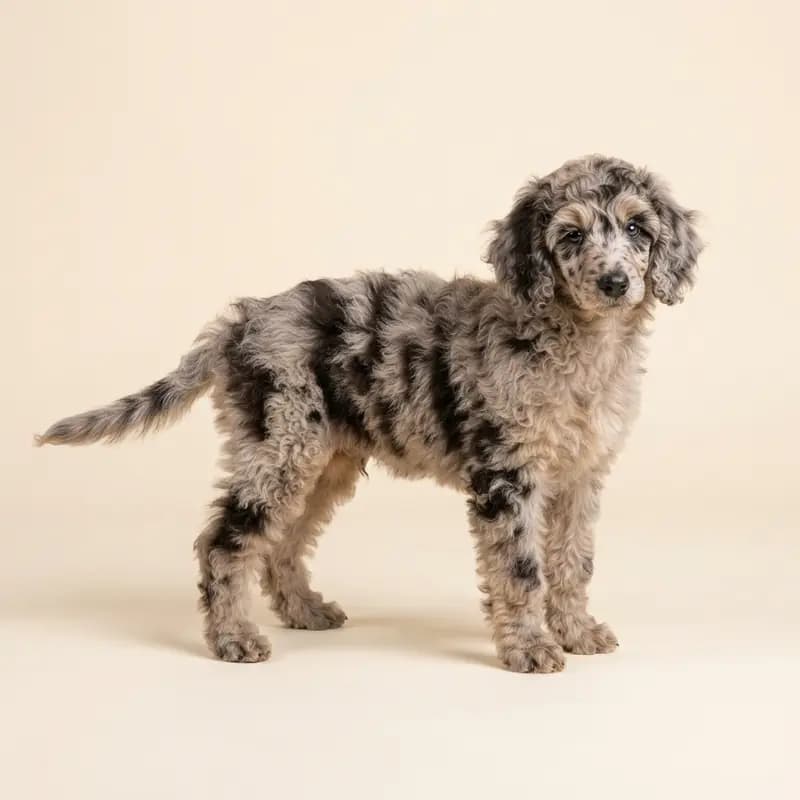
What colors does the Poodle come in?
The coat colors you will see in Poodle litters — including which ones fall outside the breed standard and which carry genetic risk.
Eye colors
 Brown
Brown Amber
Amber
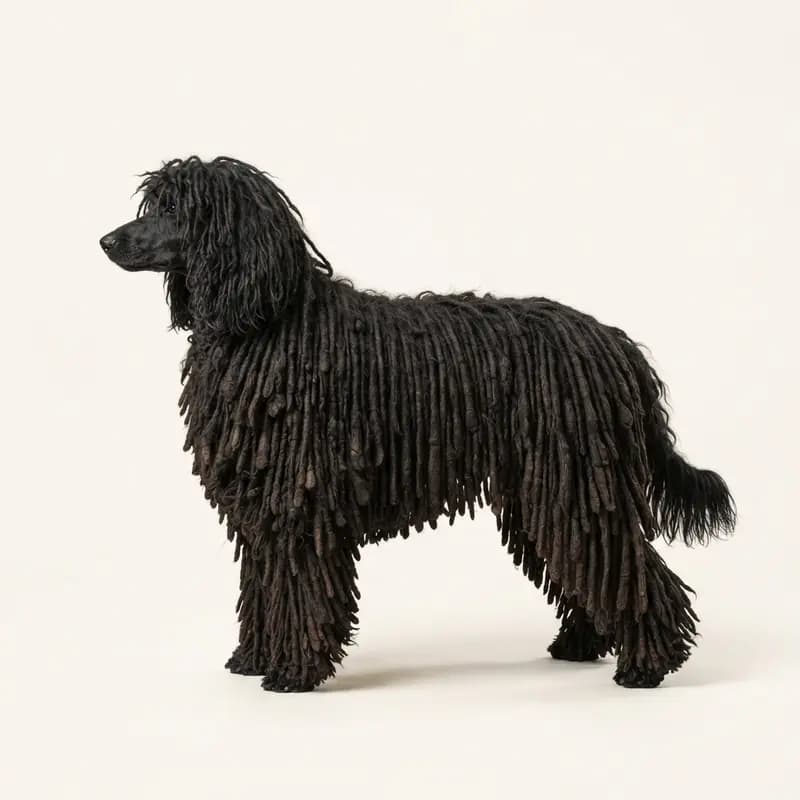
Coat type
 Illustrative image
Curly
 Illustrative image
Corded
Is the Poodle right for you?
The Poodle is a highly intelligent, extremely cooperative athlete—bred as a tireless Wasser-Apportierhund (water retriever), whose sharp mind often demands even more real tasks today than his legs do.
Perfect for you if:
- You want to incorporate daily mental stimulation, trick training, or scent games—his intelligent retrieving heritage will wither away with just simple walks around the block.
- You are prepared to invest time and money into professional grooming every six to eight weeks, but in return, you appreciate a dog that doesn't shed.
- You are looking for a sensitive companion who is deeply focused on you, reads your mood, and adapts seamlessly.
- You are looking for an athletic partner for agility or obedience who learns at lightning speed and works with enthusiasm.
Less ideal if:
- You expect a dog that just tags along and keeps itself busy—his cooperative retrieving hardware demands constant collaboration.
- You find regular clipping, daily brushing, and picking burrs out after a walk in the woods to be a nuisance.
- You tend to have a loud, harsh training style—these highly sensitive dogs avoid conflict and will quickly shut down under harsh treatment.
- You are often away from home for long periods—he bonds extremely closely with his humans and suffers in silence when isolated.
The real vibes check
A Poodle is not a decorative plush toy, but a true athlete in a curly coat who is happier after a muddy walk in the woods than freshly groomed on the sofa. You get a highly sensitive overachiever who reads your every wish from your eyes—provided you take his sharp mind just as seriously as his demanding grooming needs.
Self-check
Would the Poodle really fit your life?
Answer 6 quick questions about your everyday life and see how well the Poodle fits you — including an honest cost estimate per month, per year, and across the dog's lifetime.
Fit checkCost estimateRisk dice
Takes about 1 minute · free & anonymous
Breed Profile
The Poodle is a magnificent and elegant dog that has an impressive appearance. With his upright posture, fine, curly fur and expressive face, he embodies grace and dignity. The breed belongs to FCI Group 9, Section 2, which includes companion and companion dogs. While there is no strict separation between performance and show lines, some breeders are more focused on appearance while others place more emphasis on working ability. However, Standard Poodles are talented in both areas and can excel both as show dogs and in dog sports.
All measurements in detail
- Height
- 24 - 60 cm (Female), 24 - 60 cm (Male)
- Weight
- 2 - 28 kg (Female), 2 - 30 kg (Male)
- Life Expectancy
- 12 - 15 yrs
- Character
- Intelligent, sensitive, elegant
- Coat
- Curly, dense, fine texture; no undercoat
- Coat Color
- White, Black, Brown, Gray, Apricot, Red
- Price
- 1500 - 2800 €
Character & Temperament
The Poodle is an extremely intelligent dog that is easy to train and learns quickly. This breed is known for its ability to form close bonds with its owners. They are very people-oriented and require regular interaction with their family. Standard Poodles also often get along well with children and other pets. When it comes to their temperament, Standard Poodles are generally even-tempered. They are not hyperactive, but they need regular exercise and mental stimulation to stay happy and healthy. One of their strengths is their versatility. Standard Poodles can be used in a variety of activities and dog sports, such as agility, obedience and even as therapy dogs. Their alertness and curiosity make them good watchdogs. However, they are not aggressive dogs and tend to be reserved but friendly towards strangers. Standard Poodles also have a certain level of independence, meaning they can learn to be alone for short periods of time. However, it is important to teach them how to deal with separation and to ensure that they are not left excessively alone. Since the Standard Poodle was originally bred as a water retrieving dog, it has a certain level of prey catching ability. This means he enjoys retrieving and has a natural love of water. It is important that you as a future owner are aware of this and provide opportunities to exercise these natural instincts.
| Trainability Bred to work closely alongside humans. | Highly trainable |
| Watchfulness Reports unusual activity but stays controlled. | Moderate |
| Openness to Strangers Neither pushily friendly nor suspicious. | Neutral |
| Hunting or Herding Drive Noticeable drive — needs attention around small animals. | Moderate |
Fun Fact!
Despite their elegant appearance and often luxurious treatment, Poodles were originally bred as water dogs. Their characteristic fur hairstyle was originally intended to protect the body in the water.
What Awaits You
Poodles are lively, very intelligent dogs that want to work. They enjoy working with people and need a lot of activity and exercise. They come in different sizes: Standard Poodle or Royal Poodle, Small Poodle (often called Standard Poodle), Toy Poodle and Toy Poodle. Teacup Poodles are so small that they suffer from many torturous breeding traits.
Housing & Care
Poodles are very adaptable dogs that can live happily in both the city and the country. In the city, they like to live in apartments as long as they get enough exercise and mental stimulation. Poodles are also very social animals and enjoy the company of people and other dogs. When it comes to children, Poodles are often patient and loving, but it is important that both the dog and the children know how to behave respectfully. Poodles can also get along well with cats and other pets, especially if they are raised together from an early age.
- Family Friendly
Lives for its family — the born family companion.
Ideal family dog - Child Friendly
Takes boisterous and affectionate children in its stride.
Patient with children - Dog Friendly
Actively enjoys the company of other dogs.
Dog-friendly - City Friendly
Small space, noise, lots of people — no problem at all.
Ideal city dog
Owning a dog is a privilege, but it's also a real responsibility. Before you bring one into your life, be honest with yourself about the commitment it takes.
Training & Education
Poodles are intelligent, agile and docile dogs that excel in various dog sports and activities. They can be used in agility, obedience or as therapy dogs. This breed loves to keep busy and learn, so mental stimulation is essential. However, Poodles tend to be very enthusiastic and there is a risk of them becoming too fixated on a particular activity. It is therefore important to find a balance and teach them how to be calm and relax. Frustration tolerance and impulse control are particularly important for Poodles. It is advisable to start training early and use positive reinforcement. Because poodles are intelligent dogs, it is important to keep training varied and challenging. It is also important to understand that Poodles were originally bred as water dogs and therefore have a natural inclination towards fetching and swimming. These skills can be developed in appropriate sports, but it is also important to offer alternatives to ensure that the dog does not become overly busy and develops a balanced personality.
Nutrition & Care
Poodles have relatively high energy requirements and require a balanced diet with high-quality proteins, fats, carbohydrates, vitamins and minerals. A proper diet not only supports overall health, but can also help minimize skin problems that are common in this breed. The Poodle's special trademark is its curly, dense coat. It is constantly growing, so the Poodle will need to be sheared every 2 to 6 weeks depending on the desired coat length. Long-haired poodles should be brushed several times a week to prevent the fur from becoming matted. The poodle hardly sheds and has no seasonal coat change. This makes him a good dog for allergy sufferers. Poodles do not have an undercoat, meaning a dog coat may be necessary in cold weather.
| Care Level Daily care is non-negotiable — neglect affects health. | Very high-maintenance |
| Exercise Needs Needs several hours of serious exercise every day. | Very active |
| Shedding No or minimal hair loss — suitable for allergy sufferers. | No shedding |
| Trainability Bred to work closely alongside humans. | Highly trainable |
Our experts are still reviewing this information. Spotted something wrong? Email us at info@honestdog.de.
Health & hereditary diseases
Health
B
Solid
Health grade
Poodles are generally considered a long-lived breed, but they do have a few typical health vulnerabilities that must be managed through consistent selective breeding. Progressive Retinal Atrophy (PRA-PRCD), which can lead to blindness, as well as joint issues such as patellar luxation and hip dysplasia (HD), require particular attention. However, thanks to established mandatory health tests, these risks can be very effectively minimized when purchasing a puppy from reputable breeders.
Grade is relative to other breeds — AI-assisted and editorially reviewed.
In daily life this can mean
You should expect more frequent vet visits, limit jumping from great heights, and budget for heart check-ups right from the start.
The breeder's role
Responsible breeders have the kneecaps and hearts of the parent animals thoroughly checked—however, the fundamental risks associated with extremely small lines cannot be completely eliminated.
Note: This health overview is AI-assisted and editorially reviewed. It is for orientation only and does not replace veterinary advice.
No Health Tests Available
No specific health tests are currently available for this breed.
Costs & where to find one
How much does a Poodle cost?
A Poodle costs around ~€190 per month (€100 – €350, depending on your setup). The first year adds up to roughly ~€5,220 including purchase, equipment and puppy school; across the dog's life (13.5 years) it comes to about ~€33,230.
With surgery cover, running costs come to about ~€180 per month — in return, your share of a major operation drops from several thousand euros to around 20 percent.
Per month
~€190
In the first year
~€5,220
Across the dog's life
~€33,230
Purchase from a breeder: €1,500 – €2,800
Estimate at a mid-range setup (suburban, dry food, 1–2 hours of daily exercise), average German prices, as of July 2026.
Calculate your personal costs1-minute self-check with your own answers
Looking for a Poodle?
Appearance, variants & origin
History
The full history
The Poodle is a breed with a long tradition, officially recognized by the Fédération Cynologique Internationale (FCI) as originating from France. Historically, however, there are close ties to Germany, which is reflected in the name: the term is derived from the old German word 'puddeln', meaning 'to splash in water'. Originally, from the early modern period onwards, the Poodle was bred as a specialized water dog for hunting waterfowl. To protect the dogs from hypothermia while working in cold water and to ensure their swimming ability was not hindered by a heavy, wet coat, the traditional clip was developed. The chest and joints were left coated for protection, while the hindquarters were shorn. During the 18th century, the breed's role shifted. Due to its exceptional trainability and friendly nature, the Poodle became a highly popular companion dog, particularly among the French nobility. Later, it also achieved great success as a circus dog. Systematic breeding and registration began in the late 19th century. The British Kennel Club registered the Poodle as early as 1874, while official international recognition by the FCI, founded in 1911, followed later. Today, the breed is valued in four size varieties as a versatile companion dog.
Original Use
The Poodle was originally used as a water dog for hunting waterfowl. Due to its intelligence and friendly nature, it later became a popular companion dog.
Origin
Germany/France
Date
1500
Owner experiences
What owners say about the Poodle
Andreas K., Halter aus der Steiermark (Großpudel-Rüde Gizmo)
Als Gizmo bei uns einzog, war ich sofort von seiner extremen Intelligenz und Lernbereitschaft begeistert. Egal ob Trickdogging, Agility oder einfach neue Kommandos im Alltag – er begreift alles in Sekundenschnelle und will vom Kopf her richtig gefordert werden. Diese Rasse hat wirklich Nerven wie Drahtseile und einen unglaublich feinen, menschenbezogenen Charakter.
Aber man darf die Erziehung keinesfalls auf die leichte Schulter nehmen. Königspudelrüden können phasenweise sehr dominant sein und fordern eine konsequente, aber absolut gewaltfreie Führung. Wenn man hier mit zu viel Härte agiert, schaltet der Pudel auf stur und blockiert völlig. Man muss genau den goldenen Mittelweg zwischen Konsequenz und Sanftheit finden.
Ein weiterer Punkt, den viele unterschätzen, ist die Fellpflege. Wenn man das Fell nicht extrem regelmäßig bürstet und pflegt, verfilzt es unglaublich schnell und sieht unansehnlich aus. Wer sich einen Großpudel anschafft, sollte sich bewusst sein, dass die Schur und das Kämmen feste Termine im Kalender werden. Für uns ist er trotzdem der absolute Traumhund!
Susanne F., Halterin aus Hessen (Großpudel-Hündin Chira)
Ich muss immer schmunzeln, wenn Leute behaupten, Pudel hätten überhaupt keinen Jagdtrieb. Meine Hündin Chira beweist täglich das Gegenteil! Sie ist eine leidenschaftliche Sichtjägerin. Sobald sich im Wald oder auf dem Feld ein Vogel, ein Hase oder ein Reh schnell bewegt, ist sie sofort im Jagdmodus. Sie nimmt auch sehr fein Fährten mit tiefer Nase auf und zeigt typisches Vorstehverhalten.
Der große Vorteil beim Pudel ist aber, dass dieser Trieb durch ihre enorme Menschenbezogenheit und Kooperationsbereitschaft sehr gut kontrollierbar ist. Wir haben von Anfang an viel mit dem Dummy gearbeitet und bieten ihr alternative Beschäftigungen. Dadurch lässt sie sich heute in den allermeisten Situationen hervorragend abrufen.
Wer einen reinen Couchpotato sucht, wird mit einem Großpudel nicht glücklich. Sie sind extrem bewegungsfreudig, wendig und wollen sowohl körperlich als auch geistig ausgelastet werden. Für aktive Menschen, die gerne bei Wind und Wetter draußen sind und Lust auf Hundesport oder Apportiertraining haben, gibt es jedoch kaum einen besseren Begleiter.
Sonja M., Halterin aus Baden-Württemberg (Großpudel-Rüde Neo)
Wir haben uns bewusst für einen Großpudel entschieden, weil wir einen sportlichen Hund gesucht haben, der gleichzeitig im Haus gut zur Ruhe kommen kann. Und genau das haben wir bekommen: Beim Obedience und auf dem Hundeplatz ist er voll konzentriert und extrem arbeitswillig, aber zu Hause dreht er nicht am Rad, sondern schläft völlig entspannt in seinem Körbchen.
Was wir allerdings völlig unterschätzt haben, ist das Thema Fellpflege. Uns war klar, dass ein Pudel regelmäßig geschoren werden muss. Aber wie unfassbar schnell das Fell im Alltag verfilzt – besonders nach Spaziergängen im Unterholz oder bei feuchtem Wetter –, hat uns kalt erwischt. Ohne tägliches, gründliches Bürsten geht hier gar nichts.
Zudem merkt man einfach, wie klug diese Hunde sind. Das ist Fluch und Segen zugleich: Er lernt erwünschte Dinge in Rekordzeit, durchschaut aber auch jede Inkonsequenz sofort und nutzt Erziehungslücken clever aus. Man muss geistig immer einen Schritt schneller sein als der eigene Hund!
Paraphrased from real owner reports
Loading owner stories
Community Posts
FAQ & more
Frequently asked questions about the Poodle
Is a Pudel the right dog for me?
The Pudel is an active dog that needs plenty of exercise and mental stimulation. Research the temperament, grooming needs, and space requirements before deciding.
How long does a Pudel live?
The average life expectancy of a Pudel is 12-15 years. With proper care and regular vet visits, your dog can live a long, healthy life.
How much grooming does a Pudel need?
Pudel grooming requirements include regular brushing, nail trimming, and dental care. HonestDog provides detailed grooming tips for every breed.
Is a Pudel good for families with children?
The Pudel can be a great family dog. Proper training and socialization are key. HonestDog provides family suitability information for every breed.
What colors does the Pudel come in?
The Pudel comes in these colors: Black, White, Brown, Grey, Fawn, Apricot, Red, Silver, Cream, Black and tan, Black and white, Merle. Colors that fall outside the breed standard are marked as such on the breed page.
Loading related articles
Are you a Poodle breeder?
Showcase your kennel on HonestDog and reach families searching for a responsibly bred Poodle.
Why HonestDog?
What makes HonestDog different from other platforms
Full transparency
We lay out what we have: who the breeder is, how they work, and any health records they've uploaded. So you can judge for yourself.
Responsible breeding, assured
Every breeder on HonestDog has their identity and documents checked before their profile goes live. Health records they upload are shown on the profile, so you can see exactly what has been tested.
Trust and verification
We verify breeders and buyers alike, so every conversation happens on solid ground. It's a new standard of trust in dog breeding.
Less hassle, more time
We've already checked the breeders' documents and gathered the details, so you can skip the endless research and focus on finding the right puppy for your family.
Our Mission

We connect dog lovers with responsible breeders and shelters to ensure every dog finds the perfect home.
Founded by dog enthusiasts, our platform focuses on ethical dog breeding and adoption.
Why HonestDog?
We connect you with vetted breeders and shelters so you can find your — your new companion — with confidence.
Vetted Partners
Only verified breeders and shelters — for a safe start.
Highest Standards
Every animal's health and wellbeing is our top priority.
Guides & Resources
Guides, checklists, and breed profiles — so you can make a well-informed decision.