Loading breed
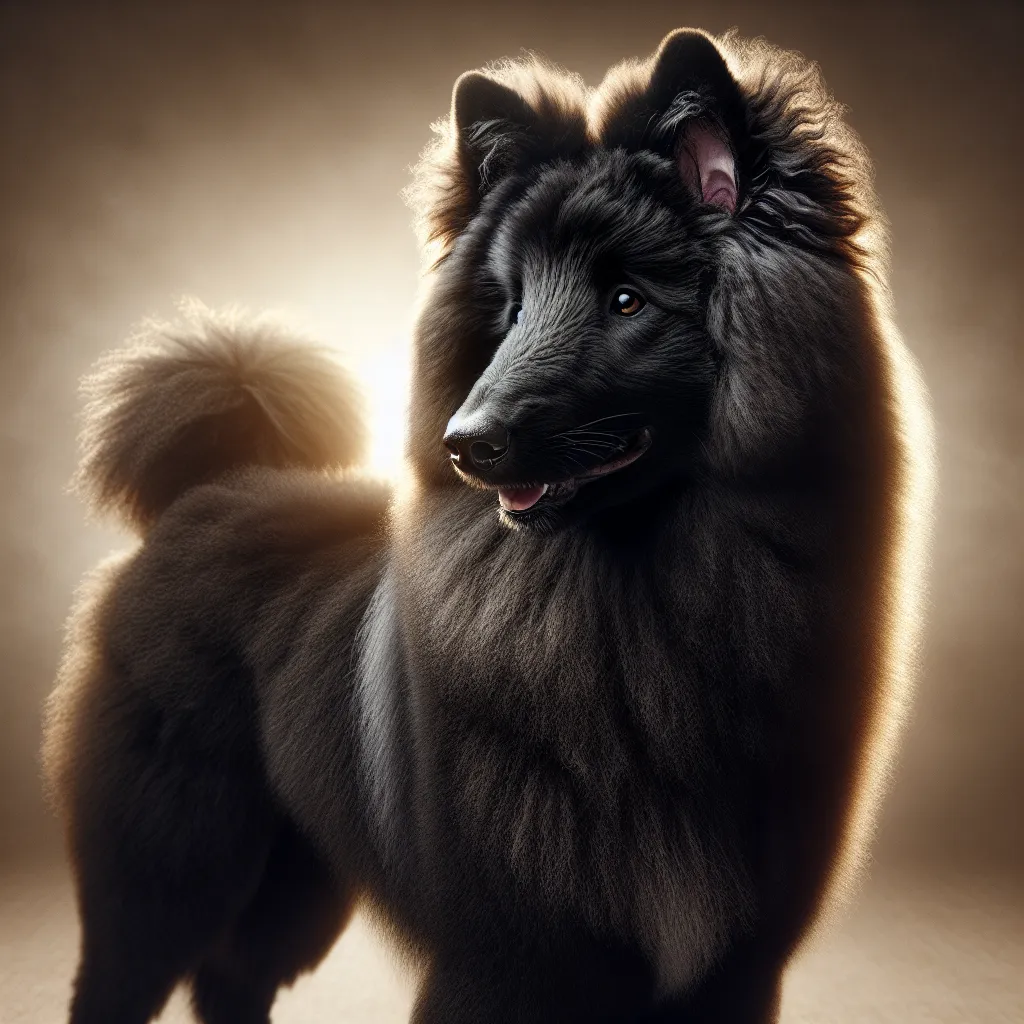
Poitevin
Health grade AThe Poitevin is a highly athletic, tireless scent hound and pack dog—bred to hunt deer in large groups with endurance and lightning speed. It is a pure performance machine, built for pack life rather than the sofa.
- Height60–71 cm
- Weight30–35 kg
- Life expectancy11–13 yrs
- Puppy price1,500–2,500 €
- Energy5/5
The Essentials at a Glance
The Poitevin is a highly athletic, tireless scent hound and pack dog—bred to hunt deer in large groups with endurance and lightning speed. It is a pure performance machine, built for pack life rather than the sofa.
- Health grade A: The Poitevin is considered a very primitive and robust scenthound, for which, however, no specific mandatory genetic tests exist.
- You are not looking for a classic companion dog, but a highly specialized hunting dog for active blood tracking or high-level mantrailing.
- You already keep other dogs and can offer it a life in a pack that satisfies its deeply ingrained pack instinct.
- You expect a dog that remains reliably recallable during forest walks—once this scent hound picks up a trail, it switches into work mode and tunes you out.
Is the Poitevin right for you?
At a glance
Poitevin overview
The essentials — key facts, traits, and health priorities — before you dive deeper.
Health grade
Relative to other breeds
S
A
B
C
D
E
Very healthyHigher risk
Very healthy — limited common concerns.
See full health info & tests →
Note: This health overview is AI-assisted and editorially reviewed. It is for orientation only and does not replace veterinary advice.
Lifespan
11–13 yrs
Height
60–71 cm
Weight
30–35 kg
Practical
- Puppy price: 1,500 – 2,500 €
- Coat: Medium length, dense, undercoat present
- Origin: France
Temperament
Energy
Trainability
Family fit
With kids
Daily life
Care effort
Shedding
Barking
City-friendly
Guard instinct
What matters most
Especially with a Poitevin, choosing the right breeder is the single most important decision you'll make. Serious breeders consistently test the parents for inherited conditions, prioritize healthy early socialization, and stay accountable long after handover. A cheap puppy without health screening tends to become the most expensive dog later on.
See HonestDog breeder standards →Colors & coat
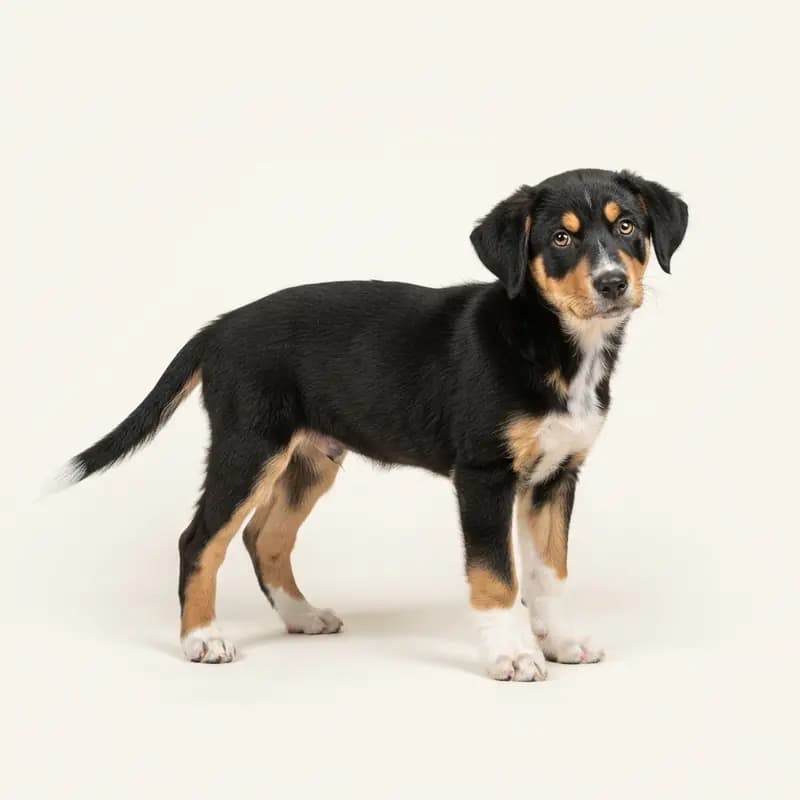
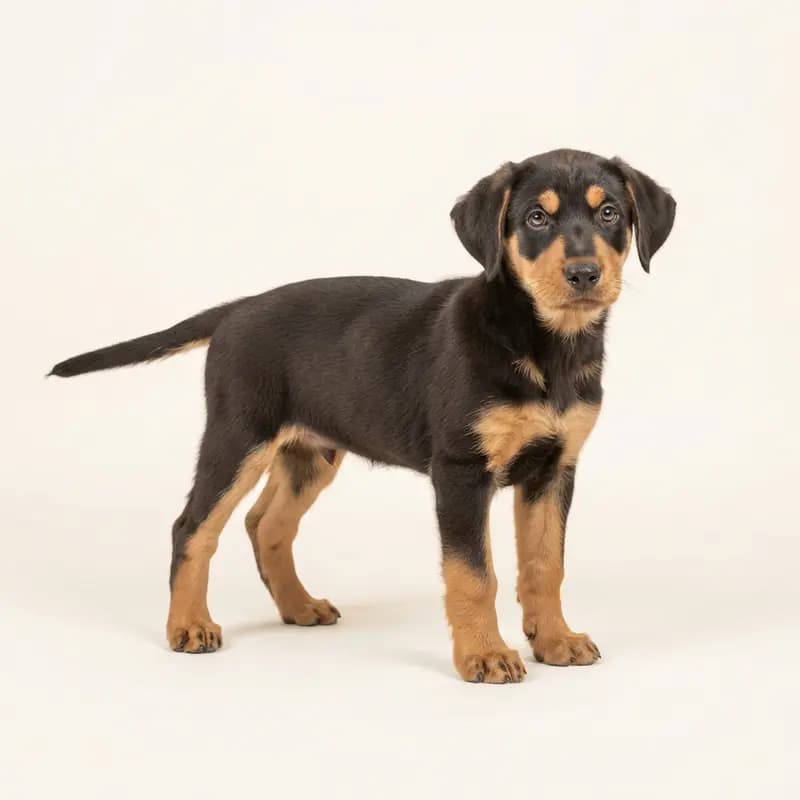
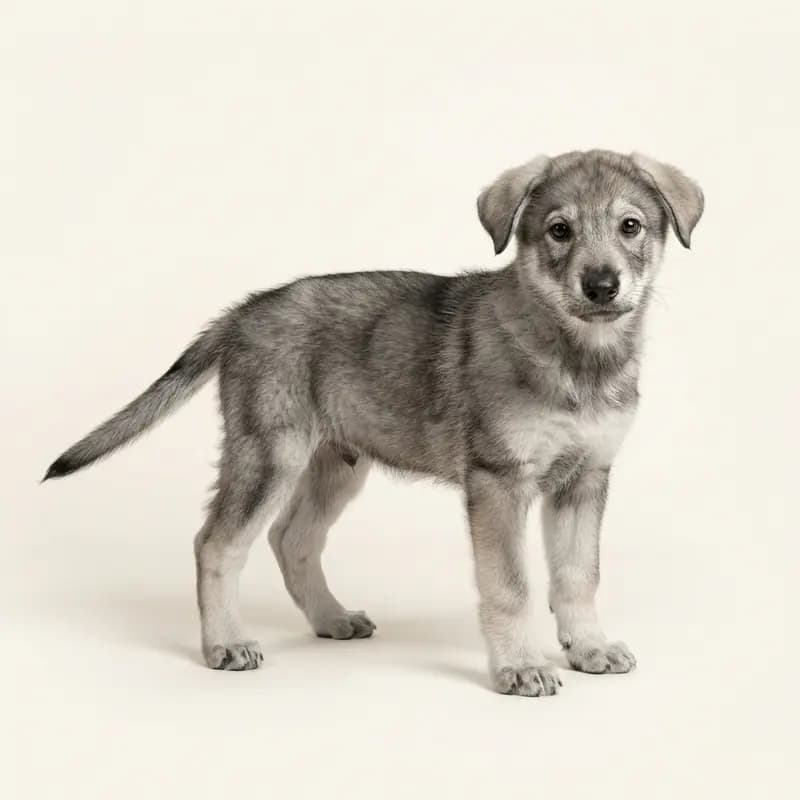
What colors does the Poitevin come in?
The coat colors you will see in Poitevin litters — including which ones fall outside the breed standard and which carry genetic risk.
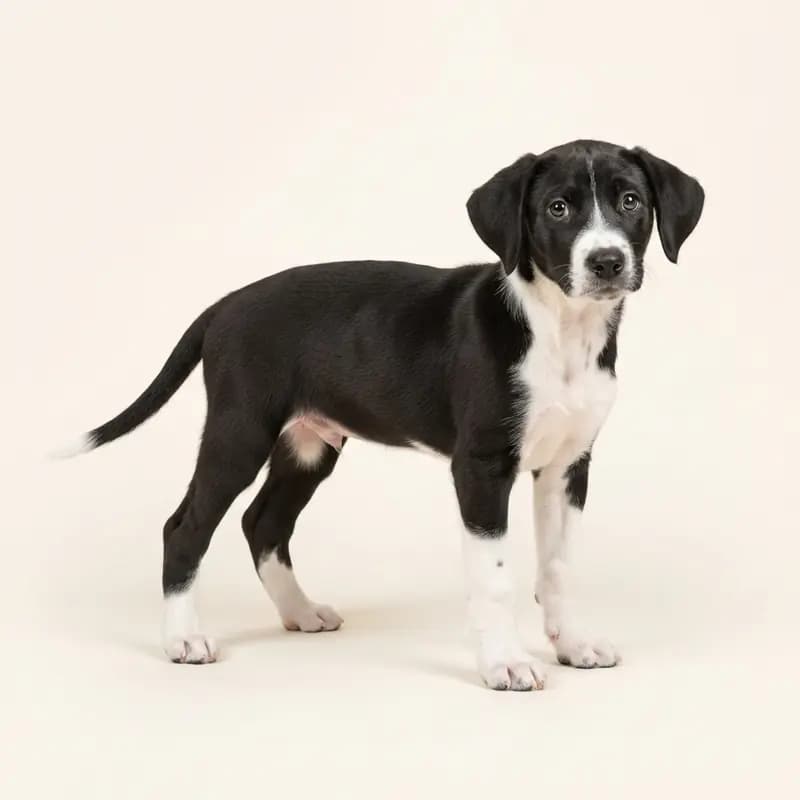
Eye colors
 Brown
Brown
Coat type
 Short
Short Smooth
Is the Poitevin right for you?
The Poitevin is a highly athletic, tireless scent hound and pack dog—bred to hunt deer in large groups with endurance and lightning speed. It is a pure performance machine, built for pack life rather than the sofa.
Perfect for you if:
- You are not looking for a classic companion dog, but a highly specialized hunting dog for active blood tracking or high-level mantrailing.
- You already keep other dogs and can offer it a life in a pack that satisfies its deeply ingrained pack instinct.
- You live in a rural area with an absolutely secure fenced property where it can move freely between tasks.
- You are a confident leader and have patience with a dog that makes independent decisions on the trail and does not possess a strong 'will-to-please'.
Less ideal if:
- You expect a dog that remains reliably recallable during forest walks—once this scent hound picks up a trail, it switches into work mode and tunes you out.
- You plan to leave it alone in an apartment for hours as a single dog, which is pure stress for this type of hardware.
- You live in an urban environment or a thin-walled apartment where its piercing baying will lead to massive problems with neighbors.
The real vibes check
A Poitevin is like a Formula 1 car on four paws: built for extreme speeds, long distances, and pure performance, not for dense city traffic. It is not a cuddly pet that wants to please you, but a highly specialized athlete designed for pack dynamics. If you cannot keep it busy with hunting or a comparable extreme sport, this majestic dog will simply wither away in a normal family daily routine.
Self-check
Would the Poitevin really fit your life?
Answer 6 quick questions about your everyday life and see how well the Poitevin fits you — including an honest cost estimate per month, per year, and across the dog's lifetime.
Fit checkCost estimateRisk dice
Takes about 1 minute · free & anonymous
Breed Profile
The Poitevin is an elegant and enduring hound breed from France that belongs to FCI Group 6, Section 1 (hounds). Originally, the Poitevin was bred for hunting large game, especially wolves, and is characterized by its speed, endurance, and keen sense of smell. Its slender, muscular build with long legs and a low-set, slightly curved tail enables high agility and speed. The short, shiny coat is usually tricolored – black, white, and tan – giving it a distinctive appearance. Within the breed, there are different lines that may vary slightly in hunting behavior and appearance, but all Poitevins are loyal, hardworking companions who require plenty of exercise and mental stimulation.
All measurements in detail
- Height
- 60 - 70 cm (Female), 62 - 71 cm (Male)
- Weight
- 30 - 35 kg (Female), 30 - 35 kg (Male)
- Life Expectancy
- 11 - 13 yrs
- Character
- Loyal, intelligent, self-confident
- Coat
- Medium length, dense, undercoat present
- Coat Color
- All colors are allowed; hard, dense, wiry, medium length
- Price
- 1500 - 2500 €
Character & Temperament
The Poitevin is a lively and enduring hunting dog with a friendly and balanced temperament. He is very people-oriented and shows a close bond with his family, especially appreciating contact with active people. Due to his hunting drive and high motivation, he enjoys working closely with his owner and is excellent for tracking and field work. The Poitevin is intelligent and eager to learn but requires consistent and loving training to manage his temperament well. He has a strong need for exercise and requires a lot of physical and mental activity to remain balanced. Without sufficient engagement, he can become restless or destructive. His prey drive is strongly pronounced, making him a passionate pursuer, but this behavior can be well controlled through targeted training. The Poitevin is not a typical guard dog but shows natural alertness and reliably alerts to strangers. Overall, he is a loyal and active companion, particularly suitable for experienced dog owners who can support his hunting instincts and provide him with enough activity.
| Trainability Has its own ideas and will test limits. | Strong-willed |
| Watchfulness Occasionally alerts but is fundamentally open. | Low |
| Openness to Strangers Neither pushily friendly nor suspicious. | Neutral |
| Hunting or Herding Drive This drive runs deep — no amount of training eliminates it. | Very strong |
Fun Fact!
Poitevin: The Poitevin is a French hound with impressive endurance, originally bred for hunting wild boar. With its long legs and distinctive, melodic bark, it is not only an excellent hunting companion but also a real charmer in the dog world!
What Awaits You
The Poitevin is a lively and enduring hunting dog, especially valued for tracking and pursuing game. It is characterized by its good nose and strong hunting instinct. Poitevins are friendly and affectionate but require consistent training and sufficient exercise. They are well suited for active families and hunters looking for a reliable companion in the field.
Housing & Care
Poitevins are friendly and balanced dogs that are well suited as family dogs. They are generally compatible with children and other pets if socialized early. Due to their working background, they require regular exercise and mental stimulation to remain balanced and content. Purely apartment living is less ideal; a house with a garden or regular outings outdoors are recommended. Poitevins are affectionate and enjoy being close to their people, which is why shared activities are important to strengthen their bond.
- Family Friendly
Gets on well with different people and varying routines.
Family-friendly - Child Friendly
Gets on well with children — with adult supervision.
With supervision - Dog Friendly
Actively enjoys the company of other dogs.
Dog-friendly - City Friendly
Suffers in tight urban conditions.
Needs the countryside
Owning a dog is a privilege, but it's also a real responsibility. Before you bring one into your life, be honest with yourself about the commitment it takes.
Training & Education
Poitevin: Poitevins are intelligent and eager-to-learn dogs that require consistent but loving training. They benefit from varied training that offers both physical and mental challenges. Similar to Labradors and German Shepherds, it is important not to overwhelm the Poitevin but to provide clear structures and periods of rest. The breed shows a natural joy of working and is well suited for dog sports such as obedience or tracking. Due to their strong hunting drive, it is important to promote impulse control and frustration tolerance early on to avoid unwanted behavior. A positive, reward-based training method strengthens the bond between you and your Poitevin and motivates him sustainably. Socialization and regular activity are essential for the Poitevin to remain balanced and content. With patience and commitment, you will gain a loyal, versatile companion who enjoys working and learning with you.
Nutrition & Care
Poitevin: The diet of the Poitevin should be balanced and nutrient-rich to support its energy and health. High-quality dog food that contains all essential vitamins and minerals is ideal. Make sure to adjust the amount of food according to the activity level, as the Poitevin is an active hunting dog and may have increased energy needs. The coat of the Poitevin is medium-length and dense, with a slight wavy texture. Regular brushing, about 2-3 times a week, helps keep the coat clean and free of tangles. Especially during the shedding seasons in spring and autumn, more intensive brushing is recommended to remove loose hairs. The Poitevin is well adapted to the Central European climate. Its coat protects it from the cold, but in very hot weather, sufficient shade and water should be provided to prevent overheating.
| Care Level Occasional brushing is all it takes. | Very low-maintenance |
| Exercise Needs Working-dog energy that needs burning off every single day. | High-drive |
| Shedding Regular shedding — dog hair on clothes is now normal. | Moderate |
| Trainability Has its own ideas and will test limits. | Strong-willed |
Our experts are still reviewing this information. Spotted something wrong? Email us at info@honestdog.de.
Health & hereditary diseases
Health
A
Robust
Health grade
The Poitevin is considered a very primitive and robust scenthound, for which, however, no specific mandatory genetic tests exist. Prospective buyers should primarily look out for hip dysplasia (HD) and the risk of gastric dilatation-volvulus (GDV), as these typical problems in large dogs are hardly monitored by breeders due to a lack of data. Ear infections are also a concern due to their heavy, pendulous ears.
Grade is relative to other breeds — AI-assisted and editorially reviewed.
In daily life this can mean
You should ensure the dog is raised in a way that is easy on the joints, check its floppy ears regularly, and enforce strict rest periods after feeding to prevent bloat.
The breeder's role
Reputable breeders have the hips and hearts of the parent animals tested and strictly pay attention to a history free of bloat when selecting their lines.
Note: This health overview is AI-assisted and editorially reviewed. It is for orientation only and does not replace veterinary advice.
No Health Tests Available
No specific health tests are currently available for this breed.
Costs & where to find one
How much does a Poitevin cost?
A Poitevin costs around ~€190 per month (€100 – €360, depending on your setup). The first year adds up to roughly ~€5,080 including purchase, equipment and puppy school; across the dog's life (12 years) it comes to about ~€29,850.
With surgery cover, running costs come to about ~€190 per month — in return, your share of a major operation drops from several thousand euros to around 20 percent.
Per month
~€190
In the first year
~€5,080
Across the dog's life
~€29,850
Purchase from a breeder: €1,500 – €2,500
Estimate at a mid-range setup (suburban, dry food, 1–2 hours of daily exercise), average German prices, as of July 2026.
Calculate your personal costs1-minute self-check with your own answers
Looking for a Poitevin?
HonestDog Concierge
No verified Poitevin breeders on HonestDog yet
We currently have no breeders for this breed who have passed our verification. Create your short buyer profile: we'll set up your search alert, review a possible source and email you within 28 days.
Appearance, variants & origin
History
The full history
The history of the Poitevin begins in the 17th century in the Poitou region of France. Originally, this dog breed was bred as a versatile hunting dog, particularly suited for hunting wild boar and hares. The Poitevin is characterized by its endurance, speed, and keen sense of smell. In the 19th century, the breed was further refined to improve its abilities as a pack dog. Despite some setbacks in popularity, the Poitevin has remained a valued hunting companion to this day and is still primarily used in France for traditional hunting.
Original Use
The Poitevin is a French hunting dog that was used to hunt wolves and other large game.
Origin
France
Date
1800
Owner experiences
What owners say about the Poitevin
Sarah M., Halterin aus Hessen (Rüde, seit 2021)
Als wir unseren Rüden vor ein paar Jahren bekamen, war mir klar, dass ein französischer Laufhund kein typischer Begleithund ist. Optisch ist er mit seinen knapp 70 cm Schulterhöhe und dem athletischen, eleganten Körperbau eine absolute Augenweide. Im Haus ist er unglaublich anhänglich, sensibel und zeigt sich im Umgang mit unseren Kindern extrem sanft und geduldig. Er liebt die Nähe zu seinen Menschen und fordert seine Streicheleinheiten regelrecht ein.
Die Kehrseite der Medaille zeigt sich, sobald wir die Haustür verlassen. Sein Jagdtrieb ist gigantisch. Freilauf ist bei uns absolut unmöglich, da er sofort in einen Tunnel gerät, wenn er eine Fährte in die Nase bekommt. Er läuft daher ausschließlich an einer 10-Meter-Schleppleine. Man muss sich darauf einstellen, dass diese Hunde extrem eigenständig denken und jagen wollen.
Die Erziehung erfordert unendlich viel Geduld und Tonnen von Leckerlis. Poitevins sind stur und kooperieren nur, wenn man eine echte Bindung zu ihnen aufbaut und über positive Verstärkung arbeitet. Druck oder Härte bewirken bei dieser sensiblen Rasse das genaue Gegenteil – er schaltet dann einfach komplett stur.
Dieter S., Halter aus dem Odenwald (Hündin, seit 2022)
Wir haben unsere Hündin über die Laufhunderettung adoptiert. Sie stammt ursprünglich aus einer französischen Meute und kam über den Tierschutz zu uns. Was sofort auffällt, ist ihre extreme Sozialverträglichkeit. Sie liebt andere Hunde über alles und zeigt keinerlei Aggressionen, da sie das Leben im Rudel gewohnt ist.
Allerdings brachte diese Herkunft auch Herausforderungen mit sich. Das Alleinbleiben war anfangs eine Katastrophe. Sie mag es überhaupt nicht, ohne Gesellschaft zu sein, und neigt dann dazu, ihre unverkennbare, sehr laute Laufhund-Stimme (die typische „Hurleur“-Stimme) einzusetzen. Für eine Mietwohnung ist diese Rasse daher absolut ungeeignet.
Sie ist kein Hund für Couchpotatoes. Wir sind täglich stundenlang im Odenwald unterwegs und lasten sie zusätzlich mit Suchspielen aus. Wer einen unkomplizierten Hund sucht, der einfach so nebenherläuft, wird mit einem Poitevin nicht glücklich. Wer aber einen treuen, sportlichen Partner sucht und viel Platz hat, findet in ihnen einen großartigen Gefährten.
Christiane B., Halterin aus Bayern (Rüde, 2011–2026)
Mein Poitevin-Rüde hat mich stolze 15 Jahre lang begleitet und ist erst kürzlich friedlich eingeschlafen. Für einen Hund dieser Größe (er wog knapp 34 kg) war er bis ins hohe Alter hinein extrem robust und wir mussten, abgesehen von den üblichen Alterserscheinungen am Ende, kaum je wegen schwerer Krankheiten zum Tierarzt. Die Rasse gilt zu Recht als sehr gesund und widerstandsfähig.
Das Leben mit ihm war jedoch ein tägliches Arbeiten an unserer Beziehung. Ein weiser Spruch, den ich mal im Forum gelesen habe, trifft es perfekt: Man muss *mit* ihnen arbeiten, man kann sie nicht *für sich* arbeiten lassen. Kadavergehorsam darf man nicht erwarten. Er war hochintelligent, hinterfragte aber jeden Befehl.
Wir haben über die Jahre hinweg viel Mantrailing gemacht, um seine feine Nase kontrolliert auszulasten. Wer bereit ist, sich auf die sensible, aber eigenwillige Natur dieser französischen Laufhunde einzulassen und kein Problem mit der Schleppleine hat, bekommt einen treuen Freund fürs Leben.
Paraphrased from real owner reports
Loading owner stories
FAQ & more
Frequently asked questions about the Poitevin
Is a Poitevin the right dog for me?
The Poitevin is an active dog that needs plenty of exercise and mental stimulation. Research the temperament, grooming needs, and space requirements before deciding.
How long does a Poitevin live?
The average life expectancy of a Poitevin is 11-13 years. With proper care and regular vet visits, your dog can live a long, healthy life.
How much grooming does a Poitevin need?
Poitevin grooming requirements include regular brushing, nail trimming, and dental care. HonestDog provides detailed grooming tips for every breed.
Is a Poitevin good for families with children?
The Poitevin can be a great family dog. Proper training and socialization are key. HonestDog provides family suitability information for every breed.
What colors does the Poitevin come in?
The Poitevin comes in these colors: Tricolor, Bicolor, Wolf grey, Black and white. Colors that fall outside the breed standard are marked as such on the breed page.
Loading related articles
Are you a Poitevin breeder?
Showcase your kennel on HonestDog and reach families searching for a responsibly bred Poitevin.
Why HonestDog?
What makes HonestDog different from other platforms
Full transparency
We lay out what we have: who the breeder is, how they work, and any health records they've uploaded. So you can judge for yourself.
Responsible breeding, assured
Every breeder on HonestDog has their identity and documents checked before their profile goes live. Health records they upload are shown on the profile, so you can see exactly what has been tested.
Trust and verification
We verify breeders and buyers alike, so every conversation happens on solid ground. It's a new standard of trust in dog breeding.
Less hassle, more time
We've already checked the breeders' documents and gathered the details, so you can skip the endless research and focus on finding the right puppy for your family.
Our Mission

We connect dog lovers with responsible breeders and shelters to ensure every dog finds the perfect home.
Founded by dog enthusiasts, our platform focuses on ethical dog breeding and adoption.
Why HonestDog?
We connect you with vetted breeders and shelters so you can find your — your new companion — with confidence.
Vetted Partners
Only verified breeders and shelters — for a safe start.
Highest Standards
Every animal's health and wellbeing is our top priority.
Guides & Resources
Guides, checklists, and breed profiles — so you can make a well-informed decision.