Loading breed
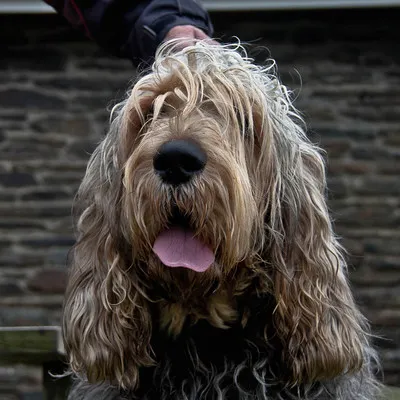
Otterhound
Health grade BThe Otterhund is a massive, extremely water-loving pack hound—bred for endurance hunting in cold water, equipped with a nose that can track scents even underwater, and a powerful voice.
- Height59–71 cm
- Weight29–54 kg
- Life expectancy10–13 yrs
- Puppy price1,800–3,000 €
- Energy4/5
The Essentials at a Glance
The Otterhund is a massive, extremely water-loving pack hound—bred for endurance hunting in cold water, equipped with a nose that can track scents even underwater, and a powerful voice.
- Health grade B: The rare Otterhound faces challenges due to its very small population, which increases the risk of hereditary diseases.
- You have a sense of humor and appreciate a large, independent clown who isn't programmed for blind obedience
- You incorporate daily scent work or extensive swimming sessions—no dog of this breed selection is satisfied with simple walks
- You expect him to have perfect recall near a stream or on a fresh trail—he was bred to follow a scent independently for hours
Is the Otterhound right for you?
At a glance
Otterhound overview
The essentials — key facts, traits, and health priorities — before you dive deeper.
Health grade
Relative to other breeds
S
A
B
C
D
E
Very healthyHigher risk
Solid — a handful of items a good breeder watches.
See full health info & tests →
Note: This health overview is AI-assisted and editorially reviewed. It is for orientation only and does not replace veterinary advice.
Lifespan
10–13 yrs
Height
59–71 cm
Weight
29–54 kg
Practical
- Puppy price: 1,800 – 3,000 €
- Coat: Dense, rough, with a water-repellent undercoat
- Origin: England
Temperament
Energy
Trainability
Family fit
With kids
Daily life
Care effort
Shedding
Barking
City-friendly
Guard instinct
What matters most
Especially with a Otterhound, choosing the right breeder is the single most important decision you'll make. Serious breeders consistently test the parents for inherited conditions, prioritize healthy early socialization, and stay accountable long after handover. A cheap puppy without health screening tends to become the most expensive dog later on.
See HonestDog breeder standards →Colors & coat
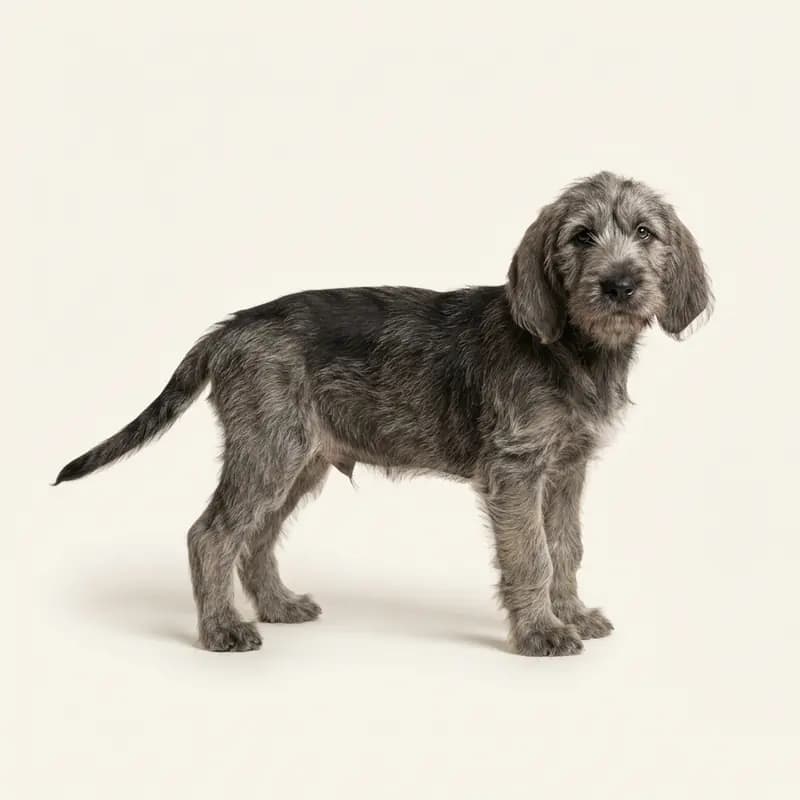
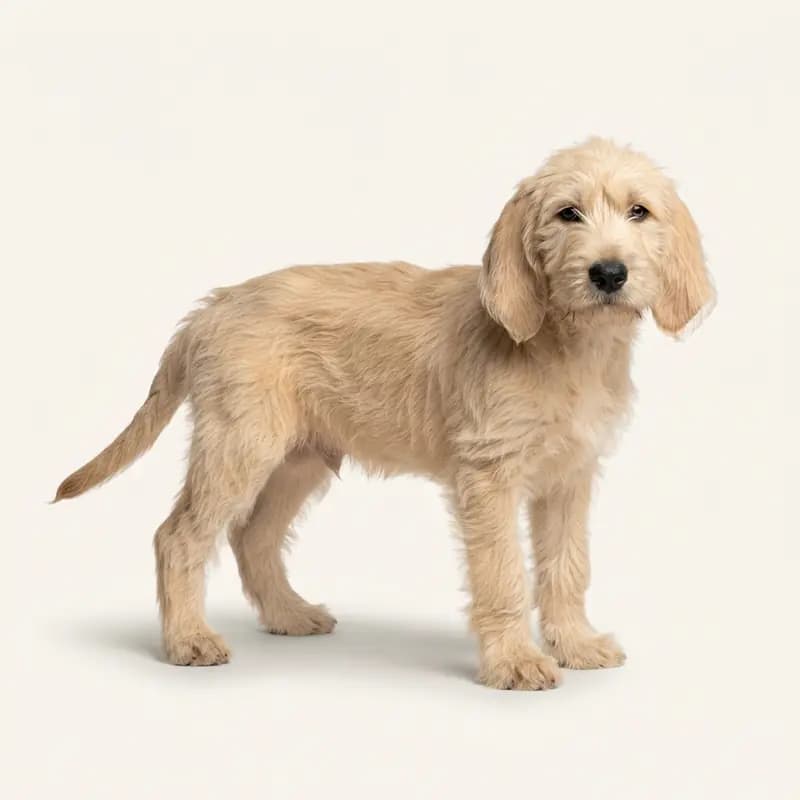
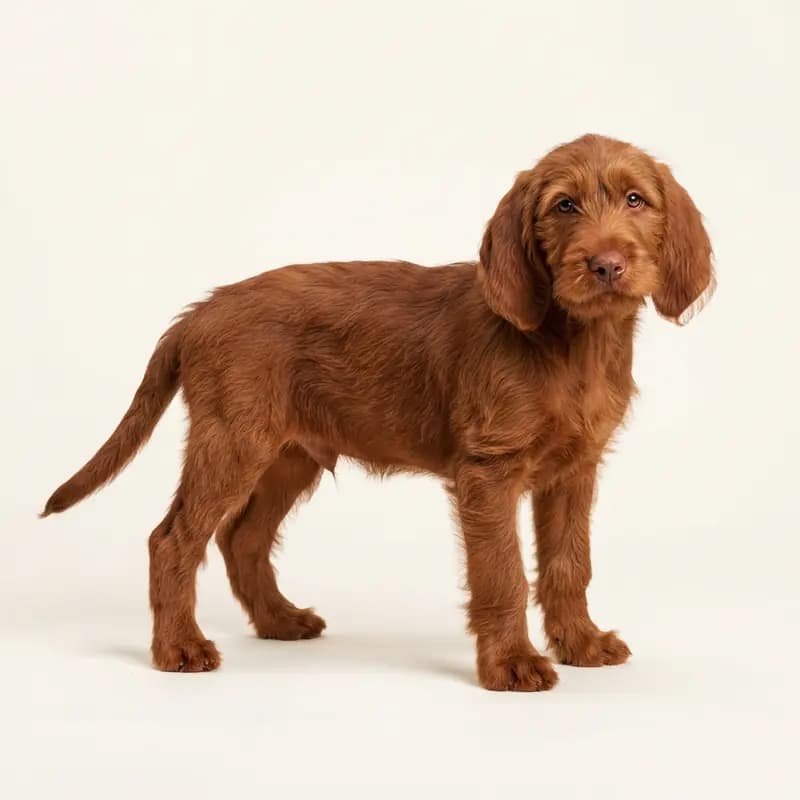
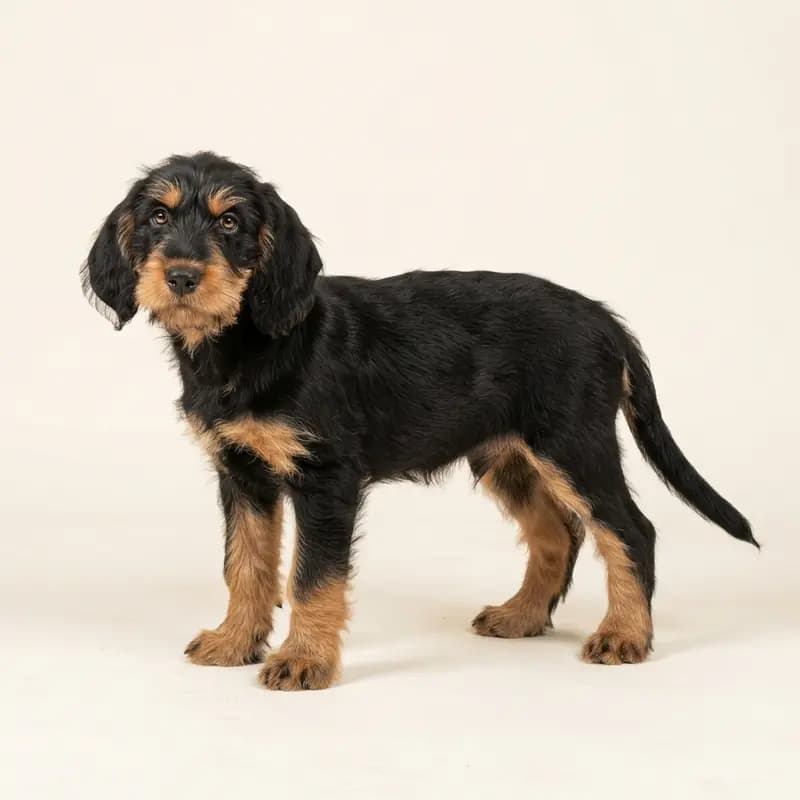
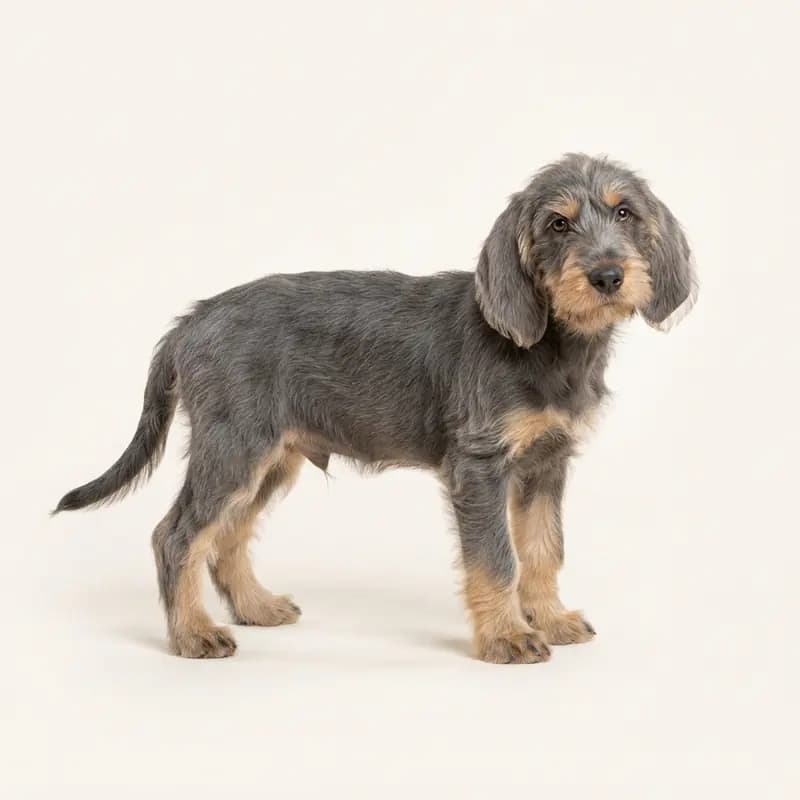
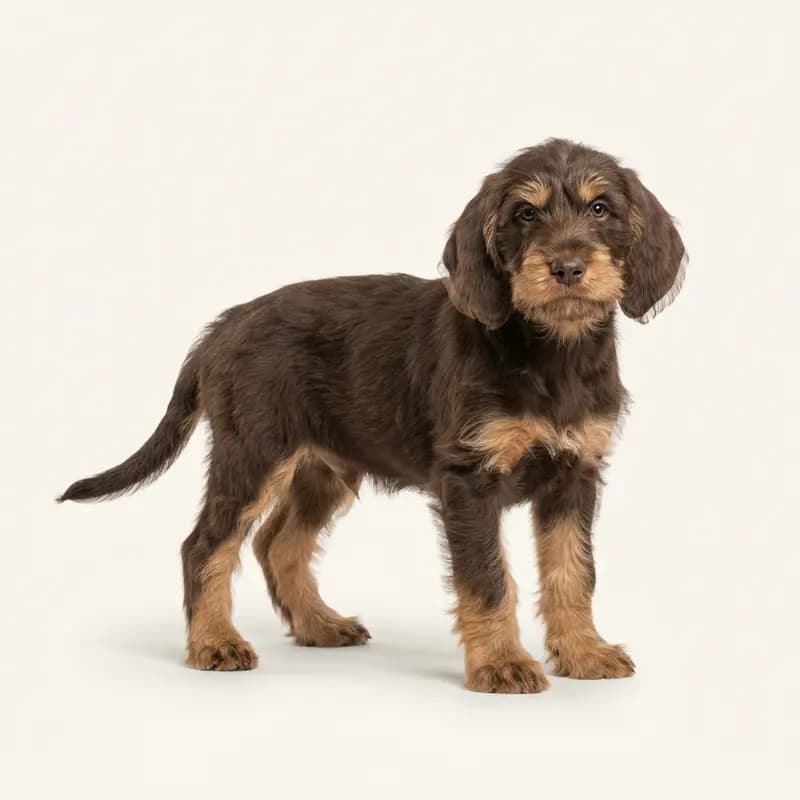
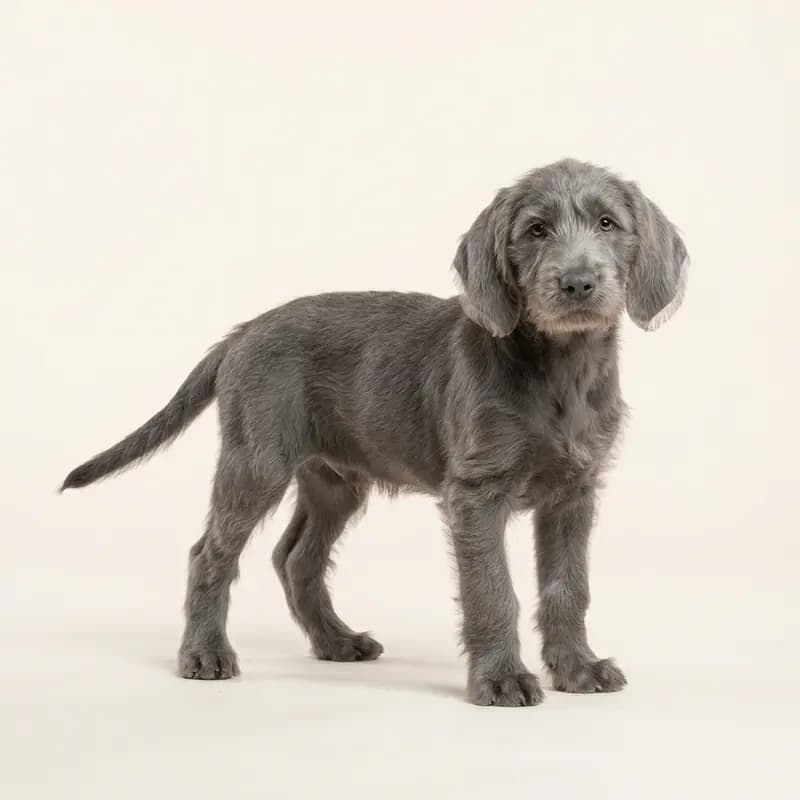
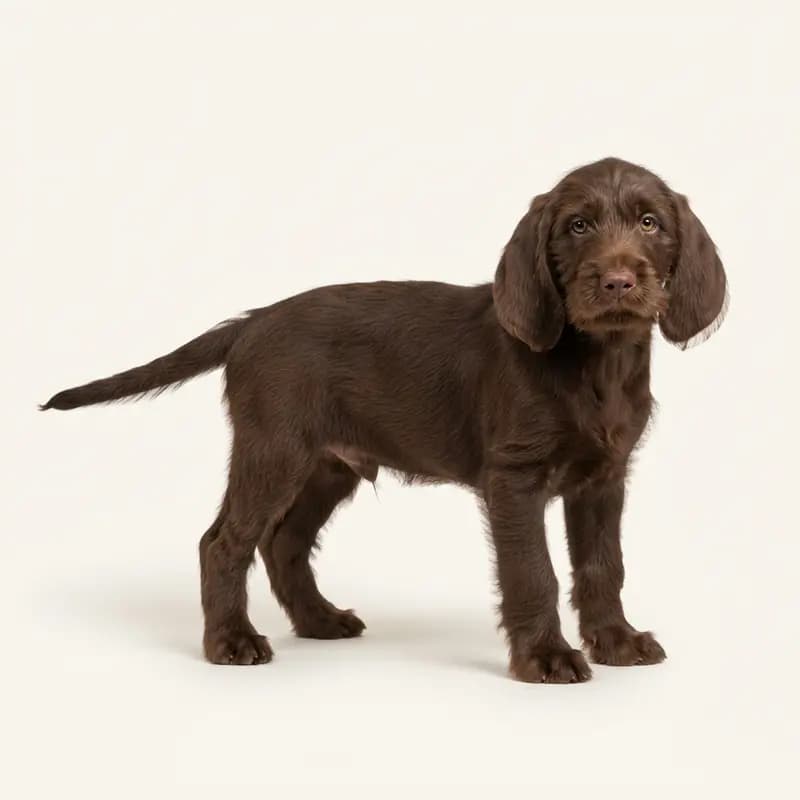
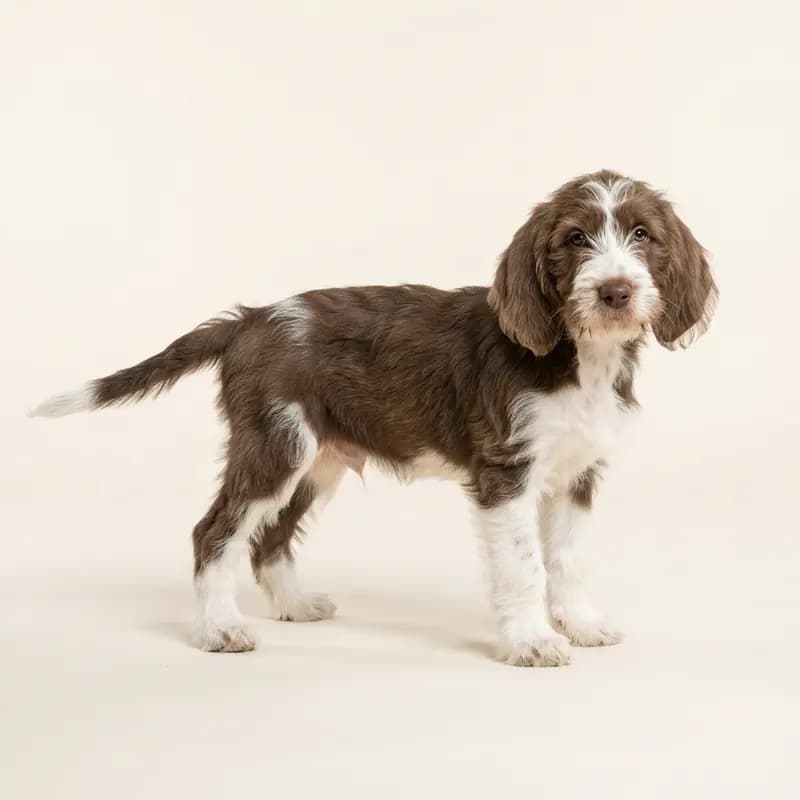
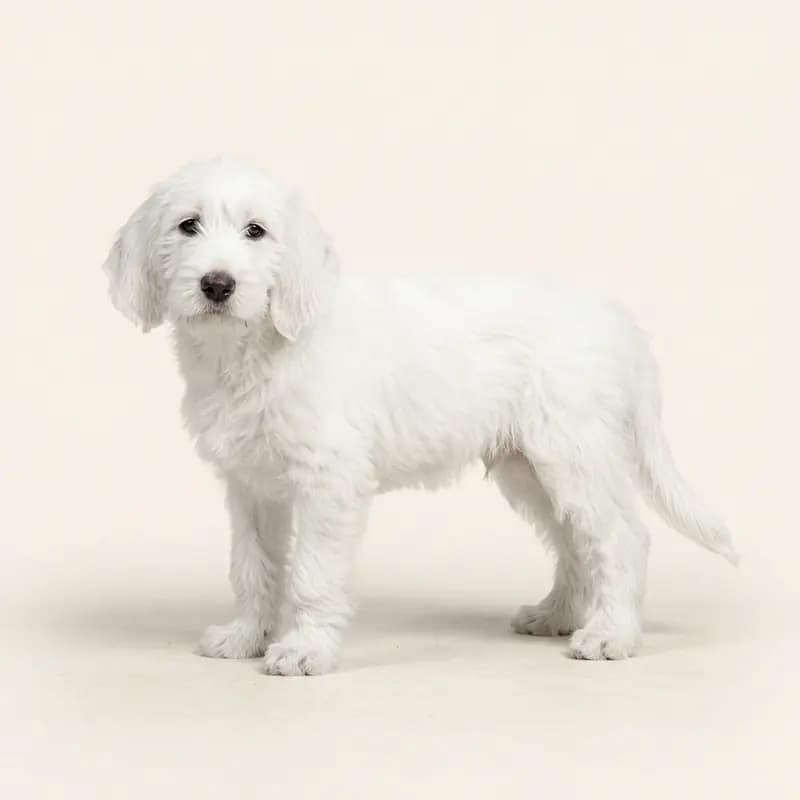
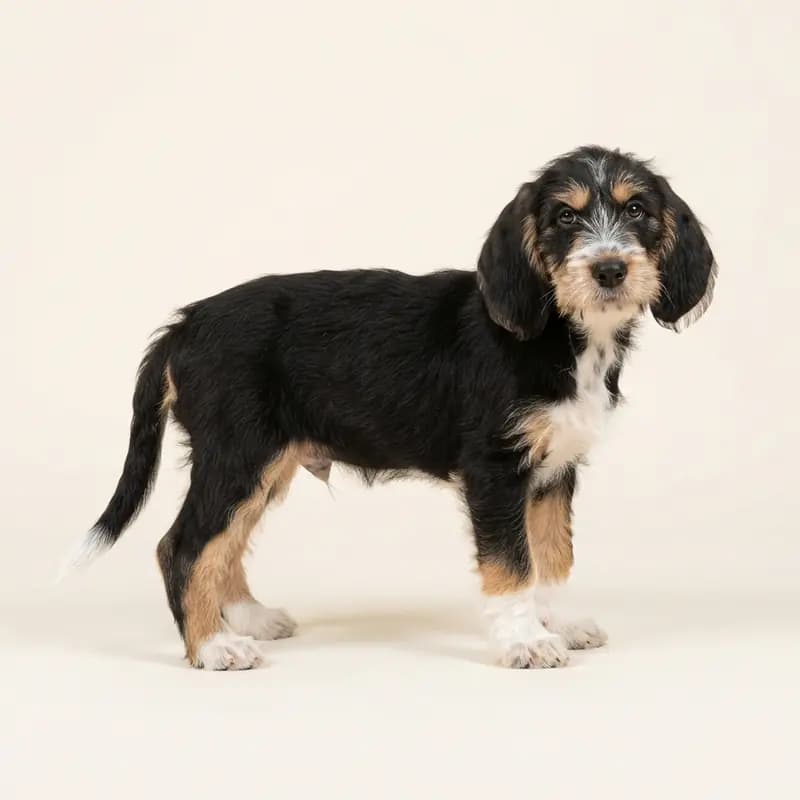
What colors does the Otterhound come in?
The coat colors you will see in Otterhound litters — including which ones fall outside the breed standard and which carry genetic risk.
Eye colors
 Brown
Brown Amber
Amber
Coat type
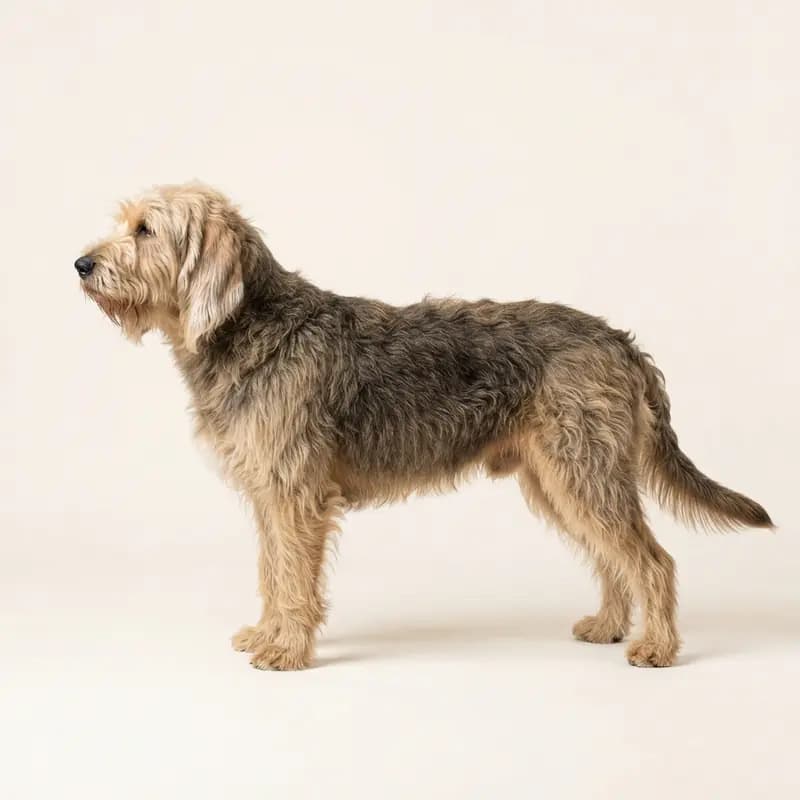 Illustrative image
Medium
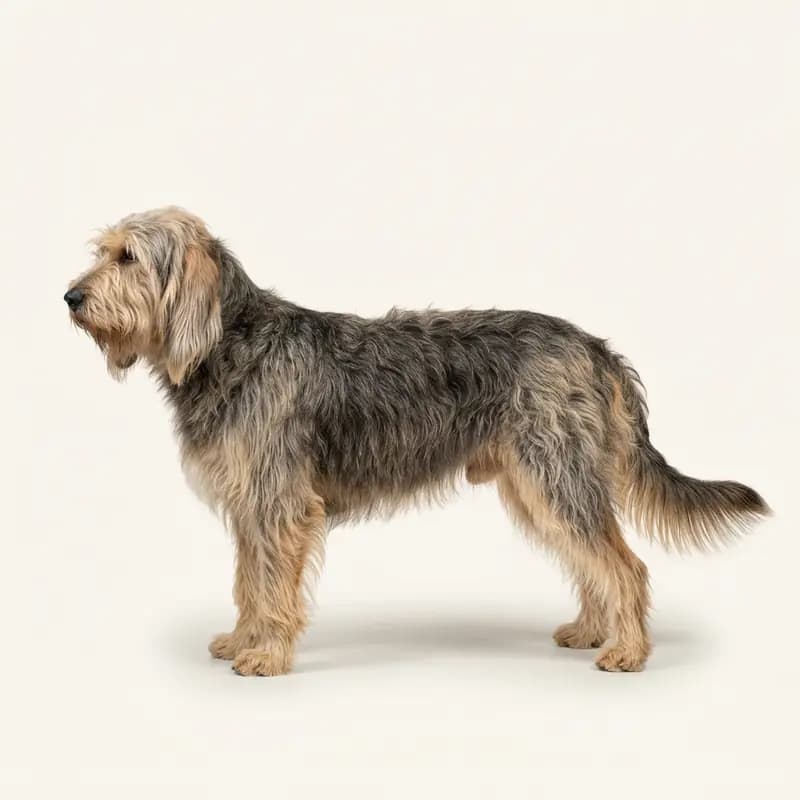 Illustrative image
Long
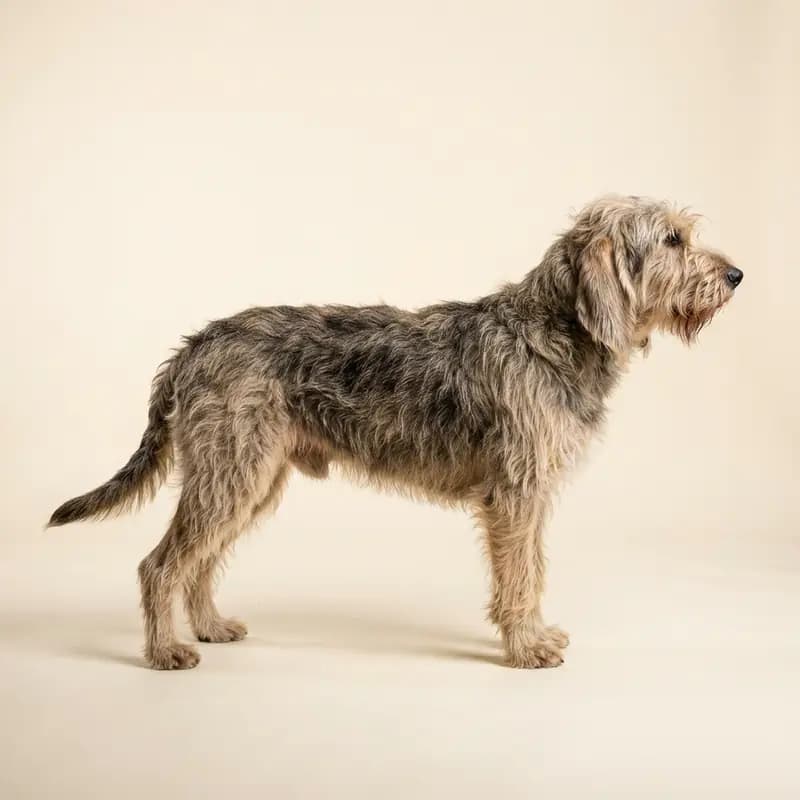 Illustrative image
Wire
 Double coat
Is the Otterhound right for you?
The Otterhund is a massive, extremely water-loving pack hound—bred for endurance hunting in cold water, equipped with a nose that can track scents even underwater, and a powerful voice.
Perfect for you if:
- You have a sense of humor and appreciate a large, independent clown who isn't programmed for blind obedience
- You incorporate daily scent work or extensive swimming sessions—no dog of this breed selection is satisfied with simple walks
- You have a house with a securely fenced garden where his deep, melodic barking won't bother anyone
- You don't have a problem with dirt, wetness, and the typical musky odor of an oily, water-repellent coat
Less ideal if:
- You expect him to have perfect recall near a stream or on a fresh trail—he was bred to follow a scent independently for hours
- You live in a thin-walled apartment—this breed communicates loudly; it is part of their genetic hardware
- You maintain a meticulously clean household where a wet, bearded dog that floods half the room after drinking would be a problem
The real vibes check
An Otterhund doesn't just go for a walk; he reads the landscape like an open book—preferably with his head in the mud or deep in the water. You aren't getting a dog that anticipates your every wish, but rather a charming outdoorsman with a mind of his own. If you embrace his wet chaos, you'll have the happiest companion ever; if you seek absolute control, he will drive you crazy.
Self-check
Would the Otterhound really fit your life?
Answer 6 quick questions about your everyday life and see how well the Otterhound fits you — including an honest cost estimate per month, per year, and across the dog's lifetime.
Fit checkCost estimateRisk dice
Takes about 1 minute · free & anonymous
Breed Profile
The otterhound is an imposing presence. With his strong build and bushy fur, he is reminiscent of a bear. He belongs to FCI Group 6, which also includes the running and bloodhounds. His large head with distinctive eyebrows and beard is striking. The Otterhound's coat is dense and rough, with a water-repellent undercoat that protects it from the cold and allows it to move well in the water. The paws are wide and webbed, making it an excellent swimmer. There is no distinction between performance and show lines in the Otterhound.
All measurements in detail
- Height
- 59 - 63 cm (Female), 67 - 71 cm (Male)
- Weight
- 29 - 48 kg (Female), 36 - 54 kg (Male)
- Life Expectancy
- 10 - 13 yrs
- Character
- Friendly, independent, stubborn
- Coat
- Dense, rough, with a water-repellent undercoat
- Coat Color
- Different shades of grizzly, sand, red, wheat
- Price
- 1800 - 3000 €
Character & Temperament
The Otterhound is a fascinating mix of friendliness and independence. He is naturally friendly and usually gets along well with people and other dogs. Its origins as a hunting dog gave it a certain tenacity and endurance that can still be seen in its character today. Because of his heritage as an otter hunter, the Otterhound loves the water. If you have a yard with a pond, or live near a lake or river, your Otterhound will likely take every opportunity to take a swim. This can be a wonderful way to provide your dog with exercise and activity, especially in the warmer months. The Otterhound is quite independent and often has a mind of its own. That doesn't mean he doesn't enjoy spending time with his family, but he's also happy when he's alone. This breed can learn to stay alone without causing problems, but it is important that they receive enough mental and physical stimulation to avoid boredom. Hunting and prey-catching behaviors are often pronounced in otter dogs. If he smells or sees something interesting, he may forget everything else and rush off. Therefore, it is important that you keep him in a safe environment and train him to control this behavior. His temperament is rather calm and relaxed. He's not a hyperactive dog, but that doesn't mean he doesn't have the urge to move. Regular walks and the opportunity to swim in the water are ideal for him. When it comes to alertness, the Otterhound shows a medium level. He will probably let you know when someone is at the door, but he is not an excessive barker and is not prone to being aggressive.
| Trainability Willing to learn with clear rules and regular training. | Balanced |
| Watchfulness Occasionally alerts but is fundamentally open. | Low |
| Openness to Strangers Warms up quickly and is generally welcoming. | Friendly |
| Hunting or Herding Drive Noticeable drive — needs attention around small animals. | Moderate |
Fun Fact!
Otter dogs have such a good nose that it is said they can track an otter's scent above water and even for several hours after the otter has left!
What Awaits You
The Otterhound is a highly passionate, independent hunting dog and should be kept busy and, ideally, hunted.
Housing & Care
The Otterhund is not necessarily the ideal city dog. He needs a lot of exercise and loves being outdoors. A house with a garden or close to parks and water would be ideal. Otter dogs are friendly and tolerable; small children are usually not a problem. However, they are quite large and can be boisterous, so it is important to supervise them when around children. As for other pets, the Otterhound can usually get along well with cats and other dogs if it is introduced to them from an early age. However, their hunting instinct can come into play with small animals such as rabbits or guinea pigs.
- Family Friendly
Lives for its family — the born family companion.
Ideal family dog - Child Friendly
Extraordinarily patient and loving — a true family dog.
Excellent with children - Dog Friendly
Actively enjoys the company of other dogs.
Dog-friendly - City Friendly
City-appropriate with enough exercise and stimulation.
Manageable in cities
Owning a dog is a privilege, but it's also a real responsibility. Before you bring one into your life, be honest with yourself about the commitment it takes.
Training & Education
Otterhounds are intelligent but often independent. It is important to start training early and be consistent. A lot can be achieved through positive reinforcement and patience. It is also important to provide the Otterhound with sufficient mental and physical stimulation to prevent boredom and destructive behavior. The Otterhound loves water activities, so swimming is a great way to exercise him. It is also important to pay attention to impulse control and frustration tolerance with this breed. Training should be focused on teaching the dog how to deal with frustration and how to control his impulses, especially in relation to his hunting instincts. The Otterhound can also become a “ball junkie,” so it is important to keep ball play in moderation and instead offer a variety of activities.
Nutrition & Care
Otterhounds are active dogs and their diet should be tailored accordingly. High-quality dog food with a balanced ratio of proteins, fats and carbohydrates is important. The breed is not prone to obesity, but appropriate feeding and regular exercise are crucial. In terms of grooming, the Otterhound has a dense undercoat and a coarse top coat. This fur is water-repellent and allows him to swim well in the water. The coat requires regular care to prevent matting and keep the skin healthy. Otterhounds shed moderately, but regular brushing can minimize hair loss. The climate in Germany is generally well tolerated by Otterhounds, especially in the cooler months.
| Care Level Regular brushing and occasional professional grooming. | Moderate |
| Exercise Needs Needs several hours of serious exercise every day. | Very active |
| Shedding Hair everywhere, always — no white clothing survives. | Very heavy |
| Trainability Willing to learn with clear rules and regular training. | Balanced |
Our experts are still reviewing this information. Spotted something wrong? Email us at info@honestdog.de.
Health & hereditary diseases
Health
B
Solid
Health grade
The rare Otterhound faces challenges due to its very small population, which increases the risk of hereditary diseases. Hip dysplasia (HD) and the life-threatening condition of gastric dilatation-volvulus (GDV) are particularly serious concerns for this large breed. Additionally, Glanzmann's thrombasthenia, a severe blood clotting disorder, can occur, but it is well-managed in breeding programs through targeted genetic testing. Prospective buyers should always ask breeders for proof of these mandatory health tests.
Grade is relative to other breeds — AI-assisted and editorially reviewed.
In daily life this can mean
You should ensure joint-friendly development during puppyhood and inform your veterinarian early on about the breed's predisposition to blood clotting disorders so that injuries or surgeries can be managed safely.
The breeder's role
Reputable breeders have the parents' hips, elbows, eyes, and blood clotting factors tested and strictly monitor for seizure-free lines to reduce risks within the small gene pool.
Note: This health overview is AI-assisted and editorially reviewed. It is for orientation only and does not replace veterinary advice.
No Health Tests Available
No specific health tests are currently available for this breed.
Costs & where to find one
How much does a Otterhound cost?
A Otterhound costs around ~€210 per month (€110 – €410, depending on your setup). The first year adds up to roughly ~€5,750 including purchase, equipment and puppy school; across the dog's life (11.5 years) it comes to about ~€32,230.
With surgery cover, running costs come to about ~€210 per month — in return, your share of a major operation drops from several thousand euros to around 20 percent.
Per month
~€210
In the first year
~€5,750
Across the dog's life
~€32,230
Purchase from a breeder: €1,800 – €3,000
Estimate at a mid-range setup (suburban, dry food, 1–2 hours of daily exercise), average German prices, as of July 2026.
Calculate your personal costs1-minute self-check with your own answers
Looking for a Otterhound?
HonestDog Concierge
No verified Otterhound breeders on HonestDog yet
We currently have no breeders for this breed who have passed our verification. Create your short buyer profile: we'll set up your search alert, review a possible source and email you within 28 days.
Appearance, variants & origin
History
The full history
The history of the Otterhound goes back a long way. It is believed to have originated in Britain, with roots possibly dating back to the 12th century. The Otterhound was bred specifically to hunt otters to protect fish populations in rivers and lakes. He has an excellent nose and the ability to work both on land and in water. In the 1970s, laws were passed in Britain to protect otters, which resulted in otter hunting being banned. This resulted in the Otterhound's popularity as a hunting dog declining. It was recognized as a separate breed at the beginning of the 20th century.
Original Use
The Otterhound was bred to hunt otters and other aquatic mammals.
Origin
England
Date
1800
Owner experiences
What owners say about the Otterhound
Sabine M., Halterin aus dem Sauerland (Rüde, seit 2021)
Ich habe mich damals unsterblich in das zottelige Aussehen des Otterhundes verliebt. Unser Rüde ist im Haus die Ruhe selbst – ein absolut liebenswürdiger, sanfter Riese, der auch mit unseren Kindern fantastisch auskommt. Er hat dieses typische, sonnige Gemüt und bringt uns jeden Tag zum Lachen. Er liebt es, einfach bei uns zu sein, ist aber auch überhaupt nicht aufdringlich und kann problemlos mal eine Zeit lang entspannt alleine bleiben.
Die große Herausforderung ist allerdings sein unbändiger Jagdtrieb und seine Nase. Sobald wir im Wald oder in der Nähe von Wasser unterwegs sind, ist er kaum noch zu bremsen. Wenn er eine Fährte wittert, vergisst er alles um sich herum. Ohne Leine laufen lassen? Das ist bei uns im waldreichen Gebiet absolut unmöglich. Man braucht wirklich jede Menge Geduld, Humor und eine sehr konsequente Hand, um diesen charmanten Dickkopf zu führen, da er extrem eigenständig ist.
Thomas W., Halter aus der Nähe von Hamburg (Hündin, seit 2022)
Wer sich einen Otterhund anschafft, muss sich darüber im Klaren sein, dass man sich ein echtes Energiebündel ins Haus holt. Unsere Hündin braucht täglich stundenlange Spaziergänge und geistige Auslastung, am besten über Nasenarbeit. Und Wasser ist ihr absolutes Lebenselement – sie lässt keine Pfütze, keinen Bach und keinen Fluss aus. Ihr öliges, raues Fell schützt sie zwar perfekt vor der Kälte, aber sie schleppt dadurch auch tonnenweise Dreck mit nach Hause. Die Fellpflege und das regelmäßige Reinigen der langen Schlappohren sind Pflicht, um Entzündungen vorzubeugen.
Man darf auch die gesundheitlichen Aspekte dieser seltenen Rasse nicht verschweigen. Da der Genpool weltweit extrem klein ist, muss man bei der Züchtersuche höllisch aufpassen, um Inzuchtprobleme zu vermeiden. Auch Hüftdysplasie (HD) ist ein Thema, weshalb wir von Anfang an penibel auf die Gesundheitsnachweise der Elterntiere geachtet haben. Sie ist ein Traumhund, aber definitiv kein Anfängerhund und erfordert viel Verantwortung.
Andreas K., Halter aus Bayern (Rüde, seit 2020)
Ich liebe meinen Otterhund über alles, aber ich sage auch ganz ehrlich: Diese Rasse ist speziell und nicht unbedingt für jedermann geeignet. Er hat die typische, extrem feine Spürnase eines Schweißhundes und dazu eine gehörige Portion Eigensinn. Wenn wir trainieren, merkt man sofort, wie intelligent er ist – aber er hinterfragt eben auch jedes Kommando. Er arbeitet nicht, um mir zu gefallen, sondern weil er selbst einen Sinn darin sieht. Eine positiv verstärkende, aber absolut konsequente Erziehung ist hier das A und O.
Was man auch nicht unterschätzen darf, ist die schiere Größe und Kraft. Mit seinen fast 50 Kilo ist er ein ungestümer Brocken. Wenn er sich freut oder an der Leine plötzlich losstarten will, weil er etwas riecht, muss man körperlich absolut dagegenhalten können. Unser Garten ist extrem sicher eingezäunt, denn wenn er erst mal eine Fährte aufgenommen hat, hält ihn kein normaler Zaun auf. Für aktive Menschen, die die Natur lieben und sich auf diesen Charakter einlassen können, ist er aber ein unvergleichlicher, loyaler Partner.
Paraphrased from real owner reports
Loading owner stories
FAQ & more
Frequently asked questions about the Otterhound
Is a Otterhound the right dog for me?
The Otterhound is an active dog that needs plenty of exercise and mental stimulation. Research the temperament, grooming needs, and space requirements before deciding.
How long does a Otterhound live?
The average life expectancy of a Otterhound is 10-13 years. With proper care and regular vet visits, your dog can live a long, healthy life.
How much grooming does a Otterhound need?
Otterhound grooming requirements include regular brushing, nail trimming, and dental care. HonestDog provides detailed grooming tips for every breed.
Is a Otterhound good for families with children?
The Otterhound can be a great family dog. Proper training and socialization are key. HonestDog provides family suitability information for every breed.
What colors does the Otterhound come in?
The Otterhound comes in these colors: Grizzle, Wheaten, Red, Black and tan, Blue and tan, Brown and tan, Blue, Liver, Brown and white, White, Tricolor.
Loading related articles
Are you a Otterhound breeder?
Showcase your kennel on HonestDog and reach families searching for a responsibly bred Otterhound.
Why HonestDog?
What makes HonestDog different from other platforms
Full transparency
We lay out what we have: who the breeder is, how they work, and any health records they've uploaded. So you can judge for yourself.
Responsible breeding, assured
Every breeder on HonestDog has their identity and documents checked before their profile goes live. Health records they upload are shown on the profile, so you can see exactly what has been tested.
Trust and verification
We verify breeders and buyers alike, so every conversation happens on solid ground. It's a new standard of trust in dog breeding.
Less hassle, more time
We've already checked the breeders' documents and gathered the details, so you can skip the endless research and focus on finding the right puppy for your family.
Our Mission

We connect dog lovers with responsible breeders and shelters to ensure every dog finds the perfect home.
Founded by dog enthusiasts, our platform focuses on ethical dog breeding and adoption.
Why HonestDog?
We connect you with vetted breeders and shelters so you can find your — your new companion — with confidence.
Vetted Partners
Only verified breeders and shelters — for a safe start.
Highest Standards
Every animal's health and wellbeing is our top priority.
Guides & Resources
Guides, checklists, and breed profiles — so you can make a well-informed decision.