Loading breed
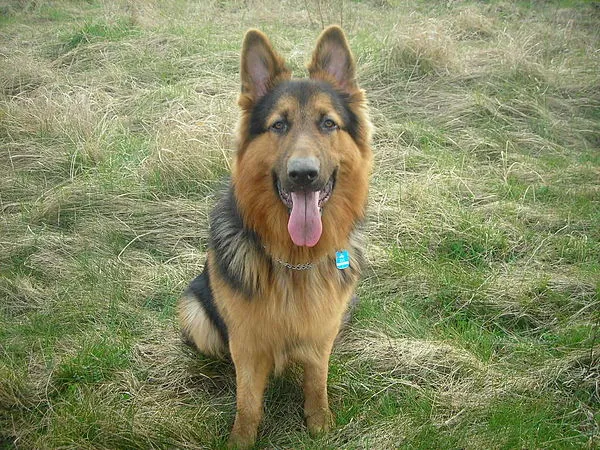
Old German Shepherd Dog
Health grade BThe Altdeutscher Schäferhund is a steady-nerved, loyal companion—at its core, a territorial Hütehund (herding dog) bred for close cooperation, endurance, and protecting its flock.
- Height55–65 cm
- Weight22–40 kg
- Life expectancy10–14 yrs
- Puppy price1,000–2,500 €
- Energy4/5
The Essentials at a Glance
The Altdeutscher Schäferhund is a steady-nerved, loyal companion—at its core, a territorial Hütehund (herding dog) bred for close cooperation, endurance, and protecting its flock.
- Health grade B: The Altdeutscher Schäferhund has an average health profile, with the most significant risks being well-managed through mandatory health tests.
- You have time every day for intensive activity through dog sports or tracking work—simple walks are not enough for this working dog.
- You lead with confidence and fairness, so he leaves the responsibility to you and doesn't decide for himself who enters the property.
- You live in a busy, thin-walled apartment—he will alert you to unfamiliar noises and movements, as that is his genetic duty.
Is the Old German Shepherd Dog right for you?
At a glance
Old German Shepherd Dog overview
The essentials — key facts, traits, and health priorities — before you dive deeper.
Health grade
Relative to other breeds
S
A
B
C
D
E
Very healthyHigher risk
Solid — a handful of items a good breeder watches.
See full health info & tests →
Note: This health overview is AI-assisted and editorially reviewed. It is for orientation only and does not replace veterinary advice.
Lifespan
10–14 yrs
Height
55–65 cm
Weight
22–40 kg
Practical
- Puppy price: 1,000 – 2,500 €
- Coat: Stock-haired with a dense undercoat, medium length
- Origin: Germany
Temperament
Energy
Trainability
Family fit
With kids
Daily life
Care effort
Shedding
Barking
City-friendly
Guard instinct
What matters most
Especially with a Old German Shepherd Dog, choosing the right breeder is the single most important decision you'll make. Serious breeders consistently test the parents for inherited conditions, prioritize healthy early socialization, and stay accountable long after handover. A cheap puppy without health screening tends to become the most expensive dog later on.
See HonestDog breeder standards →Colors & coat
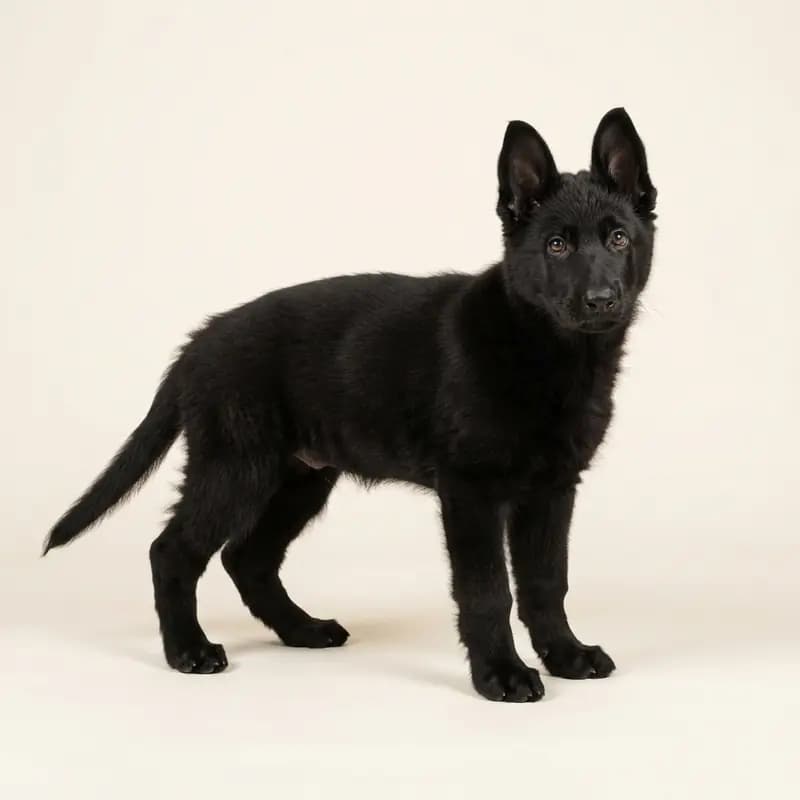
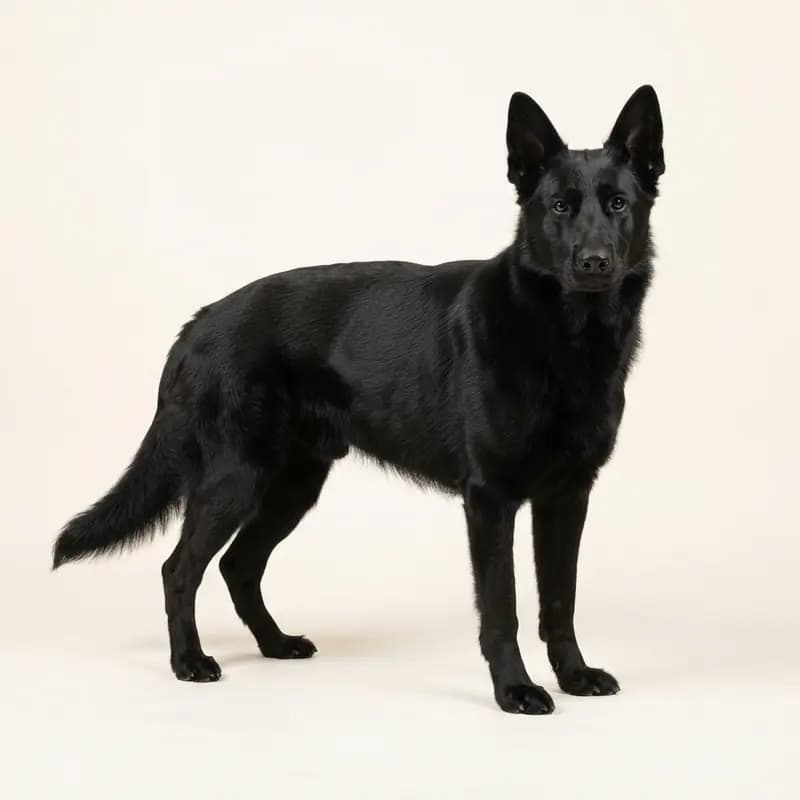
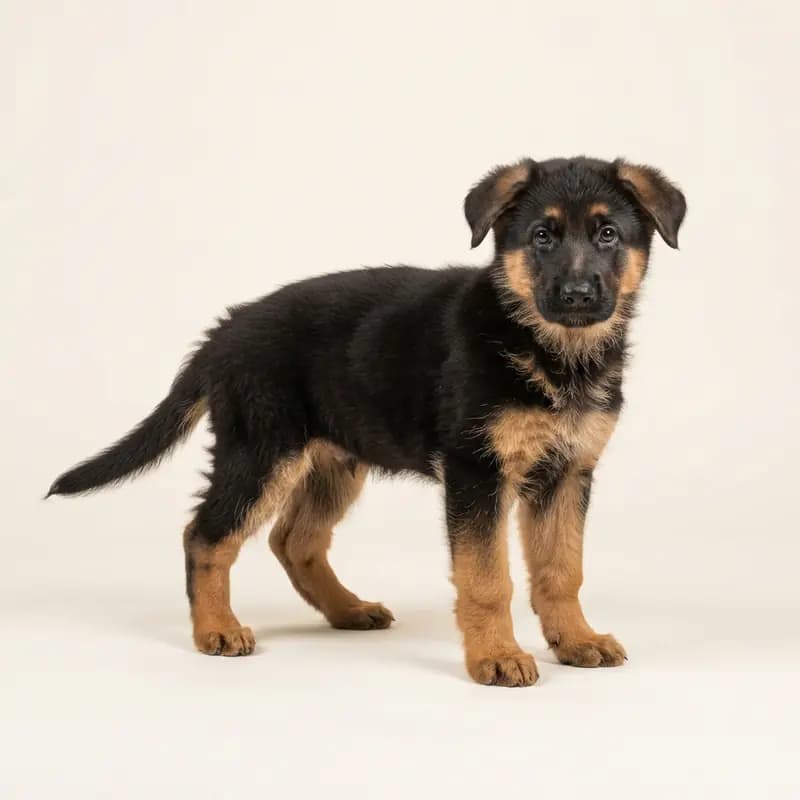
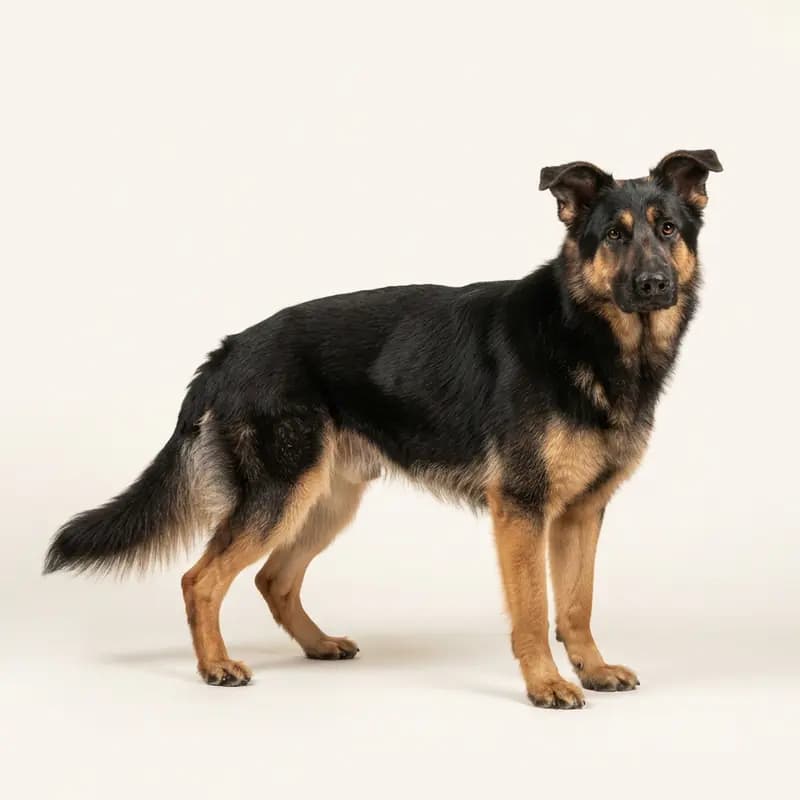
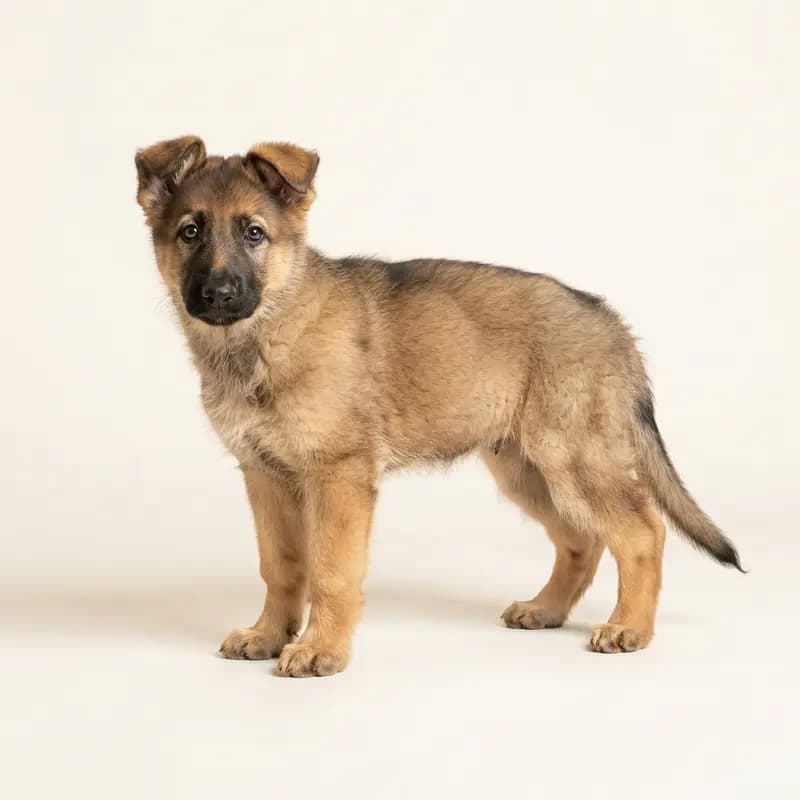
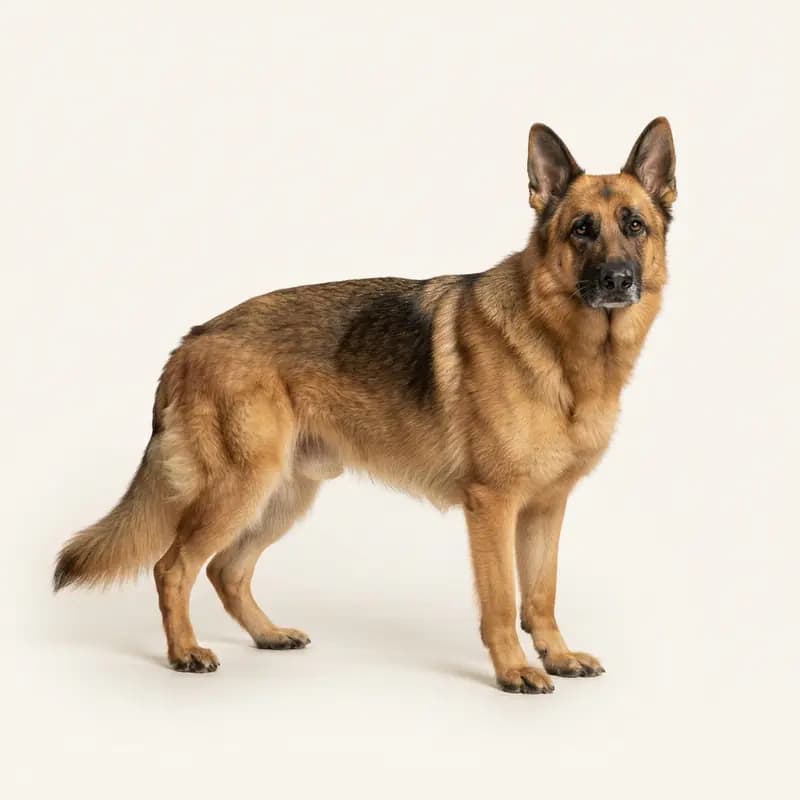
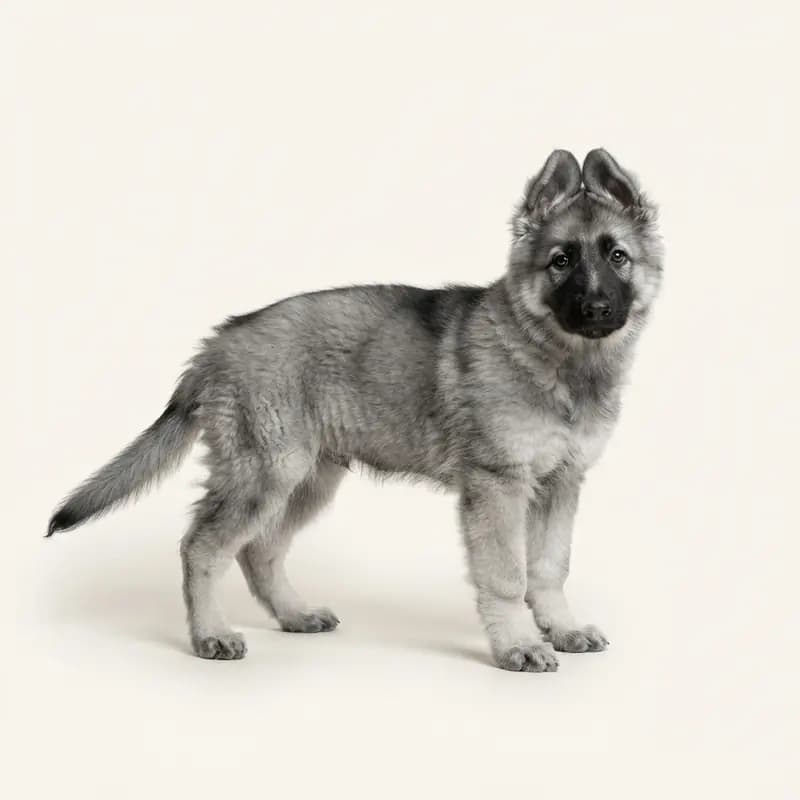
What colors does the Old German Shepherd Dog come in?
The coat colors you will see in Old German Shepherd Dog litters — including which ones fall outside the breed standard and which carry genetic risk.
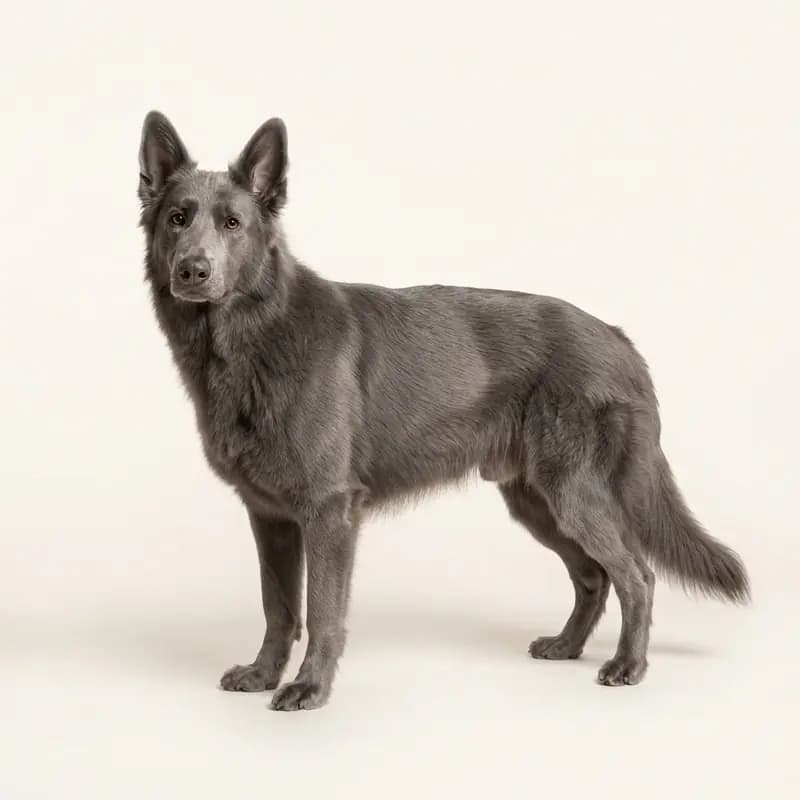
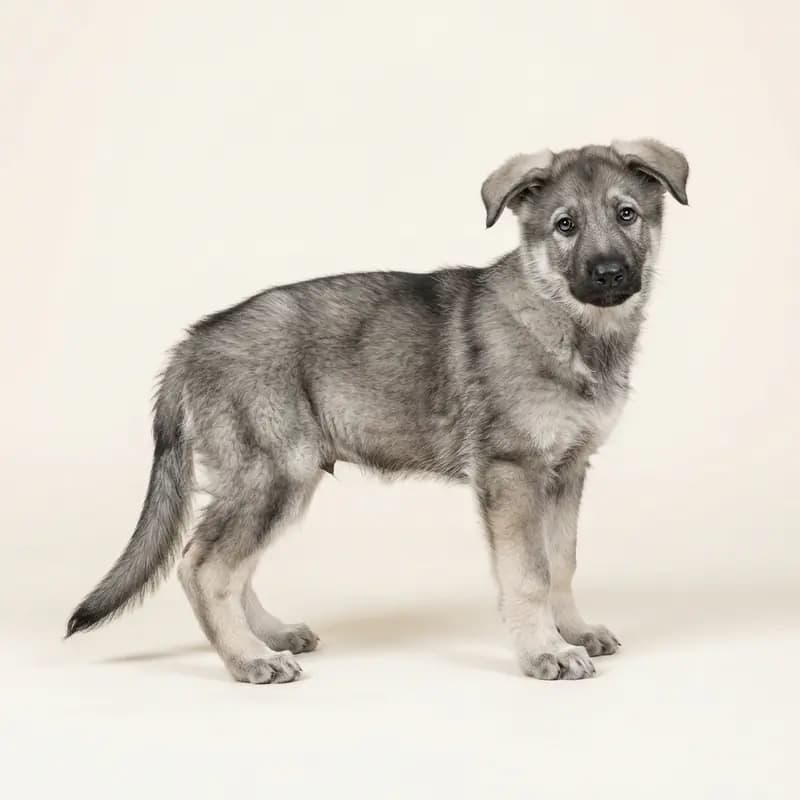
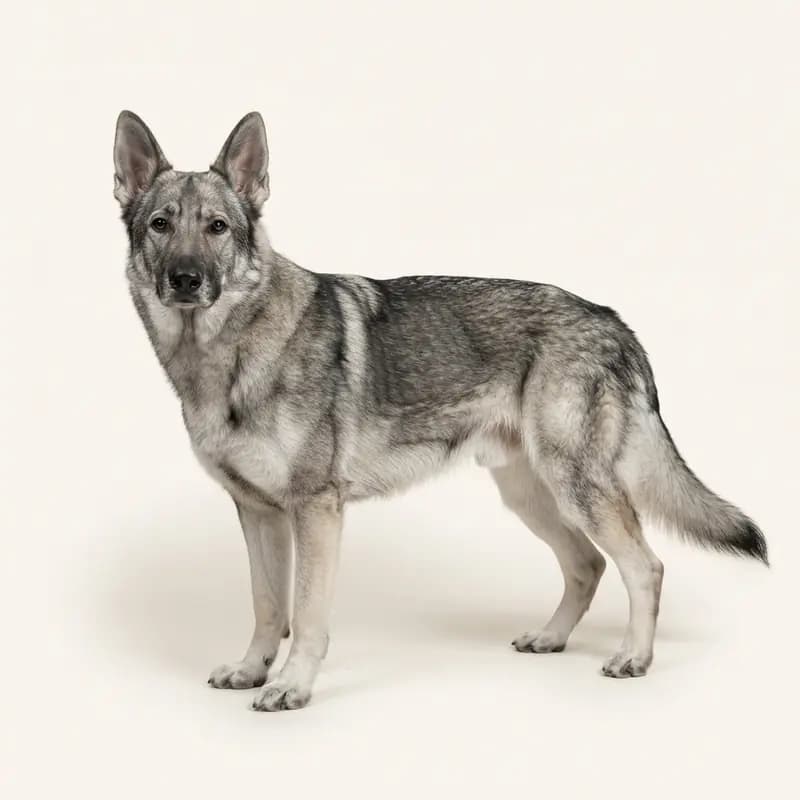
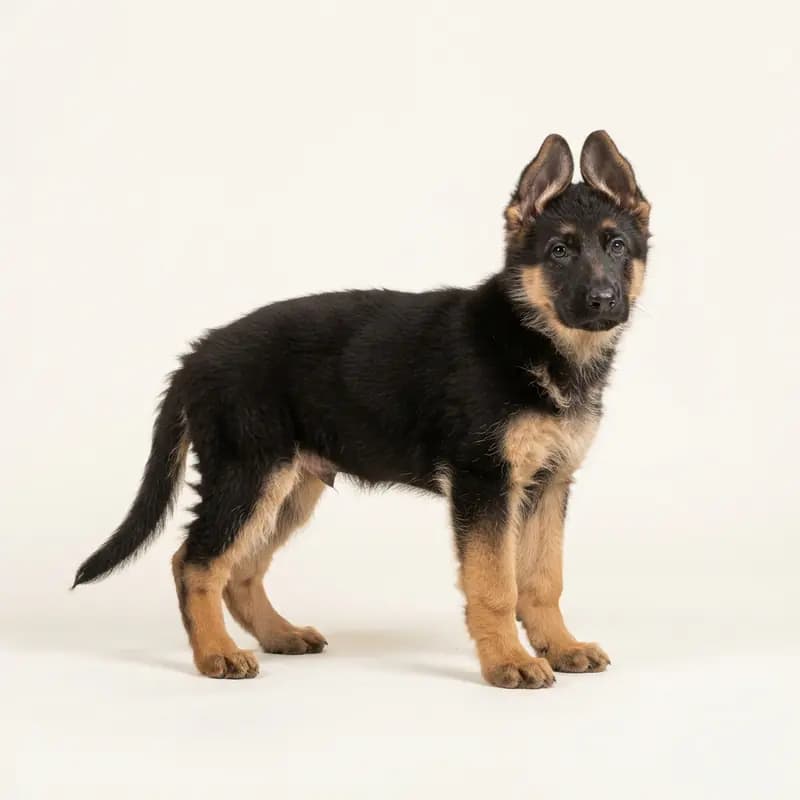
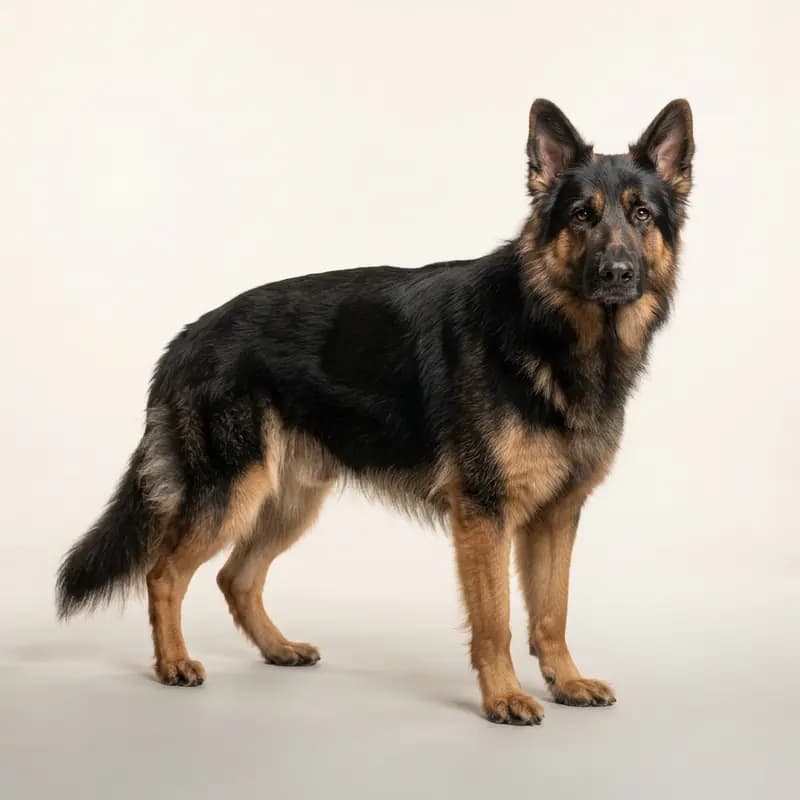
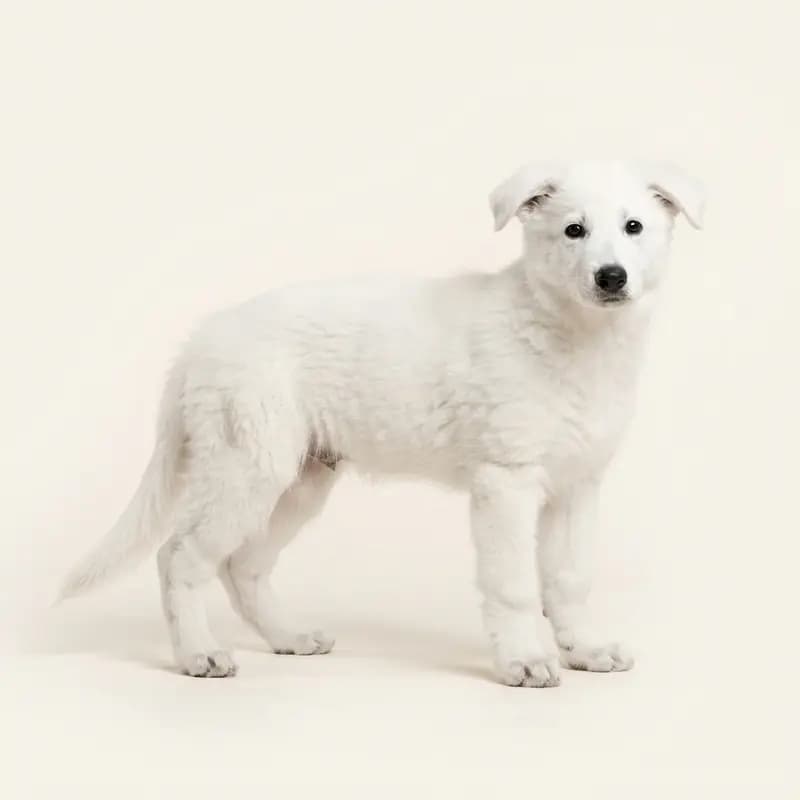
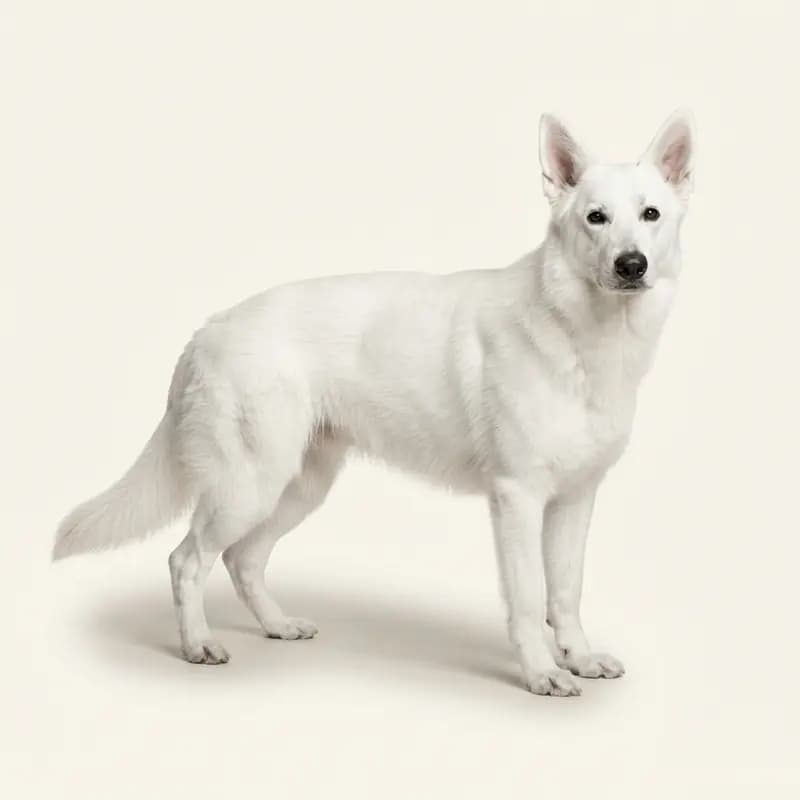
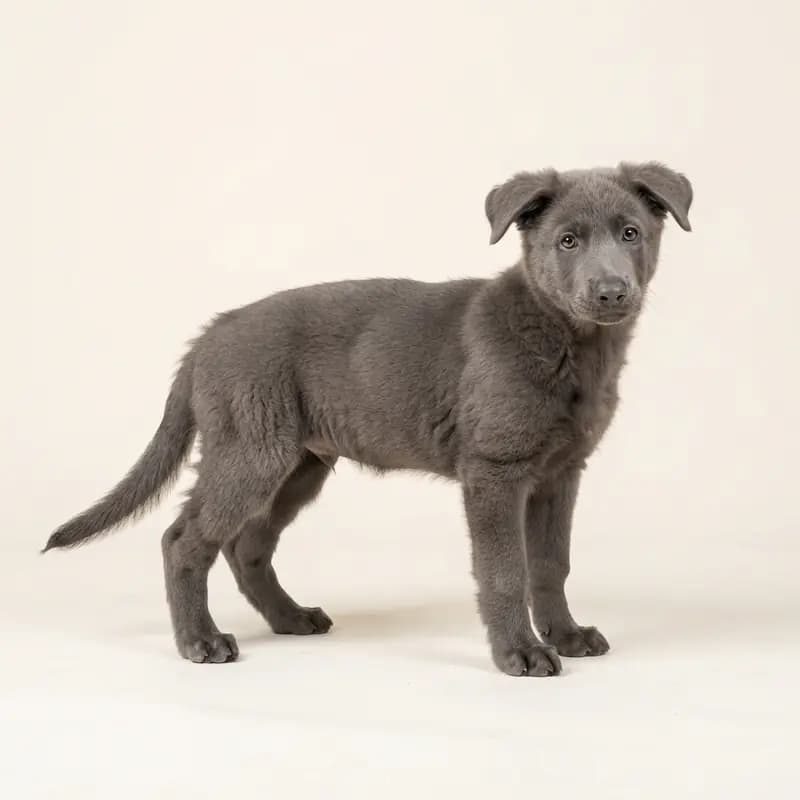
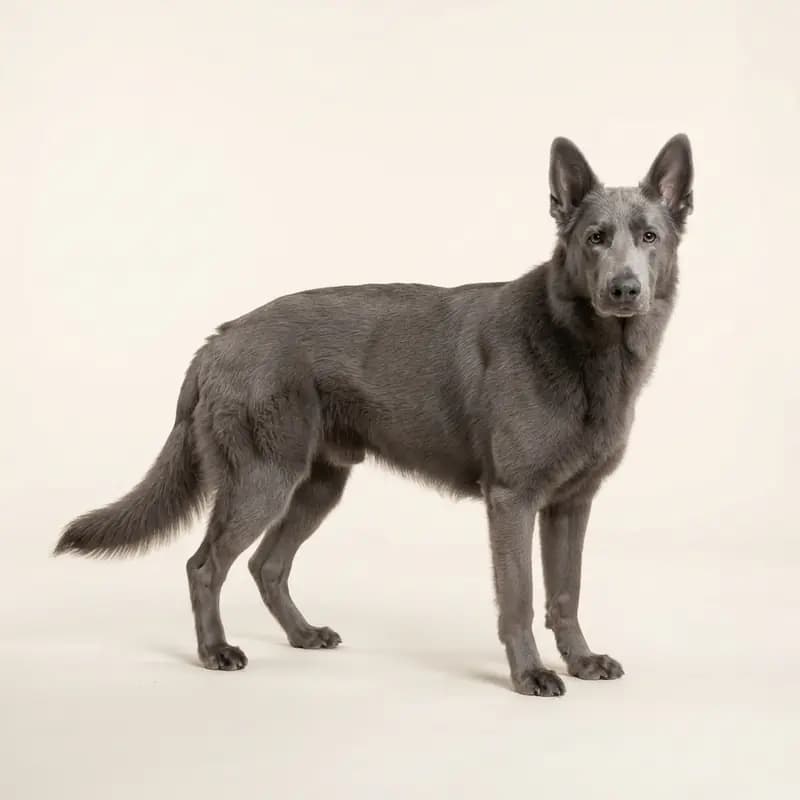
Eye colors
 Brown
Brown
Coat type
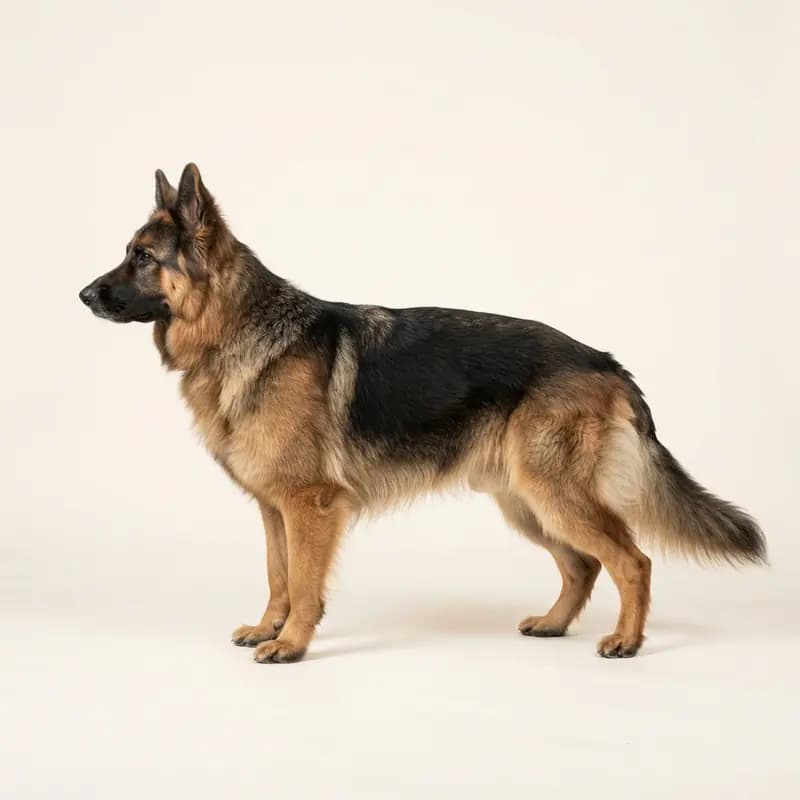 Illustrative image
Medium
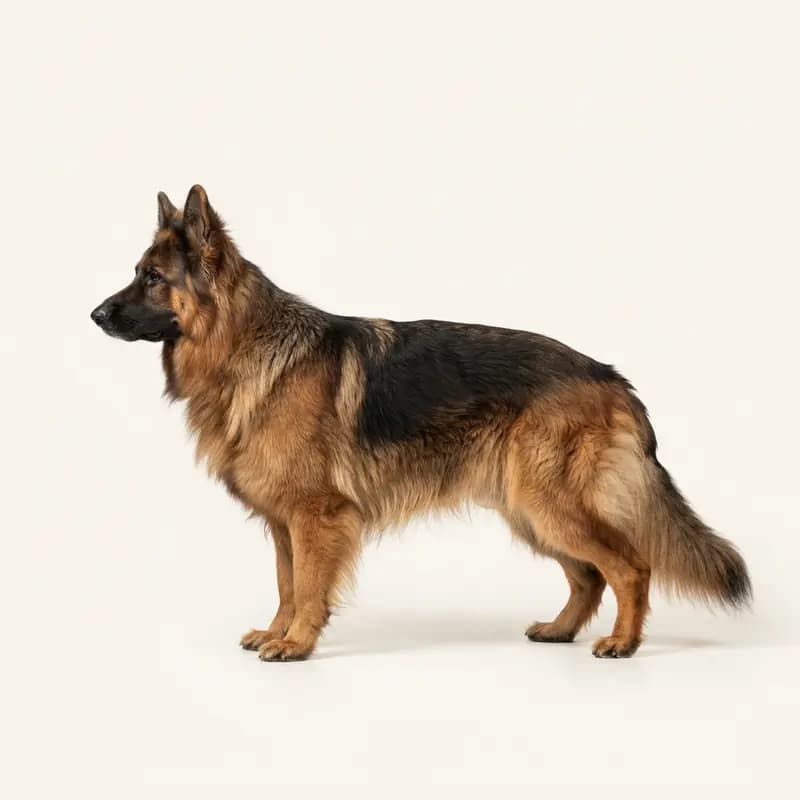 Illustrative image
Long
 Double coat
Is the Old German Shepherd Dog right for you?
The Altdeutscher Schäferhund is a steady-nerved, loyal companion—at its core, a territorial Hütehund (herding dog) bred for close cooperation, endurance, and protecting its flock.
Perfect for you if:
- You have time every day for intensive activity through dog sports or tracking work—simple walks are not enough for this working dog.
- You lead with confidence and fairness, so he leaves the responsibility to you and doesn't decide for himself who enters the property.
- You offer a home with a garden in the countryside or on the outskirts of town, where his watchful nature doesn't cause constant stress.
- You are looking for a closely bonded companion who will stick with you through thick and thin as a true team.
Less ideal if:
- You live in a busy, thin-walled apartment—he will alert you to unfamiliar noises and movements, as that is his genetic duty.
- You expect him to greet every stranger joyfully at the dog park—he is naturally reserved toward people he doesn't know.
- You are a beginner dog owner and underestimate the strength and protective instinct of a large dog that, in case of doubt, will take charge.
- You don't have much time for the first two years of intensive training and consistent socialization.
The real vibes check
An Altdeutscher Schäferhund is like a loyal bodyguard in wolf's clothing: he won't leave your side, but he is constantly scanning the surroundings for threats. If you don't take this task off his hands through confident leadership, he will take the job on himself—and in case of doubt, he will decide against the mail carrier. You aren't getting a simple follower, but a highly intelligent colleague who needs a clear framework.
Self-check
Would the Old German Shepherd Dog really fit your life?
Answer 6 quick questions about your everyday life and see how well the Old German Shepherd Dog fits you — including an honest cost estimate per month, per year, and across the dog's lifetime.
Fit checkCost estimateRisk dice
Takes about 1 minute · free & anonymous
Breed Profile
The Old German Shepherd Dog is a variant of the German Shepherd Dog and has its origins in Germany. It falls under FCI Group 1, Section 1, making it a herding dog. Unlike its modern relative, the German Shepherd, the Old German Shepherd has a straight back and its fur is often longer and thicker. His strong stature and powerful head, together with his attentive expression, give him an imposing appearance.
All measurements in detail
- Height
- 55 - 60 cm (Female), 60 - 65 cm (Male)
- Weight
- 22 - 32 kg (Female), 30 - 40 kg (Male)
- Life Expectancy
- 10 - 14 yrs
- Character
- Loyal, intelligent, eager to work
- Coat
- Stock-haired with a dense undercoat, medium length
- Coat Color
- Diverse, including black, gray and various shades of brown
- Price
- 1000 - 2500 €
Character & Temperament
The Old German Shepherd Dog is known for its strong work ethic, intelligence and loyalty to its caregiver. As a herding dog, he has an innate protective instinct and tends to defend his family and home. At the same time, he is also an extremely people-oriented dog who seeks close contact with his people and enjoys being part of their daily activities. The Old German Shepherd Dog is an active dog with a lot of energy. He needs both physical and mental challenges to be happy and balanced. An activity that corresponds to his natural instincts, such as herding, searching or tracking work, can be very helpful. However, the Old German Shepherd is also a very adaptable dog that can integrate well into different lifestyles as long as its needs are met. This German Shepherd is an intelligent and trainable animal. He learns quickly and is able to solve complex tasks. This makes him an excellent companion dog for a wide range of tasks, from search and rescue to therapy work to various dog sports. With his intelligence comes a certain independence. The Old German Shepherd Dog is able to work independently and make decisions. However, this can also mean that he has a strong will of his own and is not always easy to handle. A consistent but loving education is therefore essential. Even though the Old German Shepherd Dog is a working dog, it is also a family dog. He is generally good with children and other pets as long as he has been properly socialized. However, he also needs his rest periods and should not be constantly "on his toes". be held. Despite his hard work and energy, the Old German Shepherd can also learn to stay alone, as long as this is not the case too often or for long periods of time. He is very oriented towards his caregiver and would like to always be by their side. However, if he gets used to it from an early age, he can spend a few hours a day alone. Like many herding dogs, the Old German Shepherd has a strong hunting instinct. However, this does not mean that he necessarily has a problem with small animals or cats. With proper socialization and training, he can learn to get along well with these animals too. In conclusion, the Old German Shepherd Dog is a vigilant and attentive dog. He is always alert to his surroundings and ready to protect his family. This makes him a good guard dog, but is not aggressive, but rather has a deterrent effect. His loyalty and protective instinct make him a loyal companion and friend who will always be by your side.
| Trainability Bred to work closely alongside humans. | Highly trainable |
| Watchfulness Strong territorial instinct — may actively confront intruders. | Very high |
| Openness to Strangers Careful around unfamiliar people — thaws slowly. | Cautious |
| Hunting or Herding Drive Noticeable drive — needs attention around small animals. | Moderate |
Fun Fact!
Did you know that the Old German Shepherd and the modern German Shepherd have the same roots? The main difference lies in the shape of the back: while the modern German Shepherd has a sloping back, the Old German Shepherd has a straight back!
What Awaits You
German Shepherds are versatile dogs that need meaningful activity. They are alert and territorial. They are considered good family dogs, but only with the appropriate training and activity. In addition to the stockhair coat variant, there is also the longstockhair coat variant, also known as the Old German Shepherd Dog.
Housing & Care
The Old German Shepherd Dog is an active and intelligent dog that wants to be exercised both physically and mentally. Therefore, he needs sufficient exercise and activity. Due to its size and activity, it is less suited to living in a small city apartment without a garden. A house with a garden or a rural setting are ideal for this breed. This breed is very people-oriented and family-oriented, which generally makes them good family dogs. You can deal well with children, provided of course that the interaction is respectful and the children have been given appropriate instructions. Early socialization is important so that the dog gets along well with other animals, such as cats or small animals.
- Family Friendly
Loves family life and thrives in a group.
Family-oriented - Child Friendly
Gets on well with children — with adult supervision.
With supervision - Dog Friendly
Usually gets on fine with other dogs.
Generally tolerant - City Friendly
Can manage in the city, but only with very active owners.
Difficult in cities
Owning a dog is a privilege, but it's also a real responsibility. Before you bring one into your life, be honest with yourself about the commitment it takes.
Training & Education
Old German Shepherd Dogs are known for their high learning ability and their desire to please their people. This makes them excellent candidates for various dog sports and activities, such as agility, obedience, rescue dog work or tracking work. When training it, it is important to rely on positive reinforcement and to give the dog clear structures and rules. They are very sensitive and do not respond well to harsh or unfair treatment. It is important to note that this breed enjoys a lot of activity and exercise. They need a lot of mental and physical stimulation, but there is also a risk of them becoming "ball junkies." become. It is therefore important to vary the activities and allow the dog to relax. Old German Shepherd Dogs have a strong protective instinct, which can become problematic if they are not socialized or trained correctly. It is therefore important to start socialization early and show the dog that not every situation or stranger is a threat.
Nutrition & Care
The Old German Shepherd Dog has a thick coat of hair with an undercoat that protects it from the elements. That's why it can adapt very well to different climatic conditions in Germany. However, this also means that he sheds more during the shedding season in spring and autumn and then requires more intensive fur care. Regular brushing can help keep the coat healthy and beautiful and also helps reduce hair in the home. When it comes to diet, Old German Shepherds are not picky eaters. They can be well supplied with both high-quality dry and wet food. Some owners also choose raw feeding (also called BARF), but this requires a thorough understanding of a dog's nutritional needs to avoid nutritional deficiencies. Regardless of the type of feeding you choose, it is important to ensure a balanced diet that contains all the necessary nutrients, vitamins and minerals.
| Care Level Regular brushing and occasional professional grooming. | Moderate |
| Exercise Needs Needs several hours of serious exercise every day. | Very active |
| Shedding Hair everywhere, always — no white clothing survives. | Very heavy |
| Trainability Bred to work closely alongside humans. | Highly trainable |
Our experts are still reviewing this information. Spotted something wrong? Email us at info@honestdog.de.
Health & hereditary diseases
Health
B
Solid
Health grade
The Altdeutscher Schäferhund has an average health profile, with the most significant risks being well-managed through mandatory health tests. Hip dysplasia (HD) and elbow dysplasia (ED) are the known weak points in the musculoskeletal system of this large breed. Prospective buyers should consistently check the X-ray results of the parent dogs to best avoid potential joint issues later on.
Grade is relative to other breeds — AI-assisted and editorially reviewed.
In daily life this can mean
Without conscious management of body weight and joint-friendly rearing—for example, through regular check-ups—health problems and veterinary costs can increase significantly later on.
The breeder's role
Reputable breeders have hips, elbows, and the back checked and use appropriate DNA tests to reduce neurological diseases and known risks as much as possible, keeping the dogs resilient for a long time.
Note: This health overview is AI-assisted and editorially reviewed. It is for orientation only and does not replace veterinary advice.
No Health Tests Available
No specific health tests are currently available for this breed.
Costs & where to find one
How much does a Old German Shepherd Dog cost?
A Old German Shepherd Dog costs around ~€190 per month (€100 – €370, depending on your setup). The first year adds up to roughly ~€4,920 including purchase, equipment and puppy school; across the dog's life (12 years) it comes to about ~€30,620.
With surgery cover, running costs come to about ~€190 per month — in return, your share of a major operation drops from several thousand euros to around 20 percent.
Per month
~€190
In the first year
~€4,920
Across the dog's life
~€30,620
Purchase from a breeder: €1,000 – €2,500
Estimate at a mid-range setup (suburban, dry food, 1–2 hours of daily exercise), average German prices, as of July 2026.
Calculate your personal costs1-minute self-check with your own answers
Looking for a Old German Shepherd Dog?
Appearance, variants & origin
History
The full history
The Old German Shepherd Dog's roots lie in Germany in the 19th century, when dogs from different areas were crossed to breed the perfect herding dog. The aim was to create a robust, willing to work and intelligent dog that could be used both as a sheep herding dog and as a working dog for various tasks. The German Shepherd Dog as we know it today was developed through targeted breeding at the end of the 19th century and was first recognized as a separate breed in 1899. In this breeding, particular emphasis was placed on an attractive appearance. However, the Old German Shepherd represents the original form of the German Shepherd before specific breeding for show characteristics began. He is therefore also called the "original type" of the German Shepherd.
Original Use
The Old German Shepherd Dog was bred to be a versatile working dog for herding and protection tasks.
Origin
Germany
Date
1900
Owner experiences
What owners say about the Old German Shepherd Dog
Zusammengefasst aus öffentlich geteilten Halter-Erfahrungen
In vielen Erfahrungsberichten betonen Halter, dass der Altdeutsche Schäferhund ein wunderbarer, loyaler und anhänglicher Familienbegleiter sein kann, der eine extrem enge Bindung zu seinen Menschen aufbaut. Im Vergleich zum kurzhaarigen Deutschen Schäferhund wird er von vielen Besitzern im Alltag oft als etwas ruhiger, ausgeglichener und mit einer höheren Reizschwelle beschrieben. Seine Kinderfreundlichkeit und Gutmütigkeit im engen Kreis werden immer wieder lobend hervorgehoben.
Gleichzeitig berichten Familien jedoch auch von den Herausforderungen im Alltag. Sein angeborener Wach- und Schutztrieb ist nicht zu unterschätzen: Viele Halter weisen darauf hin, dass die Hunde Fremden gegenüber misstrauisch sein können und das eigene Territorium sowie die Familie intensiv absichern wollen. Auch das Zusammenleben mit anderen Haustieren erfordert von Anfang an eine gezielte Sozialisierung, da der Hüte- und Jagdinstinkt sonst zu Konflikten führen kann.
Zusammengefasst aus öffentlich geteilten Halter-Erfahrungen
Beim Thema Erziehung herrscht in den Hundeforen Einigkeit darüber, dass der Altdeutsche Schäferhund eine klare, konsequente und faire Führung braucht. Halter beschreiben die Rasse als extrem lernwillig, hochintelligent und schnell im Begreifen von Aufgaben. Werden sie unterfordert, neigen sie jedoch dazu, sich selbst Beschäftigungen zu suchen oder unerwünschte Verhaltensweisen zu entwickeln. Erfahrene Besitzer warnen davor, die Erziehung schleifen zu lassen, da die Hunde sonst die Führung im Haus übernehmen oder beim Spaziergang an der Leine schwer kontrollierbar werden.
Besonders häufig wird in Foren über die Leinenführigkeit und den Rückruf diskutiert. Junge Rüden und Hündinnen können im Spiel mit Artgenossen sehr körperbetont, laut und stürmisch sein, was von anderen Hunden oft missverstanden wird. Zudem betonen erfahrene Halter, dass „Konsequenz“ keinesfalls mit Härte verwechselt werden darf – die sensiblen Hunde benötigen eine liebevolle, aber absolut verlässliche Führung und eine frühzeitige, intensive Sozialisierung in Alltagssituationen.
Zusammengefasst aus öffentlich geteilten Halter-Erfahrungen
In gesundheitlichen Diskussionen weisen erfahrene Halter und Zucht-Beobachter darauf hin, dass der Altdeutsche Schäferhund – wie alle großen Schäferhundrassen – genetisch bedingt anfällig für Hüftdysplasie (HD) und Ellbogendysplasie (ED) sowie Rückenprobleme ist. Es wird in Foren dringend dazu geraten, Welpen nur von seriösen Züchtern zu kaufen, die nachweislich geröntgte und gesunde Elterntiere verpaaren. Auch auf einen geraden Rücken der Zuchtlinien wird von vielen Liebhabern der Rasse bewusst geachtet, um die typischen Skelettprobleme zu minimieren.
Ein weiteres wichtiges Thema ist die Fellpflege. Durch das lange, dichte Stockhaar mit viel Unterwolle berichten Halter von einem erheblichen Pflegeaufwand, insbesondere während des Fellwechsels. Regelmäßiges Bürsten ist Pflicht, um Verfilzungen zu vermeiden. Zudem wird vereinzelt über eine Empfindlichkeit des Magen-Darm-Trakts und der Bauchspeicheldrüse berichtet, weshalb viele Halter großen Wert auf eine sorgfältig abgestimmte und hochwertige Ernährung legen.
Paraphrased from real owner reports
Loading owner stories
Community Posts
FAQ & more
Frequently asked questions about the Old German Shepherd Dog
Is a Old German Shepherd Dog the right dog for me?
The Old German Shepherd Dog is an active dog that needs plenty of exercise and mental stimulation. Research the temperament, grooming needs, and space requirements before deciding.
How long does a Old German Shepherd Dog live?
The average life expectancy of a Old German Shepherd Dog is 10-14 years. With proper care and regular vet visits, your dog can live a long, healthy life.
How much grooming does a Old German Shepherd Dog need?
Old German Shepherd Dog grooming requirements include regular brushing, nail trimming, and dental care. HonestDog provides detailed grooming tips for every breed.
Is a Old German Shepherd Dog good for families with children?
The Old German Shepherd Dog can be a great family dog. Proper training and socialization are key. HonestDog provides family suitability information for every breed.
What colors does the Old German Shepherd Dog come in?
The Old German Shepherd Dog comes in these colors: Black, Black and tan, Sable, Grey, Wolf grey, Bicolor, White, Blue. Colors that fall outside the breed standard are marked as such on the breed page.
Loading related articles
Are you a Old German Shepherd Dog breeder?
Showcase your kennel on HonestDog and reach families searching for a responsibly bred Old German Shepherd Dog.
Why HonestDog?
What makes HonestDog different from other platforms
Full transparency
We lay out what we have: who the breeder is, how they work, and any health records they've uploaded. So you can judge for yourself.
Responsible breeding, assured
Every breeder on HonestDog has their identity and documents checked before their profile goes live. Health records they upload are shown on the profile, so you can see exactly what has been tested.
Trust and verification
We verify breeders and buyers alike, so every conversation happens on solid ground. It's a new standard of trust in dog breeding.
Less hassle, more time
We've already checked the breeders' documents and gathered the details, so you can skip the endless research and focus on finding the right puppy for your family.
Our Mission

We connect dog lovers with responsible breeders and shelters to ensure every dog finds the perfect home.
Founded by dog enthusiasts, our platform focuses on ethical dog breeding and adoption.
Why HonestDog?
We connect you with vetted breeders and shelters so you can find your — your new companion — with confidence.
Vetted Partners
Only verified breeders and shelters — for a safe start.
Highest Standards
Every animal's health and wellbeing is our top priority.
Guides & Resources
Guides, checklists, and breed profiles — so you can make a well-informed decision.