Loading breed
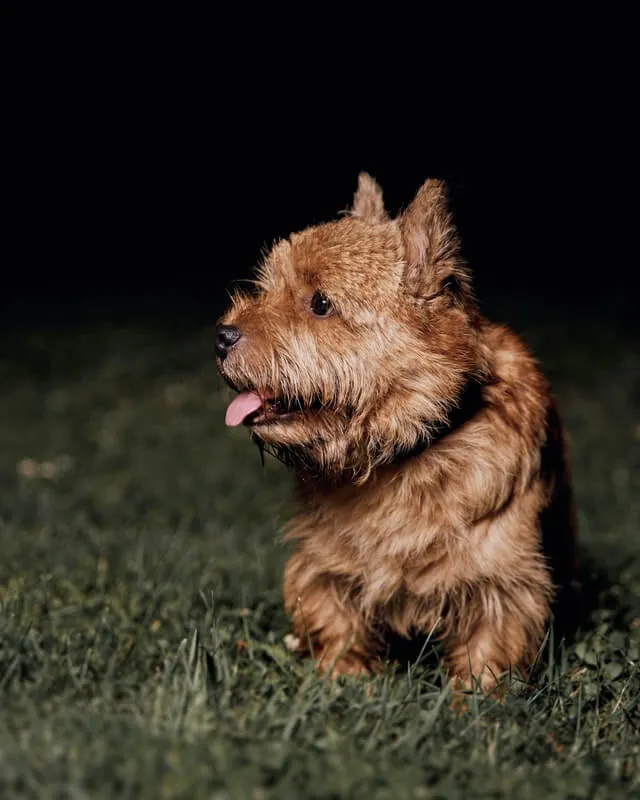
Norwich Terrier
Health grade CThe Norwich Terrier is a compact, fearless, and cheerful little Erdhund (earth dog) — bred to keep English farms free of rats. Despite his short legs, he possesses the intrepid heart of a true worker who wants to do more than just sit on the sofa.
- Height23–27 cm
- Weight5–6 kg
- Life expectancy12–15 yrs
- Puppy price1,800–3,500 €
- Energy3/5
The Essentials at a Glance
The Norwich Terrier is a compact, fearless, and cheerful little Erdhund (earth dog) — bred to keep English farms free of rats. Despite his short legs, he possesses the intrepid heart of a true worker who wants to do more than just sit on the sofa.
- Health grade C: The Norwich Terrier receives a grade of C because the breed is prone to Upper Airway Syndrome (UAS), which can cause serious respiratory difficulties.
- You appreciate the typical Terrier stubbornness and can lead with loving consistency instead of expecting unconditional obedience.
- You enjoy activities like scent games or digging, where he can put his sharp senses and work ethic to good use.
- You expect him to ignore small animals or the neighbor's cat in the garden — as a true Erdhund, chasing anything that scurries is deeply rooted in his genetics.
Is the Norwich Terrier right for you?
At a glance
Norwich Terrier overview
The essentials — key facts, traits, and health priorities — before you dive deeper.
Health grade
Relative to other breeds
S
A
B
C
D
E
Very healthyHigher risk
Average — several important tests are expected.
See full health info & tests →
Note: This health overview is AI-assisted and editorially reviewed. It is for orientation only and does not replace veterinary advice.
Lifespan
12–15 yrs
Height
23–27 cm
Weight
5–6 kg
Practical
- Puppy price: 1,800 – 3,500 €
- Coat: Double layer, wiry, medium length
- Origin: England
Temperament
Energy
Trainability
Family fit
With kids
Daily life
Care effort
Shedding
Barking
City-friendly
Guard instinct
What matters most
Especially with a Norwich Terrier, choosing the right breeder is the single most important decision you'll make. Serious breeders consistently test the parents for inherited conditions, prioritize healthy early socialization, and stay accountable long after handover. A cheap puppy without health screening tends to become the most expensive dog later on.
See HonestDog breeder standards →Colors & coat
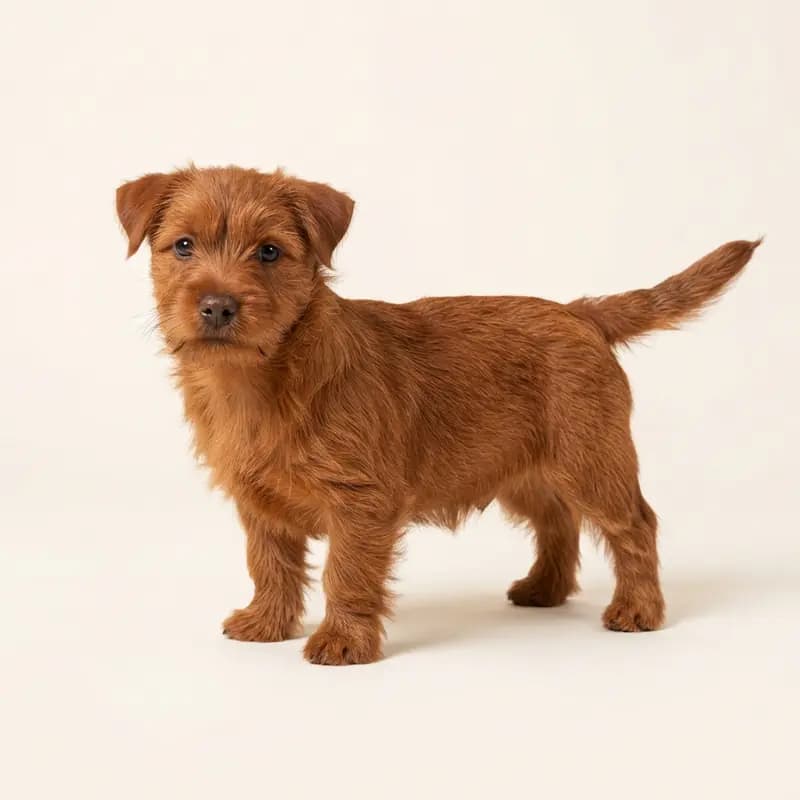
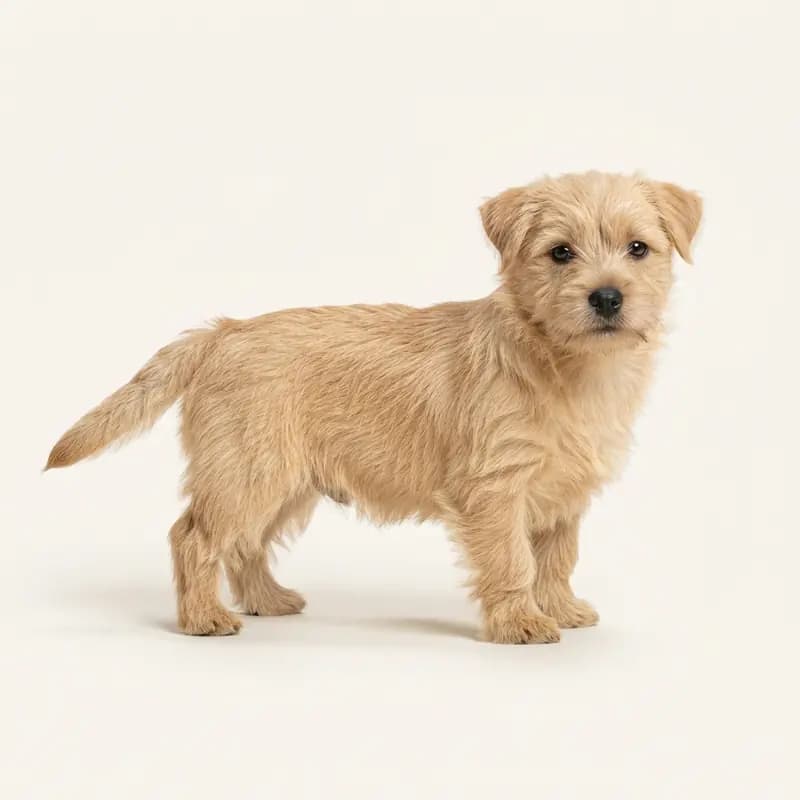
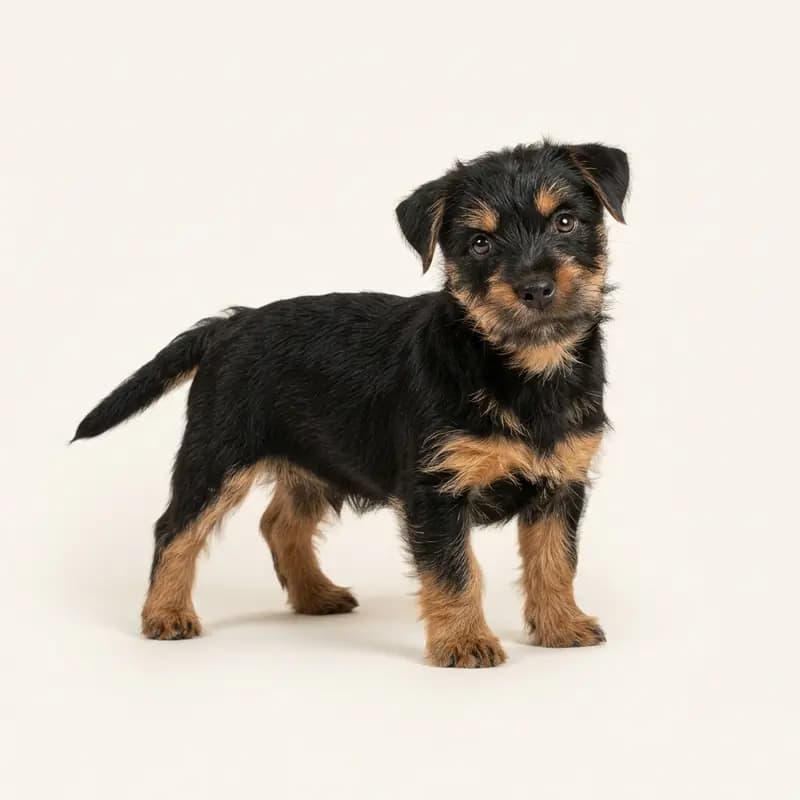
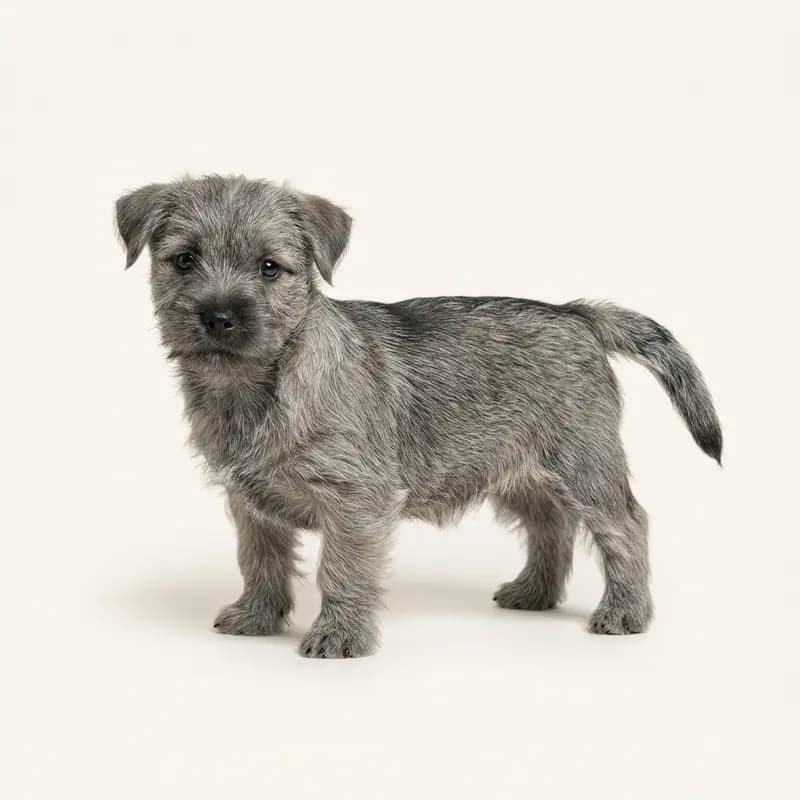
What colors does the Norwich Terrier come in?
The coat colors you will see in Norwich Terrier litters — including which ones fall outside the breed standard and which carry genetic risk.
Eye colors
 Brown
Brown
Coat type
 Double coat
 Wire
Wire
Is the Norwich Terrier right for you?
The Norwich Terrier is a compact, fearless, and cheerful little Erdhund (earth dog) — bred to keep English farms free of rats. Despite his short legs, he possesses the intrepid heart of a true worker who wants to do more than just sit on the sofa.
Perfect for you if:
- You appreciate the typical Terrier stubbornness and can lead with loving consistency instead of expecting unconditional obedience.
- You enjoy activities like scent games or digging, where he can put his sharp senses and work ethic to good use.
- You are looking for a portable companion who is happy in an apartment, provided he gets plenty of time outdoors every day.
- You want a robust, adaptable dog who will accompany you everywhere as an active partner, from the café to forest hikes.
Less ideal if:
- You expect him to ignore small animals or the neighbor's cat in the garden — as a true Erdhund, chasing anything that scurries is deeply rooted in his genetics.
- You are looking for a dog with a strong 'will-to-please' who follows every command blindly and immediately.
- You live in an environment with thin walls and cannot tolerate barking, because as a vigilant former farm dog, he likes to announce when something is happening.
The real vibes check
A Norwich Terrier is not a lap dog in plush toy format — he is a tough guy on very short legs. When something rustles in the undergrowth, the cute companion turns into a highly focused hunter in a split second. If you celebrate his courageous character and stubborn charm, you will have an unwavering buddy for all situations.
Self-check
Would the Norwich Terrier really fit your life?
Answer 6 quick questions about your everyday life and see how well the Norwich Terrier fits you — including an honest cost estimate per month, per year, and across the dog's lifetime.
Fit checkCost estimateRisk dice
Takes about 1 minute · free & anonymous
Breed Profile
The Norwich Terrier is a small, compact dog with a lot of charm and character. Although he is one of the smallest terriers, he should not be underestimated. It is robust and durable, with a striking, wiry, medium-length coat that comes in colors such as red, wheat, black and tan or gray. The powerful, well-angled hind legs give it the ability to both run and dig quickly. The Norwich Terrier's ears are medium sized, erect and pointed, giving him an intelligent and attentive expression. It belongs to FCI Group 3, Section 2, and carries standard number 72. There is no distinct separation between performance and show lines in Norwich Terriers. Every Norwich Terrier, whether he wins shows or not, is capable of carrying out his original work tasks.
All measurements in detail
- Height
- 23 - 27 cm (Female), 23 - 27 cm (Male)
- Weight
- 5 - 6 kg (Female), 5 - 6 kg (Male)
- Life Expectancy
- 12 - 15 yrs
- Character
- Friendly, brave, independent
- Coat
- Double layer, wiry, medium length
- Coat Color
- All shades of red, wheat, black with tan, gray
- Price
- 1800 - 3500 €
Character & Temperament
You'll find that the Norwich Terrier has a big personality despite its small size. He is known for his kindness, courage and independence. A Norwich Terrier loves being around his people and makes a wonderful family dog. He enjoys the company of children and generally gets along well with other dogs and pets. Although he has an independent side, the Norwich Terrier is very people-oriented and enjoys being a part of the action. He is playful and loves chasing and retrieving toys, but he is also content just being around his family. It is important to note that the Norwich Terrier, like many terriers, tends to exhibit strong prey and hunting behavior. Therefore, he must always be kept in a safe area or kept on a leash when outside. The Norwich Terrier has high energy levels and needs a lot of exercise to stay happy and healthy. But he is not a hyperactive dog and can also enjoy quiet moments. Although he can adapt to living in an apartment, he still enjoys the opportunity to run around in the garden and dig. An important aspect of the Norwich Terrier's character is his alertness. He is always on guard and ready to protect his family, making him an excellent watchdog. But he doesn't tend to bark for no reason. His barking is usually a sign that something has caught his attention. When it comes to being alone, the Norwich Terrier shows a good ability to be alone as long as it is well exercised and is not left alone for long periods of time. He is happy when he has a comfortable place to rest, but he should not be isolated for long periods as he needs the company of his humans. With the right home and care, the Norwich Terrier will become a loyal and loving member of the family. He is a brave little dog with a lot of heart and character, and he will certainly bring a lot of joy and entertainment into your life. His hardy nature and friendly personality make him an excellent choice for active families, the elderly, and anyone looking for a cheerful and engaging companion.
| Trainability Bred to work closely alongside humans. | Highly trainable |
| Watchfulness Reports unusual activity but stays controlled. | Moderate |
| Openness to Strangers Warms up quickly and is generally welcoming. | Friendly |
| Hunting or Herding Drive Powerful instinct that can override recall when triggered. | Strong |
Fun Fact!
Did you know that the Norwich Terrier was originally bred to hunt rats? Today he is more of a happy family dog, but his lively and courageous personality still reminds of his brave hunting days.
What Awaits You
Norwich Terriers are small, active dogs that like to be kept busy. They are versatile and adapt well. They are also motivated to hunt.
Housing & Care
The Norwich Terrier is definitely suitable as a city dog. He adapts well to different living conditions as long as he gets enough exercise and mental stimulation. He generally gets along well with children and can also get along with other pets, including cats, as long as he is properly socialized.
- Family Friendly
Loves family life and thrives in a group.
Family-oriented - Child Friendly
Takes boisterous and affectionate children in its stride.
Patient with children - Dog Friendly
Usually gets on fine with other dogs.
Generally tolerant - City Friendly
Small space, noise, lots of people — no problem at all.
Ideal city dog
Owning a dog is a privilege, but it's also a real responsibility. Before you bring one into your life, be honest with yourself about the commitment it takes.
Training & Education
Raising a Norwich Terrier is a fulfilling but also challenging task. They are intelligent and capable of learning, but can also be stubborn and independent. Early socialization and positive, reward-based parenting are key here. Note that Norwich Terriers have strong prey instincts, so impulse control and recall training are particularly important. You definitely need something meaningful to do, but be careful not to overwhelm yourself - balance is the key here. Agility, obedience and trick training can be great ways to exercise your Norwich Terrier physically and mentally.
Nutrition & Care
The Norwich Terrier is an active dog that requires a balanced, nutritious diet. Be careful not to overfeed him, as being overweight can put a strain on his health. The Norwich Terrier has a dual coat texture - a soft undercoat and a wiry top coat. This makes it relatively well protected against cold and wet, which means that it also tolerates the German climate well. He doesn't shed excessively, but regular grooming (about once a week) will help remove loose hair and keep the coat in good condition.
| Care Level Regular brushing and occasional professional grooming. | Moderate |
| Exercise Needs Needs 1–2 hours of real exercise daily. | Active |
| Shedding Hair everywhere, always — no white clothing survives. | Very heavy |
| Trainability Bred to work closely alongside humans. | Highly trainable |
Our experts are still reviewing this information. Spotted something wrong? Email us at info@honestdog.de.
Health & hereditary diseases
Health
C
Solid, watch carefully
Health grade
The Norwich Terrier receives a grade of C because the breed is prone to Upper Airway Syndrome (UAS), which can cause serious respiratory difficulties. Patellar luxation, where the kneecap painfully slips out of place, is also a known issue in these small dogs. Prospective buyers should ensure that the parents have been officially cleared of these conditions to minimize the risk of future breathing problems or joint issues.
Grade is relative to other breeds — AI-assisted and editorially reviewed.
In daily life this can mean
With joint-friendly exercise during puppyhood, caution during heat and physical exertion, and regular eye check-ups, most dogs stay fit for a long time.
The breeder's role
Reputable breeders have the parents' knees and eyes checked, examine the airways, and pay meticulous attention to clear bloodlines to reduce the risk of neurological conditions.
Note: This health overview is AI-assisted and editorially reviewed. It is for orientation only and does not replace veterinary advice.
No Health Tests Available
No specific health tests are currently available for this breed.
Costs & where to find one
How much does a Norwich Terrier cost?
A Norwich Terrier costs around ~€170 per month (€90 – €310, depending on your setup). The first year adds up to roughly ~€5,510 including purchase, equipment and puppy school; across the dog's life (13.5 years) it comes to about ~€30,840.
With surgery cover, running costs come to about ~€160 per month — in return, your share of a major operation drops from several thousand euros to around 20 percent.
Per month
~€170
In the first year
~€5,510
Across the dog's life
~€30,840
Purchase from a breeder: €1,800 – €3,500
Estimate at a mid-range setup (suburban, dry food, 1–2 hours of daily exercise), average German prices, as of July 2026.
Calculate your personal costs1-minute self-check with your own answers
Looking for a Norwich Terrier?
HonestDog Concierge
No verified Norwich Terrier breeders on HonestDog yet
We currently have no breeders for this breed who have passed our verification. Create your short buyer profile: we'll set up your search alert, review a possible source and email you within 28 days.
Appearance, variants & origin
History
The full history
The story of the Norwich Terrier begins in East Anglia, England, in the late 19th and early 20th centuries. It was a time when the popularity of fox hunting was growing, and there was a need for small, brave dogs capable of chasing foxes and other vermin from their hiding places. Different species of terriers, including the Irish Terrier and the Little Red Terrier, were crossed to create these new working dogs. The breed was originally known as the Trumpington Terrier and was named after the Trumpington Street dormitory in Cambridge, where these dogs were very popular. The name later changed to Norwich Terrier, after the county where the breed originated. Originally there were two variants of the Norwich Terrier - those with erect ears and those with drooping ears. However, these were declared two separate breeds in the 1960s, and the drooping variant is now known as the Norfolk Terrier. The Norwich Terrier as we know it today, with erect ears, was recognized as a separate breed by the English Kennel Club in 1964 and by the American Kennel Club in 1979.
Original Use
The Norwich Terrier was used to hunt foxes and fight rats.
Origin
England
Date
1800
Owner experiences
What owners say about the Norwich Terrier
Lisa M., Halterin aus Hessen (Rüde, seit 2009)
Ich habe meinen Norwich Terrier nicht als Welpen bekommen, sondern übernommen, als er bereits 14 Monate alt war [1.1.1]. Er hat sich unglaublich schnell eingelebt und ist im Alltag wirklich ein sehr robuster, unkomplizierter und pflegeleichter Begleiter. Er bringt uns jeden Tag zum Lachen.
Ein wichtiger Punkt, den man vor dem Kauf unbedingt beachten sollte, ist jedoch die Gesundheit. Bei der Rasse können die oberen Luftwege gefährdet sein. Unsere Züchterin war da zum Glück sehr verantwortungsvoll und ist mit ihren Hunden extra für spezielle Untersuchungen in die Schweiz gefahren. Darauf sollte man als Käufer unbedingt achten und gezielt beim Züchter nachfragen.
Uschi A., Halterin und Züchterin aus Bayern (mehrere Hunde, seit 2010)
Für mich ist der Norwich Terrier der absolute Allrounder. Wenn es draußen in Strömen regnet, schläft er liebend gern mit mir aus. Scheint dagegen die Sonne, steht er morgens um sechs bereit, um mit mir einen Berggipfel zu erklimmen. Er macht einfach alles mit und passt wegen seiner handlichen Größe sogar problemlos als Handgepäck ins Flugzeug.
Viele denken bei Terriern sofort an unkontrollierbare Jagdhunde, aber beim Norwich ist das meist anders. Er ist extrem menschenbezogen und bleibt beim Spaziergang in der Regel eng bei seiner Familie. Trotzdem darf man nicht vergessen, dass er ein Terrier ist: Nachbars Katze sollte sich lieber nicht in den Garten trauen, und ab und zu präsentiert er mir stolz eine selbst gefangene Maus.
Ein kleiner Nachteil im Alltag ist, dass ihn kaum jemand als Rassehund erkennt – die meisten halten ihn für einen süßen Mischling. Zudem ist die Fellpflege wichtig: Er muss zwei- bis dreimal im Jahr von Hand getrimmt werden. Scheren darf man ihn auf keinen Fall, sonst verliert sein Fell die wetterfeste Struktur und wird plüschig.
Sandra T., Halterin aus Nordrhein-Westfalen (Rüde, seit 2011)
Unser kleiner Norwich-Welpe ist im Haus ein absoluter Traum. Er macht nichts kaputt, schläft viel und auch mit der Stubenreinheit klappt es von Tag zu Tag besser. Er ist unglaublich anhänglich und weicht mir drinnen kaum von der Seite.
Unsere größte Herausforderung im Alltag ist momentan das Gassigehen an der Leine. Ohne Leine läuft er im Garten oder auf sicheren Flächen super mit und bleibt immer in meiner Nähe. Sobald aber die Leine dran ist, schaltet er auf stur: Er setzt sich hin und bewegt sich keinen Millimeter mehr vorwärts. Wir müssen ihn oft bis zu seiner Löseecke tragen. Auf dem Rückweg läuft er dann seltsamerweise problemlos an der Leine mit – aber eben nur in Richtung Haustür!
Paraphrased from real owner reports
Loading owner stories
FAQ & more
Frequently asked questions about the Norwich Terrier
Is a Norwich Terrier the right dog for me?
The Norwich Terrier is an adaptable dog that adjusts well to various lifestyles. Research the temperament, grooming needs, and space requirements before deciding.
How long does a Norwich Terrier live?
The average life expectancy of a Norwich Terrier is 12-15 years. With proper care and regular vet visits, your dog can live a long, healthy life.
How much grooming does a Norwich Terrier need?
Norwich Terrier grooming requirements include regular brushing, nail trimming, and dental care. HonestDog provides detailed grooming tips for every breed.
Is a Norwich Terrier good for families with children?
The Norwich Terrier can be a great family dog. Proper training and socialization are key. HonestDog provides family suitability information for every breed.
What colors does the Norwich Terrier come in?
The Norwich Terrier comes in these colors: Red, Wheaten, Black and tan, Grizzle.
Loading related articles
Are you a Norwich Terrier breeder?
Showcase your kennel on HonestDog and reach families searching for a responsibly bred Norwich Terrier.
Why HonestDog?
What makes HonestDog different from other platforms
Full transparency
We lay out what we have: who the breeder is, how they work, and any health records they've uploaded. So you can judge for yourself.
Responsible breeding, assured
Every breeder on HonestDog has their identity and documents checked before their profile goes live. Health records they upload are shown on the profile, so you can see exactly what has been tested.
Trust and verification
We verify breeders and buyers alike, so every conversation happens on solid ground. It's a new standard of trust in dog breeding.
Less hassle, more time
We've already checked the breeders' documents and gathered the details, so you can skip the endless research and focus on finding the right puppy for your family.
Our Mission

We connect dog lovers with responsible breeders and shelters to ensure every dog finds the perfect home.
Founded by dog enthusiasts, our platform focuses on ethical dog breeding and adoption.
Why HonestDog?
We connect you with vetted breeders and shelters so you can find your — your new companion — with confidence.
Vetted Partners
Only verified breeders and shelters — for a safe start.
Highest Standards
Every animal's health and wellbeing is our top priority.
Guides & Resources
Guides, checklists, and breed profiles — so you can make a well-informed decision.