Loading breed
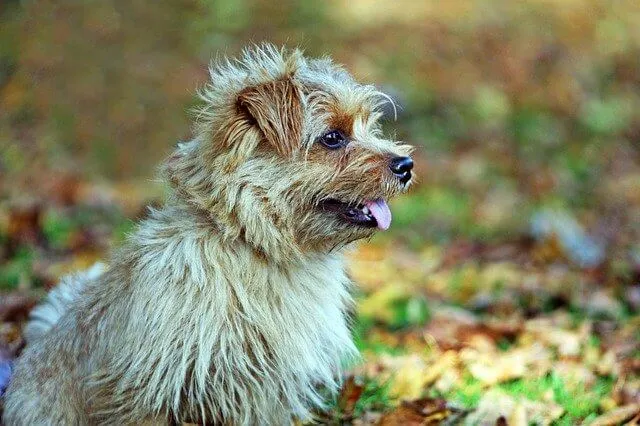
Norfolk Terrier
Health grade CThe Norfolk Terrier is a fearless, charmingly scruffy Erdhund (earth dog) — bred to hunt rats and foxes in narrow tunnels and on farms. He may be one of the smallest terriers, but he has the self-confidence of a giant.
- Height23–27 cm
- Weight4–6 kg
- Life expectancy12–15 yrs
- Puppy price1,800–3,500 €
- Energy3/5
The Essentials at a Glance
The Norfolk Terrier is a fearless, charmingly scruffy Erdhund (earth dog) — bred to hunt rats and foxes in narrow tunnels and on farms. He may be one of the smallest terriers, but he has the self-confidence of a giant.
- Health grade C: The Norfolk Terrier is a robust little dog with generally solid health, which is why it receives a B grade.
- You are looking for an active companion who is passionate about long walks and is not just a lap dog despite his short legs.
- You appreciate a dog with a mind of his own and can handle his terrier-typical stubbornness with humor and consistency.
- You expect him to stay relaxed when he sees a squirrel or a fleeing cat — as a bred rat hunter, his prey drive is always at full throttle.
Is the Norfolk Terrier right for you?
At a glance
Norfolk Terrier overview
The essentials — key facts, traits, and health priorities — before you dive deeper.
Health grade
Relative to other breeds
S
A
B
C
D
E
Very healthyHigher risk
Average — several important tests are expected.
See full health info & tests →
Note: This health overview is AI-assisted and editorially reviewed. It is for orientation only and does not replace veterinary advice.
Lifespan
12–15 yrs
Height
23–27 cm
Weight
4–6 kg
Practical
- Puppy price: 1,800 – 3,500 €
- Coat: Wiry, short, dense undercoat
- Origin: England
Temperament
Energy
Trainability
Family fit
With kids
Daily life
Care effort
Shedding
Barking
City-friendly
Guard instinct
What matters most
Especially with a Norfolk Terrier, choosing the right breeder is the single most important decision you'll make. Serious breeders consistently test the parents for inherited conditions, prioritize healthy early socialization, and stay accountable long after handover. A cheap puppy without health screening tends to become the most expensive dog later on.
See HonestDog breeder standards →Colors & coat
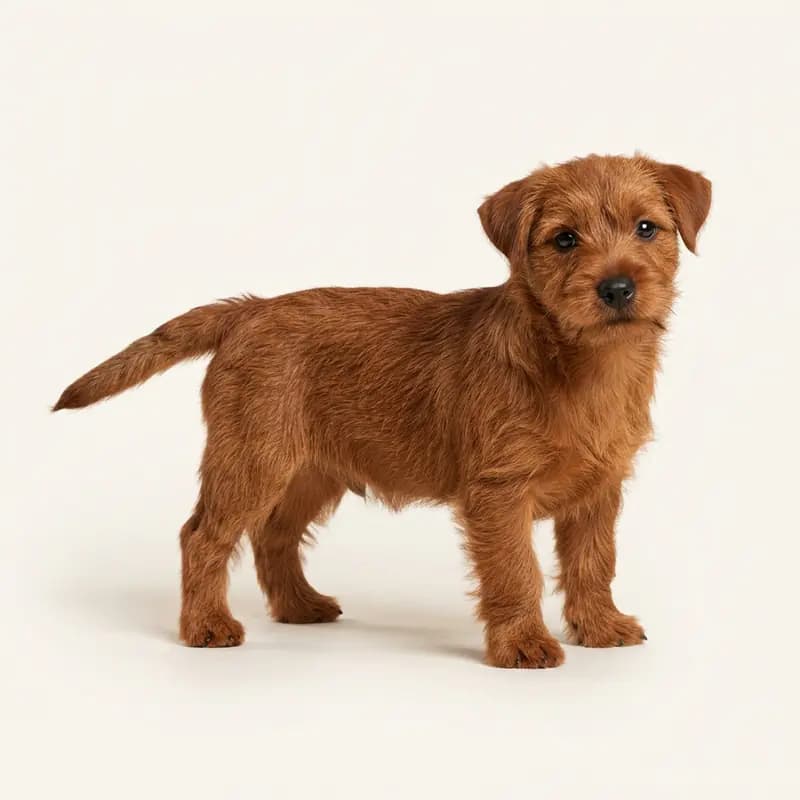
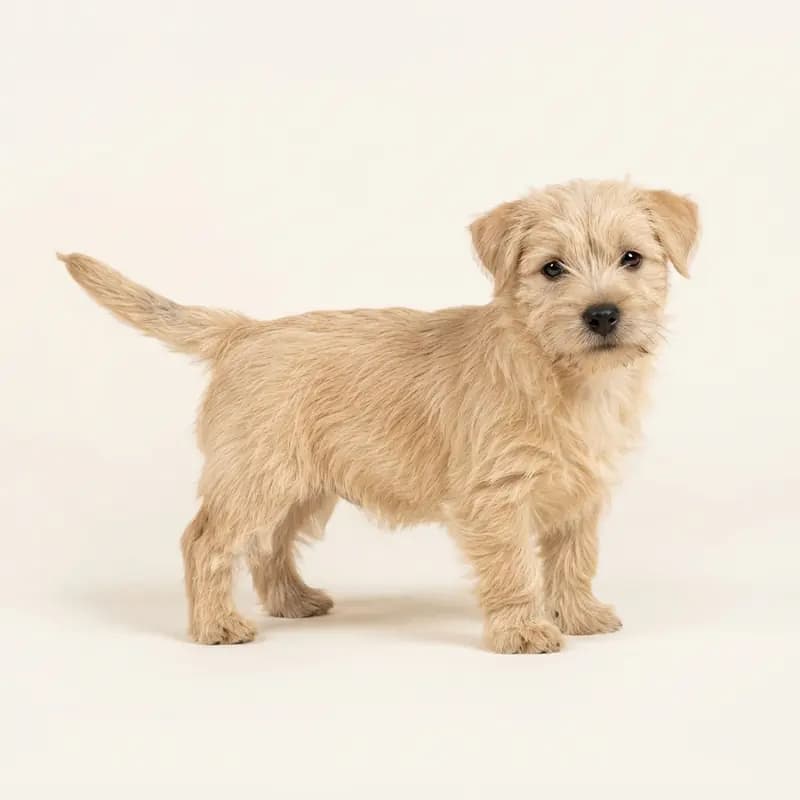
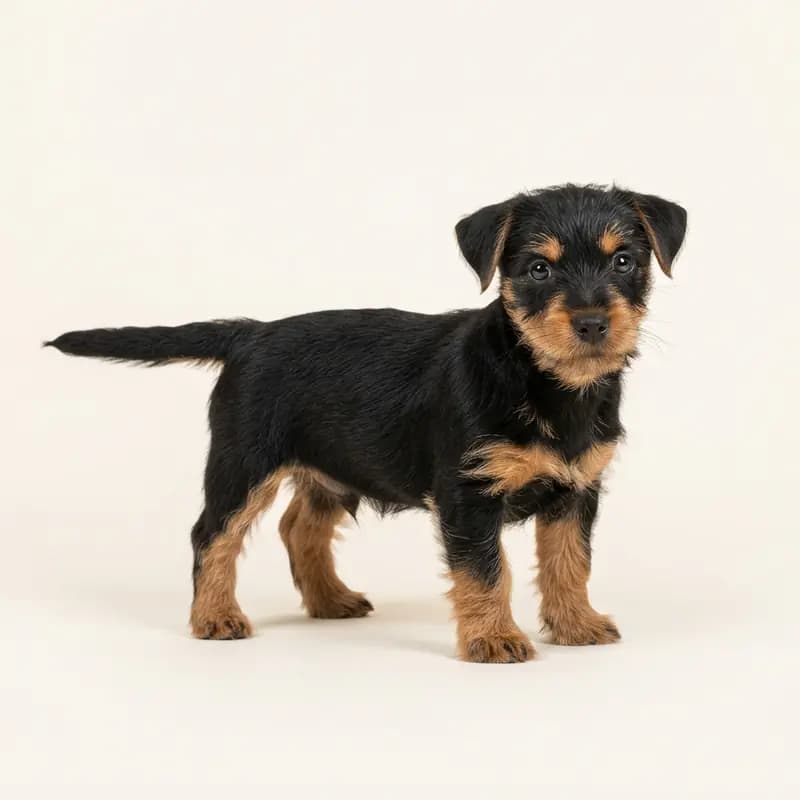
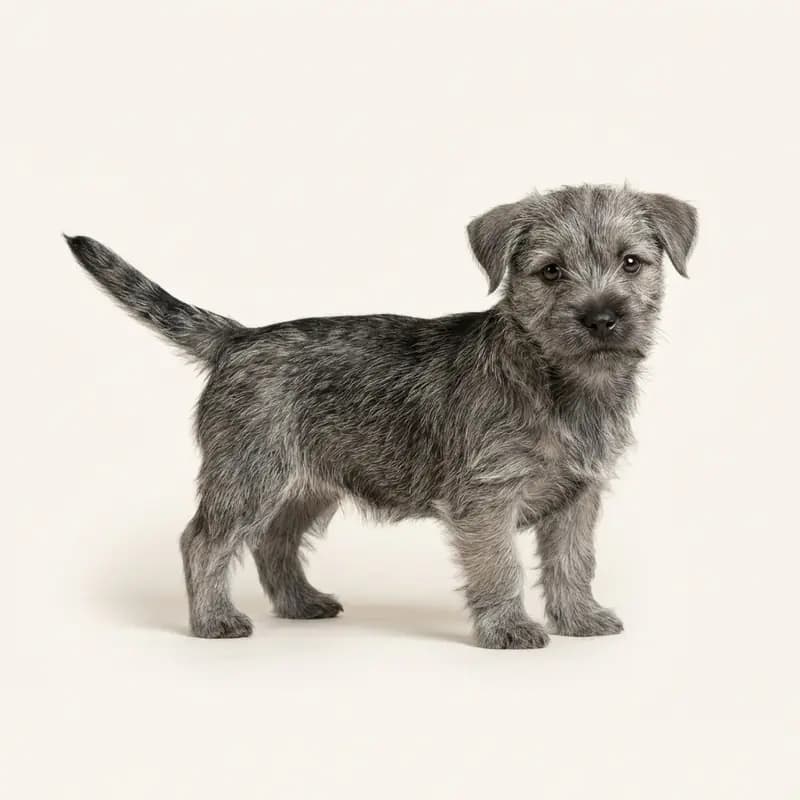
What colors does the Norfolk Terrier come in?
The coat colors you will see in Norfolk Terrier litters — including which ones fall outside the breed standard and which carry genetic risk.
Eye colors
 Brown
Brown
Coat type
 Wire
Wire Double coat
Is the Norfolk Terrier right for you?
The Norfolk Terrier is a fearless, charmingly scruffy Erdhund (earth dog) — bred to hunt rats and foxes in narrow tunnels and on farms. He may be one of the smallest terriers, but he has the self-confidence of a giant.
Perfect for you if:
- You are looking for an active companion who is passionate about long walks and is not just a lap dog despite his short legs.
- You appreciate a dog with a mind of his own and can handle his terrier-typical stubbornness with humor and consistency.
- You ideally have a secure, escape-proof garden, because as a classic Erdhund, digging and inspecting mouse holes is in his DNA.
- You want a compact dog who, unlike many other terriers, is often surprisingly friendly with other dogs.
Less ideal if:
- You expect him to stay relaxed when he sees a squirrel or a fleeing cat — as a bred rat hunter, his prey drive is always at full throttle.
- You live in a thin-walled apartment and have neighbors who would be bothered by a vigilant dog who likes to bark to announce visitors.
- You are looking for a dog who blindly follows every command immediately — a Norfolk Terrier likes to question whether cooperation is actually worth it at that moment.
The real vibes check
Don't let his shaggy teddy-bear look fool you — inside this tiny body beats the fearless heart of a tough worker. A Norfolk Terrier doesn't know he is small; he sees himself as a pocket-sized lion ready to bravely conquer every mouse hole. If you take this rough exterior with a sense of humor, you will get an incredibly loyal buddy who would go through fire for you.
Self-check
Would the Norfolk Terrier really fit your life?
Answer 6 quick questions about your everyday life and see how well the Norfolk Terrier fits you — including an honest cost estimate per month, per year, and across the dog's lifetime.
Fit checkCost estimateRisk dice
Takes about 1 minute · free & anonymous
Breed Profile
One of the smallest terriers, the Norfolk Terrier is a compact, sturdy dog known for its charming looks and fearless personality. He is a small, powerful dog with a short back, broad skull and slightly prominent eyes that give him a bold and intelligent expression. The ears are V-shaped and fall close to the head. His dense, wiry coat is weather-resistant and protects him from the elements. The Norfolk Terrier belongs to FCI group 3, the terriers, section 2, the small terriers. In contrast to many other breeds, the Norfolk Terrier does not differentiate between performance and show lines.
All measurements in detail
- Height
- 23 - 27 cm (Female), 23 - 27 cm (Male)
- Weight
- 4 - 5 kg (Female), 5 - 6 kg (Male)
- Life Expectancy
- 12 - 15 yrs
- Character
- Brave, lively, affectionate
- Coat
- Wiry, short, dense undercoat
- Coat Color
- Black and white, red tones, wheat colors
- Price
- 1800 - 3500 €
Character & Temperament
The Norfolk Terrier is a real terrier in miniature. He is brave, independent and has immense energy. But he is also very people-oriented and loves being part of the family. Despite his small size, he is by no means a lap dog. He has a natural curiosity and sense of adventure that needs to be nurtured and channeled. His original purpose as a rat hunter and stable dog is still evident today in his passion for playing with balls and sticks and his interest in small rodents. It has a strong prey-catching behavior and can therefore not always be easily kept with smaller pets. The Norfolk Terrier is also an alert dog that likes to keep an eye on his home and family. However, he is not prone to barking excessively unless he is excited or bored. His guarding instincts make him a good warning system for visitors or unusual noises, but he is generally friendly towards people and is unlikely to react aggressively. In terms of temperament, the Norfolk Terrier is lively and active. He needs daily exercise to satisfy his energy levels and sharp mind. But he is also able to adapt to different lifestyles as long as he has enough opportunities to play and explore. Despite his independent character, the Norfolk Terrier is very people-oriented and enjoys the company of his people. He enjoys being around his family and enjoys participating in family activities. He can learn to stay alone, but he prefers to be in company and should not be left alone for long periods of time.
| Trainability Bred to work closely alongside humans. | Highly trainable |
| Watchfulness Reports unusual activity but stays controlled. | Moderate |
| Openness to Strangers Warms up quickly and is generally welcoming. | Friendly |
| Hunting or Herding Drive Noticeable drive — needs attention around small animals. | Moderate |
Fun Fact!
Norfolk Terriers were originally bred to go into fox dens and drive the foxes out - despite their small size, they are brave and fearless dogs!
What Awaits You
Norfolk Terriers are active and docile and need something to do. They are motivated to hunt, versatile and adapt well.
Housing & Care
Norfolk Terriers are versatile dogs that do well in both urban and rural environments. They are small enough to live in an apartment but need enough exercise every day. They tend to be good with children and can also get along well with other pets if socialized from an early age. They are friendly and social and can live well in a household with other dogs.
- Family Friendly
Loves family life and thrives in a group.
Family-oriented - Child Friendly
Takes boisterous and affectionate children in its stride.
Patient with children - Dog Friendly
Usually gets on fine with other dogs.
Generally tolerant - City Friendly
Adapts well to city living and urban environments.
Well-suited to city life
Owning a dog is a privilege, but it's also a real responsibility. Before you bring one into your life, be honest with yourself about the commitment it takes.
Training & Education
Raising a Norfolk Terrier can be a fulfilling and fun experience. These dogs are intelligent and eager to learn, which makes training easier. They respond well to positive reinforcement and benefit from early and consistent socialization and training. Norfolk Terriers tend to be active and playful, meaning they need plenty of activity and mental stimulation. They enjoy a variety of activities including agility, obedience training and walks. You can also be good at playing games like fetch, but it's important to ensure balanced play and avoid ball junkie behavior. Frustration tolerance and impulse control are important aspects of training a Norfolk Terrier. This breed can be stubborn at times, so it's important to be patient and consistent. Training should be fun and positive to keep the dog interested and motivated.
Nutrition & Care
Your Norfolk Terrier's diet should be balanced and nutritious. This breed is not prone to becoming overweight, but it is important to monitor portion sizes and ensure your dog gets an adequate amount of exercise. A combination of high-quality dry food and wet food is usually a good choice, and it is important to ensure your Norfolk Terrier is getting enough protein for his energy needs. Caring for a Norfolk Terrier is relatively easy. Its dense, wiry coat has an undercoat and should be brushed regularly to avoid mats and skin problems. The coat sheds moderately and requires occasional trimming to keep it healthy and neat. This breed copes well with the climate in Germany, although it may require a dog coat in extremely cold weather.
| Care Level Minimal effort — occasional brushing and bathing. | Low-maintenance |
| Exercise Needs Needs 1–2 hours of real exercise daily. | Active |
| Shedding Hair everywhere, always — no white clothing survives. | Very heavy |
| Trainability Bred to work closely alongside humans. | Highly trainable |
Our experts are still reviewing this information. Spotted something wrong? Email us at info@honestdog.de.
Health & hereditary diseases
Health
C
Solid, watch carefully
Health grade
The Norfolk Terrier is a robust little dog with generally solid health, which is why it receives a B grade. Nevertheless, buyers should remain vigilant: the breed is prone to patellar luxation (a displacement of the kneecap) and various hereditary eye conditions. However, these risks can be effectively minimized through targeted mandatory health tests of the parent dogs.
Grade is relative to other breeds — AI-assisted and editorially reviewed.
In daily life this can mean
With joint-friendly exercise, a healthy weight, and regular veterinary check-ups for eyes and heart, your terrier will usually remain active for a long time.
The breeder's role
Reputable breeders have the knees, eyes, and hearts of the parent animals thoroughly checked to specifically reduce the risks of hereditary diseases in the line.
Note: This health overview is AI-assisted and editorially reviewed. It is for orientation only and does not replace veterinary advice.
No Health Tests Available
No specific health tests are currently available for this breed.
Costs & where to find one
How much does a Norfolk Terrier cost?
A Norfolk Terrier costs around ~€150 per month (€80 – €280, depending on your setup). The first year adds up to roughly ~€5,330 including purchase, equipment and puppy school; across the dog's life (13.5 years) it comes to about ~€28,490.
With surgery cover, running costs come to about ~€140 per month — in return, your share of a major operation drops from several thousand euros to around 20 percent.
Per month
~€150
In the first year
~€5,330
Across the dog's life
~€28,490
Purchase from a breeder: €1,800 – €3,500
Estimate at a mid-range setup (suburban, dry food, 1–2 hours of daily exercise), average German prices, as of July 2026.
Calculate your personal costs1-minute self-check with your own answers
Looking for a Norfolk Terrier?
HonestDog Concierge
No verified Norfolk Terrier breeders on HonestDog yet
We currently have no breeders for this breed who have passed our verification. Create your short buyer profile: we'll set up your search alert, review a possible source and email you within 28 days.
Appearance, variants & origin
History
The full history
The Norfolk Terrier's origins lie in the United Kingdom. It was originally used to hunt rats and foxes in the rural areas of East Anglia. Later he was also kept as a stable dog to keep the stables and barns free of pests. The Norfolk Terrier and Norwich Terrier were considered one breed until the mid-20th century. Both breeds share a similar history, but a physical distinction "the ear shape" led to them being recognized as two separate breeds by the British Kennel Club in 1964. The Norfolk Terrier has drooping ears while the Norwich Terrier has standing ears. The Norfolk Terrier only became known in Germany in the 1980s.
Original Use
The Norfolk Terrier was originally used to hunt foxes and fight rats.
Origin
England
Date
1800
Owner experiences
What owners say about the Norfolk Terrier
Sabine M., Halterin aus Hessen (Rüden-Mix, 13 Jahre)
Ich habe einen Norfolk-Mix, der mittlerweile stolze 13 Jahre alt ist und jetzt endlich etwas 'vernünftig' geworden ist. Aber er hat sein Leben lang genau den typischen Rassebeschreibungen entsprochen. Es sind eben echte Terrier und man muss mit diesem ganz speziellen Charakter auch wirklich umgehen können.
Ich persönlich liebe es, dass ich mich an seinem Dickkopf 'reiben' kann. Er weiß ganz genau, wer er ist und was er will. Bei der Erziehung hat das oft eine Menge Kreativität von mir gefordert, weil er gestellte Aufgaben gerne hinterfragt. Er war nie der Typ für klassische Unterordnung. Wir sind stattdessen in Richtung Nasenarbeit gegangen, und dafür bringt der Norfolk absolut die besten Anlagen mit. Wenn man sich darauf einlässt, wird er ein perfekter Teampartner.
Was ich über all die Jahre extrem geschätzt habe: Er ist absolut nicht streitsüchtig im Umgang mit anderen Hunden. Für mich sind Norfolks kleine Clowns und liebenswerte Dickköpfe, die im Verhalten zum Glück nicht ganz so extrem und scharf sind wie manch andere kleine Terrierrassen.
Christian B., Beobachter & Hundetrainer aus Niedersachsen
Man darf sich von der niedlichen Optik nicht täuschen lassen: Wer sich einen Norfolk ins Haus holt, muss wissen, dass diese Hunde einen echten Charakter haben. Sie wurden ursprünglich für ein raues Leben auf Höfen zur Mäuse- und Rattenjagd gezüchtet. Sie sind absolut furchtlos und haben eine enorme Sprungkraft. Manche klettern und springen erstaunlich gut und sind sehr einfallsreich, wenn es darum geht, Hindernisse im Garten zu überwinden oder sich unter dem Zaun durchzubuddeln.
Auch die Erziehung darf man bei den Kleinen auf keinen Fall schleifen lassen. In unserer Hundeschule gibt es ein Negativbeispiel, wo die Besitzer dachten, bei so einem kleinen Hund könne ja nichts passieren, und erst mit fast einem Jahr angefangen haben. Die Hündin ist zwar menschenfreundlich, packt aber sofort ohne Vorwarnung oder Knurren die Zähne aus und beißt zu, wenn ihr etwas nicht passt, und bellt extrem viel. Man muss von Anfang an konsequent sein und darf sie nicht vermenschlichen, auch wenn sie noch so süß aussehen.
Paraphrased from real owner reports
Loading owner stories
FAQ & more
Frequently asked questions about the Norfolk Terrier
Is a Norfolk Terrier the right dog for me?
The Norfolk Terrier is an adaptable dog that adjusts well to various lifestyles. Research the temperament, grooming needs, and space requirements before deciding.
How long does a Norfolk Terrier live?
The average life expectancy of a Norfolk Terrier is 12-15 years. With proper care and regular vet visits, your dog can live a long, healthy life.
How much grooming does a Norfolk Terrier need?
Norfolk Terrier grooming requirements include regular brushing, nail trimming, and dental care. HonestDog provides detailed grooming tips for every breed.
Is a Norfolk Terrier good for families with children?
The Norfolk Terrier can be a great family dog. Proper training and socialization are key. HonestDog provides family suitability information for every breed.
What colors does the Norfolk Terrier come in?
The Norfolk Terrier comes in these colors: Red, Wheaten, Black and tan, Grizzle.
Loading related articles
Are you a Norfolk Terrier breeder?
Showcase your kennel on HonestDog and reach families searching for a responsibly bred Norfolk Terrier.
Why HonestDog?
What makes HonestDog different from other platforms
Full transparency
We lay out what we have: who the breeder is, how they work, and any health records they've uploaded. So you can judge for yourself.
Responsible breeding, assured
Every breeder on HonestDog has their identity and documents checked before their profile goes live. Health records they upload are shown on the profile, so you can see exactly what has been tested.
Trust and verification
We verify breeders and buyers alike, so every conversation happens on solid ground. It's a new standard of trust in dog breeding.
Less hassle, more time
We've already checked the breeders' documents and gathered the details, so you can skip the endless research and focus on finding the right puppy for your family.
Our Mission

We connect dog lovers with responsible breeders and shelters to ensure every dog finds the perfect home.
Founded by dog enthusiasts, our platform focuses on ethical dog breeding and adoption.
Why HonestDog?
We connect you with vetted breeders and shelters so you can find your — your new companion — with confidence.
Vetted Partners
Only verified breeders and shelters — for a safe start.
Highest Standards
Every animal's health and wellbeing is our top priority.
Guides & Resources
Guides, checklists, and breed profiles — so you can make a well-informed decision.