Loading breed
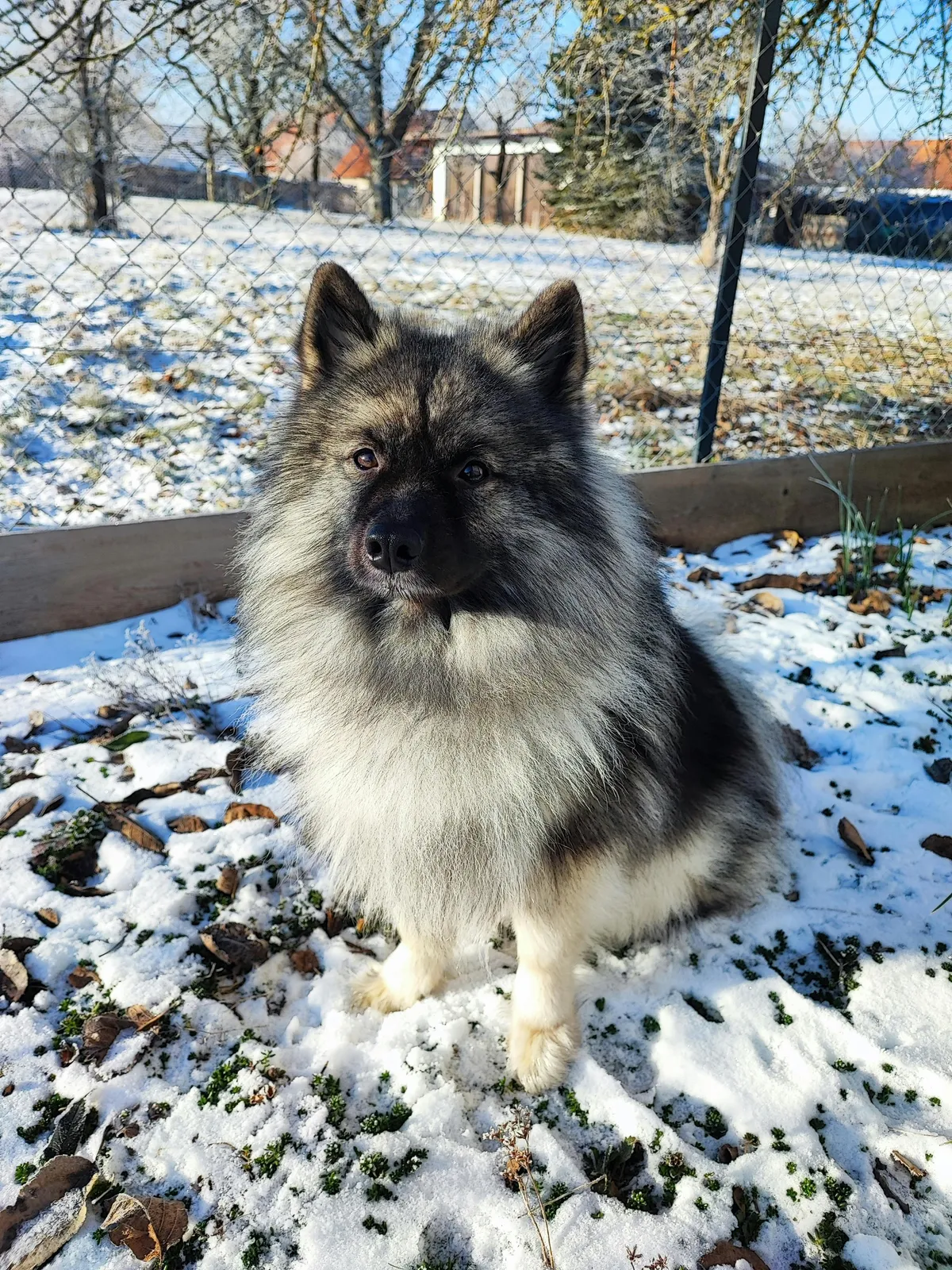
Niemandsländer
Health grade AThe Niemandsländer is an often independent, refined, and highly sensitive survivor—a street dog mix whose genetic hardware was selected not for human cooperation, but for pure resilience, quick wit, and caution.
- Height40–60 cm
- Weight16–30 kg
- Life expectancy12–14 yrs
- Puppy price1,000–2,500 €
- Energy2/5
The Essentials at a Glance
The Niemandsländer is an often independent, refined, and highly sensitive survivor—a street dog mix whose genetic hardware was selected not for human cooperation, but for pure resilience, quick wit, and caution.
- Health grade A: For the Niemandsländer, there are currently no established mandatory genetic tests, which makes comprehensive preventative screening difficult.
- You have the patience for a dog that lacks a genetically anchored 'will-to-please' and must learn to trust humans through hard work
- You can offer a low-stimulus, rural environment or a quiet suburb where he won't be overwhelmed by heavy traffic every day
- You expect an uncomplicated companion for busy cafés and city centers—his street-dog hardware is programmed to flee, freeze, or defend when overstimulated
Is the Niemandsländer right for you?
At a glance
Niemandsländer overview
The essentials — key facts, traits, and health priorities — before you dive deeper.
Health grade
Relative to other breeds
S
A
B
C
D
E
Very healthyHigher risk
Very healthy — limited common concerns.
See full health info & tests →
Note: This health overview is AI-assisted and editorially reviewed. It is for orientation only and does not replace veterinary advice.
Lifespan
12–14 yrs
Height
40–60 cm
Weight
16–30 kg
Practical
- Puppy price: 1,000 – 2,500 €
- Coat: Short, dense, shiny
- Origin: Germany
Temperament
Energy
Trainability
Family fit
With kids
Daily life
Care effort
Shedding
Barking
City-friendly
Guard instinct
What matters most
Especially with a Niemandsländer, choosing the right breeder is the single most important decision you'll make. Serious breeders consistently test the parents for inherited conditions, prioritize healthy early socialization, and stay accountable long after handover. A cheap puppy without health screening tends to become the most expensive dog later on.
See HonestDog breeder standards →Colors & coat
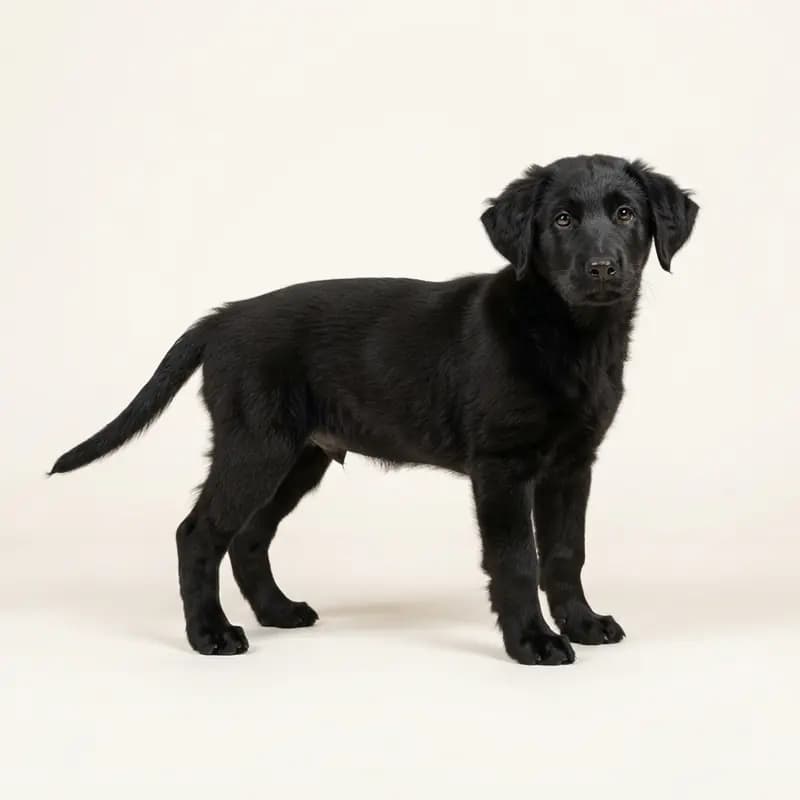
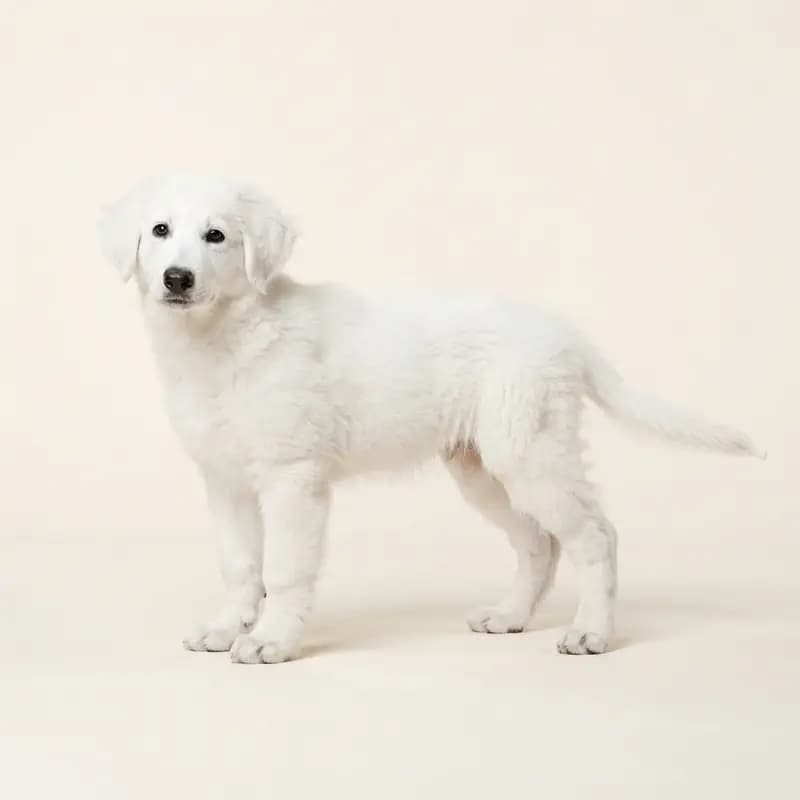
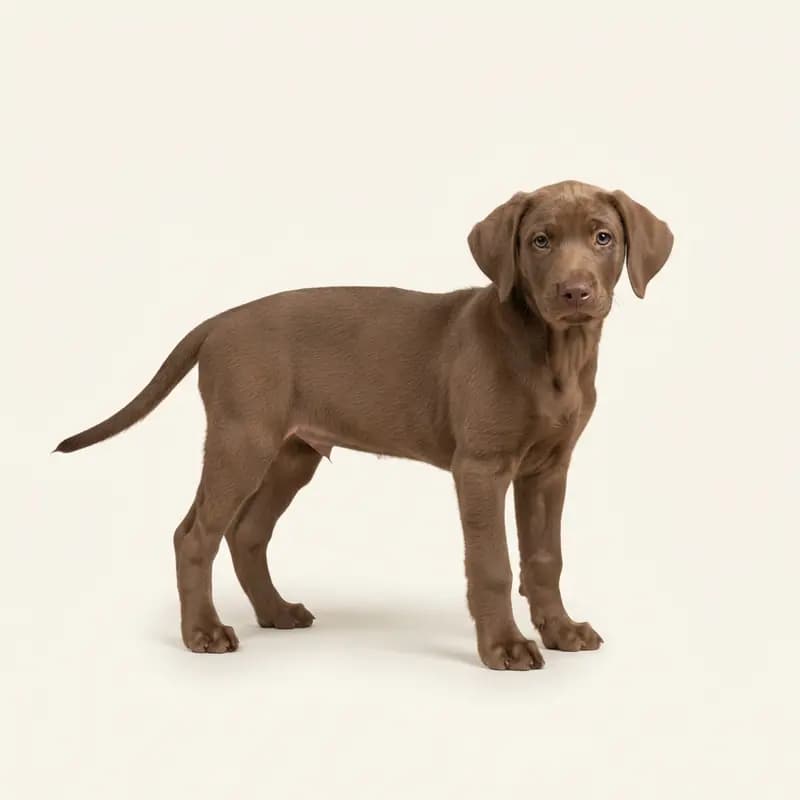
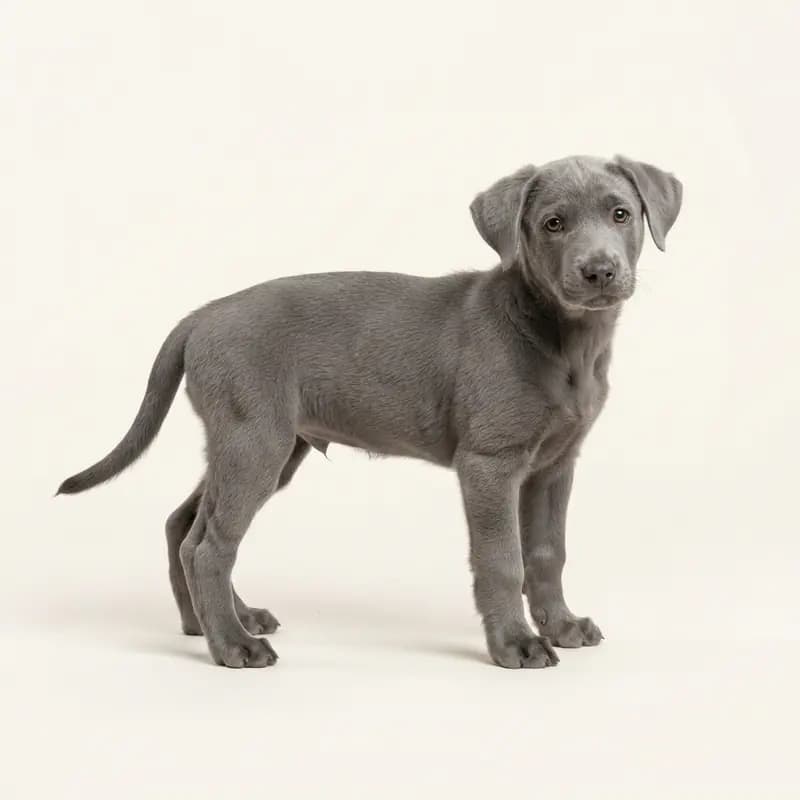
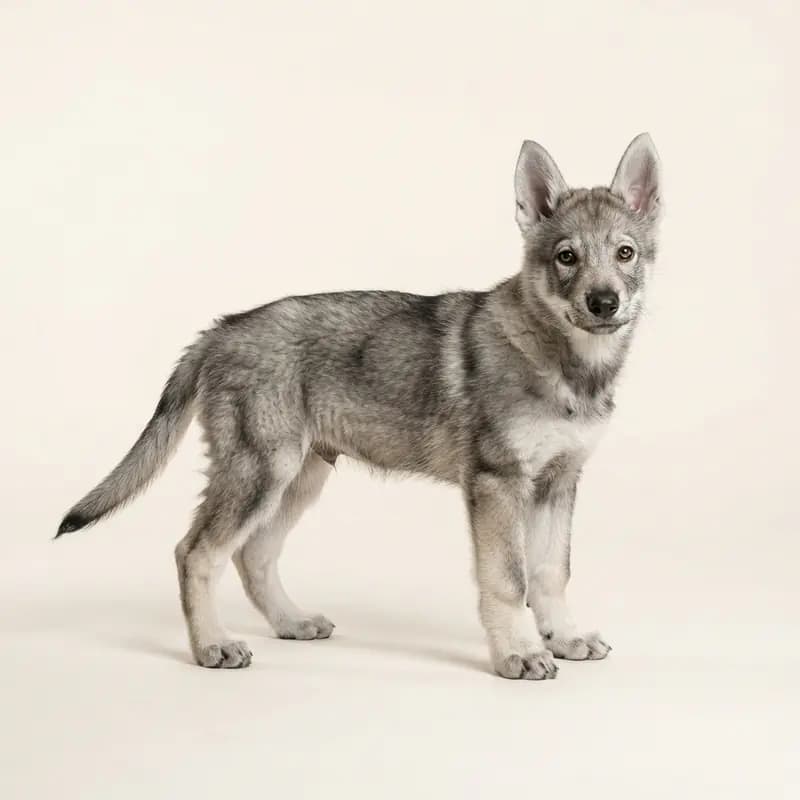
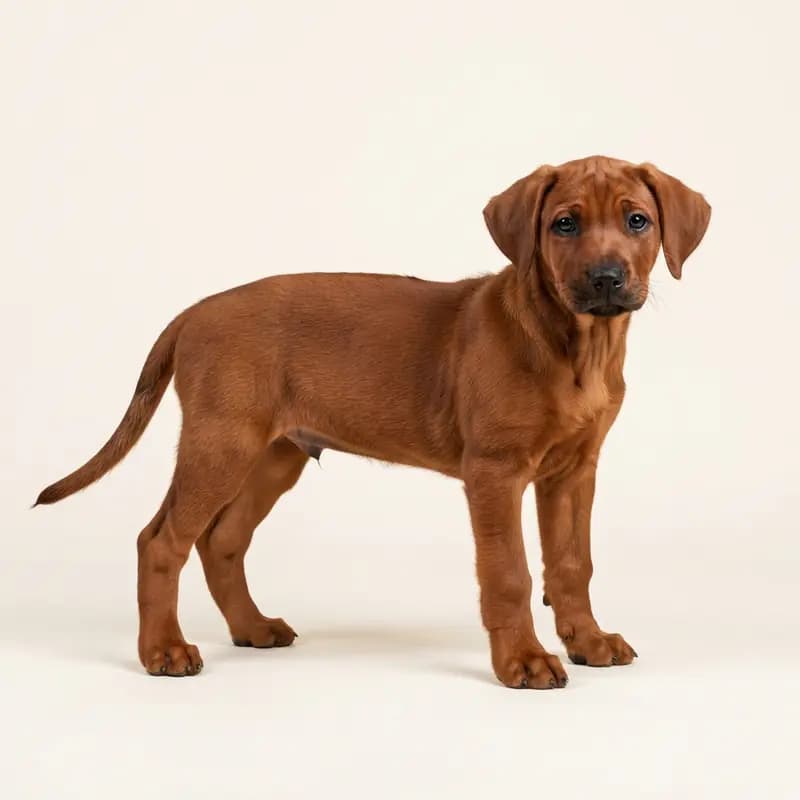
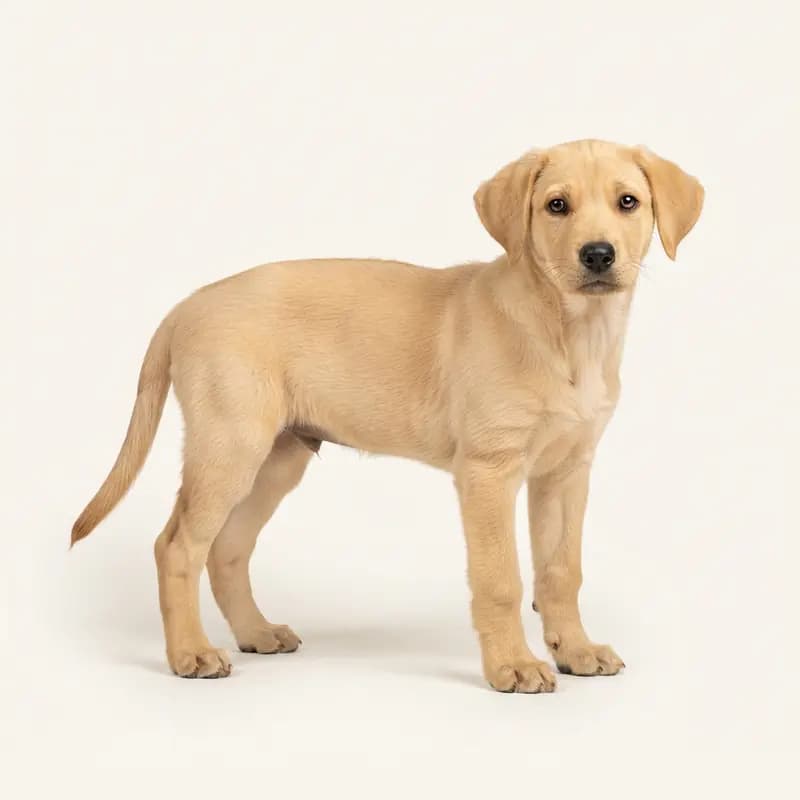
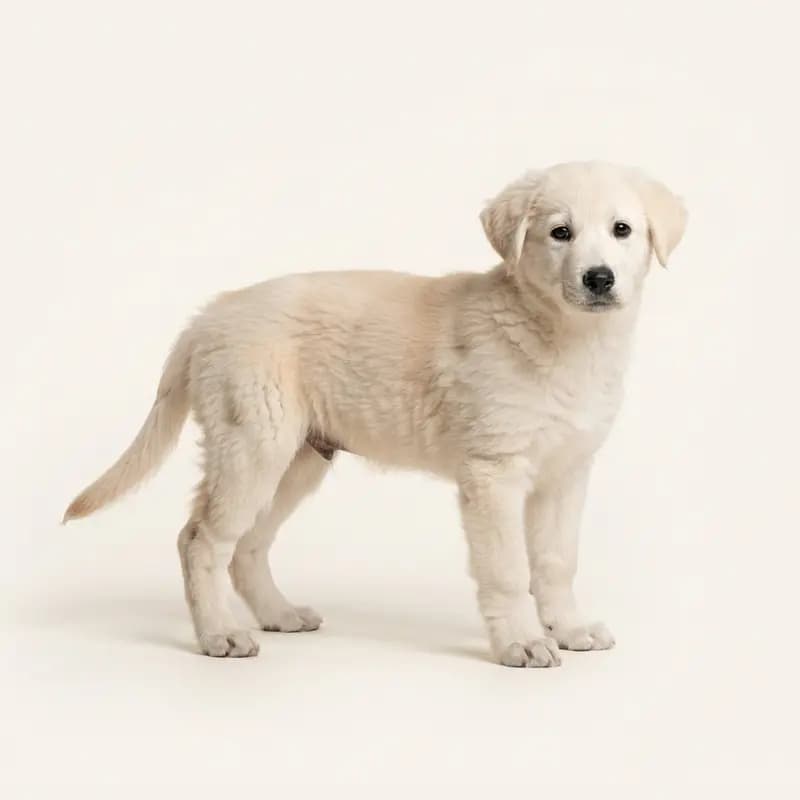
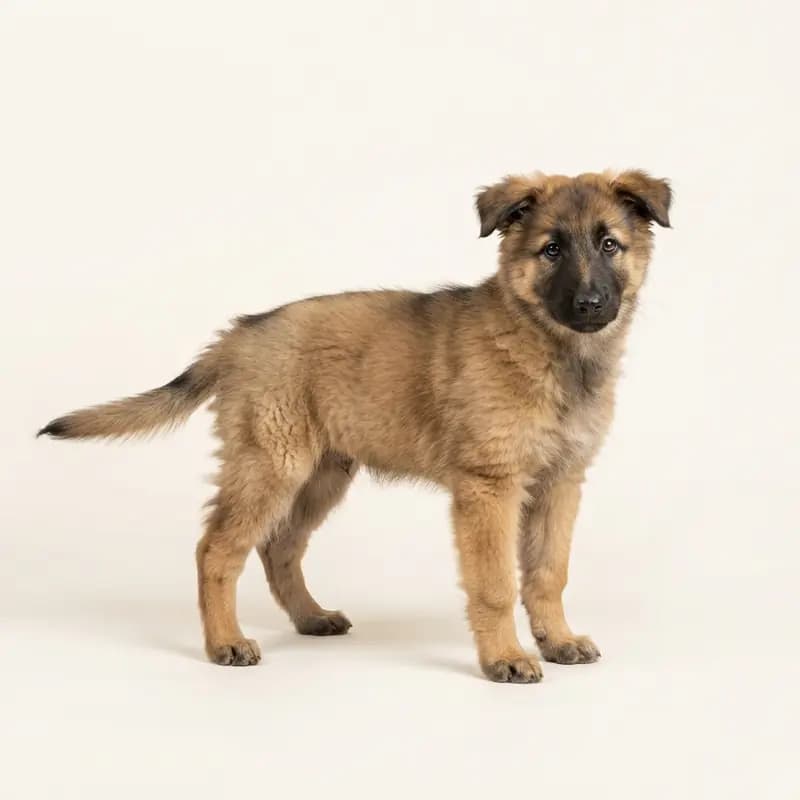
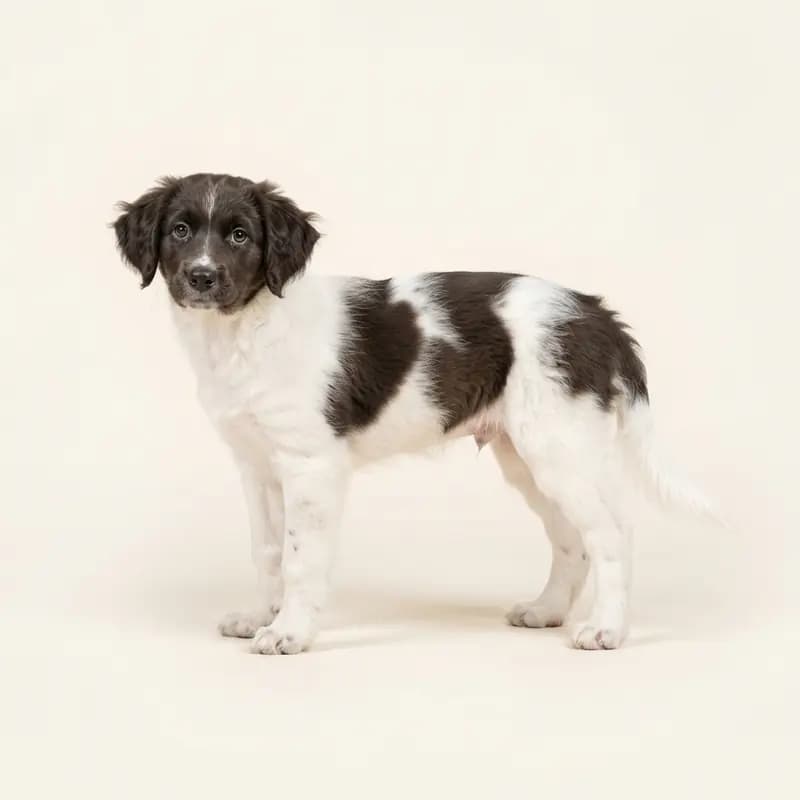
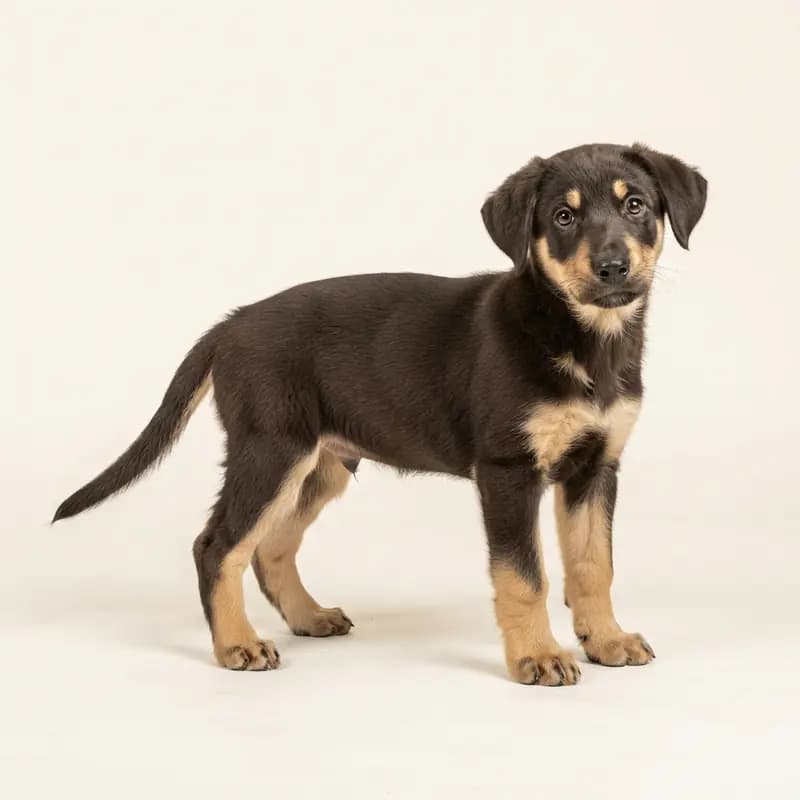
What colors does the Niemandsländer come in?
The coat colors you will see in Niemandsländer litters — including which ones fall outside the breed standard and which carry genetic risk.
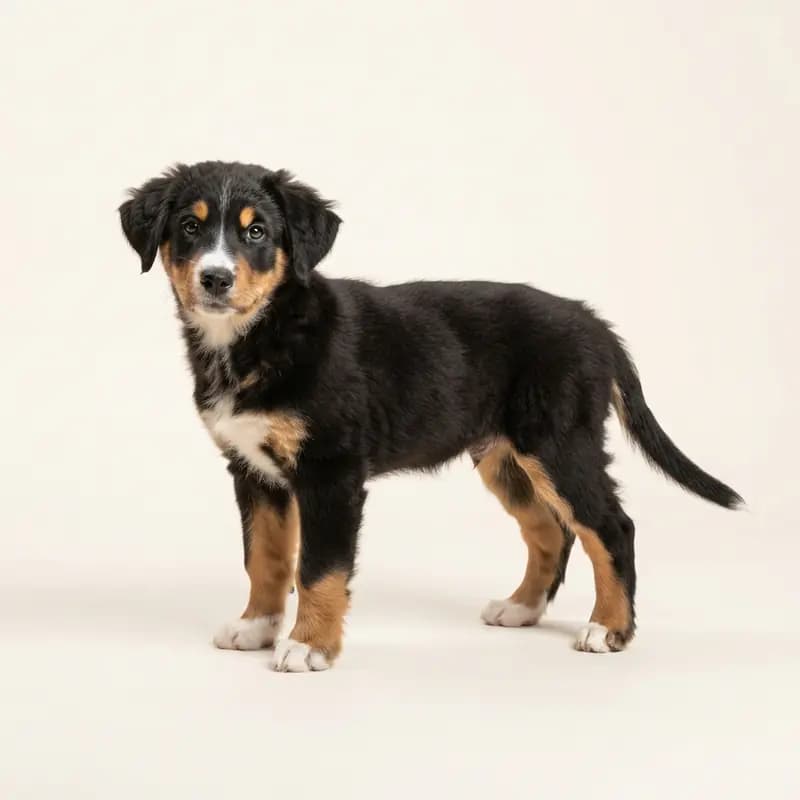
Eye colors
 Brown
Brown Amber
Amber
Coat type
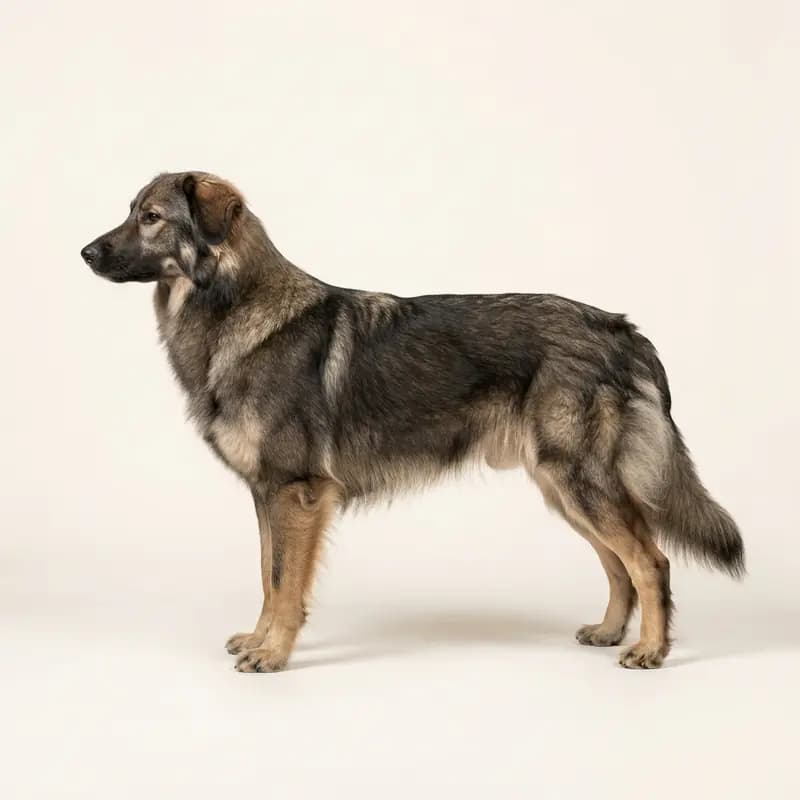 Illustrative image
Medium
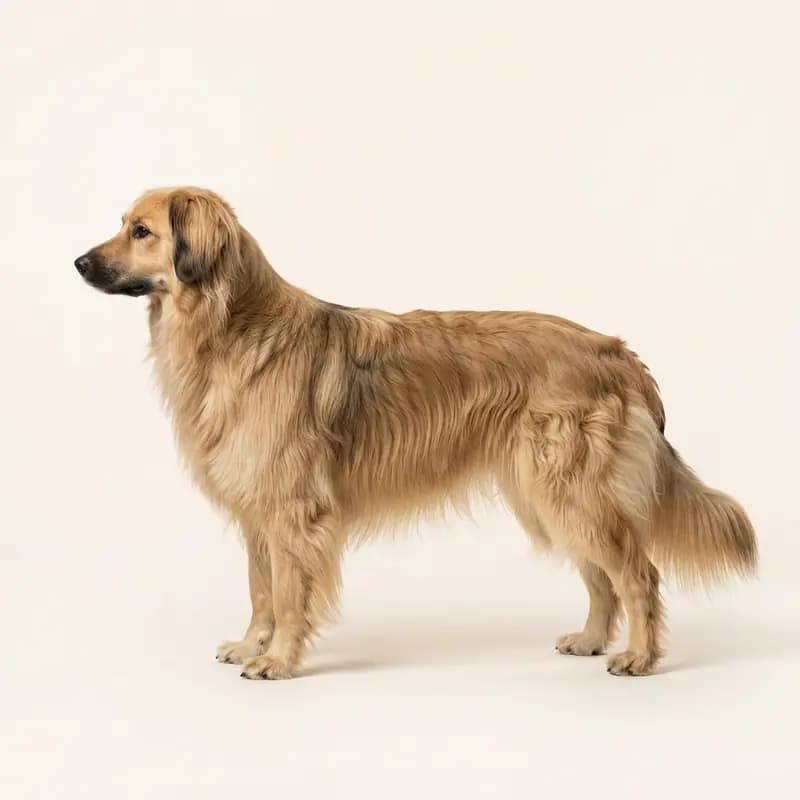 Illustrative image
Long
 Double coat
Is the Niemandsländer right for you?
The Niemandsländer is an often independent, refined, and highly sensitive survivor—a street dog mix whose genetic hardware was selected not for human cooperation, but for pure resilience, quick wit, and caution.
Perfect for you if:
- You have the patience for a dog that lacks a genetically anchored 'will-to-please' and must learn to trust humans through hard work
- You can offer a low-stimulus, rural environment or a quiet suburb where he won't be overwhelmed by heavy traffic every day
- You handle insecurities with confidence, read his body language accurately, and provide a secure framework through reliable daily routines
- You are prepared to completely adjust your expectations of classic dog training success to the dog's own pace and daily mood
Less ideal if:
- You expect an uncomplicated companion for busy cafés and city centers—his street-dog hardware is programmed to flee, freeze, or defend when overstimulated
- You need a reliable prediction regarding final size, prey drive, or territorial behavior—a Niemandsländer is always a genetic gamble from countless generations
- You live in a bustling family with many small children and constant visitors, where it is difficult to guarantee absolute retreats for the dog
- You assume that love alone will heal all trauma or deep-seated fears within a few weeks
The real vibes check
A Niemandsländer doesn't move in with you to please you immediately—he will observe you for weeks to evaluate if you are truly safe. You aren't buying a finished instruction manual, but a surprise package with its own past and often invisible scars. If you accept this and read the dog standing in front of you, you will receive the deepest bond a dog can give: genuine, hard-earned trust.
Self-check
Would the Niemandsländer really fit your life?
Answer 6 quick questions about your everyday life and see how well the Niemandsländer fits you — including an honest cost estimate per month, per year, and across the dog's lifetime.
Fit checkCost estimateRisk dice
Takes about 1 minute · free & anonymous
Breed Profile
The No Man's Lander is bred with the original breeds Elo®, Eurasier, Wolfspitz and Bobtail. According to the responsible association's own statements, the former Elo® breeders want to preserve the positive characteristics of these dogs, but re-evaluate the health prospects. The associated association Nobody's Lands e.V. was founded in 2018. The aim is to create a relaxed and flexible family companion for every life situation. These dogs should be adaptable, easy to train and educate and are therefore suitable as companion and sports dogs. Great importance is also placed on health and kinship breeding is avoided. The No Man's Lander is not a FCI/VDH recognized breed. The characteristics are (still) very variable due to the mix of breeds. However, unlike designer breeds/hybrid dogs, there is a breeding goal for the no-man's land that is worked towards over many generations.
All measurements in detail
- Height
- 40 - 55 cm (Female), 40 - 60 cm (Male)
- Weight
- 16 - 27 kg (Female), 18 - 30 kg (Male)
- Life Expectancy
- 12 - 14 yrs
- Character
- Loyal, intelligent, self-confident
- Coat
- Short, dense, shiny
- Coat Color
- All colors are allowed; hard, dense, wiry, medium length
- Price
- 1000 - 2500 €
Character & Temperament
No Man's Land Dog: The No Man's Land Dog is a versatile and balanced dog that combines the best qualities of the Labrador and the German Shepherd. It is characterized by its high adaptability and friendly nature, but at the same time is eager to work and intelligent. This breed is very people-oriented and forms a close bond with its family, excelling both as a family dog and as a working partner. The No Man's Land Dog requires a balanced mix of physical exercise and mental engagement to fully realize its potential. It learns quickly and shows a high motivation to work together with its human, making it ideal for various tasks such as search and rescue services, obedience training, or dog sports. At the same time, it possesses a natural calmness that makes it a pleasant companion in everyday life. Its prey drive and retrieving behavior are pronounced but well controllable if consistent training is started early. The No Man's Land Dog is alert and shows a healthy protective behavior without being aggressive. It is friendly towards strangers, usually greets them openly, and loves to spend time with its family. Due to its social nature, the No Man's Land Dog should not be left alone for extended periods. It benefits from loving but consistent training and an active lifestyle that offers both physical and mental challenges. This way, it becomes a loyal, reliable, and versatile companion.
| Trainability Willing to learn with clear rules and regular training. | Balanced |
| Watchfulness Reports unusual activity but stays controlled. | Moderate |
| Openness to Strangers Neither pushily friendly nor suspicious. | Neutral |
| Hunting or Herding Drive Mild interest in movement and small animals — easily managed. | Low |
Fun Fact!
No man's lands: No man's lands are clever and independent dogs originally bred as versatile working dogs. They love mastering new challenges and are true masters at tracking – almost as if they have a built-in "nose for adventure."
What Awaits You
Niemandsländer are robust and independent dogs that impress with their adaptability and endurance. They are vigilant and show a strong bond with their family, but require consistent training and sufficient activity. Niemandsländer are well suited as guard and companion dogs and convince with their eagerness to learn and loyalty.
Housing & Care
Niemandsländer are calm and balanced dogs that are well suited as companions for active families. They are very affectionate and form a close bond with their people, but also require sufficient mental and physical activity to remain balanced. Niemandsländer are generally compatible with other dogs and pets if socialized early. Due to their friendly nature, they are also suitable for families with children, although respectful handling should always be ensured with small children. They feel comfortable both in houses with gardens and in apartments, as long as they get enough exercise and shared activities.
- Family Friendly
Lives for its family — the born family companion.
Ideal family dog - Child Friendly
Gets on well with children — with adult supervision.
With supervision - Dog Friendly
Usually gets on fine with other dogs.
Generally tolerant - City Friendly
Can manage in the city, but only with very active owners.
Difficult in cities
Owning a dog is a privilege, but it's also a real responsibility. Before you bring one into your life, be honest with yourself about the commitment it takes.
Training & Education
Niemandsländer are intelligent and versatile dogs that require consistent but loving training. They have a high willingness to learn and benefit from varied training that offers both physical and mental challenges. Similar to German Shepherds, it is important to start socialization early and establish clear rules to avoid unwanted behavior. Niemandsländer have a strong work drive and therefore need meaningful activities to stay fulfilled and balanced. Obedience, agility, or search games are ideal ways to promote their skills while strengthening the bond. Training should always be positive and reward-based to maintain motivation and joy in learning. As with Labradors, it is important to maintain a balanced mix of activity and rest periods. Niemandsländer should learn to cope with phases of boredom to avoid overload or frustration. Patience and consistency are crucial to promote impulse control and frustration tolerance. Overall, the Niemandsländer requires dedicated training and clear leadership but offers a loyal, hardworking, and versatile companion who can thrive in many areas. Those willing to invest time and energy will be rewarded with a balanced and reliable partner.
Nutrition & Care
Niemandsländers are robust and versatile dogs that need a balanced diet to stay healthy and active. High-quality food with a good proportion of proteins and essential nutrients is recommended. Make sure to adjust the amount of food to your dog's activity level to avoid overweight. The coat of the Niemandsländer is dense and weather-resistant, with a thick undercoat that protects it well from the cold. Regular brushing, at least 2-3 times a week, is important to remove loose hair and prevent matting. Especially during the shedding seasons in spring and autumn, Niemandsländers shed more, so more intensive coat care is necessary then. Niemandsländers adapt well to the Central European climate. Their coat protects them from the cold, but in high temperatures, sufficient shade and water should be provided to prevent overheating.
| Care Level Regular brushing and occasional professional grooming. | Moderate |
| Exercise Needs Enjoys daily movement but isn't a sports dog. | Moderate |
| Shedding Regular shedding — dog hair on clothes is now normal. | Moderate |
| Trainability Willing to learn with clear rules and regular training. | Balanced |
Our experts are still reviewing this information. Spotted something wrong? Email us at info@honestdog.de.
Health & hereditary diseases
Health
A
Robust
Health grade
For the Niemandsländer, there are currently no established mandatory genetic tests, which makes comprehensive preventative screening difficult. Nevertheless, buyers should be aware of potential eye conditions such as cataracts or Progressive Retinal Atrophy (PRA), which can occur sporadically in this breed group. Since there is very little standardized data available, the most important protection here is to ensure the breeder has specifically screened the parent dogs.
Grade is relative to other breeds — AI-assisted and editorially reviewed.
In daily life this can mean
You should ensure the dog is raised in a way that protects its joints and inform your veterinarian early on about the potential medication sensitivity so that treatments can be carried out safely.
The breeder's role
Reputable breeders have hips, elbows, knees, and eyes checked and pay attention to the medication tolerance of the parent animals to reduce avoidable risks.
Note: This health overview is AI-assisted and editorially reviewed. It is for orientation only and does not replace veterinary advice.
No Health Tests Available
No specific health tests are currently available for this breed.
Costs & where to find one
How much does a Niemandsländer cost?
A Niemandsländer costs around ~€190 per month (€100 – €350, depending on your setup). The first year adds up to roughly ~€4,800 including purchase, equipment and puppy school; across the dog's life (13 years) it comes to about ~€31,500.
With surgery cover, running costs come to about ~€180 per month — in return, your share of a major operation drops from several thousand euros to around 20 percent.
Per month
~€190
In the first year
~€4,800
Across the dog's life
~€31,500
Purchase from a breeder: €1,000 – €2,500
Estimate at a mid-range setup (suburban, dry food, 1–2 hours of daily exercise), average German prices, as of July 2026.
Calculate your personal costs1-minute self-check with your own answers
Looking for a Niemandsländer?
Appearance, variants & origin
History
The full history
The existence of the so-called Niemandsländer as an independent and officially recognized dog breed is highly controversial in modern cynology. Neither the Fédération Cynologique Internationale (FCI) nor other major kennel clubs such as the American Kennel Club (AKC) or the Verband für das Deutsche Hundewesen (VDH) include this breed in their registers. Historical claims dating the origin of these dogs to the early twentieth century and attributing to them a past as robust border patrol and guard dogs in Central European border regions lack any verifiable cynological or veterinary-historical basis. Rather, modern records suggest that the term only appeared in Germany around the year 2000, presumably in the context of unregulated breeding attempts or as a designation for specific crossbreed lines. These more recent efforts were primarily aimed at creating an adaptable and friendly companion dog for families, which stands in direct contradiction to the narrative of a tough working dog. Since there is no binding breed standard, no closed studbooks, and no recognized breeding history, the Niemandsländer must be viewed from a factual perspective as a non-standardized hybrid dog or a purely fictional construct. Prospective owners should be aware that this is not a historically established breed with documented ancestry.
Original Use
The Niemandsländer was bred as a family and companion dog, characterized by its adaptability and friendly nature.
Origin
Germany
Date
2000
Owner experiences
What owners say about the Niemandsländer
Sabine M., Halterin aus Niedersachsen (Rüde, seit 2021)
Wir haben uns bewusst für einen Niemandsländer entschieden, da wir die Idee hinter dieser noch sehr jungen Zuchtinitiative großartig finden. Unser Rüde ist ein absoluter Traum im Alltag mit den Kindern. Er ist unfassbar anpassungsfähig, freundlich zu jedem Besuch und bringt eine tiefe Gelassenheit mit, die uns im turbulenten Familienleben sehr zugutekommt.
Allerdings darf man nicht vergessen, dass in dieser Rasse unter anderem Eurasier, Wolfspitz und Bobtail stecken. Das wunderschöne, kuschelweiche Fell ist zwar herrlich zum Schmusen, verfilzt aber extrem schnell, wenn man nicht fast täglich mit Bürste und Kamm dahinterher ist. Auch ein gewisser Dickkopf blitzt ab und zu durch – eine liebevolle, aber konsequente Erziehung von Anfang an war bei uns absolut notwendig.
Christian B., Halter aus dem Rheinland (Hündin, seit 2020)
Unsere Hündin ist ein echtes Cleverchen. Wer denkt, ein Niemandsländer läuft einfach nur so nebenher, unterschätzt diese Hunde. Sie ist sehr klug und fordert ihre geistige Auslastung regelrecht ein. Wir machen viel Sucharbeit und kleine Gehorsamsübungen im Alltag, was ihr riesigen Spaß macht.
Besonders schätze ich ihre Nervenstärke. Egal ob in der Stadt oder im vollen Restaurant – sie bleibt auch in hektischen Situationen völlig cool. Manchmal zeigt sie jedoch den rassetypischen Eigensinn. Wenn sie eine Anweisung mal nicht einsieht, schaltet sie auf stur. Da hilft kein Druck, sondern nur Geduld und eine Portion Humor.
Paraphrased from real owner reports
Loading owner stories
Community Posts
FAQ & more
Frequently asked questions about the Niemandsländer
Is a Niemandsländer the right dog for me?
The Niemandsländer is an adaptable dog that adjusts well to various lifestyles. Research the temperament, grooming needs, and space requirements before deciding.
How long does a Niemandsländer live?
The average life expectancy of a Niemandsländer is 12-14 years. With proper care and regular vet visits, your dog can live a long, healthy life.
How much grooming does a Niemandsländer need?
Niemandsländer grooming requirements include regular brushing, nail trimming, and dental care. HonestDog provides detailed grooming tips for every breed.
Is a Niemandsländer good for families with children?
The Niemandsländer can be a great family dog. Proper training and socialization are key. HonestDog provides family suitability information for every breed.
What colors does the Niemandsländer come in?
The Niemandsländer comes in these colors: Black, White, Brown, Grey, Wolf grey, Red, Fawn, Cream, Sable, Piebald, Bicolor, Tricolor.
Loading related articles
Are you a Niemandsländer breeder?
Showcase your kennel on HonestDog and reach families searching for a responsibly bred Niemandsländer.
Why HonestDog?
What makes HonestDog different from other platforms
Full transparency
We lay out what we have: who the breeder is, how they work, and any health records they've uploaded. So you can judge for yourself.
Responsible breeding, assured
Every breeder on HonestDog has their identity and documents checked before their profile goes live. Health records they upload are shown on the profile, so you can see exactly what has been tested.
Trust and verification
We verify breeders and buyers alike, so every conversation happens on solid ground. It's a new standard of trust in dog breeding.
Less hassle, more time
We've already checked the breeders' documents and gathered the details, so you can skip the endless research and focus on finding the right puppy for your family.
Our Mission

We connect dog lovers with responsible breeders and shelters to ensure every dog finds the perfect home.
Founded by dog enthusiasts, our platform focuses on ethical dog breeding and adoption.
Why HonestDog?
We connect you with vetted breeders and shelters so you can find your — your new companion — with confidence.
Vetted Partners
Only verified breeders and shelters — for a safe start.
Highest Standards
Every animal's health and wellbeing is our top priority.
Guides & Resources
Guides, checklists, and breed profiles — so you can make a well-informed decision.