Loading breed
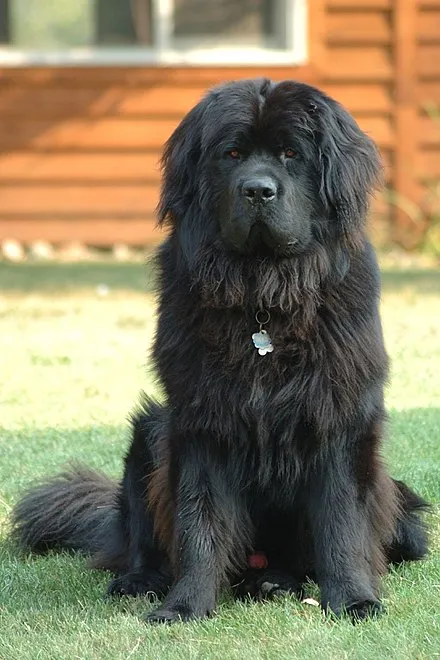
Newfoundland
Health grade DThe Newfoundland is a deeply relaxed, extremely people-oriented giant—bred as a massive water rescue and draft dog for Canadian fishermen, capable of working with immense strength even in icy waters.
- Height63–74 cm
- Weight45–70 kg
- Life expectancy8–10 yrs
- Puppy price2,000–3,500 €
- Energy3/5
The Essentials at a Glance
The Newfoundland is a deeply relaxed, extremely people-oriented giant—bred as a massive water rescue and draft dog for Canadian fishermen, capable of working with immense strength even in icy waters.
- Health grade D: The Newfoundland is rated D for health, as the breed carries a high risk of severe, breed-typical diseases of the musculoskeletal system and the heart.
- You have a house with a large, ground-level property—climbing stairs is impossible for this heavy build in the long run.
- You are looking for a companion for moderate, cool walks or swimming trips—as a water rescue dog, he truly thrives in and around the water.
- You expect your family to be able to splash around in the lake undisturbed—his deeply ingrained rescue instinct will often lead him to persistently try to pull you to the shore.
Is the Newfoundland right for you?
At a glance
Newfoundland overview
The essentials — key facts, traits, and health priorities — before you dive deeper.
Health grade
Relative to other breeds
S
A
B
C
D
E
Very healthyHigher risk
Elevated risk — responsible breeding really matters.
See full health info & tests →
Note: This health overview is AI-assisted and editorially reviewed. It is for orientation only and does not replace veterinary advice.
Lifespan
8–10 yrs
Height
63–74 cm
Weight
45–70 kg
Practical
- Puppy price: 2,000 – 3,500 €
- Coat: Thick, water-repellent, with a dense undercoat
- Origin: Canada (Newfoundland)
Temperament
Energy
Trainability
Family fit
With kids
Daily life
Care effort
Shedding
Barking
City-friendly
Guard instinct
What matters most
Especially with a Newfoundland, choosing the right breeder is the single most important decision you'll make. Serious breeders consistently test the parents for inherited conditions, prioritize healthy early socialization, and stay accountable long after handover. A cheap puppy without health screening tends to become the most expensive dog later on.
See HonestDog breeder standards →Colors & coat
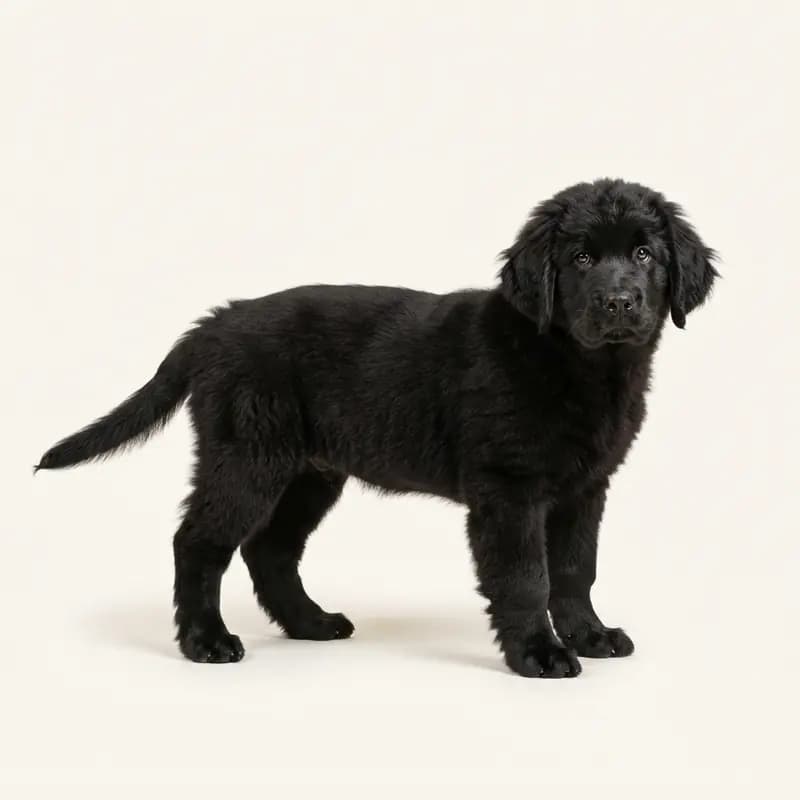
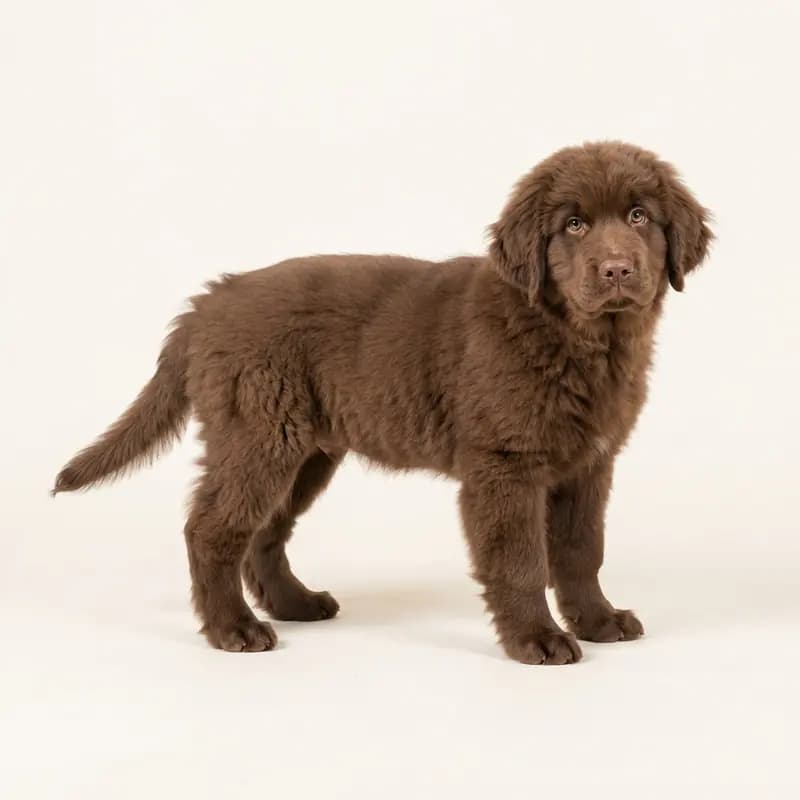
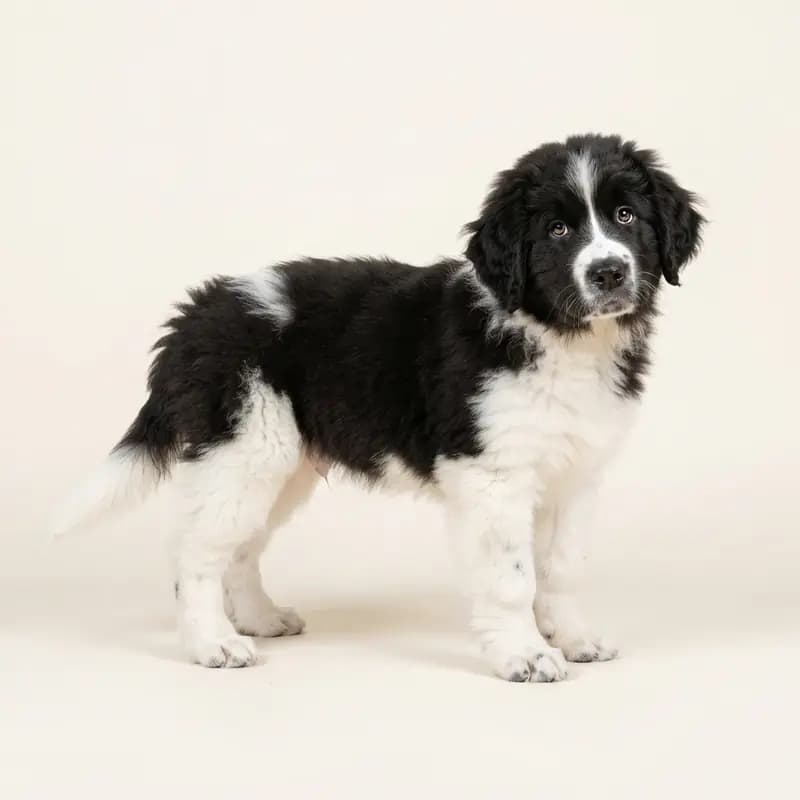
What colors does the Newfoundland come in?
The coat colors you will see in Newfoundland litters — including which ones fall outside the breed standard and which carry genetic risk.
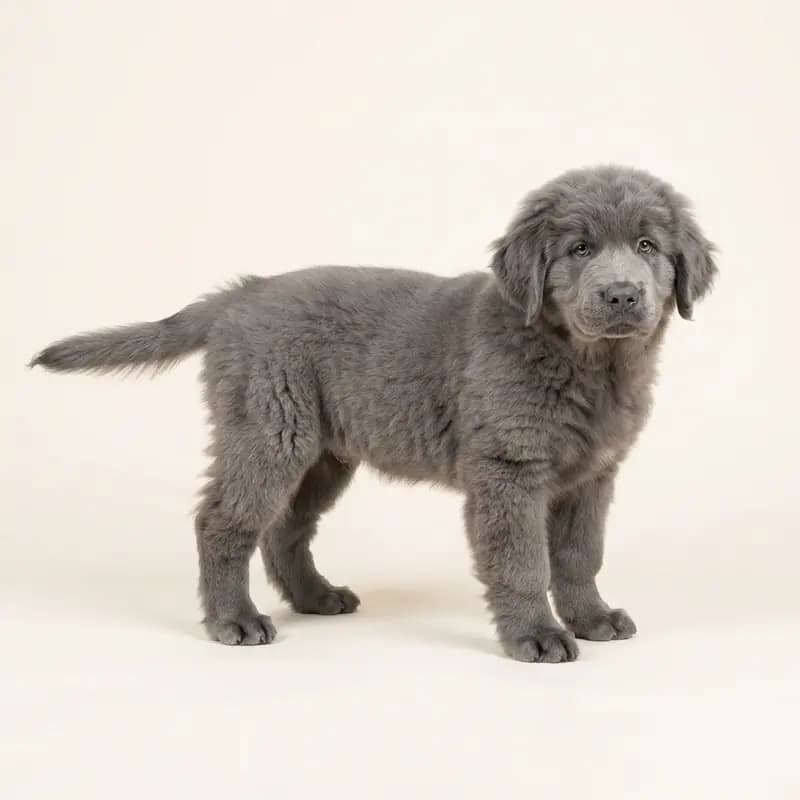
Eye colors
 Brown
Brown
Coat type
 Double coat
 Long
Long
Is the Newfoundland right for you?
The Newfoundland is a deeply relaxed, extremely people-oriented giant—bred as a massive water rescue and draft dog for Canadian fishermen, capable of working with immense strength even in icy waters.
Perfect for you if:
- You have a house with a large, ground-level property—climbing stairs is impossible for this heavy build in the long run.
- You are looking for a companion for moderate, cool walks or swimming trips—as a water rescue dog, he truly thrives in and around the water.
- You want a calm, extremely tolerant family dog that takes hustle and bustle with stoic serenity.
- You have the time and patience for the extensive, regular grooming required for his dense double coat.
Less ideal if:
- You expect your family to be able to splash around in the lake undisturbed—his deeply ingrained rescue instinct will often lead him to persistently try to pull you to the shore.
- You live in a warm region without air conditioning—summer heat is the ultimate enemy for his hardware.
- You are looking for a light-footed, athletic partner for jogging or long bike rides.
- You are a neat freak—flying strings of drool and a soaking wet bear that tracks mud into the house are part of everyday life here.
The real vibes check
In everyday life, a Newfoundland is a deeply relaxed bear that stoically blocks the hallway—until you get to the water. If he decides that you need 'help' in the lake, he will pull you to the shore with the gentle, unstoppable force of a tractor, whether you like it or not. You will have to say goodbye to a spotlessly clean home, but in return, you gain a dog with a soul that is literally impossible to rattle.
Self-check
Would the Newfoundland really fit your life?
Answer 6 quick questions about your everyday life and see how well the Newfoundland fits you — including an honest cost estimate per month, per year, and across the dog's lifetime.
Fit checkCost estimateRisk dice
Takes about 1 minute · free & anonymous
Breed Profile
The Newfoundland dog is an impressive presence. Its large, strong body is covered in thick, long fur that protects it from the cold of its native Canada. Its head is broad and massive with deep-set eyes that have a warm and friendly aura. Its legs are powerful and strong, well suited for swimming - an activity that this breed is very comfortable with. It belongs to FCI Group 2, the Pinscher and Schnauzer - Molossoide "Swiss Mountain Dogs and other breeds.
All measurements in detail
- Height
- 63 - 69 cm (Female), 69 - 74 cm (Male)
- Weight
- 45 - 55 kg (Female), 60 - 70 kg (Male)
- Life Expectancy
- 8 - 10 yrs
- Character
- Gentle, friendly, patient
- Coat
- Thick, water-repellent, with a dense undercoat
- Coat Color
- Black, brown, gray, black and white
- Price
- 2000 - 3500 €
Character & Temperament
Despite their size, Newfoundlands are known for their gentle and friendly nature. They are very people-oriented and build a close bond with their family. Their patience and amiable nature make them excellent family dogs. They get along well with children and generally behave in a friendly and balanced manner towards other animals. The Newfoundland is a working dog by nature, but its temperament is rather calm and even-tempered. They have a medium activity level and require regular but not excessive exercise. Swimming is a particularly good activity for this breed because it suits their natural inclination while training their strong body. This dog can stay alone well provided it is well socialized and trained. However, he enjoys the company of his people and should not be left alone for long periods of time. When it comes to hunting behavior, the Newfoundland dog does not tend to show strong prey-catching behavior. His alertness is moderate. He will protect his home and family, but he is not an aggressive guard dog. Instead, he is more of a gentle giant who would rather make friends than make enemies. There are no differences in the Newfoundland's lines like some other breeds. All Newfoundlands, regardless of their specific pedigree, share the same basic characteristics and temperaments.
| Trainability Willing to learn with clear rules and regular training. | Balanced |
| Watchfulness Occasionally alerts but is fundamentally open. | Low |
| Openness to Strangers Neither pushily friendly nor suspicious. | Neutral |
| Hunting or Herding Drive Barely any prey drive — small animals trigger nothing. | Very low |
Fun Fact!
Despite their massive build, Newfoundlands are excellent swimmers and have historically been used as lifeguards!
What Awaits You
Newfoundlands are great swimmers and are often used in water work and also in water rescue. They are considered friendly but also stubborn and are therefore not necessarily suitable for beginners. Their life expectancy is rather low and, among other things, problems with the musculoskeletal system are very common.
Housing & Care
Newfoundlands can live in both urban and rural areas provided they have enough space to move around. They are very child-friendly and are well suited for families with children. Their gentle and calm nature also makes them good companions for other pets, including cats.
- Family Friendly
Lives for its family — the born family companion.
Ideal family dog - Child Friendly
Extraordinarily patient and loving — a true family dog.
Excellent with children - Dog Friendly
Actively enjoys the company of other dogs.
Dog-friendly - City Friendly
Can manage in the city, but only with very active owners.
Difficult in cities
Owning a dog is a privilege, but it's also a real responsibility. Before you bring one into your life, be honest with yourself about the commitment it takes.
Training & Education
Raising a Newfoundland is usually a joyful experience as they are intelligent, eager to learn, and eager to please their owners. They respond well to positive reinforcement and gentle, consistent leadership. It's important to socialize them from a young age and get them used to different people, places and situations. This helps build their confidence and ensures they grow into well-adjusted, well-adjusted dogs. Newfoundlands are working dogs originally bred for swimming and rescue swimming. Therefore, they benefit from activities that stimulate their body and mind. This can include swimming, fetch, search games, and obedience training. They tend to have a calm and relaxed temperament and are not known for being "ball junkies." to become. Still, it's important to offer them a variety of games and activities to keep them mentally and physically healthy.
Nutrition & Care
A Newfoundland dog's diet should be balanced and nutritious, with a good balance of proteins, carbohydrates, fats, vitamins and minerals. They are prone to becoming overweight, so it is important to monitor their food intake and ensure they get enough exercise. Grooming the Newfoundland can be challenging as they have a thick, double coat that requires regular grooming. They shed quite heavily, especially during the shedding season in spring and fall. However, they are well adapted to the climate in Germany and their thick fur protects them from both the cold in winter and the heat in summer.
| Care Level Needs regular professional grooming — time-consuming and costly. | High-maintenance |
| Exercise Needs Needs 1–2 hours of real exercise daily. | Active |
| Shedding Hair everywhere, always — no white clothing survives. | Very heavy |
| Trainability Willing to learn with clear rules and regular training. | Balanced |
Our experts are still reviewing this information. Spotted something wrong? Email us at info@honestdog.de.
Health & hereditary diseases
Health
D
Elevated risks
Health grade
The Newfoundland is rated D for health, as the breed carries a high risk of severe, breed-typical diseases of the musculoskeletal system and the heart. Among the biggest health drivers are hip dysplasia (HD), elbow dysplasia (ED), and life-threatening aortic stenosis, generic. A responsible breeder actively counteracts these risks by only mating dogs that demonstrably meet the strict limit values. Before buying a puppy, make sure to ask to see the official test results of the parent animals: these must show a result of C or better for hip dysplasia (HD), grade 1 or better for elbow dysplasia (ED), and be clear of aortic stenosis, generic, as well as other heart diseases. In addition, a DNA test result for cystinuria must be available, adhering to the limit value of clear or carrier (the latter only if the other partner is demonstrably clear).
Grade is relative to other breeds — AI-assisted and editorially reviewed.
In daily life this can mean
You must strictly ensure slow growth, a healthy weight, and joint-friendly exercise to avoid overloading his skeleton, and you should plan for regular preventative check-ups.
The breeder's role
Reputable breeders have the hips, elbows, knees, and hearts of the parent animals tested and ensure well-fitting eyelids as well as bloodlines without a genetic predisposition for bladder stones.
Note: This health overview is AI-assisted and editorially reviewed. It is for orientation only and does not replace veterinary advice.
No Health Tests Available
No specific health tests are currently available for this breed.
Costs & where to find one
How much does a Newfoundland cost?
A Newfoundland costs around ~€240 per month (€130 – €470, depending on your setup). The first year adds up to roughly ~€6,480 including purchase, equipment and puppy school; across the dog's life (9 years) it comes to about ~€29,700.
With surgery cover, running costs come to about ~€260 per month — in return, your share of a major operation drops from several thousand euros to around 20 percent.
Per month
~€240
In the first year
~€6,480
Across the dog's life
~€29,700
Purchase from a breeder: €2,000 – €3,500
Estimate at a mid-range setup (suburban, dry food, 1–2 hours of daily exercise), average German prices, as of July 2026.
Calculate your personal costs1-minute self-check with your own answers
Looking for a Newfoundland?
HonestDog Concierge
No verified Newfoundland breeders on HonestDog yet
We currently have no breeders for this breed who have passed our verification. Create your short buyer profile: we'll set up your search alert, review a possible source and email you within 28 days.
Appearance, variants & origin
History
The full history
The breed, as the name suggests, comes from the island of Newfoundland in Canada. They have been kept as working dogs by the local fishermen since the 17th century. They pulled nets ashore, rescued fishermen who had fallen overboard and even retrieved drifted fish. Their swimming ability, height and strength made them perfect for these tasks. In 1886 the Newfoundland was recognized as a separate breed.
Original Use
The Newfoundland was bred as a working dog for fishermen to haul in nets and rescue people who had fallen overboard.
Origin
Canada (Newfoundland)
Date
1700
Owner experiences
What owners say about the Newfoundland
Andreas M., erfahrener Halter aus Hessen (mehrere Rüden & Hündinnen, lebenslange Erfahrung)
Ich bin mit Neufundländern großgeworden und für mich gibt es einfach keine treuere oder gelassenere Rasse. Unsere Hunde hatten alle diese unerschütterliche Ruhe und ein unglaubliches Selbstbewusstsein. Was das Thema Jagdtrieb angeht, kann ich nur Positives berichten: Bei uns hatte kein einziger Neufi jemals Ambitionen, Wild, Vögeln oder Nachbars Katze hinterherzujagen. Im Gegenteil, andere Tiere wurden entweder ignoriert oder standen unter ihrem Schutz.
Man darf sich aber nichts vormachen: Es sind riesige, schwere Hunde, die eine konsequente, aber liebevolle Erziehung brauchen. Und die Gesundheit ist ein sensibles Thema. Wir hatten zwar das Glück, dass unsere Hunde alle älter als 10 Jahre wurden und robust waren, aber man muss beim Kauf extrem auf eine seriöse Zucht achten, da Gelenk- und Herzprobleme in der Rasse leider ein großes Thema sind.
Sarah T., Halterin aus Niedersachsen (Hündin, seit 2021)
Wer sich einen Neufundländer anschafft, muss sich darüber im Klaren sein: Das Leben wird dreckig. Wir tragen jede Woche gefühlt eine ganze Mülltüte voller Hundehaare aus dem Haus, und der Sabber verteilt sich einfach überall. Dazu kommt, dass sie durch ihre schiere Größe und Tollpatschigkeit im Alltag echte Rammböcke sein können. Unser Mädchen hat mich im Eifer des Gefechts schon unabsichtlich so umgerissen, dass ich blaue Flecken davongetragen habe. Ein großer Garten und viel Platz im Auto sind hier absolute Pflicht.
Charakterlich sind sie unglaublich sanftmütig, aber sie haben auch einen extremen Dickkopf. Wenn man versucht, sie mit Härte oder Druck zu etwas zu zwingen, schalten sie komplett auf stur. Sie reagieren viel besser auf einen sanften, positiven Ansatz und viel Futterlob. Man muss von Tag eins an extrem viel Zeit in die Leinenführigkeit und Sozialisierung stecken, denn 60 bis 70 Kilo Hund hält man im Ernstfall nicht mehr einfach so an der Leine.
Felix K., Halter aus Nordrhein-Westfalen (Rüde, seit 2021)
Unser Umano bereichert unser Leben nun schon seit anderthalb Jahren und er ist ein absolut wundervoller Kerl. Neufundländer sind einfach unheimlich menschenbezogene Schmusebären, die am liebsten überall dabei sein wollen. Sie binden sich extrem eng an ihre Familie und bringen diese typische, gemütliche Gelassenheit mit, die man überall spürt.
Man sollte sich vor der Anschaffung allerdings gut über die rassetypischen Ansprüche informieren. Das dichte, wasserabweisende Fell braucht tägliche Pflege, sonst verfilzt es sofort. Auch das Thema Ernährung und die richtige Futterauswahl für das Wachstum der Gelenke bei so einer Riesenrasse hat uns am Anfang sehr beschäftigt. Treppensteigen ist im ersten Lebensjahr absolut tabu, weshalb man sich die Wohnsituation vorher ganz genau anschauen sollte.
Paraphrased from real owner reports
Loading owner stories
FAQ & more
Frequently asked questions about the Newfoundland
Is a Newfoundland the right dog for me?
The Newfoundland is an adaptable dog that adjusts well to various lifestyles. Research the temperament, grooming needs, and space requirements before deciding.
How long does a Newfoundland live?
The average life expectancy of a Newfoundland is 8-10 years. With proper care and regular vet visits, your dog can live a long, healthy life.
How much grooming does a Newfoundland need?
Newfoundland grooming requirements include regular brushing, nail trimming, and dental care. HonestDog provides detailed grooming tips for every breed.
Is a Newfoundland good for families with children?
The Newfoundland can be a great family dog. Proper training and socialization are key. HonestDog provides family suitability information for every breed.
What colors does the Newfoundland come in?
The Newfoundland comes in these colors: Black, Brown, Black and white, Grey. Colors that fall outside the breed standard are marked as such on the breed page.
Loading related articles
Are you a Newfoundland breeder?
Showcase your kennel on HonestDog and reach families searching for a responsibly bred Newfoundland.
Why HonestDog?
What makes HonestDog different from other platforms
Full transparency
We lay out what we have: who the breeder is, how they work, and any health records they've uploaded. So you can judge for yourself.
Responsible breeding, assured
Every breeder on HonestDog has their identity and documents checked before their profile goes live. Health records they upload are shown on the profile, so you can see exactly what has been tested.
Trust and verification
We verify breeders and buyers alike, so every conversation happens on solid ground. It's a new standard of trust in dog breeding.
Less hassle, more time
We've already checked the breeders' documents and gathered the details, so you can skip the endless research and focus on finding the right puppy for your family.
Our Mission

We connect dog lovers with responsible breeders and shelters to ensure every dog finds the perfect home.
Founded by dog enthusiasts, our platform focuses on ethical dog breeding and adoption.
Why HonestDog?
We connect you with vetted breeders and shelters so you can find your — your new companion — with confidence.
Vetted Partners
Only verified breeders and shelters — for a safe start.
Highest Standards
Every animal's health and wellbeing is our top priority.
Guides & Resources
Guides, checklists, and breed profiles — so you can make a well-informed decision.