Loading breed
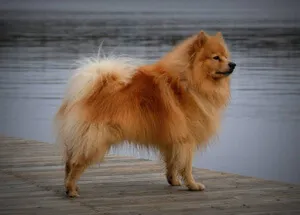
Mittelspitz
Health grade BThe Mittelspitz is a cheerful, extremely loyal companion—bred as an incorruptible guardian of house and farm who alerts you to any intruder but does not hunt. This deep attachment to his territory and his people makes him an ideal, albeit talkative, watchdog.
- Height30–38 cm
- Weight7–11 kg
- Life expectancy13–15 yrs
- Puppy price1,200–2,500 €
- Energy3/5
The Essentials at a Glance
The Mittelspitz is a cheerful, extremely loyal companion—bred as an incorruptible guardian of house and farm who alerts you to any intruder but does not hunt. This deep attachment to his territory and his people makes him an ideal, albeit talkative, watchdog.
- Health grade B: The Mittelspitz is a very robust and long-lived breed with minimal genetic health issues.
- You are looking for a companion without a hunting instinct who, thanks to his historical selection as a Hofhund (farm dog), reliably stays close to you.
- You appreciate a dog that looks after your home and brings a natural skepticism toward strangers.
- You live in an apartment with thin walls—he was bred to loudly report changes, that is his hardware.
Is the Mittelspitz right for you?
At a glance
Mittelspitz overview
The essentials — key facts, traits, and health priorities — before you dive deeper.
Health grade
Relative to other breeds
S
A
B
C
D
E
Very healthyHigher risk
Solid — a handful of items a good breeder watches.
See full health info & tests →
Note: This health overview is AI-assisted and editorially reviewed. It is for orientation only and does not replace veterinary advice.
Lifespan
13–15 yrs
Height
30–38 cm
Weight
7–11 kg
Practical
- Puppy price: 1,200 – 2,500 €
- Coat: Dense, standing, double shift
- Origin: Germany
Temperament
Energy
Trainability
Family fit
With kids
Daily life
Care effort
Shedding
Barking
City-friendly
Guard instinct
What matters most
Especially with a Mittelspitz, choosing the right breeder is the single most important decision you'll make. Serious breeders consistently test the parents for inherited conditions, prioritize healthy early socialization, and stay accountable long after handover. A cheap puppy without health screening tends to become the most expensive dog later on.
See HonestDog breeder standards →Colors & coat
What colors does the Mittelspitz come in?
The coat colors you will see in Mittelspitz litters — including which ones fall outside the breed standard and which carry genetic risk.
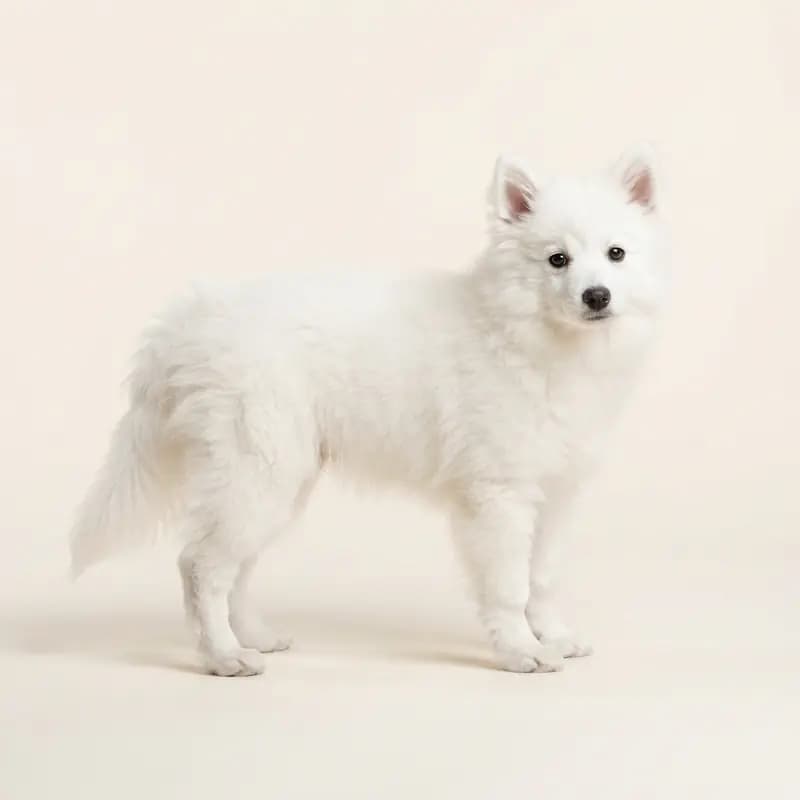
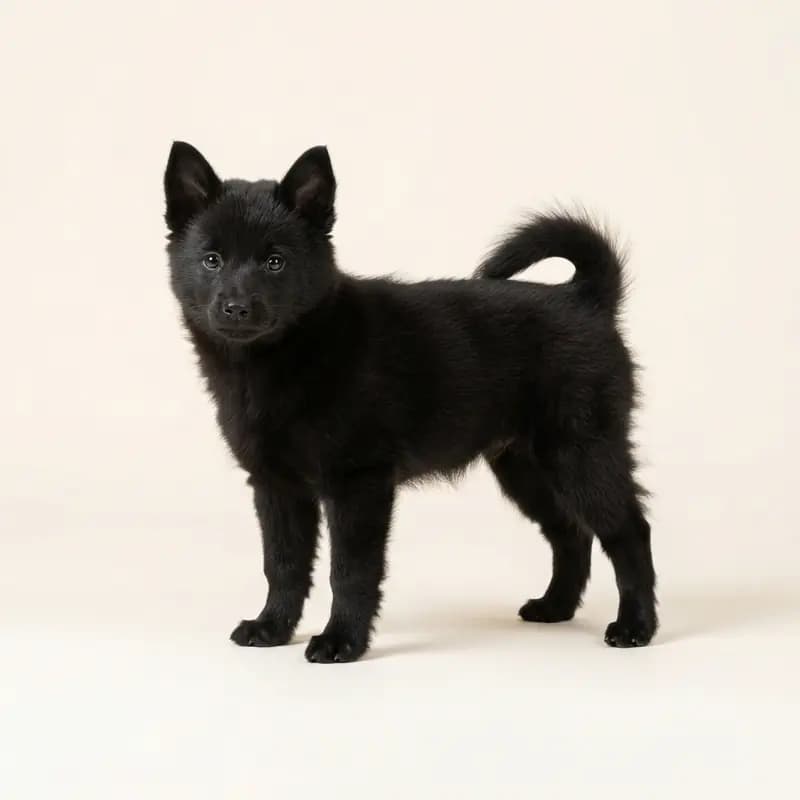
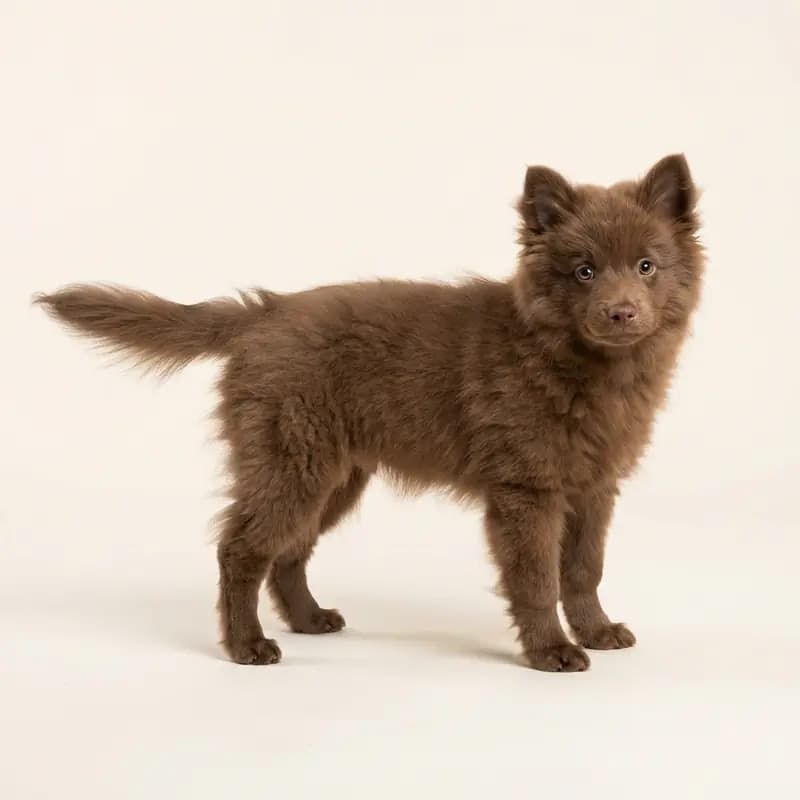
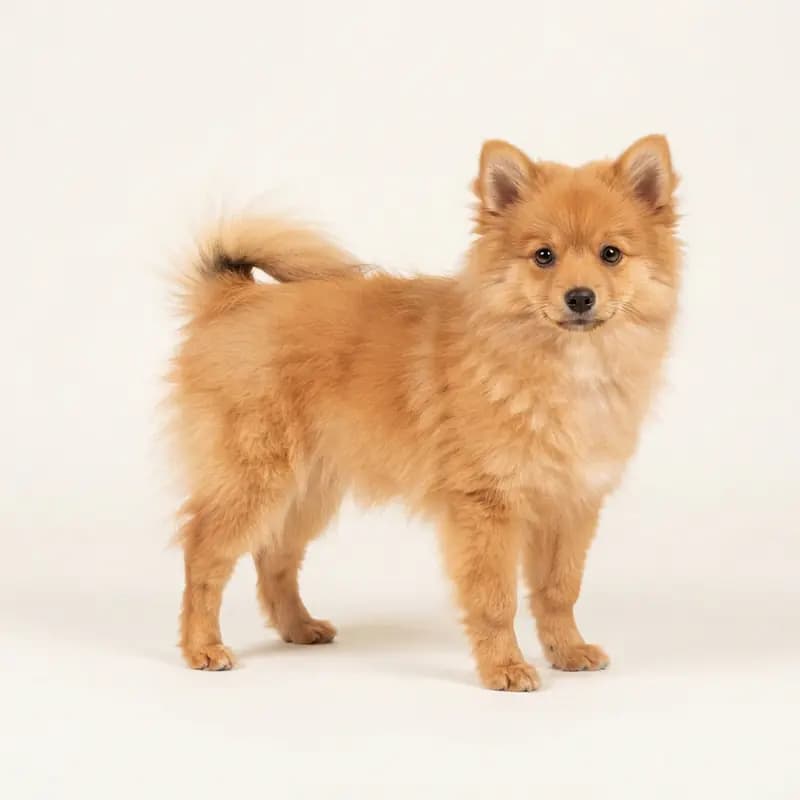
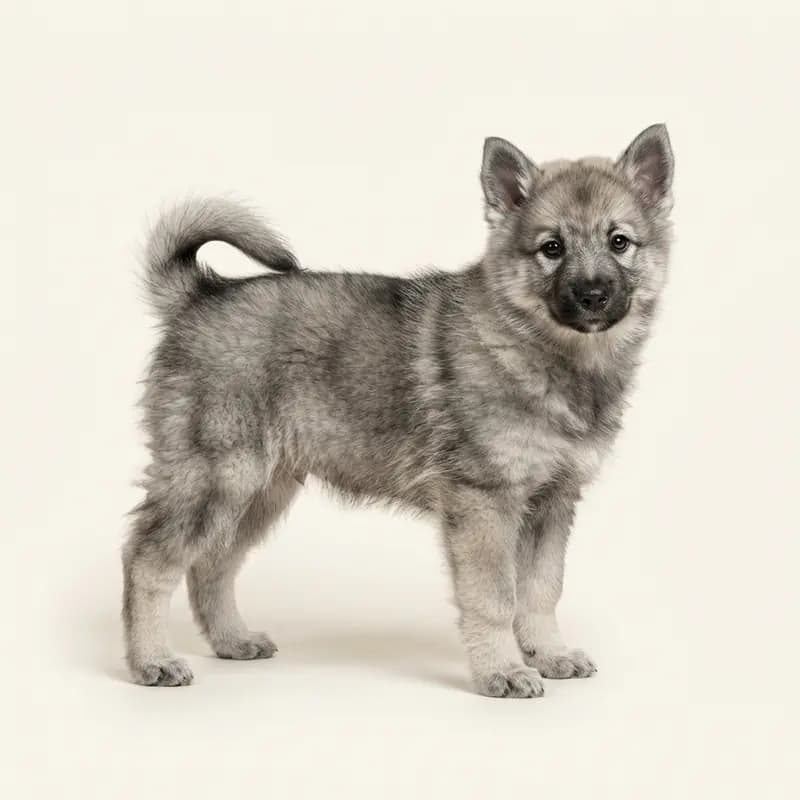
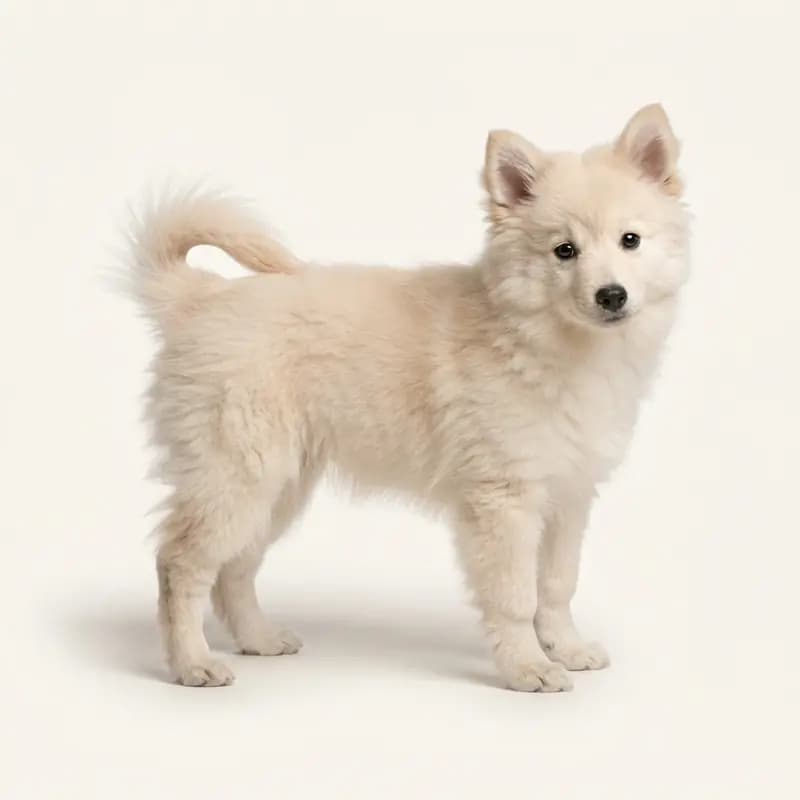
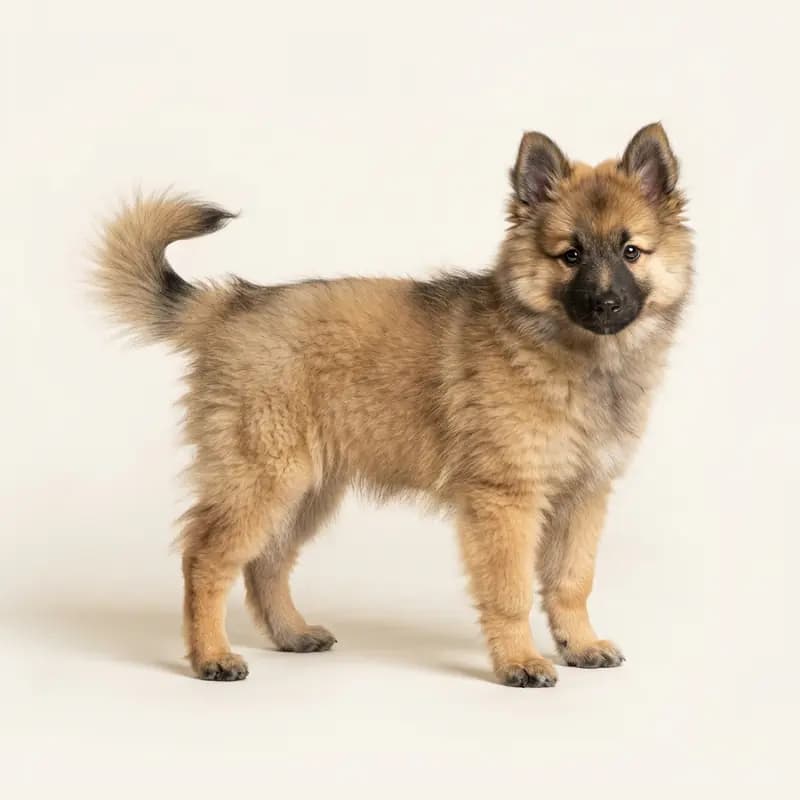
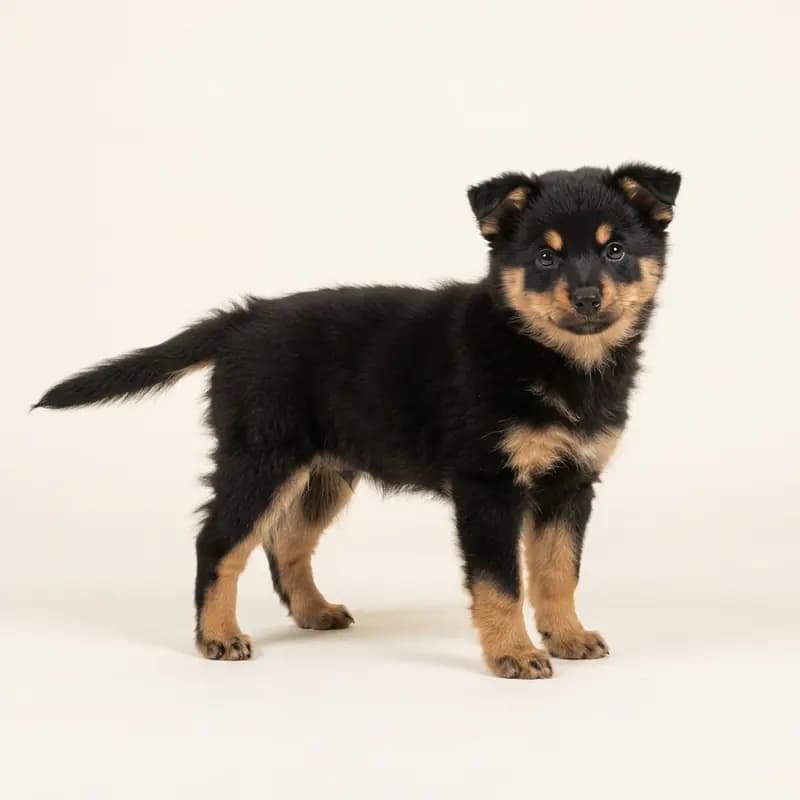
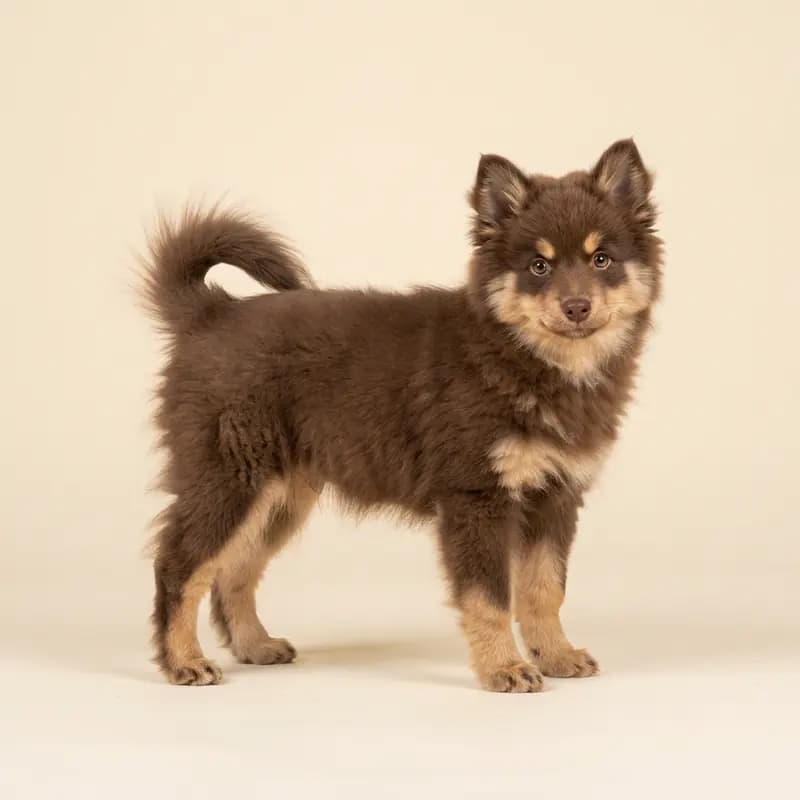
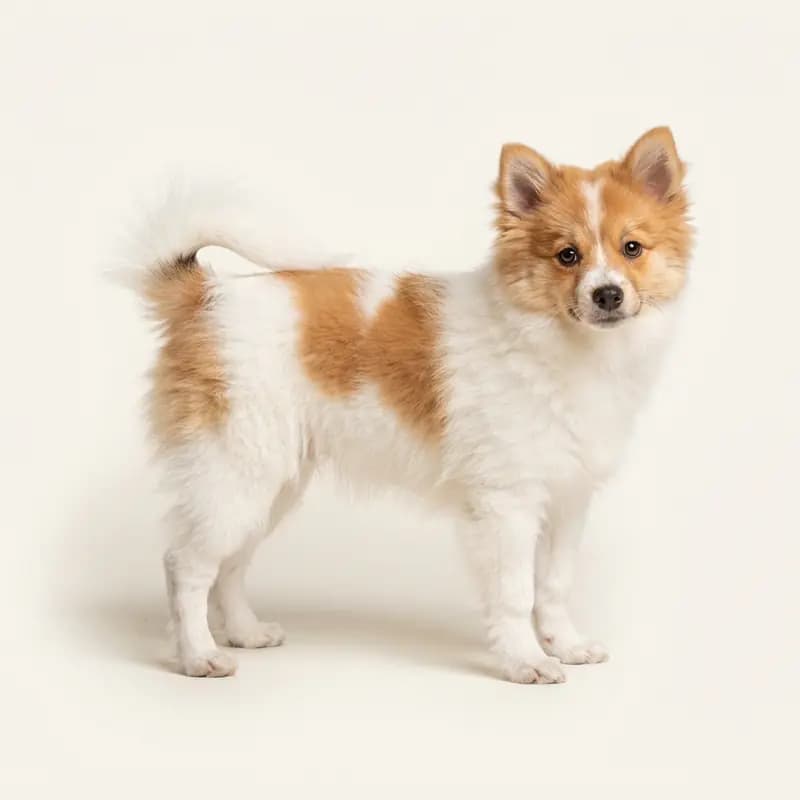
Eye colors
 Brown
Brown
Coat type
 Long
Long Double coat
Is the Mittelspitz right for you?
The Mittelspitz is a cheerful, extremely loyal companion—bred as an incorruptible guardian of house and farm who alerts you to any intruder but does not hunt. This deep attachment to his territory and his people makes him an ideal, albeit talkative, watchdog.
Perfect for you if:
- You are looking for a companion without a hunting instinct who, thanks to his historical selection as a Hofhund (farm dog), reliably stays close to you.
- You appreciate a dog that looks after your home and brings a natural skepticism toward strangers.
- You enjoy keeping him mentally stimulated with small tricks or scent games without needing to engage in high-performance sports.
- You lead with loving consistency to provide a secure framework for his clever, sometimes slightly stubborn character.
Less ideal if:
- You live in an apartment with thin walls—he was bred to loudly report changes, that is his hardware.
- You have an open house with constantly changing visitors and expect your dog to greet everyone joyfully right away.
- You have to leave him alone for long periods during the work week, as this dog bonds extremely closely to his primary caregivers.
The real vibes check
A Mittelspitz is like a living alarm system with a built-in need for cuddles—he won't miss a single sound at the garden fence, but his favorite place is right at your feet. You aren't getting a trendy fashion dog, but an absolutely loyal, vigilant original who would go through fire for his family, as long as you take his warnings seriously.
Self-check
Would the Mittelspitz really fit your life?
Answer 6 quick questions about your everyday life and see how well the Mittelspitz fits you — including an honest cost estimate per month, per year, and across the dog's lifetime.
Fit checkCost estimateRisk dice
Takes about 1 minute · free & anonymous
Breed Profile
Medium Pointers belong to the Spitz family, known for their pointed ears and fluffy tails that characteristically curl over their backs. They are graceful, compact dogs with a square build, so the height at the withers is approximately equal to the length of the body. They have a pronounced pointing movement and proudly display their full, thick mane that surrounds their neck, giving them a lion-like appearance. Mittelspitze belong to FCI Group 5, which includes Spitz and primitive breeds. Within this group they belong to Section 4, the European leaders. In Germany they are available in three sizes: Wolfspitz, Großspitz, Mittelspitz, Kleinspitz and Zwergspitz. The Mittelspitz, as the name suggests, is in the middle of the size range.
All measurements in detail
- Height
- 30 - 38 cm (Female), 30 - 38 cm (Male)
- Weight
- 7 - 11 kg (Female), 7 - 11 kg (Male)
- Life Expectancy
- 13 - 15 yrs
- Character
- Attentive, Intelligent, Lively
- Coat
- Dense, standing, double shift
- Coat Color
- Different colors permitted
- Price
- 1200 - 2500 €
Character & Temperament
The Pomeranian is a versatile dog that thrives in many different environments and roles. Although it was once used as a farm and guard dog, it is now a popular family and companion dog. He is intelligent and eager to learn, which makes him a great candidate for various dog sports such as agility, obedience or dog dancing. This dog is very attentive and vigilant, making him an excellent guardian of his home and family. Although he is not an aggressive dog, he will certainly bark to warn his people if he notices something suspicious. Despite his alertness, he is not a fearful or suspicious dog. He is generally friendly towards strangers as long as he senses that they do not pose a threat. The Spitz is a lively dog with a good amount of energy. He loves to play and run around and will happily run around with his human or other dogs. Despite his energy, he is not a hyperactive dog and is also good at relaxing and enjoying the quieter moments in life. This dog is very people-oriented and forms a strong bond with his family. He always wants to be there and take part in everything that happens in the house. That's why it's important that you give him enough time and attention and don't leave him alone for too long. A Pomeranian who feels neglected may become unhappy and develop behavioral problems. The Pomeranian can usually learn to stay alone well, but this should be practiced slowly and with a lot of patience and positive reinforcement. You should be careful not to leave him alone for too long as he misses his people a lot when they are not there. This dog has a moderate hunting instinct, but it can be easily controlled through training and socialization. He will enjoy chasing birds or squirrels in the park, but he generally won't try to run away or get into dangerous situations. It's important that you socialize him well from the start and teach him to listen to your commands, even when he's distracted. The Pomeranian is an intelligent animal that enjoys learning and being mentally challenged. You can teach him many different tricks and commands and he will pick them up quickly. He responds well to positive reinforcement and will do anything to get a reward. It's important that you make his training varied and interesting so that he doesn't get bored. All in all, the Spitz is a wonderful companion that feels comfortable in many different environments and life situations. With the right socialization, training and attention, he will become a loyal and lovable member of your family.
| Trainability Picks up commands quickly and wants to please. | Eager to learn |
| Watchfulness Reports unusual activity but stays controlled. | Moderate |
| Openness to Strangers Warms up quickly and is generally welcoming. | Friendly |
| Hunting or Herding Drive Mild interest in movement and small animals — easily managed. | Low |
Fun Fact!
Did you know that the Mittelspitz is a very old dog breed and can trace its roots back to the Middle Ages? Even back then, these dogs were known for their alertness and charming nature!
What Awaits You
The Mittelspitz is a lively and intelligent dog known for its adaptability. It is friendly with people and other animals but requires consistent training and sufficient activity. Mittelspitze are active dogs that enjoy playing and mental stimulation. They are well-suited as family dogs and are easy to care for due to their medium-length coat.
Housing & Care
Medium Spitz make wonderful family dogs and generally get along well with children as long as they are respectful and careful. They are also suited to city life as long as they get enough exercise and mental stimulation. They generally get along well with other dogs and can also get along well with cats and other pets if they are used to it from an early age.
- Family Friendly
Loves family life and thrives in a group.
Family-oriented - Child Friendly
Takes boisterous and affectionate children in its stride.
Patient with children - Dog Friendly
Usually gets on fine with other dogs.
Generally tolerant - City Friendly
Adapts well to city living and urban environments.
Well-suited to city life
Owning a dog is a privilege, but it's also a real responsibility. Before you bring one into your life, be honest with yourself about the commitment it takes.
Training & Education
The Spitz is a smart and docile dog that enjoys learning new things and being mentally challenged. His intelligence and desire to please make him a good candidate for many types of dog sports and training, such as agility, obedience or trick training. It is important to always work with positive reinforcement and not to overwhelm the dog. It is important to socialize your Pomeranian well from an early age and teach them how to deal with frustration. Good impulse control is important to prevent the dog from overreacting to exciting stimuli and becoming difficult to control. A well-socialized and trained Pomeranian can be a wonderful companion who fits well into family life and also gets along well with other people and dogs.
Nutrition & Care
The Pomeranian is an active dog that requires a balanced, nutritious diet to stay healthy. Depending on the size, age, activity level and health of the dog, the amount of food can vary. Your veterinarian can help you determine the right amount and type of food for your Pomeranian. When it comes to grooming, the Spitz is relatively easy to care for. He has a double coat, with a dense undercoat and a longer coat. This fur serves as a natural protection against cold and heat, which makes it very adaptable to different climatic conditions - including the German weather. However, he loses his undercoat twice a year and needs a little more care during this time to avoid matting and to keep his coat clean.
| Care Level Regular brushing and occasional professional grooming. | Moderate |
| Exercise Needs Needs 1–2 hours of real exercise daily. | Active |
| Shedding Regular shedding — dog hair on clothes is now normal. | Moderate |
| Trainability Picks up commands quickly and wants to please. | Eager to learn |
Our experts are still reviewing this information. Spotted something wrong? Email us at info@honestdog.de.
Health & hereditary diseases
Health
B
Solid
Health grade
The Mittelspitz is a very robust and long-lived breed with minimal genetic health issues. The primary focus in breeding is on patellar luxation (kneecap dislocation), which is kept well under control through consistent screening of the parent dogs. Since other serious hereditary conditions such as HD or PRA rarely play a role in this breed, it is in an excellent position regarding overall health.
Grade is relative to other breeds — AI-assisted and editorially reviewed.
In daily life this can mean
With regular check-ups, joint-friendly upbringing, and proper coat care—a Spitz should never be shaved—most dogs stay fit for a long time.
The breeder's role
Reputable breeders have the knees, hips, and eyes of the parent animals tested and pay attention to healthy lines to reduce hereditary risks.
Note: This health overview is AI-assisted and editorially reviewed. It is for orientation only and does not replace veterinary advice.
No Health Tests Available
No specific health tests are currently available for this breed.
Costs & where to find one
How much does a Mittelspitz cost?
A Mittelspitz costs around ~€170 per month (€90 – €310, depending on your setup). The first year adds up to roughly ~€4,700 including purchase, equipment and puppy school; across the dog's life (14 years) it comes to about ~€30,950.
With surgery cover, running costs come to about ~€160 per month — in return, your share of a major operation drops from several thousand euros to around 20 percent.
Per month
~€170
In the first year
~€4,700
Across the dog's life
~€30,950
Purchase from a breeder: €1,200 – €2,500
Estimate at a mid-range setup (suburban, dry food, 1–2 hours of daily exercise), average German prices, as of July 2026.
Calculate your personal costs1-minute self-check with your own answers
Looking for a Mittelspitz?
HonestDog Concierge
No verified Mittelspitz breeders on HonestDog yet
We currently have no breeders for this breed who have passed our verification. Create your short buyer profile: we'll set up your search alert, review a possible source and email you within 28 days.
Appearance, variants & origin
History
The full history
The history of the Spitz breed dates back thousands of years and is believed to be one of the oldest dog breeds. Spitz were found in many parts of Europe and Asia and were known for their versatility as herding, guard and companion dogs. The Mittelspitz, as we know it today, comes from Germany and was once a very common farm and guard dog. He was valued for his alert nature and independence. The Spitz was recognized as a separate breed at the end of the 19th century, when systematic breeding of Spitz began and different sizes and colors were established.
Original Use
The Spitz was bred to be a guard and companion dog, known for its alertness and friendly nature.
Origin
Germany
Date
Mittelalter
Owner experiences
What owners say about the Mittelspitz
Jana S., Halterin aus Hessen (Rüde, seit 2021)
Als ich meinen Mittelspitz-Rüden bekam, dachte ich, die Erziehung läuft so nebenbei. Ich hatte das Thema Hundetraining anfangs wirklich unterschätzt – Hunde lesen uns Menschen einfach so fein und reagieren extrem schnell auf unser Timing. Da musste ich erst mal lernen, mich selbst besser zu kontrollieren und konsequenter zu sein.
Mein Rüde ist unglaublich aufmerksam und lernt wahnsinnig schnell. Wir haben riesigen Spaß an einfachen Tricks und haben vor Kurzem mit der Zielobjektsuche angefangen. Das liegt ihm total, weil er seine Nase gerne einsetzt. Was er hingegen überhaupt nicht mag, ist Apportieren – das lässt ihn völlig kalt.
Er ist im Alltag ein unkomplizierter, lustiger Begleiter, der sich super im typischen, flotten Spitztrab anpasst. Er wickelt mit seinen Knopfaugen einfach jeden um die Pfote, aber man darf die nötige Konsequenz im Training wirklich nicht schleifen lassen, da er jeden Fehler sofort bemerkt.
Petra M., Halterin aus Bayern (Rüde, seit 2020)
Mein Mittelspitz-Rüde ist jetzt 15 Monate alt und im Grunde ein absolut liebenswertes, quirliges Kerlchen. Allerdings stellt er uns im Alltag vor eine echte Herausforderung: Er ist extrem hibbelig und kommt von alleine kaum zur Ruhe.
Es ist fast so, als stünde er ständig unter Strom. Sobald ich aufstehe, ist er sofort hellwach und läuft mir hinterher. Erst wenn ich mich wirklich hinsetze und absolute Inaktivität ausstrahle, schafft er es auch, sich hinzulegen und abzuschalten.
Wir achten sehr darauf, ihn geistig und körperlich auszulasten, aber nicht zu überfordern. Trotzdem ist das Erlernen von Ruhepausen bei dieser Rasse für uns ein echtes Geduldsspiel. Man darf diese quirlige Energie nicht unterschätzen – so süß sie sind, sie können phasenweise extrem aufgedreht sein.
Christian B., Halter aus Niedersachsen (Rüde, seit 2016)
Als ich meiner Familie erzählte, dass ich mir einen weißen Mittelspitz holen möchte, waren die Reaktionen erst mal negativ. Von "Die kläffen doch permanent" bis hin zu "Das sind hinterlistige Wadenbeißer" war an Vorurteilen alles dabei. Viele kennen Spitze eben nur noch aus Erzählungen von früher, wo sie als reine Hofwächter scharf gemacht wurden.
Mein Rüde Vincent hat diese Vorurteile aber im Sturm hinweggefegt und alle positiv überrascht. Er ist im Haus zwar wachsam und meldet zuverlässig, wenn jemand an der Tür ist, aber er ist absolut kein dauerhafter Kläffer. Man muss von Anfang an klare Grenzen setzen, damit sich das Melden nicht verselbstständigt.
Besonders toll finde ich, dass er so gut wie keinen Jagdtrieb hat. Wir können entspannt ohne Leine spazieren gehen, ohne dass er Wild hinterherjagt. Er ist unglaublich menschenbezogen und freundlich – von "hinterlistig" keine Spur. Man sollte sich von den alten Klischees wirklich nicht abschrecken lassen.
Paraphrased from real owner reports
Loading owner stories
FAQ & more
Frequently asked questions about the Mittelspitz
Is a Mittelspitz the right dog for me?
The Mittelspitz is an adaptable dog that adjusts well to various lifestyles. Research the temperament, grooming needs, and space requirements before deciding.
How long does a Mittelspitz live?
The average life expectancy of a Mittelspitz is 13-15 years. With proper care and regular vet visits, your dog can live a long, healthy life.
How much grooming does a Mittelspitz need?
Mittelspitz grooming requirements include regular brushing, nail trimming, and dental care. HonestDog provides detailed grooming tips for every breed.
Is a Mittelspitz good for families with children?
The Mittelspitz can be a great family dog. Proper training and socialization are key. HonestDog provides family suitability information for every breed.
What colors does the Mittelspitz come in?
The Mittelspitz comes in these colors: White, Black, Brown, Orange, Wolf grey, Cream, Sable, Black and tan, Brown and tan, Piebald.
Loading related articles
Are you a Mittelspitz breeder?
Showcase your kennel on HonestDog and reach families searching for a responsibly bred Mittelspitz.
Why HonestDog?
What makes HonestDog different from other platforms
Full transparency
We lay out what we have: who the breeder is, how they work, and any health records they've uploaded. So you can judge for yourself.
Responsible breeding, assured
Every breeder on HonestDog has their identity and documents checked before their profile goes live. Health records they upload are shown on the profile, so you can see exactly what has been tested.
Trust and verification
We verify breeders and buyers alike, so every conversation happens on solid ground. It's a new standard of trust in dog breeding.
Less hassle, more time
We've already checked the breeders' documents and gathered the details, so you can skip the endless research and focus on finding the right puppy for your family.
Our Mission

We connect dog lovers with responsible breeders and shelters to ensure every dog finds the perfect home.
Founded by dog enthusiasts, our platform focuses on ethical dog breeding and adoption.
Why HonestDog?
We connect you with vetted breeders and shelters so you can find your — your new companion — with confidence.
Vetted Partners
Only verified breeders and shelters — for a safe start.
Highest Standards
Every animal's health and wellbeing is our top priority.
Guides & Resources
Guides, checklists, and breed profiles — so you can make a well-informed decision.