Loading breed
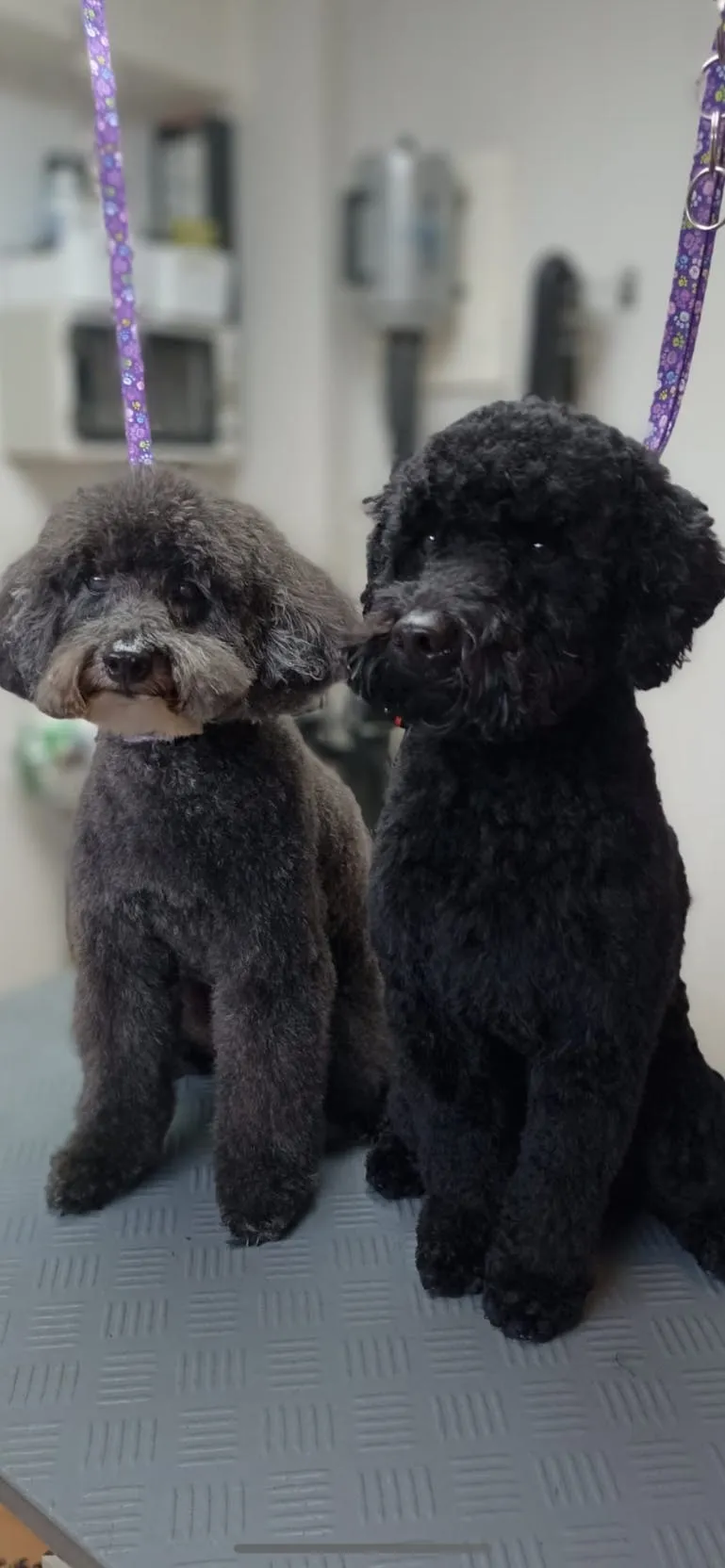
Miniature Poodle
Health grade BThe Zwergpudel is an elegant, lightning-smart companion dog—equipped with the alert mind of a former water Apportierhund (retriever), which makes them much more of a genuine working partner than a mere lapdog.
- Height28–35 cm
- Weight4–7 kg
- Life expectancy12–17 yrs
- Puppy price1,500–2,500 €
- Energy3/5
The Essentials at a Glance
The Zwergpudel is an elegant, lightning-smart companion dog—equipped with the alert mind of a former water Apportierhund (retriever), which makes them much more of a genuine working partner than a mere lapdog.
- Health grade B: The Zwergpudel receives a B grade because, despite some breed-specific risks, it is well-protected through consistent health testing.
- You enjoy incorporating small tricks, scent games, or retrieval tasks into your daily routine—their Apportierhund heritage demands real mental stimulation.
- You are prepared to invest time and money into regular grooming and professional haircuts, as this coat grows continuously and does not shed.
- You expect a low-maintenance dog that is satisfied with three walks around the block—without mental tasks, this highly intelligent mind will quickly find its own, often exhausting hobbies.
Is the Miniature Poodle right for you?
At a glance
Miniature Poodle overview
The essentials — key facts, traits, and health priorities — before you dive deeper.
Health grade
Relative to other breeds
S
A
B
C
D
E
Very healthyHigher risk
Solid — a handful of items a good breeder watches.
See full health info & tests →
Note: This health overview is AI-assisted and editorially reviewed. It is for orientation only and does not replace veterinary advice.
Lifespan
12–17 yrs
Height
28–35 cm
Weight
4–7 kg
Practical
- Puppy price: 1,500 – 2,500 €
- Coat: Curly, medium length, with undercoat
- Origin: France
Temperament
Energy
Trainability
Family fit
With kids
Daily life
Care effort
Shedding
Barking
City-friendly
Guard instinct
What matters most
Especially with a Miniature Poodle, choosing the right breeder is the single most important decision you'll make. Serious breeders consistently test the parents for inherited conditions, prioritize healthy early socialization, and stay accountable long after handover. A cheap puppy without health screening tends to become the most expensive dog later on.
See HonestDog breeder standards →Colors & coat
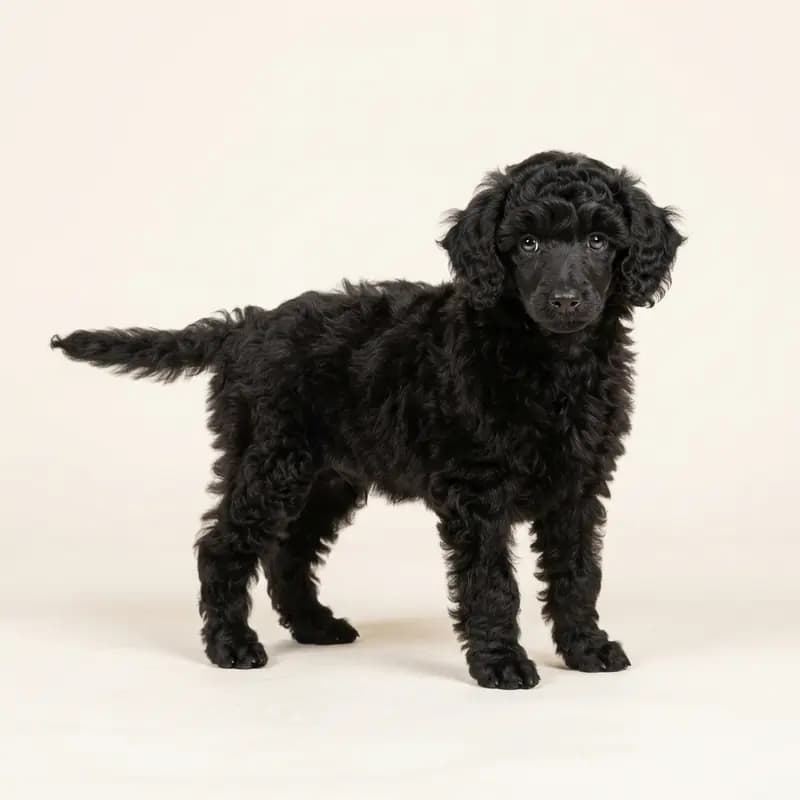
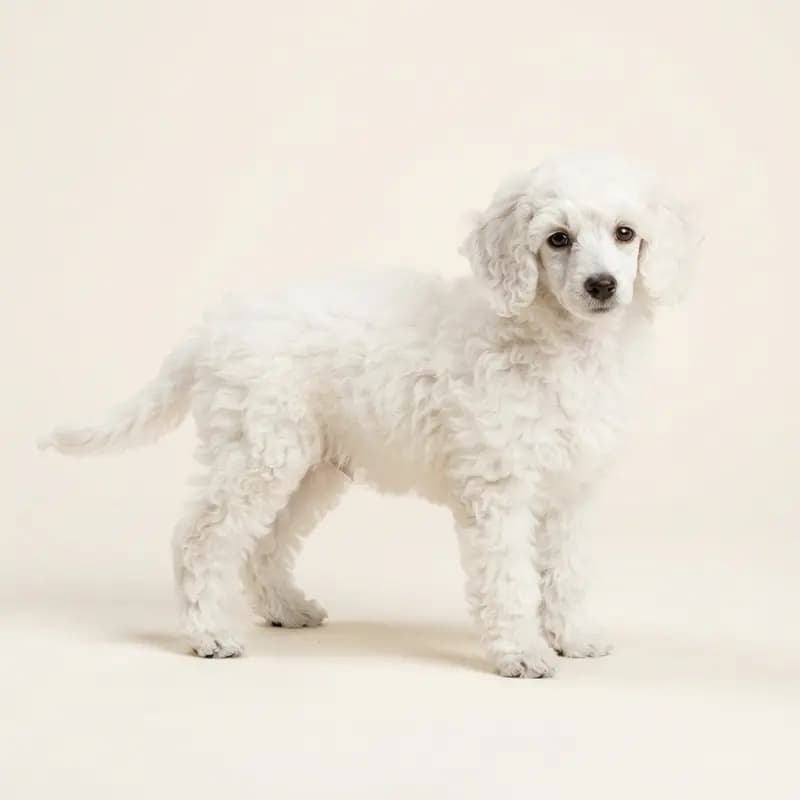
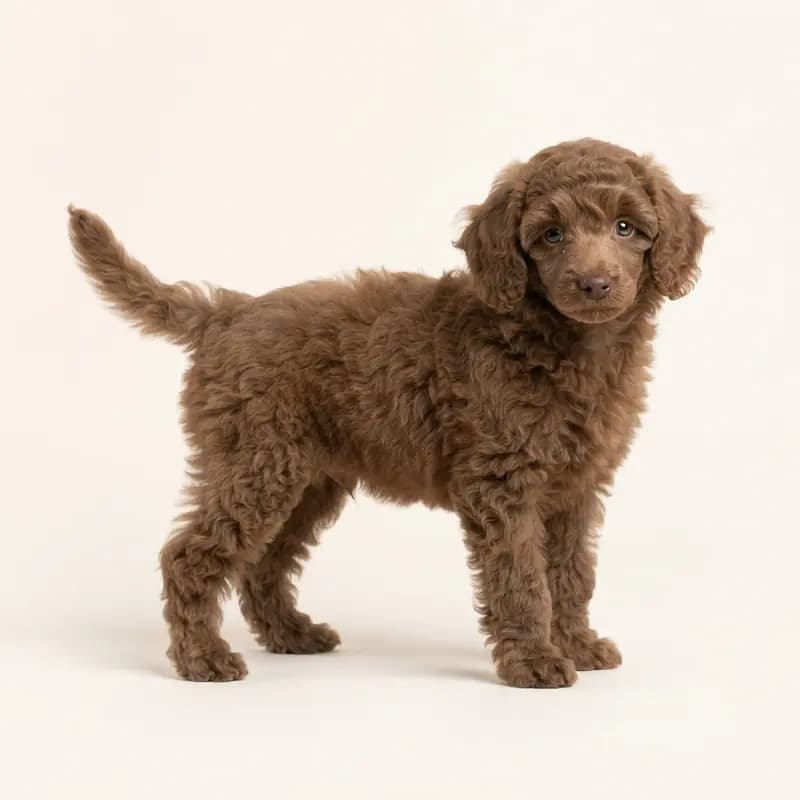
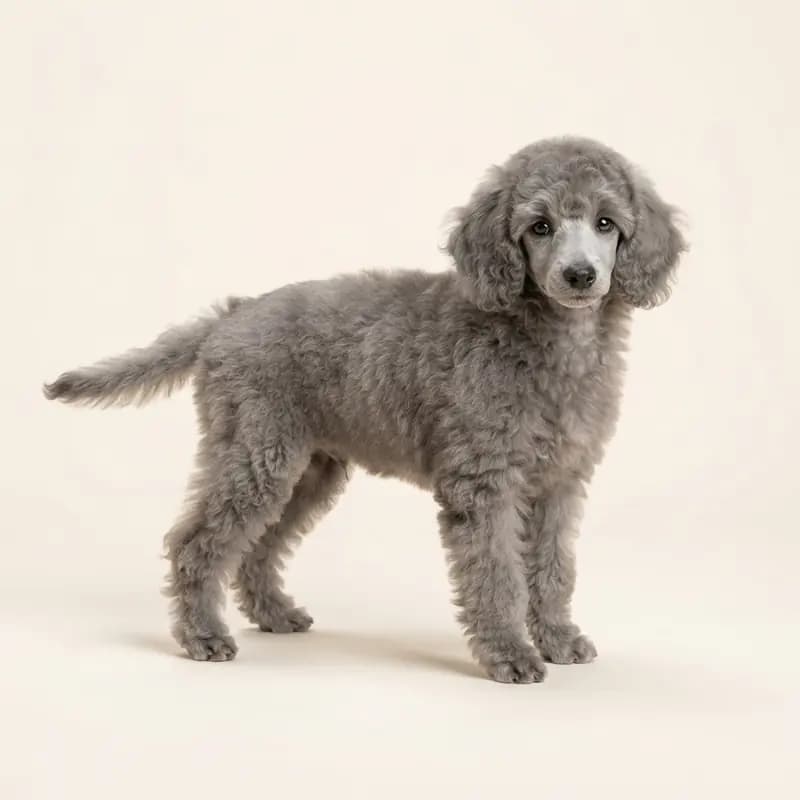
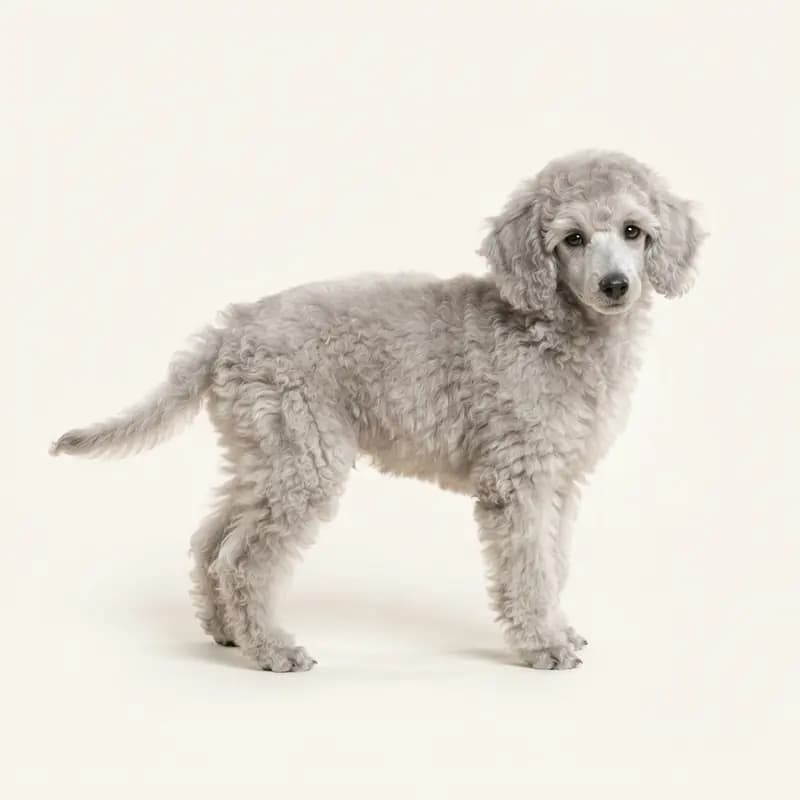
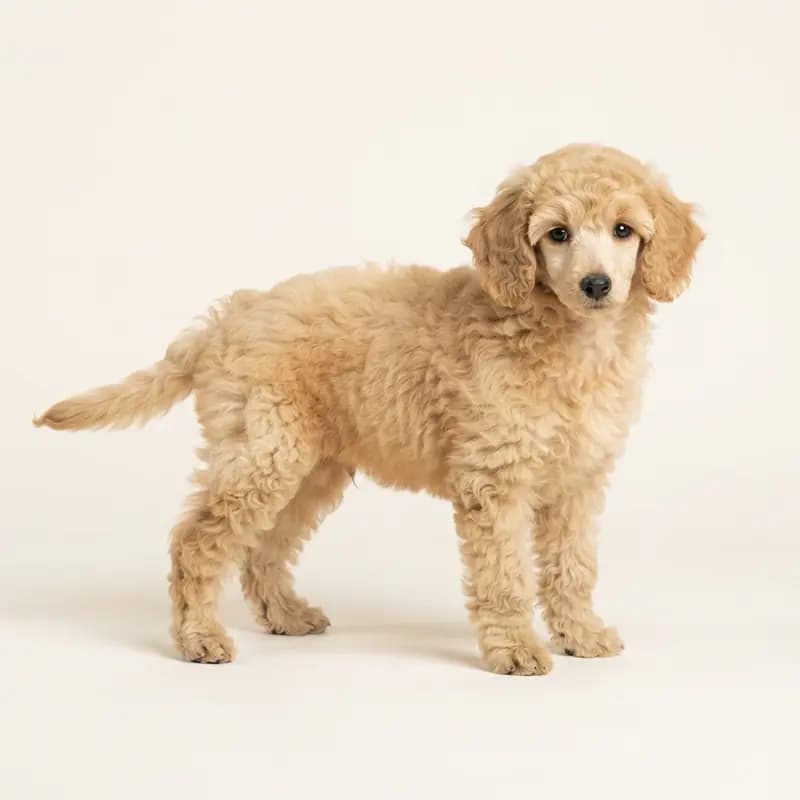
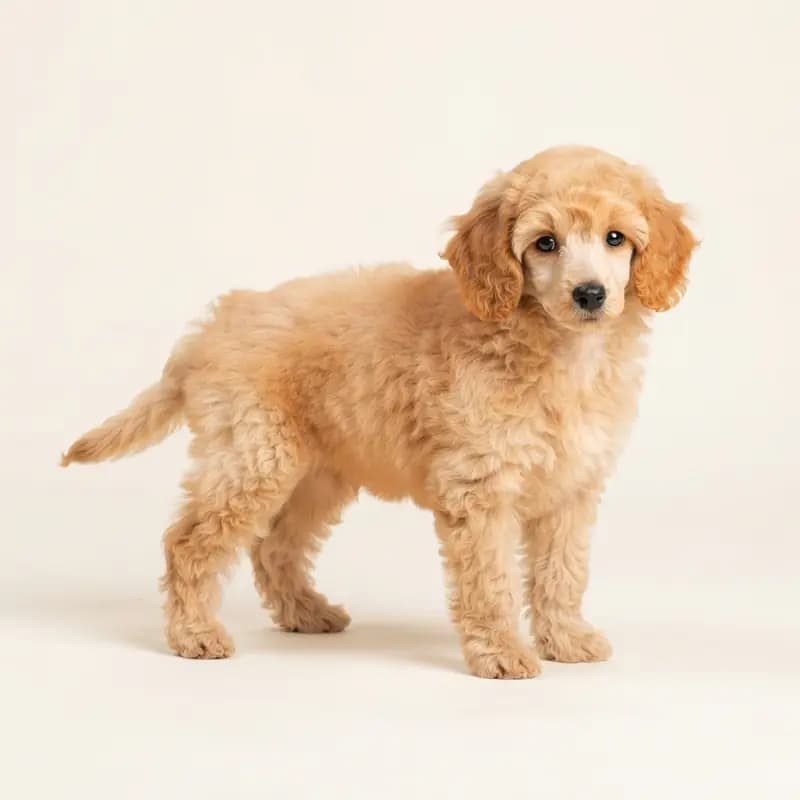
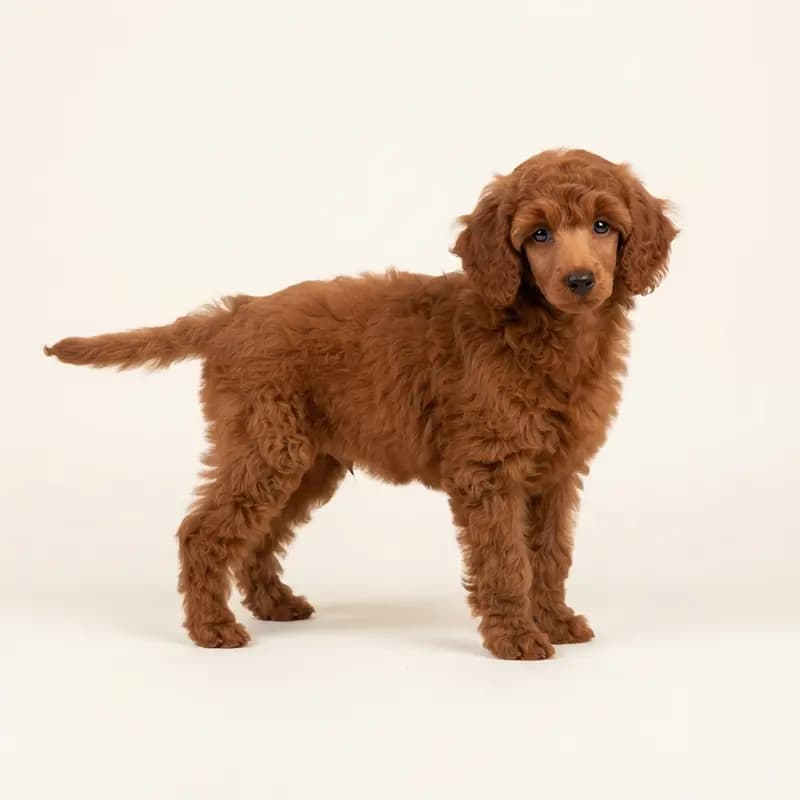
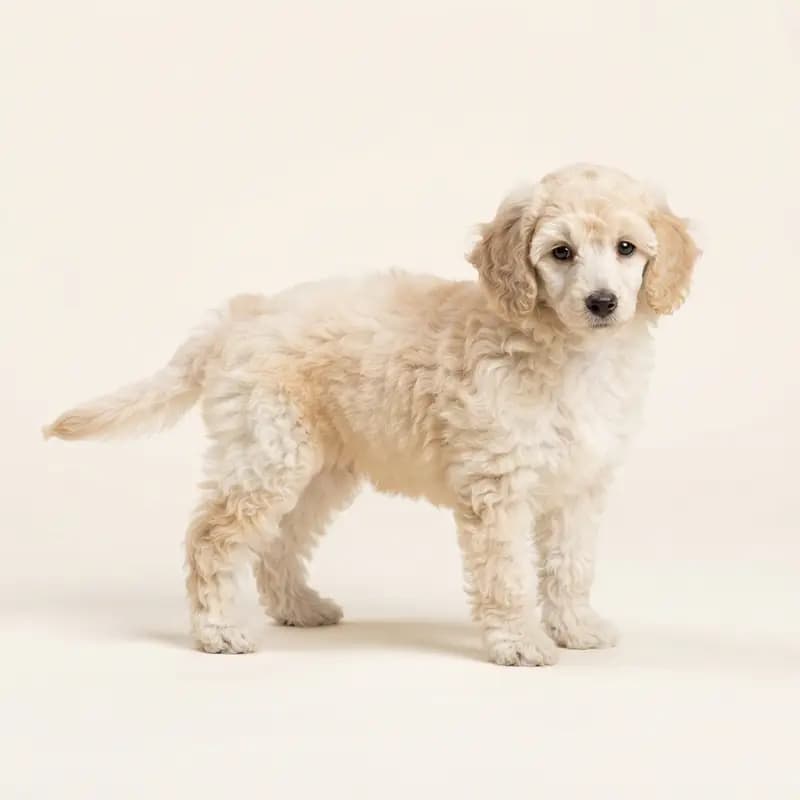
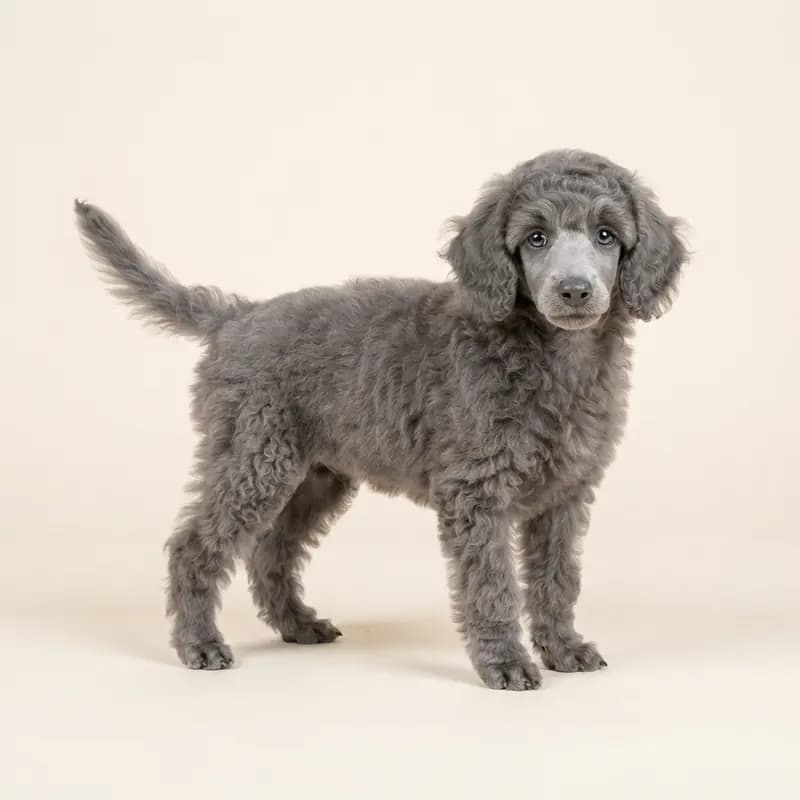
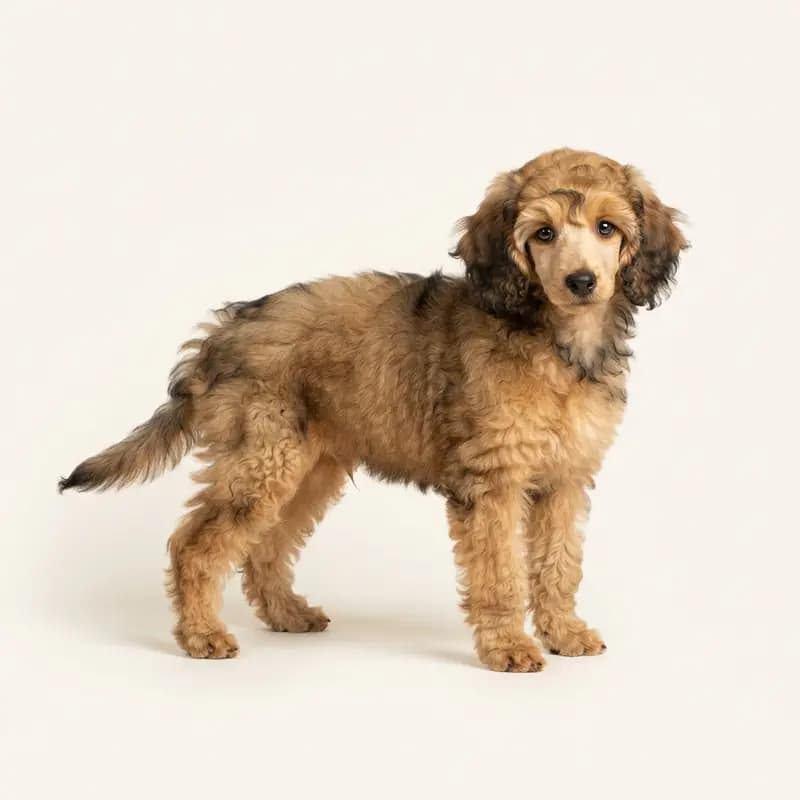
What colors does the Miniature Poodle come in?
The coat colors you will see in Miniature Poodle litters — including which ones fall outside the breed standard and which carry genetic risk.
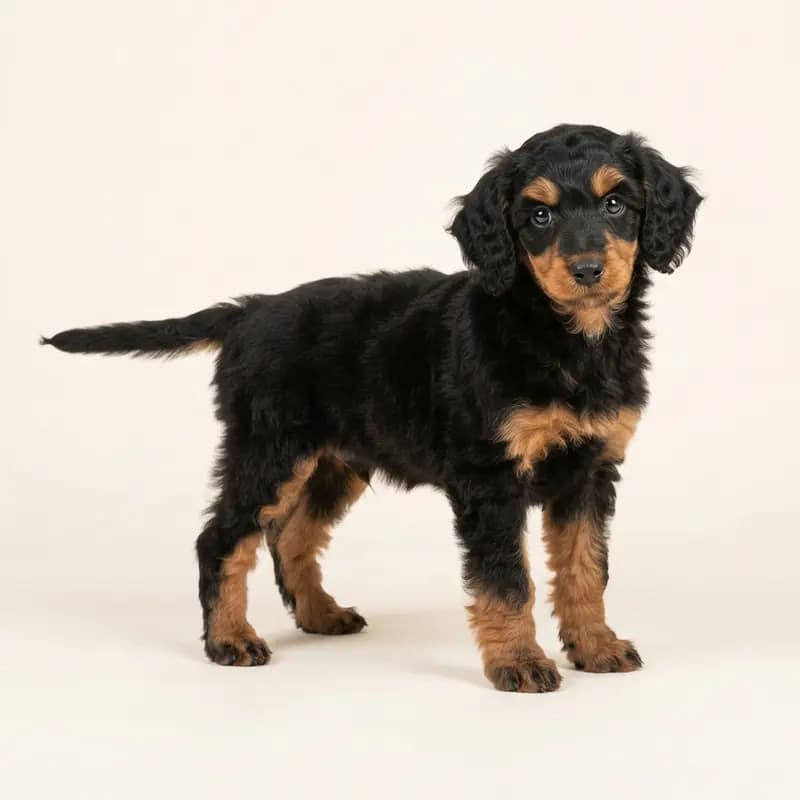
Eye colors
 Brown
Brown Amber
Amber
Coat type
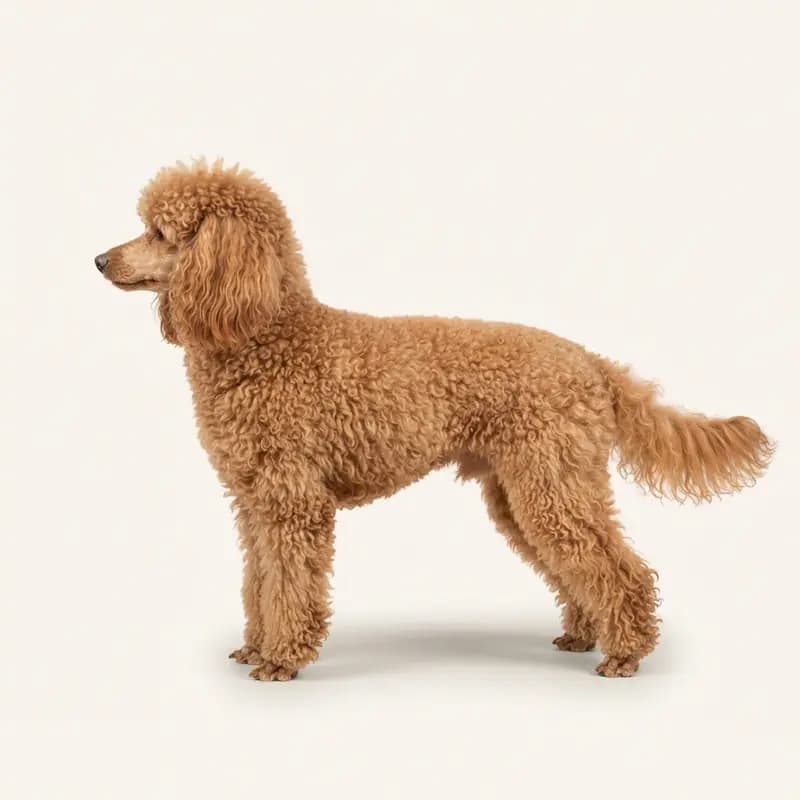 Illustrative image
Curly
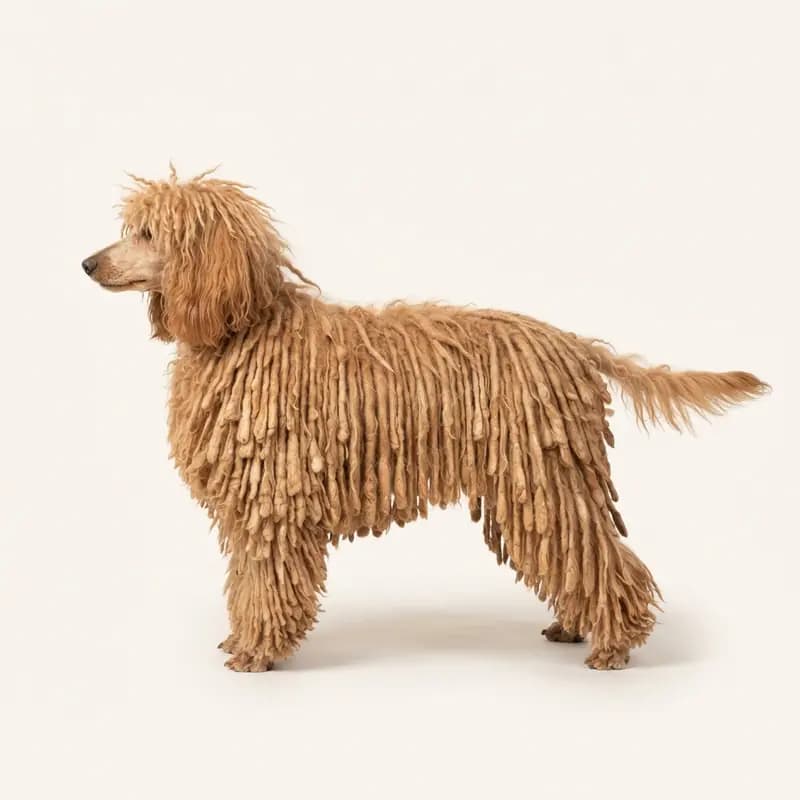 Illustrative image
Corded
Is the Miniature Poodle right for you?
The Zwergpudel is an elegant, lightning-smart companion dog—equipped with the alert mind of a former water Apportierhund (retriever), which makes them much more of a genuine working partner than a mere lapdog.
Perfect for you if:
- You enjoy incorporating small tricks, scent games, or retrieval tasks into your daily routine—their Apportierhund heritage demands real mental stimulation.
- You are prepared to invest time and money into regular grooming and professional haircuts, as this coat grows continuously and does not shed.
- You are looking for an athletic, enduring companion for hikes or dog sports who remains easy to handle in everyday life.
- You appreciate a sensitive, extremely people-oriented dog who absorbs your moods like a sponge.
Less ideal if:
- You expect a low-maintenance dog that is satisfied with three walks around the block—without mental tasks, this highly intelligent mind will quickly find its own, often exhausting hobbies.
- You need to leave them alone for many hours on weekdays, as they form extremely close bonds with their humans and become frustrated in isolation.
- You want a dog that greets every stranger with enthusiasm—Poodles are often reserved at first and prefer to scan their counterpart before engaging.
The real vibes check
Forget the dusty cliché of the groomed fashion doll on the sofa—underneath the soft curls of the Zwergpudel lies an athletic, highly focused overachiever in a tracksuit. If you are ready to seriously engage this clever mind instead of just using them as a decoration, you will gain one of the most loyal and versatile companions in existence.
Self-check
Would the Miniature Poodle really fit your life?
Answer 6 quick questions about your everyday life and see how well the Miniature Poodle fits you — including an honest cost estimate per month, per year, and across the dog's lifetime.
Fit checkCost estimateRisk dice
Takes about 1 minute · free & anonymous
Breed Profile
The toy poodle is a small representative of the poodle family, only the toy poodle is smaller. Poodles are very intelligent, funny and bright dogs. They are popular family dogs, but they also need something to do to keep them mentally occupied. Poodles come in many color variations. The curly coat needs to be sheared regularly. The Poodle is considered non-shedding and is therefore often recommended for allergy sufferers.
All measurements in detail
- Height
- 28 - 35 cm (Female), 28 - 35 cm (Male)
- Weight
- 4 - 7 kg (Female), 4 - 7 kg (Male)
- Life Expectancy
- 12 - 17 yrs
- Character
- active, intelligent, eager to learn, smart, affectionate, fond of children
- Coat
- Curly, medium length, with undercoat
- Coat Color
- Black, Cream, Red, Silver, Gray, Blue, Brown, Apricot, White, Sable
- Price
- 1500 - 2500 €
Character & Temperament
The miniature poodle is an intelligent and lively companion dog, distinguished by its friendly and affectionate nature. Despite its small size, it has great self-confidence and often shows itself to be very attentive to its family. It loves being in close contact with its people and is extremely adaptable. Miniature poodles are very eager to learn and benefit from varied training that offers both physical and mental challenges. They are excellent for dog sports such as agility or obedience and show a high motivation to please their owner. Due to their intelligence, they require consistent but loving training to control their temperament well. Although they are small, miniature poodles have a strong need for exercise and should be regularly engaged to avoid boredom and resulting behavioral problems. They are generally good with other dogs and people but can be initially reserved with strangers. The miniature poodle is not a classic guard dog but shows a good sense for unusual situations through its attentiveness and vigilance. Its pronounced social behavior makes it an ideal family dog, especially comfortable in households where it receives a lot of attention and activity.
| Trainability Bred to work closely alongside humans. | Highly trainable |
| Watchfulness Reports unusual activity but stays controlled. | Moderate |
| Openness to Strangers Warms up quickly and is generally welcoming. | Friendly |
| Hunting or Herding Drive Noticeable drive — needs attention around small animals. | Moderate |
Fun Fact!
Miniature poodles: Miniature poodles are not only incredibly intelligent but also true acrobats – their curly hair is water-repellent, making them excellent swimmers. Originally bred as hunting dogs, they now delight as loyal companions in families with their cheerful nature and great eagerness to learn.
What Awaits You
Toy Poodles are lively, very intelligent dogs that want to work. They enjoy working with people and need a lot of activity and exercise. They come in different sizes. In addition to the toy poodle, there are also small poodles (often called standard poodles), large poodles or royal poodles and toy poodles. Teacup Poodles are so small that they suffer from many torturous breeding traits.
Housing & Care
Miniature poodles are lively and intelligent dogs that require a lot of mental stimulation and regular exercise. They are well suited for families and are especially friendly with children, and due to their small size, they can also be kept well in apartments. Miniature poodles are very affectionate and enjoy being close to their people, which is why they do not like to be left alone for long. With good socialization, they get along well with other dogs and pets. Despite their small size, they need varied activities to stay fulfilled and happy.
- Family Friendly
Lives for its family — the born family companion.
Ideal family dog - Child Friendly
Takes boisterous and affectionate children in its stride.
Patient with children - Dog Friendly
Actively enjoys the company of other dogs.
Dog-friendly - City Friendly
Small space, noise, lots of people — no problem at all.
Ideal city dog
Owning a dog is a privilege, but it's also a real responsibility. Before you bring one into your life, be honest with yourself about the commitment it takes.
Training & Education
Toy poodles are extremely intelligent and eager-to-learn dogs that enjoy being challenged. Their high work and play drive make them ideal candidates for various dog sports such as obedience, agility, or trick training. Due to their quick comprehension, toy poodles learn new commands and tasks very quickly, making training varied and motivating. It is important to always keep training positive and reward-based to strengthen the close bond between you and your toy poodle. Despite their size, they have a great need for mental stimulation, which is why regular training sessions and brain games are essential to avoid boredom and unwanted behavior. Toy poodles are sensitive to frustration, so patience and consistency are required without being too strict. Early socialization and practicing impulse control help to shape a balanced and confident companion. Overall, toy poodles are wonderful partners for people who enjoy active and varied training thanks to their adaptability and willingness to learn.
Nutrition & Care
Toy poodles require a balanced diet tailored to their size and activity level. High-quality dog food with a good amount of protein and essential nutrients supports their health and well-being. Be careful to avoid overfeeding, as toy poodles can be prone to overweight. The coat of the toy poodle is dense, curly, and grows continuously, which is why regular grooming is especially important. Daily or at least several times a week brushing prevents matting and keeps the coat clean and healthy. Additionally, regular professional clipping appointments are recommended to keep the coat in shape. Toy poodles adapt well to the Central European climate. Their coat protects them from the cold, but they should be protected from overheating in very hot weather. Due to their size, they are also well suited for apartment living but require sufficient exercise and mental stimulation.
| Care Level Needs regular professional grooming — time-consuming and costly. | High-maintenance |
| Exercise Needs Needs 1–2 hours of real exercise daily. | Active |
| Shedding Regular shedding — dog hair on clothes is now normal. | Moderate |
| Trainability Bred to work closely alongside humans. | Highly trainable |
Our experts are still reviewing this information. Spotted something wrong? Email us at info@honestdog.de.
Health & hereditary diseases
Health
B
Solid
Health grade
The Zwergpudel receives a B grade because, despite some breed-specific risks, it is well-protected through consistent health testing. Key areas of concern include Progressive Retinal Atrophy (PRA-PRCD), which can lead to blindness, as well as patellar luxation. Buyers should always insist on seeing certified test results for the parents regarding these conditions, as well as for hereditary cataracts.
Grade is relative to other breeds — AI-assisted and editorially reviewed.
In daily life this can mean
You should place great importance on consistent dental care, joint-friendly exercise, and regular eye check-ups to prevent future problems early on.
The breeder's role
Reputable breeders have the knees and eyes of the parent animals examined and use genetic testing for blood clotting and neurological disorders to reduce risks within the bloodline.
Note: This health overview is AI-assisted and editorially reviewed. It is for orientation only and does not replace veterinary advice.
No Health Tests Available
No specific health tests are currently available for this breed.
Costs & where to find one
How much does a Miniature Poodle cost?
A Miniature Poodle costs around ~€180 per month (€100 – €340, depending on your setup). The first year adds up to roughly ~€5,020 including purchase, equipment and puppy school; across the dog's life (14.5 years) it comes to about ~€34,540.
With surgery cover, running costs come to about ~€170 per month — in return, your share of a major operation drops from several thousand euros to around 20 percent.
Per month
~€180
In the first year
~€5,020
Across the dog's life
~€34,540
Purchase from a breeder: €1,500 – €2,500
Estimate at a mid-range setup (suburban, dry food, 1–2 hours of daily exercise), average German prices, as of July 2026.
Calculate your personal costs1-minute self-check with your own answers
Looking for a Miniature Poodle?
Appearance, variants & origin
History
The full history
The history of the miniature poodle begins in the 19th century in Europe, where it was bred from the standard poodle to create a smaller companion. Originally, poodles were mainly known as water and retrieving dogs used in hunting waterfowl. Through selective breeding, the miniature poodle was developed, which quickly gained popularity due to its intelligence, friendly nature, and hypoallergenic coat. It was especially valued as an elegant companion dog in wealthy circles. Today, the miniature poodle is known worldwide as a lively and versatile family dog.
Original Use
The Toy Poodle was bred as a companion dog, valued for its intelligence and friendly nature.
Origin
France
Date
1900
Owner experiences
What owners say about the Miniature Poodle
Melanie S., Halterin aus Hessen (Rüde, seit 2022)
Als wir uns für einen Zwergpudel entschieden haben, dachten wir an einen handlichen, gemütlichen Begleiter für unsere Wohnung. Bekommen haben wir ein echtes Wattebäuschchen mit Raketenantrieb! Unser Rüde ist unglaublich intelligent und lernt Tricks in Rekordzeit. Er will geistig gefordert werden, sonst sucht er sich selbst Beschäftigung. Seine sensible Art macht ihn zu einem tollen Familienmitglied, aber er merkt auch sofort, wie er uns manipulieren kann.
Die größte Herausforderung ist seine extreme Magen-Darm-Empfindlichkeit und die damit verbundene Mäkeligkeit beim Futter. Er verweigert oft tagelang sein Futter und sortiert alles gnadenlos aus. Anfangs dachten wir, er sei einfach nur wählerisch, aber wir haben gelernt, dass Pudel oft unter Bauchschmerzen und Sodbrennen leiden (er erbricht morgens manchmal Galle). Wir müssen jetzt akribisch auf feste Fütterungszeiten achten und dürfen uns von seinem 'Katz-und-Maus-Spiel' am Napf nicht austricksen lassen.
Andi M., Halter aus Baden-Württemberg (Rüde, seit 2023)
Dass Pudel nicht haaren, war für uns als Familie in einer Stadtwohnung das schlagende Argument. Das stimmt auch – wir müssen kaum saugen! Allerdings haben wir den Aufwand der Fellpflege anfangs völlig unterschätzt. Ein Zwergpudel verlangt extrem viel Pflege, wenn man nicht möchte, dass das Fell verfilzt. Wir scheren ihn etwa 4-5 Mal im Jahr recht kurz und baden ihn regelmäßig mit sensitivem Hundeshampoo.
Der absolute Härtetest war der Übergang vom Welpenplüsch zum Erwachsenenfell mit etwa 13 Monaten. In dieser 'Filzphase' hatte ich das Gefühl, quasi mit der Bürste in der Hand zu schlafen, weil das Fell innerhalb von Stunden verknotete. Wer sich einen Pudel anschafft, muss sich im Klaren darüber sein, dass man entweder viel Geld beim Hundefriseur lässt oder lernen muss, den Hund selbst zu scheren und alle paar Tage gründlich zu bürsten.
Stefanie B., Halterin aus Berlin (Hündin, seit 2021)
Mir wurde im Bekanntenkreis oft erzählt, dass Zwergpudel die perfekten, unkomplizierten Anfängerhunde ohne Jagdtrieb seien. Das kann ich so nicht unterschreiben! Meine Hündin ist eine leidenschaftliche Sichtjägerin. Sobald sich eine Amsel, eine Krähe oder ein Eichhörnchen bewegt, schaltet sie auf Durchzug und würde am liebsten sofort durchstarten. Wir mussten von Anfang an sehr intensiv an der Impulskontrolle arbeiten.
Zudem neigen die kleinen Pudel dazu, recht wachsam zu sein. In unserem Mehrfamilienhaus schlägt sie gerne mal an, wenn im Treppenhaus Geräusche zu hören sind. Mit konsequenter Erziehung bekommt man das 'Kläffen' zwar gut in den Griff, aber man darf die Rasse nicht unterschätzen – in dem kleinen Körper steckt eben immer noch das Erbe eines passionierten Jagd- und Arbeitshundes.
Paraphrased from real owner reports
Loading owner stories
Community Posts
FAQ & more
Frequently asked questions about the Miniature Poodle
Is a Zwergpudel the right dog for me?
The Zwergpudel is an adaptable dog that adjusts well to various lifestyles. Research the temperament, grooming needs, and space requirements before deciding.
How long does a Zwergpudel live?
The average life expectancy of a Zwergpudel is 12-17 years. With proper care and regular vet visits, your dog can live a long, healthy life.
How much grooming does a Zwergpudel need?
Zwergpudel grooming requirements include regular brushing, nail trimming, and dental care. HonestDog provides detailed grooming tips for every breed.
Is a Zwergpudel good for families with children?
The Zwergpudel can be a great family dog. Proper training and socialization are key. HonestDog provides family suitability information for every breed.
What colors does the Zwergpudel come in?
The Zwergpudel comes in these colors: Black, White, Brown, Grey, Silver, Fawn, Apricot, Red, Cream, Blue, Sable, Black and tan. Colors that fall outside the breed standard are marked as such on the breed page.
Loading related articles
Are you a Miniature Poodle breeder?
Showcase your kennel on HonestDog and reach families searching for a responsibly bred Miniature Poodle.
Why HonestDog?
What makes HonestDog different from other platforms
Full transparency
We lay out what we have: who the breeder is, how they work, and any health records they've uploaded. So you can judge for yourself.
Responsible breeding, assured
Every breeder on HonestDog has their identity and documents checked before their profile goes live. Health records they upload are shown on the profile, so you can see exactly what has been tested.
Trust and verification
We verify breeders and buyers alike, so every conversation happens on solid ground. It's a new standard of trust in dog breeding.
Less hassle, more time
We've already checked the breeders' documents and gathered the details, so you can skip the endless research and focus on finding the right puppy for your family.
Our Mission

We connect dog lovers with responsible breeders and shelters to ensure every dog finds the perfect home.
Founded by dog enthusiasts, our platform focuses on ethical dog breeding and adoption.
Why HonestDog?
We connect you with vetted breeders and shelters so you can find your — your new companion — with confidence.
Vetted Partners
Only verified breeders and shelters — for a safe start.
Highest Standards
Every animal's health and wellbeing is our top priority.
Guides & Resources
Guides, checklists, and breed profiles — so you can make a well-informed decision.