Loading breed
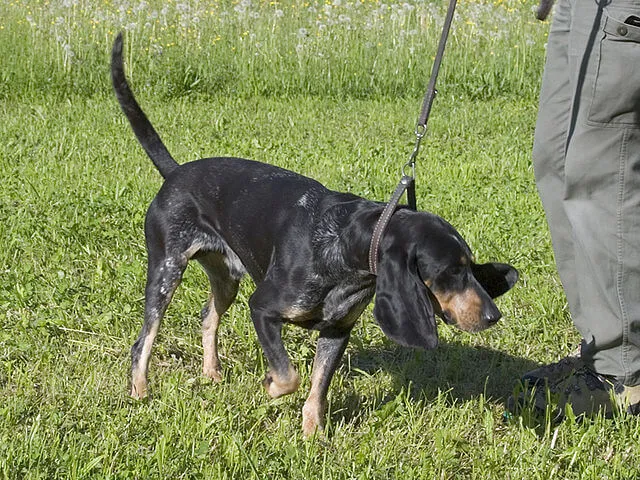
Lucerne Hound
Health grade AThe Luzerner Laufhund is a passionate scent hound with an incredibly keen nose—bred as a tireless specialist that tracks, pursues, and vocalizes its findings independently over long distances.
- Height47–59 cm
- Weight12–18 kg
- Life expectancy12–14 yrs
- Puppy price1,500–2,500 €
- Energy4/5
The Essentials at a Glance
The Luzerner Laufhund is a passionate scent hound with an incredibly keen nose—bred as a tireless specialist that tracks, pursues, and vocalizes its findings independently over long distances.
- Health grade A: The Luzerner Laufhund is considered a very robust and functional hunting breed for which there are currently no specific mandatory genetic tests.
- You are looking for a highly specialized partner for scent work, mantrailing, or hunting tasks where his superior nose becomes his true purpose in life.
- You live in a rural area with access to vast natural spaces and, ideally, an absolutely escape-proof garden.
- You expect a dog that turns around immediately at a whistle in the woods—he was bred to stay on the trail when encountering game and to make his own decisions.
Is the Lucerne Hound right for you?
At a glance
Lucerne Hound overview
The essentials — key facts, traits, and health priorities — before you dive deeper.
Health grade
Relative to other breeds
S
A
B
C
D
E
Very healthyHigher risk
Very healthy — limited common concerns.
See full health info & tests →
Note: This health overview is AI-assisted and editorially reviewed. It is for orientation only and does not replace veterinary advice.
Lifespan
12–14 yrs
Height
47–59 cm
Weight
12–18 kg
Practical
- Puppy price: 1,500 – 2,500 €
- Coat: Short, dense, without undercoat
- Origin: Switzerland
Temperament
Energy
Trainability
Family fit
With kids
Daily life
Care effort
Shedding
Barking
City-friendly
Guard instinct
What matters most
Especially with a Lucerne Hound, choosing the right breeder is the single most important decision you'll make. Serious breeders consistently test the parents for inherited conditions, prioritize healthy early socialization, and stay accountable long after handover. A cheap puppy without health screening tends to become the most expensive dog later on.
See HonestDog breeder standards →Colors & coat
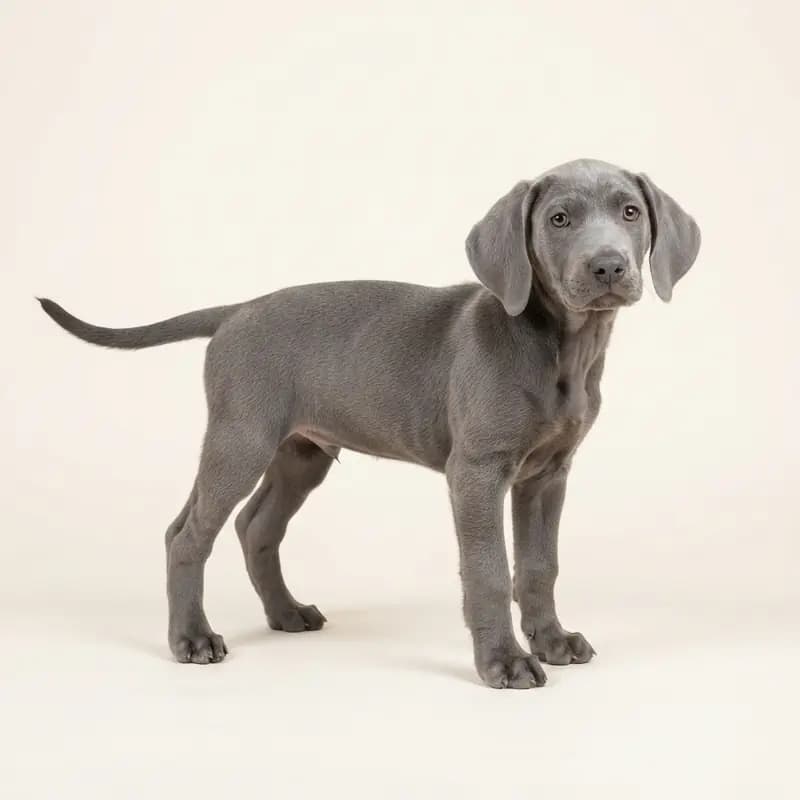
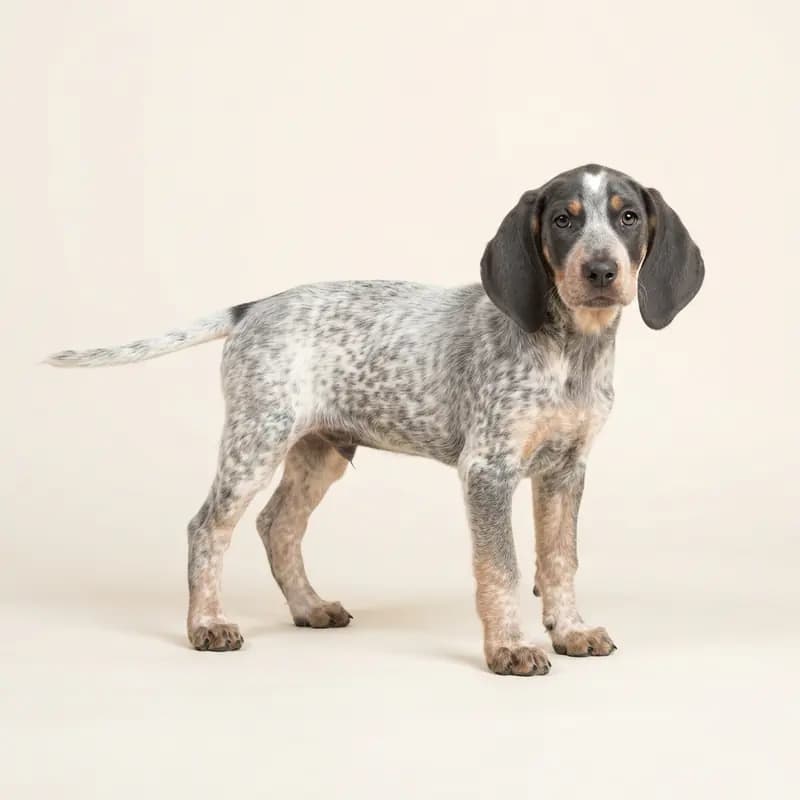
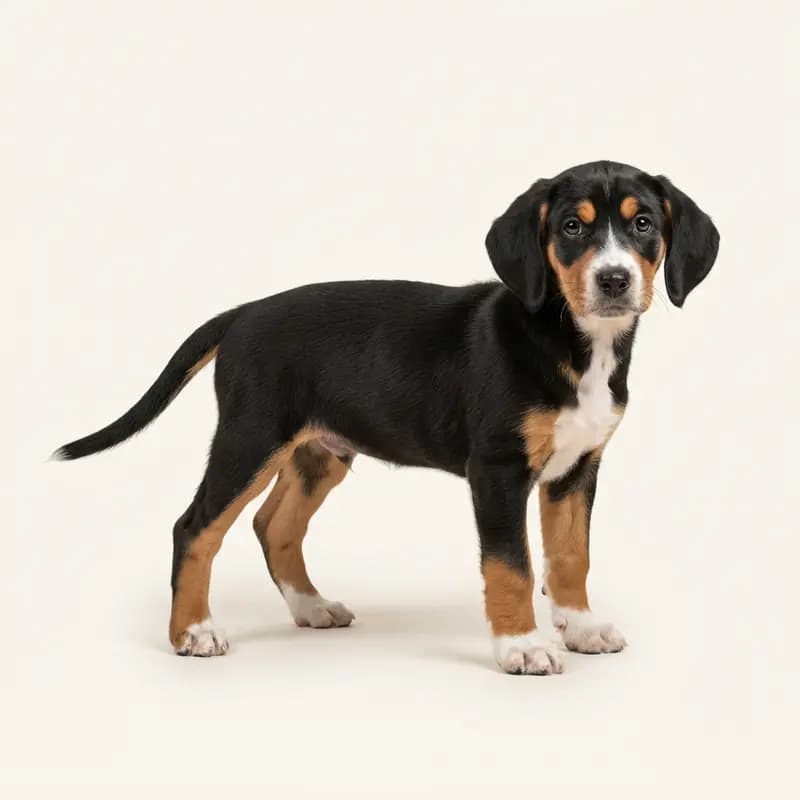
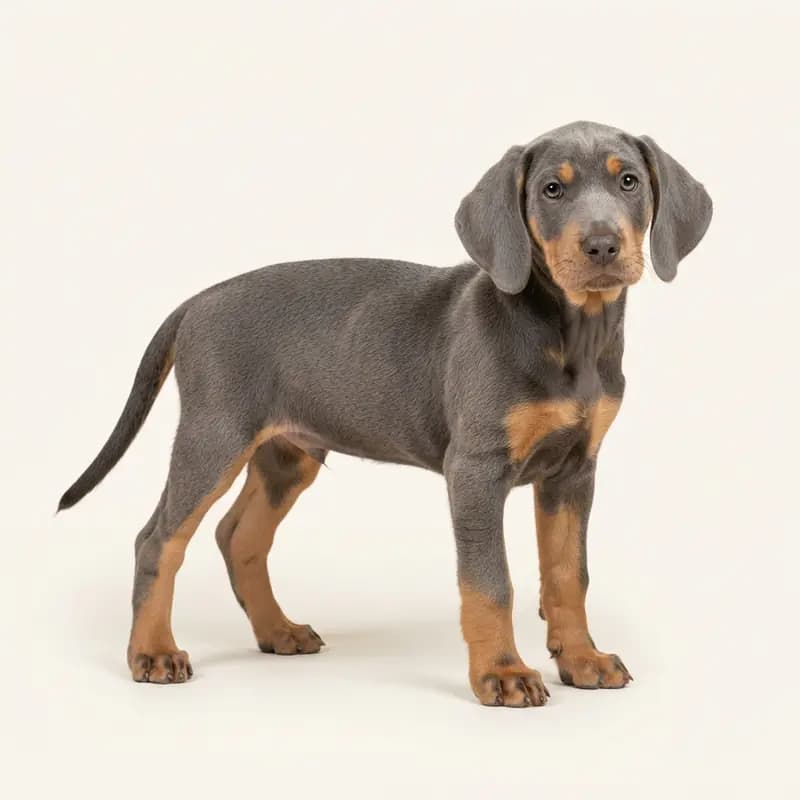
What colors does the Lucerne Hound come in?
The coat colors you will see in Lucerne Hound litters — including which ones fall outside the breed standard and which carry genetic risk.
Eye colors
 Brown
Brown
Coat type
 Short
Short Smooth
Is the Lucerne Hound right for you?
The Luzerner Laufhund is a passionate scent hound with an incredibly keen nose—bred as a tireless specialist that tracks, pursues, and vocalizes its findings independently over long distances.
Perfect for you if:
- You are looking for a highly specialized partner for scent work, mantrailing, or hunting tasks where his superior nose becomes his true purpose in life.
- You live in a rural area with access to vast natural spaces and, ideally, an absolutely escape-proof garden.
- You appreciate a dog that works completely autonomously outdoors but is gentle, calm, and extremely affectionate at home.
- You might already have a confident dog—as a historical pack hound, he truly thrives in canine company.
Less ideal if:
- You expect a dog that turns around immediately at a whistle in the woods—he was bred to stay on the trail when encountering game and to make his own decisions.
- You live in an urban environment or a thin-walled apartment—his melodic, far-reaching baying is essential for his work and cannot simply be switched off.
- You have to leave your dog alone for long periods, which is pure stress for this highly pack-oriented scent hound.
The real vibes check
Indoors, the Luzerner Laufhund acts like a gentle, almost melancholic aristocrat who prefers to sleep snuggled up close to you on the sofa—but outdoors, the switch flips. As soon as his nose touches the ground, the companion dog disappears and the highly specialized hunter takes the wheel. You aren't getting an obedient follower, but an autonomous worker of nature who will only accept your leadership if you respect his instincts and channel them in an orderly way.
Self-check
Would the Lucerne Hound really fit your life?
Answer 6 quick questions about your everyday life and see how well the Lucerne Hound fits you — including an honest cost estimate per month, per year, and across the dog's lifetime.
Fit checkCost estimateRisk dice
Takes about 1 minute · free & anonymous
Breed Profile
The Lucerne Hound is a medium-sized, muscular dog known for its strength and endurance. He belongs to FCI Group 6, which includes running dogs and bloodhounds. With his hanging ears, friendly look and elegant appearance, he is a real eye-catcher. Its fur is short and dense, but has no undercoat. The typical coat color is white with black-blue patches or black spots, giving it a distinctive appearance. In contrast to some other dog breeds, the Lucerne Hound does not differentiate between performance and show lines.
All measurements in detail
- Height
- 47 - 57 cm (Female), 49 - 59 cm (Male)
- Weight
- 12 - 18 kg (Female), 12 - 18 kg (Male)
- Life Expectancy
- 12 - 14 yrs
- Character
- Energetic, Affectionate, Intelligent
- Coat
- Short, dense, without undercoat
- Coat Color
- White with black-blue plates or black spots
- Price
- 1500 - 2500 €
Character & Temperament
The Lucerne Hound is an energetic and lively dog that cuts an excellent figure both as a working dog and as a family dog. Its origins as a hound are clearly visible in its nature: it is persistent, tough and has a strong hunting instinct. This makes it an excellent companion for active people who enjoy spending time in nature. Despite his hard work disposition, the Lucerne Hound is also very people-oriented and affectionate. He forms a close bond with his family and enjoys being around them. His loving and gentle nature makes him a great companion for children. He is also intelligent and eager to learn, which makes training easier. In terms of temperament, the Lucerne Hound is active but not hyperactive. He needs regular exercise and mental stimulation to be happy and balanced, but is also able to relax and enjoy quiet times. He can learn to stay alone, but needs enough exercise and activity to avoid becoming restless or destructive. The Lucerne Hound shows a strong hunting instinct. This is something that should be taken into account when keeping this breed. When off-leash in areas with lots of game, he can quickly switch into hunting mode and may then be difficult to recall. It's important to give him good recall training from the start and let him run freely in a safe environment. The Lucerne Hound is a vigilant dog that will protect its territory and family well. He is not aggressive, but can be suspicious of strangers or unusual noises. However, with proper socialization and training, he can learn to be friendly and open towards strangers. Overall, the Lucerne Hound is a wonderful breed for active families looking for a loyal and energetic companion. With his endurance and friendly nature, he will surely make every day an adventure.
| Trainability Has its own ideas and will test limits. | Strong-willed |
| Watchfulness Occasionally alerts but is fundamentally open. | Low |
| Openness to Strangers Warms up quickly and is generally welcoming. | Friendly |
| Hunting or Herding Drive This drive runs deep — no amount of training eliminates it. | Very strong |
Fun Fact!
Did you know that the Lucerne Hound is one of the four Swiss Hound breeds and is named after the color of its fur, which is reminiscent of the fog over Lake Lucerne?
What Awaits You
The Lucerne Hound is a lively and enduring hunting dog, especially valued for its excellent sense of smell. These dogs are friendly and eager to work but require consistent training and sufficient exercise. They are well suited for active families and people looking for a reliable companion for hunting or dog sports. The Lucerne Hound shows a close bond with its owner and is always attentive and willing to learn.
Housing & Care
The Lucerne Hound is a good family dog and gets along well with children of all ages. However, since it was originally bred for hunting, it can have a strong hunting instinct. This means that he may not do well with small pets such as cats or rodents unless he is socialized with them from an early age. The Lucerne Hound is only partially suitable for keeping in the city. He needs plenty of exercise and mental stimulation, which can be difficult to provide in an urban environment. A home with a large, well-fenced yard would be ideal for this breed.
- Family Friendly
Loves family life and thrives in a group.
Family-oriented - Child Friendly
Takes boisterous and affectionate children in its stride.
Patient with children - Dog Friendly
Usually gets on fine with other dogs.
Generally tolerant - City Friendly
City-appropriate with enough exercise and stimulation.
Manageable in cities
Owning a dog is a privilege, but it's also a real responsibility. Before you bring one into your life, be honest with yourself about the commitment it takes.
Training & Education
Patience and consistency are required when raising and training the Lucerne Hound. He is intelligent and capable of learning, but can also sometimes have a mind of his own. That's why it's important to start training early using positive reinforcement methods. Due to his hunting disposition, the focus of training should be on reliable recall exercises and good leash walking. It can also be helpful to offer the dog alternatives to hunting, such as search or fetch games. The Lucerne Hound requires a balanced mix of physical and mental activity. Too much or too little of either can lead to behavioral problems. It is important to find the right amount and not to overwhelm the dog. Ball games should only be used moderately to avoid ball dependency. Another important aspect of education is promoting frustration tolerance and impulse control. This can be done through exercises such as "Stay" or "Wait" can be achieved.
Nutrition & Care
When it comes to nutrition, the Lucerne Hound is uncomplicated. He needs a balanced diet that contains high-quality protein, healthy fats, vitamins, minerals and fiber. The amount and type of food depends on the dog's size, weight, age and activity level. When it comes to grooming, the Lucerne Hound is easy to care for. His short coat has no undercoat and only requires occasional brushing to remove dead hair and promote skin health. He sheds moderately and copes well with the climate in Germany.
| Care Level Minimal effort — occasional brushing and bathing. | Low-maintenance |
| Exercise Needs Needs several hours of serious exercise every day. | Very active |
| Shedding Regular shedding — dog hair on clothes is now normal. | Moderate |
| Trainability Has its own ideas and will test limits. | Strong-willed |
Our experts are still reviewing this information. Spotted something wrong? Email us at info@honestdog.de.
Health & hereditary diseases
Health
A
Robust
Health grade
The Luzerner Laufhund is considered a very robust and functional hunting breed for which there are currently no specific mandatory genetic tests. Nevertheless, prospective buyers should be aware of general issues common in larger scenthounds, such as hip dysplasia (HD) and progressive retinal atrophy (PRA). Additionally, their long, pendulous ears require regular care to prevent chronic ear infections (otitis).
Grade is relative to other breeds — AI-assisted and editorially reviewed.
In daily life this can mean
You should keep his floppy ears clean and dry regularly and ensure he is raised in a way that protects his joints so that your dog stays active for a long time.
The breeder's role
Reputable breeders have the parents' hips, elbows, and eyes checked and pay attention to healthy ear canals to reduce risks within the bloodline.
Note: This health overview is AI-assisted and editorially reviewed. It is for orientation only and does not replace veterinary advice.
No Health Tests Available
No specific health tests are currently available for this breed.
Costs & where to find one
How much does a Lucerne Hound cost?
A Lucerne Hound costs around ~€160 per month (€90 – €310, depending on your setup). The first year adds up to roughly ~€4,810 including purchase, equipment and puppy school; across the dog's life (13 years) it comes to about ~€28,560.
With surgery cover, running costs come to about ~€160 per month — in return, your share of a major operation drops from several thousand euros to around 20 percent.
Per month
~€160
In the first year
~€4,810
Across the dog's life
~€28,560
Purchase from a breeder: €1,500 – €2,500
Estimate at a mid-range setup (suburban, dry food, 1–2 hours of daily exercise), average German prices, as of July 2026.
Calculate your personal costs1-minute self-check with your own answers
Looking for a Lucerne Hound?
HonestDog Concierge
No verified Lucerne Hound breeders on HonestDog yet
We currently have no breeders for this breed who have passed our verification. Create your short buyer profile: we'll set up your search alert, review a possible source and email you within 28 days.
Appearance, variants & origin
History
The full history
The origins of the Lucerne Hound lie in Switzerland, more precisely in the canton of Lucerne, after which it is named. Dogs similar to today's Lucerne Hound were bred in Switzerland as early as the Middle Ages. They were used to hunt rabbits, foxes and other small game. In the 19th century, the Lucerne Hound was recognized as an independent breed. The breed is closely related to the other four Swiss hounds, including the Bernese hound, the Jura hound, the Schwyzer hound and the Schwyzer Niederlaufhund.
Original Use
The Lucerne Hound was bred to hunt hares and other small game in the hilly regions of Switzerland.
Origin
Switzerland
Date
Mittelalter
Owner experiences
What owners say about the Lucerne Hound
Markus S., Jäger aus Bayern (Rüde, seit 2014)
Wir haben uns nach langem Überlegen für einen Luzerner Laufhund entschieden. Im Haus ist er wirklich ein Traum – unheimlich ruhig, freundlich, ausgeglichen und extrem anhänglich. Er sucht ständig den Kontakt zu uns und ist ein richtiger Schmusehund, der am liebsten überall dabei sein möchte. Die jagdliche Einarbeitung war bei ihm ein absolutes Kinderspiel, da ihm das Suchen und die Fährtenarbeit einfach im Blut liegen. Er arbeitet hochkonzentriert und mit einer fantastischen Spurtreue.
Aber man darf sich nichts vormachen: Sobald wir draußen im Revier sind, merkt man sofort, wofür diese Hunde gezüchtet wurden. Seine Nase klebt am Boden und er schaltet augenblicklich in den Jagdmodus. Außerhalb der Jagdsaison beschäftigen wir ihn intensiv mit Schweißarbeit, Schleppen und Gehorsamsübungen. Ohne diese Nasenarbeit unter dem Jahr wäre er völlig unausgelastet. Man braucht definitiv Geduld und muss wissen, wie man diese Rasse richtig führt, denn sie jagen sehr passioniert.
Sabine T., Hundehalterin aus Hessen (Rüde, seit 2021)
Ich habe meinen Luzerner Laufhund als reinen Familien- und Begleithund vermittelt bekommen, da der Züchter überzeugt war, dass man die Rasse mit der passenden Alternativbeschäftigung auch ohne Jagdschein glücklich machen kann. Und ja, es funktioniert – aber es ist ein hartes Stück Arbeit! Wir machen extrem viel Mantrailing und Fährtenarbeit, um seinen unglaublichen Spürsinn sinnvoll zu kanalisieren. Ohne diese mentale Auslastung würde er im Alltag unruhig werden.
Was man absolut nicht unterschätzen darf, ist der enorme Jagdtrieb und die rassetypische Eigenständigkeit. Ein unbeschwerter Freilauf im Wald ist bei uns schlichtweg nicht möglich. Wenn er eine Fährte in der Nase hat, blendet er alles um sich herum aus. Da hilft auch das beste Rückruftraining nur bedingt, weshalb er draußen meistens an der Schleppleine bleibt. Wer sich so einen Hund holt, muss sich im Klaren darüber sein, dass man hier keinen leichtführigen Retriever an der Hand hat, sondern eine hochspezialisierte Bracke mit eigenem Kopf.
Gottfried B., Förster und Jäger (Hündin, seit 2018)
Als langjähriger Brackenführer schätze ich die Schweizer Laufhunde sehr. Mein Luzerner ist ein extrem feinnasiger Wildfinder, der auf der Fährte mit einer enormen Ausdauer und Sicherheit glänzt. Was mich bei der Rasse immer wieder fasziniert, ist das tiefe, klangvolle Geläut (der Spurlaut) bei der Arbeit. Das ist für mich jedes Mal ein echtes Erlebnis.
Allerdings muss man mit der rassetypischen Sensibilität und dem Eigensinn umgehen können. Die Erziehung erfordert viel Fingerspitzengefühl – Druck oder Härte bewirken bei diesen Hunden das Gegenteil. Zudem neigen die hochläufigen Laufhunde dazu, sehr weit zu jagen. Wenn man sie nicht von Anfang an richtig einarbeitet und ihren Radius kontrolliert, jagen sie schnell mal über weite Distanzen hinweg, was in unseren heutigen, oft kleineren Revieren in Deutschland durchaus zu Problemen führen kann. Sie sind eben passionierte Solojäger, die für die laute Jagd leben.
Paraphrased from real owner reports
Loading owner stories
FAQ & more
Frequently asked questions about the Lucerne Hound
Is a Lucerne Hound the right dog for me?
The Lucerne Hound is an active dog that needs plenty of exercise and mental stimulation. Research the temperament, grooming needs, and space requirements before deciding.
How long does a Lucerne Hound live?
The average life expectancy of a Lucerne Hound is 12-14 years. With proper care and regular vet visits, your dog can live a long, healthy life.
How much grooming does a Lucerne Hound need?
Lucerne Hound grooming requirements include regular brushing, nail trimming, and dental care. HonestDog provides detailed grooming tips for every breed.
Is a Lucerne Hound good for families with children?
The Lucerne Hound can be a great family dog. Proper training and socialization are key. HonestDog provides family suitability information for every breed.
What colors does the Lucerne Hound come in?
The Lucerne Hound comes in these colors: Blue, Roan, Tricolor, Blue and tan.
Loading related articles
Are you a Lucerne Hound breeder?
Showcase your kennel on HonestDog and reach families searching for a responsibly bred Lucerne Hound.
Why HonestDog?
What makes HonestDog different from other platforms
Full transparency
We lay out what we have: who the breeder is, how they work, and any health records they've uploaded. So you can judge for yourself.
Responsible breeding, assured
Every breeder on HonestDog has their identity and documents checked before their profile goes live. Health records they upload are shown on the profile, so you can see exactly what has been tested.
Trust and verification
We verify breeders and buyers alike, so every conversation happens on solid ground. It's a new standard of trust in dog breeding.
Less hassle, more time
We've already checked the breeders' documents and gathered the details, so you can skip the endless research and focus on finding the right puppy for your family.
Our Mission

We connect dog lovers with responsible breeders and shelters to ensure every dog finds the perfect home.
Founded by dog enthusiasts, our platform focuses on ethical dog breeding and adoption.
Why HonestDog?
We connect you with vetted breeders and shelters so you can find your — your new companion — with confidence.
Vetted Partners
Only verified breeders and shelters — for a safe start.
Highest Standards
Every animal's health and wellbeing is our top priority.
Guides & Resources
Guides, checklists, and breed profiles — so you can make a well-informed decision.