Loading breed

Lhasa Apso
Health grade CThe Lhasa Apso is a robust, independent monastic guardian—bred to serve as an alert alarm dog in the temples of Tibet. Beneath that long coat lies not a soft lap dog, but a self-confident observer with a strong will of its own.
- Height25–28 cm
- Weight5–8 kg
- Life expectancy12–15 yrs
- Puppy price1,500–2,500 €
- Energy2/5
The Essentials at a Glance
The Lhasa Apso is a robust, independent monastic guardian—bred to serve as an alert alarm dog in the temples of Tibet. Beneath that long coat lies not a soft lap dog, but a self-confident observer with a strong will of its own.
- Health grade C: The Lhasa Apso has an average health profile and is therefore graded B.
- You appreciate a dog that naturally keeps an eye on your home and property—its monastic heritage makes it a born, attentive watchdog.
- You prefer leisurely walks and aren't looking for an athletic sports partner for jogging sessions.
- You expect an 'everybody's darling' who lets everyone on the street pet them—they were bred to be suspicious of strangers.
Is the Lhasa Apso right for you?
At a glance
Lhasa Apso overview
The essentials — key facts, traits, and health priorities — before you dive deeper.
Health grade
Relative to other breeds
S
A
B
C
D
E
Very healthyHigher risk
Average — several important tests are expected.
See full health info & tests →
Note: This health overview is AI-assisted and editorially reviewed. It is for orientation only and does not replace veterinary advice.
Lifespan
12–15 yrs
Height
25–28 cm
Weight
5–8 kg
Practical
- Puppy price: 1,500 – 2,500 €
- Coat: Long, dense, without an undercoat
- Origin: Tibet
Temperament
Energy
Trainability
Family fit
With kids
Daily life
Care effort
Shedding
Barking
City-friendly
Guard instinct
What matters most
Especially with a Lhasa Apso, choosing the right breeder is the single most important decision you'll make. Serious breeders consistently test the parents for inherited conditions, prioritize healthy early socialization, and stay accountable long after handover. A cheap puppy without health screening tends to become the most expensive dog later on.
See HonestDog breeder standards →Colors & coat
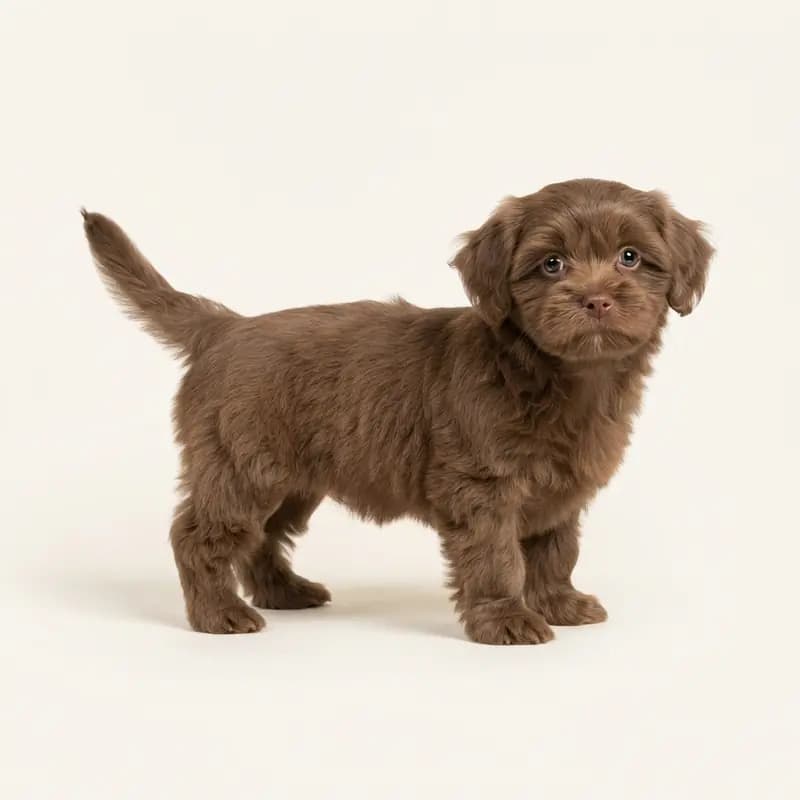
What colors does the Lhasa Apso come in?
The coat colors you will see in Lhasa Apso litters — including which ones fall outside the breed standard and which carry genetic risk.
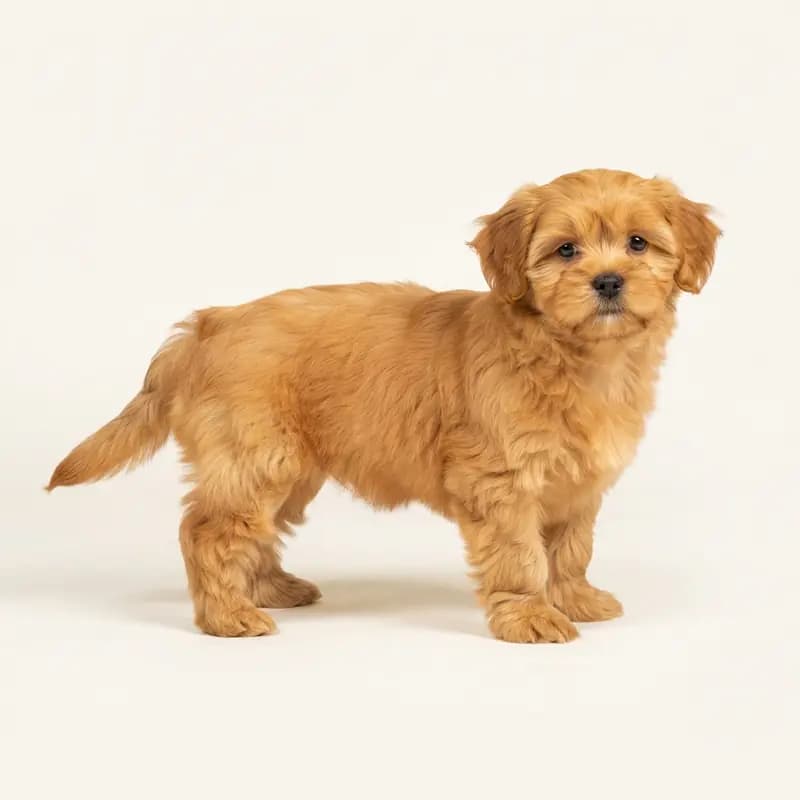
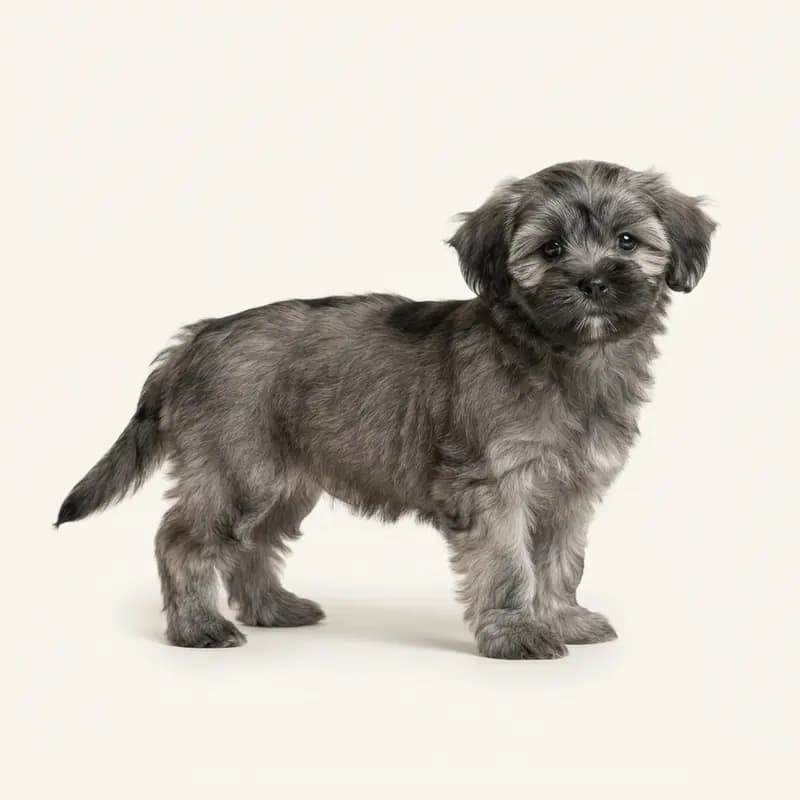
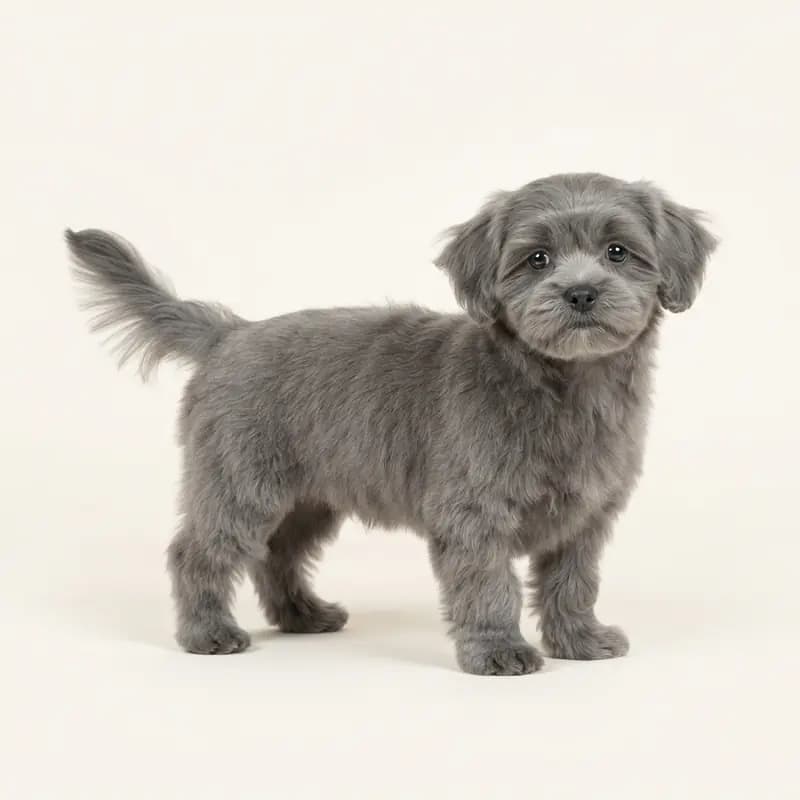
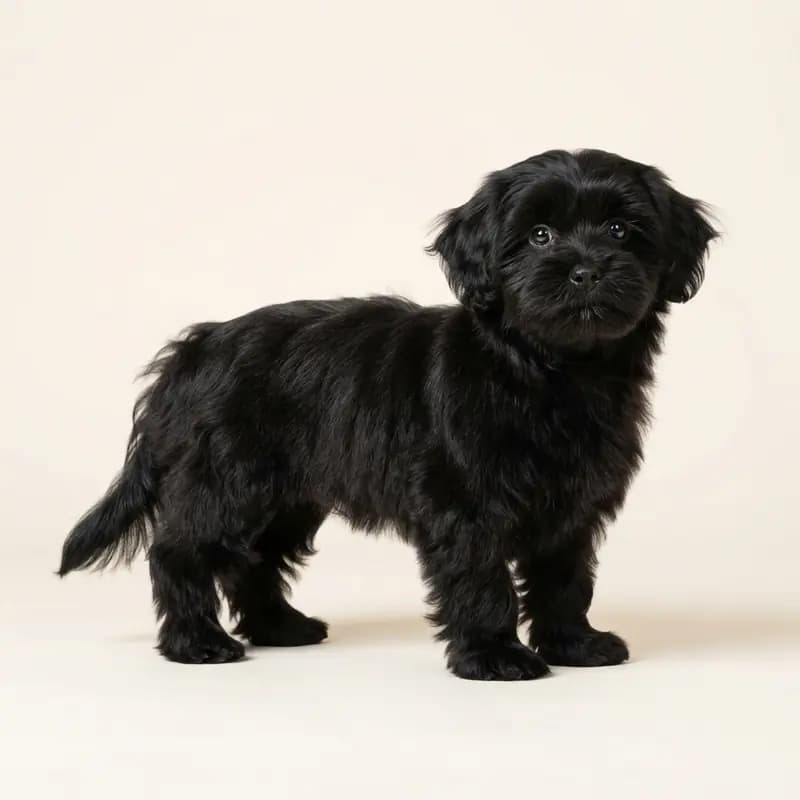


Eye colors
 Brown
Brown
Coat type
 Long
Long Double coat
Is the Lhasa Apso right for you?
The Lhasa Apso is a robust, independent monastic guardian—bred to serve as an alert alarm dog in the temples of Tibet. Beneath that long coat lies not a soft lap dog, but a self-confident observer with a strong will of its own.
Perfect for you if:
- You appreciate a dog that naturally keeps an eye on your home and property—its monastic heritage makes it a born, attentive watchdog.
- You prefer leisurely walks and aren't looking for an athletic sports partner for jogging sessions.
- You can lead with loving consistency without applying pressure—harshness only leads to stubborn refusal in this proud Tibetan.
- You live in a quiet household where there isn't a constant stream of strangers coming and going.
Less ideal if:
- You expect an 'everybody's darling' who lets everyone on the street pet them—they were bred to be suspicious of strangers.
- You live in an apartment building with thin walls where every bark at the door leads to problems with the neighbors.
- You aren't prepared to invest time several times a week in elaborate grooming or to schedule regular visits to the groomer.
- You are looking for a dog that demands constant physical contact and hours of cuddling on your lap.
The real vibes check
A Lhasa Apso may look like a floor-length stuffed animal, but on the inside, it acts like a bouncer with centuries of professional experience. You aren't getting an clingy clown that wants to please you, but a loyal, serious housemate who decides for themselves who is allowed into your inner circle.
Self-check
Would the Lhasa Apso really fit your life?
Answer 6 quick questions about your everyday life and see how well the Lhasa Apso fits you — including an honest cost estimate per month, per year, and across the dog's lifetime.
Fit checkCost estimateRisk dice
Takes about 1 minute · free & anonymous
Breed Profile
The Lhasa Apso is a small but robust dog breed that falls under FCI Group 9 of companion and companion dogs. This lovely breed is characterized by its lush, long and silky coat, which often covers the eyes and has a well-developed beard. They have a proud, almost aristocratic gait and a distinctive appearance characterized by their deep, dark eyes and a black nose. Lhasa Apsos have no specific line differences between show and performance dogs.
All measurements in detail
- Height
- 25 - 28 cm (Female), 25 - 28 cm (Male)
- Weight
- 5 - 8 kg (Female), 6 - 8 kg (Male)
- Life Expectancy
- 12 - 15 yrs
- Character
- Independent, Alert, Loyal
- Coat
- Long, dense, without an undercoat
- Coat Color
- Diverse (e.g. black, white, gold, sand, honey, slate or two-tone)
- Price
- 1500 - 2500 €
Character & Temperament
The Lhasa Apso comes from mysterious Tibet, where it lived in the harsh heights of the Himalayan Mountains. Its history goes back over 1,000 years and is closely linked to Tibetan culture and religion. The name "Lhasa Apso" is derived from the capital of Tibet, Lhasa, and the Tibetan word "Apso" ab, the "long-haired dog" means. Lhasa Apsos were originally kept in monasteries and noble houses and were considered sacred dogs that were supposed to bring good luck. It was believed that the souls of deceased lamas would enter these dogs. Therefore, Lhasa Apsos were also guardians who protected their owners and their property. The breed first became known outside Tibet in the 1920s, when some dogs were given as gifts to foreign visitors. The Lhasa Apso was recognized as a separate breed by the American Kennel Club (AKC) in 1935. **Essence and Character** The Lhasa Apso is a fascinating little dog with a unique personality. Even though they are small, don't make the mistake of thinking that they are insecure or reserved. These dogs are bold, confident and often feel like they are much bigger than they actually are! As guardians of their home in Tibet, Lhasa Apsos are naturally wary and wary of strangers. This makes them great guard dogs who are not afraid to bark if they feel something is wrong. In terms of temperament, they tend to be quiet, but that doesn't mean they don't like to play. On the contrary, they love playing with their favorite people and can be quite silly when they feel safe and loved. However, their independent nature means they don't always cuddle or seek constant attention. This trait makes them relatively good at staying alone, as long as it's not for too long periods of time and they don't get bored. They are very loyal and affectionate in their family environment. Once they have established a relationship with their human, they are often like a shadow and want to participate in everything that goes on in the house. One of the things you should pay attention to is that although they are not considered hunting dogs, they can sometimes exhibit prey-catching behavior, especially when they see birds or small animals in the yard. It is therefore important to keep them in a safe area and to ensure that they do not run away to follow an interesting trail.
| Trainability Has its own ideas and will test limits. | Strong-willed |
| Watchfulness Occasionally alerts but is fundamentally open. | Low |
| Openness to Strangers Neither pushily friendly nor suspicious. | Neutral |
| Hunting or Herding Drive Barely any prey drive — small animals trigger nothing. | Very low |
Fun Fact!
In Tibetan culture, it was believed that the souls of deceased lamas (religious teachers) could be reincarnated in Lhasa Apsos!
What Awaits You
Lhasa Apsos are small, lively and stubborn dogs. Unfortunately, the noses of this type of dog are also being bred to be shorter and shorter, so that they are increasingly appearing on lists of breeds affected by breeding traits.
Housing & Care
Lhasa Apsos are well suited to city apartments as long as they can be walked regularly. They are relatively quiet and can cope with limited space. The breed can get along well with older children, but caution is advised with very young children as Lhasa Apsos can sometimes be a bit territorial. In terms of other pets, Lhasa Apsos can learn to get along with cats and other dogs, especially if they are socialized together from an early age.
- Family Friendly
Loves family life and thrives in a group.
Family-oriented - Child Friendly
Gets on well with children — with adult supervision.
With supervision - Dog Friendly
Usually gets on fine with other dogs.
Generally tolerant - City Friendly
Small space, noise, lots of people — no problem at all.
Ideal city dog
Owning a dog is a privilege, but it's also a real responsibility. Before you bring one into your life, be honest with yourself about the commitment it takes.
Training & Education
Lhasa Apsos are intelligent dogs, but their independent nature can sometimes make training challenging. Patience and positive reinforcement are crucial. It's also important to start socialization early. Their alertness makes them well-suited to sports such as agility and obedience training. However, you should be careful not to "over-busy" the dog, as they also need their rest periods. It is not common for Lhasa Apsos to become "ball junkies" but they enjoy interactive games. Frustration tolerance and impulse control are important aspects of parenting that help promote balanced behavior. In general, it is important to take into account the Lhasa Apsos' natural instincts and dispositions and to provide him with opportunities for mental and physical stimulation without overwhelming him.
Nutrition & Care
Lhasa Apsos require a balanced diet to stay healthy. High quality dog food suitable for small breeds is recommended. Fresh water should always be available. In terms of grooming, the Lhasa Apso has long, dense fur with no undercoat. The coat needs to be brushed regularly to prevent matting. Many owners choose to keep the coat shorter to make grooming easier. Despite the long coat, the Lhasa Apso copes well with the climate in Germany. They do not shed excessively, but some degree of hair loss is normal.
| Care Level Needs regular professional grooming — time-consuming and costly. | High-maintenance |
| Exercise Needs Enjoys daily movement but isn't a sports dog. | Moderate |
| Shedding No or minimal hair loss — suitable for allergy sufferers. | No shedding |
| Trainability Has its own ideas and will test limits. | Strong-willed |
Our experts are still reviewing this information. Spotted something wrong? Email us at info@honestdog.de.
Health & hereditary diseases
Health
C
Solid, watch carefully
Health grade
The Lhasa Apso has an average health profile and is therefore graded B. Key concerns for the breed include patellar luxation (PL) and hip dysplasia (HD), which affect the joints and should be verified by a veterinarian before purchase. There is also a risk of progressive retinal atrophy (PRA), an eye condition that can be effectively avoided through targeted genetic testing of breeding dogs.
Grade is relative to other breeds — AI-assisted and editorially reviewed.
In daily life this can mean
You should limit heat and exertion due to their short muzzle, ensure joint-friendly exercise, and honestly budget for higher veterinary costs for regular kidney and eye check-ups.
The breeder's role
Responsible breeders have the parents' knees, eyes, and kidneys tested and pay attention to clear airways—however, the fundamental risks of this breed cannot be completely eliminated even with these precautions.
Note: This health overview is AI-assisted and editorially reviewed. It is for orientation only and does not replace veterinary advice.
No Health Tests Available
No specific health tests are currently available for this breed.
Costs & where to find one
How much does a Lhasa Apso cost?
A Lhasa Apso costs around ~€170 per month (€90 – €320, depending on your setup). The first year adds up to roughly ~€4,900 including purchase, equipment and puppy school; across the dog's life (13.5 years) it comes to about ~€30,840.
With surgery cover, running costs come to about ~€170 per month — in return, your share of a major operation drops from several thousand euros to around 20 percent.
Per month
~€170
In the first year
~€4,900
Across the dog's life
~€30,840
Purchase from a breeder: €1,500 – €2,500
Estimate at a mid-range setup (suburban, dry food, 1–2 hours of daily exercise), average German prices, as of July 2026.
Calculate your personal costs1-minute self-check with your own answers
Looking for a Lhasa Apso?
HonestDog Concierge
No verified Lhasa Apso breeders on HonestDog yet
We currently have no breeders for this breed who have passed our verification. Create your short buyer profile: we'll set up your search alert, review a possible source and email you within 28 days.
Appearance, variants & origin
History
The full history
The Lhasa Apso comes from mysterious Tibet, where it lived in the harsh heights of the Himalayan Mountains. Its history goes back over 1,000 years and is closely linked to Tibetan culture and religion. The name "Lhasa Apso" is derived from the capital of Tibet, Lhasa, and the Tibetan word "Apso" ab, the "long-haired dog" means. Lhasa Apsos were originally kept in monasteries and noble houses and were considered sacred dogs that were supposed to bring good luck. It was believed that the souls of deceased lamas would enter these dogs. Therefore, Lhasa Apsos were also guardians who protected their owners and their property. The breed first became known outside Tibet in the 1920s, when some dogs were given as gifts to foreign visitors. The Lhasa Apso was recognized as a separate breed by the American Kennel Club (AKC) in 1935.
Original Use
The Lhasa Apso was kept in Tibetan monasteries as a guard dog and companion to monks.
Origin
Tibet
Date
Antike
Owner experiences
What owners say about the Lhasa Apso
Thomas L., Halter aus Nordrhein-Westfalen (Rüde, erwachsen)
Wir haben unseren Rüden im Alter von fünf Jahren als Scheidungshund übernommen. Er ist im Grunde ein treuer Kerl, aber man merkt ihm seine Vergangenheit und die typischen Rasse-Eigenschaften extrem an. Er hat sich von Anfang an als Chef im Haus aufgeführt und ging sogar auf unsere gutmütige Bordeauxdogge los, wenn ihm danach war. Er reagiert in manchen Situationen sehr misstrauisch und schnappt auch mal kurz zu, wenn er sich bedrängt fühlt oder einen seiner 'Flashs' bekommt.
Für Anfänger ist diese Rasse meiner Meinung nach absolut nichts. Ein Lhasa Apso ist kein harmloses Plüschtier, sondern im Herzen ein ernstzunehmender, wachsamer Hund, der klare Grenzen und eine sehr konsequente Führung braucht. Wenn man ihn einfach gewähren lässt, übernimmt er sofort die Kontrolle über den gesamten Haushalt.
Annett K., Halterin aus Sachsen (Rüde, seit 2013)
Ich habe mich damals sofort in das Aussehen der Rasse verliebt, aber im Alltag gelernt, dass die Fellpflege eine echte Aufgabe ist. Das lange Fell zieht Schmutz magisch an und verfilzt schnell, weshalb wir uns dazu entschieden haben, unseren Hund regelmäßig scheren zu lassen. Dadurch hat er im Sommer auch viel mehr Bewegungsfreiheit und leidet nicht so unter der Hitze.
Charakterlich ist er ein absolut selbstbewusster, lebhafter und wachsamer Begleiter, der sich als vollwertiges Familienmitglied sieht und toll mit Kindern klarkommt. Er schlägt zwar zuverlässig an, wenn sich jemand dem Haus nähert, ist aber glücklicherweise kein nerviger Dauerkläffer. Man muss seinen eigenwilligen Charakter einfach zu nehmen wissen.
Paraphrased from real owner reports
Loading owner stories
FAQ & more
Frequently asked questions about the Lhasa Apso
Is a Lhasa Apso the right dog for me?
The Lhasa Apso is an adaptable dog that adjusts well to various lifestyles. Research the temperament, grooming needs, and space requirements before deciding.
How long does a Lhasa Apso live?
The average life expectancy of a Lhasa Apso is 12-15 years. With proper care and regular vet visits, your dog can live a long, healthy life.
How much grooming does a Lhasa Apso need?
Lhasa Apso grooming requirements include regular brushing, nail trimming, and dental care. HonestDog provides detailed grooming tips for every breed.
Is a Lhasa Apso good for families with children?
The Lhasa Apso can be a great family dog. Proper training and socialization are key. HonestDog provides family suitability information for every breed.
What colors does the Lhasa Apso come in?
The Lhasa Apso comes in these colors: Gold, Grizzle, Grey, Black, White, Brown, Bicolor.
Loading related articles
Are you a Lhasa Apso breeder?
Showcase your kennel on HonestDog and reach families searching for a responsibly bred Lhasa Apso.
Why HonestDog?
What makes HonestDog different from other platforms
Full transparency
We lay out what we have: who the breeder is, how they work, and any health records they've uploaded. So you can judge for yourself.
Responsible breeding, assured
Every breeder on HonestDog has their identity and documents checked before their profile goes live. Health records they upload are shown on the profile, so you can see exactly what has been tested.
Trust and verification
We verify breeders and buyers alike, so every conversation happens on solid ground. It's a new standard of trust in dog breeding.
Less hassle, more time
We've already checked the breeders' documents and gathered the details, so you can skip the endless research and focus on finding the right puppy for your family.
Our Mission

We connect dog lovers with responsible breeders and shelters to ensure every dog finds the perfect home.
Founded by dog enthusiasts, our platform focuses on ethical dog breeding and adoption.
Why HonestDog?
We connect you with vetted breeders and shelters so you can find your — your new companion — with confidence.
Vetted Partners
Only verified breeders and shelters — for a safe start.
Highest Standards
Every animal's health and wellbeing is our top priority.
Guides & Resources
Guides, checklists, and breed profiles — so you can make a well-informed decision.