Loading breed
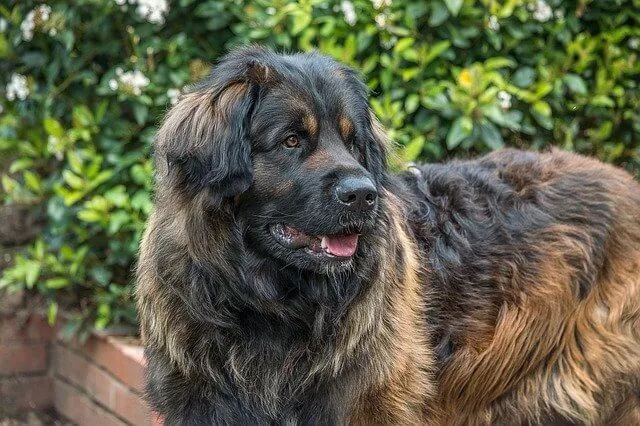
Leonberger
Health grade CThe Leonberger is a calm, extremely people-oriented family dog—an imposing, watchful mountain dog bred to be a majestic companion, who nowadays prefers to park its massive strength on the sofa for a cuddle.
- Height65–80 cm
- Weight41–77 kg
- Life expectancy8–9 yrs
- Puppy price1,800–3,000 €
- Energy4/5
The Essentials at a Glance
The Leonberger is a calm, extremely people-oriented family dog—an imposing, watchful mountain dog bred to be a majestic companion, who nowadays prefers to park its massive strength on the sofa for a cuddle.
- Health grade C: The Leonberger carries an above-average genetic burden, requiring seven mandatory health tests, which is why it receives a solid grade C.
- You have a house with a garden where he can calmly carry out his genetically anchored role as a territorial guardian.
- You are a confident and loving leader—this dog weighs as much as an adult human and can only be guided through trust.
- You live in an apartment building without an elevator—the enormous weight of this Molosser makes climbing stairs regularly simply impossible.
Is the Leonberger right for you?
At a glance
Leonberger overview
The essentials — key facts, traits, and health priorities — before you dive deeper.
Health grade
Relative to other breeds
S
A
B
C
D
E
Very healthyHigher risk
Average — several important tests are expected.
See full health info & tests →
Note: This health overview is AI-assisted and editorially reviewed. It is for orientation only and does not replace veterinary advice.
Lifespan
8–9 yrs
Height
65–80 cm
Weight
41–77 kg
Practical
- Puppy price: 1,800 – 3,000 €
- Coat: Long, dense, with thick undercoat
- Origin: Germany
Temperament
Energy
Trainability
Family fit
With kids
Daily life
Care effort
Shedding
Barking
City-friendly
Guard instinct
What matters most
Especially with a Leonberger, choosing the right breeder is the single most important decision you'll make. Serious breeders consistently test the parents for inherited conditions, prioritize healthy early socialization, and stay accountable long after handover. A cheap puppy without health screening tends to become the most expensive dog later on.
See HonestDog breeder standards →Colors & coat
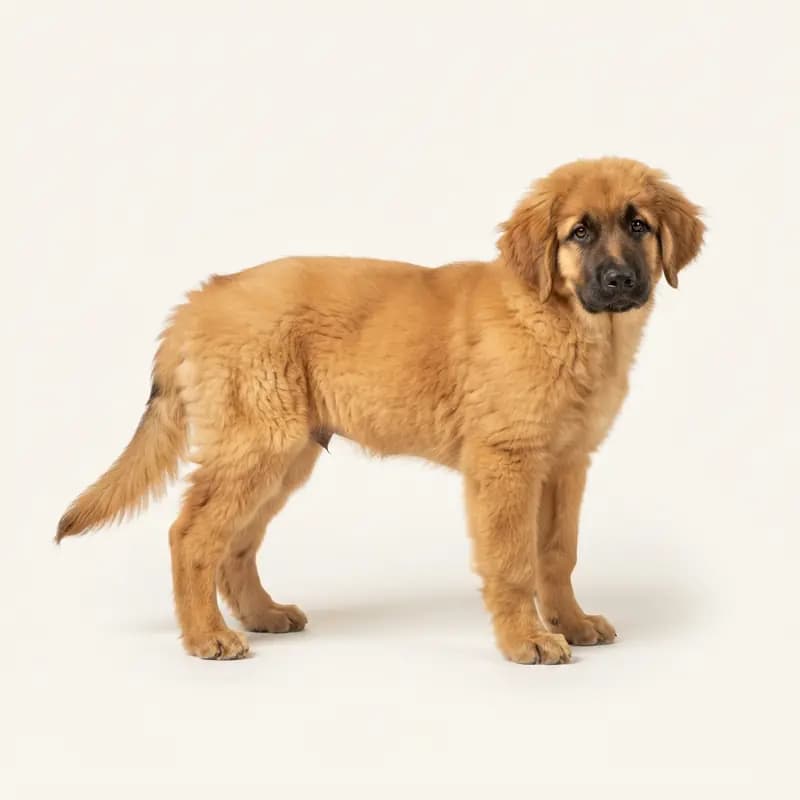
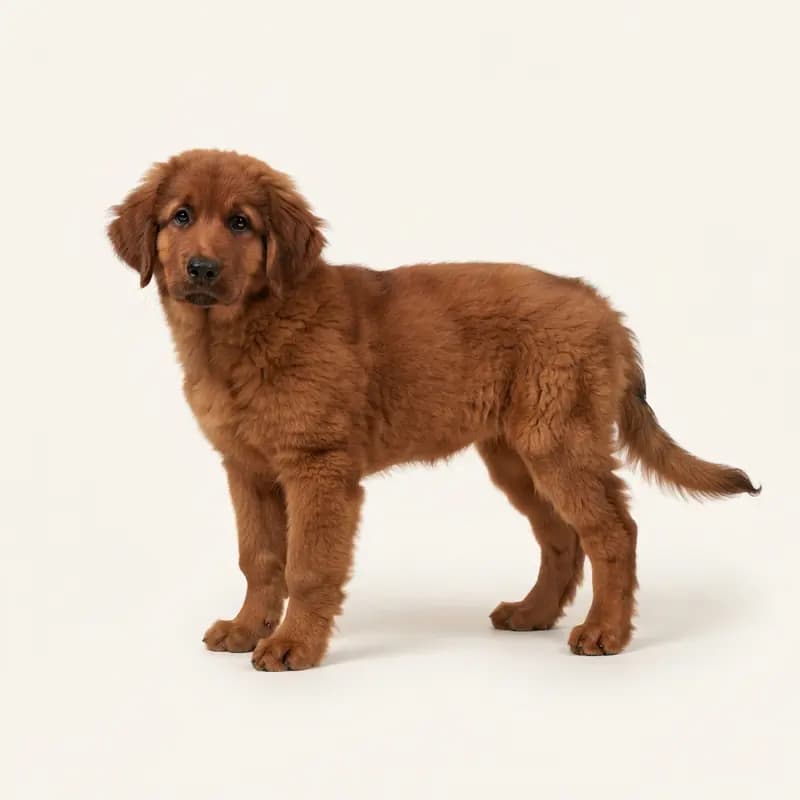
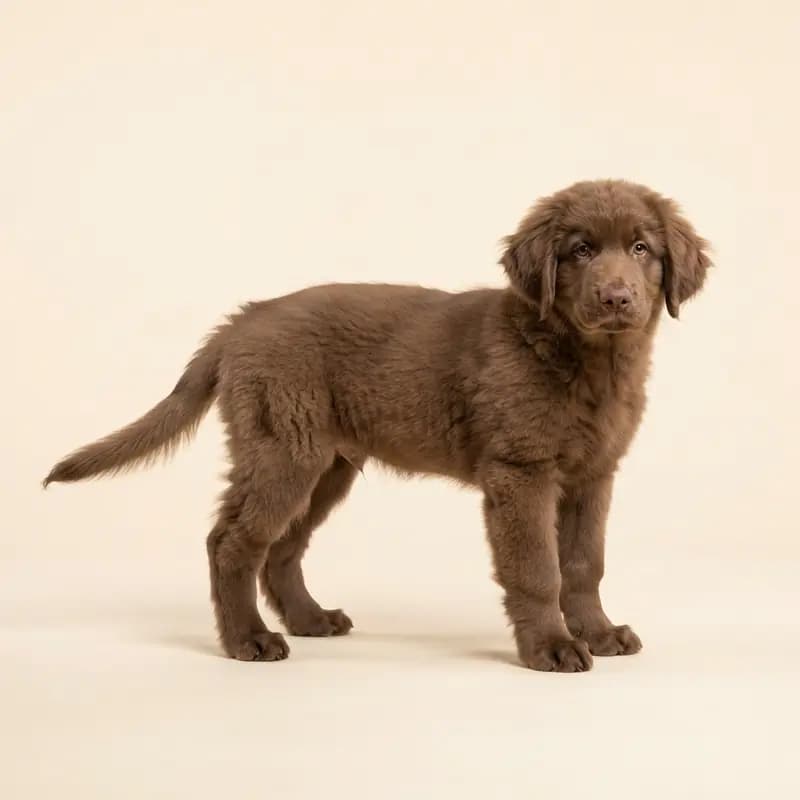
What colors does the Leonberger come in?
The coat colors you will see in Leonberger litters — including which ones fall outside the breed standard and which carry genetic risk.

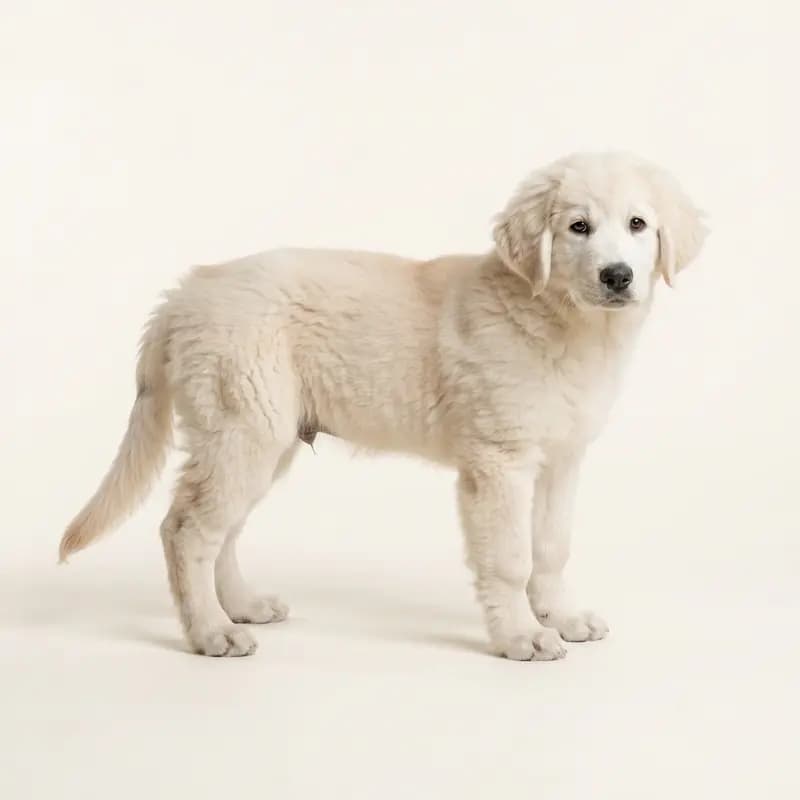
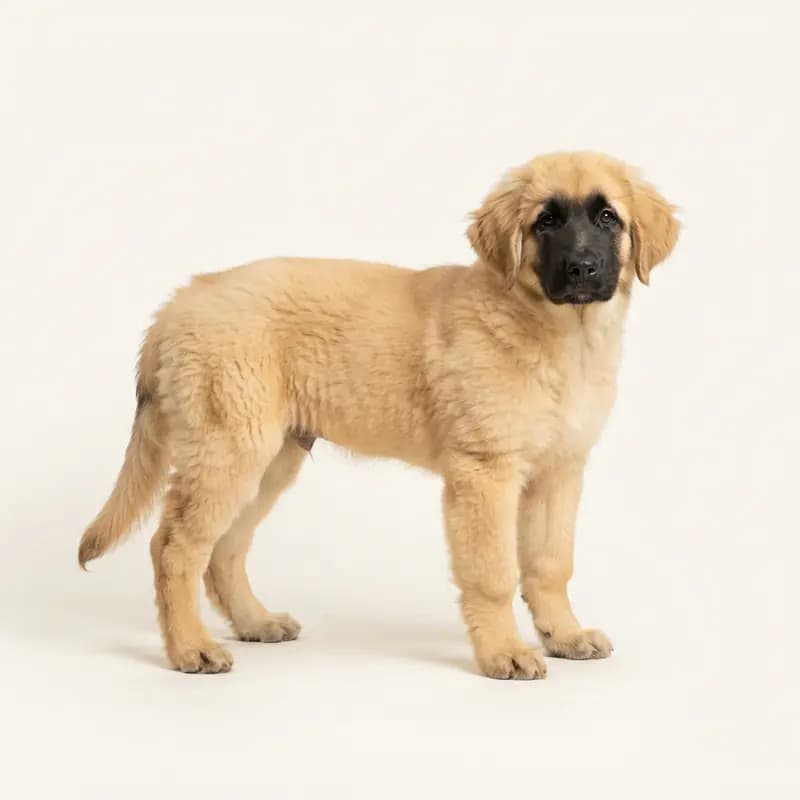
Eye colors
 Brown
Brown
Coat type
 Long
Long Double coat
Is the Leonberger right for you?
The Leonberger is a calm, extremely people-oriented family dog—an imposing, watchful mountain dog bred to be a majestic companion, who nowadays prefers to park its massive strength on the sofa for a cuddle.
Perfect for you if:
- You have a house with a garden where he can calmly carry out his genetically anchored role as a territorial guardian.
- You are a confident and loving leader—this dog weighs as much as an adult human and can only be guided through trust.
- You enjoy leisurely walks in nature and perhaps even love the water, as many Leonbergers are enthusiastic swimmers.
- You don't mind massive amounts of fur, muddy paws in the hallway, and the occasional bit of drool on your trousers.
Less ideal if:
- You live in an apartment building without an elevator—the enormous weight of this Molosser makes climbing stairs regularly simply impossible.
- You expect lightning-fast obedience—as a heavy mountain dog, he stoically weighs up situations before deciding if a reaction is worth his while.
- You have to leave him alone for hours every day, because despite his bear-like appearance, he is extremely sensitive and will wither without close family contact.
- You underestimate the logistics—from needing an XXL trunk to the massive cost of food.
The real vibes check
A Leonberger is like a living rock in the surf—he brings a sense of calm that immediately fills the room. When 70 kilos of dog lean trustingly against your leg, nothing can throw you off balance. You aren't getting a high-energy athlete, but a majestic guardian who keeps his family together with stoic serenity.
Self-check
Would the Leonberger really fit your life?
Answer 6 quick questions about your everyday life and see how well the Leonberger fits you — including an honest cost estimate per month, per year, and across the dog's lifetime.
Fit checkCost estimateRisk dice
Takes about 1 minute · free & anonymous
Breed Profile
The Leonberger is an impressive presence. It belongs to FCI Group 2, Section 2.2, the Molosser mountain type. He has a powerful stature and is characterized by his long, thick fur. Its name comes from its lion-like appearance, with its mane and bushy tail particularly prominent. The ears are medium sized and droopy, while the eyes are gentle and expressive. The Leonberger's body is muscular, with a deep chest and strong legs. There is no distinction between performance and show lines in this breed. The Leonberger was bred to combine a balanced, powerful appearance with a friendly and gentle nature.
All measurements in detail
- Height
- 65 - 75 cm (Female), 72 - 80 cm (Male)
- Weight
- 41 - 59 kg (Female), 48 - 77 kg (Male)
- Life Expectancy
- 8 - 9 yrs
- Character
- Kind, gentle, loyal
- Coat
- Long, dense, with thick undercoat
- Coat Color
- Lion colors (combined from yellow, red and brown tones), often with a black mask
- Price
- 1800 - 3000 €
Character & Temperament
The Leonberger is a dog that stands out for its calm and balanced temperament. He is extremely people-oriented and tends to form strong bonds with his family. His gentle nature makes him a wonderful family dog that also gets along well with children. Thanks to its history as a working dog, the Leonberger has a natural instinct to protect and help. It can be used as a rescue dog, therapy dog or even as a guard dog. Despite its size and strength, it displays extremely controlled behavior and is rarely aggressive. Leonbergers are not known for being hyperactive. While they appreciate exercise and mental stimulation, they are just as happy when they can simply relax around their humans. However, you should make sure that your Leonberger is not under-challenged, as this can lead to behavioral problems. Leonbergers don’t like loneliness at all. It is important that he learns to stay alone sometimes, but this should not become the rule. As part of the family, he wants to be involved in daily activities. The Leonberger is not prone to hunting behavior, but due to its size and strength it can make its own decisions if not guided properly. It is therefore important that he learns from the start to listen to commands and to heel, especially when other animals are nearby. His alertness and protective instinct make him a natural guardian of the house. He will not hesitate to protect his family if necessary. At the same time, he is not a barker and only barks when there is a reason. The Leonberger is a breed that is particularly suitable for people who are looking for a loyal companion. He offers protection without being aggressive and is gentle and loving with his family. However, it is important to remember that his size and grooming needs should not be underestimated. The Leonberger needs regular care and enough space. In addition, he should not be kept as a purely outside dog, but rather viewed as part of the family. His calm nature and his affection for people make him an excellent family dog who can enjoy a balanced life in a rural environment as well as city life, as long as he gets enough exercise and mental stimulation.
| Trainability Willing to learn with clear rules and regular training. | Balanced |
| Watchfulness A natural watchdog with real protective instinct. | High |
| Openness to Strangers Warms up quickly and is generally welcoming. | Friendly |
| Hunting or Herding Drive Mild interest in movement and small animals — easily managed. | Low |
Fun Fact!
Did you know that the Leonberger was originally bred in the city of Leonberg, Germany in the 19th century to bring to life the city's coat of arms, which features a lion?
What Awaits You
Leonbergers are considered calm and sociable dogs. They are also territorial and alert and can be unfriendly towards strangers. As with many large breeds, problems with the musculoskeletal system are also common in this type of dog. They also have a rather short life expectancy.
Housing & Care
Leonbergers can be kept both in the city and in the country, but they need enough space. A house with a garden is ideal. It is important to remember that Leonbergers are very people-oriented and like to be part of family life. Small children are usually not a problem, but as with any breed of dog, handling should be supervised. In relation to other pets, including cats, Leonbergers are generally tolerable, especially if they are used to it from an early age.
- Family Friendly
Lives for its family — the born family companion.
Ideal family dog - Child Friendly
Extraordinarily patient and loving — a true family dog.
Excellent with children - Dog Friendly
Actively enjoys the company of other dogs.
Dog-friendly - City Friendly
Can manage in the city, but only with very active owners.
Difficult in cities
Owning a dog is a privilege, but it's also a real responsibility. Before you bring one into your life, be honest with yourself about the commitment it takes.
Training & Education
The upbringing of a Leonberger should be consistent but loving. They are intelligent and willing to learn, but can also be a little stubborn. It is important to start training early and use positive reinforcement. Leonbergers are physically strong, so it is important to teach them to walk on a leash. They don't tend to be "ball junkies" but it is still advisable to ensure a balance between playing and training. Leonbergers are versatile dogs and are suitable for various activities such as dog training or lifeguarding. It's also good to give them mental challenges to keep their brains occupied. Frustration tolerance and impulse control are important skills that should be encouraged in training to ensure that the Leonberger is balanced and happy.
Nutrition & Care
A balanced diet is crucial for your Leonberger’s health. It is advisable to choose a high-quality food that is specifically tailored to the needs of large dog breeds. Due to their size, Leonbergers can be sensitive to rapid growth during puppyhood, so it is important to choose a food with appropriate nutrient levels. When it comes to grooming, Leonbergers have a thick undercoat and a long top coat that requires regular grooming. You should brush the coat thoroughly at least once a week to avoid mats and remove dead hair. During the moulting phases, they shed heavily, requiring more frequent brushing. Leonbergers cope well with the climate in Germany; their thick fur protects them from the cold.
| Care Level Regular brushing and occasional professional grooming. | Moderate |
| Exercise Needs Needs several hours of serious exercise every day. | Very active |
| Shedding Hair everywhere, always — no white clothing survives. | Very heavy |
| Trainability Willing to learn with clear rules and regular training. | Balanced |
Our experts are still reviewing this information. Spotted something wrong? Email us at info@honestdog.de.
Health & hereditary diseases
Health
C
Solid, watch carefully
Health grade
The Leonberger carries an above-average genetic burden, requiring seven mandatory health tests, which is why it receives a solid grade C. The primary focus is on severe neurological conditions such as polyneuropathy (LPN1 and LPN2) as well as leukoencephalomyelopathy (LEMP), both of which can be well-controlled in breeding programs thanks to modern genetic testing. Prospective buyers must also pay close attention to hip dysplasia (HD) screening results to minimize the risk of joint issues in this giant breed.
Grade is relative to other breeds — AI-assisted and editorially reviewed.
In daily life this can mean
To keep your dog fit for a long time, you should ensure a diet tailored for slow growth during puppyhood, prioritize joint-friendly exercise, and schedule regular preventative check-ups.
The breeder's role
Reputable breeders have the hips, elbows, heart, and eyes of the parent dogs tested and use targeted genetic testing for known neurological conditions to promote longevity.
Note: This health overview is AI-assisted and editorially reviewed. It is for orientation only and does not replace veterinary advice.
No Health Tests Available
No specific health tests are currently available for this breed.
Costs & where to find one
How much does a Leonberger cost?
A Leonberger costs around ~€240 per month (€120 – €460, depending on your setup). The first year adds up to roughly ~€6,080 including purchase, equipment and puppy school; across the dog's life (8.5 years) it comes to about ~€27,420.
With surgery cover, running costs come to about ~€250 per month — in return, your share of a major operation drops from several thousand euros to around 20 percent.
Per month
~€240
In the first year
~€6,080
Across the dog's life
~€27,420
Purchase from a breeder: €1,800 – €3,000
Estimate at a mid-range setup (suburban, dry food, 1–2 hours of daily exercise), average German prices, as of July 2026.
Calculate your personal costs1-minute self-check with your own answers
Looking for a Leonberger?
HonestDog Concierge
No verified Leonberger breeders on HonestDog yet
We currently have no breeders for this breed who have passed our verification. Create your short buyer profile: we'll set up your search alert, review a possible source and email you within 28 days.
Appearance, variants & origin
History
The full history
The Leonberger breed was developed in the city of Leonberg in Baden-Württemberg, Germany. In the mid-19th century, the first mayor of Leonberg, Heinrich Essig, began breeding dogs intended to reflect the city's coat of arms, which features a lion. It is believed that Essig crossed Landseers with St. Bernards, later adding Great Pyrenees to the mix. The result was the Leonberger. This new breed quickly gained popularity, particularly as a draft dog and a companion for the nobility. The Leonberger was recognized as an independent breed by the Fédération Cynologique Internationale (FCI) in 1949.
Original Use
The Leonberger was bred as an imposing companion and guard dog, designed to embody the appearance of a lion.
Origin
Germany
Date
1846
Owner experiences
What owners say about the Leonberger
Marion S., Halterin aus Hessen (zwei Rüden, 18 Jahre Rasseerfahrung)
Ich hatte über einen Zeitraum von 18 Jahren zwei Leonberger-Rüden, die jeweils fast 9 Jahre alt wurden. Für mich sind sie unglaublich sensible, gutmütige und schmusige Bärchen, die man einfach lieben muss. Sie sind tolle Begleiter, aber man darf nicht blauäugig an die Sache herangehen. Ein Leonberger ist nicht einfach von Geburt an der perfekte, fertige Familienhund – auch er muss erst behutsam an Kinder und den Alltag gewöhnt werden.
Besonders in der Pubertät ist absolute Obacht geboten. Wenn die jungen Rüden bei ihrer enormen Kraft und Größe merken, dass sie kräftemäßig überlegen sind und Konfrontationen gewinnen, machen sie sich schnell einen Sport daraus. Das kann Spaziergänge mit anderen Rüden extrem stressig machen, wenn man in dieser Phase nicht konsequent und aufmerksam gegensteuert.
Der Grund, warum ich mich nach fast zwei Jahrzehnten schweren Herzens gegen einen dritten Leo entschieden habe, ist die traurige Lebenserwartung. Der Durchschnitt liegt oft nur bei etwa 8 Jahren. In der Rasse sind Herzerkrankungen, Krebs und Hüftprobleme leider keine Seltenheit, und viele sterben viel zu früh. Es tut weh zu sehen, dass die Hunde immer massiver gezüchtet werden, was spürbar auf Kosten der Gesundheit geht.
Sylvia K., Halterin aus der Steiermark (Rüde, seit 2003)
Askan ist mittlerweile mein zweiter Leonberger-Rüde. Mein erster Rüde wurde leider nur etwas über 10 Jahre alt und starb an Krebs. Im Alltag sind diese Hunde einfach ein Traum – mein Rüde ist wahnsinnig temperamentvoll, aber gleichzeitig unheimlich liebenswürdig im Umgang mit Welpen, Hündinnen und Kindern. Dennoch ist ein so großer, dominanter Rüde meiner Meinung nach kein Anfängerhund und braucht eine liebevolle, aber sehr konsequente Führung.
Entgegen vieler Rassebeschreibungen, die behaupten, der Leonberger habe kaum Jagdtrieb, sieht die Realität oft anders aus. Viele Leos – so auch meine – haben einen sehr ausgeprägten Jagdtrieb, den man von Anfang an in die richtigen Bahnen lenken muss. Auch die Sturm- und Drangzeit darf man nicht unterschätzen: Wenn man nicht aufpasst, wollen Rüden schnell dominieren und können zu Raufern werden.
Ein wunder Punkt bleibt die Gesundheit. Die Lebenserwartung ist leider erschreckend gering, was auch daran liegt, dass die Rasse oft sehr schwer und breit gezüchtet wird. Ich halte meine Hunde bewusst schlanker, damit sie agil bleiben und stundenlang rennen können. Trotzdem muss man sich als Halter der Risiken wie Magendrehung, Krebs oder Herzerkrankungen immer bewusst sein.
Thomas B., Halter aus NRW (Hündin, seit 2008)
Wer sich einen Leonberger ins Haus holt, sollte vor allem eines nicht sein: empfindlich, was Hundehaare angeht. Trotz regelmäßigem, gründlichem Bürsten sind Leos extrem spendabel mit ihrer Wolle. Wenn man dann noch, so wie wir, ein Exemplar erwischt, das keine Pfütze auslassen kann, hat man im Alltag manchmal das Gefühl, eher ein Wildschwein als einen Hund durch die Gegend zu führen. Der Dreckfaktor ist bei dieser Fellmenge und Größe einfach enorm.
Auch finanziell sollte man sich vorab im Klaren sein, worauf man sich einlässt. Ein Hund in dieser Gewichtsklasse kostet im Unterhalt ordentlich Geld. Das fängt beim hochwertigen Futter an und hört bei den Tierarztkosten auf, da Medikamente und Wurmkuren nach Gewicht berechnet werden. Auch Körbchen, Halsbänder und Co. müssen alle in XXL angeschafft werden.
Zudem ist die Aufzucht im ersten Jahr extrem anspruchsvoll. Da die Welpen unglaublich schnell wachsen, darf man sie körperlich absolut nicht überfordern. Man muss ständig ein Auge darauf haben, dass der Hund genug Ruhephasen bekommt und nicht überlastet wird, was gerade in einer aktiven Familie mit Kindern eine echte Management-Aufgabe sein kann.
Paraphrased from real owner reports
Loading owner stories
FAQ & more
Frequently asked questions about the Leonberger
Is a Leonberger the right dog for me?
The Leonberger is an active dog that needs plenty of exercise and mental stimulation. Research the temperament, grooming needs, and space requirements before deciding.
How long does a Leonberger live?
The average life expectancy of a Leonberger is 8-9 years. With proper care and regular vet visits, your dog can live a long, healthy life.
How much grooming does a Leonberger need?
Leonberger grooming requirements include regular brushing, nail trimming, and dental care. HonestDog provides detailed grooming tips for every breed.
Is a Leonberger good for families with children?
The Leonberger can be a great family dog. Proper training and socialization are key. HonestDog provides family suitability information for every breed.
What colors does the Leonberger come in?
The Leonberger comes in these colors: Gold, Red, Brown, Fawn, Cream, Yellow.
Loading related articles
Are you a Leonberger breeder?
Showcase your kennel on HonestDog and reach families searching for a responsibly bred Leonberger.
Why HonestDog?
What makes HonestDog different from other platforms
Full transparency
We lay out what we have: who the breeder is, how they work, and any health records they've uploaded. So you can judge for yourself.
Responsible breeding, assured
Every breeder on HonestDog has their identity and documents checked before their profile goes live. Health records they upload are shown on the profile, so you can see exactly what has been tested.
Trust and verification
We verify breeders and buyers alike, so every conversation happens on solid ground. It's a new standard of trust in dog breeding.
Less hassle, more time
We've already checked the breeders' documents and gathered the details, so you can skip the endless research and focus on finding the right puppy for your family.
Our Mission

We connect dog lovers with responsible breeders and shelters to ensure every dog finds the perfect home.
Founded by dog enthusiasts, our platform focuses on ethical dog breeding and adoption.
Why HonestDog?
We connect you with vetted breeders and shelters so you can find your — your new companion — with confidence.
Vetted Partners
Only verified breeders and shelters — for a safe start.
Highest Standards
Every animal's health and wellbeing is our top priority.
Guides & Resources
Guides, checklists, and breed profiles — so you can make a well-informed decision.