Loading breed
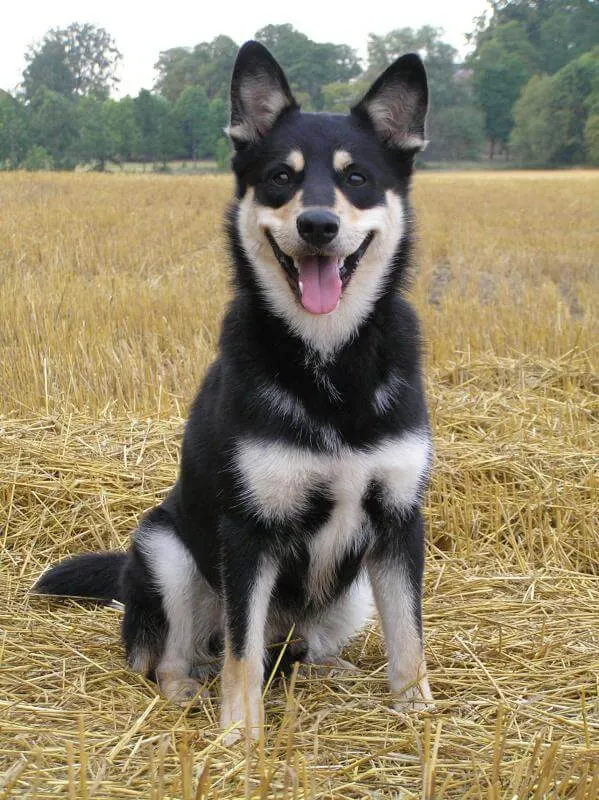
Lapinporokoira
Health grade CThe Lapinporokoira is a resilient, weather-hardy Hütehund (herding dog) — bred to drive reindeer herds over vast distances in the harsh Arctic. This Nordic hardware makes him an eager-to-work partner who loves to bark and seeks close cooperation, yet remains independent enough for rugged terrain.
- Height43–54 cm
- Weight20–30 kg
- Life expectancy12–14 yrs
- Puppy price1,500–2,500 €
- Energy4/5
The Essentials at a Glance
The Lapinporokoira is a resilient, weather-hardy Hütehund (herding dog) — bred to drive reindeer herds over vast distances in the harsh Arctic. This Nordic hardware makes him an eager-to-work partner who loves to bark and seeks close cooperation, yet remains independent enough for rugged terrain.
- Health grade C: The Lapinporokoira is considered a robust working breed, but requires careful selection due to a long list of mandatory health tests.
- You want to work actively with your dog every day (canicross, agility, or tracking) — a reindeer herder will wither away on simple strolls.
- You prefer spending your free time outdoors in nature, regardless of whether it is raining, storming, or snowing.
- You expect a quiet companion for a thin-walled city apartment — he was bred to guide reindeer using his voice as well.
Is the Lapinporokoira right for you?
At a glance
Lapinporokoira overview
The essentials — key facts, traits, and health priorities — before you dive deeper.
Health grade
Relative to other breeds
S
A
B
C
D
E
Very healthyHigher risk
Average — several important tests are expected.
See full health info & tests →
Note: This health overview is AI-assisted and editorially reviewed. It is for orientation only and does not replace veterinary advice.
Lifespan
12–14 yrs
Height
43–54 cm
Weight
20–30 kg
Practical
- Puppy price: 1,500 – 2,500 €
- Coat: Dense, short, double undercoat
- Origin: Finland
Temperament
Energy
Trainability
Family fit
With kids
Daily life
Care effort
Shedding
Barking
City-friendly
Guard instinct
What matters most
Especially with a Lapinporokoira, choosing the right breeder is the single most important decision you'll make. Serious breeders consistently test the parents for inherited conditions, prioritize healthy early socialization, and stay accountable long after handover. A cheap puppy without health screening tends to become the most expensive dog later on.
See HonestDog breeder standards →Colors & coat
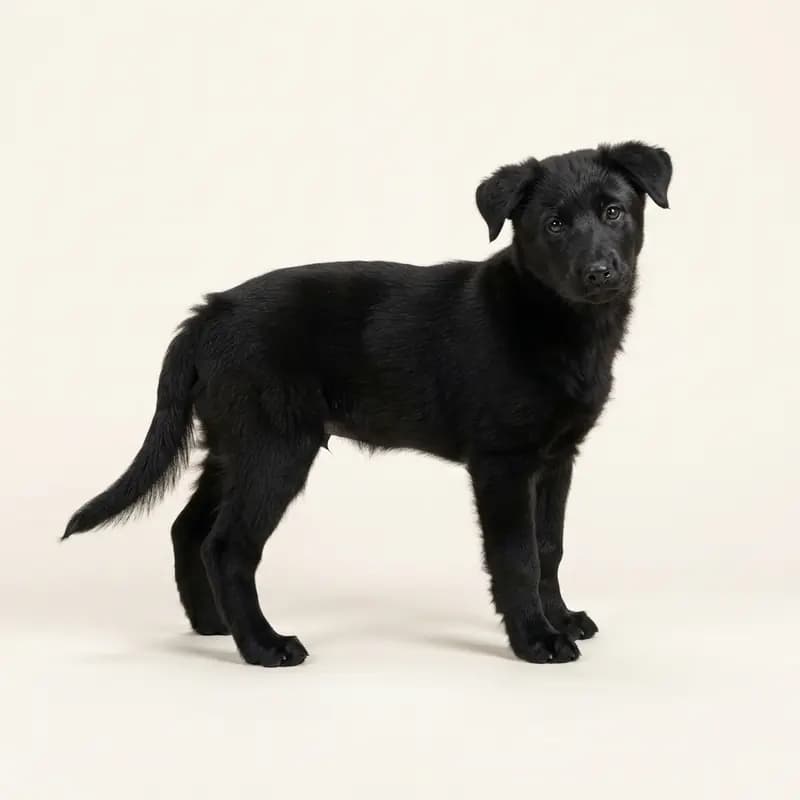
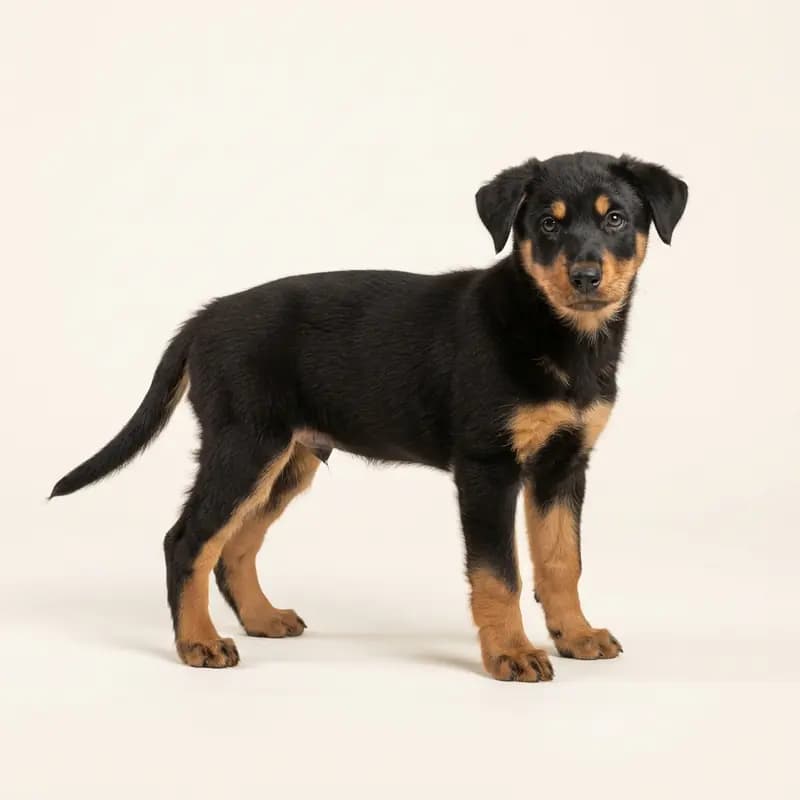
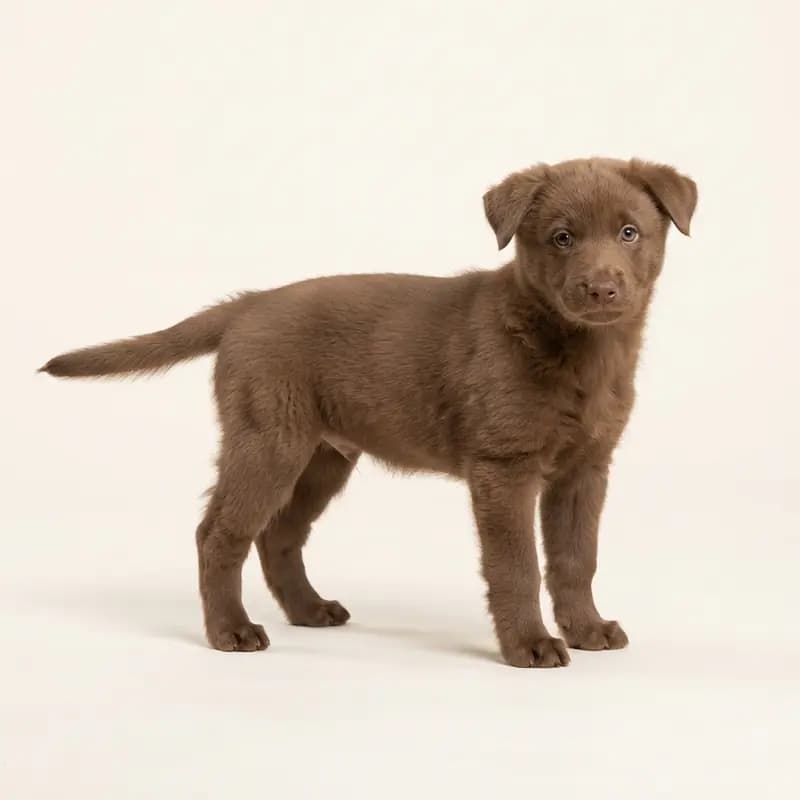
What colors does the Lapinporokoira come in?
The coat colors you will see in Lapinporokoira litters — including which ones fall outside the breed standard and which carry genetic risk.
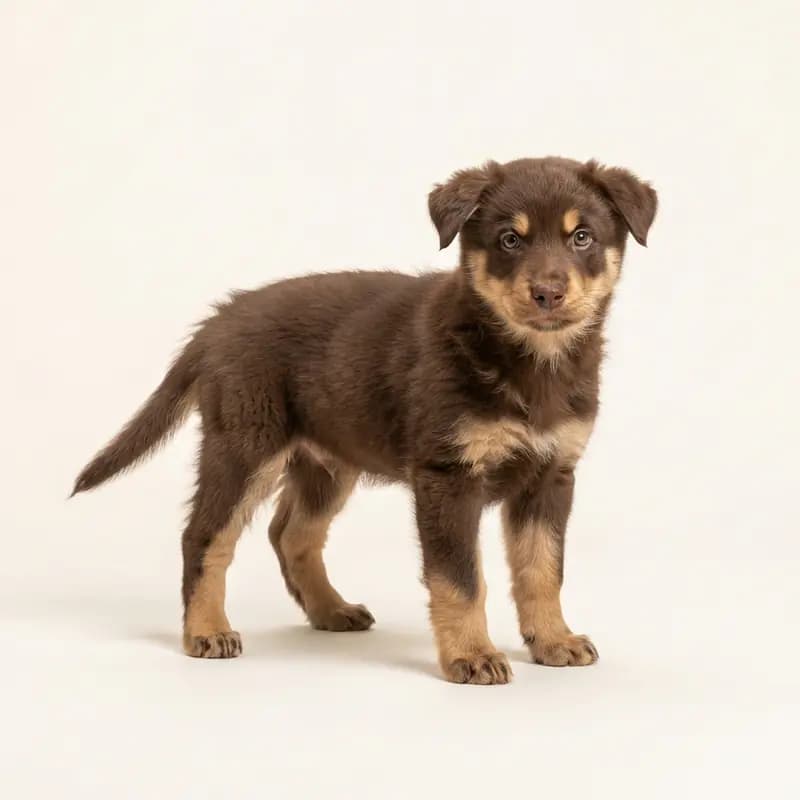
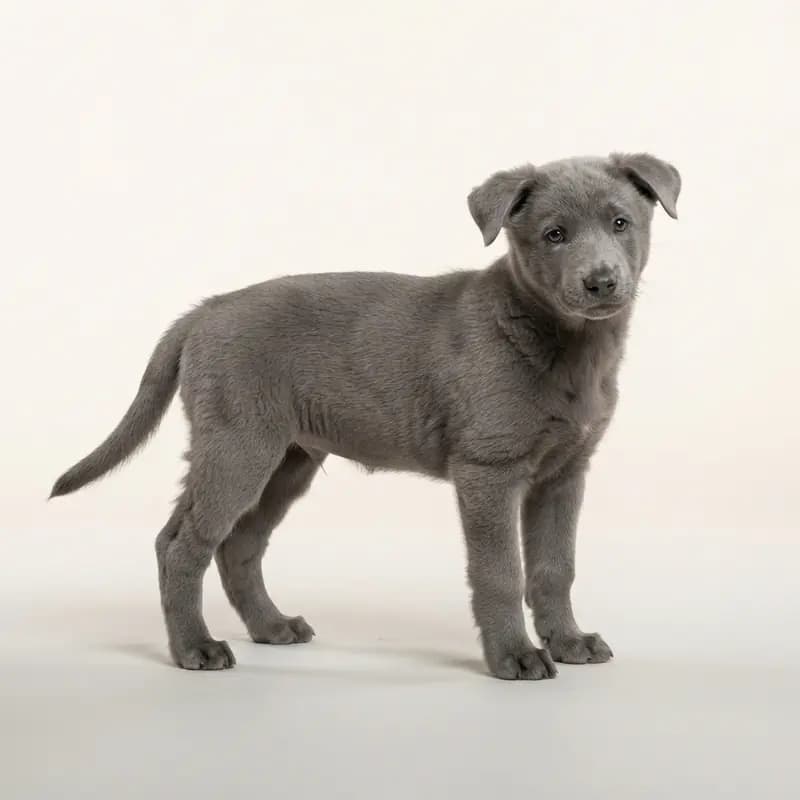
Eye colors
 Brown
Brown
Coat type
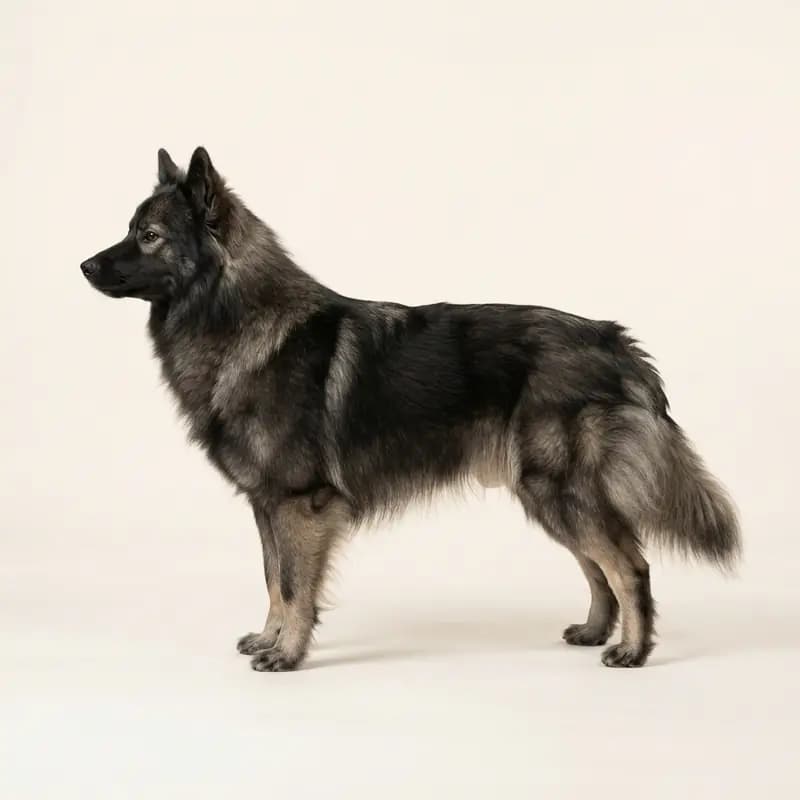 Illustrative image
Medium
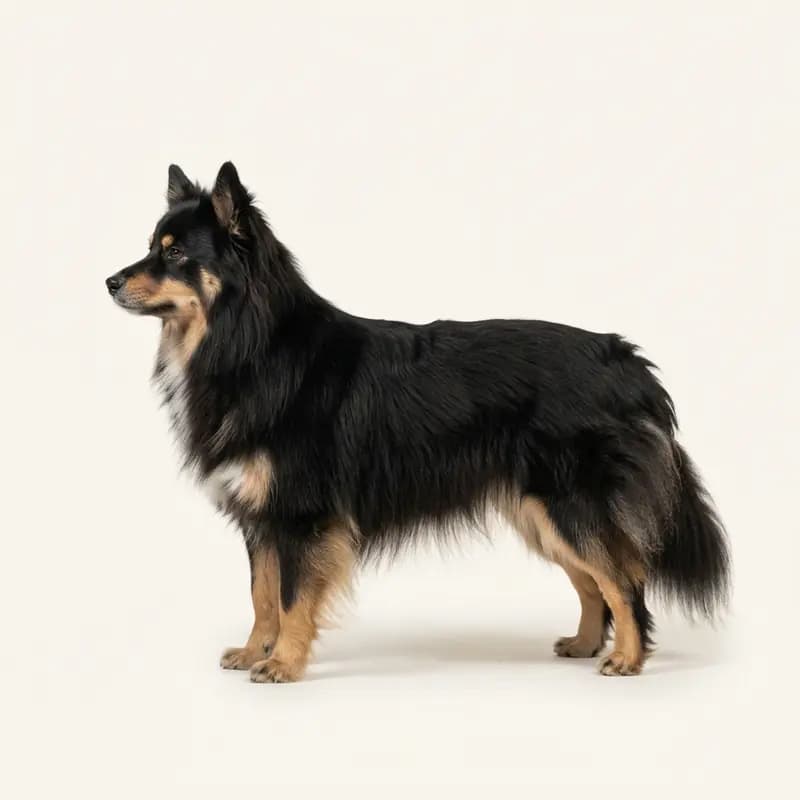 Illustrative image
Long
 Double coat
Is the Lapinporokoira right for you?
The Lapinporokoira is a resilient, weather-hardy Hütehund (herding dog) — bred to drive reindeer herds over vast distances in the harsh Arctic. This Nordic hardware makes him an eager-to-work partner who loves to bark and seeks close cooperation, yet remains independent enough for rugged terrain.
Perfect for you if:
- You want to work actively with your dog every day (canicross, agility, or tracking) — a reindeer herder will wither away on simple strolls.
- You prefer spending your free time outdoors in nature, regardless of whether it is raining, storming, or snowing.
- You appreciate a dog that learns quickly, cooperates closely with you, and forms a strong bond with its primary caregiver.
- You live in a rural area or have a detached house where the breed-typical alerting or herding bark won't cause neighborhood disputes.
Less ideal if:
- You expect a quiet companion for a thin-walled city apartment — he was bred to guide reindeer using his voice as well.
- You are looking for a lazy couch potato who makes themselves invisible for the rest of the day after a thirty-minute walk.
- You are easily overwhelmed when a dog reacts to movement stimuli like bicycles or joggers and tries to control them.
The real vibes check
A Lapinporokoira is not a dog that just tags along — he is like a colleague in functional gear, waiting expectantly for his shift schedule in the morning. His Nordic energy and deep-seated urge to organize and move things cannot simply be switched off. If you channel this joy for work in the right direction, you will gain an unwavering companion for every adventure.
Self-check
Would the Lapinporokoira really fit your life?
Answer 6 quick questions about your everyday life and see how well the Lapinporokoira fits you — including an honest cost estimate per month, per year, and across the dog's lifetime.
Fit checkCost estimateRisk dice
Takes about 1 minute · free & anonymous
Breed Profile
The Lapinporokoira, also known as the Lapland Reindeer Dog, is a robust and medium-sized dog from FCI Group 5, the Spitz and archetype dog breeds. Its body is strong and well proportioned, making it very resistant to harsh weather conditions. Its head is broad with alert, dark eyes and medium-sized, pricked ears, giving it an alert and intelligent appearance. There is no distinction between performance and show lines in the breed, as the focus is on the dog's working qualities rather than its appearance.
All measurements in detail
- Height
- 43 - 49 cm (Female), 48 - 54 cm (Male)
- Weight
- 20 - 25 kg (Female), 25 - 30 kg (Male)
- Life Expectancy
- 12 - 14 yrs
- Character
- Intelligent, independent, eager to work
- Coat
- Dense, short, double undercoat
- Coat Color
- Usually black with white or brown markings
- Price
- 1500 - 2500 €
Character & Temperament
The Lapinporokoira is a breed characterized by its intelligence, strong work ethic and independence. Despite their strong bond and loyalty to their family, they are not lap dogs. They are highly independent and need a job to do to be happy and content. These dogs are used to working and making decisions independently, making them an ideal choice for tasks such as herding, dog sports, or search and rescue work. By nature, the Lapinporokoira is rather calm and balanced, although he also has an active side. He needs sufficient physical and physical strength current stimulation to keep his active mind and body in check. Although they are not classified as hyperactive, they still have considerable stamina and can work for hours without showing signs of fatigue. The Lapinporokoira is very people-oriented and forms a close bond with his family. They are alert and can be suspicious of strangers, which is why they are often considered good guard dogs. However, with proper socialization, they can also get along well with other people and animals. When it comes to their hunting behavior, dogs of this breed show little interest. Their primary role was herding and guarding reindeer, and they were not bred specifically for hunting. However, that doesn't mean they don't have hunting instincts. With enough training and socialization, they can learn to control their hunting instincts. As with most working dog breeds, Lapinporokoiras can learn to stay alone, but they definitely prefer to be close to their people. It's important to teach them from an early age that it's okay to be alone to avoid problems like separation anxiety. The Lapinporokoira is a strong, independent and intelligent dog that is best suited to active and experienced dog owners who are willing to invest the time and energy required to meet their needs. With proper training and leadership, the Lapinporokoira can become a loyal and loving companion, willing to work or play alongside its humans.
| Trainability Picks up commands quickly and wants to please. | Eager to learn |
| Watchfulness Reports unusual activity but stays controlled. | Moderate |
| Openness to Strangers Warms up quickly and is generally welcoming. | Friendly |
| Hunting or Herding Drive Noticeable drive — needs attention around small animals. | Moderate |
Fun Fact!
Did you know that the name Lapinporokoira comes from Finnish and means “lap reindeer dog?” means? This reflects the traditional role of this breed as reindeer herding dogs of the Sami, the indigenous people of Lapland.
What Awaits You
The Lapponian Herder is a medium-sized dog with a medium-length coat, making him easy to care for and perfect for any experienced dog owner. They are a wonderful, well-rounded, versatile dog breed that is ready to tackle any task you throw at them. They fit into most home environments as long as they are given a purpose. This breed comes in many colors, including gray-brown, black, often with a lighter undercoat, and with white or tan markings. They are reserved towards strangers, but they love their people.
Housing & Care
Although the Lapinporokoira is a working dog, he can adapt well to city life provided he gets enough exercise and mental stimulation. However, they are not suitable dogs for apartments or small living spaces as they need space to move around. With their friendly and even-tempered nature, they typically get along well with children, provided interactions are supervised and the dog has been properly socialized. They can also get along well with other pets, including cats, as long as they have been properly introduced and socialized.
- Family Friendly
Lives for its family — the born family companion.
Ideal family dog - Child Friendly
Extraordinarily patient and loving — a true family dog.
Excellent with children - Dog Friendly
Actively enjoys the company of other dogs.
Dog-friendly - City Friendly
City-appropriate with enough exercise and stimulation.
Manageable in cities
Owning a dog is a privilege, but it's also a real responsibility. Before you bring one into your life, be honest with yourself about the commitment it takes.
Training & Education
Raising a Lapinporokoira requires a firm but loving hand. They are intelligent and willing to learn, but can also be stubborn if not guided properly. Positive reinforcement and reward-based training methods are usually the most effective. This breed is naturally very willing to work. They are ideal for various dog sports such as agility, obedience or canicross. However, it is important to note that these dogs do not need to be constantly busy and also enjoy just being with their family. Since they have a high need for exercise, it is important to also provide them with mental stimulation to avoid overstimulation and possible behavioral problems. Another important thing to keep in mind is that due to their herding nature, Lapinporokoiras sometimes need to learn high frustration tolerance and good impulse control. This can be achieved through targeted training and will help them to cope better in everyday life.
Nutrition & Care
Lapinporokoiras are active dogs that require a balanced and nutritious diet to meet their energy needs. High-quality dry or wet food that is tailored to the dog's age, weight and activity level is usually suitable. It may also be helpful to seek the advice of a veterinarian or nutritionist to ensure your dog is getting all the necessary nutrients. When it comes to grooming, the Lapinporokoira is fairly easy to care for. They have a dense undercoat and a water-repellent topcoat that requires regular brushing to prevent matting and keep the skin healthy. However, they can shed quite heavily during the moulting phases, usually twice a year. In Germany, the Lapinporokoira's fur should cope well with the climate.
| Care Level Minimal effort — occasional brushing and bathing. | Low-maintenance |
| Exercise Needs Needs several hours of serious exercise every day. | Very active |
| Shedding Hair everywhere, always — no white clothing survives. | Very heavy |
| Trainability Picks up commands quickly and wants to please. | Eager to learn |
Our experts are still reviewing this information. Spotted something wrong? Email us at info@honestdog.de.
Health & hereditary diseases
Health
C
Solid, watch carefully
Health grade
The Lapinporokoira is considered a robust working breed, but requires careful selection due to a long list of mandatory health tests. Eye health is a particular focus, which is why conditions such as Progressive Retinal Atrophy (PRA-PRCD) and cataracts, as well as hip dysplasia (HD), must be consistently screened. When buying a puppy, always ensure that you see complete and up-to-date health test results for both parents.
Grade is relative to other breeds — AI-assisted and editorially reviewed.
In daily life this can mean
With joint-friendly rearing, a healthy weight, and regular eye check-ups, you lay the foundation for a long, active dog life.
The breeder's role
Reputable breeders have the parents' hips and eyes checked and use genetic tests to rule out hereditary metabolic diseases in the line.
Note: This health overview is AI-assisted and editorially reviewed. It is for orientation only and does not replace veterinary advice.
No Health Tests Available
No specific health tests are currently available for this breed.
Costs & where to find one
How much does a Lapinporokoira cost?
A Lapinporokoira costs around ~€180 per month (€90 – €340, depending on your setup). The first year adds up to roughly ~€4,990 including purchase, equipment and puppy school; across the dog's life (13 years) it comes to about ~€30,910.
With surgery cover, running costs come to about ~€180 per month — in return, your share of a major operation drops from several thousand euros to around 20 percent.
Per month
~€180
In the first year
~€4,990
Across the dog's life
~€30,910
Purchase from a breeder: €1,500 – €2,500
Estimate at a mid-range setup (suburban, dry food, 1–2 hours of daily exercise), average German prices, as of July 2026.
Calculate your personal costs1-minute self-check with your own answers
Looking for a Lapinporokoira?
HonestDog Concierge
No verified Lapinporokoira breeders on HonestDog yet
We currently have no breeders for this breed who have passed our verification. Create your short buyer profile: we'll set up your search alert, review a possible source and email you within 28 days.
Appearance, variants & origin
History
The full history
The Lapinporokoira originates from the north of Scandinavia, specifically the Lapland region, which spans across modern-day Finland, Sweden, Norway, and Russia. Dogs of this breed were traditionally used by the Sami, the indigenous people of the region, as reindeer herding dogs. They were bred to herd, drive, and guard reindeer, tasks they continue to perform to this day. The breed is relatively old and is believed to have existed for centuries, although its exact history remains unclear. It was not until the mid-20th century that breeders began to focus on preserving and improving the breed. The Lapinporokoira was officially recognized as a distinct breed by the Fédération Cynologique Internationale (FCI) in 1967.
Original Use
Herding dog for reindeer herds in Lapland
Origin
Finland
Date
Antike / 1950er Jahre
Owner experiences
What owners say about the Lapinporokoira
Sabine M., Halterin aus der Pfalz (Hündin, seit 2009)
Sága ist 2009 bei uns eingezogen. Als echter Lappländischer Rentierhund ist sie ein absolutes Energiebündel, das am liebsten den ganzen Tag draußen verbringt. Schlechtes Wetter gibt es für sie einfach nicht – während andere Hunde bei Regen lieber ins Haus flüchten, sitzt sie stundenlang im Garten und beobachtet aufmerksam alles, was sich rund um unser Grundstück tut. Ihre absolute Lieblingsjahreszeit ist natürlich der Winter, da blüht sie im Schnee erst so richtig auf.
Man darf diese Rasse aber keinesfalls unterschätzen: Sie fühlt sich am wohlsten, wenn sie täglich zwei bis drei Stunden laufen oder richtig arbeiten darf. Ohne eine solche Auslastung langweilt sie sich schnell. Für uns ist sie eine unglaublich treue Begleiterin, aber man muss sich im Klaren sein, dass sie ein eigenständiger Arbeitshund ist und kein kuscheliger Couch-Hund.
Thomas B., Halter aus Thüringen (Rüde, seit 2012)
Mein Rüde Riku ist im Hundesport aktiv und wir konnten sogar schon Erfolge im Turnierhundsport feiern. Er lernt unglaublich schnell und arbeitet extrem konzentriert. Sobald es ans Arbeiten geht, ist er die Ruhe selbst und zeigt ein tolles, ausgeglichenes und gesundes Selbstbewusstsein, ohne dabei jemals aggressiv zu sein.
Allerdings muss man mit der rassetypischen Bellfreudigkeit umgehen können. Riku lebt diese vor allem auf unserem Grundstück aus, wo er einen ausgeprägten Wachtrieb zeigt und Besucher lautstark ankündigt. Als reiner Wohnungshund ist der Lapinporokoira meiner Meinung nach nicht zu empfehlen – er braucht einfach Platz, eine sinnvolle Aufgabe und eine konsequente Führung, da er sonst auch mal eigenständige Entscheidungen trifft, die man so vielleicht nicht möchte.
Anja S., Halterin aus Bayern (Rüde, seit 2015)
Wir haben uns bewusst für einen Lapinporokoira-Rüden entschieden, weil wir einen aktiven, aber im Haus ausgeglichenen Hund gesucht haben. Und tatsächlich: Drinnen ist er kein nervöser Hibbler oder Frustkläffer, sondern angenehm ruhig. Draußen zeigt er jedoch seine ganze Energie und will gefordert werden.
Eine der größten Herausforderungen im Alltag ist definitiv seine 'Gesprächigkeit'. Er kommentiert vieles mit seiner Stimme, was beim Hüten ja auch so gewollt ist, im Alltag aber gut gelenkt werden muss. Zudem zeigt er einen ernsthaften Wachtrieb. Bei Hundebegegnungen, besonders mit anderen Rüden, muss man von Anfang an konsequent und aufmerksam sein, da er sich nicht alles gefallen lässt. Wer einen leichtführigen Hund mit blindem Gehorsam sucht, ist hier an der falschen Adresse.
Paraphrased from real owner reports
Loading owner stories
FAQ & more
Frequently asked questions about the Lapinporokoira
Is a Lapinporokoira the right dog for me?
The Lapinporokoira is an active dog that needs plenty of exercise and mental stimulation. Research the temperament, grooming needs, and space requirements before deciding.
How long does a Lapinporokoira live?
The average life expectancy of a Lapinporokoira is 12-14 years. With proper care and regular vet visits, your dog can live a long, healthy life.
How much grooming does a Lapinporokoira need?
Lapinporokoira grooming requirements include regular brushing, nail trimming, and dental care. HonestDog provides detailed grooming tips for every breed.
Is a Lapinporokoira good for families with children?
The Lapinporokoira can be a great family dog. Proper training and socialization are key. HonestDog provides family suitability information for every breed.
What colors does the Lapinporokoira come in?
The Lapinporokoira comes in these colors: Black, Black and tan, Brown, Brown and tan, Grey.
Loading related articles
Are you a Lapinporokoira breeder?
Showcase your kennel on HonestDog and reach families searching for a responsibly bred Lapinporokoira.
Why HonestDog?
What makes HonestDog different from other platforms
Full transparency
We lay out what we have: who the breeder is, how they work, and any health records they've uploaded. So you can judge for yourself.
Responsible breeding, assured
Every breeder on HonestDog has their identity and documents checked before their profile goes live. Health records they upload are shown on the profile, so you can see exactly what has been tested.
Trust and verification
We verify breeders and buyers alike, so every conversation happens on solid ground. It's a new standard of trust in dog breeding.
Less hassle, more time
We've already checked the breeders' documents and gathered the details, so you can skip the endless research and focus on finding the right puppy for your family.
Our Mission

We connect dog lovers with responsible breeders and shelters to ensure every dog finds the perfect home.
Founded by dog enthusiasts, our platform focuses on ethical dog breeding and adoption.
Why HonestDog?
We connect you with vetted breeders and shelters so you can find your — your new companion — with confidence.
Vetted Partners
Only verified breeders and shelters — for a safe start.
Highest Standards
Every animal's health and wellbeing is our top priority.
Guides & Resources
Guides, checklists, and breed profiles — so you can make a well-informed decision.