Loading breed
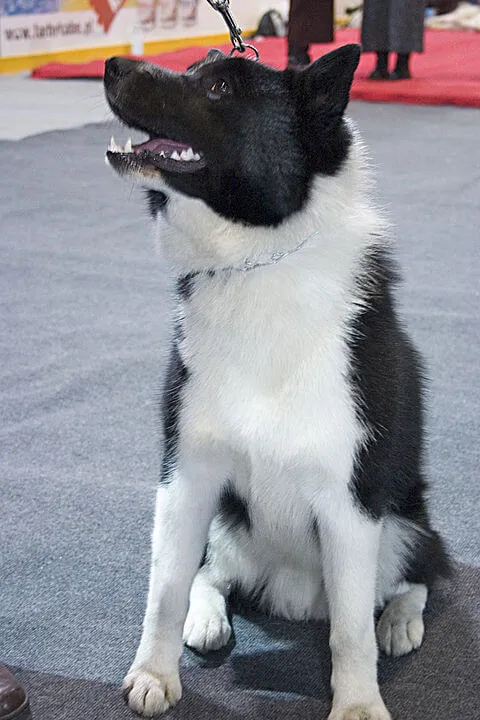
Russian-European Laika
Health grade AThe Russo-European Laika is a lightning-fast, highly intelligent, and self-reliant Nordic hunting dog—bred to track, corner, and bay at game independently in endless forests until the hunter arrives.
- Height50–58 cm
- Weight18–25 kg
- Life expectancy11–13 yrs
- Puppy price1,500–2,500 €
- Energy4/5
The Essentials at a Glance
The Russo-European Laika is a lightning-fast, highly intelligent, and self-reliant Nordic hunting dog—bred to track, corner, and bay at game independently in endless forests until the hunter arrives.
- Health grade A: The Russo-European Laika is considered a very robust working dog, though the breeding regulations require extensive preventative eye care.
- You are looking for a true working dog for active hunting or extremely demanding tracking training—this dog needs a real job, not just walks.
- You live in a rural area, ideally with an absolutely escape-proof property where his territorial and watchful nature won't bother anyone.
- You expect him to prioritize your recall commands when he spots game—he was selected to hunt completely autonomously and to bay at prey loudly.
Is the Russian-European Laika right for you?
At a glance
Russian-European Laika overview
The essentials — key facts, traits, and health priorities — before you dive deeper.
Health grade
Relative to other breeds
S
A
B
C
D
E
Very healthyHigher risk
Very healthy — limited common concerns.
See full health info & tests →
Note: This health overview is AI-assisted and editorially reviewed. It is for orientation only and does not replace veterinary advice.
Lifespan
11–13 yrs
Height
50–58 cm
Weight
18–25 kg
Practical
- Puppy price: 1,500 – 2,500 €
- Coat: Dense, straight, medium length, undercoat present
- Origin: Russia
Temperament
Energy
Trainability
Family fit
With kids
Daily life
Care effort
Shedding
Barking
City-friendly
Guard instinct
What matters most
Especially with a Russian-European Laika, choosing the right breeder is the single most important decision you'll make. Serious breeders consistently test the parents for inherited conditions, prioritize healthy early socialization, and stay accountable long after handover. A cheap puppy without health screening tends to become the most expensive dog later on.
See HonestDog breeder standards →Colors & coat
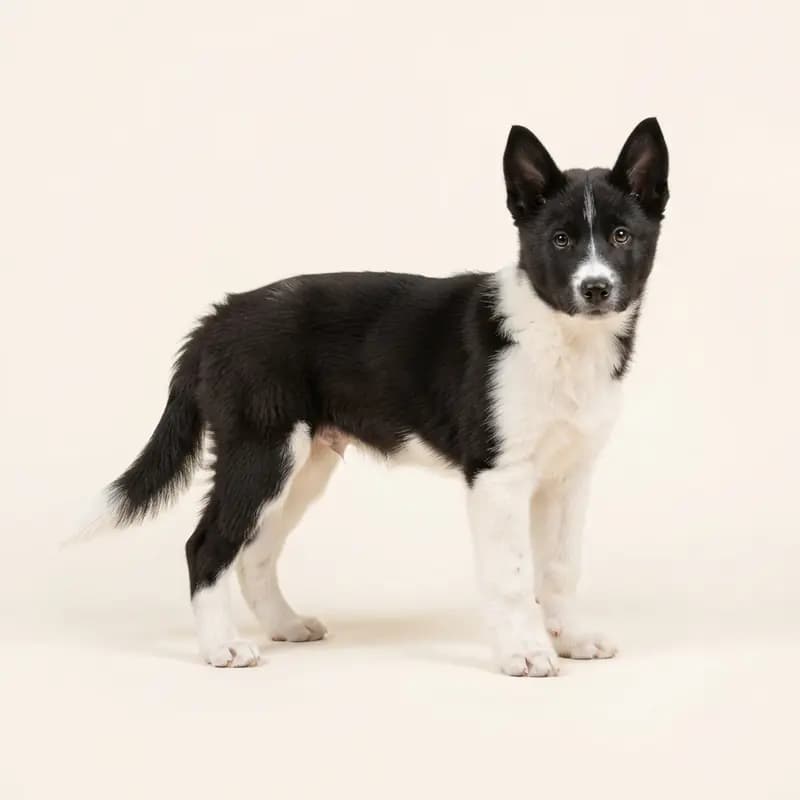
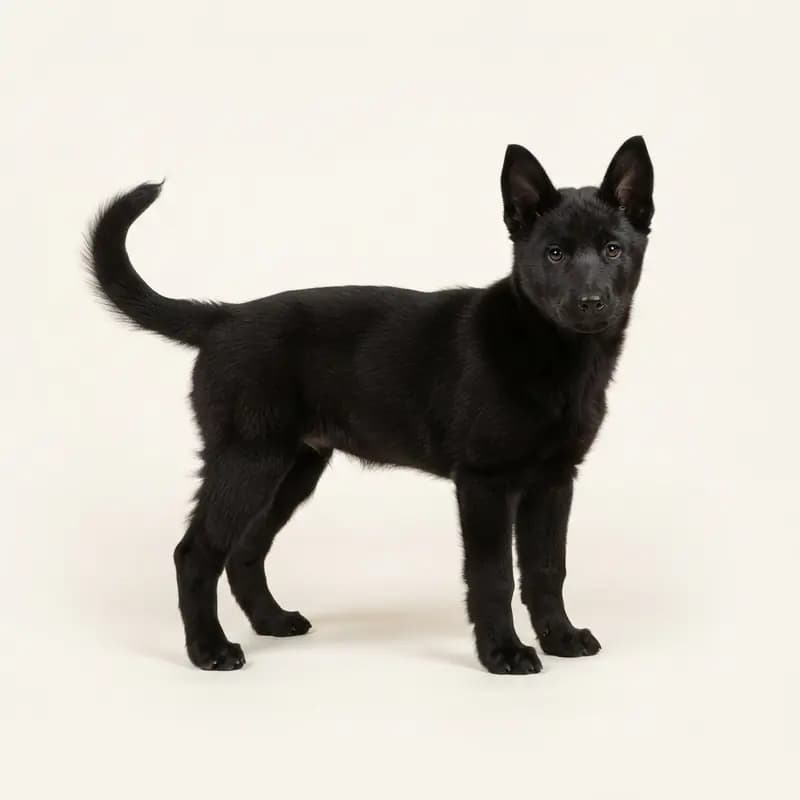
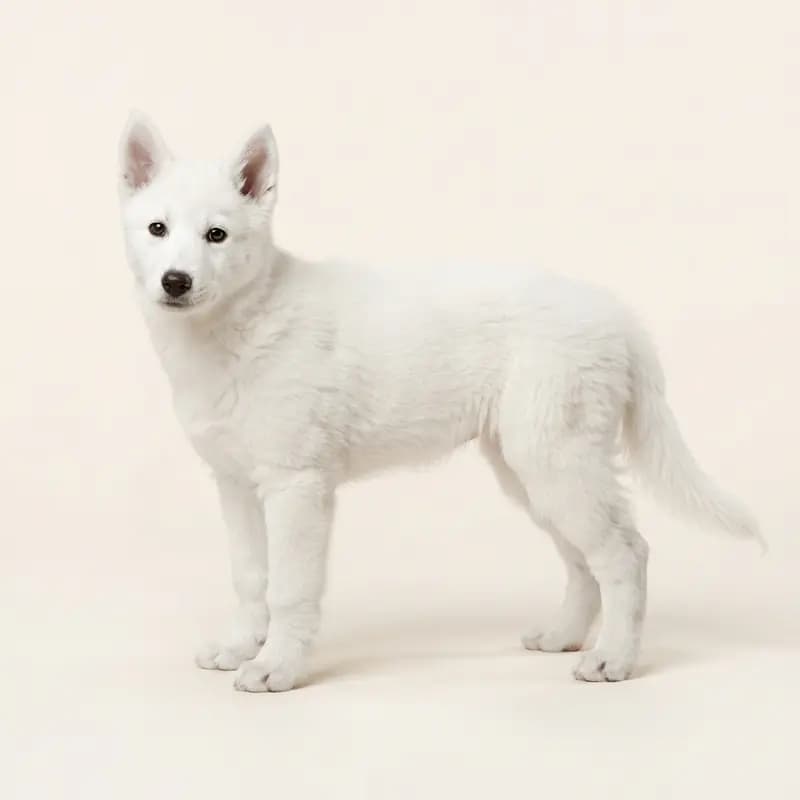
What colors does the Russian-European Laika come in?
The coat colors you will see in Russian-European Laika litters — including which ones fall outside the breed standard and which carry genetic risk.
Eye colors
 Brown
Brown
Coat type
 Medium
 Double coat
Is the Russian-European Laika right for you?
The Russo-European Laika is a lightning-fast, highly intelligent, and self-reliant Nordic hunting dog—bred to track, corner, and bay at game independently in endless forests until the hunter arrives.
Perfect for you if:
- You are looking for a true working dog for active hunting or extremely demanding tracking training—this dog needs a real job, not just walks.
- You live in a rural area, ideally with an absolutely escape-proof property where his territorial and watchful nature won't bother anyone.
- You value independence more than blind obedience and can handle a dog that assesses situations for itself.
- You already have experience with Nordic breeds or highly passionate hunting dogs and lead with confident, calm clarity.
Less ideal if:
- You expect him to prioritize your recall commands when he spots game—he was selected to hunt completely autonomously and to bay at prey loudly.
- You live in a thin-walled apartment or a densely populated city—his piercing bark when excited or on game is part of his genetic hardware.
- You are looking for a companion dog that sticks to your side and joyfully welcomes every visitor into your home—he is often suspicious of strangers.
- You plan to just let him run around at the dog park—he is often very assertive in his interactions with other dogs.
The real vibes check
A Laika is not a follower of orders, but a freelance specialist in the woods. When he has a task, he works with you, but never unconditionally for you—his genetics tell him that, in case of doubt, he knows better how to hunt. You aren't getting a classic cuddle-bug, but an uncompromising child of nature who brings pure wilderness into your home.
Self-check
Would the Russian-European Laika really fit your life?
Answer 6 quick questions about your everyday life and see how well the Russian-European Laika fits you — including an honest cost estimate per month, per year, and across the dog's lifetime.
Fit checkCost estimateRisk dice
Takes about 1 minute · free & anonymous
Breed Profile
The Russian-European Laika is one of four Laika breeds and belongs to the group of Spitz and Urhund breeds. With its medium-sized, robust build, alert eyes and thick, straight coat, it is reminiscent of its wild ancestors. His ears are pointed and always erect, giving him an alert appearance. There is no distinction between performance and show lines, as the breed is rare and original in its breeding.
All measurements in detail
- Height
- 50 - 56 cm (Female), 52 - 58 cm (Male)
- Weight
- 18 - 23 kg (Female), 20 - 25 kg (Male)
- Life Expectancy
- 11 - 13 yrs
- Character
- Robust, independent, spirited
- Coat
- Dense, straight, medium length, undercoat present
- Coat Color
- Mostly white, black, gray, or combinations thereof
- Price
- 1500 - 2500 €
Character & Temperament
Despite their robust exterior, Russian-European Laikas are sensitive dogs that build close bonds with their people. They are very people-oriented and enjoy being in the company of their family. Their strong hunting instinct and independence make them excellent working dogs, especially in hunting. They are alert and can also be used as guard dogs. Their temperament can be described as lively to active. They love being outside and need lots of exercise and mental stimulation. They are not necessarily the right dog for couch potatoes or people looking for a relaxed companion. Their desire to work and hunt independently can make them a challenge for first-time owners. They tend to make decisions on their own and therefore require an experienced owner to provide them with clear and consistent guidance. They can stay alone as long as they get enough activity and exercise, but they should not be left alone for hours. Their hunting instinct is very strong and should not be underestimated. They are naturally alert and can also be used as guard dogs. Despite their independence, they love their people and are loyal companions who enjoy being with their family. They also get along well with other dogs as long as they have been properly socialized. Overall, Russian-European Laikas are wonderful dogs for the right person. They are active, intelligent and independent, but also loving and loyal. With proper leadership, training and socialization, they can make excellent family dogs and work partners. But it is important to note that they are not suitable for everyone. They need a job and an owner who understands and can meet their needs.
| Trainability Has its own ideas and will test limits. | Strong-willed |
| Watchfulness Reports unusual activity but stays controlled. | Moderate |
| Openness to Strangers Warms up quickly and is generally welcoming. | Friendly |
| Hunting or Herding Drive Mild interest in movement and small animals — easily managed. | Low |
Fun Fact!
Did you know that "Laika" is actually not a name for a specific breed, but a collective term for various Nordic hunting dog breeds? In Russian, "Laika" means; simply “Beller”!
What Awaits You
Laika (Russian-European): The Laika is an intelligent and hardworking dog that was originally bred as a hunting and sled dog. They are very attentive and have a strong hunting instinct, which is why they require consistent training and sufficient activity. Laikas are loyal companions that are well suited as family dogs if they receive enough exercise and mental challenges.
Housing & Care
The Russian-European Laika is an active and independent dog that requires plenty of exercise and mental stimulation. Therefore it is less suitable for urban keeping. A home with a garden and plenty of space to run around and explore would be ideal. She usually gets along well with children, but a supervising person should always be present. Cats and other pets can be a problem because the Laika's hunting instinct is very strong.
- Family Friendly
Loves family life and thrives in a group.
Family-oriented - Child Friendly
Takes boisterous and affectionate children in its stride.
Patient with children - Dog Friendly
Usually gets on fine with other dogs.
Generally tolerant - City Friendly
Adapts well to city living and urban environments.
Well-suited to city life
Owning a dog is a privilege, but it's also a real responsibility. Before you bring one into your life, be honest with yourself about the commitment it takes.
Training & Education
A Laika needs consistent and loving training in order to develop its full potential. His intelligence and activity make him suitable for many dog sports such as agility or obedience. However, you should be careful not to “over-occupy” your dog, as he also needs rest periods to relax. It is important to teach your Laika frustration tolerance and impulse control and to offer him alternatives to the strong hunting instinct so that he can cope well in everyday life.
Nutrition & Care
A balanced, high-quality diet is crucial for your Laika puppy's health and well-being. Make sure that the food contains all the necessary nutrients and is varied. Fresh water should always be available. When it comes to grooming, the Russian-European Laika is easy to care for. It has a dense undercoat and a long, straight top coat that protects it from the cold temperatures of its homeland. That's why she gets along well with the German climate. During the shedding seasons in spring and fall, she sheds more heavily and requires more brushing to remove dead hair.
| Care Level Minimal effort — occasional brushing and bathing. | Low-maintenance |
| Exercise Needs Needs several hours of serious exercise every day. | Very active |
| Shedding Regular shedding — dog hair on clothes is now normal. | Moderate |
| Trainability Has its own ideas and will test limits. | Strong-willed |
Our experts are still reviewing this information. Spotted something wrong? Email us at info@honestdog.de.
Health & hereditary diseases
Health
A
Robust
Health grade
The Russo-European Laika is considered a very robust working dog, though the breeding regulations require extensive preventative eye care. Conditions such as glaucoma, cataracts, and eyelid abnormalities (entropion) must be ruled out through mandatory health tests. Together with the standard screening for hip dysplasia (HD), the typical risks for this otherwise fit breed are well-managed.
Grade is relative to other breeds — AI-assisted and editorially reviewed.
In daily life this can mean
By ensuring joint-friendly rearing during puppyhood and regular vet checks for his eyes and ears, you lay the foundation for a long, active life.
The breeder's role
Reputable breeders have the parents' hips, elbows, eyes, and hearing checked and pay strict attention to genetic diversity due to the small population size.
Note: This health overview is AI-assisted and editorially reviewed. It is for orientation only and does not replace veterinary advice.
No Health Tests Available
No specific health tests are currently available for this breed.
Costs & where to find one
How much does a Russian-European Laika cost?
A Russian-European Laika costs around ~€180 per month (€90 – €330, depending on your setup). The first year adds up to roughly ~€4,950 including purchase, equipment and puppy school; across the dog's life (12 years) it comes to about ~€28,210.
With surgery cover, running costs come to about ~€170 per month — in return, your share of a major operation drops from several thousand euros to around 20 percent.
Per month
~€180
In the first year
~€4,950
Across the dog's life
~€28,210
Purchase from a breeder: €1,500 – €2,500
Estimate at a mid-range setup (suburban, dry food, 1–2 hours of daily exercise), average German prices, as of July 2026.
Calculate your personal costs1-minute self-check with your own answers
Looking for a Russian-European Laika?
HonestDog Concierge
No verified Russian-European Laika breeders on HonestDog yet
We currently have no breeders for this breed who have passed our verification. Create your short buyer profile: we'll set up your search alert, review a possible source and email you within 28 days.
Appearance, variants & origin
History
The full history
The Russo-European Laika is a versatile hunting dog with roots in the vast forest regions of northern European Russia. The breed descends from the original spitz-type hunting dogs of indigenous peoples, particularly from the Komi, Arkhangelsk, and Udmurtia regions. For centuries, these robust dogs were used for essential hunting of fur-bearing animals like squirrels and martens, as well as big game such as bears and moose. Their primary task was to track game, corner it, and signal its location to the hunter by barking loudly. Systematic breeding and standardization of the breed began in the mid-20th century by Soviet cynologists, significantly driven by E. I. Shereshevsky at the All-Union Research Institute for Hunting Economy. The goal was to create a uniform, high-performance hunting breed from the various regional Laika strains. In 1947, the first official breed standard for the Russo-European Laika was established, marking the birth of the modern breed. Official recognition by the cynological governing bodies of the Soviet Union followed in 1952. To this day, the breed, which is classified by the FCI in Group 5, is primarily valued and bred as a hardy and resilient working dog for hunting.
Original Use
Versatile hunting dog (especially for forest regions)
Origin
Russia
Date
1947
Owner experiences
What owners say about the Russian-European Laika
Alexander M., Jäger und ehemaliger Musher aus Wien (Hündin, 7 Jahre geführt)
Als leidenschaftlicher Jäger, der früher in der Schlittenhundeszene aktiv war und jahrelang Siberian Huskys hielt, wollte ich unbedingt wieder einen nordischen Hund – diesmal aber einen, der mich auch aktiv bei der Jagd begleiten kann. So kam ich zum Russisch-Europäischen Laika. Ich führe meine Hündin nun seit sieben Jahren erfolgreich auf Schwarzwild und Rotwild (insbesondere bei Nachsuchen) und nehme sie zu rund 20 Riegeljagden im Jahr sowie regelmäßig zum Ansitz mit.
Das Jagdverhalten unterscheidet sich grundlegend von typisch deutschen Jagdhunden. Sie jagt nicht spurlaut, sondern sucht das Wild völlig stumm, stellt es dann aber extrem wildscharf und verbellt es lautstark, sobald sie es festgesetzt hat. Für manche hiesige Jäger, die das klassische Fährtenlaut-Jagen gewohnt sind, ist das gewöhnungsbedürftig. Für mich ist sie in den osteuropäischen Revieren und bei der Sauenjagd jedoch ein unersetzlicher, robuster und absolut kälteresistenter Partner.
Privat zeigt sie den typischen nordischen Charakter: Sie ist extrem loyal, braucht aber eine sehr klare, konsequente Hand und lässt sich nicht einfach unterordnen. Man muss mit diesem eigenständigen Hund regelrecht verschmelzen, um ein echtes Team zu werden. Wer einen reinen Begleithund sucht, wird mit dieser Arbeitsmaschine und ihrer enormen Wildschärfe im Alltag definitiv nicht glücklich.
Nadine S., Halterin aus Hessen (Rüde, seit 2023)
Wir haben unseren Rüden aus dem Tierschutz übernommen. Er hat die typische wunderschöne schwarz-weiße Färbung und die geringelte Rute. Im Haus ist er eigentlich ein absolut verschmuster, anhänglicher und extrem lieber Kerl. Aber draußen zeigt sich die Realität dieser Rasse in aller Härte: Sein Jagdtrieb ist gigantisch und er reagiert auf absolut jeden visuellen und akustischen Reiz.
Sobald er Eichhörnchen, Katzen oder auffliegende Vögel sieht, ist er im Bruchteil einer Sekunde im Tunnel, fängt an zu jaulen und zu schreien und ist überhaupt nicht mehr ansprechbar. Wir arbeiten im Training mühsam an seiner Impulskontrolle und nutzen intensiv die Schleppleine. Ihn einfach im Wald abzuleinen, ist bei dieser extremen Eigenständigkeit und Jagdpassion derzeit völlig undenkbar.
Er ist ein wunderbarer, hochintelligenter Hund, aber man darf sich von der Optik und dem verschmusten Wesen drinnen nicht täuschen lassen. Ohne konsequente Führung und ein echtes Antijagdtraining wächst einem diese Rasse draußen sofort über den Kopf.
Paraphrased from real owner reports
Loading owner stories
FAQ & more
Frequently asked questions about the Russian-European Laika
Is a Russian-European Laika the right dog for me?
The Russian-European Laika is an active dog that needs plenty of exercise and mental stimulation. Research the temperament, grooming needs, and space requirements before deciding.
How long does a Russian-European Laika live?
The average life expectancy of a Russian-European Laika is 11-13 years. With proper care and regular vet visits, your dog can live a long, healthy life.
How much grooming does a Russian-European Laika need?
Russian-European Laika grooming requirements include regular brushing, nail trimming, and dental care. HonestDog provides detailed grooming tips for every breed.
Is a Russian-European Laika good for families with children?
The Russian-European Laika can be a great family dog. Proper training and socialization are key. HonestDog provides family suitability information for every breed.
What colors does the Russian-European Laika come in?
The Russian-European Laika comes in these colors: Black and white, Black, White.
Loading related articles
Are you a Russian-European Laika breeder?
Showcase your kennel on HonestDog and reach families searching for a responsibly bred Russian-European Laika.
Why HonestDog?
What makes HonestDog different from other platforms
Full transparency
We lay out what we have: who the breeder is, how they work, and any health records they've uploaded. So you can judge for yourself.
Responsible breeding, assured
Every breeder on HonestDog has their identity and documents checked before their profile goes live. Health records they upload are shown on the profile, so you can see exactly what has been tested.
Trust and verification
We verify breeders and buyers alike, so every conversation happens on solid ground. It's a new standard of trust in dog breeding.
Less hassle, more time
We've already checked the breeders' documents and gathered the details, so you can skip the endless research and focus on finding the right puppy for your family.
Our Mission

We connect dog lovers with responsible breeders and shelters to ensure every dog finds the perfect home.
Founded by dog enthusiasts, our platform focuses on ethical dog breeding and adoption.
Why HonestDog?
We connect you with vetted breeders and shelters so you can find your — your new companion — with confidence.
Vetted Partners
Only verified breeders and shelters — for a safe start.
Highest Standards
Every animal's health and wellbeing is our top priority.
Guides & Resources
Guides, checklists, and breed profiles — so you can make a well-informed decision.