Loading breed
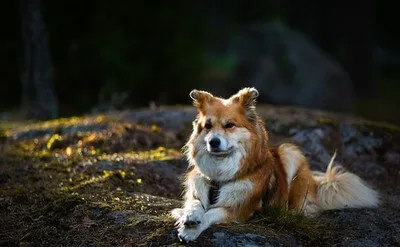
Icelandic Sheepdog
Health grade CThe Islandhund is a cheerful, extremely vocal Nordic Hütehund (herding dog) and guard dog—bred to guide sheep and horses across vast landscapes with its voice and to warn farms of birds of prey.
- Height42–46 cm
- Weight9–14 kg
- Life expectancy12–15 yrs
- Puppy price1,500–2,500 €
- Energy4/5
The Essentials at a Glance
The Islandhund is a cheerful, extremely vocal Nordic Hütehund (herding dog) and guard dog—bred to guide sheep and horses across vast landscapes with its voice and to warn farms of birds of prey.
- Health grade C: The Icelandic Sheepdog is inherently a robust and hardy breed, yet it comes with an above-average list of mandatory health tests.
- You live in a rural area or have tolerant neighbors who don't mind a dog that likes to announce things.
- You want to combine daily physical exercise with mental stimulation—a Nordic Hütehund will wither away on routine walks without a job to do.
- You live in an apartment with thin walls—his high-pitched voice is his most important work tool, he will bark, that is his hardware.
Is the Icelandic Sheepdog right for you?
At a glance
Icelandic Sheepdog overview
The essentials — key facts, traits, and health priorities — before you dive deeper.
Health grade
Relative to other breeds
S
A
B
C
D
E
Very healthyHigher risk
Average — several important tests are expected.
See full health info & tests →
Note: This health overview is AI-assisted and editorially reviewed. It is for orientation only and does not replace veterinary advice.
Lifespan
12–15 yrs
Height
42–46 cm
Weight
9–14 kg
Practical
- Puppy price: 1,500 – 2,500 €
- Coat: Double layer, dense undercoat, medium length top coat
- Origin: Iceland
Temperament
Energy
Trainability
Family fit
With kids
Daily life
Care effort
Shedding
Barking
City-friendly
Guard instinct
What matters most
Especially with a Icelandic Sheepdog, choosing the right breeder is the single most important decision you'll make. Serious breeders consistently test the parents for inherited conditions, prioritize healthy early socialization, and stay accountable long after handover. A cheap puppy without health screening tends to become the most expensive dog later on.
See HonestDog breeder standards →Colors & coat
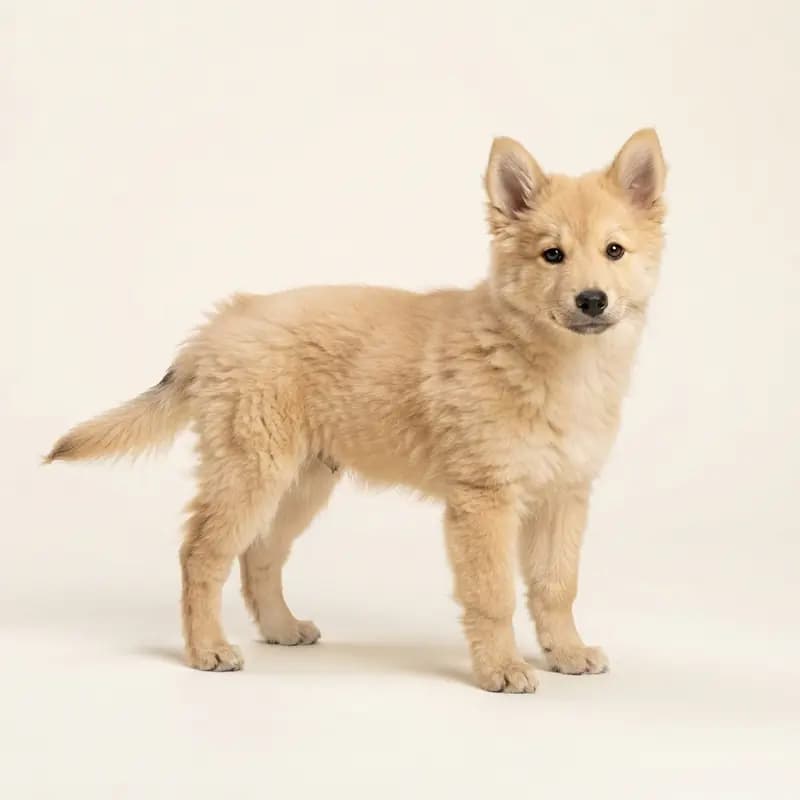
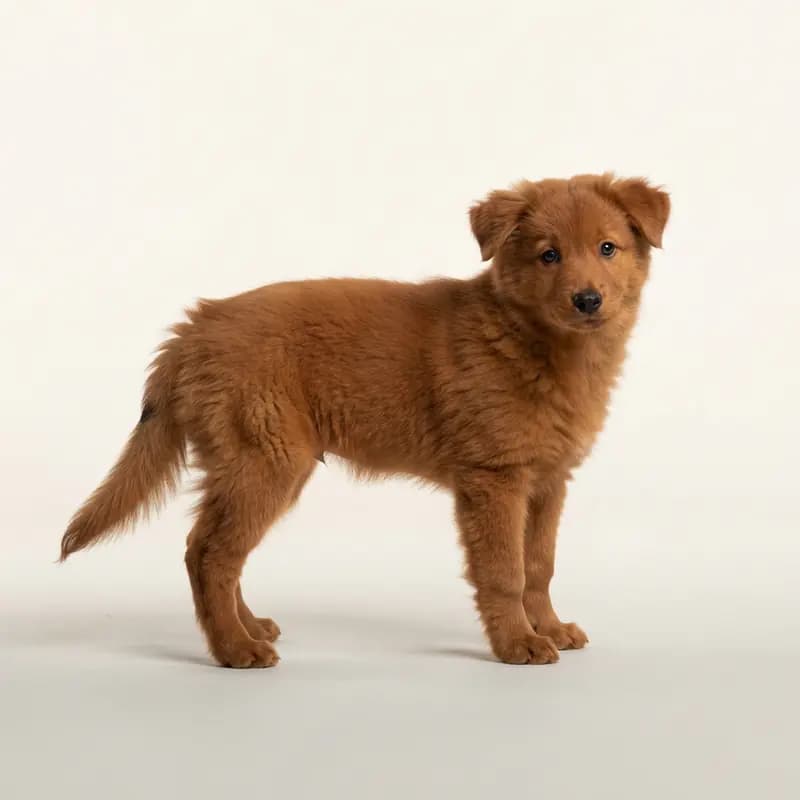
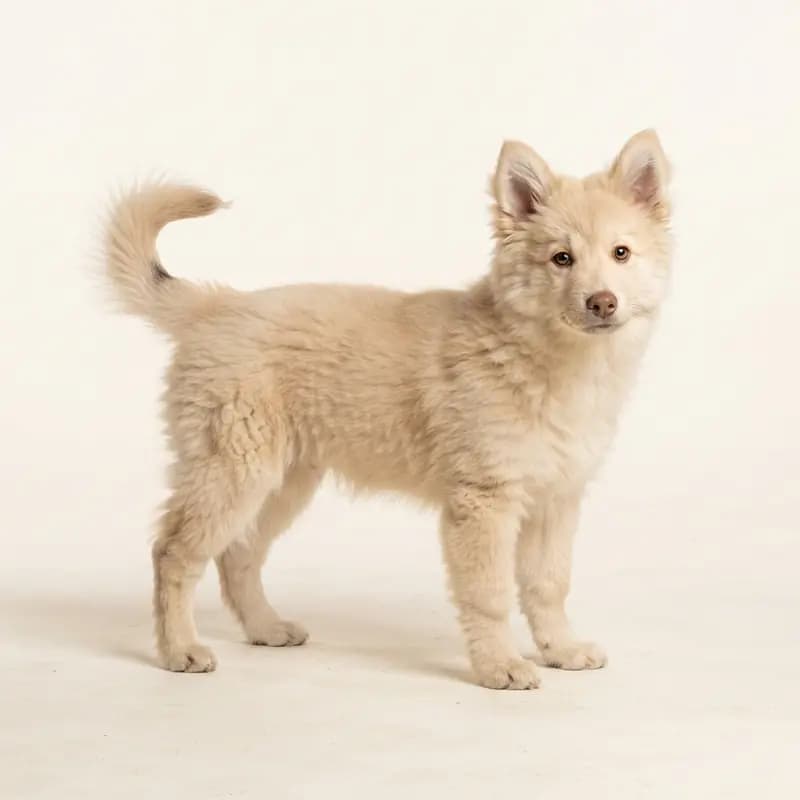
What colors does the Icelandic Sheepdog come in?
The coat colors you will see in Icelandic Sheepdog litters — including which ones fall outside the breed standard and which carry genetic risk.
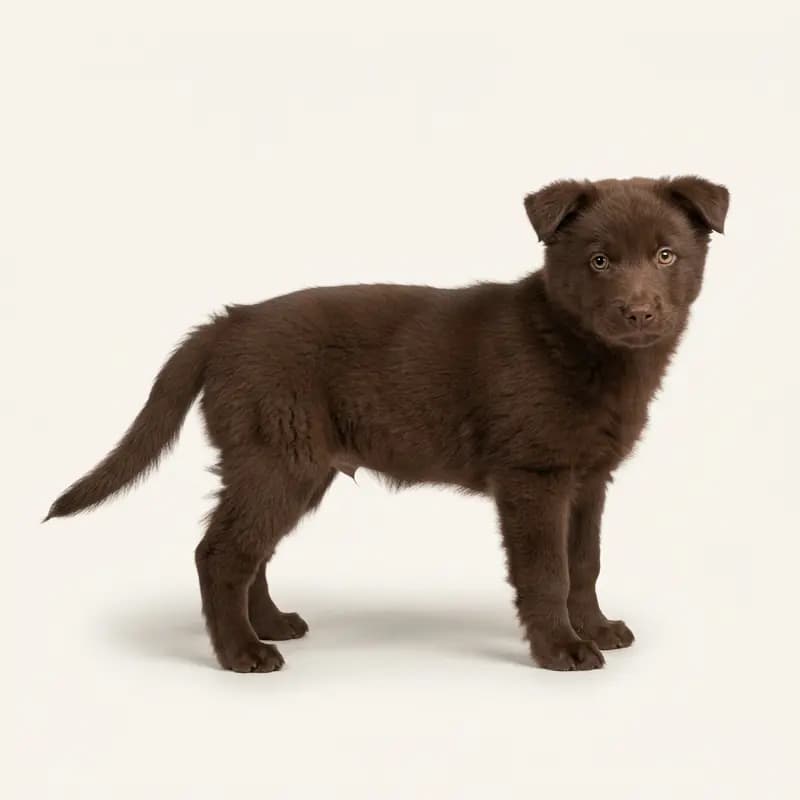
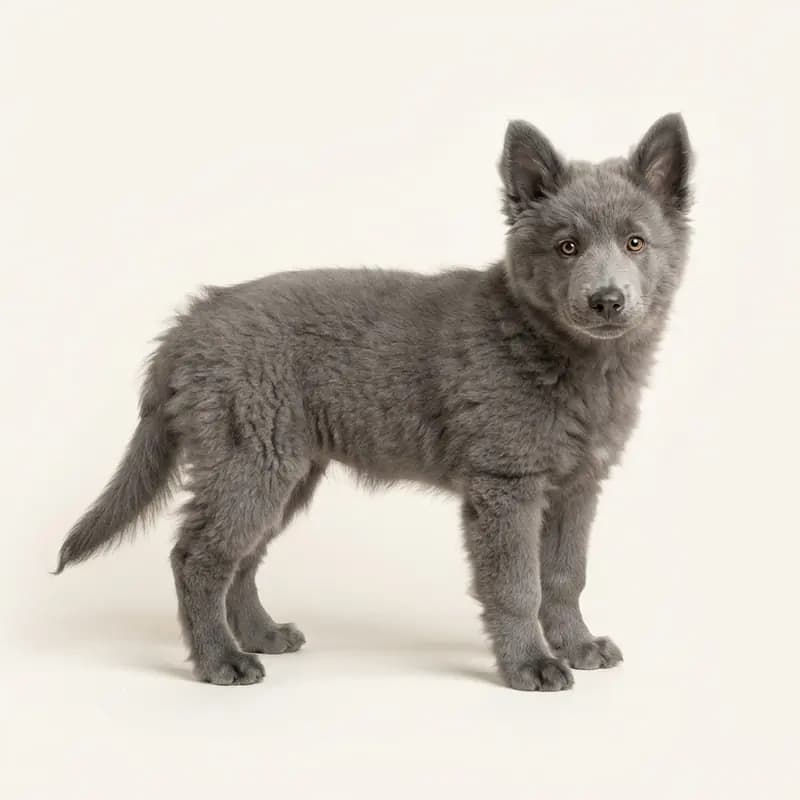
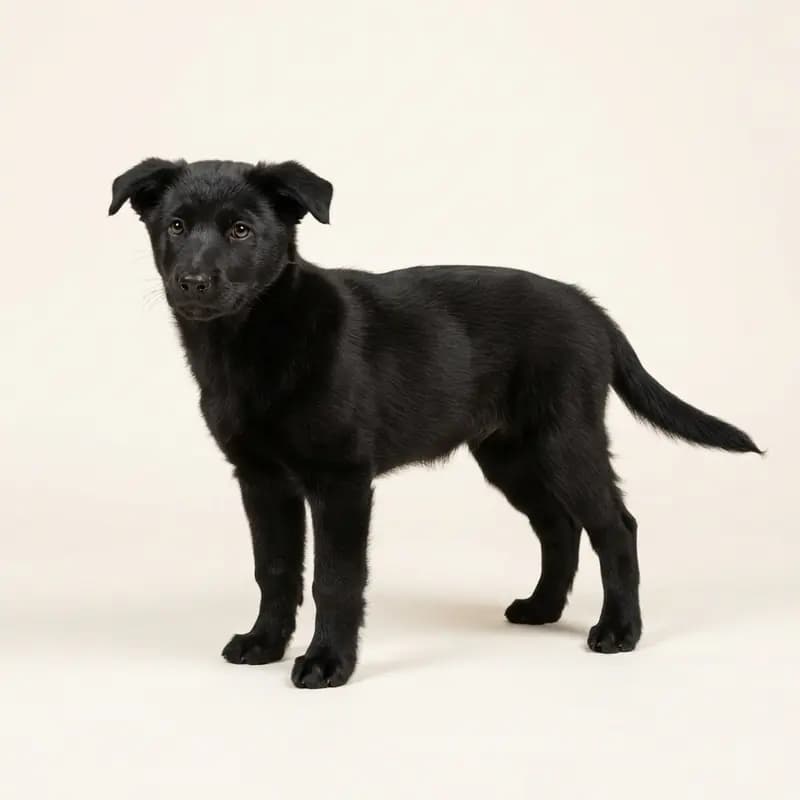
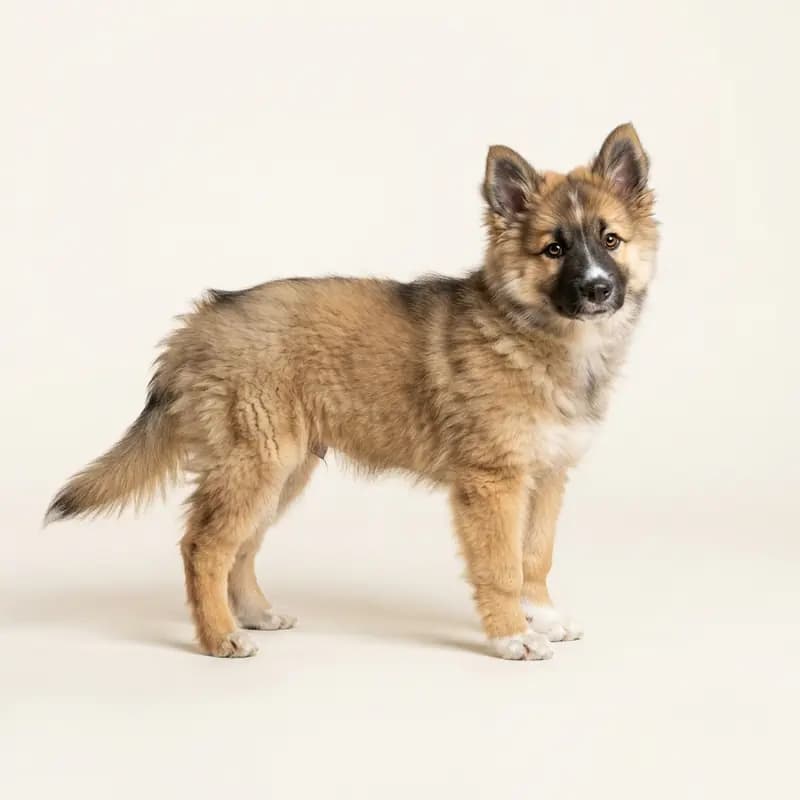
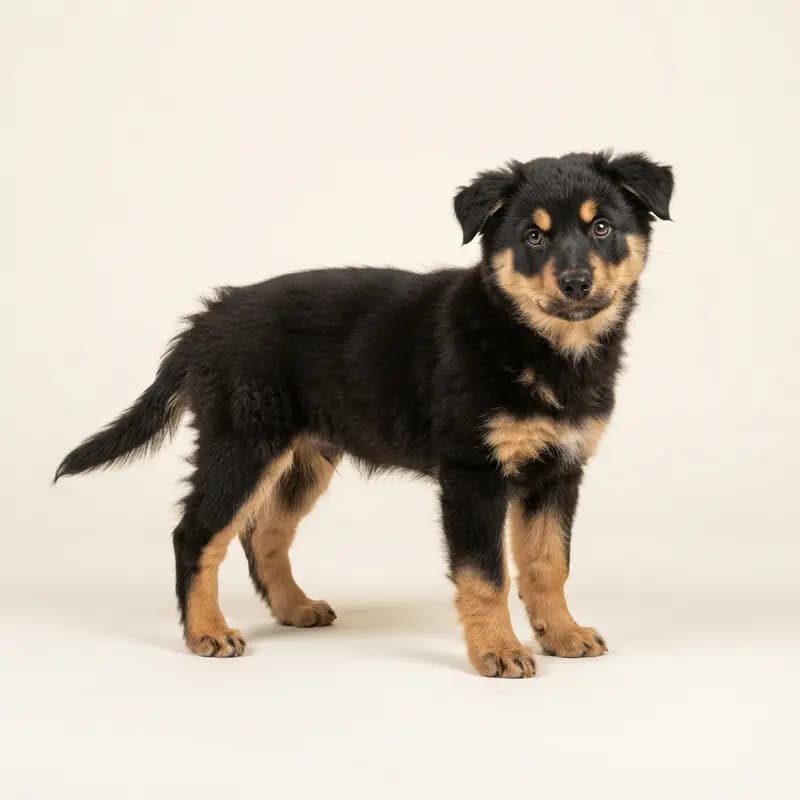
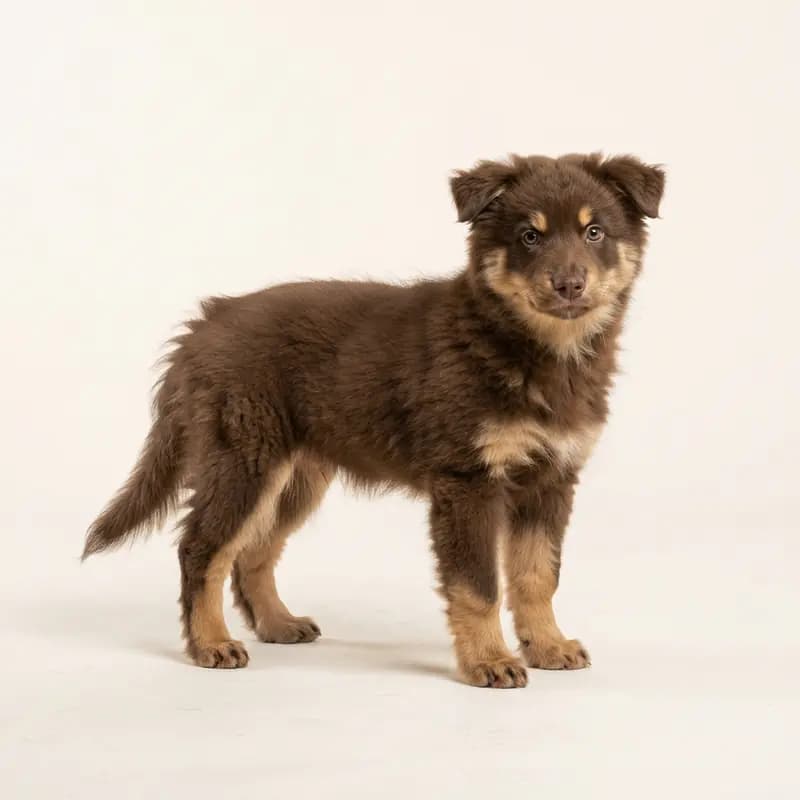
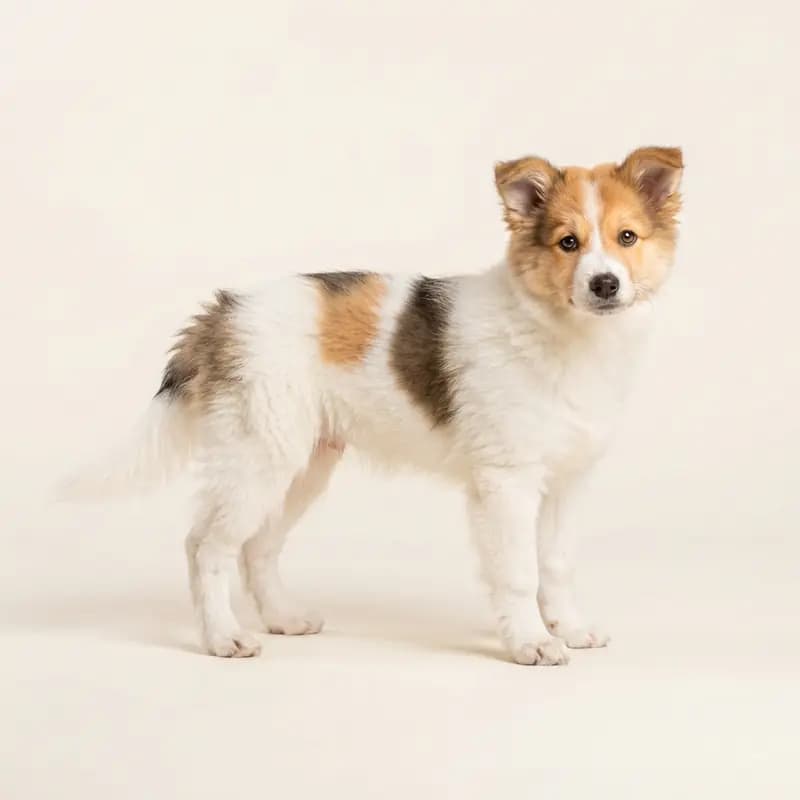
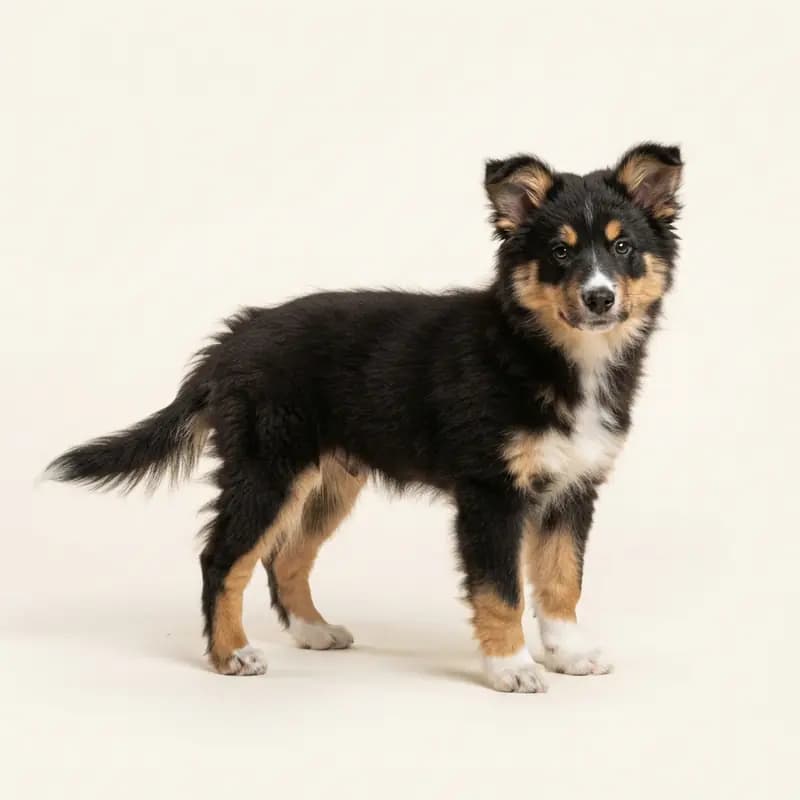
Eye colors
 Brown
Brown
Coat type
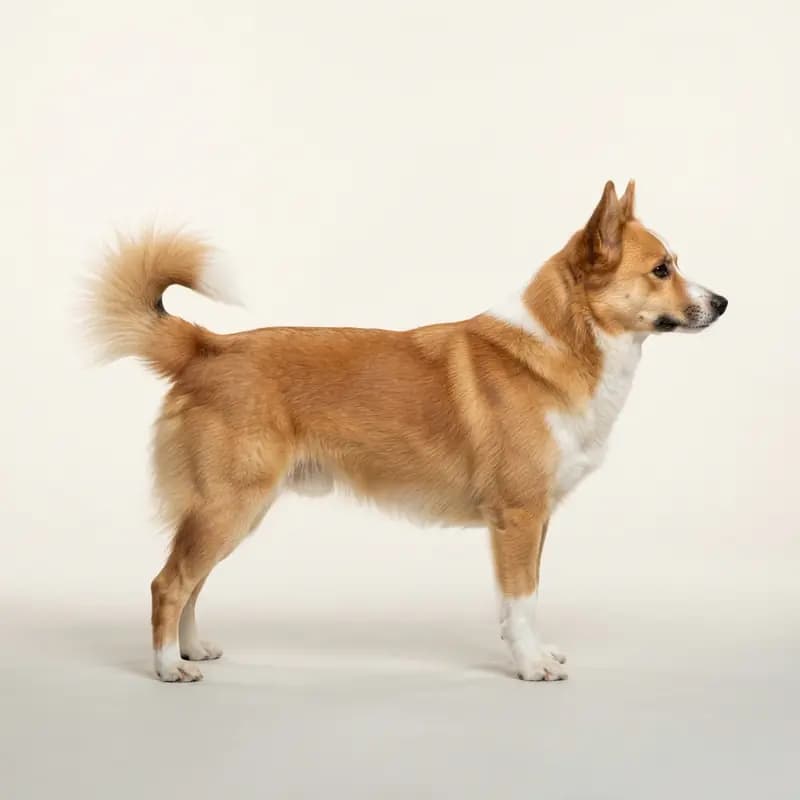 Illustrative image
Short
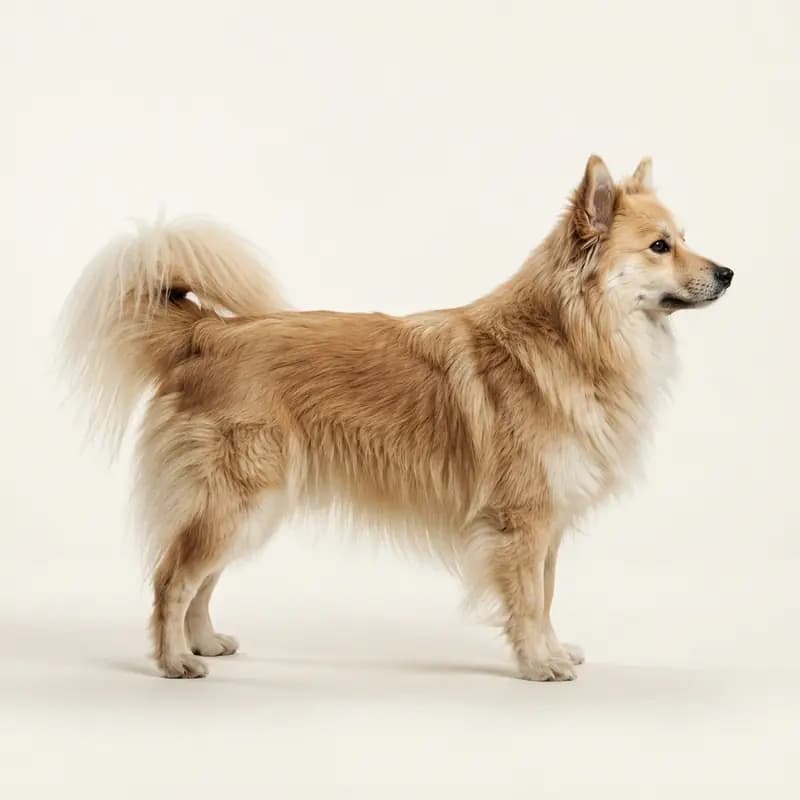 Illustrative image
Long
 Double coat
Is the Icelandic Sheepdog right for you?
The Islandhund is a cheerful, extremely vocal Nordic Hütehund (herding dog) and guard dog—bred to guide sheep and horses across vast landscapes with its voice and to warn farms of birds of prey.
Perfect for you if:
- You live in a rural area or have tolerant neighbors who don't mind a dog that likes to announce things.
- You want to combine daily physical exercise with mental stimulation—a Nordic Hütehund will wither away on routine walks without a job to do.
- You are looking for a friendly, people-oriented companion who bonds closely with their family and wants to be involved in everything.
- You lead with patience and positive reinforcement, as this sensitive, natural-born dog reacts to harshness with pure stress.
Less ideal if:
- You live in an apartment with thin walls—his high-pitched voice is his most important work tool, he will bark, that is his hardware.
- You have to leave him alone for long periods every day, as this breed is programmed for the constant presence of its humans.
- You expect a stoic, calm dog that simply ignores external stimuli while out on a walk.
The real vibes check
An Islandhund doesn't just scan the horizon, but the sky as well—and comments on every exciting change with his voice. He is not a quiet follower, but an enthusiastic co-pilot who will accompany your life loudly and joyfully. If you understand his talkativeness as genuine communication rather than disobedience, you will gain the most loyal partner from the North.
Self-check
Would the Icelandic Sheepdog really fit your life?
Answer 6 quick questions about your everyday life and see how well the Icelandic Sheepdog fits you — including an honest cost estimate per month, per year, and across the dog's lifetime.
Fit checkCost estimateRisk dice
Takes about 1 minute · free & anonymous
Breed Profile
The Icelandic Dog, also known as the Icelandic Shepherd Dog, is a small to medium-sized dog that is a real eye-catcher. He is stocky and well proportioned, with a wedge-shaped head, large, expressive eyes and triangular, high-set ears that stand erect in attention. A special feature of the Icelandic Dog is its bushy tail, which is happily carried over its back. Its coat is double-layered, with a dense undercoat that protects it from the cold and a slightly longer top coat. The Icelandic Hound belongs to FCI Group 5, which includes the Spitz and prototype dogs. He is often classified as a herding dog and has a long history in this role. There is no distinction between performance and show lines.
All measurements in detail
- Height
- 42 - 46 cm (Female), 42 - 46 cm (Male)
- Weight
- 9 - 11 kg (Female), 11 - 14 kg (Male)
- Life Expectancy
- 12 - 15 yrs
- Character
- Loyal, cheerful, intelligent
- Coat
- Double layer, dense undercoat, medium length top coat
- Coat Color
- Varied including black, chocolate brown, beige, red, white
- Price
- 1500 - 2500 €
Character & Temperament
The Icelandic Hound is a treasure of a dog, and his personality will truly charm you. His friendly, cheerful personality makes him a delightful family member. He is known for his loyalty and is often very affectionate towards his humans. Based on its nature, the Icelandic Hound was traditionally used as a herding dog. He is still a great helper when herding sheep or other animals. Although he is no longer needed for work as often, he still loves having tasks and being busy. Herding is in his genes, and he can show this talent in herding dog sports. The Icelandic Hound is a fairly active dog, but he is not hyperactive. He enjoys long walks and playtime, but he's also happy to relax at home as long as he gets enough exercise. His intelligence means he gets bored easily, so it's a good idea to provide him with mental stimulation through training, toys and interactive activities. In terms of temperament, the Icelandic Hound is quite even-tempered. He is alert and will let you know when something is wrong, but he is not prone to barking excessively. He is friendly towards strangers as long as they do not pose a threat. An important aspect of the Icelandic Dog's character is his people-oriented nature. He loves being close to his family and is often very affectionate. He gets along well with children and is often ready to play and have fun. As for being alone, the Icelandic Hound can learn to stay alone for short periods of time, but he prefers to be in company. It's important to teach him that it's okay to be alone to avoid separation anxiety. The Icelandic Hound has a moderate hunting instinct. He will be curious about small animals, but with training this can be controlled. That doesn't mean he doesn't get along well with other pets. He can often be very friendly with cats and other dogs, especially if he is socialized with them from an early age.
| Trainability Bred to work closely alongside humans. | Highly trainable |
| Watchfulness Reports unusual activity but stays controlled. | Moderate |
| Openness to Strangers Warms up quickly and is generally welcoming. | Friendly |
| Hunting or Herding Drive Mild interest in movement and small animals — easily managed. | Low |
Fun Fact!
The Icelandic Dog is known for its wide repertoire of vocalizations, including unique barking tones sometimes called "Iceland singing." be referred to. It is an expression of her cheerful and communicative nature!
What Awaits You
Icelandic dogs are friendly and curious. They are great companion dogs, but they tend to bark and like to report anything new. They are suitable for active people who do a lot with them.
Housing & Care
The Icelandic Dog is adaptable and can live in both the city and the country provided it receives sufficient exercise and mental stimulation. This dog is very social and enjoys the company of people, including children. He usually gets along well with other dogs and can live with cats and other pets if he is accustomed to them from an early age.
- Family Friendly
Lives for its family — the born family companion.
Ideal family dog - Child Friendly
Takes boisterous and affectionate children in its stride.
Patient with children - Dog Friendly
Actively enjoys the company of other dogs.
Dog-friendly - City Friendly
Adapts well to city living and urban environments.
Well-suited to city life
Owning a dog is a privilege, but it's also a real responsibility. Before you bring one into your life, be honest with yourself about the commitment it takes.
Training & Education
The Icelandic Hound is intelligent and eager to please, which makes training easier. He has a natural herding instinct and it is important to offer him alternatives so that he can use his energy positively. Agility, obedience, or dog sports that promote agility and obedience are good options. It is also important to know that Icelandic dogs have high energy, but care should be taken not to over-exercise them. It is beneficial if the dog learns frustration tolerance and impulse control so that he can cope well in different situations. This breed is not prone to becoming a ball junkie, but as with any dog, play should be done in moderation to avoid obsessions.
Nutrition & Care
The Icelandic dog is relatively undemanding in terms of nutrition. A balanced diet with high-quality food that meets the needs of an active dog is ideal. Fresh water should always be available. In terms of grooming, the Icelandic Dog has a dense undercoat and a water-repellent top coat that protects it from Iceland's harsh climatic conditions. This fur texture also suits the German climate well. The dog sheds moderately, but regular brushing is required to prevent mats and keep the skin healthy.
| Care Level Minimal effort — occasional brushing and bathing. | Low-maintenance |
| Exercise Needs Needs several hours of serious exercise every day. | Very active |
| Shedding Hair everywhere, always — no white clothing survives. | Very heavy |
| Trainability Bred to work closely alongside humans. | Highly trainable |
Our experts are still reviewing this information. Spotted something wrong? Email us at info@honestdog.de.
Health & hereditary diseases
Health
C
Solid, watch carefully
Health grade
The Icelandic Sheepdog is inherently a robust and hardy breed, yet it comes with an above-average list of mandatory health tests. The eyes are particularly susceptible to conditions such as cataracts and distichiasis, which is why you should look very closely at these results before purchasing. Additionally, hip dysplasia (HD) is a significant focus in the breed's development, though it is well-managed through strict mandatory X-ray screening requirements.
Grade is relative to other breeds — AI-assisted and editorially reviewed.
In daily life this can mean
With joint-friendly rearing, a healthy weight, and regular eye check-ups, these active dogs usually remain fit well into old age.
The breeder's role
Reputable breeders have the parents' hips, knees, and eyes tested and pay strict attention to genetic diversity due to the small population size.
Note: This health overview is AI-assisted and editorially reviewed. It is for orientation only and does not replace veterinary advice.
No Health Tests Available
No specific health tests are currently available for this breed.
Costs & where to find one
How much does a Icelandic Sheepdog cost?
A Icelandic Sheepdog costs around ~€160 per month (€90 – €300, depending on your setup). The first year adds up to roughly ~€4,790 including purchase, equipment and puppy school; across the dog's life (13.5 years) it comes to about ~€29,290.
With surgery cover, running costs come to about ~€160 per month — in return, your share of a major operation drops from several thousand euros to around 20 percent.
Per month
~€160
In the first year
~€4,790
Across the dog's life
~€29,290
Purchase from a breeder: €1,500 – €2,500
Estimate at a mid-range setup (suburban, dry food, 1–2 hours of daily exercise), average German prices, as of July 2026.
Calculate your personal costs1-minute self-check with your own answers
Looking for a Icelandic Sheepdog?
HonestDog Concierge
No verified Icelandic Sheepdog breeders on HonestDog yet
We currently have no breeders for this breed who have passed our verification. Create your short buyer profile: we'll set up your search alert, review a possible source and email you within 28 days.
Appearance, variants & origin
History
The full history
The Icelandic Dog is the only dog breed that originated in Iceland. The history of the Icelandic Dog is closely linked to Viking history. It is believed that the Vikings brought the Icelandic Hound to Iceland in the 9th century. These dogs were probably closely related to the Norwegian Buhunds and other Nordic breeds. Over centuries, the Icelandic Dog developed in isolation in the harsh environment of Iceland. It was primarily used as a herding dog for sheep, horses and other livestock. He not only used his herding talent, but also his loud barking to keep the herds together. The breed suffered from diseases introduced by imported dogs in the 19th century and their numbers declined drastically. Fortunately, a rescue operation was launched in the 1960s that restored the population. The Icelandic Dog has been recognized as a separate breed by the F"d"ration Cynologique Internationale (FCI) since 1969.
Original Use
The Icelandic Hound was used by the first settlers as a herding dog for sheep, cattle and horses.
Origin
Iceland
Date
874
Owner experiences
What owners say about the Icelandic Sheepdog
Sabine M., Halterin aus Hessen (Rüde, 11 Monate)
Als wir uns für einen Islandhund entschieden haben, wussten wir natürlich, dass es sich um einen Hüte-Spitz handelt. Aber was das in der Realität bedeutet, lernt man erst im Alltag. Unser Rüde ist jetzt fast ein Jahr alt und zeigt sich als echter Charakterkopf. Er ist unglaublich schlau, aber diese Intelligenz nutzt er auch, um Kommandos erst mal gründlich zu hinterfragen. Wenn wir ihn rufen, sieht man ihm richtig an, wie er abwägt, ob sich das Kommen gerade lohnt. Besonders als der erste Schnee lag, war er plötzlich wie 'schneetaub' und hat uns komplett ignoriert – da halfen auch die besten Leckerlis nichts.
Ein weiteres großes Thema ist das Bellen. Isländer sind sehr mitteilsam. Unser Kleiner kommentiert einfach alles: Wenn sich im Garten etwas bewegt, wenn er sich freut oder wenn beim Spaziergang mein Partner dabei ist und er vor Aufregung gar nicht mehr weiß, wohin mit sich. In der Hundeschule ernten wir oft genervte Blicke, weil er im Spiel oder bei Übungen in einer extremen Tonlage kläfft. Man kann ihm das Bellen nicht komplett abgewöhnen, das liegt ihm einfach im Blut. Man muss von Anfang an mit liebevoller Konsequenz gegensteuern, sonst hat man schnell einen echten Kläffer an der Backe. Trotz der Sturheit und der Lautstärke ist er aber ein unfassbar treuer und liebenswerter Begleiter, den wir nicht mehr missen wollen.
Birgit Z., Halterin aus Bayern (Rüde, seit 2024)
Mein Islandhund Bolti hat mein Leben komplett auf den Kopf gestellt. Wer sich für diese Rasse entscheidet, sollte sich als Erstes von zwei Dingen verabschieden: einem haarfreien Zuhause und absoluter Stille. Das dichte, flauschige Fell ist zwar wunderschön und extrem wetterfest, aber es verteilt sich auch flächendeckend in der Wohnung. Vor allem während des Fellwechsels läuft der Staubsauger bei uns im Dauerbetrieb. Man gewöhnt sich irgendwann daran, dass man eigentlich immer ein Hundehaar im Kaffee oder auf der Kleidung hat.
Zudem muss man wissen, dass der Islandhund seine Stimme liebt. Bolti nutzt seine Redefreiheit voll aus und kommentiert alles, was ihm merkwürdig vorkommt – ob das nun vorbeifliegende Vögel, laute Traktoren oder der Postbote sind. Eine Türklingel brauchen wir definitiv nicht mehr. Auch das Leben als Couch Potato ist vorbei. Er fordert seine Beschäftigung und Bewegung täglich ein. Einfach nur eine kurze Runde um den Block reicht dieser sportlichen Rasse nicht. Wir machen viel Kopfarbeit und Suchspiele, um ihn geistig auszulasten. Wenn man bereit ist, diese Energie in die richtigen Bahnen zu lenken, bekommt man einen unfassbar fröhlichen und loyalen Partner an seiner Seite.
Katrin S., Halterin aus der Schweiz (Welpe, seit 2021)
Unser kleiner Ími ist mit seinen zehn Wochen bereits eine echte 'Frontsau'. Er kam aus einer Zucht mit einem großen Rudel im Rücken zu uns und strotzt nur so vor Selbstbewusstsein. Er läuft erhobenen Hauptes durchs Haus und testet absolut alles mit einer kleinen Kauprobe aus. Wenn man mal eine Sekunde nicht aufpasst, schnappt er sich den Wischmopp und dreht eine triumphierende Strafrunde. Er weiß jetzt schon ganz genau, wie er uns um den Finger wickeln kann.
Das rassetypische Mitteilungsbedürfnis hat sich ebenfalls schnell gezeigt. Sobald im Kaninchenstall etwas poltert oder er einfach etwas zu erzählen hat, gibt er lautstark Bescheid – völlig egal, wie spät es ist. Wir haben zum Glück sehr tolerante Nachbarn, aber in einer hellhörigen Mietwohnung könnte das schnell zum Problem werden. Die Welpenzeit fordert uns durch den Schlafmangel gerade extrem, aber seine fröhliche, freche Art entschädigt für jede schlaflose Stunde. Man braucht für diese Hunde einfach von Tag eins an eine liebevolle, aber sehr konsequente Hand.
Paraphrased from real owner reports
Loading owner stories
FAQ & more
Frequently asked questions about the Icelandic Sheepdog
Is a Icelandic Sheepdog the right dog for me?
The Icelandic Sheepdog is an active dog that needs plenty of exercise and mental stimulation. Research the temperament, grooming needs, and space requirements before deciding.
How long does a Icelandic Sheepdog live?
The average life expectancy of a Icelandic Sheepdog is 12-15 years. With proper care and regular vet visits, your dog can live a long, healthy life.
How much grooming does a Icelandic Sheepdog need?
Icelandic Sheepdog grooming requirements include regular brushing, nail trimming, and dental care. HonestDog provides detailed grooming tips for every breed.
Is a Icelandic Sheepdog good for families with children?
The Icelandic Sheepdog can be a great family dog. Proper training and socialization are key. HonestDog provides family suitability information for every breed.
What colors does the Icelandic Sheepdog come in?
The Icelandic Sheepdog comes in these colors: Fawn, Red, Cream, Chocolate, Grey, Black, Sable, Black and tan, Brown and tan, Piebald, Tricolor.
Loading related articles
Are you a Icelandic Sheepdog breeder?
Showcase your kennel on HonestDog and reach families searching for a responsibly bred Icelandic Sheepdog.
Why HonestDog?
What makes HonestDog different from other platforms
Full transparency
We lay out what we have: who the breeder is, how they work, and any health records they've uploaded. So you can judge for yourself.
Responsible breeding, assured
Every breeder on HonestDog has their identity and documents checked before their profile goes live. Health records they upload are shown on the profile, so you can see exactly what has been tested.
Trust and verification
We verify breeders and buyers alike, so every conversation happens on solid ground. It's a new standard of trust in dog breeding.
Less hassle, more time
We've already checked the breeders' documents and gathered the details, so you can skip the endless research and focus on finding the right puppy for your family.
Our Mission

We connect dog lovers with responsible breeders and shelters to ensure every dog finds the perfect home.
Founded by dog enthusiasts, our platform focuses on ethical dog breeding and adoption.
Why HonestDog?
We connect you with vetted breeders and shelters so you can find your — your new companion — with confidence.
Vetted Partners
Only verified breeders and shelters — for a safe start.
Highest Standards
Every animal's health and wellbeing is our top priority.
Guides & Resources
Guides, checklists, and breed profiles — so you can make a well-informed decision.