Loading breed
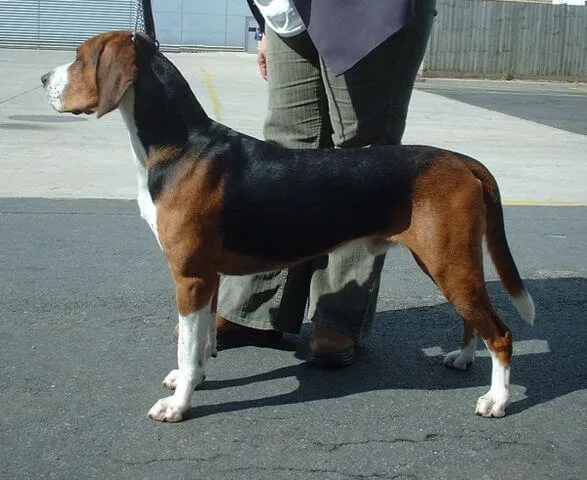
Hamiltonstövare
Health grade BThe Hamiltonstövare is an enduring, passionate scent hound (Laufhund) bred for hours of independent tracking of foxes and hares in the vast forests of Sweden. Calm and gentle at home, he switches immediately into an uncompromising work mode once he is outside.
- Height49–61 cm
- Weight23–30 kg
- Life expectancy10–13 yrs
- Puppy price1,500–2,500 €
- Energy4/5
The Essentials at a Glance
The Hamiltonstövare is an enduring, passionate scent hound (Laufhund) bred for hours of independent tracking of foxes and hares in the vast forests of Sweden. Calm and gentle at home, he switches immediately into an uncompromising work mode once he is outside.
- Health grade B: The Hamiltonstövare is considered a robust Swedish hunting breed, though our database does not currently list any specific mandatory health tests for it.
- You are prepared to head out into nature every single day for intensive scent and endurance work, regardless of the weather—a simple walk is not enough to satisfy this specialist.
- You ideally live in a rural area and can provide a securely fenced garden where he can rest between his outings.
- You expect him to remain immediately recallable when he picks up a fresh game trail—he was bred to follow his nose with complete independence in those exact moments.
Is the Hamiltonstövare right for you?
At a glance
Hamiltonstövare overview
The essentials — key facts, traits, and health priorities — before you dive deeper.
Health grade
Relative to other breeds
S
A
B
C
D
E
Very healthyHigher risk
Solid — a handful of items a good breeder watches.
See full health info & tests →
Note: This health overview is AI-assisted and editorially reviewed. It is for orientation only and does not replace veterinary advice.
Lifespan
10–13 yrs
Height
49–61 cm
Weight
23–30 kg
Practical
- Puppy price: 1,500 – 2,500 €
- Coat: Dense, short, smooth, with undercoat
- Origin: Sweden
Temperament
Energy
Trainability
Family fit
With kids
Daily life
Care effort
Shedding
Barking
City-friendly
Guard instinct
What matters most
Especially with a Hamiltonstövare, choosing the right breeder is the single most important decision you'll make. Serious breeders consistently test the parents for inherited conditions, prioritize healthy early socialization, and stay accountable long after handover. A cheap puppy without health screening tends to become the most expensive dog later on.
See HonestDog breeder standards →Colors & coat
What colors does the Hamiltonstövare come in?
The coat colors you will see in Hamiltonstövare litters — including which ones fall outside the breed standard and which carry genetic risk.
Eye colors
 Brown
Brown
Coat type
 Short
Short Smooth
 Double coat
Is the Hamiltonstövare right for you?
The Hamiltonstövare is an enduring, passionate scent hound (Laufhund) bred for hours of independent tracking of foxes and hares in the vast forests of Sweden. Calm and gentle at home, he switches immediately into an uncompromising work mode once he is outside.
Perfect for you if:
- You are prepared to head out into nature every single day for intensive scent and endurance work, regardless of the weather—a simple walk is not enough to satisfy this specialist.
- You ideally live in a rural area and can provide a securely fenced garden where he can rest between his outings.
- You possess a clear but gentle leadership style, as this breed becomes stubborn under harsh pressure and responds best to subtle communication.
- You are looking for a dog that is extremely relaxed and friendly indoors, provided his working needs are met outdoors.
Less ideal if:
- You expect him to remain immediately recallable when he picks up a fresh game trail—he was bred to follow his nose with complete independence in those exact moments.
- You live in the middle of the city and would have to keep him on a short leash through busy streets most of the time.
- You are looking for a dog for classic obedience competitions or agility—the repetitive nature of commands bores this independent hunter.
The real vibes check
A Hamiltonstövare is a highly focused athlete outdoors who gets lost in his own world of scents, and a deeply relaxed shadow on the sofa indoors. You aren't getting a dog that wants to please you at every turn, but rather an independent specialist. If you share his passion for tracking, you will have a loyal companion; if you suppress it, you will have a frustrated escape artist.
Self-check
Would the Hamiltonstövare really fit your life?
Answer 6 quick questions about your everyday life and see how well the Hamiltonstövare fits you — including an honest cost estimate per month, per year, and across the dog's lifetime.
Fit checkCost estimateRisk dice
Takes about 1 minute · free & anonymous
Breed Profile
With its three-colored, shiny coat and expressive face, the Hamiltonstövare is a real eye-catcher. Originally from Sweden, the Hamiltonstövare belongs to FCI Group 6, the scent hounds and bloodhounds. This medium-sized dog is well proportioned with a robust, muscular body and an elegant, agile gait. He is a classic tracking dog and has all the characteristics you would expect from a dog in this category, including a strong, pronounced head, a deep chest and a straight, strong back. Its fur is short but dense and has a weatherproof undercoat. Its face is characterized by two large, dark eyes and long, drooping ears, which give the Hamiltonstövare a friendly yet intense expression. There is no distinction between working and show lines in this breed, but the Hamiltonstövare is a natural worker, always willing to use his nose and explore.
All measurements in detail
- Height
- 49 - 57 cm (Female), 53 - 61 cm (Male)
- Weight
- 23 - 27 kg (Female), 23 - 30 kg (Male)
- Life Expectancy
- 10 - 13 yrs
- Character
- Energetic, friendly, balanced
- Coat
- Dense, short, smooth, with undercoat
- Coat Color
- Tri-color - black, brown and white
- Price
- 1500 - 2500 €
Character & Temperament
The Hamiltonstövare is known for his even-tempered and friendly nature, which makes him an excellent companion dog. But don't let his calm demeanor fool you, the Hamiltonstövare is also an energetic and passionate worker who loves to use his nose and explore the world. Due to its history as a sniffer dog, the Hamiltonstövare has a strong desire to sniff and search, meaning it requires plenty of mental and physical stimulation to stay happy and healthy. This breed enjoys long walks and activities where they can use their nose, such as mantrailing or tracking. Despite his hard work, the Hamiltonstövare is also a very people-oriented dog who loves the company of his family and enjoys being around them. He is friendly and open towards strangers and usually does not show aggressive or reserved behavior. He is also good-natured and gets along well with other dogs and can adapt well to a household with several pets. The Hamiltonstövare has a fairly active temperament, which means he is best suited to active people who are willing and able to exercise him physically and mentally. Despite his energy, he is also able to relax and enjoy quiet times as long as he gets enough exercise and stimulation. He can learn to stay alone, but like most dogs, he should not be left alone for long periods of time. As you've probably already guessed, the Hamiltonstövare has a strong prey drive, meaning it can tend to chase or follow small animals. It is important that you keep this in mind and ensure that you are able to manage it safely and effectively. A well-fenced yard and secure recall are essential to ensuring your Hamiltonstövare doesn't get into trouble. As for alertness, while the Hamiltonstövare is alert and notices changes in his environment, he is not typically prone to excessive barking or vigilance. Instead, he is more likely to show interest and curiosity towards new people or situations. Nevertheless, he can also serve as a watchdog and alert his family if he notices something unusual.
| Trainability Has its own ideas and will test limits. | Strong-willed |
| Watchfulness A natural watchdog with real protective instinct. | High |
| Openness to Strangers Neither pushily friendly nor suspicious. | Neutral |
| Hunting or Herding Drive This drive runs deep — no amount of training eliminates it. | Very strong |
Fun Fact!
Did you know that the Hamiltonstövare was named after its breeder, Count Adolf Patrick Hamilton? He is also the founding father of the Swedish Kennel Club!
What Awaits You
The Hamilton Hound is a lively and enduring hunting dog, especially valued for its excellent tracking and scenting abilities. It is friendly and affectionate but requires a lot of exercise and mental stimulation. Hamilton Hounds are independent but well trainable and are particularly suitable for active families or hunters looking for a reliable companion in the field.
Housing & Care
The Hamiltonstövare is a friendly, people-oriented scenthound that fits well into family life when it gets enough activity. He's not well suited to a small city apartment, though – the ideal is a house with a securely fenced garden and people who give him plenty of exercise every day. With children he's usually patient and easy-going, and he tends to get on well with other dogs too. Because of his pronounced hunting instinct, you should be careful about him living alongside cats and small pets and get him used to them early. Outdoors he'll quickly lose himself following a scent, which is why a well-secured area and a reliable recall are essential. As an enduring working dog, he needs not just physical exercise but also a meaningful job for his nose and mind to stay balanced.
- Family Friendly
Loves family life and thrives in a group.
Family-oriented - Child Friendly
Gets on well with children — with adult supervision.
With supervision - Dog Friendly
Actively enjoys the company of other dogs.
Dog-friendly - City Friendly
Can manage in the city, but only with very active owners.
Difficult in cities
Owning a dog is a privilege, but it's also a real responsibility. Before you bring one into your life, be honest with yourself about the commitment it takes.
Training & Education
Hamiltonstövares are intelligent dogs with a strong hunting instinct. They need clear, consistent and positive parenting that honors their natural instincts. It is important to channel their hunting instinct in an appropriate way, for example through dog sports such as mantrailing or search games. This promotes the dog's natural sense of smell without having to hunt wild animals. Like all dogs, Hamiltonstövares require adequate exercise and mental stimulation, but it is equally important to maintain a good balance between activity and rest. These dogs are not at high risk of becoming "ball junkies." but of course you should keep a healthy amount of play and activity here too. Frustration tolerance and impulse control are important skills to train in a Hamiltonstövare. Because they have a strong hunting instinct, it can be difficult for them to listen to commands once they have spotted an interesting scent trail. Through special exercises you can teach your dog to pay better attention to you and control his impulses.
Nutrition & Care
The Hamiltonstövare is an active dog and needs a nutritious and balanced diet to maintain its energy. You should choose a high-quality dog food that is tailored to your dog's age, weight and activity level. It's always good to speak to a veterinarian or an experienced breeder about your dog's specific nutritional needs. This breed has a short to medium length coat with a thick undercoat. This makes the Hamiltonstövare well adaptable to different climatic conditions, including the German climate. They shed moderately, but it can shed more during the shedding phases in spring and autumn Hair loss occurs. Regular brushing "about once or twice a week" will help remove loose hair and keep the coat healthy and shiny.
| Care Level Minimal effort — occasional brushing and bathing. | Low-maintenance |
| Exercise Needs Needs several hours of serious exercise every day. | Very active |
| Shedding No or minimal hair loss — suitable for allergy sufferers. | No shedding |
| Trainability Has its own ideas and will test limits. | Strong-willed |
Our experts are still reviewing this information. Spotted something wrong? Email us at info@honestdog.de.
Health & hereditary diseases
Health
B
Solid
Health grade
The Hamiltonstövare is considered a robust Swedish hunting breed, though our database does not currently list any specific mandatory health tests for it. Nevertheless, prospective buyers should look out for hip dysplasia (HD) and epilepsy, as these conditions can occur within the breed. Additionally, eye conditions such as ectropion should be ruled out by a veterinarian in the parent dogs before purchase.
Grade is relative to other breeds — AI-assisted and editorially reviewed.
In daily life this can mean
For a long, active life, you should focus on joint-friendly rearing, keep an eye on his weight, and schedule regular veterinary eye exams.
The breeder's role
Reputable breeders have the parents' hips and eyes tested and carefully monitor pedigrees during litter planning to reduce the risk of neurological diseases.
Note: This health overview is AI-assisted and editorially reviewed. It is for orientation only and does not replace veterinary advice.
No Health Tests Available
No specific health tests are currently available for this breed.
Costs & where to find one
How much does a Hamiltonstövare cost?
A Hamiltonstövare costs around ~€180 per month (€100 – €350, depending on your setup). The first year adds up to roughly ~€5,020 including purchase, equipment and puppy school; across the dog's life (11.5 years) it comes to about ~€28,000.
With surgery cover, running costs come to about ~€180 per month — in return, your share of a major operation drops from several thousand euros to around 20 percent.
Per month
~€180
In the first year
~€5,020
Across the dog's life
~€28,000
Purchase from a breeder: €1,500 – €2,500
Estimate at a mid-range setup (suburban, dry food, 1–2 hours of daily exercise), average German prices, as of July 2026.
Calculate your personal costs1-minute self-check with your own answers
Looking for a Hamiltonstövare?
HonestDog Concierge
No verified Hamiltonstövare breeders on HonestDog yet
We currently have no breeders for this breed who have passed our verification. Create your short buyer profile: we'll set up your search alert, review a possible source and email you within 28 days.
Appearance, variants & origin
History
The full history
The history of the Hamiltonstövare dates back to the late 19th century, when Swedish nobleman Count Adolf Patrick Hamilton created a new breed of scenthound to support the Swedish hunting tradition. Hamilton crossed several breeds, including the Harrier, the Beagle and the German Scenthound, to create a versatile and hardy dog suitable for both hunting and trail work. In 1921 the breed was officially recognized as Hamiltonstövare and named after its founder. Since then, the breed has gained popularity both in Sweden and internationally, although it is still relatively rare outside of its home country. The FCI officially recognized the breed in 1954.
Original Use
The Hamiltonstövare was bred by Count Adolf Hamilton as a versatile hunting dog for hare and fox hunting.
Origin
Sweden
Date
1800
Owner experiences
What owners say about the Hamiltonstövare
Arvid S., Jäger aus Südschweden (Rüde, 2,5 Jahre alt)
Mein Rüde ist jetzt 2,5 Jahre alt und jagdlich gesehen eine absolute Wucht – allerdings im extremen Sinne. Er arbeitet im Wald völlig selbstständig und sucht kaum den Kontakt zu mir, wenn er erst einmal auf einer Fährte ist. Wenn er eine Hasenspur hat, zieht er das gnadenlos durch. Ich musste ihn schon nach vier Stunden mitten aus der Jagd herausholen, weil er von alleine einfach nicht aufgibt.
Die Erziehung ist eine echte Herausforderung. Er ist extrem dickköpfig, charakterstark und lässt sich überhaupt nicht mit Futter oder Leckerlis bestechen. Wenn er auf einer Spur liegt, nützt auch normales Rufen nichts, da muss ich schon richtig laut werden, damit er überhaupt reagiert. Trotz dieser extremen Eigenständigkeit im Wald ist er zu Hause unglaublich anhänglich und absolut auf mich fixiert – ein echter Einmannhund, der im Alltag jede Sekunde meine Nähe sucht.
Elin T., Halterin aus der Region Stockholm (Hündin, seit 2021)
Ich wurde oft gefragt, ob man einen Hamiltonstövare auch als reinen Familienhund halten kann, ohne mit ihm aktiv auf die Jagd zu gehen. Meine ehrliche Antwort lautet: Nur, wenn man bereit ist, täglich mehrere Stunden in eine alternative Auslastung zu investieren. Diese Hunde sind Arbeitstiere. Wenn sie keine Aufgabe für ihre Nase bekommen, suchen sie sich selbst eine – und das endet meistens damit, dass sie aus Unterforderung Gegenstände oder Möbel im Haus zerkauen.
Wir machen mit unserer Hündin intensiv Fährtenarbeit und Agility, um ihren extremen Bewegungsdrang und ihren Kopf auszulasten. Sie ist im Haus danach zwar die Sanftmut in Person und liebt es, mit uns auf dem Sofa zu kuscheln, aber der Weg dorthin ist harte Arbeit. Wer einen unkomplizierten Begleiter für kurze Runden um den Block sucht, wird mit dieser Rasse definitiv nicht glücklich.
Paraphrased from real owner reports
Loading owner stories
FAQ & more
Frequently asked questions about the Hamiltonstövare
Is a Hamiltonstövare the right dog for me?
The Hamiltonstövare is an active dog that needs plenty of exercise and mental stimulation. Research the temperament, grooming needs, and space requirements before deciding.
How long does a Hamiltonstövare live?
The average life expectancy of a Hamiltonstövare is 10-13 years. With proper care and regular vet visits, your dog can live a long, healthy life.
How much grooming does a Hamiltonstövare need?
Hamiltonstövare grooming requirements include regular brushing, nail trimming, and dental care. HonestDog provides detailed grooming tips for every breed.
Is a Hamiltonstövare good for families with children?
The Hamiltonstövare can be a great family dog. Proper training and socialization are key. HonestDog provides family suitability information for every breed.
What colors does the Hamiltonstövare come in?
The Hamiltonstövare comes in these colors: Tricolor.
Loading related articles
Are you a Hamiltonstövare breeder?
Showcase your kennel on HonestDog and reach families searching for a responsibly bred Hamiltonstövare.
Why HonestDog?
What makes HonestDog different from other platforms
Full transparency
We lay out what we have: who the breeder is, how they work, and any health records they've uploaded. So you can judge for yourself.
Responsible breeding, assured
Every breeder on HonestDog has their identity and documents checked before their profile goes live. Health records they upload are shown on the profile, so you can see exactly what has been tested.
Trust and verification
We verify breeders and buyers alike, so every conversation happens on solid ground. It's a new standard of trust in dog breeding.
Less hassle, more time
We've already checked the breeders' documents and gathered the details, so you can skip the endless research and focus on finding the right puppy for your family.
Our Mission

We connect dog lovers with responsible breeders and shelters to ensure every dog finds the perfect home.
Founded by dog enthusiasts, our platform focuses on ethical dog breeding and adoption.
Why HonestDog?
We connect you with vetted breeders and shelters so you can find your — your new companion — with confidence.
Vetted Partners
Only verified breeders and shelters — for a safe start.
Highest Standards
Every animal's health and wellbeing is our top priority.
Guides & Resources
Guides, checklists, and breed profiles — so you can make a well-informed decision.