Loading breed
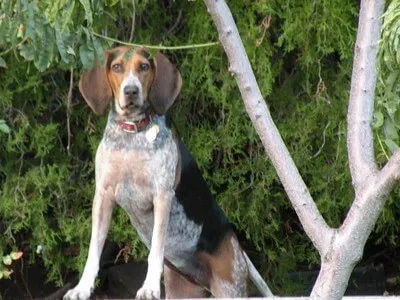
English Coonhound
Health grade BThe English Coonhound is a tireless, scent-driven pack hound—bred to track raccoons over long distances and bay loudly at the base of trees. This is an athlete with an immense prey drive and a voice that will rattle your bones.
- Height53–68 cm
- Weight18–34 kg
- Life expectancy10–12 yrs
- Puppy price1,200–2,500 €
- Energy4/5
The Essentials at a Glance
The English Coonhound is a tireless, scent-driven pack hound—bred to track raccoons over long distances and bay loudly at the base of trees. This is an athlete with an immense prey drive and a voice that will rattle your bones.
- Health grade B: The English Coonhound is a robust working breed, but as a large dog, it remains susceptible to hip dysplasia (HD) and life-threatening gastric dilatation-volvulus (GDV).
- You are looking for an indefatigable partner for mantrailing or tracking work—a simple walk will never be enough to tire out this highly specialized running hound.
- You live in a rural area and ideally have a high-fenced, absolutely escape-proof yard.
- You live in an apartment with thin walls or a dense neighborhood—his breed-typical, loud baying while on a scent is hardwired and cannot be trained away.
Is the English Coonhound right for you?
At a glance
English Coonhound overview
The essentials — key facts, traits, and health priorities — before you dive deeper.
Health grade
Relative to other breeds
S
A
B
C
D
E
Very healthyHigher risk
Solid — a handful of items a good breeder watches.
See full health info & tests →
Note: This health overview is AI-assisted and editorially reviewed. It is for orientation only and does not replace veterinary advice.
Lifespan
10–12 yrs
Height
53–68 cm
Weight
18–34 kg
Practical
- Puppy price: 1,200 – 2,500 €
- Coat: Smooth, short, dense undercoat
- Origin: USA
Temperament
Energy
Trainability
Family fit
With kids
Daily life
Care effort
Shedding
Barking
City-friendly
Guard instinct
What matters most
Especially with a English Coonhound, choosing the right breeder is the single most important decision you'll make. Serious breeders consistently test the parents for inherited conditions, prioritize healthy early socialization, and stay accountable long after handover. A cheap puppy without health screening tends to become the most expensive dog later on.
See HonestDog breeder standards →Colors & coat
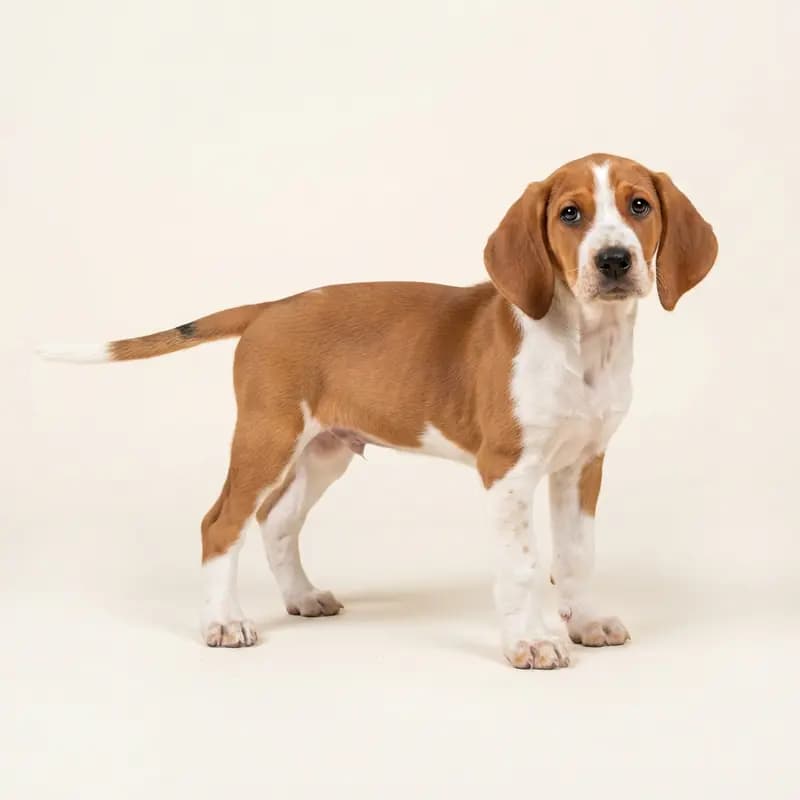
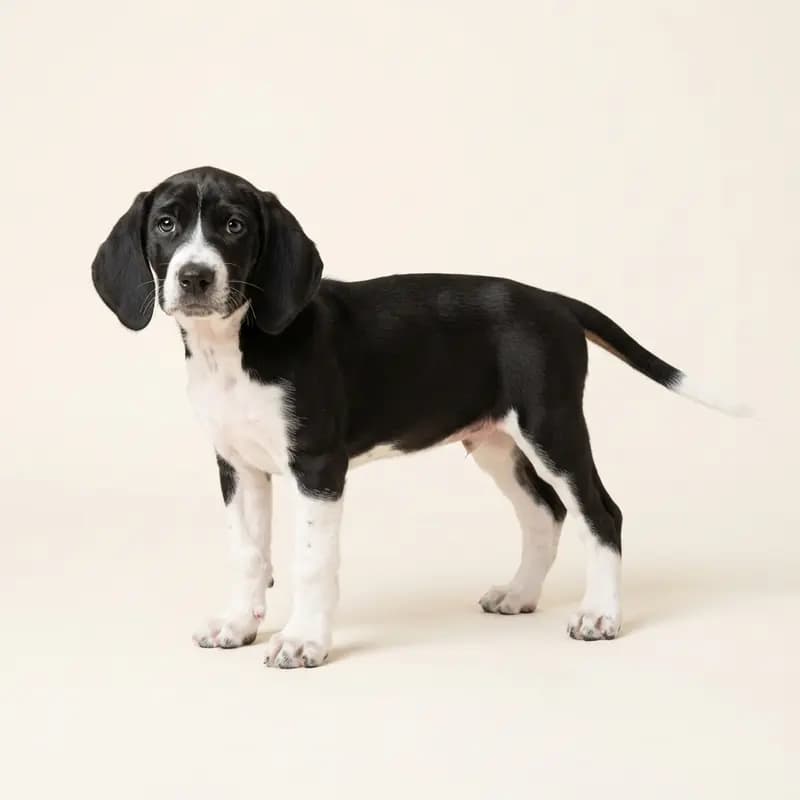
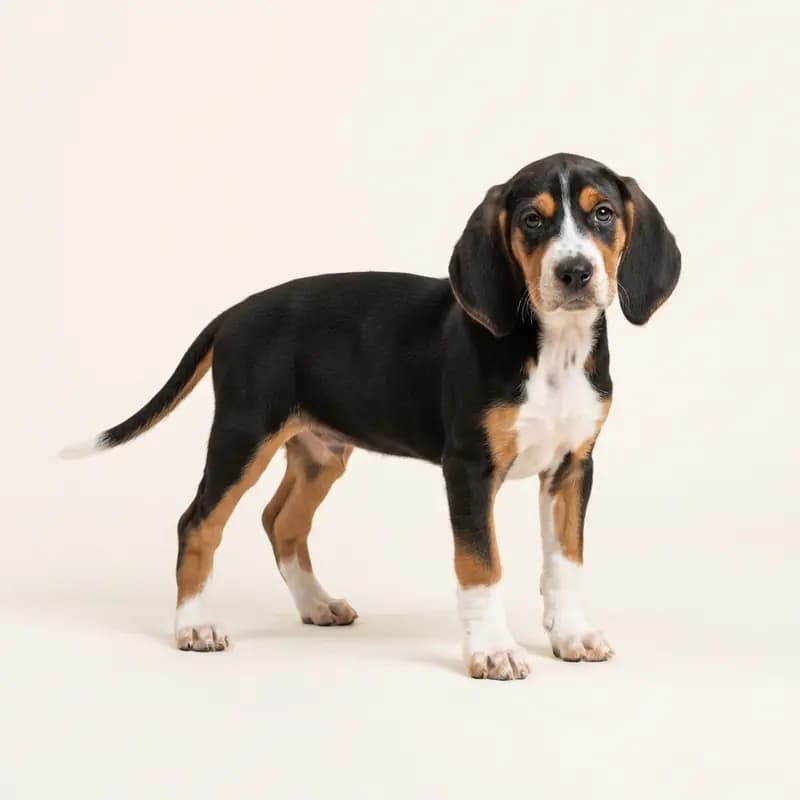
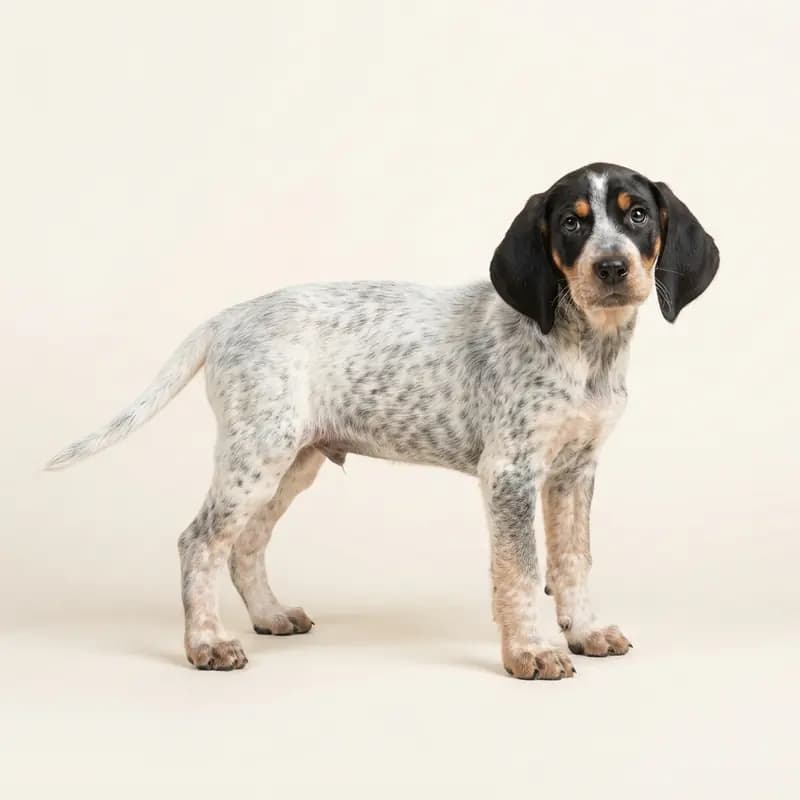
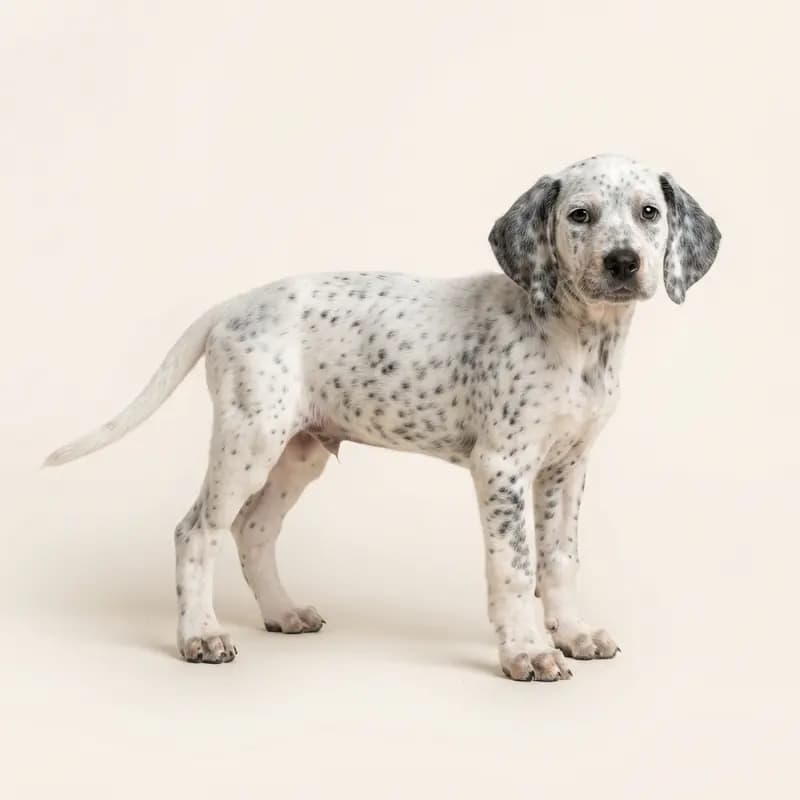
What colors does the English Coonhound come in?
The coat colors you will see in English Coonhound litters — including which ones fall outside the breed standard and which carry genetic risk.


Eye colors
 Brown
Brown
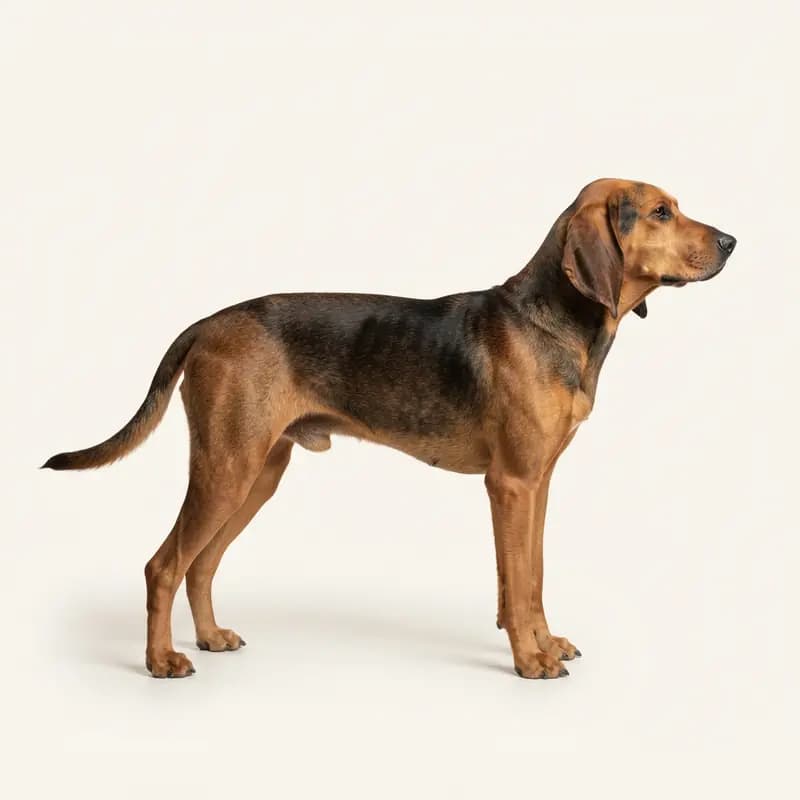
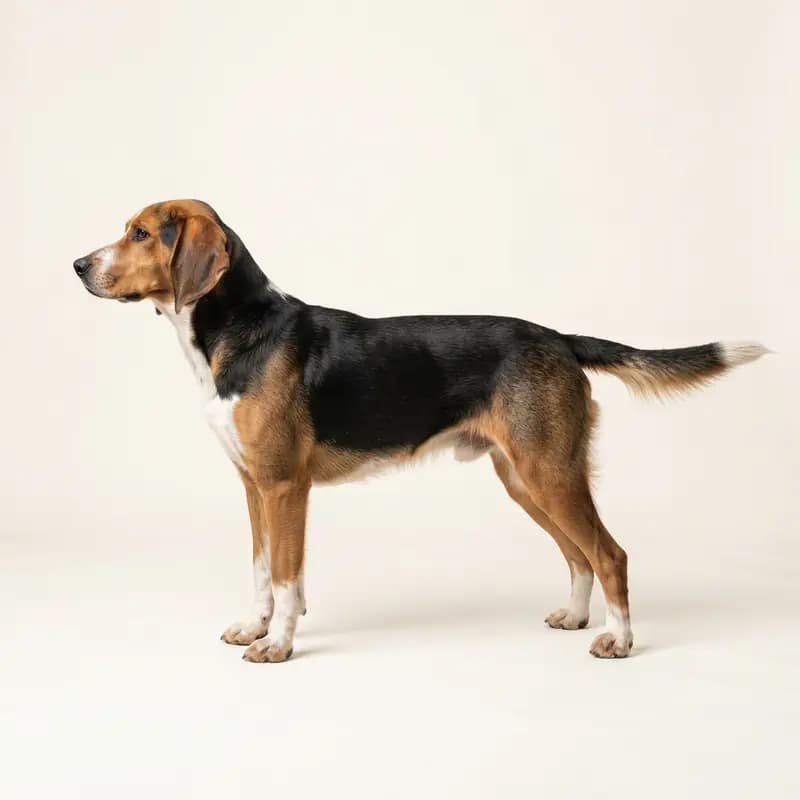
Coat type
 Illustrative image
Short
 Illustrative image
Medium
 Smooth
 Double coat
Is the English Coonhound right for you?
The English Coonhound is a tireless, scent-driven pack hound—bred to track raccoons over long distances and bay loudly at the base of trees. This is an athlete with an immense prey drive and a voice that will rattle your bones.
Perfect for you if:
- You are looking for an indefatigable partner for mantrailing or tracking work—a simple walk will never be enough to tire out this highly specialized running hound.
- You live in a rural area and ideally have a high-fenced, absolutely escape-proof yard.
- You have plenty of patience for long-line training and stay calm when a fresh scent suddenly becomes more important than your recall.
- You might already have a confident dog at home, as this classic pack hound truly appreciates canine company.
Less ideal if:
- You live in an apartment with thin walls or a dense neighborhood—his breed-typical, loud baying while on a scent is hardwired and cannot be trained away.
- You expect a dog that will reliably stay by your side off-leash during forest walks the moment game crosses your path.
- You have cats or small pets in the house, which he will simply view as prey due to his selective breeding.
The real vibes check
An English Coonhound is like an off-road vehicle with a built-in navigation system programmed exclusively for animal tracks. As soon as his nose hits the ground, his hearing for human commands often switches off while his impressive voice switches on. If you channel this primal hunting force through real scent work, he will reward you at home by being an amazingly gentle and cuddly companion.
Self-check
Would the English Coonhound really fit your life?
Answer 6 quick questions about your everyday life and see how well the English Coonhound fits you — including an honest cost estimate per month, per year, and across the dog's lifetime.
Fit checkCost estimateRisk dice
Takes about 1 minute · free & anonymous
Breed Profile
The English Coonhound has an elegant appearance with a slim, muscular body and long, straight legs. His head is of medium length with a slight stop, and he has large, expressive eyes that have a friendly and intelligent appearance. The ears are long and drooping, and the tail is also long, often carried cheerfully. The FCI does not list the English Coonhound as an independent breed, but in the USA it is recognized by the United Kennel Club (UKC) and the American Kennel Club (AKC), where it belongs to the group of coonhounds. There are no specific show or performance lines as the English Coonhound is bred primarily as a working dog, but there are differences in colors and sizes within the breed.
All measurements in detail
- Height
- 53 - 64 cm (Female), 56 - 68 cm (Male)
- Weight
- 18 - 29 kg (Female), 23 - 34 kg (Male)
- Life Expectancy
- 10 - 12 yrs
- Character
- Energetic, Intelligent, Social
- Coat
- Smooth, short, dense undercoat
- Coat Color
- Red with white, blue with white, tricolor (red, blue and white)
- Price
- 1200 - 2500 €
Character & Temperament
The English Coonhound is a working dog through and through. His main job was hunting, and he was known to have incredibly keen instincts and stamina. If you are looking for a dog that loves to run, play and work, then the English Coonhound could be the one for you. Because of their hunting background, English Coonhounds are very energetic and require a lot of exercise. They love being outside and are great for active families who enjoy hiking or jogging. However, without enough exercise and mental stimulation, they can become restless and destructive. Their strong hunting instinct also means that they sometimes tend to follow interesting smells without paying attention to their surroundings. It is therefore important that they are kept in a safe area and kept on a leash during walks unless you are absolutely sure that they are accessible. Something you'll probably notice quickly is the "coonhound barking." These dogs are known for having a unique style of barking, often described as a tune. This may initially be charming to some, but it is important to remember that this can be disruptive in a residential area. English Coonhounds are very social animals and love being in the company of people and other dogs. They are generally friendly and good with children. When it comes to strangers, they can be a little reserved at first, but they are usually not aggressive. It is also important to know that English Coonhounds sometimes have difficulty staying alone. They can develop separation anxiety if they are not properly prepared. It is therefore important to teach them from a young age that it is okay to be alone sometimes.
| Trainability Has its own ideas and will test limits. | Strong-willed |
| Watchfulness Reports unusual activity but stays controlled. | Moderate |
| Openness to Strangers Warms up quickly and is generally welcoming. | Friendly |
| Hunting or Herding Drive This drive runs deep — no amount of training eliminates it. | Very strong |
Fun Fact!
English Coonhounds are masters of tree barking, meaning they pursue their prey (usually raccoons) until it climbs a tree, and then they bark to alert the hunter. These dogs can bark tirelessly for hours!
What Awaits You
The sight of the American English Coonhound running through the moonlit woods, full of sinew and determination, bellowing his lustful night music, is a coon hunter's paradise.
Housing & Care
English Coonhounds are active dogs and do best in a home with a large, fenced yard where they can express their energy. They don't necessarily make the best city dogs unless you're able to provide them with enough exercise and mental stimulation on a daily basis. They generally get along well with children, but should always be supervised to ensure play does not become too rough. Regarding other pets, such as cats, it should be noted that coonhounds have a strong hunting instinct and it is important to socialize them properly from an early age.
- Family Friendly
Loves family life and thrives in a group.
Family-oriented - Child Friendly
Takes boisterous and affectionate children in its stride.
Patient with children - Dog Friendly
Usually gets on fine with other dogs.
Generally tolerant - City Friendly
Can manage in the city, but only with very active owners.
Difficult in cities
Owning a dog is a privilege, but it's also a real responsibility. Before you bring one into your life, be honest with yourself about the commitment it takes.
Training & Education
Training the English Coonhound can be a challenging but rewarding experience. They are intelligent and eager to learn, but their strong sense of smell can sometimes distract them. They are naturally active dogs and are well suited to activities such as mantrailing, agility or even as tracking dogs. However, because they have such a strong hunting instinct, it is important to offer them alternatives such as nose work so that they can express their instinct in an acceptable way. It is also important to teach them frustration tolerance and impulse control to ensure they are well-behaved pets. The English Coonhound can have a tendency to become a ball junkie, so it is important to moderate ball games and not make them the main form of activity.
Nutrition & Care
The English Coonhound's diet should be balanced and nutritious. Because of their high energy and activity, they require a diet with sufficient protein and fat. It is important to keep an eye on the amount of food to avoid obesity, which can lead to health problems. Fresh water should always be available. In terms of grooming, the English Coonhound has a smooth, short coat with a dense undercoat. The coat sheds moderately and requires regular brushing to remove dead hair and keep the coat clean and shiny. Because they have an undercoat, they can cope with the German climate as long as they are protected from extreme weather conditions.
| Care Level Minimal effort — occasional brushing and bathing. | Low-maintenance |
| Exercise Needs Needs several hours of serious exercise every day. | Very active |
| Shedding No or minimal hair loss — suitable for allergy sufferers. | No shedding |
| Trainability Has its own ideas and will test limits. | Strong-willed |
Our experts are still reviewing this information. Spotted something wrong? Email us at info@honestdog.de.
Health & hereditary diseases
Health
B
Solid
Health grade
The English Coonhound is a robust working breed, but as a large dog, it remains susceptible to hip dysplasia (HD) and life-threatening gastric dilatation-volvulus (GDV). Since there are few standardized genetic tests established for this breed, buyers must pay close attention to the clinical health records of the parent dogs. Coonhound paralysis, a rare neurological condition, should also be kept in mind.
Grade is relative to other breeds — AI-assisted and editorially reviewed.
In daily life this can mean
You should ensure the dog is raised in a way that protects its joints, minimize the risk of bloat through proper feeding management, and schedule regular check-ups for the eyes and heart.
The breeder's role
Reputable breeders have the hips, elbows, eyes, thyroid, and hearts of the parent animals tested to specifically reduce health risks in the lineage.
Note: This health overview is AI-assisted and editorially reviewed. It is for orientation only and does not replace veterinary advice.
No Health Tests Available
No specific health tests are currently available for this breed.
Costs & where to find one
How much does a English Coonhound cost?
A English Coonhound costs around ~€180 per month (€100 – €340, depending on your setup). The first year adds up to roughly ~€4,860 including purchase, equipment and puppy school; across the dog's life (11 years) it comes to about ~€26,650.
With surgery cover, running costs come to about ~€180 per month — in return, your share of a major operation drops from several thousand euros to around 20 percent.
Per month
~€180
In the first year
~€4,860
Across the dog's life
~€26,650
Purchase from a breeder: €1,200 – €2,500
Estimate at a mid-range setup (suburban, dry food, 1–2 hours of daily exercise), average German prices, as of July 2026.
Calculate your personal costs1-minute self-check with your own answers
Looking for a English Coonhound?
HonestDog Concierge
No verified English Coonhound breeders on HonestDog yet
We currently have no breeders for this breed who have passed our verification. Create your short buyer profile: we'll set up your search alert, review a possible source and email you within 28 days.
Appearance, variants & origin
History
The full history
The English Coonhound is an American breed that evolved from the Foxhound. Its history began in the 17th and 18th centuries when European settlers brought foxhounds from England to the United States. These dogs were used for fox hunting, but settlers needed dogs that could also hunt raccoons and other game. So they crossed the Foxhounds with other hunting dogs, and that's how the English Coonhound was created. He was bred specifically for coon hunting, i.e. hunting raccoons, and he is known for relentlessly pursuing his target, often all night long. The United Kennel Club recognized the English Coonhound as a separate breed in 1905, and the American Kennel Club followed suit in 2011.
Original Use
The English Coonhound was bred to hunt raccoons in American forests.
Origin
USA
Date
1700
Owner experiences
What owners say about the English Coonhound
Sarah M., Halterin aus Hamburg (Hündin, seit 2020)
Als wir unsere Coonhound-Hündin vor einigen Jahren bekamen, wurden wir im Vorfeld leider ziemlich falsch über die Intensität dieser Rasse aufgeklärt. Die ersten zwei Jahre haben mich emotional fast an meine Grenzen gebracht. Sie war der mit Abstand herausforderndste Hund, den ich je hatte, und ich kann heute wirklich jeden verstehen, der in der Welpen- und Junghundphase an seine Grenzen stößt und überfordert ist.
Was uns damals gerettet hat, war eine Kombination aus extrem viel Bewegung, konsequentem Training und der Auslastung über Suchspiele. Man muss in der ersten Zeit einfach die Zähne zusammenbeißen und durchhalten. Heute ist sie eine absolut wunderbare Begleiterin. Und was ich anfangs nie geglaubt hätte: Sie hat sich im Haus tatsächlich zu einer echten Couch-Potato entwickelt. Sie zeigt keinerlei Aggressionen und ist einfach nur liebenswert – man muss nur die anstrengende Anfangszeit überstehen.
Thomas B., Halter aus dem Sauerland (Rüde, seit 2023)
Ich hatte vor unserem English Coonhound jahrelang Erfahrung mit Vorstehhunden, aber absolut keine mit Hounds. Der Unterschied ist gewaltig! Während meine früheren Jagdhunde sich beim Laufen immer wieder nach mir umgeschaut und rückversichert haben, erwartet der Coonhound schlichtweg, dass ich gefälligst mit ihm mithalte. Diese Hunde wurden dafür gezüchtet, lautstark und extrem eigenständig zu jagen, und genau das merkt man im Alltag.
Was mich am meisten überrascht hat, ist dieser extreme Widerspruch in ihrem Charakter: Sie sind einerseits unglaublich unabhängig, andererseits aber tief an uns gebunden und extrem sensibel. Wenn man zu streng oder grob zu ihnen ist, sind sie sofort zutiefst in ihren Gefühlen verletzt. Außerdem ist das Schnüffeln für sie lebensnotwendig. Unsere täglichen Spaziergänge sind oft gar nicht weit, weil wir an jedem einzelnen Grashalm und Ast stehenbleiben müssen, damit er alles genauestens untersuchen kann.
Julia S., Halterin aus Freiburg (Hündin, seit 2022)
Als wir unsere Hündin bekamen, wussten wir anfangs gar nicht genau, was in ihr steckt, bis ein Test zeigte, dass sie ein Coonhound-Mix ist. Mittlerweile haben wir uns gut auf ihre Eigenheiten eingestellt. Sie hat im Grunde nur zwei extreme Modi: Volldampf oder Tiefschlaf. Ein Dazwischen gibt es bei ihr kaum. Wenn wir draußen sind, will sie rennen, spielen, alles neugierig erkunden und ihre Nase einsetzen. Sobald wir aber wieder im Haus sind, schläft sie stundenlang tief und fest.
Um sie geistig müde zu bekommen, arbeiten wir viel mit Suchspielen im Freien und Intelligenzspielzeug. Sie ist zum Glück extrem futtermotiviert, was das Training mit Leckerlis sehr erleichtert. Man muss sich einfach darauf einstellen, dass diese Hunde eine enorme Neugier und Energie mitbringen, die man aktiv in die richtigen Bahnen lenken muss, bevor sie sich selbst eine Beschäftigung suchen.
Paraphrased from real owner reports
Loading owner stories
FAQ & more
Frequently asked questions about the English Coonhound
Is a English Coonhound the right dog for me?
The English Coonhound is an active dog that needs plenty of exercise and mental stimulation. Research the temperament, grooming needs, and space requirements before deciding.
How long does a English Coonhound live?
The average life expectancy of a English Coonhound is 10-12 years. With proper care and regular vet visits, your dog can live a long, healthy life.
How much grooming does a English Coonhound need?
English Coonhound grooming requirements include regular brushing, nail trimming, and dental care. HonestDog provides detailed grooming tips for every breed.
Is a English Coonhound good for families with children?
The English Coonhound can be a great family dog. Proper training and socialization are key. HonestDog provides family suitability information for every breed.
What colors does the English Coonhound come in?
The English Coonhound comes in these colors: Red and white, Black and white, Tricolor, Black and tan, Roan, Spotted, Brindle. Colors that fall outside the breed standard are marked as such on the breed page.
Loading related articles
Are you a English Coonhound breeder?
Showcase your kennel on HonestDog and reach families searching for a responsibly bred English Coonhound.
Why HonestDog?
What makes HonestDog different from other platforms
Full transparency
We lay out what we have: who the breeder is, how they work, and any health records they've uploaded. So you can judge for yourself.
Responsible breeding, assured
Every breeder on HonestDog has their identity and documents checked before their profile goes live. Health records they upload are shown on the profile, so you can see exactly what has been tested.
Trust and verification
We verify breeders and buyers alike, so every conversation happens on solid ground. It's a new standard of trust in dog breeding.
Less hassle, more time
We've already checked the breeders' documents and gathered the details, so you can skip the endless research and focus on finding the right puppy for your family.
Our Mission

We connect dog lovers with responsible breeders and shelters to ensure every dog finds the perfect home.
Founded by dog enthusiasts, our platform focuses on ethical dog breeding and adoption.
Why HonestDog?
We connect you with vetted breeders and shelters so you can find your — your new companion — with confidence.
Vetted Partners
Only verified breeders and shelters — for a safe start.
Highest Standards
Every animal's health and wellbeing is our top priority.
Guides & Resources
Guides, checklists, and breed profiles — so you can make a well-informed decision.