Loading breed
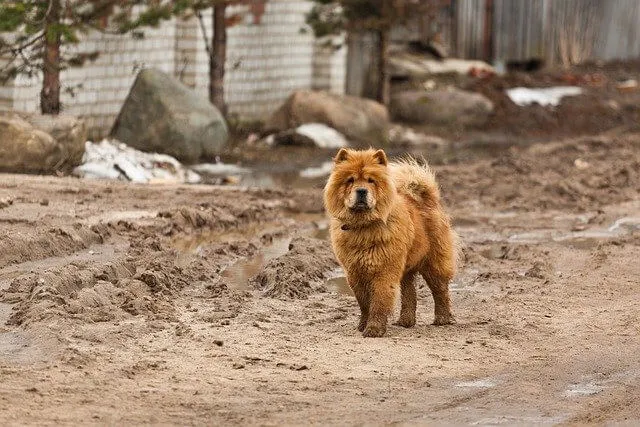
Chow Chow
Health grade DThe Chow Chow is an extremely independent, dignified, and aloof dog—a self-sufficient primitive Spitz type that was bred in China as a guard, sled, and hunting dog, and has retained an almost cat-like independence to this day.
- Height46–56 cm
- Weight20–32 kg
- Life expectancy9–15 yrs
- Puppy price1,500–3,000 €
- Energy2/5
The Essentials at a Glance
The Chow Chow is an extremely independent, dignified, and aloof dog—a self-sufficient primitive Spitz type that was bred in China as a guard, sled, and hunting dog, and has retained an almost cat-like independence to this day.
- Health grade D: The Chow Chow is rated D for health, as it has a significant risk of breed-specific problems such as hip dysplasia (HD), elbow dysplasia (ED), and painful eye conditions like ectropion / entropion.
- You appreciate a dog that views you as an equal partner rather than waiting for your every command—blind obedience goes against his primitive Urtyp-Hardware.
- You already have experience with strong-willed breeds and bring plenty of patience for training based on mutual respect.
- You expect him to drop everything the moment you call—as an Asian guard dog, he prefers to decide for himself whether your request is actually important enough.
Is the Chow Chow right for you?
At a glance
Chow Chow overview
The essentials — key facts, traits, and health priorities — before you dive deeper.
Health grade
Relative to other breeds
S
A
B
C
D
E
Very healthyHigher risk
Elevated risk — responsible breeding really matters.
See full health info & tests →
Note: This health overview is AI-assisted and editorially reviewed. It is for orientation only and does not replace veterinary advice.
Lifespan
9–15 yrs
Height
46–56 cm
Weight
20–32 kg
Practical
- Puppy price: 1,500 – 3,000 €
- Coat: Dense, either smooth or rough, dense undercoat
- Origin: China
Temperament
Energy
Trainability
Family fit
With kids
Daily life
Care effort
Shedding
Barking
City-friendly
Guard instinct
What matters most
Especially with a Chow Chow, choosing the right breeder is the single most important decision you'll make. Serious breeders consistently test the parents for inherited conditions, prioritize healthy early socialization, and stay accountable long after handover. A cheap puppy without health screening tends to become the most expensive dog later on.
See HonestDog breeder standards →Colors & coat
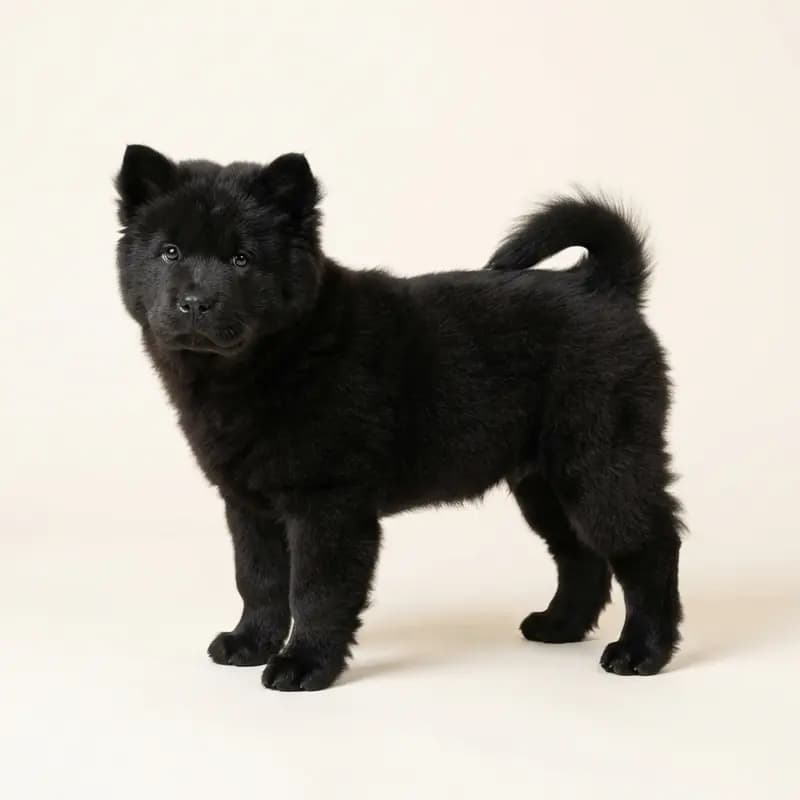
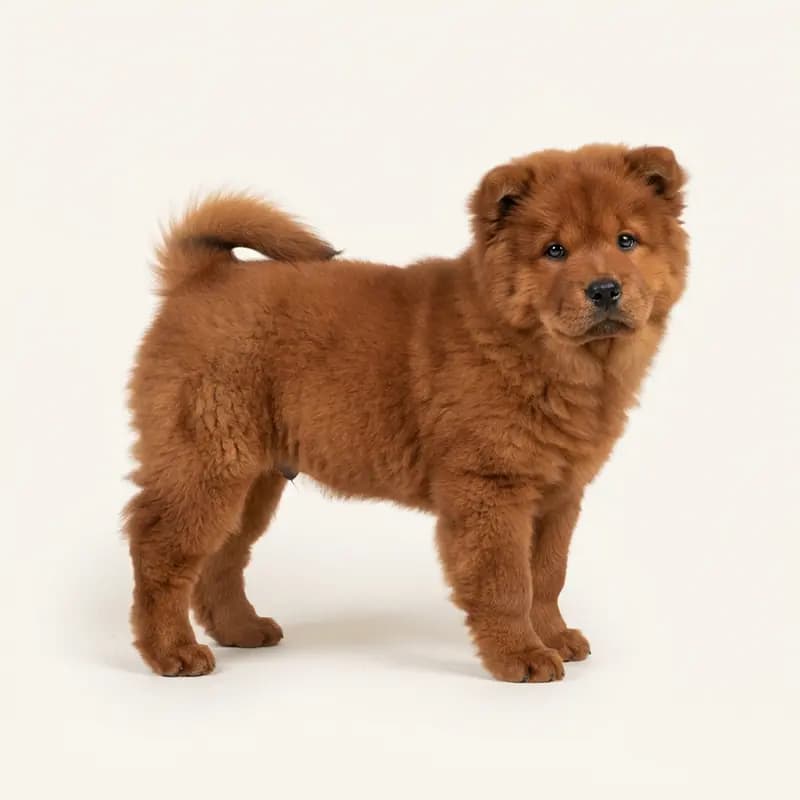
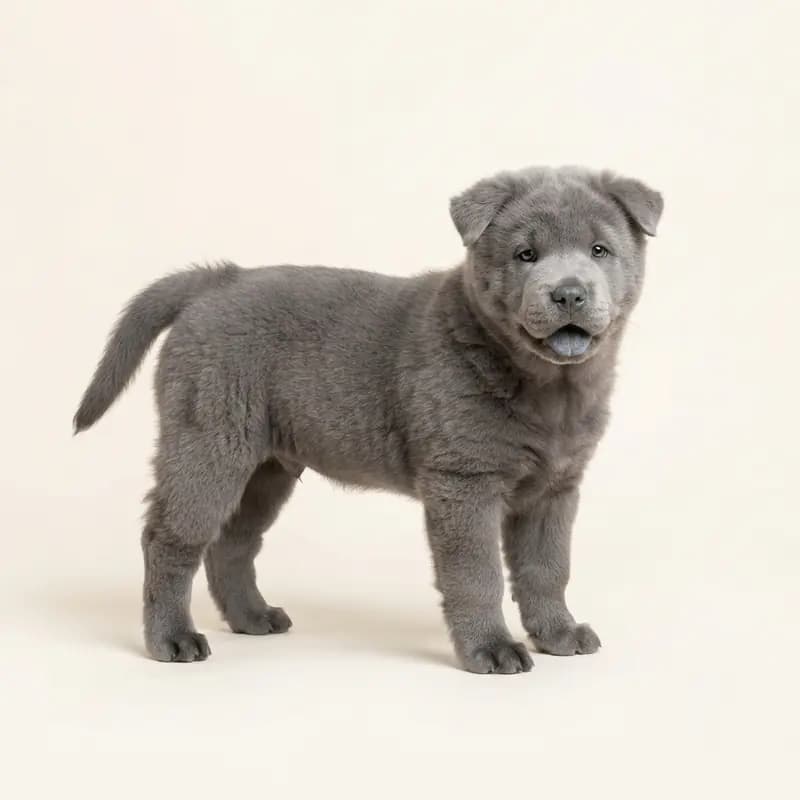
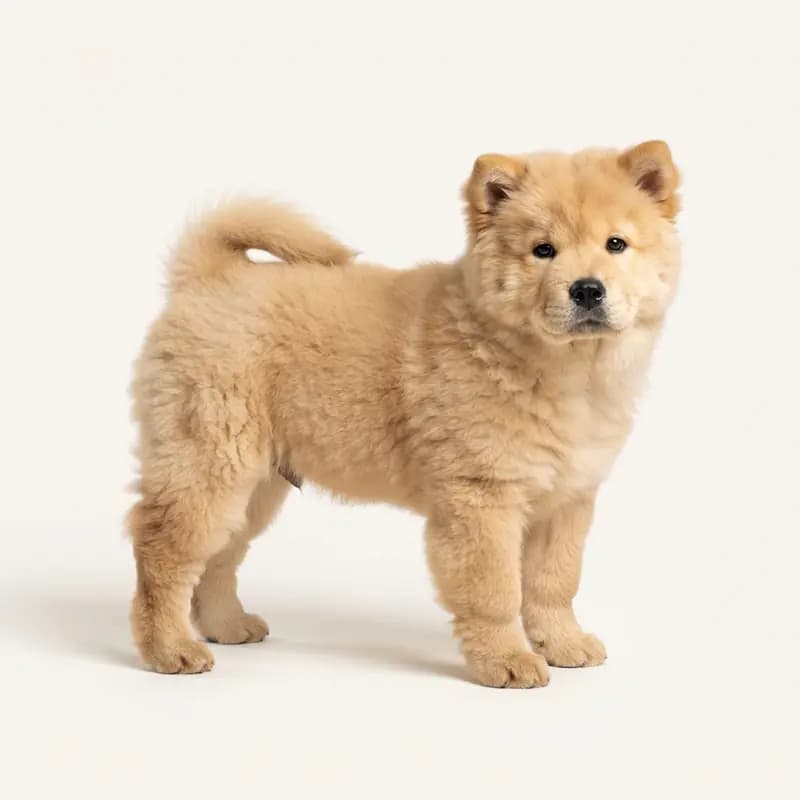
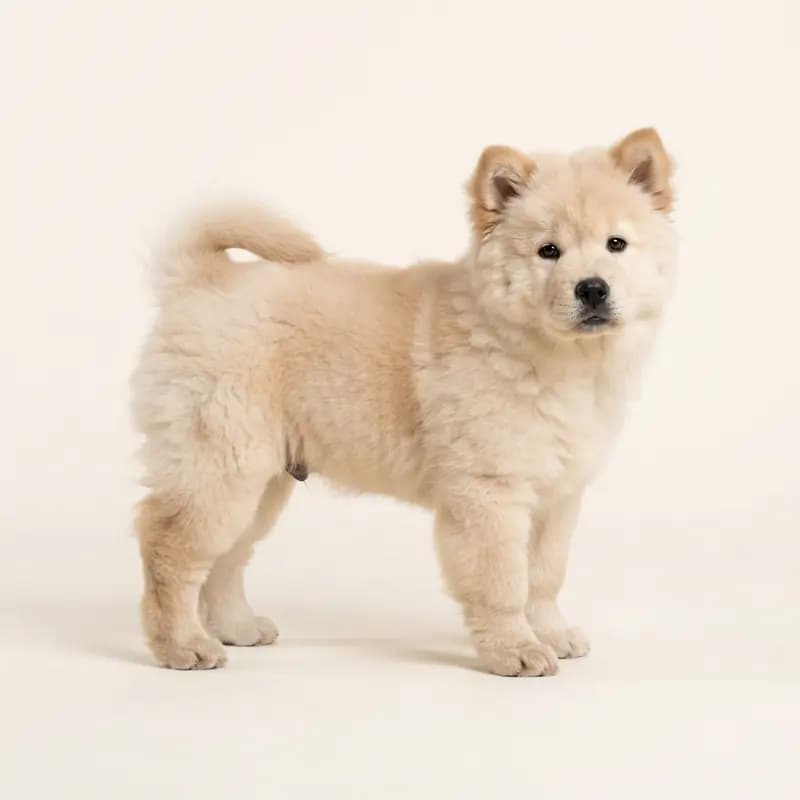
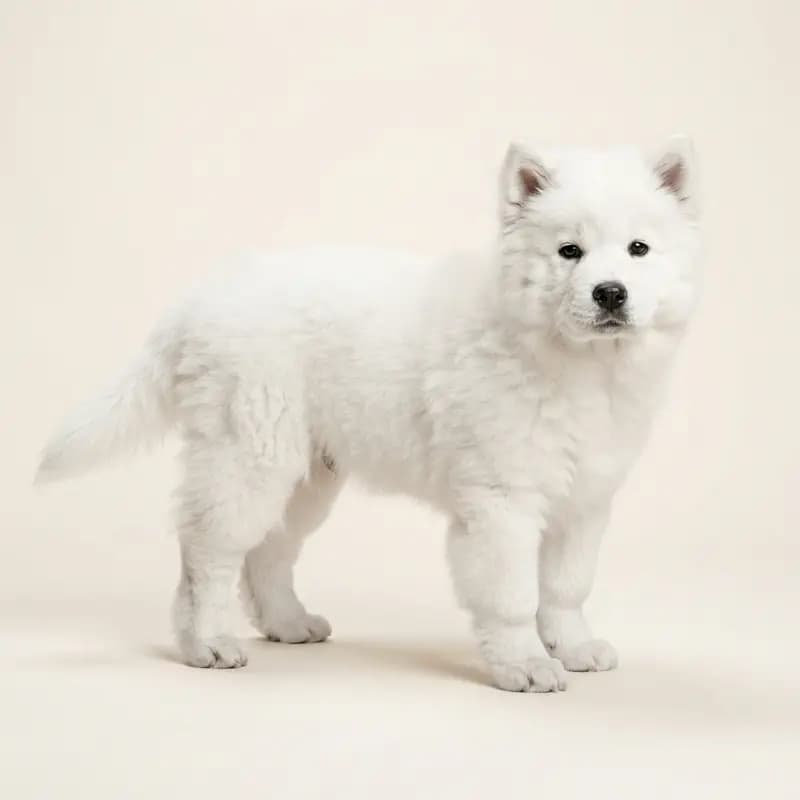
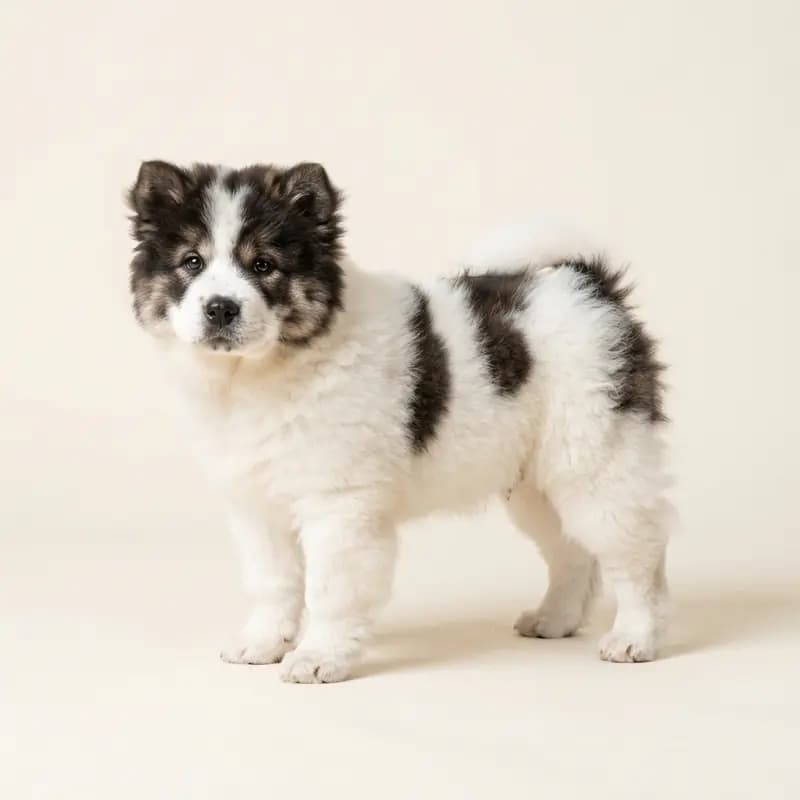
What colors does the Chow Chow come in?
The coat colors you will see in Chow Chow litters — including which ones fall outside the breed standard and which carry genetic risk.
Eye colors
 Brown
Brown
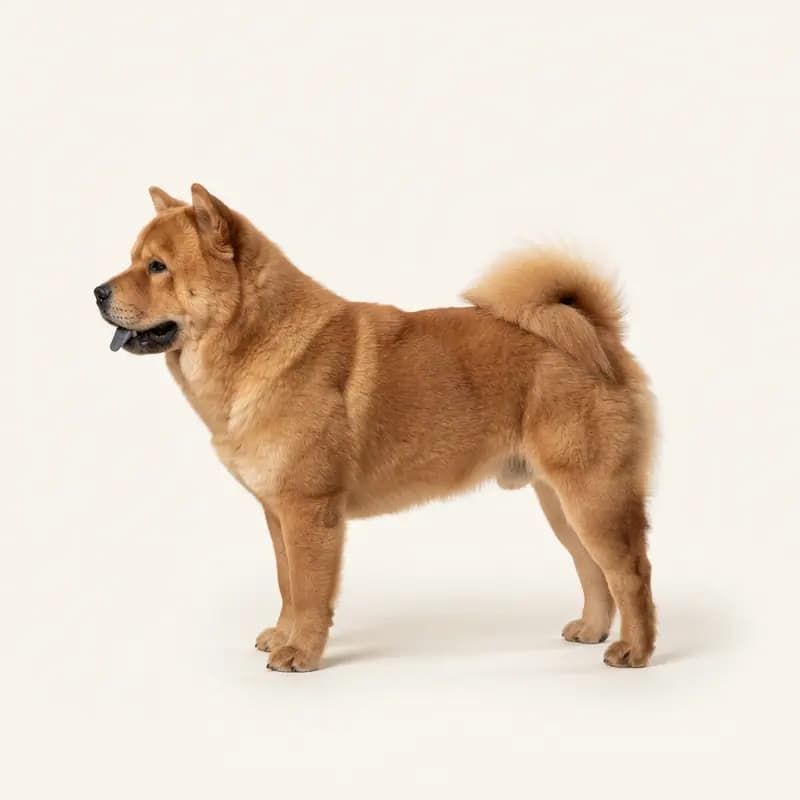
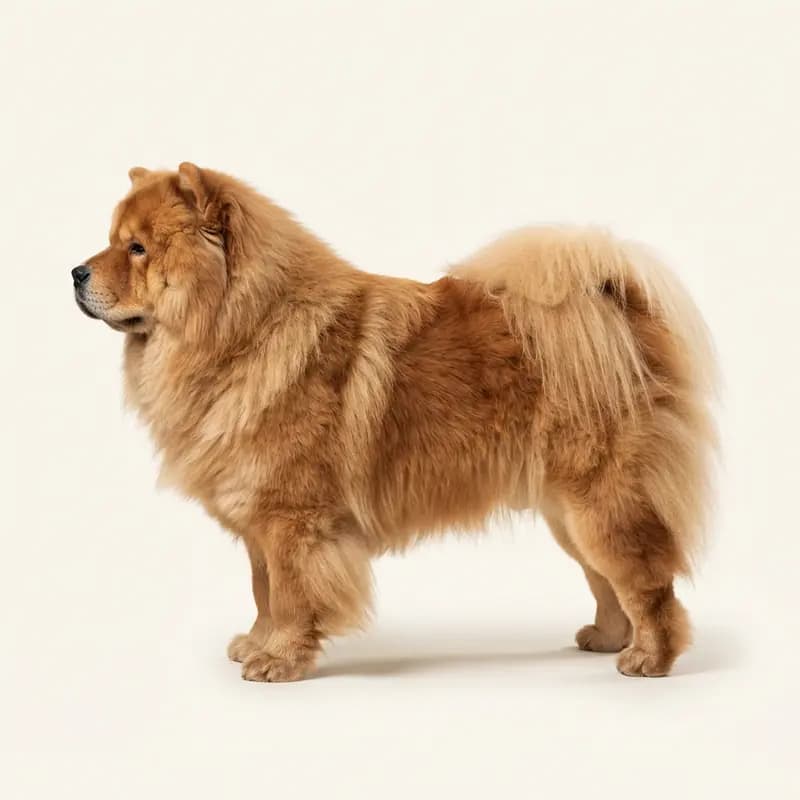
Coat type
 Illustrative image
Short
 Illustrative image
Long
 Smooth
 Double coat
Is the Chow Chow right for you?
The Chow Chow is an extremely independent, dignified, and aloof dog—a self-sufficient primitive Spitz type that was bred in China as a guard, sled, and hunting dog, and has retained an almost cat-like independence to this day.
Perfect for you if:
- You appreciate a dog that views you as an equal partner rather than waiting for your every command—blind obedience goes against his primitive Urtyp-Hardware.
- You already have experience with strong-willed breeds and bring plenty of patience for training based on mutual respect.
- You can offer a calm home, ideally with a well-secured garden that he can observe and guard to his heart's content.
- You are looking for a laid-back companion for relaxed daily walks rather than an endurance-focused sports partner.
Less ideal if:
- You expect him to drop everything the moment you call—as an Asian guard dog, he prefers to decide for himself whether your request is actually important enough.
- You have a chaotic household with constant visitors or small children, as he is naturally extremely suspicious and reserved toward strangers.
- You are looking for a clingy 'cuddle dog' that demands constant physical closeness and joyfully throws itself at every person it meets.
The real vibes check
A Chow Chow is not a classic companion dog that lives to please you—he is like a dignified cat in a bear suit who decides entirely on his own when to allow affection. You aren't getting a submissive follower, but a loyal, silent guardian whose trust and respect you must honestly earn anew every single day.
Self-check
Would the Chow Chow really fit your life?
Answer 6 quick questions about your everyday life and see how well the Chow Chow fits you — including an honest cost estimate per month, per year, and across the dog's lifetime.
Fit checkCost estimateRisk dice
Takes about 1 minute · free & anonymous
Breed Profile
The Chow Chow, often called the "lion dog" is an impressive breed of dog. With its powerful build, thick fur around its neck and distinctive blue tongue, it is one of the most unique breeds in the world. His striking and serious facial expression gives him a regal appearance, which is underlined by his stoic and calm personality. This majestic breed belongs to FCI Group 5, Section 5: Asian Spitz and related breeds. The Chow Chow has no distinction between performance and show lines as it has not traditionally been bred for specific work tasks. Instead, he was valued for his striking appearance and unique character.
All measurements in detail
- Height
- 46 - 51 cm (Female), 48 - 56 cm (Male)
- Weight
- 20 - 25 kg (Female), 25 - 32 kg (Male)
- Life Expectancy
- 9 - 15 yrs
- Character
- Independent, calm, loyal
- Coat
- Dense, either smooth or rough, dense undercoat
- Coat Color
- Black, Blue, Cinnamon, Cream, Red
- Price
- 1500 - 3000 €
Character & Temperament
The Chow Chow is known for its independent and reserved temperament. He is not an exuberant or extroverted dog, but rather a calm and relaxed companion. This makes him an excellent house dog as he is not prone to excessive barking or restlessness. Although the Chow Chow is an independent breed, it is very loyal to its people and can form strong bonds with its family. He is rather vigilant and can deal with strangers be reserved. This makes him a good guard dog that will protect his territory and his family. The Chow Chow is not particularly playful and prefers to spend its days calmly and calmly. He can learn to stay alone, but he also needs the company of his family. He is an intelligent animal that can do well on his own as long as he receives enough mental and physical stimulation. Although the Chow Chow does not have a strong hunting behavior, it should still be well supervised and kept safe as its independence can sometimes lead to it following its own path. This dog is best kept in a home with a secure garden or yard where he can move freely and explore his surroundings.
| Trainability Has its own ideas and will test limits. | Strong-willed |
| Watchfulness A natural watchdog with real protective instinct. | High |
| Openness to Strangers Neither pushily friendly nor suspicious. | Neutral |
| Hunting or Herding Drive Mild interest in movement and small animals — easily managed. | Low |
Fun Fact!
Did you know that the Chow Chow is one of the oldest dog breeds in the world and its history may date back up to 3,000 years?
What Awaits You
Chow Chows are very independent dogs, with little motivation to work with people. They can be territorial, especially towards other dogs. Chow Chows have a high hunting motivation.
Housing & Care
Chow Chows are rather calm dogs that can live well in urban environments as long as they receive enough exercise and mental stimulation. They are not particularly playful, preferring quieter activities. They generally get along well with older children, but can become stressed if played too roughly by younger children. The breed is rather independent and can be a bit reserved around strangers. This means they may not be the best choice for households with lots of visitors or other pets. They can learn to get along with cats and other dogs if they are introduced to it from an early age, but their independence can make it difficult for them to form close relationships with other animals.
- Family Friendly
Loves family life and thrives in a group.
Family-oriented - Child Friendly
Gets on well with children — with adult supervision.
With supervision - Dog Friendly
Can get on with dogs it knows — strangers are a different story.
With familiar dogs - City Friendly
City-appropriate with enough exercise and stimulation.
Manageable in cities
Owning a dog is a privilege, but it's also a real responsibility. Before you bring one into your life, be honest with yourself about the commitment it takes.
Training & Education
Chow Chows are intelligent dogs, but they can also be a bit stubborn. Therefore, a positive and patient parenting method is most effective. They benefit from mental stimulation and can learn a range of commands and tricks. However, they tend to be independent and have their own agenda, so training can be challenging. It is important to socialize the Chow Chow from an early age and introduce him to a variety of people, places and situations. This can help reduce his natural suspicion of strangers and make him a well-adjusted dog. Chow Chows are not particularly active and do not require as much exercise as some other breeds. However, you enjoy regular walks and should get daily exercise to stay healthy and fit. It is important to be careful not to overexercise them, especially in hot weather, as they can be susceptible to heat stroke.
Nutrition & Care
Chow Chows need a balanced diet to stay healthy and fit. They tend to be overweight, so it is important to control the amount of food they eat and ensure they get regular exercise. Your food should contain high-quality proteins, fats and carbohydrates, as well as the necessary vitamins and minerals. When it comes to care, the Chow Chow's thick double coat requires a lot of attention. It should be brushed regularly to prevent mats and keep the skin healthy. They typically shed heavily twice a year when they change their undercoat, so during these times more care may be required. The Chow Chow tolerates cold better than heat, so on hot days it should be kept in the shade and protected from overheating.
| Care Level Needs regular professional grooming — time-consuming and costly. | High-maintenance |
| Exercise Needs Enjoys daily movement but isn't a sports dog. | Moderate |
| Shedding Hair everywhere, always — no white clothing survives. | Very heavy |
| Trainability Has its own ideas and will test limits. | Strong-willed |
Our experts are still reviewing this information. Spotted something wrong? Email us at info@honestdog.de.
Health & hereditary diseases
Health
D
Elevated risks
Health grade
The Chow Chow is rated D for health, as it has a significant risk of breed-specific problems such as hip dysplasia (HD), elbow dysplasia (ED), and painful eye conditions like ectropion / entropion. A responsible breeder actively counteracts these risks by having their breeding dogs comprehensively tested and only mating healthy dogs. Before buying, you should definitely ask to see the official test results of the parents: for hip dysplasia (HD), the result should be at least grade C or better, for elbow dysplasia (ED), grade 2 or better, and the eyes must be proven free of ectropion / entropion. In addition, proof of clear patellar luxation (PL) and a finding of freedom from cleft palate and epilepsy are essential for responsible breeding.
Grade is relative to other breeds — AI-assisted and editorially reviewed.
In daily life this can mean
You must strictly limit heat exposure and physical exertion, regularly care for skin folds and eyes, and honestly factor in a significantly higher budget for veterinary care.
The breeder's role
Responsible breeders have hips, elbows, eyes, and thyroids tested and pay close attention to clear airways—though even then, the breed's fundamental risks cannot be completely eliminated.
Note: This health overview is AI-assisted and editorially reviewed. It is for orientation only and does not replace veterinary advice.
No Health Tests Available
No specific health tests are currently available for this breed.
Costs & where to find one
How much does a Chow Chow cost?
A Chow Chow costs around ~€190 per month (€100 – €360, depending on your setup). The first year adds up to roughly ~€5,390 including purchase, equipment and puppy school; across the dog's life (12 years) it comes to about ~€30,770.
With surgery cover, running costs come to about ~€200 per month — in return, your share of a major operation drops from several thousand euros to around 20 percent.
Per month
~€190
In the first year
~€5,390
Across the dog's life
~€30,770
Purchase from a breeder: €1,500 – €3,000
Estimate at a mid-range setup (suburban, dry food, 1–2 hours of daily exercise), average German prices, as of July 2026.
Calculate your personal costs1-minute self-check with your own answers
Looking for a Chow Chow?
Appearance, variants & origin
History
The full history
The history of the Chow Chow goes back more than 2,000 years, making it one of the oldest dog breeds. Its origins lie in Mongolia and northern China, where it was used as a hunting, guard and draft animal. His name "Chow Chow" probably comes from a Cantonese word for "dumplings" or "Ostkram", used by British traders in the 18th century. This breed has a fascinating history that is closely linked to Chinese culture. The Chow Chow was seen as a symbol of wealth and social status in China and was a popular dog in the imperial palaces. He has also been depicted in Chinese mythology and art, and there are numerous legends and stories about this distinctive dog. The Chow Chow was recognized as a separate breed by the American Kennel Club in 1894 and has since become a popular and recognized breed worldwide.
Original Use
Originally used as a hunting, guard and draft dog, the Chow Chow is known for its distinctive blue tongue and lion-like appearance.
Origin
China
Date
Antike
Owner experiences
What owners say about the Chow Chow
Manuel S., Halter aus Baden-Württemberg (Rüde, seit 2013)
Mein Rüde Tao zeigt von Anfang an das typische, reservierte Verhalten, das man dieser Rasse oft nachsagt. Schon als wir ihn mit 14 Wochen vom Züchter abholten, war er uns gegenüber sofort anhänglich und freundlich, ignorierte jedoch den Bekannten, der uns bei der Fahrt begleitete, komplett. Er ist einfach kein Hund, der sich von jedem anfassen lässt.
Wenn Fremde ihn streicheln wollen, weicht er aus oder dreht den Kopf weg. Er ist zwar neugierig, schnuppert an den Leuten und schaut ihnen in die Augen, aber er bestimmt selbst, wer ihn berühren darf. Das hat absolut nichts mit mangelnder Sozialisierung zu tun, sondern ist einfach sein stolzer Charakter. Wer einen Chow-Chow möchte, muss dieses distanzierte Verhalten gegenüber Fremden akzeptieren.
Sabine T., Hundefreundin aus Hessen (Hündin, 2011)
Eine Freundin von mir wollte unbedingt das Vorurteil widerlegen, dass Chows stur und unerziehbar sind. Sie ging mit ihrer Hündin hochmotiviert in die Hundeschule. Doch mit etwa einem Jahr war Schluss: Die Hündin legte sich mitten im Training einfach hin und machte überhaupt nichts mehr mit. Sie war durch absolut nichts mehr zu motivieren – weder durch Leckerlis noch durch Spielzeug.
Unter Druck erreicht man bei dieser Rasse gar nichts. Herkömmliche Trainingsmethoden scheitern oft, weshalb auch viele Hundeschulen direkt abwinken. Man darf einfach keine Erwartungen wie an einen Schäferhund haben. Die Erziehung funktioniert beim Chow-Chow fast ausschließlich über eine tiefgehende, vertrauensvolle Bindung zum Halter, nicht über Kadavergehorsam.
Janina M., Ersthalterin aus Niedersachsen (Rüde, seit 2021)
Entgegen vieler Ratschläge habe ich mir als ersten eigenen Hund einen Chow-Chow-Welpen geholt. Jetzt, mit knapp acht Monaten, kann ich sagen: Er passt perfekt in unser Leben. Er bellt kaum, macht im Haus nichts kaputt und war extrem schnell stubenrein. Drinnen hat er einen fantastischen 'Ausschalt-Knopf' und ist sehr ruhig, geht aber draußen unheimlich gerne wandern und spazieren.
Wir haben von Anfang an viel Wert auf Impulskontrolle gelegt, was uns im Alltag sehr hilft. Die einzige wirkliche Baustelle, die wir aktuell haben, ist das 'Body Handling'. Er mag es gar nicht, überall angefasst oder gepflegt zu werden, weshalb wir das Bürsten und die Körperpflege sehr kleinschrittig trainieren müssen. Für Anfänger ist die Rasse also durchaus machbar, wenn man konsequent bleibt und sich auf die Besonderheiten einstellt.
Paraphrased from real owner reports
Loading owner stories
Community Posts
FAQ & more
Frequently asked questions about the Chow Chow
Is a Chow Chow the right dog for me?
The Chow Chow is an adaptable dog that adjusts well to various lifestyles. Research the temperament, grooming needs, and space requirements before deciding.
How long does a Chow Chow live?
The average life expectancy of a Chow Chow is 9-15 years. With proper care and regular vet visits, your dog can live a long, healthy life.
How much grooming does a Chow Chow need?
Chow Chow grooming requirements include regular brushing, nail trimming, and dental care. HonestDog provides detailed grooming tips for every breed.
Is a Chow Chow good for families with children?
The Chow Chow can be a great family dog. Proper training and socialization are key. HonestDog provides family suitability information for every breed.
What colors does the Chow Chow come in?
The Chow Chow comes in these colors: Black, Red, Blue, Fawn, Cream, White, Piebald. Colors that fall outside the breed standard are marked as such on the breed page.
Loading related articles
Are you a Chow Chow breeder?
Showcase your kennel on HonestDog and reach families searching for a responsibly bred Chow Chow.
Why HonestDog?
What makes HonestDog different from other platforms
Full transparency
We lay out what we have: who the breeder is, how they work, and any health records they've uploaded. So you can judge for yourself.
Responsible breeding, assured
Every breeder on HonestDog has their identity and documents checked before their profile goes live. Health records they upload are shown on the profile, so you can see exactly what has been tested.
Trust and verification
We verify breeders and buyers alike, so every conversation happens on solid ground. It's a new standard of trust in dog breeding.
Less hassle, more time
We've already checked the breeders' documents and gathered the details, so you can skip the endless research and focus on finding the right puppy for your family.
Our Mission

We connect dog lovers with responsible breeders and shelters to ensure every dog finds the perfect home.
Founded by dog enthusiasts, our platform focuses on ethical dog breeding and adoption.
Why HonestDog?
We connect you with vetted breeders and shelters so you can find your — your new companion — with confidence.
Vetted Partners
Only verified breeders and shelters — for a safe start.
Highest Standards
Every animal's health and wellbeing is our top priority.
Guides & Resources
Guides, checklists, and breed profiles — so you can make a well-informed decision.