Loading breed
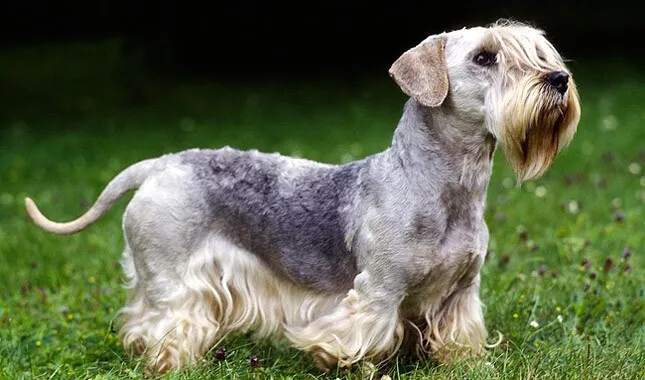
Cesky Terrier
Health grade CThe Cesky Terrier is a calm, surprisingly gentle representative of its kind—bred as a cooperative, short-legged Erdhund (earth dog) designed to work in packs during hunting, without displaying the typical stubbornness or sharpness of other terriers.
- Height25–31 cm
- Weight6–10 kg
- Life expectancy12–15 yrs
- Puppy price1,500–2,500 €
- Energy3/5
The Essentials at a Glance
The Cesky Terrier is a calm, surprisingly gentle representative of its kind—bred as a cooperative, short-legged Erdhund (earth dog) designed to work in packs during hunting, without displaying the typical stubbornness or sharpness of other terriers.
- Health grade C: With eight mandatory health tests, the Cesky Terrier has an above-average genetic burden, primarily affecting the eyes.
- You are looking for the alert charm of a terrier, but with a built-in dimmer switch for stubbornness and constant barking.
- You want a companion that integrates well into an existing pack of dogs—it was specifically selected to work more harmoniously in a pack than its Scottish relatives.
- You expect it to ignore small animals in the forest—despite its gentle nature, it remains a hunter at heart that reacts to movement.
Is the Cesky Terrier right for you?
At a glance
Cesky Terrier overview
The essentials — key facts, traits, and health priorities — before you dive deeper.
Health grade
Relative to other breeds
S
A
B
C
D
E
Very healthyHigher risk
Average — several important tests are expected.
See full health info & tests →
Note: This health overview is AI-assisted and editorially reviewed. It is for orientation only and does not replace veterinary advice.
Lifespan
12–15 yrs
Height
25–31 cm
Weight
6–10 kg
Practical
- Puppy price: 1,500 – 2,500 €
- Coat: Short, smooth, undercoat present
- Origin: Czech Republic
Temperament
Energy
Trainability
Family fit
With kids
Daily life
Care effort
Shedding
Barking
City-friendly
Guard instinct
What matters most
Especially with a Cesky Terrier, choosing the right breeder is the single most important decision you'll make. Serious breeders consistently test the parents for inherited conditions, prioritize healthy early socialization, and stay accountable long after handover. A cheap puppy without health screening tends to become the most expensive dog later on.
See HonestDog breeder standards →Colors & coat
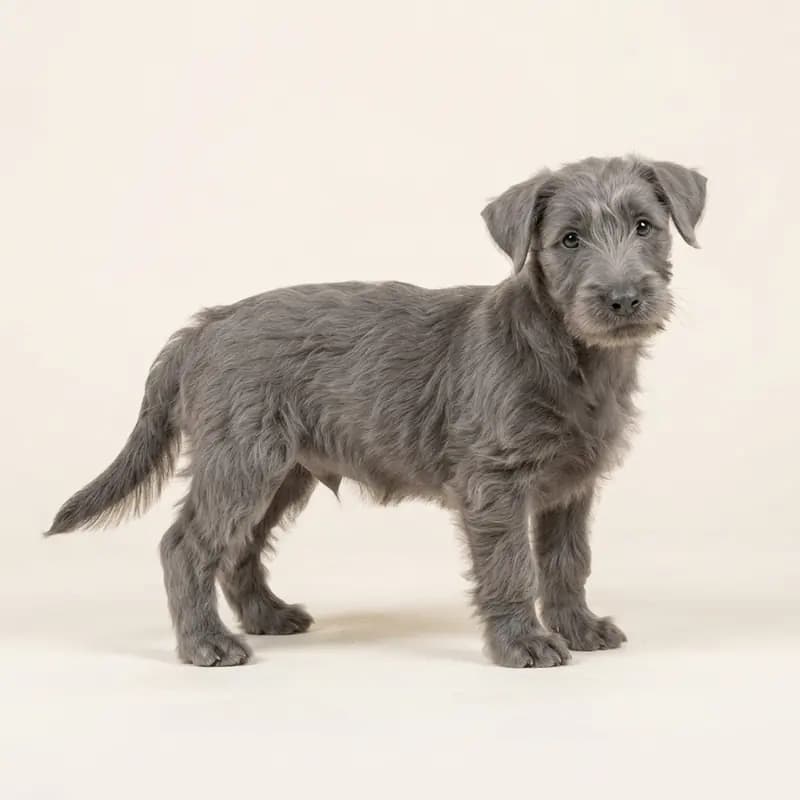
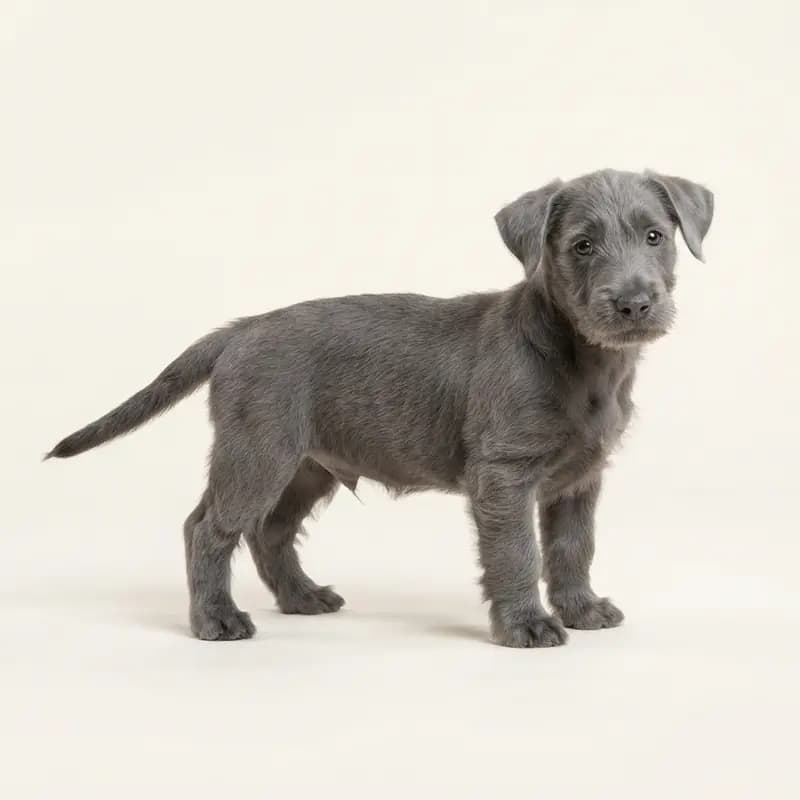
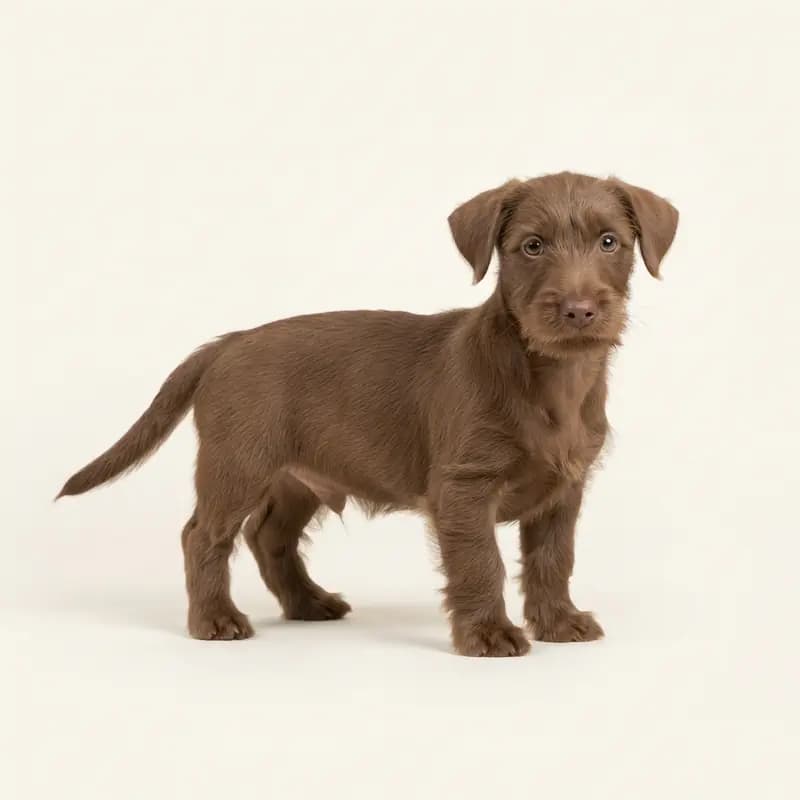
What colors does the Cesky Terrier come in?
The coat colors you will see in Cesky Terrier litters — including which ones fall outside the breed standard and which carry genetic risk.
Eye colors
 Brown
Brown
Coat type
 Long
Long Silky
Silky
Is the Cesky Terrier right for you?
The Cesky Terrier is a calm, surprisingly gentle representative of its kind—bred as a cooperative, short-legged Erdhund (earth dog) designed to work in packs during hunting, without displaying the typical stubbornness or sharpness of other terriers.
Perfect for you if:
- You are looking for the alert charm of a terrier, but with a built-in dimmer switch for stubbornness and constant barking.
- You want a companion that integrates well into an existing pack of dogs—it was specifically selected to work more harmoniously in a pack than its Scottish relatives.
- You offer daily, varied walks in nature where it can put its excellent nose to work.
- You are prepared for regular grooming routines, as its soft, lush coat needs to be clipped every few weeks.
Less ideal if:
- You expect it to ignore small animals in the forest—despite its gentle nature, it remains a hunter at heart that reacts to movement.
- You are looking for a dog that greets every stranger with a wagging tail immediately—it is often reserved at first and prefers to observe from a distance.
- You tend to use a harsh, loud leadership style—this sensitive Czech breed quickly shuts down under pressure and needs calm consistency instead.
- vibesCheck
- A Cesky Terrier is like a Scottish Terrier that has taken a meditation course. It brings the clever alertness and deep loyalty of its ancestors, but skips the constant need to settle every conflict itself. You won't get a hyperactive yapper, but a sensitive companion that loves to keep its nose in the wind outside and prefers to rest closely by your side indoors.
- healthProfile
- Cesky Terriers are generally considered robust dogs, but due to their elongated body structure, they can occasionally have issues with their back, knees, and eyes.
- healthDailyLife
- You should ensure a healthy weight and joint-friendly exercise to relieve the back, as well as schedule regular eye check-ups.
- healthBreederRole
- Reputable breeders have the knees, eyes, and hearts of the parent animals tested and pay attention to a healthy back as well as unburdened neurological lines.
The real vibes check
A Cesky Terrier is like a Scottish Terrier that has taken a meditation course. It brings the clever alertness and deep loyalty of its ancestors, but skips the constant need to settle every conflict itself. You won't get a hyperactive yapper, but a sensitive companion that loves to keep its nose in the wind outside and prefers to rest closely by your side indoors.
Self-check
Would the Cesky Terrier really fit your life?
Answer 6 quick questions about your everyday life and see how well the Cesky Terrier fits you — including an honest cost estimate per month, per year, and across the dog's lifetime.
Fit checkCost estimateRisk dice
Takes about 1 minute · free & anonymous
Breed Profile
The Cesky Terrier is a small but well-proportioned dog that appears strong and robust. Its body is slightly longer than it is tall, giving it a unique but harmonious appearance. His head is pronounced and his expression is lively and intelligent. Its coat is short and smooth with a thick undercoat that protects it from the elements. The Cesky Terrier is a member of FCI Group 3, Terriers. In contrast to many other terrier breeds, the Cesky Terrier does not differentiate between performance and show lines. The aim is to maintain a uniform breed standard that emphasizes both the dog's appearance and working ability.
All measurements in detail
- Height
- 25 - 29 cm (Female), 27 - 31 cm (Male)
- Weight
- 6 - 10 kg (Female), 6 - 10 kg (Male)
- Life Expectancy
- 12 - 15 yrs
- Character
- Intelligent, charming, sociable
- Coat
- Short, smooth, undercoat present
- Coat Color
- Any shade of grey, coffee or yellow
- Price
- 1500 - 2500 €
Character & Temperament
The Cesky Terrier's personality is truly charming. He is known for his intelligence and sociability and has a natural tendency to please people. Unlike some terriers, the Cesky has a rather calm and even temperament and adapts well to different lifestyles. He is neither hyperactive nor particularly calm, but rather in the middle. The Cesky Terrier is very people-oriented and loves spending time with his family. He likes to be there no matter what you are doing and enjoys both active games and cozy evenings on the couch. He is also known to get along well with children and usually gets along well with other dogs and pets as well, provided he is properly socialized. Cesky Terriers are also known to generally do well on their own as long as they are not left alone for long periods of time. As with any dog, training to be alone should be done gradually and positively to avoid stress and possible behavioral problems. As a terrier, the Cesky has a natural hunting instinct and can chase down prey if given the chance. It is important that he learns to control his passion for hunting as a puppy and listens well when called upon. A secured garden and keeping on a leash in areas with wildlife are good precautions.
| Trainability Willing to learn with clear rules and regular training. | Balanced |
| Watchfulness Occasionally alerts but is fundamentally open. | Low |
| Openness to Strangers Warms up quickly and is generally welcoming. | Friendly |
| Hunting or Herding Drive Mild interest in movement and small animals — easily managed. | Low |
Fun Fact!
Did you know that the Cesky Terrier is the only dog breed that originated in the Czech Republic?
What Awaits You
The breed, initially known as the "Bohemian Terrier", was exhibited for the first time in 1959 under the name "Cesky Terrier". However, it was not officially recognized as a breed by the FCI until 1963. Two examples were exported to Germany in 1967. But it wasn't until 1987 that the club's first litter for terriers was thrown. To date, there have only been a little more than 700 entries in the studbook, which shows that a lot of pioneering work still needs to be done to help the breed become better known and popular. Although the Cesky is now bred and used more as a companion dog, it still has the ability for successful predator hunting in the den and hunting use in the field. He is tough and hard in his work, but not completely aggressive.
Housing & Care
The Cesky Terrier is well suited to city life due to its small size and adapted temperament. He gets along well with other dogs and can also get along well with cats and other pets, especially if he is raised with them from a young age. Small children usually do not pose a problem, but as with all dogs, proper introduction and supervision should be ensured. Cesky Terriers are known for their patience and gentleness, making them good pets for families with children.
- Family Friendly
Loves family life and thrives in a group.
Family-oriented - Child Friendly
Takes boisterous and affectionate children in its stride.
Patient with children - Dog Friendly
Usually gets on fine with other dogs.
Generally tolerant - City Friendly
Adapts well to city living and urban environments.
Well-suited to city life
Owning a dog is a privilege, but it's also a real responsibility. Before you bring one into your life, be honest with yourself about the commitment it takes.
Training & Education
When raising and training a Cesky Terrier, it is important to take his natural instincts and abilities into consideration. This breed is intelligent and willing to learn, but can also be a little independent. That's why positive and varied training is most effective. Cesky Terriers are active dogs that require regular exercise and mental stimulation to stay happy and healthy. However, you can also easily become overly busy and should therefore always have enough rest periods. It is important to promote frustration tolerance and impulse control in this breed to avoid problematic behavior. Due to their natural hunting instinct, your Cesky Terrier could become a ball junkie. It is important that you offer him alternatives and ensure that he learns to control his passion for hunting.
Nutrition & Care
The Cesky Terrier's diet should be tailored to its size, age, metabolism and activity level. A balanced mix of proteins, carbohydrates, fats and vitamins is essential for optimal health. It may be advisable to use high-quality food or seek the advice of a veterinarian or nutritionist to ensure that your Cesky Terrier receives all the necessary nutrients. Caring for the Cesky Terrier is relatively easy. He has a smooth coat with a thick undercoat that protects him from the elements. His coat sheds little and only needs regular brushing to prevent matting and keep his skin healthy. Occasional trimming can help keep the coat clean and tidy.
| Care Level Regular brushing and occasional professional grooming. | Moderate |
| Exercise Needs Needs 1–2 hours of real exercise daily. | Active |
| Shedding No or minimal hair loss — suitable for allergy sufferers. | No shedding |
| Trainability Willing to learn with clear rules and regular training. | Balanced |
Our experts are still reviewing this information. Spotted something wrong? Email us at info@honestdog.de.
Health & hereditary diseases
Health
C
Solid, watch carefully
Health grade
With eight mandatory health tests, the Cesky Terrier has an above-average genetic burden, primarily affecting the eyes. Conditions such as Progressive Retinal Atrophy (PRA) and glaucoma require consistent screening to prevent blindness. Additionally, anatomical traits like the open fontanelle must be carefully monitored by breeders.
Grade is relative to other breeds — AI-assisted and editorially reviewed.
In daily life this can mean
You should ensure a healthy weight and joint-friendly exercise to relieve the back, as well as schedule regular eye check-ups.
The breeder's role
Reputable breeders have the knees, eyes, and hearts of the parent animals tested and pay attention to a healthy back as well as unburdened neurological lines.
Note: This health overview is AI-assisted and editorially reviewed. It is for orientation only and does not replace veterinary advice.
No Health Tests Available
No specific health tests are currently available for this breed.
Costs & where to find one
How much does a Cesky Terrier cost?
A Cesky Terrier costs around ~€170 per month (€90 – €310, depending on your setup). The first year adds up to roughly ~€4,820 including purchase, equipment and puppy school; across the dog's life (13.5 years) it comes to about ~€29,750.
With surgery cover, running costs come to about ~€160 per month — in return, your share of a major operation drops from several thousand euros to around 20 percent.
Per month
~€170
In the first year
~€4,820
Across the dog's life
~€29,750
Purchase from a breeder: €1,500 – €2,500
Estimate at a mid-range setup (suburban, dry food, 1–2 hours of daily exercise), average German prices, as of July 2026.
Calculate your personal costs1-minute self-check with your own answers
Looking for a Cesky Terrier?
HonestDog Concierge
No verified Cesky Terrier breeders on HonestDog yet
We currently have no breeders for this breed who have passed our verification. Create your short buyer profile: we'll set up your search alert, review a possible source and email you within 28 days.
Appearance, variants & origin
History
The full history
The Cesky Terrier is a relatively young breed originating from the Czech Republic. It was developed in the 1940s by a Czech breeder and hunter named František Horák. Horák aimed to create a terrier suitable for both forest work and apartment living. To achieve this, he crossed Scottish Terriers with Sealyham Terriers, prioritizing a gentle temperament, strong hunting instincts, and a low-maintenance coat. The breed was recognized by the FCI in 1963 and remains popular in its home country, with growing international appeal.
Original Use
The Cesky Terrier was bred as a hunting dog for earthwork, though it is now a popular companion dog with a distinctive appearance.
Origin
Czech Republic
Date
1948
Owner experiences
What owners say about the Cesky Terrier
Sandra M., Halterin aus Frankfurt (Hündin, seit 2021)
Wir haben uns bewusst für einen Cesky Terrier entschieden, weil wir das pfiffige Wesen von Terriern lieben, aber einen ausgeglicheneren Begleiter für unsere Familie gesucht haben. Unsere Hündin ist im Haus wirklich ein Traum – sie ist unglaublich sanft, anhänglich und versteht sich prächtig mit den Kindern. Sie ist überhaupt nicht hyperaktiv, sondern kuschelt am liebsten stundenlang mit uns auf dem Sofa.
Eine echte Herausforderung war jedoch das Alleinbleiben. Da sie extrem menschenbezogen ist und uns am liebsten überallhin folgen möchte, kommt sie mit dem Alleinsein anfangs gar nicht zurecht. Wir mussten das von klein auf in ganz winzigen Schritten trainieren. Auch die Fellpflege darf man nicht unterschätzen: Ihr feines, seidiges Haar verfilzt extrem schnell, weshalb wir sie mehrmals pro Woche gründlich bürsten und regelmäßig zum Scheren bringen müssen, damit sie gepflegt bleibt.
Thomas B., Halter aus Erfurt (Rüde, seit 2022)
Mein Rüde ist ein echtes Energiebündel, wenn wir draußen sind, aber im Haus absolut tiefenentspannt. Wir machen zusammen Agility und Trickdog-Training. Er lernt unglaublich schnell, weil er extrem clever ist und einen starken Willen hat, mir zu gefallen. Er ist deutlich leichtführiger und weniger stur als viele andere Terrier-Rassen, die ich bisher kennengelernt habe.
Was man allerdings auf keinen Fall unterschätzen darf, ist sein ausgeprägter Jagdtrieb. Wenn im Wald ein Kaninchen unseren Weg kreuzt, bricht sofort der Jagdhund in ihm durch. Ohne Leine geht es in wildreichen Gebieten deshalb leider gar nicht, da er kleineren Beutetieren unerbittlich nachstellt. Wer sich für diese tolle Rasse interessiert, muss außerdem viel Geduld bei der Züchtersuche mitbringen, da der Cesky in Deutschland wirklich ein seltener Geheimtipp ist.
Brigitte K., Halterin aus Regensburg (Rüde, seit 2020)
Als ältere Halterin war mir wichtig, einen robusten, aber handlichen Hund zu haben, den ich im Notfall auch mal problemlos hochheben kann – mein Rüde wiegt ausgewachsen knapp 9 Kilo, was für mich ideal ist. Er ist mein absoluter Schatten, extrem loyal und im Alltag ein wunderbar ruhiger Begleiter. Fremden Menschen gegenüber ist er anfangs allerdings sehr zurückhaltend, fast schon misstrauisch, taut aber auf, sobald er jemanden besser kennt.
Ein wichtiger Punkt, den man im Auge behalten muss: Er ist unglaublich verfressen! Man muss beim Futter und den Leckerlis wirklich eisern konsequent bleiben, da er sonst extrem schnell Speckröllchen ansetzt. Trotz seiner kleinen, charmanten Sturheit, die ab und zu mal durchkommt, ist er für mich der perfekte, anschmiegsame und wachsame Partner.
Paraphrased from real owner reports
Loading owner stories
FAQ & more
Frequently asked questions about the Cesky Terrier
Is a Cesky Terrier the right dog for me?
The Cesky Terrier is an adaptable dog that adjusts well to various lifestyles. Research the temperament, grooming needs, and space requirements before deciding.
How long does a Cesky Terrier live?
The average life expectancy of a Cesky Terrier is 12-15 years. With proper care and regular vet visits, your dog can live a long, healthy life.
How much grooming does a Cesky Terrier need?
Cesky Terrier grooming requirements include regular brushing, nail trimming, and dental care. HonestDog provides detailed grooming tips for every breed.
Is a Cesky Terrier good for families with children?
The Cesky Terrier can be a great family dog. Proper training and socialization are key. HonestDog provides family suitability information for every breed.
What colors does the Cesky Terrier come in?
The Cesky Terrier comes in these colors: Grey, Blue, Brown.
Loading related articles
Are you a Cesky Terrier breeder?
Showcase your kennel on HonestDog and reach families searching for a responsibly bred Cesky Terrier.
Why HonestDog?
What makes HonestDog different from other platforms
Full transparency
We lay out what we have: who the breeder is, how they work, and any health records they've uploaded. So you can judge for yourself.
Responsible breeding, assured
Every breeder on HonestDog has their identity and documents checked before their profile goes live. Health records they upload are shown on the profile, so you can see exactly what has been tested.
Trust and verification
We verify breeders and buyers alike, so every conversation happens on solid ground. It's a new standard of trust in dog breeding.
Less hassle, more time
We've already checked the breeders' documents and gathered the details, so you can skip the endless research and focus on finding the right puppy for your family.
Our Mission

We connect dog lovers with responsible breeders and shelters to ensure every dog finds the perfect home.
Founded by dog enthusiasts, our platform focuses on ethical dog breeding and adoption.
Why HonestDog?
We connect you with vetted breeders and shelters so you can find your — your new companion — with confidence.
Vetted Partners
Only verified breeders and shelters — for a safe start.
Highest Standards
Every animal's health and wellbeing is our top priority.
Guides & Resources
Guides, checklists, and breed profiles — so you can make a well-informed decision.