Loading breed
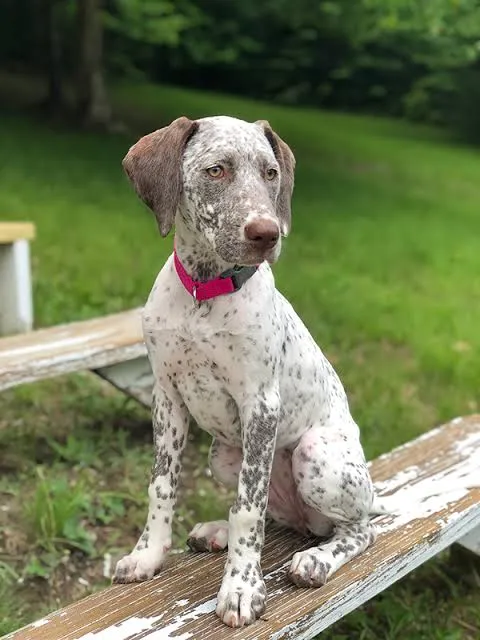
Braque du Bourbonnais
Health grade CThe Braque du Bourbonnais is a robust, gentle Vorstehhund (pointing dog) — bred for the persistent search for upland game, during which it tracks with an excellent nose and points with fascinating intensity.
- Height48–57 cm
- Weight16–25 kg
- Life expectancy12–15 yrs
- Puppy price1,200–2,500 €
- Energy4/5
The Essentials at a Glance
The Braque du Bourbonnais is a robust, gentle Vorstehhund (pointing dog) — bred for the persistent search for upland game, during which it tracks with an excellent nose and points with fascinating intensity.
- Health grade C: The Braque du Bourbonnais receives a B grade, as it is a largely robust hunting breed with an average health risk profile.
- You are looking for a passionate partner for scent work, dummy training, or hunting tasks — simple walks are not enough to keep this specialist occupied.
- You prefer to spend your free time actively in nature and aren't put off by bad weather.
- You expect it to ignore flushing birds or game trails — it was selectively bred to focus on exactly these stimuli with the highest level of concentration.
Is the Braque du Bourbonnais right for you?
At a glance
Braque du Bourbonnais overview
The essentials — key facts, traits, and health priorities — before you dive deeper.
Health grade
Relative to other breeds
S
A
B
C
D
E
Very healthyHigher risk
Average — several important tests are expected.
See full health info & tests →
Note: This health overview is AI-assisted and editorially reviewed. It is for orientation only and does not replace veterinary advice.
Lifespan
12–15 yrs
Height
48–57 cm
Weight
16–25 kg
Practical
- Puppy price: 1,200 – 2,500 €
- Coat: Short, fine, dense
- Origin: France
Temperament
Energy
Trainability
Family fit
With kids
Daily life
Care effort
Shedding
Barking
City-friendly
Guard instinct
What matters most
Especially with a Braque du Bourbonnais, choosing the right breeder is the single most important decision you'll make. Serious breeders consistently test the parents for inherited conditions, prioritize healthy early socialization, and stay accountable long after handover. A cheap puppy without health screening tends to become the most expensive dog later on.
See HonestDog breeder standards →Colors & coat
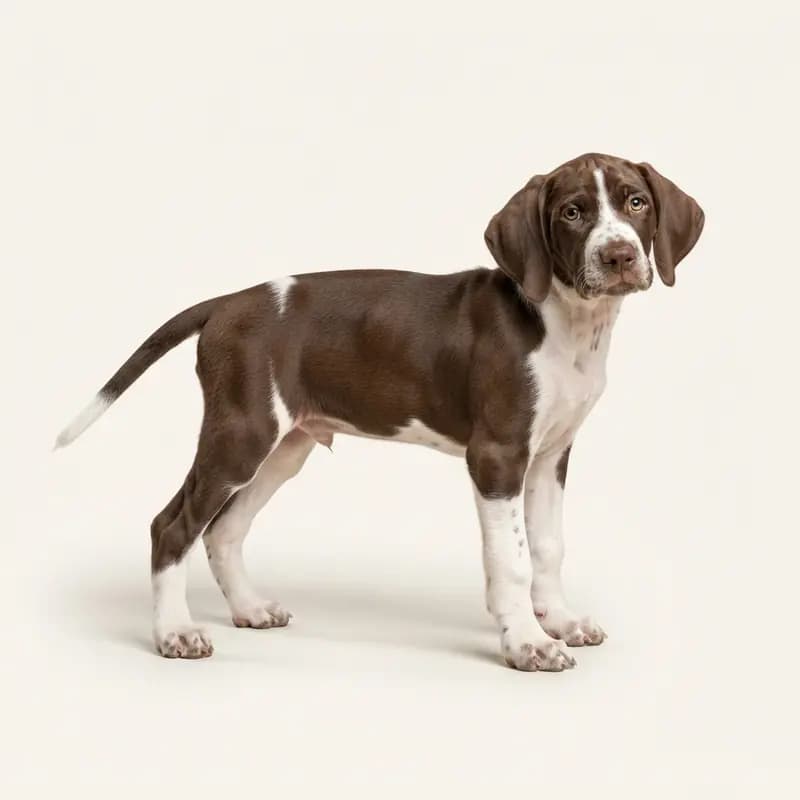
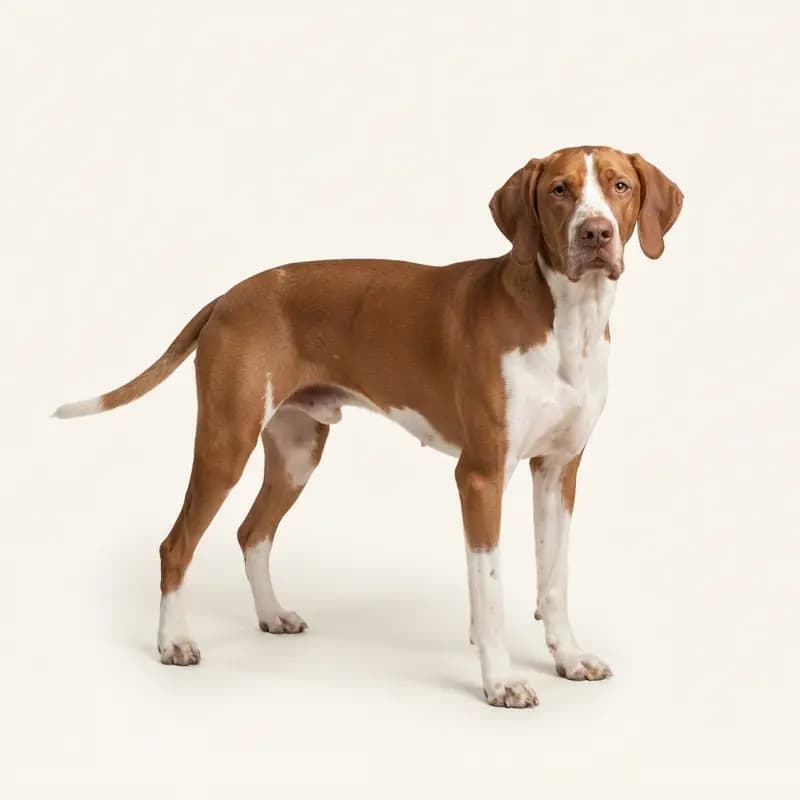
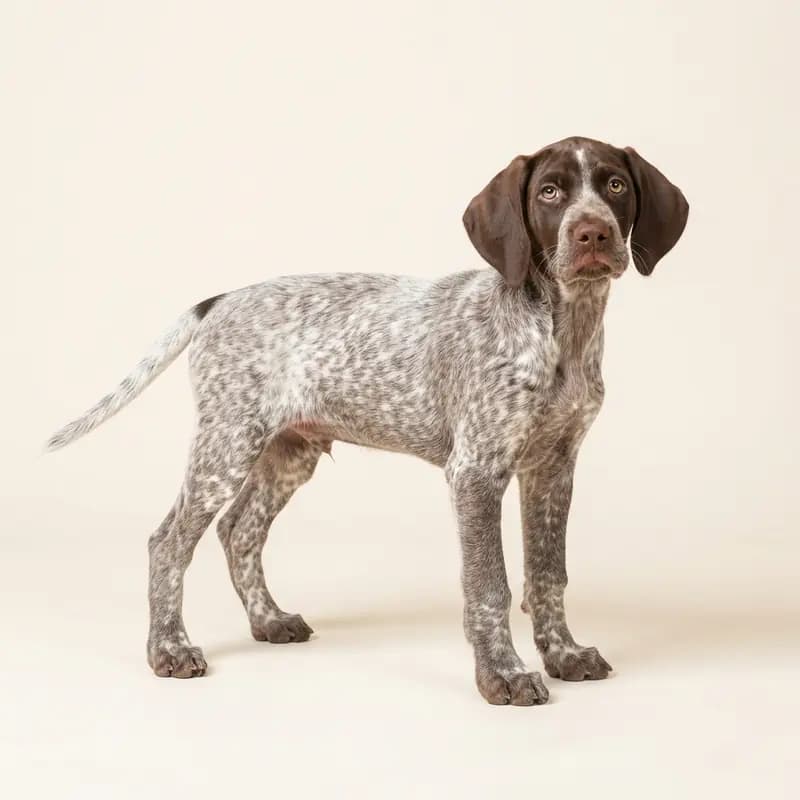
What colors does the Braque du Bourbonnais come in?
The coat colors you will see in Braque du Bourbonnais litters — including which ones fall outside the breed standard and which carry genetic risk.
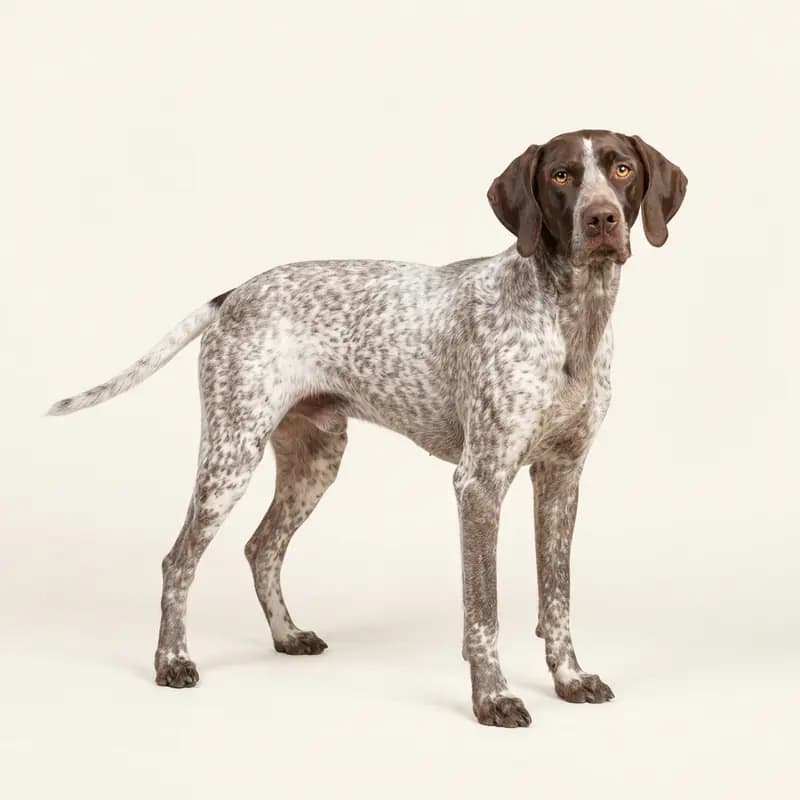
Eye colors
 Brown
Brown Amber
Amber
Coat type
 Short
Short Smooth
Is the Braque du Bourbonnais right for you?
The Braque du Bourbonnais is a robust, gentle Vorstehhund (pointing dog) — bred for the persistent search for upland game, during which it tracks with an excellent nose and points with fascinating intensity.
Perfect for you if:
- You are looking for a passionate partner for scent work, dummy training, or hunting tasks — simple walks are not enough to keep this specialist occupied.
- You prefer to spend your free time actively in nature and aren't put off by bad weather.
- You appreciate a dog that is extremely affectionate and calm at home, as long as its hunting needs are met outdoors.
- You live in a more rural area or have quick access to wide-open spaces where it can work safely on a long line.
Less ideal if:
- You expect it to ignore flushing birds or game trails — it was selectively bred to focus on exactly these stimuli with the highest level of concentration.
- You are looking for an uncomplicated 'sidekick' dog for the city that is satisfied with three walks around the block a day.
- You have a demanding job and would have to leave it alone for long periods regularly — it needs close contact with its humans.
The real vibes check
A Braque du Bourbonnais might sleep curled up on your sofa like a harmless stuffed animal — but as soon as it picks up a scent outside, it freezes into a statue and its entire being turns into an antenna. You aren't getting a simple companion dog, but a highly specialized hunting partner whose passion you cannot switch off, but must channel into shared activities.
Self-check
Would the Braque du Bourbonnais really fit your life?
Answer 6 quick questions about your everyday life and see how well the Braque du Bourbonnais fits you — including an honest cost estimate per month, per year, and across the dog's lifetime.
Fit checkCost estimateRisk dice
Takes about 1 minute · free & anonymous
Breed Profile
The Braque du Bourbonnais is a medium-sized dog with a robust and muscular build. His appearance is pleasant and harmonious with a balanced physique. This dog has an expressive head with dark eyes and drooping ears that create a sweet and friendly face. Its short legs and strong body give it a powerful appearance. The Braque du Bourbonnais belongs to FCI Group 7, the pointers. This breed does not differentiate between performance and show lines.
All measurements in detail
- Height
- 48 - 55 cm (Female), 51 - 57 cm (Male)
- Weight
- 16 - 22 kg (Female), 18 - 25 kg (Male)
- Life Expectancy
- 12 - 15 yrs
- Character
- Affectionate, gentle, trainable
- Coat
- Short, fine, dense
- Coat Color
- White with light to intense brown or lilac spots
- Price
- 1200 - 2500 €
Character & Temperament
Braque du Bourbonnais dogs are known for their even temperament and affectionate nature. They are very people-oriented and love spending time with their family. This makes them great companions both indoors and outdoors. They are not hyperactive, but require regular physical and mental stimulation to stay happy and healthy. This breed can stay alone well as long as it gets enough exercise and activity. However, it is important to start training your dog to stay alone as early as puppyhood to prevent any separation anxiety. Her affection also means that she always wants to be there when something happens in the family. The Braque du Bourbonnais shows strong hunting behavior, which is due to its history as a hunting dog. He has a strong prey drive and therefore cannot walk without a leash in areas where wild animals live. It's important to take this into consideration if you're planning on adding a Braque du Bourbonnais to your home. The breed is alert and will warn the family of strangers, but is not prone to aggression. Their goal is to protect the family rather than actively ward off an intruder. This makes the Braque du Bourbonnais a good guard dog, but not a guard dog in the traditional sense.
| Trainability Picks up commands quickly and wants to please. | Eager to learn |
| Watchfulness Occasionally alerts but is fundamentally open. | Low |
| Openness to Strangers Warms up quickly and is generally welcoming. | Friendly |
| Hunting or Herding Drive This drive runs deep — no amount of training eliminates it. | Very strong |
Fun Fact!
Did you already know? The Braque du Bourbonnais is one of the oldest French pointer breeds and has been depicted in works of art from the 16th century!
What Awaits You
Pronounced Brock-do-bor-bon-NAY, this pointer has a calm, gentle demeanor ideal for the foot hunter. The breed's relatively small size and short coat make it an ideal companion for the hunting family.
Housing & Care
The Braque du Bourbonnais can be a good city dog as long as it gets enough exercise and mental stimulation. He is very adaptable and can adapt well to different living conditions. He is good with children and can live with other pets as long as he is properly socialized. However, because these dogs have a strong hunting instinct, living with smaller pets such as cats can be a challenge if clear boundaries are not set from the start.
- Family Friendly
Lives for its family — the born family companion.
Ideal family dog - Child Friendly
Takes boisterous and affectionate children in its stride.
Patient with children - Dog Friendly
Usually gets on fine with other dogs.
Generally tolerant - City Friendly
City-appropriate with enough exercise and stimulation.
Manageable in cities
Owning a dog is a privilege, but it's also a real responsibility. Before you bring one into your life, be honest with yourself about the commitment it takes.
Training & Education
The Braque du Bourbonnais is an intelligent and willing learner who responds well to positive reinforcement and motivating training methods. They tend not to tolerate intrusive or harsh training well, so a gentle, patient approach is best. Since they are originally hunting dogs, they need a lot of physical and mental stimulation to be happy. They can prove themselves well in various dog sports such as agility, flyball or obedience. However, it is important to be careful not to over-busy them as this can lead to stress and behavioral problems. The Braque du Bourbonnais can tend to be a 'ball junkie'. so playing with balls or other throwing toys should be kept in moderation and used as a reward for good behavior. Since this breed has a strong hunting disposition, it is particularly important to teach them frustration tolerance and impulse control. This can be achieved through various training methods, such as the “stay” command or dragline training.
Nutrition & Care
The Braque du Bourbonnais is an active dog and therefore requires a balanced diet with enough protein and fat to maintain its energy. The exact amount of food your dog needs depends on his age, weight, health and activity level. It's always a good idea to seek advice from a veterinarian or nutritionist to ensure your dog is getting all the necessary nutrients. Grooming the Braque du Bourbonnais is relatively straightforward. They have short, dense fur without an undercoat and are therefore relatively adaptable to the German climate. They shed moderately, so regular brushing is necessary to remove loose hair and keep the coat clean and healthy.
| Care Level Minimal effort — occasional brushing and bathing. | Low-maintenance |
| Exercise Needs Needs several hours of serious exercise every day. | Very active |
| Shedding Hair everywhere, always — no white clothing survives. | Very heavy |
| Trainability Picks up commands quickly and wants to please. | Eager to learn |
Our experts are still reviewing this information. Spotted something wrong? Email us at info@honestdog.de.
Health & hereditary diseases
Health
C
Solid, watch carefully
Health grade
The Braque du Bourbonnais receives a B grade, as it is a largely robust hunting breed with an average health risk profile. Mandatory health tests for hip dysplasia (HD) and elbow dysplasia (ED) are essential to rule out chronic joint issues. Furthermore, the breed-specific trait of brachyury or anury (short tail) should be carefully monitored by breeders to prevent associated spinal malformations.
Grade is relative to other breeds — AI-assisted and editorially reviewed.
In daily life this can mean
By ensuring the dog is raised in a way that protects its joints, maintaining a healthy weight, and scheduling regular vet check-ups for its eyes and heart, you lay the foundation for a long, active life.
The breeder's role
Reputable breeders have hips, elbows, eyes, and hearts tested and pay close attention to the short-tail genetics during litter planning to rule out spinal defects.
Note: This health overview is AI-assisted and editorially reviewed. It is for orientation only and does not replace veterinary advice.
No Health Tests Available
No specific health tests are currently available for this breed.
Costs & where to find one
How much does a Braque du Bourbonnais cost?
A Braque du Bourbonnais costs around ~€170 per month (€90 – €330, depending on your setup). The first year adds up to roughly ~€4,770 including purchase, equipment and puppy school; across the dog's life (13.5 years) it comes to about ~€30,960.
With surgery cover, running costs come to about ~€170 per month — in return, your share of a major operation drops from several thousand euros to around 20 percent.
Per month
~€170
In the first year
~€4,770
Across the dog's life
~€30,960
Purchase from a breeder: €1,200 – €2,500
Estimate at a mid-range setup (suburban, dry food, 1–2 hours of daily exercise), average German prices, as of July 2026.
Calculate your personal costs1-minute self-check with your own answers
Looking for a Braque du Bourbonnais?
HonestDog Concierge
No verified Braque du Bourbonnais breeders on HonestDog yet
We currently have no breeders for this breed who have passed our verification. Create your short buyer profile: we'll set up your search alert, review a possible source and email you within 28 days.
Appearance, variants & origin
History
The full history
The breed originally comes from France, more precisely from the Bourbonnais region, hence the name. The Braque du Bourbonnais is a very old breed that was mentioned as early as the 16th century. The dogs were prized for their excellent hunting skills and friendly nature. However, the 1960s saw a dramatic decline in the breed as breeders focused too much on appearance while neglecting the dogs' hunting abilities. Fortunately, the breed was revived in the 1970s by a group of dedicated breeders who placed renewed emphasis on the dogs' abilities as hunting companions. The FCI officially recognized the Braque du Bourbonnais as a separate breed in 1955.
Original Use
Bred as a pointer for hunting, the Braque du Bourbonnais is known for its adaptability and keen sense of smell.
Origin
France
Date
1500
Owner experiences
What owners say about the Braque du Bourbonnais
Kerstin M., Hundesportlerin aus Hessen (Hündin, seit 2022)
Da wir nicht aktiv jagen, lasten wir unsere Hündin intensiv über Mantrailing und Dummyarbeit aus. Der Braque du Bourbonnais ist eben ein Vollblut-Arbeitshund, der ohne eine echte Aufgabe unglücklich wird. Sie hat einen extremen 'Will to Please' und lernt unglaublich schnell, ist aber gleichzeitig auch sehr sensibel. Eine harte Hand verträgt sie überhaupt nicht, da benötigt sie eine sehr sanfte, positive Erziehung.
Ein Thema, das man vor dem Kauf unbedingt kennen sollte, ist die Genetik. Viele Welpen werden durch eine Genmutation mit einer natürlichen Stummelrute geboren, was im Grunde eine Fehlbildung der Wirbelsäule (Brachyurie) ist. Wir haben darauf geachtet, eine gesunde, kontrollierte Zucht auszuwählen. Da es weltweit schätzungsweise nur rund 2000 Hunde dieser Rasse gibt, mussten wir allerdings sehr lange auf einen passenden Wurf warten und weit reisen.
Philippe B., Halter aus dem Elsass (Hündin, seit 2016)
Meine Hündin ist ein Traum von einem Begleiter. Sie ist unglaublich anpassungsfähig und kompakt genug, dass wir sie problemlos überallhin mitnehmen können – sie ist deutlich wendiger und leichter als viele andere große Vorstehhunde. Im Haus verhält sie sich extrem ruhig und wachsam, ohne dabei ein Kläffer zu sein. Wenn Fremde kommen, warnt sie uns kurz, bleibt aber im Grunde sehr gutmütig.
Die größte Herausforderung im Alltag ist definitiv ihr ausgeprägter Jagdtrieb. Ohne Leine laufen lassen ist in wildreichen Gebieten fast unmöglich, da sie sofort auf jede Fährte anspringt. Man darf sich von ihrem sanften Blick im Alltag nicht täuschen lassen – draußen ist sie eine hochgradig fokussierte Jägerin, die körperlich und geistig voll gefordert werden will.
Paraphrased from real owner reports
Loading owner stories
FAQ & more
Frequently asked questions about the Braque du Bourbonnais
Is a Braque du Bourbonnais the right dog for me?
The Braque du Bourbonnais is an active dog that needs plenty of exercise and mental stimulation. Research the temperament, grooming needs, and space requirements before deciding.
How long does a Braque du Bourbonnais live?
The average life expectancy of a Braque du Bourbonnais is 12-15 years. With proper care and regular vet visits, your dog can live a long, healthy life.
How much grooming does a Braque du Bourbonnais need?
Braque du Bourbonnais grooming requirements include regular brushing, nail trimming, and dental care. HonestDog provides detailed grooming tips for every breed.
Is a Braque du Bourbonnais good for families with children?
The Braque du Bourbonnais can be a great family dog. Proper training and socialization are key. HonestDog provides family suitability information for every breed.
What colors does the Braque du Bourbonnais come in?
The Braque du Bourbonnais comes in these colors: Brown and white, Roan.
Loading related articles
Are you a Braque du Bourbonnais breeder?
Showcase your kennel on HonestDog and reach families searching for a responsibly bred Braque du Bourbonnais.
Why HonestDog?
What makes HonestDog different from other platforms
Full transparency
We lay out what we have: who the breeder is, how they work, and any health records they've uploaded. So you can judge for yourself.
Responsible breeding, assured
Every breeder on HonestDog has their identity and documents checked before their profile goes live. Health records they upload are shown on the profile, so you can see exactly what has been tested.
Trust and verification
We verify breeders and buyers alike, so every conversation happens on solid ground. It's a new standard of trust in dog breeding.
Less hassle, more time
We've already checked the breeders' documents and gathered the details, so you can skip the endless research and focus on finding the right puppy for your family.
Our Mission

We connect dog lovers with responsible breeders and shelters to ensure every dog finds the perfect home.
Founded by dog enthusiasts, our platform focuses on ethical dog breeding and adoption.
Why HonestDog?
We connect you with vetted breeders and shelters so you can find your — your new companion — with confidence.
Vetted Partners
Only verified breeders and shelters — for a safe start.
Highest Standards
Every animal's health and wellbeing is our top priority.
Guides & Resources
Guides, checklists, and breed profiles — so you can make a well-informed decision.