Loading breed
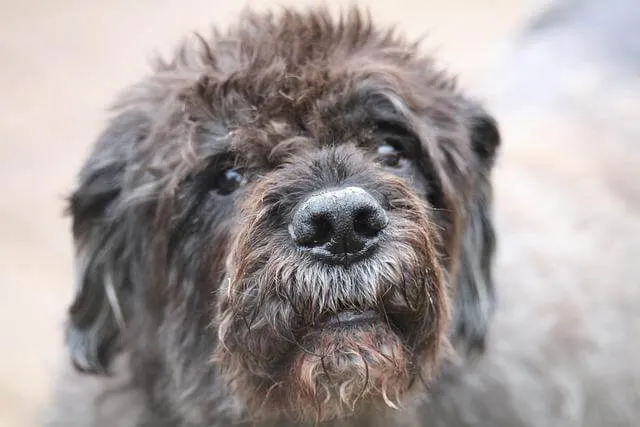
Bouvier des Flandres
Health grade CThe Bouvier des Flandres is a massive, unshakable, rustic Treibhund (herding dog) — bred to herd cattle, guard farms, and pull carts. This rugged versatility makes him a loyal, yet independently-minded protector.
- Height59–68 cm
- Weight27–40 kg
- Life expectancy10–12 yrs
- Puppy price1,800–3,000 €
- Energy4/5
The Essentials at a Glance
The Bouvier des Flandres is a massive, unshakable, rustic Treibhund (herding dog) — bred to herd cattle, guard farms, and pull carts. This rugged versatility makes him a loyal, yet independently-minded protector.
- Health grade C: The Bouvier des Flandres is prone to health issues typical of large breeds, which is why mandatory health tests for hip dysplasia (HD) and elbow dysplasia (ED) are essential.
- You provide clear, confident leadership and are looking for a dog that respects you as a partner rather than showing blind obedience.
- You offer him a real job such as carting, tracking, or search and rescue work — a simple walk is not enough to tire out this former cattle driver.
- You expect him to greet every visitor with joy — he was bred to seriously guard home and hearth, and he views strangers with extreme suspicion.
Is the Bouvier des Flandres right for you?
At a glance
Bouvier des Flandres overview
The essentials — key facts, traits, and health priorities — before you dive deeper.
Health grade
Relative to other breeds
S
A
B
C
D
E
Very healthyHigher risk
Average — several important tests are expected.
See full health info & tests →
Note: This health overview is AI-assisted and editorially reviewed. It is for orientation only and does not replace veterinary advice.
Lifespan
10–12 yrs
Height
59–68 cm
Weight
27–40 kg
Practical
- Puppy price: 1,800 – 3,000 €
- Coat: Dense, rough, with thick undercoat
- Origin: Belgium/France
Temperament
Energy
Trainability
Family fit
With kids
Daily life
Care effort
Shedding
Barking
City-friendly
Guard instinct
What matters most
Especially with a Bouvier des Flandres, choosing the right breeder is the single most important decision you'll make. Serious breeders consistently test the parents for inherited conditions, prioritize healthy early socialization, and stay accountable long after handover. A cheap puppy without health screening tends to become the most expensive dog later on.
See HonestDog breeder standards →Colors & coat
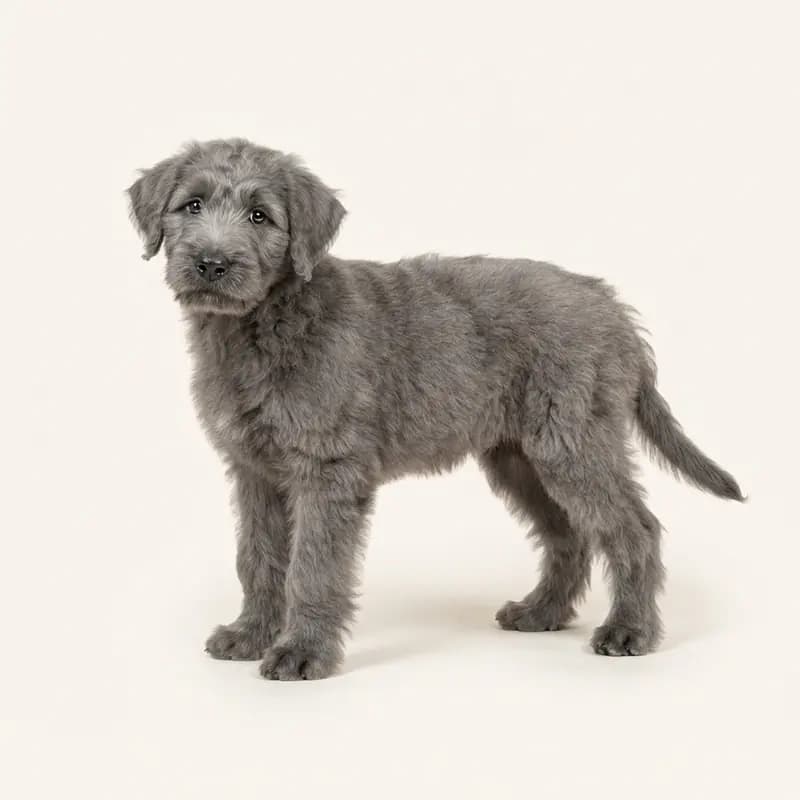
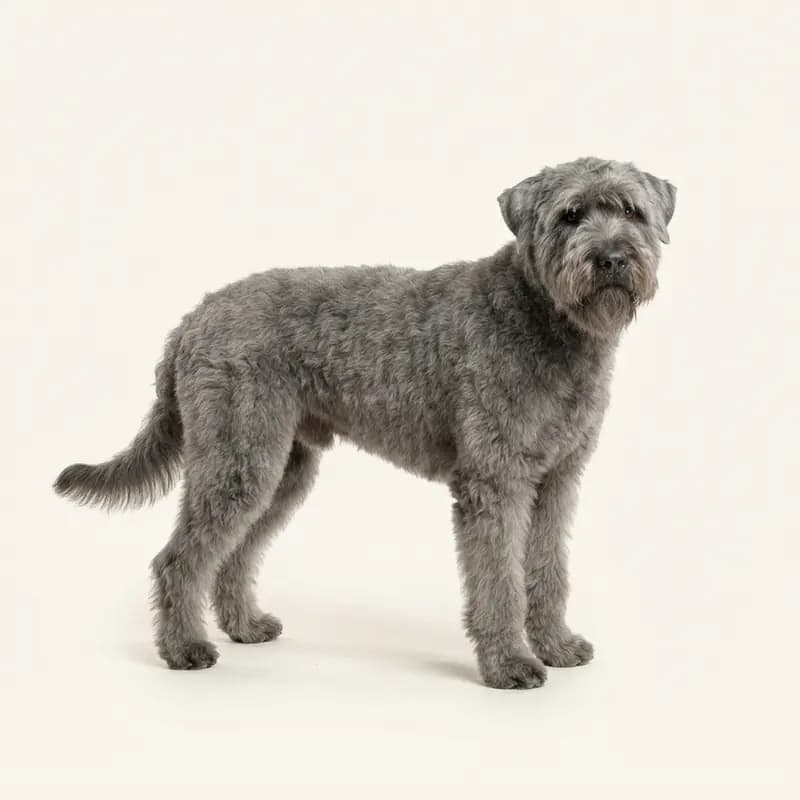
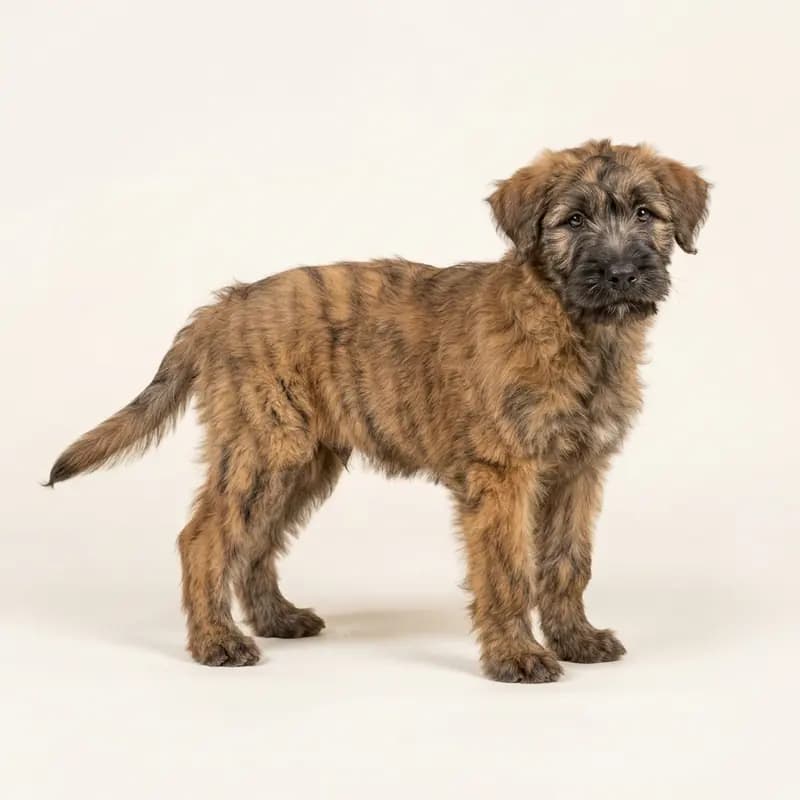
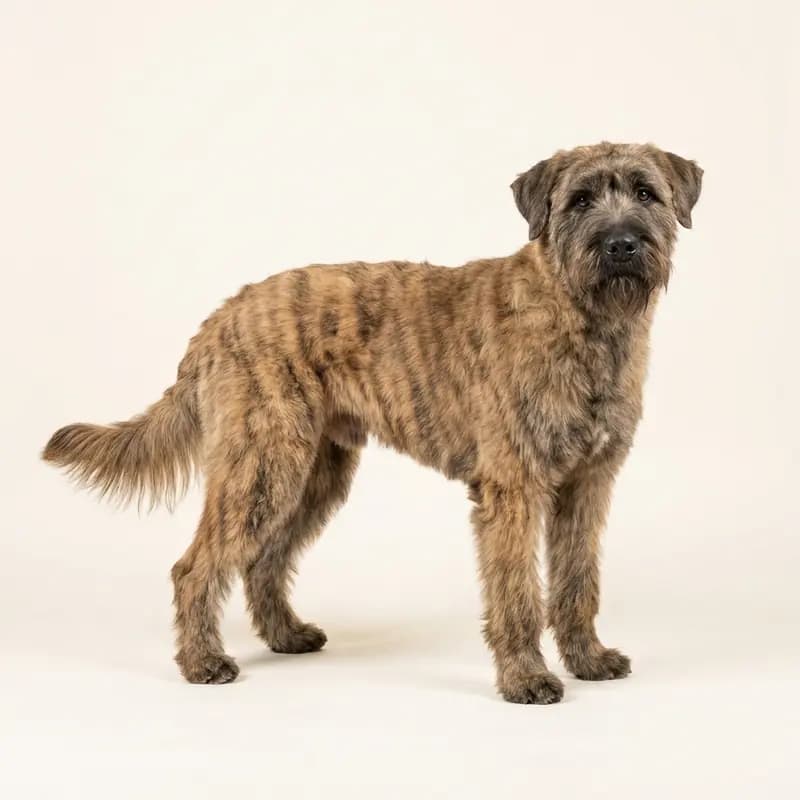
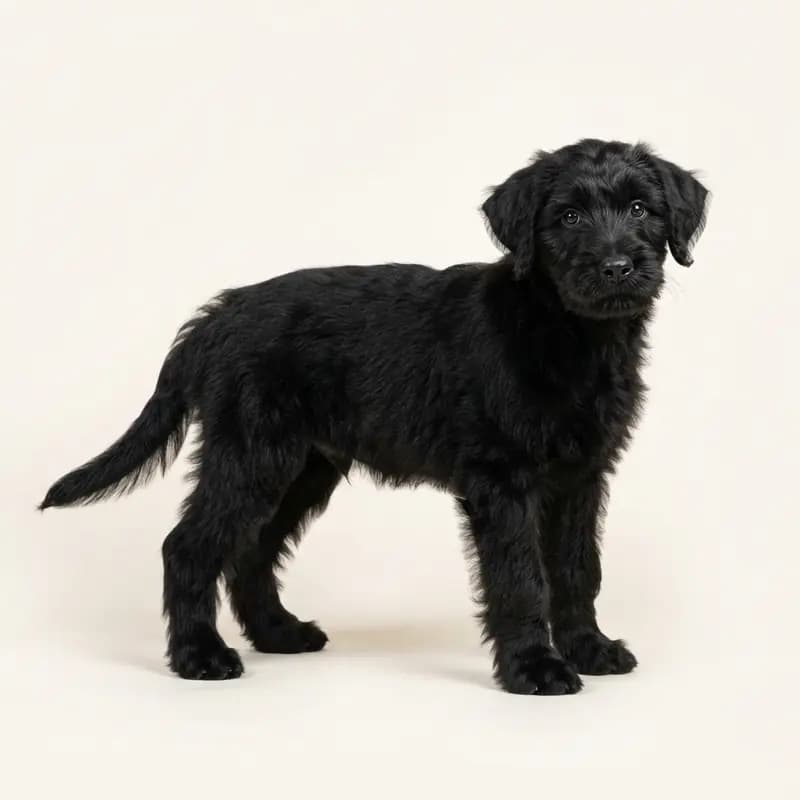
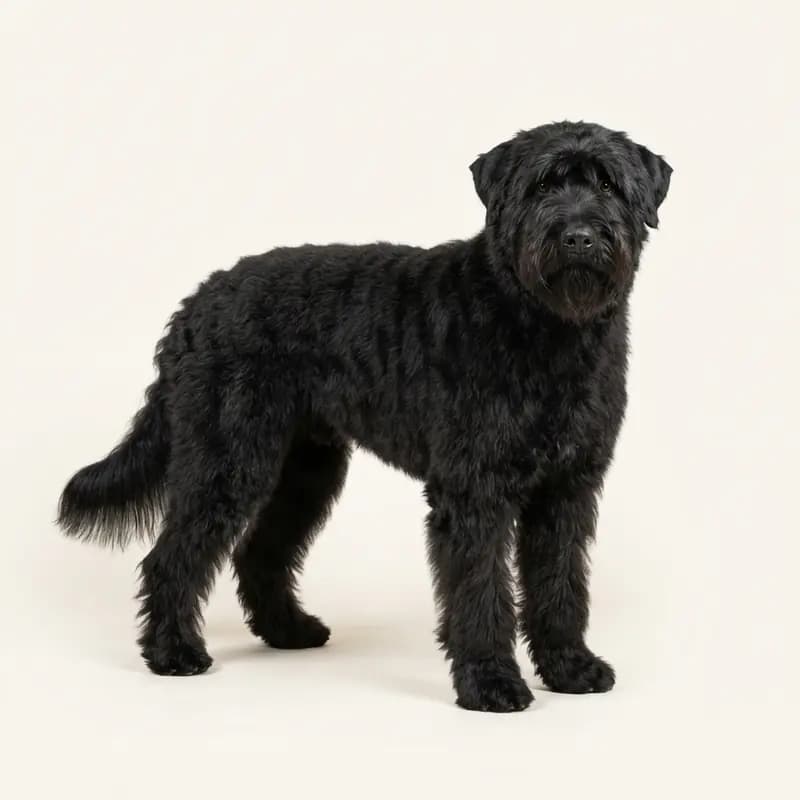
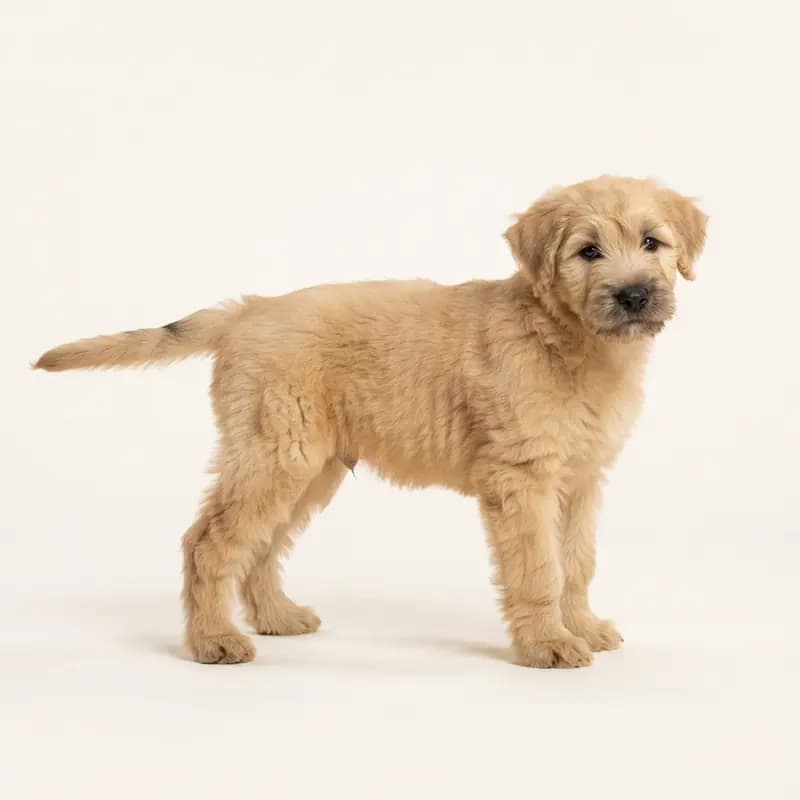
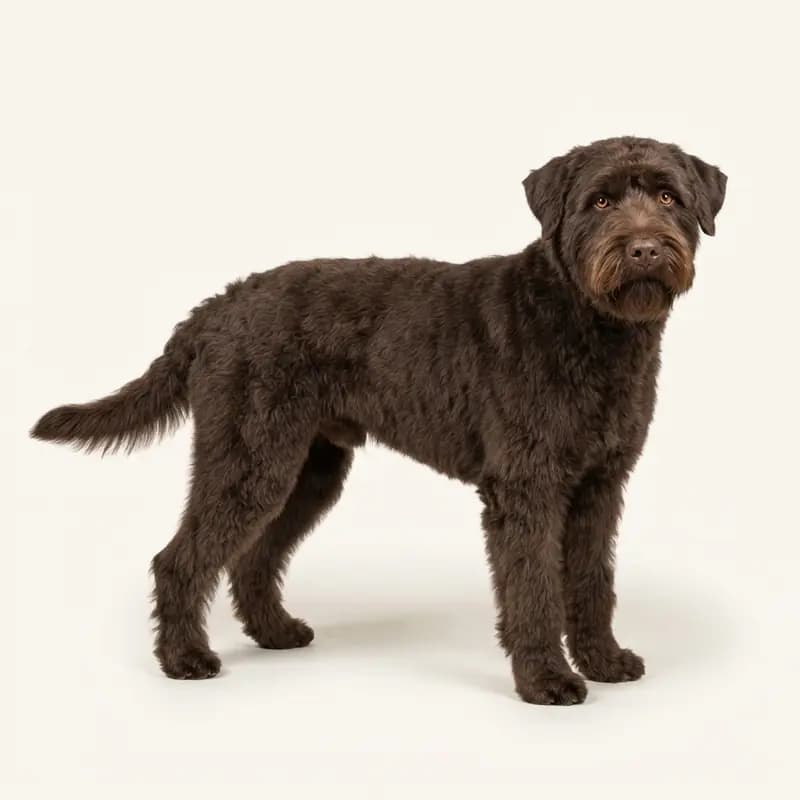
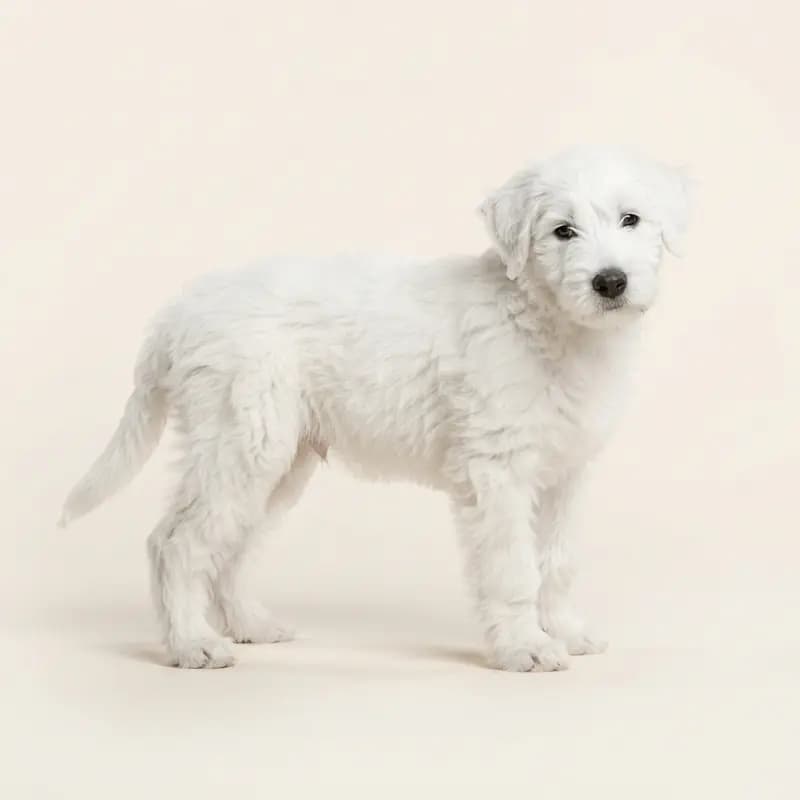
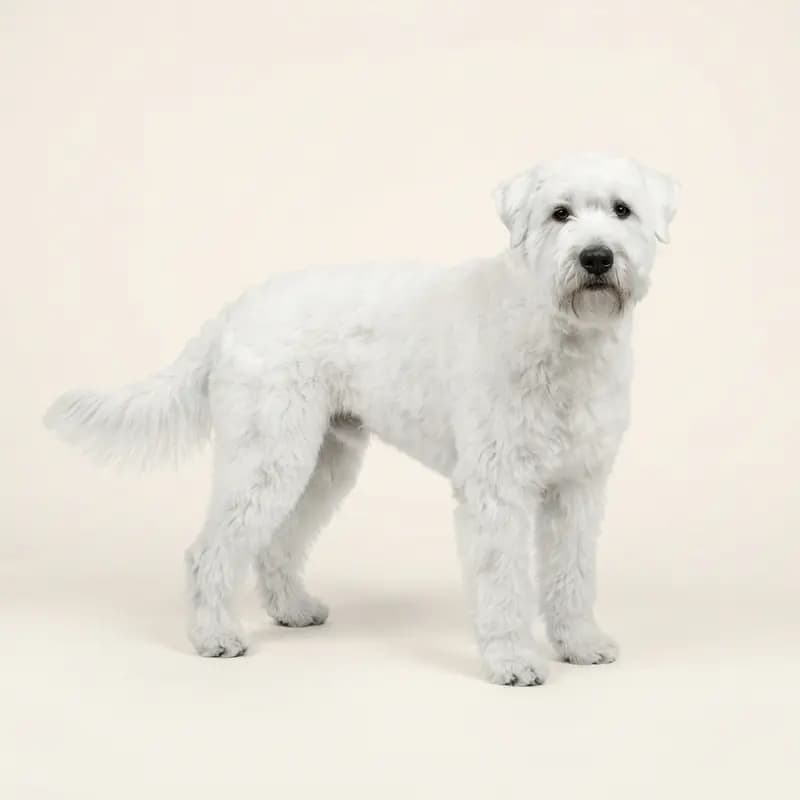
What colors does the Bouvier des Flandres come in?
The coat colors you will see in Bouvier des Flandres litters — including which ones fall outside the breed standard and which carry genetic risk.
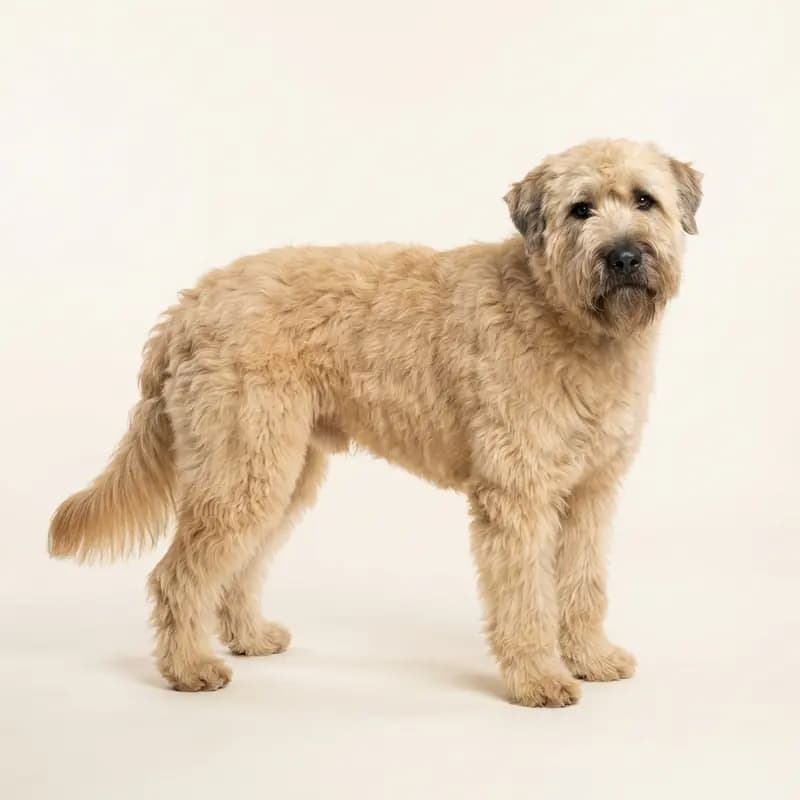
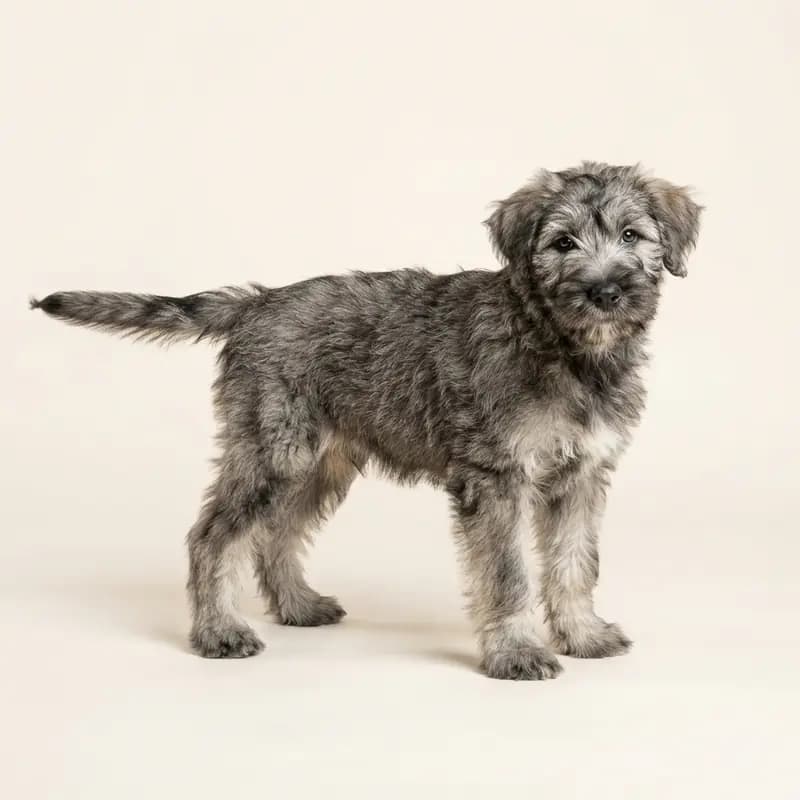
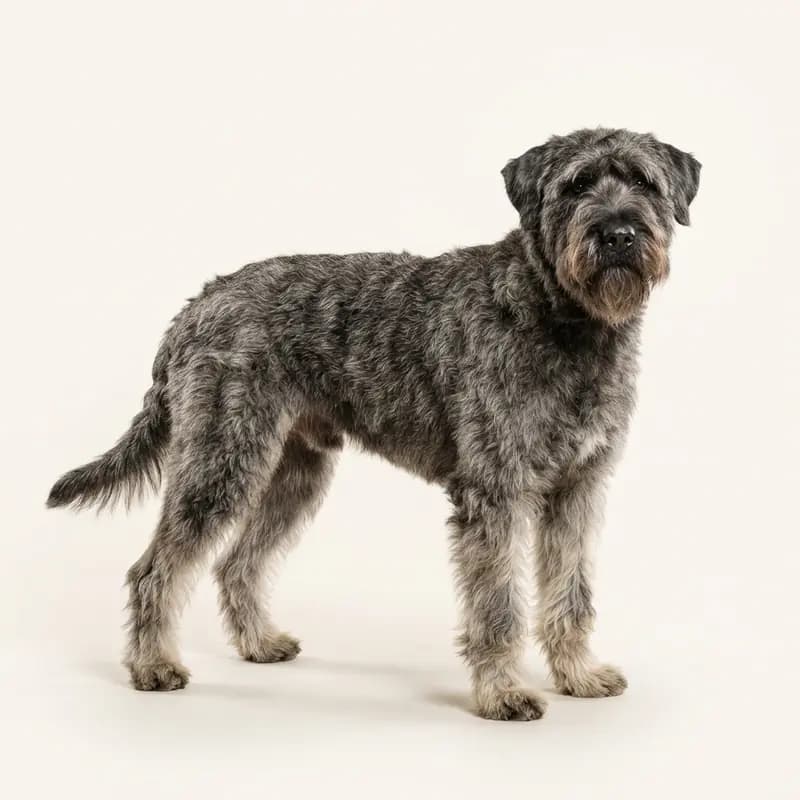
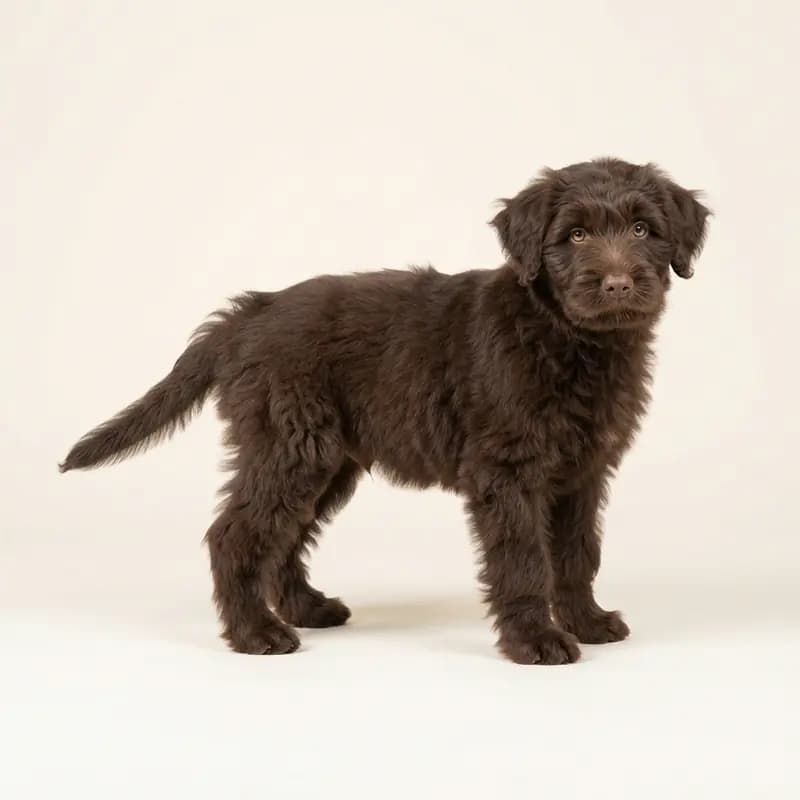
Eye colors
 Brown
Brown
Coat type
 Illustrative image
Wire
 Double coat
 Illustrative image
Medium
Is the Bouvier des Flandres right for you?
The Bouvier des Flandres is a massive, unshakable, rustic Treibhund (herding dog) — bred to herd cattle, guard farms, and pull carts. This rugged versatility makes him a loyal, yet independently-minded protector.
Perfect for you if:
- You provide clear, confident leadership and are looking for a dog that respects you as a partner rather than showing blind obedience.
- You offer him a real job such as carting, tracking, or search and rescue work — a simple walk is not enough to tire out this former cattle driver.
- You have a house and a securely fenced yard where he can exercise his deeply rooted guarding instinct in a controlled environment.
- You are prepared to invest time every week in intensive grooming so that his rough, dense coat does not become matted.
Less ideal if:
- You expect him to greet every visitor with joy — he was bred to seriously guard home and hearth, and he views strangers with extreme suspicion.
- You live in a busy city apartment where constant stimuli and close encounters would keep his protective instinct under permanent stress.
- You tend toward harshness or impatience in training, because this powerhouse responds to rough pressure with iron stubbornness rather than submission.
- vibesCheck
- At first glance, a Bouvier des Flandres looks like a cozy bear — but beneath that shaggy coat lies a serious, uncompromising worker. He is not a dog that will blindly read your every wish from your eyes, but rather a loyal colleague who looks for the purpose behind your commands. If you lead him fairly, this rugged giant will walk through fire for you; if you are inconsistent, he will take over the management himself.
- healthProfile
- As large, heavy dogs, Bouvier des Flandres come with some breed-specific issues that you should be aware of — particularly regarding joints, eyes, and the heart.
- healthDailyLife
- You can take active preventative measures by ensuring joint-friendly exercise during growth, regular veterinary check-ups for the heart and eyes, and strict rest periods after meals to avoid bloat.
- healthBreederRole
- Reputable breeders have the parents' hips, elbows, eyes, and hearts checked by a veterinarian and also keep an eye on issues like the thyroid to reduce hereditary risks.
The real vibes check
At first glance, a Bouvier des Flandres looks like a cozy bear — but beneath that shaggy coat lies a serious, uncompromising worker. He is not a dog that will blindly read your every wish from your eyes, but rather a loyal colleague who looks for the purpose behind your commands. If you lead him fairly, this rugged giant will walk through fire for you; if you are inconsistent, he will take over the management himself.
Self-check
Would the Bouvier des Flandres really fit your life?
Answer 6 quick questions about your everyday life and see how well the Bouvier des Flandres fits you — including an honest cost estimate per month, per year, and across the dog's lifetime.
Fit checkCost estimateRisk dice
Takes about 1 minute · free & anonymous
Breed Profile
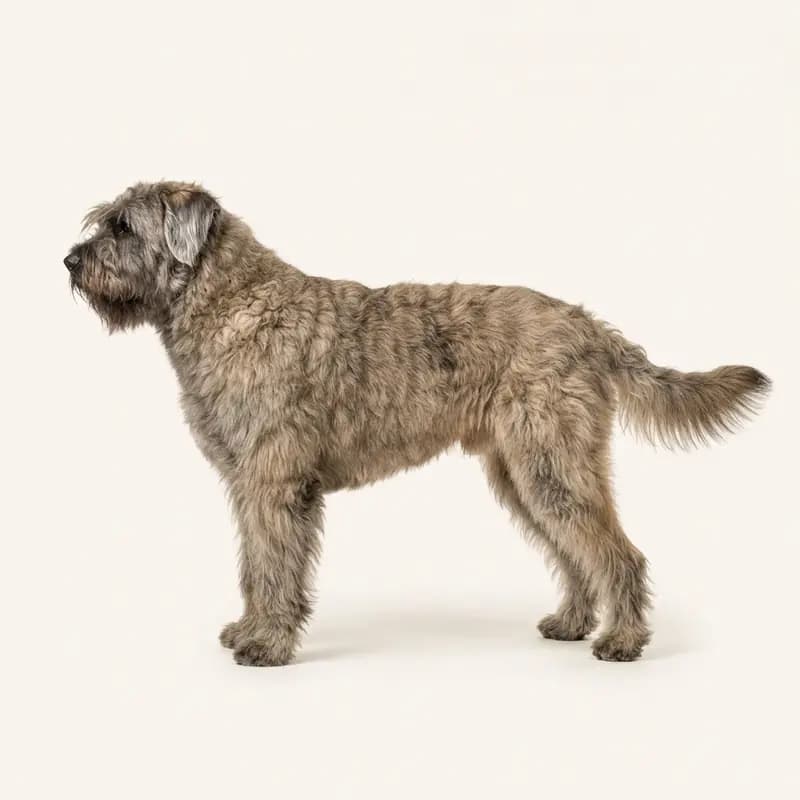
The Bouvier des Flandres, often referred to simply as the Bouvier, is an impressive dog with a powerful build and a thick, rough coat. He has an expressive face with bushy eyebrows and a distinctive beard. The Bouvier belongs to FCI Group 1, herding dogs and cattle dogs. There is no strict distinction between show and performance lines in this breed, although some breeders place more emphasis on working ability and others on show potential. His impressive appearance and skills as a working dog have earned him worldwide recognition.
All measurements in detail
- Height
- 59 - 65 cm (Female), 62 - 68 cm (Male)
- Weight
- 27 - 35 kg (Female), 35 - 40 kg (Male)
- Life Expectancy
- 10 - 12 yrs
- Character
- Loyal, intelligent, brave
- Coat
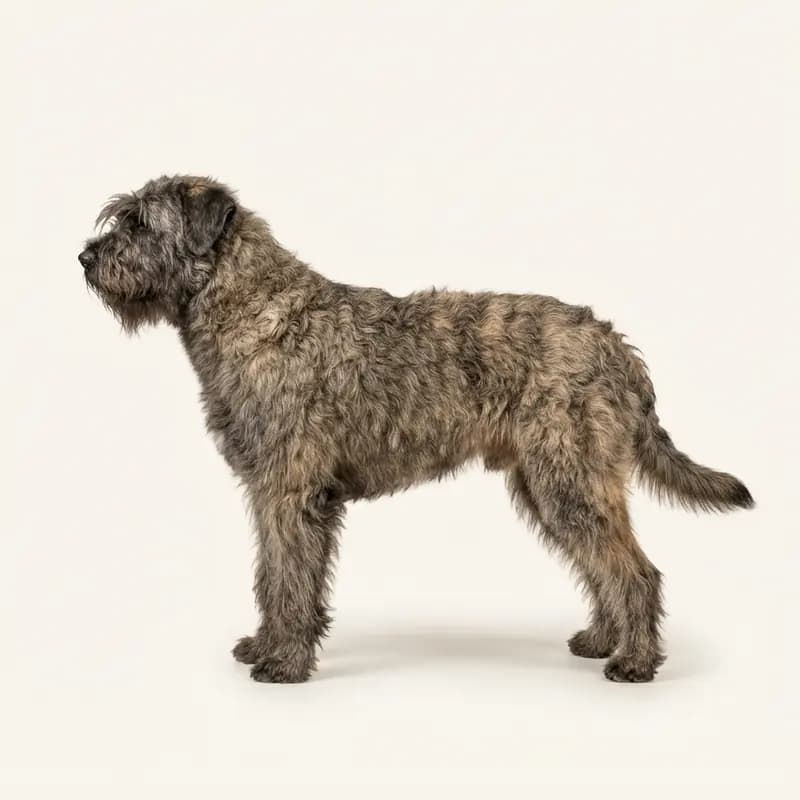
- Dense, rough, with thick undercoat
- Coat Color
- Varies from fawn to black, often with a mix of grey, black and fawn
- Price
- 1800 - 3000 €
Character & Temperament
The Bouvier's versatility makes him a fascinating dog, and he has a lot to offer if you are looking for a loyal and intelligent companion. His roots as a working dog are evident in his temperament. He is quite calm, but also very alert and attentive. You'll find that he enjoys having a job, whether it's protecting your home and family or trying out different dog sports with him, such as agility or protection dog training. The Bouvier is incredibly loyal and develops a deep bond with his family. However, he may initially be reserved towards strangers. In the family, he often shows a loving side and enjoys spending time with the people who he loves. He is also very intelligent and trainable, meaning he benefits from an owner who is willing to invest time in training and employment. His hunting instinct is usually not particularly strong, but he is an excellent watchdog. His alertness and courage make him very effective when it comes to protecting his territory. If you live in an area where this is valued, it could be a good choice. Another aspect of the Bouvier character is his independence. He can be quite independent, meaning he doesn't always see the need to follow you around all the time. But that doesn't mean he likes to be left alone for long periods of time. He needs the company of his family and can suffer from separation anxiety if he is regularly left alone for long periods of time. When it comes to children and other pets, the Bouvier can be a loving family member if properly socialized. However, it is advisable to get him used to different people and animals from an early age and to teach him how to behave in their presence. Overall, the Bouvier des Flandres is a fascinating, versatile dog that can be a great companion for someone willing to invest time and energy into training and keeping him occupied. His loyalty and protective instinct coupled with intelligence and courage make him an unforgettable member of any family lucky enough to be his home. If you are looking for a strong but loving companion, the Bouvier could be just the dog for you.
| Trainability Willing to learn with clear rules and regular training. | Balanced |
| Watchfulness Strong territorial instinct — may actively confront intruders. | Very high |
| Openness to Strangers Neither pushily friendly nor suspicious. | Neutral |
| Hunting or Herding Drive Powerful instinct that can override recall when triggered. | Strong |
Fun Fact!
A Bouvier des Flandres called "Lucky" saved his owner's life during World War II by warning her about the bombing raids in London, and was later awarded the "Blue Cross Medal" excellent.
What Awaits You
Bouviers are very independent dogs. Together with their high motivation to drive herds, problems can arise when other people, children, etc. are viewed as herding objects. They are therefore not beginner dogs. Dog owners should have experience with this behavior and with training a breed like the Bouvier.
Housing & Care
The Bouvier des Flandres is an active dog and needs plenty of exercise. He may not be the best choice for living in a small city apartment unless you are willing to give him enough exercise and mental challenge on a daily basis. He gets along well with older children, but you should be careful with small children as he could accidentally be too rough due to his size and strength. As for other pets, he usually gets along well with cats, especially if he grows up with them from a young age.
- Family Friendly
Loves family life and thrives in a group.
Family-oriented - Child Friendly
Takes boisterous and affectionate children in its stride.
Patient with children - Dog Friendly
Actively enjoys the company of other dogs.
Dog-friendly - City Friendly
City-appropriate with enough exercise and stimulation.
Manageable in cities
Owning a dog is a privilege, but it's also a real responsibility. Before you bring one into your life, be honest with yourself about the commitment it takes.
Training & Education
The Bouvier des Flandres is intelligent and eager to learn, which makes training easier, but he can also be a bit stubborn. It is important that you as the owner are consistent and use positive reinforcement. This breed loves challenges and is suitable for dog sports such as Schutzhund training, obedience and agility. However, you should be careful not to overwhelm the dog. Bouviers can easily become "ball junkies." therefore it is important to limit play with the ball and offer alternatives. Frustration tolerance and impulse control are important aspects of training for this breed.
Nutrition & Care
When feeding your Bouvier, you should pay attention to high-quality food that is balanced and contains all the necessary nutrients. Fresh water should always be available. In terms of grooming, the Bouvier has a dense, coarse coat with a thick undercoat. This makes it quite adaptable to the climate in Germany, including cold winters. However, he tends to shed a lot, especially during shedding. Regular brushing, at least once a week, is necessary to prevent tangles and remove dead hair.
| Care Level Regular brushing and occasional professional grooming. | Moderate |
| Exercise Needs Needs several hours of serious exercise every day. | Very active |
| Shedding Hair everywhere, always — no white clothing survives. | Very heavy |
| Trainability Willing to learn with clear rules and regular training. | Balanced |
Our experts are still reviewing this information. Spotted something wrong? Email us at info@honestdog.de.
Health & hereditary diseases
Health
C
Solid, watch carefully
Health grade
The Bouvier des Flandres is prone to health issues typical of large breeds, which is why mandatory health tests for hip dysplasia (HD) and elbow dysplasia (ED) are essential. Prospective buyers should also ensure that the parents have been screened for hereditary eye conditions. Overall, the breed is robust when bred responsibly, but it is important to pay close attention to the joint health of the parent dogs.
Grade is relative to other breeds — AI-assisted and editorially reviewed.
In daily life this can mean
You can take active preventative measures by ensuring joint-friendly exercise during growth, regular veterinary check-ups for the heart and eyes, and strict rest periods after meals to avoid bloat.
The breeder's role
Reputable breeders have the parents' hips, elbows, eyes, and hearts checked by a veterinarian and also keep an eye on issues like the thyroid to reduce hereditary risks.
Note: This health overview is AI-assisted and editorially reviewed. It is for orientation only and does not replace veterinary advice.
No Health Tests Available
No specific health tests are currently available for this breed.
Costs & where to find one
How much does a Bouvier des Flandres cost?
A Bouvier des Flandres costs around ~€200 per month (€100 – €380, depending on your setup). The first year adds up to roughly ~€5,610 including purchase, equipment and puppy school; across the dog's life (11 years) it comes to about ~€29,430.
With surgery cover, running costs come to about ~€200 per month — in return, your share of a major operation drops from several thousand euros to around 20 percent.
Per month
~€200
In the first year
~€5,610
Across the dog's life
~€29,430
Purchase from a breeder: €1,800 – €3,000
Estimate at a mid-range setup (suburban, dry food, 1–2 hours of daily exercise), average German prices, as of July 2026.
Calculate your personal costs1-minute self-check with your own answers
Looking for a Bouvier des Flandres?
Appearance, variants & origin
History
The full history
The Bouvier des Flandres comes from the border area between Belgium and France, a region known as Flanders. It was originally bred in the 19th century as an all-purpose farm dog that both herded livestock and pulled carts. Bouvier means 'cowherd' in French, which underlines his main role. The Bouvier was developed from various local dog breeds and was characterized by its robustness and versatility. After the First World War, during which many Bouviers were used as medical and reporting dogs, the breed's population declined sharply, but recovered thanks to dedicated breeders. The breed was officially recognized as Bouvier des Flandres in the 1920s.
Original Use
The Bouvier des Flandres was bred as a herding and driving dog for cattle herds and is known for its strength and versatility.
Origin
Belgium/France
Date
1600
Owner experiences
What owners say about the Bouvier des Flandres
Dunja S., Halterin aus Nordrhein-Westfalen (Rüde, seit 2018)
Wer einmal einen Bouvier hatte, will nie wieder eine andere Rasse – das kann ich aus meiner Erfahrung absolut unterschreiben! Mein Rüde ist mittlerweile mein zweiter 'Bär' und er macht der Rasse alle Ehre. Er ist unglaublich loyal und anhänglich, aber man darf nicht vergessen, dass diese Hunde einen sehr ausgeprägten eigenen Kopf haben. Sie lernen zwar extrem schnell, aber eben oft nur das, was sie in diesem Moment auch wirklich für sinnvoll halten.
Die Erziehung erfordert eine liebevolle, aber absolut konsequente Hand. Wenn man einen Bouvier ungerecht oder zu hart anpackt, schaltet er komplett auf stur und macht gar nichts mehr. Man muss sich seinen Respekt und sein Vertrauen erarbeiten, aber wenn die Bindung erst einmal steht, geht er für seine Menschen sprichwörtlich durchs Feuer. Im Alltag ist er ein ruhiger, sehr wachsamer Begleiter, der Fremden gegenüber anfangs reserviert auftritt, seine Familie aber über alles liebt.
Thomas K., Halter aus Bayern (Hündin, seit 2021)
Man darf sich von der gemütlichen, bärigen Optik nicht täuschen lassen: Der Bouvier des Flandres ist ein waschechter Treib- und Wachhund mit ordentlich Substanz und Schutztrieb. Unsere Hündin nimmt ihren Job, das Haus und uns zu bewachen, sehr ernst. Ohne eine konsequente Führung und eine sehr frühzeitige, gründliche Sozialisierung würde sie im Alltag selbstständig entscheiden, wer das Grundstück betreten darf und wer ein Feind ist. Fremde werden von ihr grundsätzlich erst einmal misstrauisch gemustert.
Ein riesiges Thema im Alltag ist zudem die Fellpflege. Ihr raues, dichtes Fell zieht Schmutz und Kletten magisch an. Wir haben uns nach langem Überlegen gegen das extrem zeitintensive und teure Handzupfen (Trimmen) entschieden und scheren sie stattdessen regelmäßig selbst, da wir keine Ausstellungen besuchen. Man muss sich einfach darauf einstellen, dass diese Hunde nach jedem Spaziergang reichlich Dreck mit ins Haus bringen und die Fellpflege mehrmals pro Woche feste Arbeitszeit bedeutet.
Sabine M., Halterin aus Hessen (Hündin, seit 2019)
Unsere Bouvier-Hündin ist ein echtes Arbeitstier und liebt geistige Herausforderungen. Wir lasten sie aktiv mit Mantrailing aus, wo sie ihre hervorragende Nase einsetzen kann. Sie braucht diese Beschäftigung einfach, um ausgelastet zu sein – reine Spaziergänge würden ihrem intelligenten Wesen nicht gerecht werden. Trotz ihres Arbeitseifers im Dienst ist sie im Haus eine angenehme, sehr ruhige Mitbewohnerin, die extrem sensibel auf die Stimmung in der Familie reagiert.
Gesundheitlich muss man bei dieser Größe natürlich vorausschauend agieren. Da Bouviers wie viele große, schwere Rassen zu Gelenkproblemen und Magendrehungen neigen können, achten wir penibel auf hochwertiges Futter, kontrolliertes Wachstum im Welpenalter und absolute Ruhepausen nach dem Fressen. Wer bereit ist, die nötige Zeit in artgerechte Beschäftigung, Erziehung und Pflege zu stecken, bekommt einen unbezahlbaren, treuen Partner fürs Leben.
Paraphrased from real owner reports
Loading owner stories
Community Posts
FAQ & more
Frequently asked questions about the Bouvier des Flandres
Is a Bouvier des Flandres the right dog for me?
The Bouvier des Flandres is an active dog that needs plenty of exercise and mental stimulation. Research the temperament, grooming needs, and space requirements before deciding.
How long does a Bouvier des Flandres live?
The average life expectancy of a Bouvier des Flandres is 10-12 years. With proper care and regular vet visits, your dog can live a long, healthy life.
How much grooming does a Bouvier des Flandres need?
Bouvier des Flandres grooming requirements include regular brushing, nail trimming, and dental care. HonestDog provides detailed grooming tips for every breed.
Is a Bouvier des Flandres good for families with children?
The Bouvier des Flandres can be a great family dog. Proper training and socialization are key. HonestDog provides family suitability information for every breed.
What colors does the Bouvier des Flandres come in?
The Bouvier des Flandres comes in these colors: Grey, Brindle, Black, Fawn, Salt and pepper, Chocolate, White. Colors that fall outside the breed standard are marked as such on the breed page.
Loading related articles
Are you a Bouvier des Flandres breeder?
Showcase your kennel on HonestDog and reach families searching for a responsibly bred Bouvier des Flandres.
Why HonestDog?
What makes HonestDog different from other platforms
Full transparency
We lay out what we have: who the breeder is, how they work, and any health records they've uploaded. So you can judge for yourself.
Responsible breeding, assured
Every breeder on HonestDog has their identity and documents checked before their profile goes live. Health records they upload are shown on the profile, so you can see exactly what has been tested.
Trust and verification
We verify breeders and buyers alike, so every conversation happens on solid ground. It's a new standard of trust in dog breeding.
Less hassle, more time
We've already checked the breeders' documents and gathered the details, so you can skip the endless research and focus on finding the right puppy for your family.
Our Mission

We connect dog lovers with responsible breeders and shelters to ensure every dog finds the perfect home.
Founded by dog enthusiasts, our platform focuses on ethical dog breeding and adoption.
Why HonestDog?
We connect you with vetted breeders and shelters so you can find your — your new companion — with confidence.
Vetted Partners
Only verified breeders and shelters — for a safe start.
Highest Standards
Every animal's health and wellbeing is our top priority.
Guides & Resources
Guides, checklists, and breed profiles — so you can make a well-informed decision.