Loading breed

Belgian Shepherd Dog
Health grade BThe Belgian Shepherd is a highly intelligent, extremely responsive Hütehund (herding dog) and working dog—bred to react to movement in a flash, work closely with its human, and solve tasks with tireless intensity.
- Height56–66 cm
- Weight20–30 kg
- Life expectancy10–14 yrs
- Puppy price1,500–2,500 €
- Energy5/5
The Essentials at a Glance
The Belgian Shepherd is a highly intelligent, extremely responsive Hütehund (herding dog) and working dog—bred to react to movement in a flash, work closely with its human, and solve tasks with tireless intensity.
- Health grade B: The Belgian Shepherd is a robust working breed, but like many larger dogs, it can struggle with joint issues.
- You already have experience with eager-to-work, reactive dogs and can lead confidently yet absolutely fairly.
- You plan for real dog sports daily, such as working dog sports, search and rescue, or obedience—simple walks will only frustrate this high-performance hardware.
- You expect him to automatically ignore cyclists or running children—he was bred to react to and control movement stimuli in a flash.
Is the Belgian Shepherd Dog right for you?
At a glance
Belgian Shepherd Dog overview
The essentials — key facts, traits, and health priorities — before you dive deeper.
Health grade
Relative to other breeds
S
A
B
C
D
E
Very healthyHigher risk
Solid — a handful of items a good breeder watches.
See full health info & tests →
Note: This health overview is AI-assisted and editorially reviewed. It is for orientation only and does not replace veterinary advice.
Lifespan
10–14 yrs
Height
56–66 cm
Weight
20–30 kg
Practical
- Puppy price: 1,500 – 2,500 €
- Coat: Short, dense, with undercoat
- Origin: Belgium
Temperament
Energy
Trainability
Family fit
With kids
Daily life
Care effort
Shedding
Barking
City-friendly
Guard instinct
What matters most
Especially with a Belgian Shepherd Dog, choosing the right breeder is the single most important decision you'll make. Serious breeders consistently test the parents for inherited conditions, prioritize healthy early socialization, and stay accountable long after handover. A cheap puppy without health screening tends to become the most expensive dog later on.
See HonestDog breeder standards →Colors & coat
What colors does the Belgian Shepherd Dog come in?
The coat colors you will see in Belgian Shepherd Dog litters — including which ones fall outside the breed standard and which carry genetic risk.
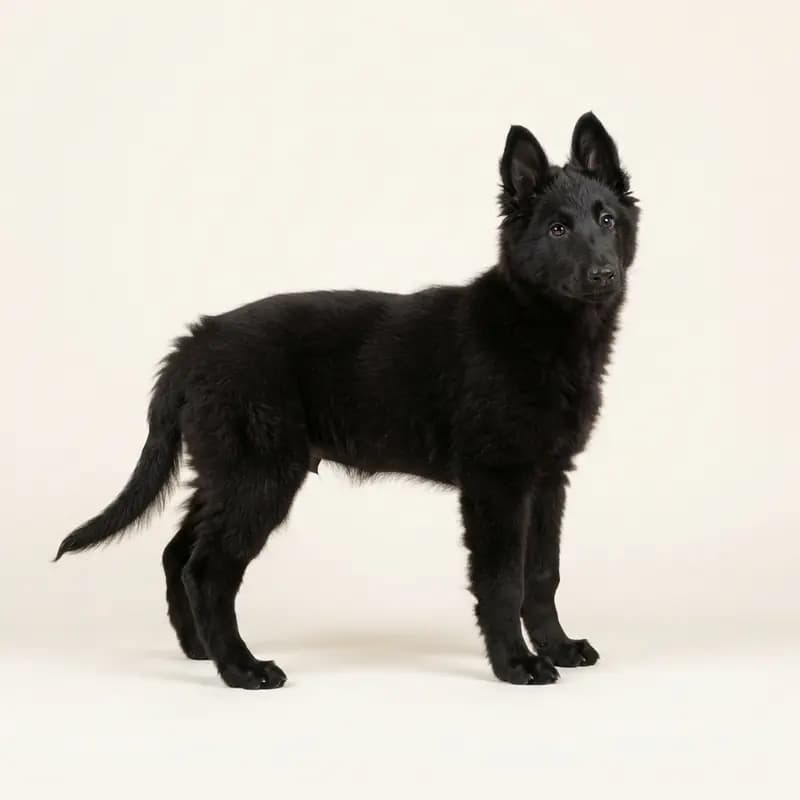
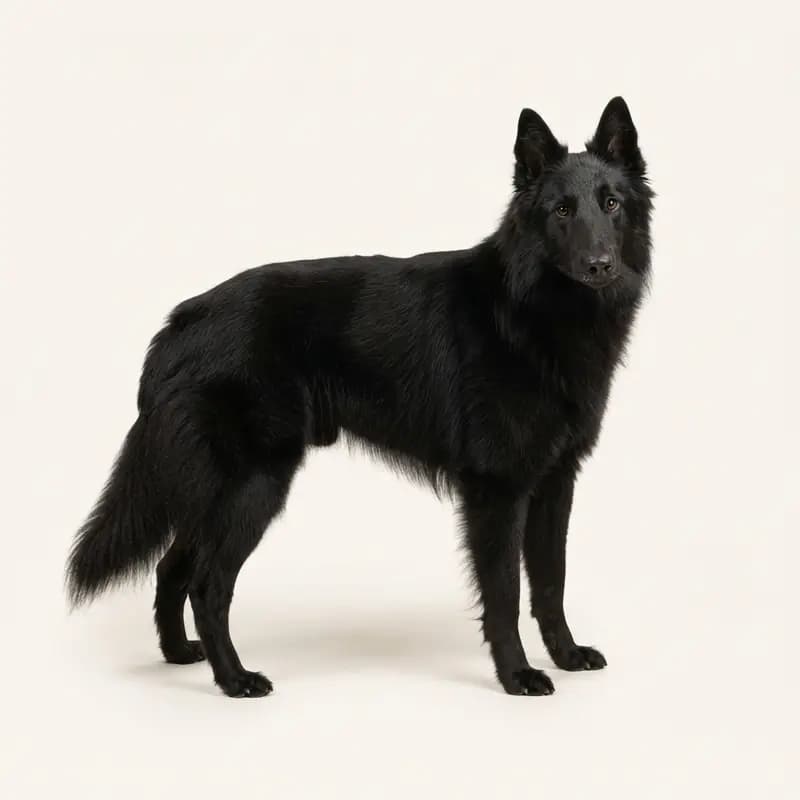
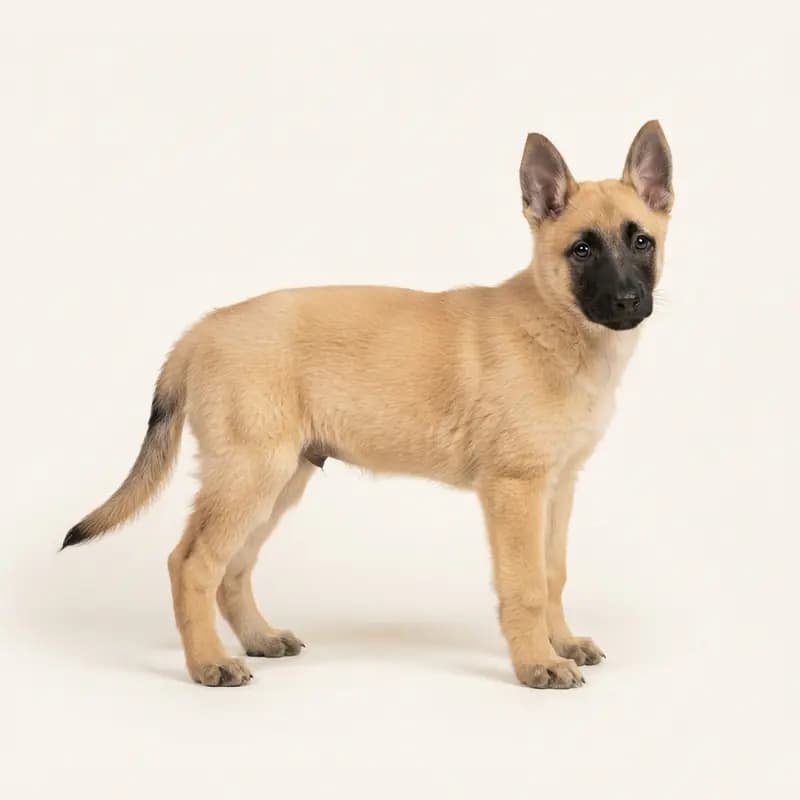
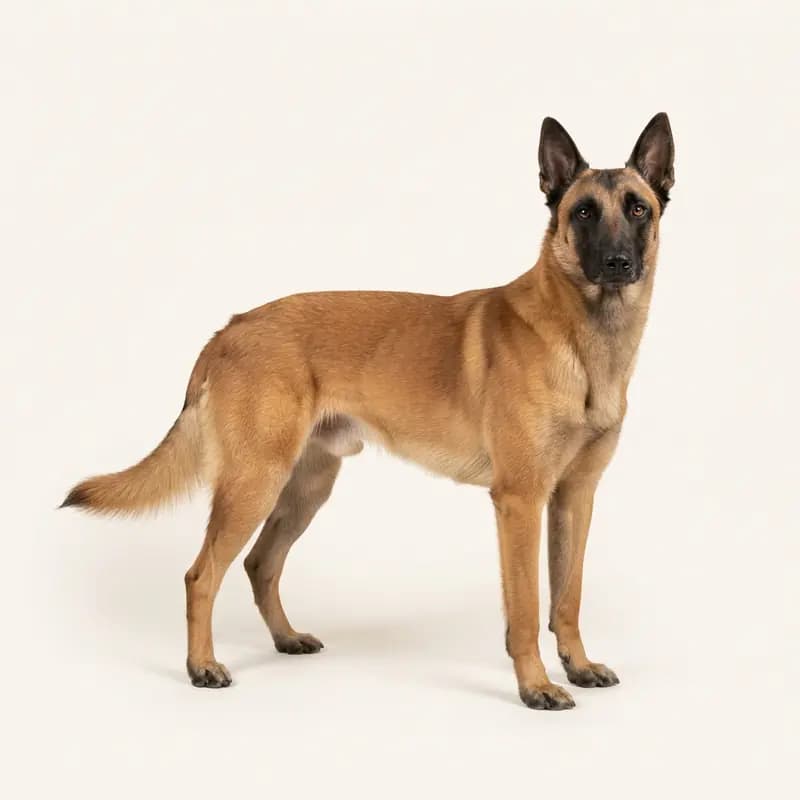
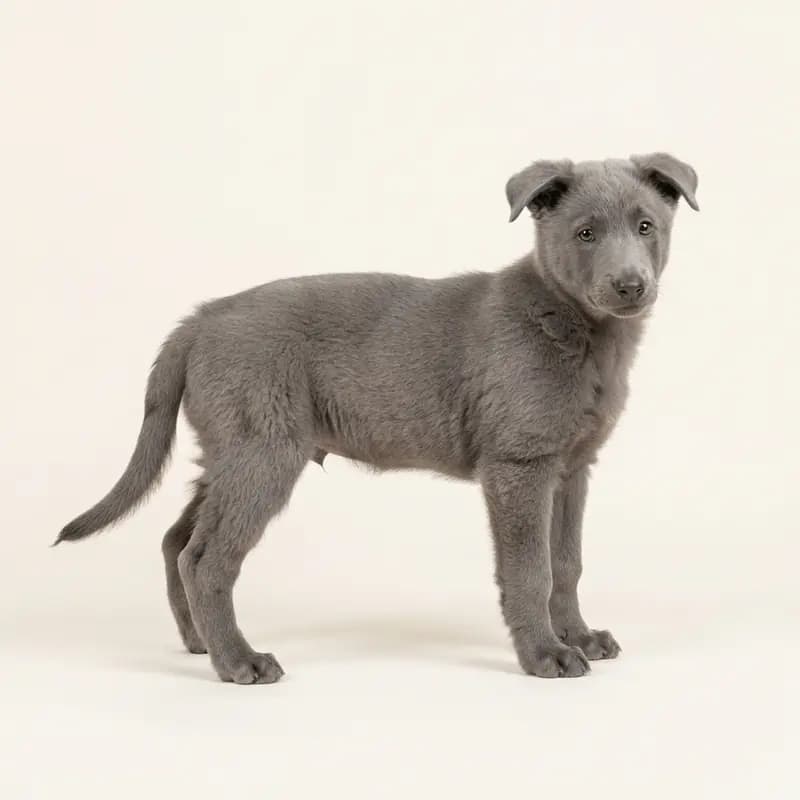
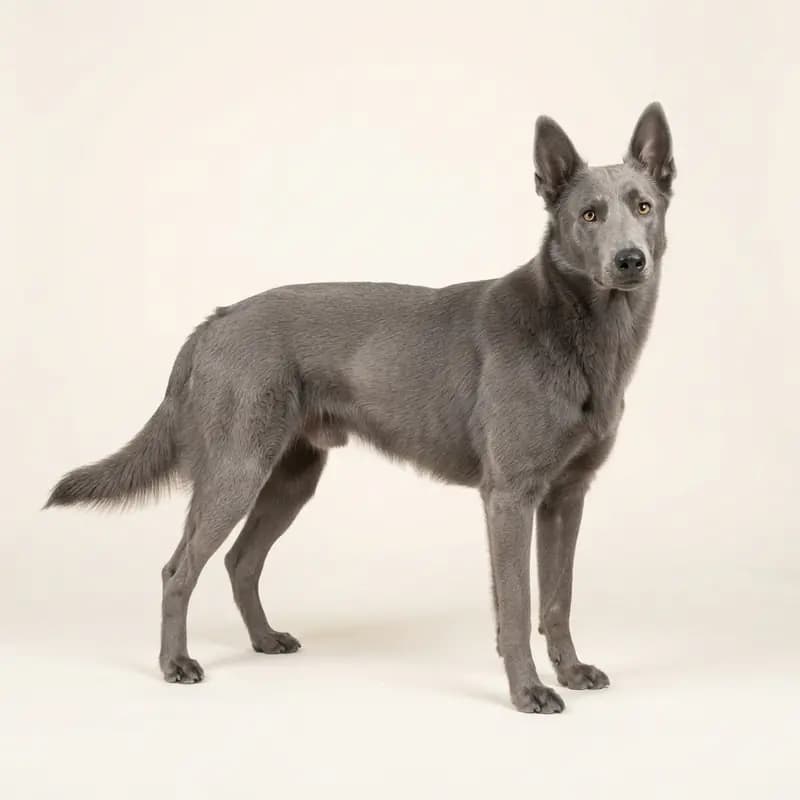
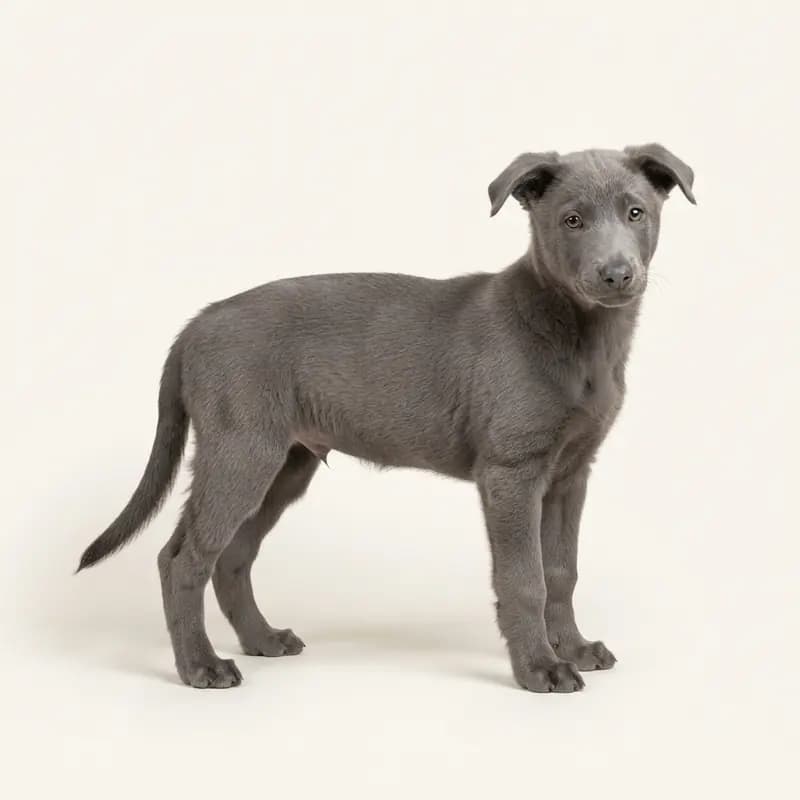
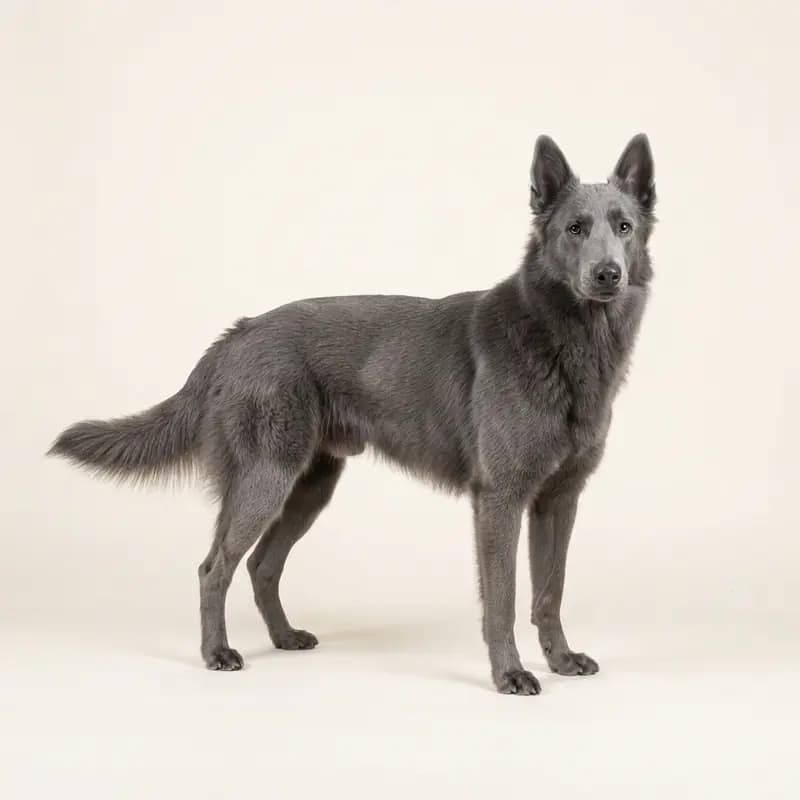
Eye colors
 Brown
Brown
Coat type
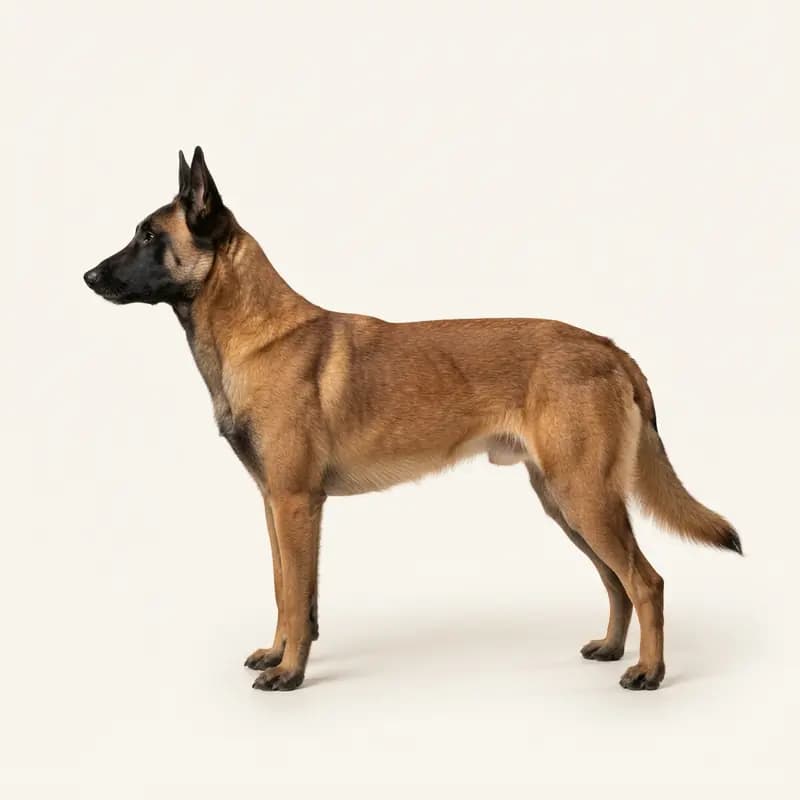 Illustrative image
Short
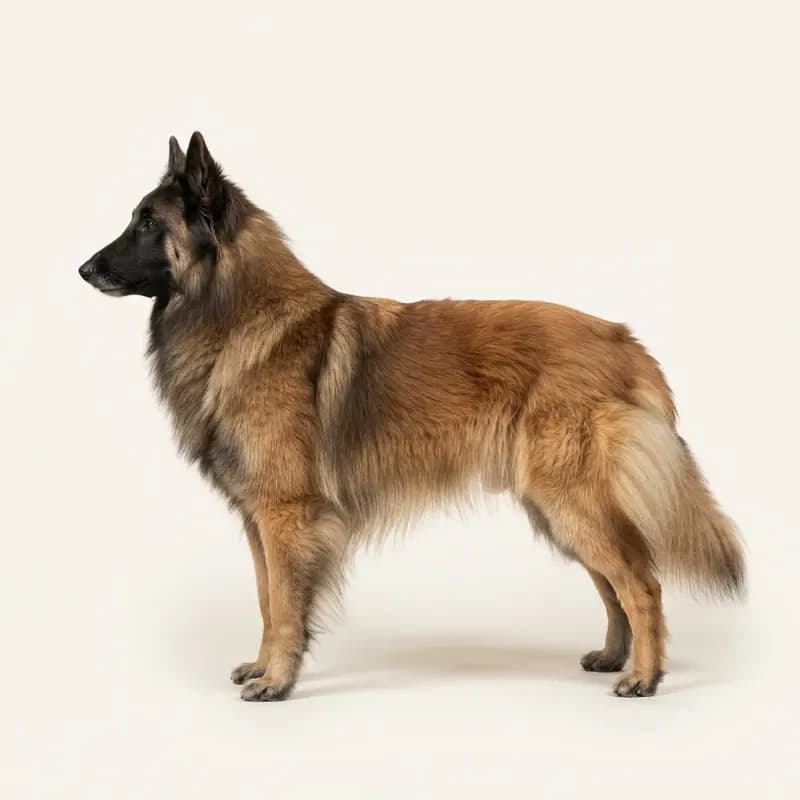 Illustrative image
Long
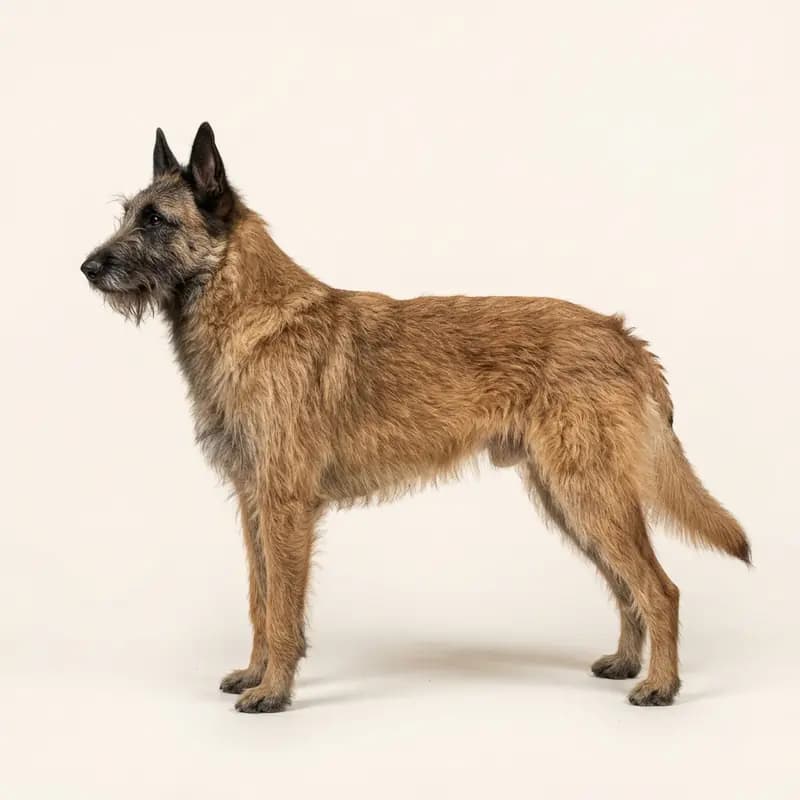 Illustrative image
Wire
 Double coat
Is the Belgian Shepherd Dog right for you?
The Belgian Shepherd is a highly intelligent, extremely responsive Hütehund (herding dog) and working dog—bred to react to movement in a flash, work closely with its human, and solve tasks with tireless intensity.
Perfect for you if:
- You already have experience with eager-to-work, reactive dogs and can lead confidently yet absolutely fairly.
- You plan for real dog sports daily, such as working dog sports, search and rescue, or obedience—simple walks will only frustrate this high-performance hardware.
- You enjoy training impulse control and calmness systematically rather than just trying to tire the dog out physically.
- You offer a structured home where clear boundaries apply and the dog is provided with set periods of rest.
Less ideal if:
- You expect him to automatically ignore cyclists or running children—he was bred to react to and control movement stimuli in a flash.
- You are looking for a dog that simply relaxes on the sofa after work and is an uncomplicated companion in everyday life.
- You get nervous easily during dog encounters or conflicts—his fine-tuned senses will immediately mirror and amplify your insecurity.
- You live in a restless, noisy urban environment that constantly overloads his vigilant nervous system.
The real vibes check
A Belgian Shepherd is not a standard companion, but a high-performance athlete in constant standby mode. If you press a button, he gives 150 percent—the real art lies in installing the 'off' switch. You get a loyal, brilliant partner for work, but you must accept that relaxation is the hardest exercise of his life.
Self-check
Would the Belgian Shepherd Dog really fit your life?
Answer 6 quick questions about your everyday life and see how well the Belgian Shepherd Dog fits you — including an honest cost estimate per month, per year, and across the dog's lifetime.
Fit checkCost estimateRisk dice
Takes about 1 minute · free & anonymous
Breed Profile
The Belgian Shepherd is a versatile and intelligent dog breed that belongs to FCI Group 1, Section 1, the herding and driving dogs. It is characterized by an elegant yet strong body structure that combines agility and endurance. Its expressive head with almond-shaped eyes and erect ears, which give it a watchful and lively appearance, is distinctive. Within the breed, there are four varieties – Groenendael, Laekenois, Malinois, and Tervuren – which mainly differ in their coat but all share the same typical traits such as intelligence, eagerness to work, and loyalty. The Belgian Shepherd is an excellent companion for active people and is often used in areas such as protection work, rescue, and dog sports. Its high willingness to learn and adaptability make it a versatile and reliable partner.
All measurements in detail
- Height
- 56 - 62 cm (Female), 60 - 66 cm (Male)
- Weight
- 20 - 25 kg (Female), 25 - 30 kg (Male)
- Life Expectancy
- 10 - 14 yrs
- Character
- Intelligent, alert, affectionate with the family, but reserved towards strangers, high hunting drive
- Coat
- Short, dense, with undercoat
- Coat Color
- Black, red, black and brown mixed
- Price
- 1500 - 2500 €
Character & Temperament
The Belgian Shepherd is an extremely intelligent and versatile working dog, distinguished by its high willingness to learn and strong work drive. It is very people-oriented and forms a close bond with its family, proving itself both as a family dog and as a reliable partner in work. Its energy and endurance make it an ideal companion for demanding tasks such as protection work, search and rescue, or dog sports like agility and obedience. The Belgian Shepherd requires a lot of mental and physical activity to remain balanced and content. Without sufficient engagement, it can become restless or destructive. It learns quickly and enjoys working closely with its human, which is why consistent but loving training from an early age is important. Its pronounced protective instinct makes it an excellent guard dog, initially reserved towards strangers but not unnecessarily aggressive. Due to its herding instinct, it may tend to chase moving objects, making early training and a stable bond essential. Overall, the Belgian Shepherd is a loyal, hardworking, and versatile dog that unfolds its full potential in experienced hands.
| Trainability Bred to work closely alongside humans. | Highly trainable |
| Watchfulness A natural watchdog with real protective instinct. | High |
| Openness to Strangers Careful around unfamiliar people — thaws slowly. | Cautious |
| Hunting or Herding Drive Powerful instinct that can override recall when triggered. | Strong |
Fun Fact!
Belgian Shepherds are true all-rounders: they were originally bred as herding dogs, but thanks to their high intelligence and endurance, they are now in demand worldwide as rescue, police, and sport dogs. They also have a dense, weatherproof coat that protects them on every adventure!
What Awaits You
Belgian Shepherds are intelligent and hardworking dogs that require clear leadership and plenty of activity. They are alert, eager to learn, and are excellent for various tasks such as protection work, dog sports, or as family dogs. The breed is characterized by its versatility and high endurance. There are different varieties, including Malinois, Tervuren, Groenendael, and Laekenois, which differ in coat type and color.
Housing & Care
Belgian Shepherds are extremely intelligent and hardworking dogs that require a lot of mental and physical exercise. They are especially suitable for active people or families who can dedicate a lot of time to training, activities, and exercise. Due to their strong protective and guarding instincts, they are very alert and can be excellent guard dogs. When dealing with children, Belgian Shepherds are usually friendly and patient, especially if they are socialized early. However, caution is advised with small children, as the dogs can unintentionally be too boisterous due to their energy and size. They get along well with other pets if they are accustomed to them from a young age. Consistent but loving training is important to channel their temperament and protective instincts in the right direction. Overall, Belgian Shepherds are loyal and reliable companions for experienced dog owners.
- Family Friendly
Loves family life and thrives in a group.
Family-oriented - Child Friendly
Gets on well with children — with adult supervision.
With supervision - Dog Friendly
Usually gets on fine with other dogs.
Generally tolerant - City Friendly
Can manage in the city, but only with very active owners.
Difficult in cities
Owning a dog is a privilege, but it's also a real responsibility. Before you bring one into your life, be honest with yourself about the commitment it takes.
Training & Education
Belgian Shepherds are extremely eager to learn and willing to work dogs that require consistent and varied activities. Similar to the German Shepherd, they have a strong work drive that should be channeled through targeted training. They are excellent for dog sports such as obedience, agility, mantrailing, or protection work. It is important not to overwhelm the Belgian Shepherd, as otherwise, they may tend to exhibit undesirable behaviors such as excessive restlessness or fixations. Early socialization and learning frustration tolerance are essential to obtain a balanced and controlled dog. Training should always be positive and reward-based to strengthen the close bond between you and your dog. Belgian Shepherds are very people-oriented and benefit from clear structures and varied tasks that challenge both body and mind. Overall, keeping and training a Belgian Shepherd requires time, patience, and commitment. Those who invest this will have an intelligent, versatile, and loyal companion who is an asset in many areas of life.
Nutrition & Care
Belgian Shepherd dogs require a balanced diet that is rich in high-quality proteins to support their muscle strength and endurance. Make sure the food contains all essential nutrients and is tailored to the needs of large, active dogs. Due to their active nature, it is important to avoid overweight and adjust the amount of food accordingly. The coat of Belgian Shepherd dogs is dense and weather-resistant, with a fine undercoat that protects them from the cold. Regular brushing, at least 2-3 times a week, helps keep the coat healthy and removes loose hair. Especially during the shedding seasons in spring and autumn, they shed more heavily, so more intensive coat care is necessary then. Belgian Shepherd dogs are well adapted to the Central European climate. Their coat protects them from the cold, but in high temperatures, sufficient shade and water should be provided to prevent overheating.
| Care Level Regular brushing and occasional professional grooming. | Moderate |
| Exercise Needs Working-dog energy that needs burning off every single day. | High-drive |
| Shedding Regular shedding — dog hair on clothes is now normal. | Moderate |
| Trainability Bred to work closely alongside humans. | Highly trainable |
Our experts are still reviewing this information. Spotted something wrong? Email us at info@honestdog.de.
Health & hereditary diseases
Health
B
Solid
Health grade
The Belgian Shepherd is a robust working breed, but like many larger dogs, it can struggle with joint issues. Hip dysplasia (HD) and elbow dysplasia (ED) are the most well-known vulnerabilities, though these are well-controlled through strict breeding tests. If you are buying a puppy, you should insist on seeing the official health screening results of the parents.
Grade is relative to other breeds — AI-assisted and editorially reviewed.
In daily life this can mean
You should focus on joint-friendly rearing, control jumping, and schedule regular check-ups for the heart and eyes to keep your dog active for a long time.
The breeder's role
Reputable breeders have hips, elbows, spines, and eyes checked and use specific genetic tests to rule out severe neurological and heart diseases in the line.
Note: This health overview is AI-assisted and editorially reviewed. It is for orientation only and does not replace veterinary advice.
No Health Tests Available
No specific health tests are currently available for this breed.
Costs & where to find one
How much does a Belgian Shepherd Dog cost?
A Belgian Shepherd Dog costs around ~€190 per month (€100 – €350, depending on your setup). The first year adds up to roughly ~€5,050 including purchase, equipment and puppy school; across the dog's life (12 years) it comes to about ~€29,520.
With surgery cover, running costs come to about ~€190 per month — in return, your share of a major operation drops from several thousand euros to around 20 percent.
Per month
~€190
In the first year
~€5,050
Across the dog's life
~€29,520
Purchase from a breeder: €1,500 – €2,500
Estimate at a mid-range setup (suburban, dry food, 1–2 hours of daily exercise), average German prices, as of July 2026.
Calculate your personal costs1-minute self-check with your own answers
Looking for a Belgian Shepherd Dog?
Appearance, variants & origin
History
The full history
The history of the Belgian Shepherd begins at the end of the 19th century in Belgium. Various herding and driving dogs were selectively bred there to meet the needs of farmers. The breed originated from crossing local shepherd dogs with the goal of creating versatile working dogs with high intelligence, endurance, and protective instincts. Over time, four varieties developed: Groenendael, Laekenois, Malinois, and Tervuren, which mainly differ in their coat. The Belgian Shepherd quickly became valued as a reliable herding, guard, and later also as a service dog. Today, it is known worldwide for its versatility and work ethic.
Original Use
Belgian Shepherds were bred to be versatile herding and guard dogs, known for their intelligence and willingness to work.
Origin
Belgium
Date
1800
Owner experiences
What owners say about the Belgian Shepherd Dog
Zusammengefasst aus öffentlich geteilten Halter-Erfahrungen
Viele Halter beschreiben den Belgischen Schäferhund als ein extrem loyales, fast schon schattenhaft anhängliches Familienmitglied, das am liebsten ununterbrochen in der Nähe seiner Menschen sein möchte. Die Rasse gilt als hochgradig sensibel und nimmt feinste Stimmungen im Haushalt sofort wahr. Diese Sensibilität macht sie im Haus oft zu verschmusten, liebevollen Begleitern, die eine unglaublich tiefe Bindung zu ihren Bezugspersonen aufbauen.
Allerdings betonen erfahrene Besitzer immer wieder, dass das Zusammenleben im Alltag kein Selbstläufer ist. Besonders die Arbeitslinien (wie viele Malinois) neigen im Alltag zu einer enormen Reizoffenheit und extremer Hibbeligkeit. Viele Halter berichten, dass die Hunde ohne ein gezieltes Training zur Ruhe im Haus permanent „unter Strom“ stehen, bei jedem Geräusch aufspringen und extrem schwer abschalten können. Auch der ausgeprägte Schutztrieb und das territoriale Verhalten erfordern im Alltag – etwa bei Besuch oder Begegnungen beim Spaziergang – vorausschauendes Management.
Zudem wird in Foren häufig davor gewarnt, den Hund als reinen Mitläufer zu halten. Ohne eine anspruchsvolle geistige Aufgabe und ausreichend Bewegung neigen die Hunde schnell zu Frustration, was sich in zerstörerischem Verhalten im Haus oder einer gesteigerten Reaktivität äußern kann. Wer jedoch bereit ist, sein Leben aktiv auf den Hund einzustellen, bekommt einen unvergleichlich treuen Partner.
Zusammengefasst aus öffentlich geteilten Halter-Erfahrungen
In der Erziehung des Belgischen Schäferhundes sind sich Halter in Foren und Fachportalen absolut einig: Diese Hunde lernen blitzschnell, verzeihen jedoch kaum Fehler. Durch ihren extremen „Will-to-please“ und ihre hohe Intelligenz macht die Ausbildung zwar große Freude, doch ihre Reaktionsschnelligkeit und Triebigkeit erfordern eine extrem konsequente, ruhige und souveräne Führung.
Ein zentrales Thema in Erfahrungsberichten ist die Balance zwischen Auslastung und dem Erlernen von Ruhe. Viele Besitzer berichten, dass sie anfangs den Fehler machten, den Hund durch ununterbrochenes Ballspielen oder stundenlange Action körperlich hochzuputschen, anstatt Impulskontrolle und Entspannung zu trainieren. Ein überdrehter Belgier neigt schnell zu Übersprungshandlungen. Zudem betonen Halter, dass Härte oder lautes Anschreien bei dieser sensiblen Rasse völlig fehl am Platz sind und das Vertrauen nachhaltig zerstören können – gefragt ist stattdessen eine faire, aber unmissverständliche und klare Führung.
Eine weitere erzieherische Herausforderung ist der ausgeprägte Jagd- und Hütetrieb. Viele Halter beschreiben, dass junge Belgische Schäferhunde auf alles reagieren, was sich schnell bewegt (wie Jogger, Radfahrer oder Autos). Ohne frühzeitiges, konsequentes Gegenarbeiten und den Aufbau einer stabilen Frustrationstoleranz kann sich dieses Verhalten schnell zu einem gefährlichen Problem verselbstständigen.
Zusammengefasst aus öffentlich geteilten Halter-Erfahrungen
Aus gesundheitlicher Sicht und mit Blick auf die Zuchtrichtungen gibt es unter Haltern wichtige Unterscheidungen. Während beim Malinois oft sehr triebige Arbeitslinien im Vordergrund stehen, wird bei den langhaarigen Varietäten wie dem Tervueren und dem Groenendael in Foren häufig diskutiert, dass in manchen Showlinien verstärkt auf optische Merkmale geachtet wurde. Dies hat laut Halterberichten teilweise dazu geführt, dass einige Vertreter dieser Varietäten wesensschwach, ängstlich oder übernervös reagieren. Daher wird potenziellen Käufern dringend geraten, bei der Auswahl des Züchters ganz besonders auf ein stabiles, wesensfestes Fundament der Elterntiere zu achten.
Körperlich gilt der Belgische Schäferhund im Vergleich zu anderen großen Rassen als relativ robust und agil. Dennoch berichten Halter immer wieder von rassetypischen Dispositionen wie Hüftgelenksdysplasie (HD) und Ellbogendysplasie (ED), weshalb geröntgte und zertifizierte Elterntiere beim Kauf Pflicht sein sollten.
Zudem wird in Erfahrungsberichten häufiger erwähnt, dass die Rasse einen recht sensiblen Magen-Darm-Trakt besitzt. Viele Hunde neigen bei Stress oder falscher Fütterung schnell zu Verdauungsproblemen oder entwickeln Allergien, weshalb viele Besitzer auf eine sehr hochwertige, gut verträgliche oder getreidefreie Ernährung sowie BARF setzen.
Paraphrased from real owner reports
Loading owner stories
Community Posts
FAQ & more
Frequently asked questions about the Belgian Shepherd Dog
Is a Belgian Shepherd Dog the right dog for me?
The Belgian Shepherd Dog is an active dog that needs plenty of exercise and mental stimulation. Research the temperament, grooming needs, and space requirements before deciding.
How long does a Belgian Shepherd Dog live?
The average life expectancy of a Belgian Shepherd Dog is 10-14 years. With proper care and regular vet visits, your dog can live a long, healthy life.
How much grooming does a Belgian Shepherd Dog need?
Belgian Shepherd Dog grooming requirements include regular brushing, nail trimming, and dental care. HonestDog provides detailed grooming tips for every breed.
Is a Belgian Shepherd Dog good for families with children?
The Belgian Shepherd Dog can be a great family dog. Proper training and socialization are key. HonestDog provides family suitability information for every breed.
What colors does the Belgian Shepherd Dog come in?
The Belgian Shepherd Dog comes in these colors: Black, Fawn, Grey, Blue. Colors that fall outside the breed standard are marked as such on the breed page.
Loading related articles
Are you a Belgian Shepherd Dog breeder?
Showcase your kennel on HonestDog and reach families searching for a responsibly bred Belgian Shepherd Dog.
Why HonestDog?
What makes HonestDog different from other platforms
Full transparency
We lay out what we have: who the breeder is, how they work, and any health records they've uploaded. So you can judge for yourself.
Responsible breeding, assured
Every breeder on HonestDog has their identity and documents checked before their profile goes live. Health records they upload are shown on the profile, so you can see exactly what has been tested.
Trust and verification
We verify breeders and buyers alike, so every conversation happens on solid ground. It's a new standard of trust in dog breeding.
Less hassle, more time
We've already checked the breeders' documents and gathered the details, so you can skip the endless research and focus on finding the right puppy for your family.
Our Mission

We connect dog lovers with responsible breeders and shelters to ensure every dog finds the perfect home.
Founded by dog enthusiasts, our platform focuses on ethical dog breeding and adoption.
Why HonestDog?
We connect you with vetted breeders and shelters so you can find your — your new companion — with confidence.
Vetted Partners
Only verified breeders and shelters — for a safe start.
Highest Standards
Every animal's health and wellbeing is our top priority.
Guides & Resources
Guides, checklists, and breed profiles — so you can make a well-informed decision.